The Best Fast-Growing Vegetables To Plant Before Pennsylvania’s First Frost
The first frost in Pennsylvania is coming, and it arrives faster than most gardeners expect once August gives way to September.
But the growing season is not over yet, and for gardeners who know which vegetables to plant right now, there are still meaningful harvests ahead before the cold shuts everything down. Fast growing vegetables are the key to making the most of what’s left.
The right crops planted today can go from seed to harvest in as little as three to five weeks, which means there is still time to get fresh homegrown food out of a Pennsylvania garden before frost ends the season.
You don’t need the whole summer ahead of you. You just need to choose wisely and move quickly.
Some of these vegetables actually improve in flavor as temperatures drop in fall, making a late season planting not just productive but genuinely rewarding in ways that summer growing sometimes isn’t.
Here are the best fast growing vegetables to plant now in Pennsylvania and exactly how much time each one needs before your first frost arrives.
1. Radishes
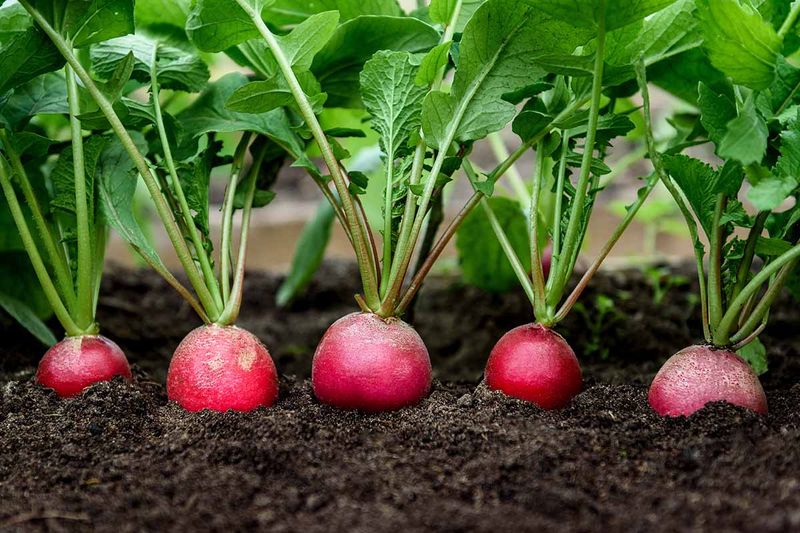
If you want the fastest payoff in the fall garden, radishes are your best bet. Most varieties go from seed to harvest in about 25 days, which makes them almost unbeatable when time is running short.
You can plant a short row today and be pulling crisp, peppery radishes before you know it.
Radishes love cool weather, and Pennsylvania’s late summer nights are just right for pushing them toward quick growth. Warm soil in August helps seeds sprout fast, while cooling air keeps the roots from turning too hot and sharp.
That combination of warm soil and cool air is practically a perfect recipe for a great radish crop.
One of the smartest tricks experienced gardeners use is called succession planting. Instead of sowing all your seeds at once, plant a small batch every week or two.
That way you get a steady supply of fresh radishes rather than one giant harvest you cannot eat fast enough.
Keep sowing into early September if your part of Pennsylvania allows it. Check your local frost dates and count backward from there to figure out how late you can plant.
Many Pennsylvania gardeners in the south-central and southeastern parts of the state have more flexibility than those in the northern counties.
French Breakfast, Cherry Belle, and Easter Egg are popular varieties that all mature quickly. They also add a pop of color to your salads.
Radishes are easy to grow in containers too, so even small-space gardeners can enjoy them this fall.
2. Spinach
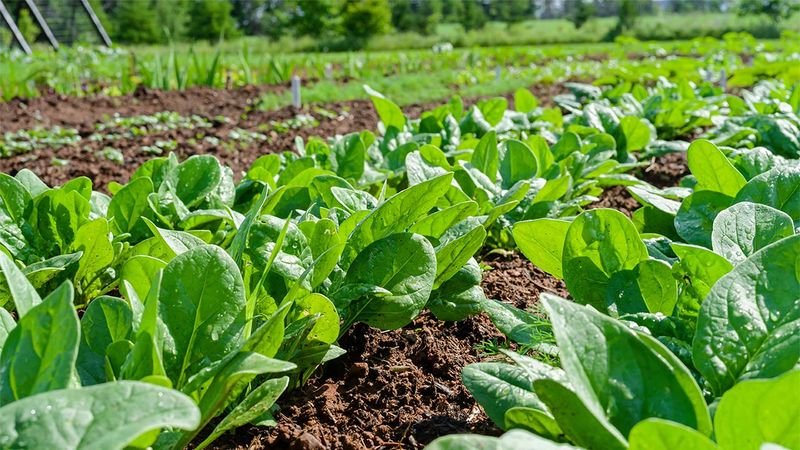
Cool weather and spinach go together like peanut butter and jelly. When temperatures start to drop in late summer, spinach really hits its stride, producing thick, dark-green leaves packed with vitamins and flavor.
Many varieties are ready to harvest in roughly 35 to 40 days, making spinach a reliable choice for fall planting in Pennsylvania.
Planting spinach in August gives it time to establish before the serious cold sets in. Spinach can actually handle light frosts quite well, and a touch of cold often makes the leaves taste sweeter.
Your Pennsylvania Garden Changes Every Week. Your Plan Should Too.
Gardening in Pennsylvania changes quickly throughout the season. Every Friday you’ll receive a simple weekly plan showing exactly what to plant, prune, fertilize, harvest, and protect so you never miss the right timing.
Some gardeners even use row covers or cold frames to stretch the harvest a few extra weeks into November.
Start by preparing your garden bed with good compost and loose, well-draining soil. Sow seeds about half an inch deep and one inch apart in rows.
Water consistently because spinach seeds need steady moisture to germinate properly, especially when late-summer soil can dry out quickly.
Bloomsdale Long Standing, Tyee, and Space are three popular varieties that perform well in Pennsylvania’s fall climate. Each one grows quickly and resists bolting in cool temperatures.
Bolting happens when a plant rushes to produce seeds instead of leaves, and cool weather slows that process down nicely.
Harvest spinach by snipping outer leaves first and letting the center keep growing. This cut-and-come-again method extends your harvest window by weeks.
Fresh spinach from your own garden tastes far better than anything from a grocery store bag, and growing it yourself takes very little effort once seeds are in the ground.
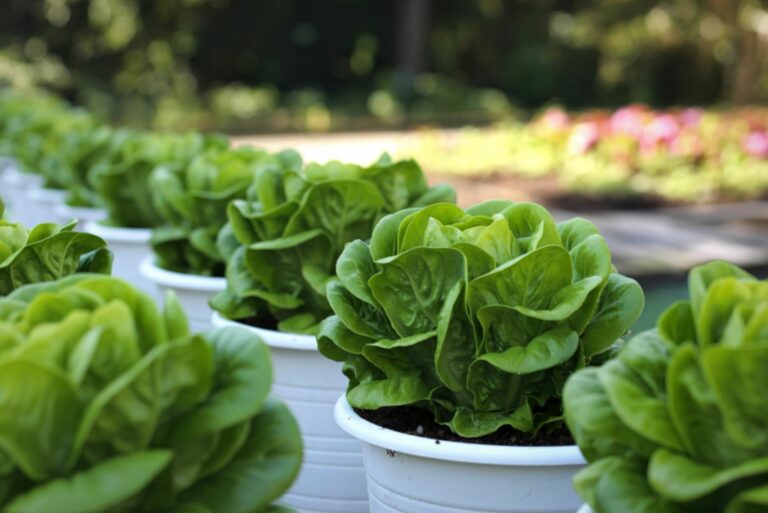
3. Leaf Lettuce
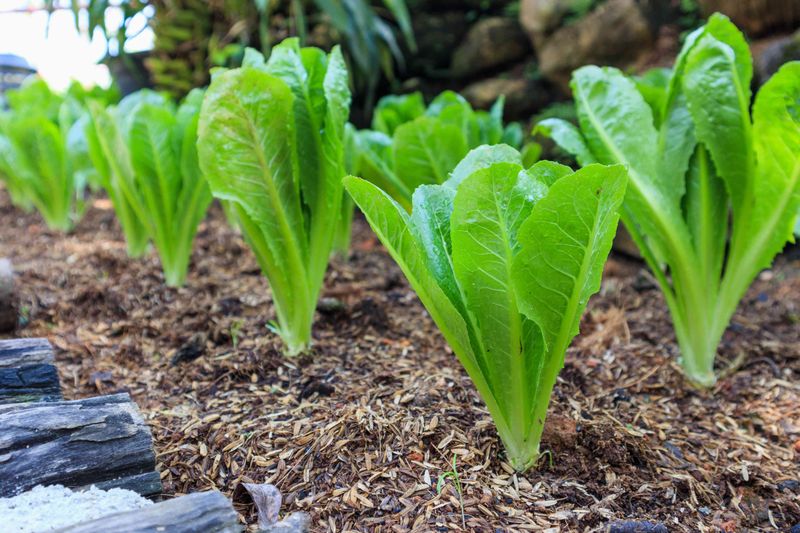
Leaf lettuce is one of those vegetables that rewards impatient gardeners. Unlike heading lettuce, which takes a long time to form a tight ball of leaves, leaf lettuce grows quickly and can be harvested young.
That makes it ideal for late-August planting when the Pennsylvania growing window is narrowing fast.
Loose-leaf varieties like Black Seeded Simpson, Red Sails, and Oak Leaf are popular choices for fall gardens. They are ready to start picking in as little as 28 to 45 days depending on conditions.
You do not even need to wait for a full plant to develop before you start enjoying fresh salads right from your backyard.
The key to a great fall lettuce crop is planting in a spot that gets morning sun but some afternoon shade. Even in late summer, the afternoon sun can stress young seedlings.
A little shade helps keep the soil cooler and the plants happier during those late-August warm spells that Pennsylvania sometimes sees.
Water your lettuce regularly but do not overdo it. Lettuce roots are shallow, so the top inch of soil should stay moist but not soggy.
Mulching around your plants with straw or shredded leaves helps hold moisture in and keeps soil temperatures stable as fall sets in.
Harvest young leaves before plants reach full size for the best flavor and texture. Snip leaves from the outside of the plant and leave the center intact so it keeps producing.
With a little planning, you can enjoy fresh leaf lettuce salads well into October from a single late-summer planting.
4. Turnips
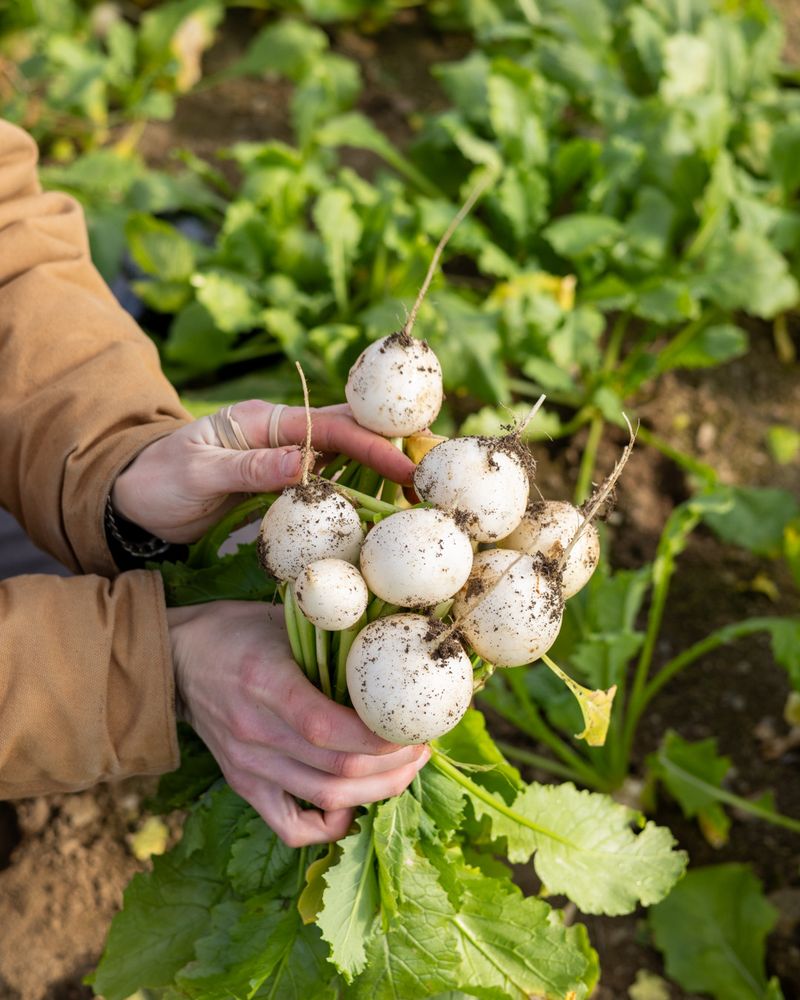
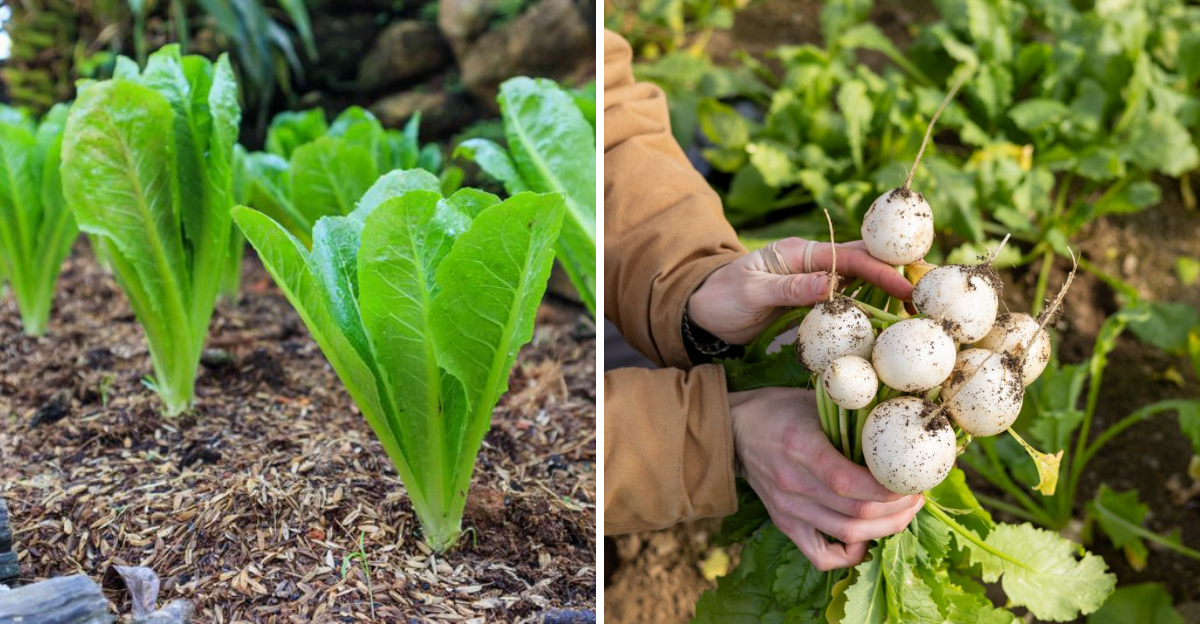
Turnips might not be the flashiest vegetable, but they are one of the most practical choices for a Pennsylvania fall garden. Many varieties mature in about 45 to 50 days, which means an August planting can give you a full harvest before frost arrives.
Plus, turnips are tough plants that handle cool temperatures with ease. What makes turnips extra valuable is that you get two crops in one plant. The leafy green tops, often called turnip greens, are edible and nutritious.
You can start harvesting the greens when they are young and tender, well before the roots are ready to pull. That means you are getting food from your garden even faster than the 45-day timeline suggests.
Purple Top White Globe is one of the most popular varieties for fall growing, and it is widely available at garden centers and online seed shops. Hakurei is another favorite, known for its sweet, mild flavor that is great eaten raw.
Seven Top is grown primarily for its greens rather than the root, making it a smart pick if you love cooking Southern-style greens.
Plant turnip seeds about half an inch deep in rows spaced about 12 inches apart. Thin seedlings to about four to six inches apart once they sprout so the roots have room to develop.
Crowded turnips tend to produce small, misshapen roots that are harder to cook and store.
Turnips store well in a cool cellar or refrigerator after harvest, so you can enjoy them for weeks. They taste great roasted, mashed, or added to hearty fall soups that warm you up on chilly Pennsylvania evenings.
5. Arugula
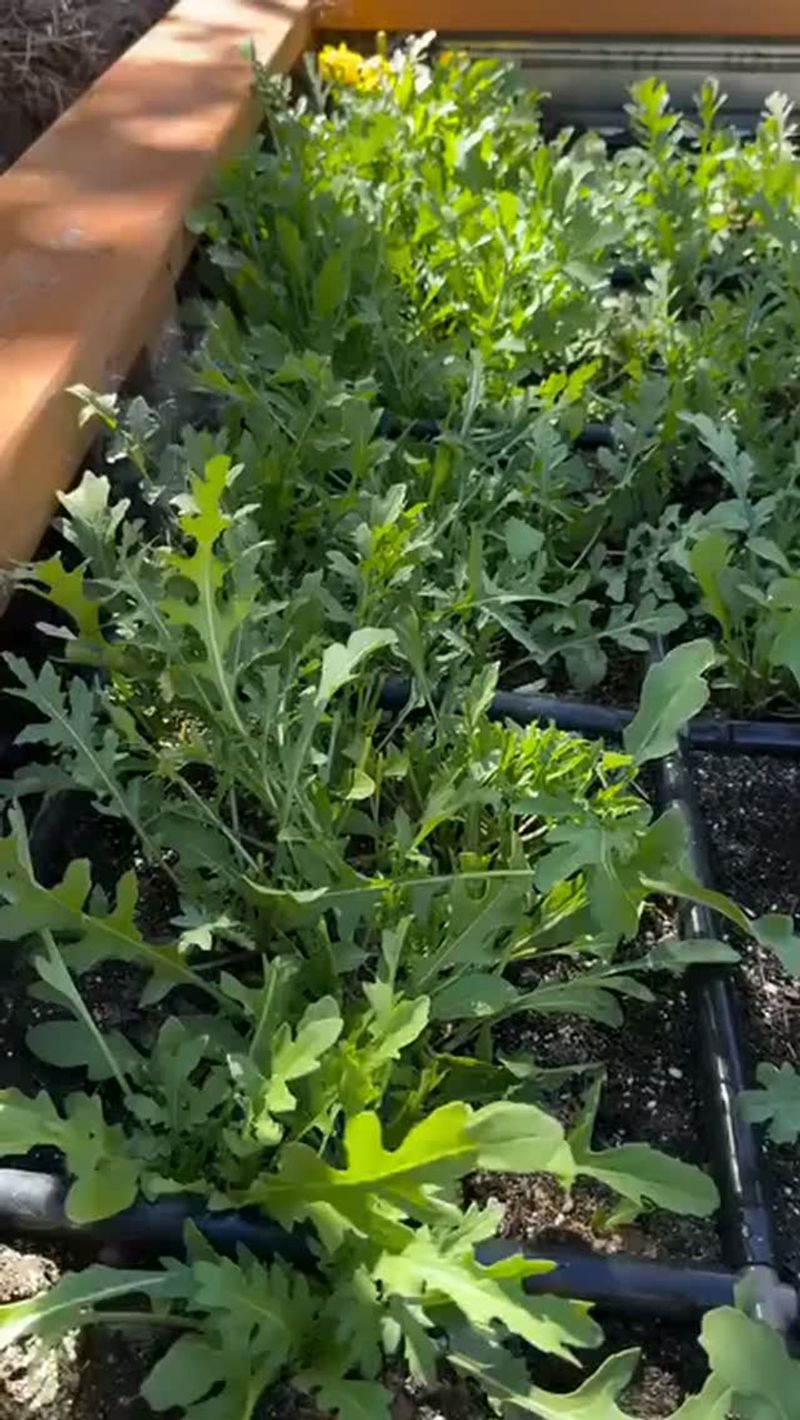
Arugula has a bold, peppery flavor that sets it apart from every other salad green. Gardeners who have never tried growing it are often surprised by how fast it takes off, especially as summer heat fades and cooler fall temperatures move in.
Baby arugula leaves can be ready to harvest in as little as 21 to 30 days, making it one of the quickest crops you can plant right now.
Heat is arugula’s biggest challenge. When summer temperatures stay high, arugula bolts quickly and turns extremely bitter.
But as Pennsylvania days cool down in late August and September, arugula thrives. The leaves stay tender, mildly spicy, and absolutely delicious when grown in cool conditions.
Scatter seeds directly in the garden or in containers. Arugula does not need deep soil, so a window box or a shallow planter works perfectly for small spaces.
Sprinkle seeds thinly, water gently, and you should see sprouts popping up within a week. Thinning seedlings to about three inches apart helps each plant develop properly.
Harvest baby leaves when they reach two to three inches long for the mildest flavor. Larger leaves are still tasty but carry a stronger bite, which some people love in sandwiches or on pizza.
Cutting leaves regularly encourages the plant to keep producing fresh growth throughout the fall season.
Arugula pairs beautifully with shaved Parmesan, lemon juice, and olive oil for a simple fall salad. It also wilts nicely into pasta dishes and soups.
Growing your own means you always have a fresh, peppery green on hand without a trip to the grocery store.
6. Mustard Greens
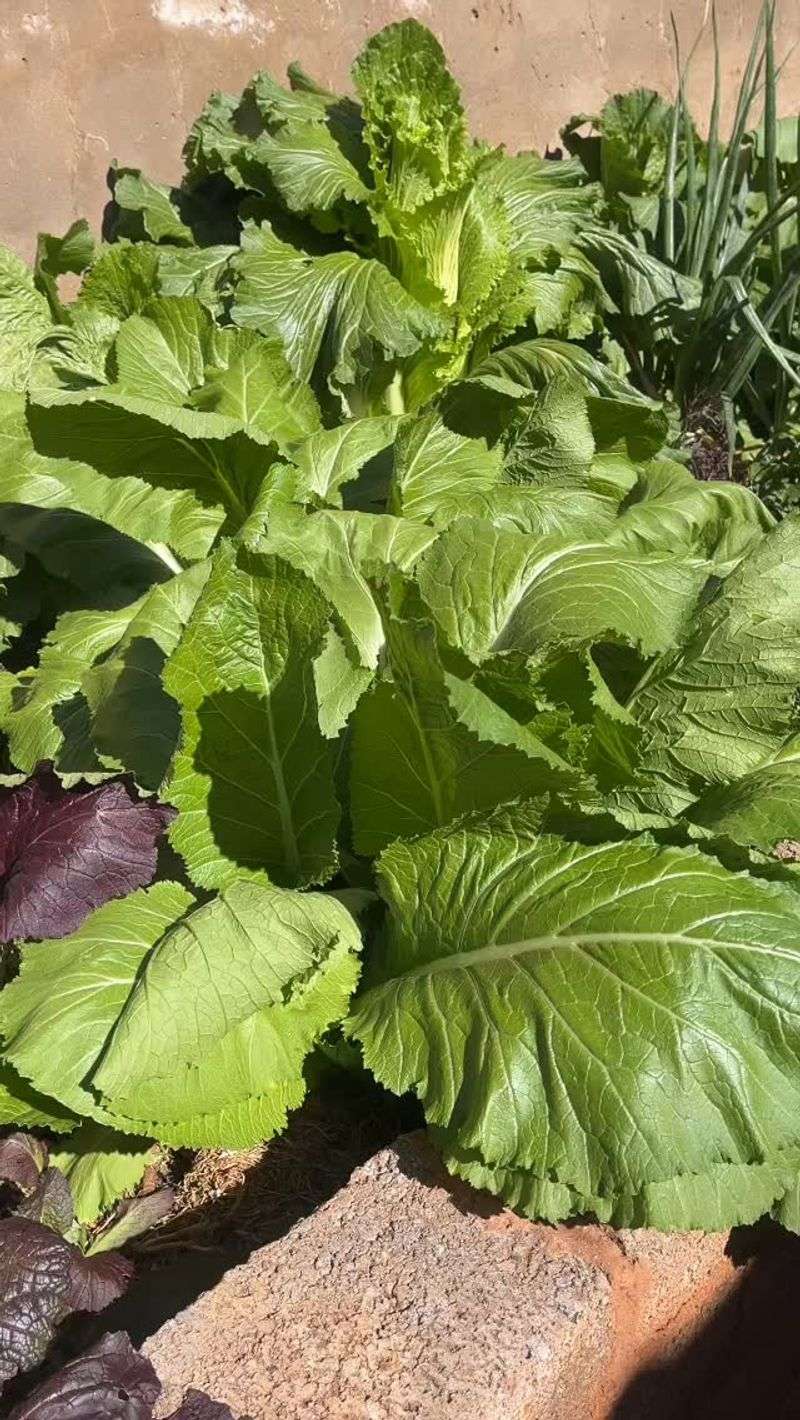
Mustard greens bring serious flavor to the fall garden, and they grow at a speed that few vegetables can match. These leafy greens shoot up quickly in cool weather, and they can actually tolerate a light frost without missing a beat.
For Pennsylvania gardeners working against the clock before the first freeze, mustard greens are a smart and reliable pick.
Southern Giant Curled, Red Giant, and Tendergreen are popular varieties worth trying. Each one has a slightly different flavor profile, ranging from mildly spicy to boldly pungent.
Younger leaves tend to be milder and work great in salads, while older leaves carry more heat and hold up well in cooked dishes like stir-fries and braised greens.
Sow mustard green seeds directly in the garden about a quarter-inch deep. They germinate quickly, often within just three to five days under good conditions.
Once sprouts appear, thin them to about six inches apart so each plant has enough room to spread its broad, crinkled leaves without crowding its neighbors.
Harvest young leaves for an earlier crop and the most tender eating experience. Start picking outer leaves when plants are four to six inches tall, and the center will keep pushing out new growth.
Regular harvesting actually helps the plant stay productive longer, giving you a continuous supply of fresh greens through September and into October.
Mustard greens are loaded with vitamins A, C, and K, making them one of the most nutritious crops you can grow. Saute them with garlic and a splash of vinegar, or toss raw baby leaves into a salad for a zippy, satisfying bite that celebrates the best of fall gardening.
7. Bok Choy
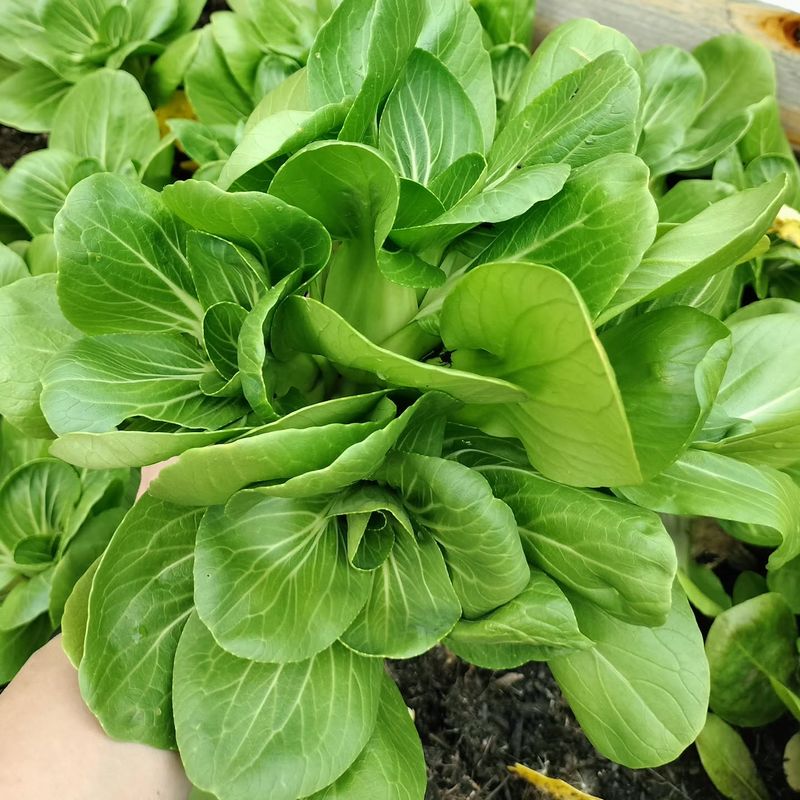
Bok choy might feel like an exotic choice for a Pennsylvania fall garden, but it is actually one of the most practical vegetables you can plant right now. Quick-maturing varieties like Toy Choy and Win-Win reach baby size in as little as 30 days.
Even full-sized heads are ready in about 45 to 60 days, which fits comfortably inside Pennsylvania’s remaining growing window.
Cool fall temperatures suit bok choy perfectly. Like most brassicas, it actually tastes better after a light frost, developing a slightly sweeter flavor in the stalks and leaves.
Hot summer weather causes bok choy to bolt and turn bitter, so waiting until late August or early September to plant is actually the right call for most Pennsylvania gardeners.
Prepare your planting area with rich, well-amended soil and good drainage. Sow seeds about a quarter-inch deep and keep the soil evenly moist until germination, which usually happens within five to seven days.
Once seedlings are a few inches tall, thin them to about six to eight inches apart for baby-sized heads, or 12 inches apart if you want full-grown plants.
Baby bok choy can be harvested before full-sized heads develop, which is a great option when you want a quicker turnaround. Simply cut the whole plant at the base when it reaches four to six inches tall.
Alternatively, harvest outer leaves individually and let the center continue growing for a longer harvest period.
Bok choy is incredibly versatile in the kitchen. Use it in stir-fries, soups, or slice it in half and grill it with a drizzle of sesame oil for a simple, delicious fall side dish that impresses everyone at the dinner table.