Don’t Cut These Pennsylvania Perennials Down Yet
The instinct to tidy up the garden as summer winds down is completely understandable. Spent stems, faded seed heads, and browning foliage start to look messy, and cutting everything back feels like responsible end of season maintenance.
For some plants, it is. But for certain Pennsylvania perennials, cutting down too early is one of the most counterproductive things you can do, and it’s a mistake that costs the garden in ways that aren’t always obvious until the following spring.
Some of your perennials are still working, even when they look like they’re done. Seed heads that appear spent are actually feeding birds through fall and into winter. Hollow stems provide nesting sites for native bees that can’t find what they need anywhere else.
Old foliage insulates crown tissue through the coldest Pennsylvania nights. And some perennials are still setting important resources below ground that cutting interrupts at exactly the wrong moment.
Before you reach for the pruners on these specific plants, here’s why waiting until later makes a genuine difference for your garden, your local wildlife, and what comes back in spring.
1. Asters
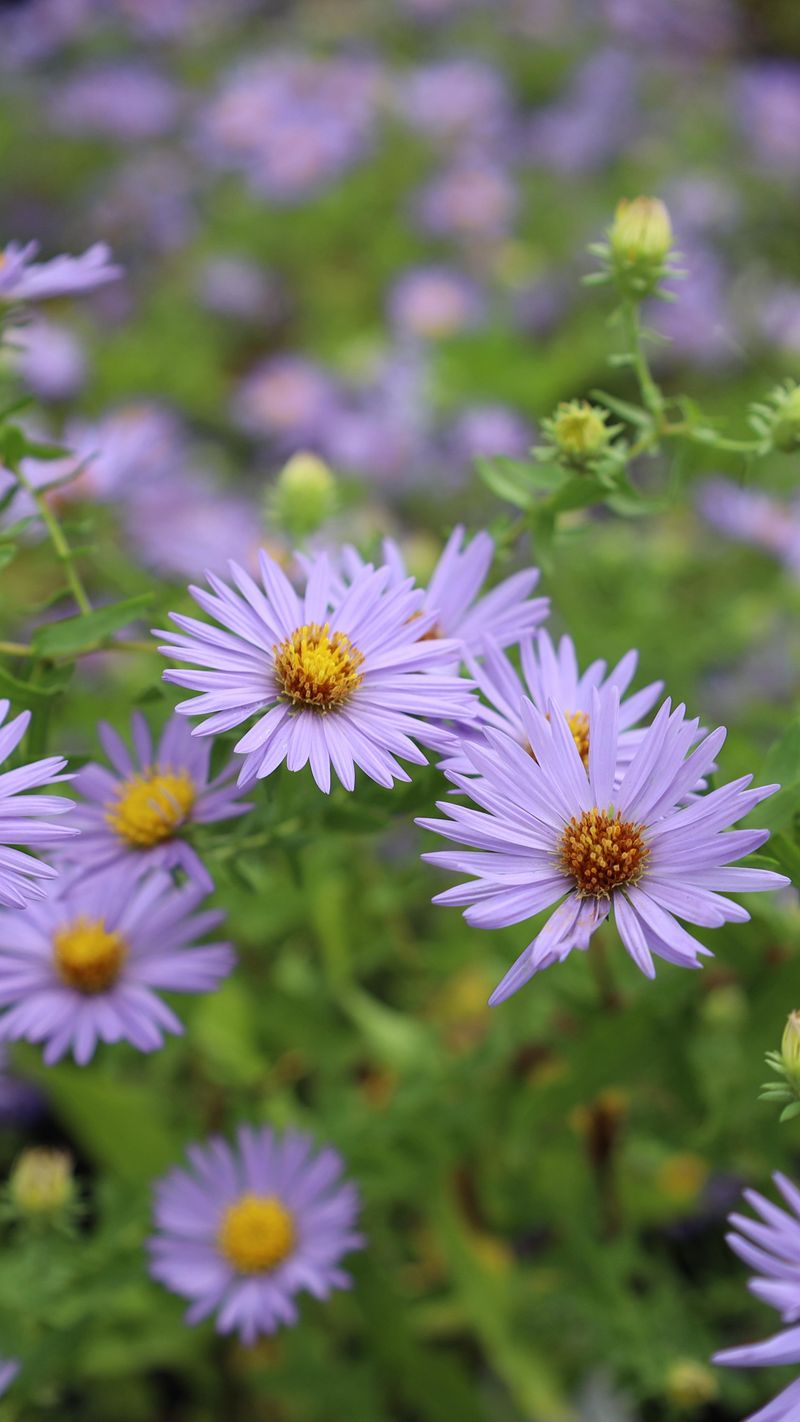
Few plants signal the arrival of fall quite like asters. These cheerful, daisy-like flowers are just hitting their stride in late August, making them one of the last perennials to truly light up a Pennsylvania garden.
Cutting them back now would mean losing weeks of gorgeous color right when the rest of the garden starts to fade.
Asters come in shades of purple, pink, blue, and white. They spread across garden beds like a soft, colorful blanket, and their small blooms attract bees, butterflies, and other pollinators that are still busy searching for nectar before the cold sets in.
Monarch butterflies, in particular, rely on asters during their fall migration south. Beyond their beauty, asters are incredibly low-maintenance.
They do not need much fussing over, and if you simply leave them alone right now, they will reward you with weeks of blooms stretching well into October.
Pennsylvania gardeners who cut their asters in late summer often regret it once they see their neighbor’s yard still bursting with color.
Let your asters stand tall and proud through the fall season. After the first hard frost has finished them off, that is the right time to tidy them up.
For now, enjoy the show and let the pollinators enjoy it too. A little patience goes a long way with these fall-blooming beauties.
2. Goldenrod
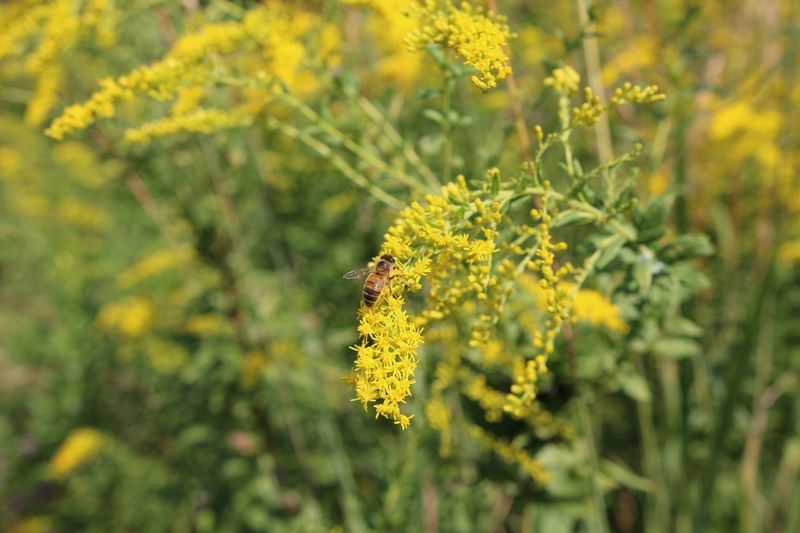
Goldenrod gets a bad reputation that it simply does not deserve. Many people blame it for fall allergies, but the real culprit is ragweed, which blooms at the same time.
Goldenrod’s pollen is too heavy and sticky to travel through the air and into your nose. So go ahead and appreciate it without sneezing.
From late summer stretching well into fall, goldenrod lights up Pennsylvania roadsides, meadows, and garden borders with its bright golden-yellow plumes.
Cutting it back now would wipe out one of the most important late-season nectar sources available to pollinators.
Your Pennsylvania Garden Changes Every Week. Your Plan Should Too.
Gardening in Pennsylvania changes quickly throughout the season. Every Friday you’ll receive a simple weekly plan showing exactly what to plant, prune, fertilize, harvest, and protect so you never miss the right timing.
Bees, butterflies, and beetles all count on goldenrod when other flowers have already faded.
Goldenrod also plays a surprisingly important role in the food web. Many insects lay their eggs on goldenrod stems and leaves, and those insects in turn become food for birds.
Leaving goldenrod standing is one of the simplest things you can do to support local wildlife heading into the colder months.
If you have been thinking of goldenrod as a weed, it might be time to give it a second look. Native varieties like Solidago rugosa and Solidago odora are actually lovely garden plants with graceful arching stems.
They spread reliably, require almost no care, and look stunning planted alongside asters. Wait until late fall or even early spring to cut goldenrod back, and you will be giving your garden ecosystem a real boost when it needs it most.
3. Joe-Pye Weed
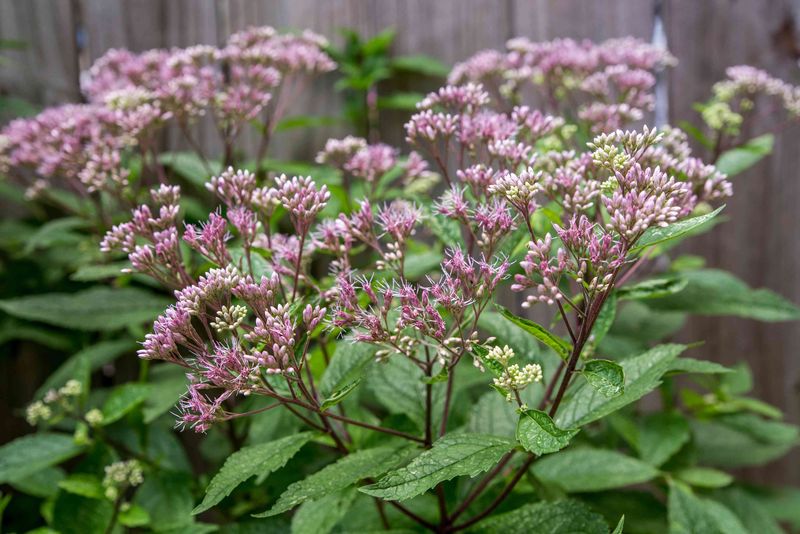
There is something almost majestic about Joe-Pye Weed. It towers over most other garden plants, sometimes reaching six feet or more, and its large, dusty-pink flower clusters have a soft, romantic quality that looks stunning in late summer and early fall.
If you cut it back in August, you are shortchanging yourself and every pollinator in your yard.
Flowers on Joe-Pye Weed can easily continue blooming into September in Pennsylvania. Butterflies absolutely love it.
You might spot swallowtails, fritillaries, and skippers all crowding around the blooms on a warm fall afternoon. It is one of those plants that practically hums with life when everything else is starting to quiet down for the season.
After the flowers fade, the seedheads that remain are worth keeping around too. They add texture and visual interest to the winter garden, standing tall even after frost arrives.
Birds will occasionally pick at the seeds, and the hollow stems can shelter small beneficial insects through the cold months ahead.
Joe-Pye Weed is native to eastern North America, which means it is perfectly suited to Pennsylvania’s climate and soil. It thrives near moisture and does especially well along the edges of rain gardens or low-lying areas.
Rather than cutting it down in late summer, step back and let it finish its season on its own terms. You will be rewarded with weeks of additional blooms, plenty of wildlife activity, and a garden that looks full and alive long after your neighbors have tidied everything away.
4. Purple Coneflower
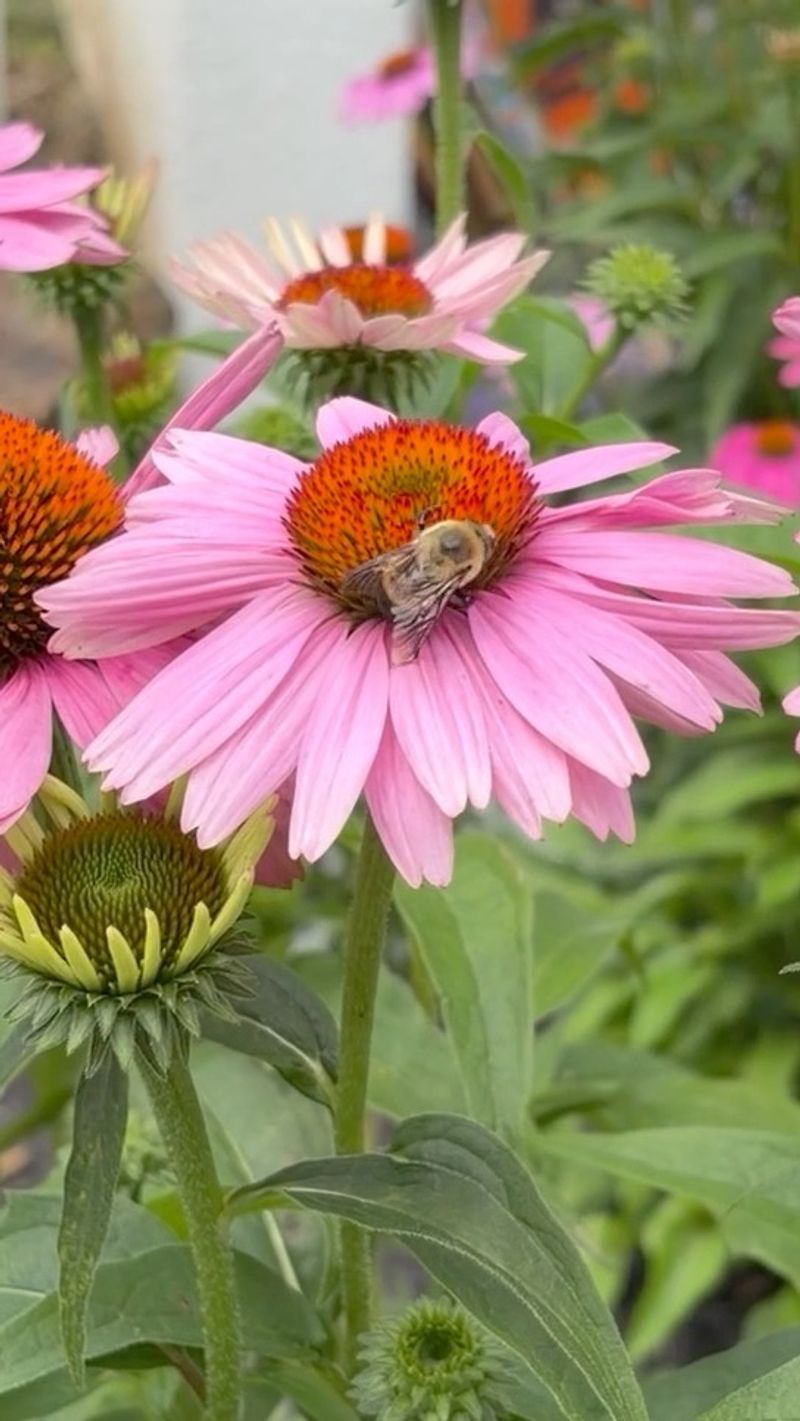
Purple coneflower, or Echinacea, is one of the most recognizable native perennials in the eastern United States. With its bold, rosy-purple petals and spiky orange-brown center cone, it has been a garden favorite for generations.
And here is the thing: some plants are still actively blooming in late August, especially in cooler parts of Pennsylvania.
Cutting coneflowers back now means removing flowers that pollinators are still visiting. Bees and butterflies continue to seek out coneflowers well into the season.
The blooms may look a little tired by late summer, but they are still doing important work, providing nectar when fewer options are available in the landscape.
Once the petals finally drop and the seedheads mature, something even better happens. Goldfinches, chickadees, and other seed-eating birds zero in on those dark, spiky cones like they are a favorite snack bar.
Leaving the seedheads standing through fall and winter gives birds a reliable natural food source during tough months when finding food gets harder.
Purple coneflower is also wonderfully tough. It handles Pennsylvania summers without complaint, tolerates dry spells, and comes back reliably year after year.
Rather than tidying up the seedheads in late summer, leave them right where they are. You can always cut the stems back in late winter or early spring before new growth starts.
Your garden will look more natural and feel more alive, and the birds will thank you for it every single morning.
5. Black-Eyed Susan
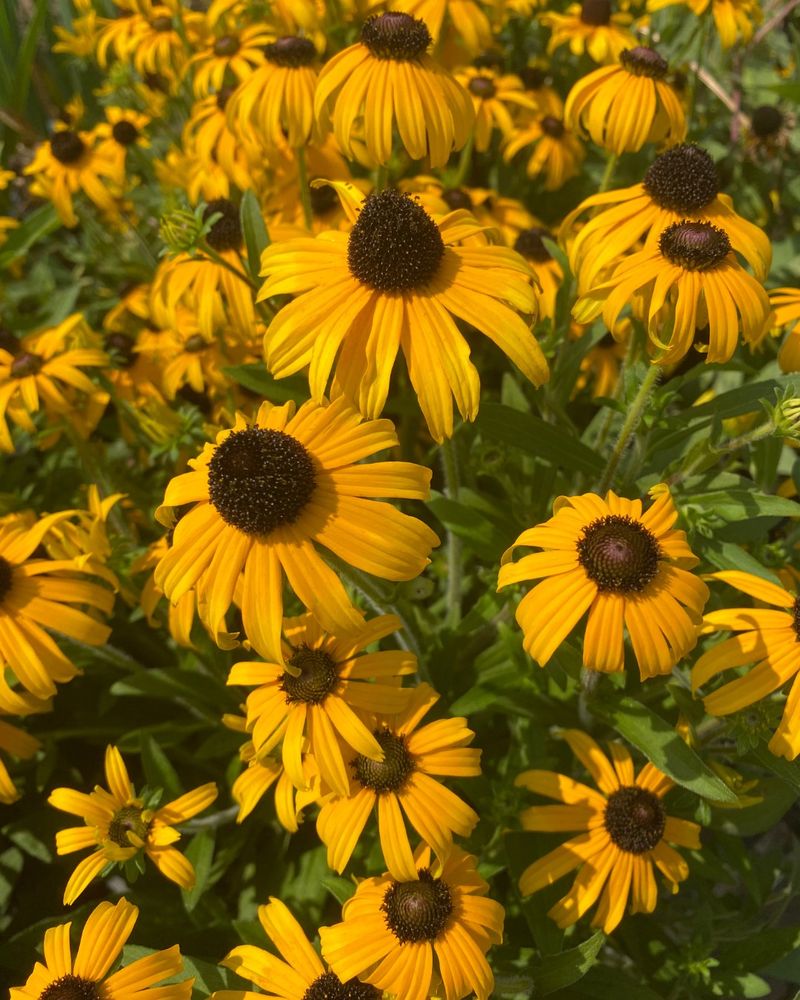
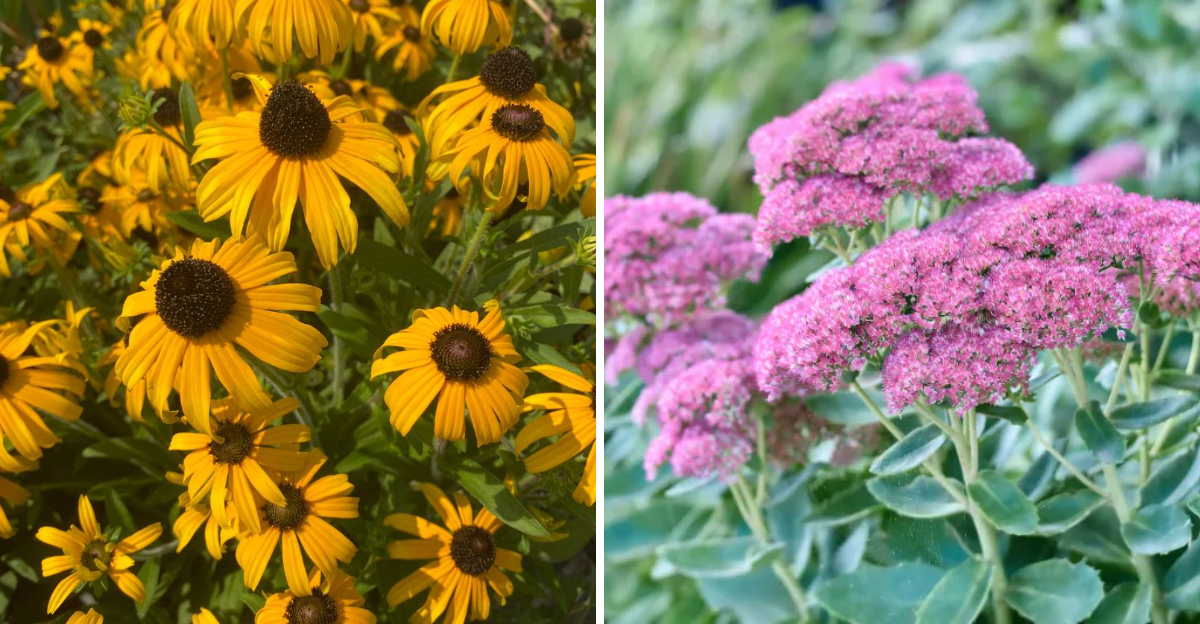
Black-Eyed Susans are practically the mascot of the American summer garden. Their cheerful yellow petals and dark chocolate centers are hard to miss, and the good news is that they often keep blooming well into late summer and sometimes beyond.
Cutting them back in August means cutting the season short before it is actually finished.
These tough, sun-loving natives are a magnet for pollinators. Bees, butterflies, and beetles all visit regularly.
As the blooms start to fade and the petals drop, the dark seedheads that remain become something even more valuable. Birds like finches and sparrows love picking seeds out of those compact, cone-shaped heads throughout the fall and into winter.
Leaving Black-Eyed Susans standing is one of the easiest ways to support backyard birds in Pennsylvania without spending a single dollar on birdseed. The plants do the work for you.
They stand upright even after frost, holding their seedheads at just the right height for small birds to perch and feed comfortably.
Black-Eyed Susans also self-seed freely, which means leaving the seedheads in place helps new plants pop up naturally next spring. Over time, a small patch can spread into a gorgeous, low-maintenance drift of summer color.
Wait until late winter to cut the stems back, right before new growth begins to emerge from the base. That one small change in your gardening routine can make a big difference for the birds and pollinators that share your outdoor space.
6. Sedum
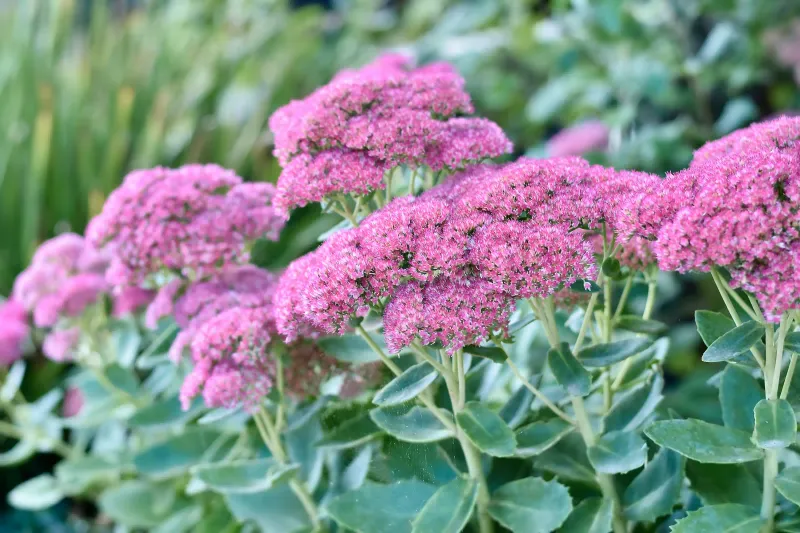
Walk past a patch of fall-blooming sedum in late August and you might think the best is already behind it. Think again.
Popular varieties like Autumn Joy and Autumn Fire are only just beginning their most impressive display, and cutting them back now would mean missing the whole finale. These are plants that actually get better as the season goes on.
Sedum flowers start out as tight, broccoli-like clusters of pale pink or white. As fall arrives, they deepen into rich shades of dusty rose, salmon, and eventually rusty red or bronze.
The transformation is slow and satisfying, and at every stage, pollinators are working the blooms. Bees especially love sedum, and you can often find them buzzing busily over the flat-topped flower heads on warm fall afternoons.
Once the flowers fade after frost, sedum does not just disappear. The dried flower heads hold their shape beautifully through winter, turning a warm coppery brown that catches the light on clear, cold days.
They add structure to the garden when most other plants have gone completely dormant, and they look particularly striking when dusted with frost or snow.
Sedum is also incredibly forgiving. It thrives in poor soil, handles drought without complaint, and rarely needs any extra attention.
Leave the flower heads standing all the way through winter and cut them back in early spring when fresh new growth starts to appear at the base. You will get more beauty, more pollinators, and a garden that looks interesting and full even in the coldest months.
7. Liatris
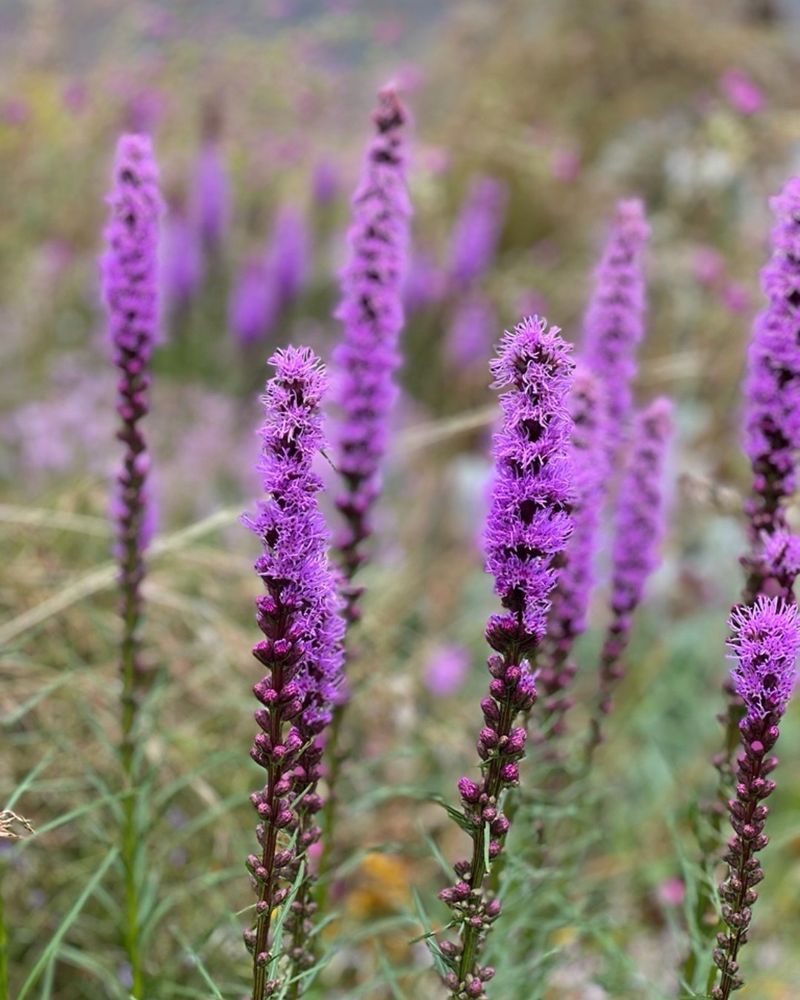
Liatris has a fun quirk that sets it apart from almost every other flowering plant: it blooms from the top of its spike downward, not from the bottom up. That unusual habit makes it endlessly interesting to watch as the season progresses.
Some varieties are still actively flowering into September in Pennsylvania, so putting away your pruning shears now is absolutely the right call.
Also called blazing star, liatris sends up tall, wand-like stems covered in feathery purple or lavender blooms. Monarch butterflies, bumblebees, and hummingbirds are all drawn to it.
During fall migration, monarchs in particular seek out late-blooming flowers like liatris to fuel their long journey south. Your garden could be a critical pit stop on that incredible trip.
After the blooms finish, the stems and seedheads that remain are worth keeping around. Goldfinches and other small birds visit liatris seedheads to pick out the small, fluffy seeds.
The stems also provide shelter for beneficial insects looking for a safe place to overwinter. Cutting everything down in late summer removes these resources right when wildlife needs them most.
Liatris is a tough, reliable native perennial that grows from a corm, similar to a bulb. Once established, it comes back year after year with very little help from you.
It handles heat, drought, and Pennsylvania’s unpredictable weather without much fuss. Leave the stems standing until late winter or early spring, and then cut them back to make way for fresh new growth.
Your patience will pay off in a garden that feels alive and connected to the natural world around it.