This Is The Tiny Pest Destroying Pennsylvania Hostas In Shaded Gardens This Season
Hostas have a well-earned reputation for toughness in Pennsylvania shade gardens, and most of the time they deliver on it without much drama.
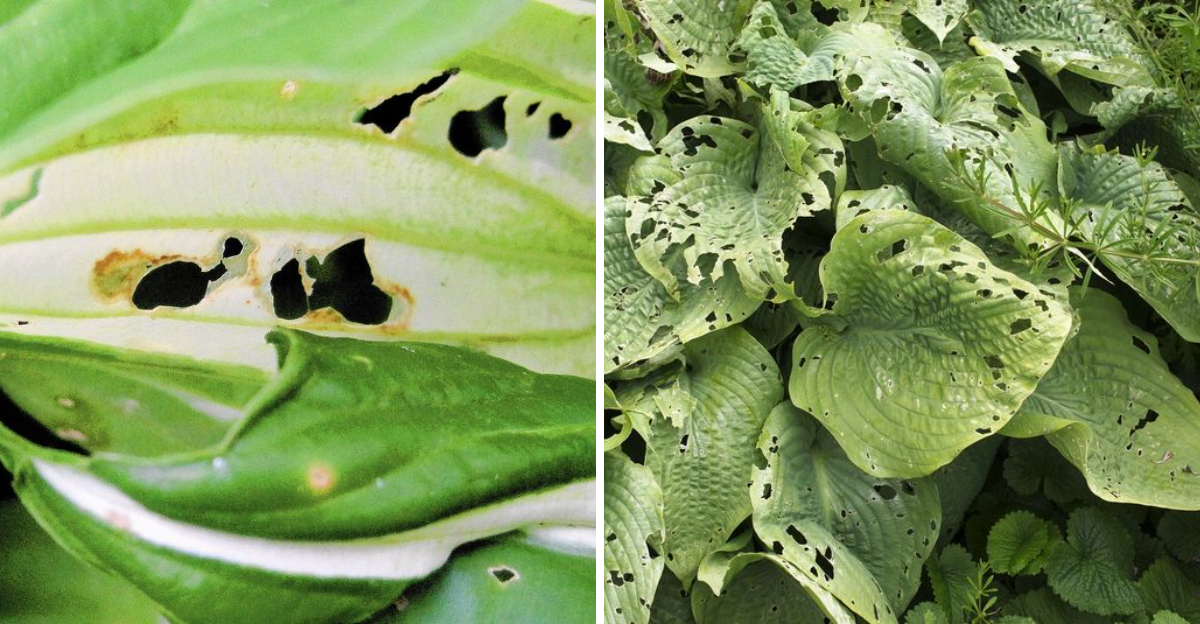
This season, a tiny pest that often goes undetected until the damage is already significant has been working through shaded hosta plantings across the state, and the results are showing up in ways that gardeners are initially misreading as disease, drought stress, or nutrient deficiency.
The misleading part is that this pest operates in a way that does not immediately point to an insect problem.
The signs it leaves behind are subtle early on, and by the time the damage becomes impossible to explain away, the population has usually been active for long enough that intervention requires more effort than it would have earlier in the season.
Knowing what to look for, where to look for it, and when to act makes the difference between catching this pest early and dealing with a planting that spends the rest of the season trying to recover.
Meet The Hosta Leaf Miner
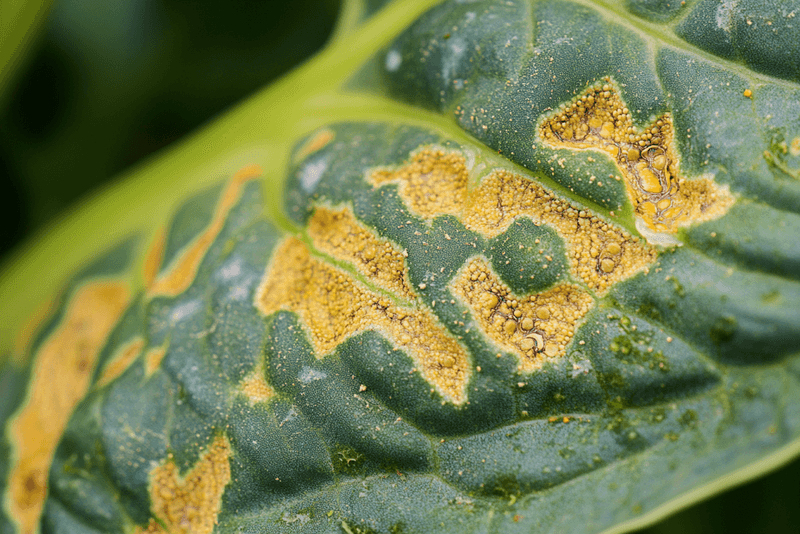
Tiny but troublesome, the hosta leaf miner is a small fly belonging to the genus Liriomyza. You would barely notice the adult fly if it landed on your hand.
It is only about one to two millimeters long and looks like a common gnat at first glance. But do not let its size fool you.
The real damage comes from the larvae, which are the young, worm-like stage of the fly. After a female adult lays her eggs directly inside hosta leaf tissue, the larvae hatch and begin feeding from the inside out.
They do not eat the outside of the leaf. Instead, they tunnel through the soft inner layer, creating visible trails that are hard to miss once you know what to look for.
Pennsylvania gardens are especially vulnerable because hostas love shaded, moist spots, and those same conditions are perfect for leaf miners to thrive. Shaded areas under trees, along fences, or near buildings tend to stay damp longer.
That extra moisture and reduced sunlight create a cozy environment where these pests can breed with ease.
Leaf miners have been spreading steadily across the northeastern United States over the past decade. Gardeners who have never dealt with them before are suddenly finding their hostas covered in strange markings.
Early identification is key. The sooner you spot the signs of a leaf miner problem, the faster you can take action and protect your plants from further damage this season.
How The Pest Damages Hostas
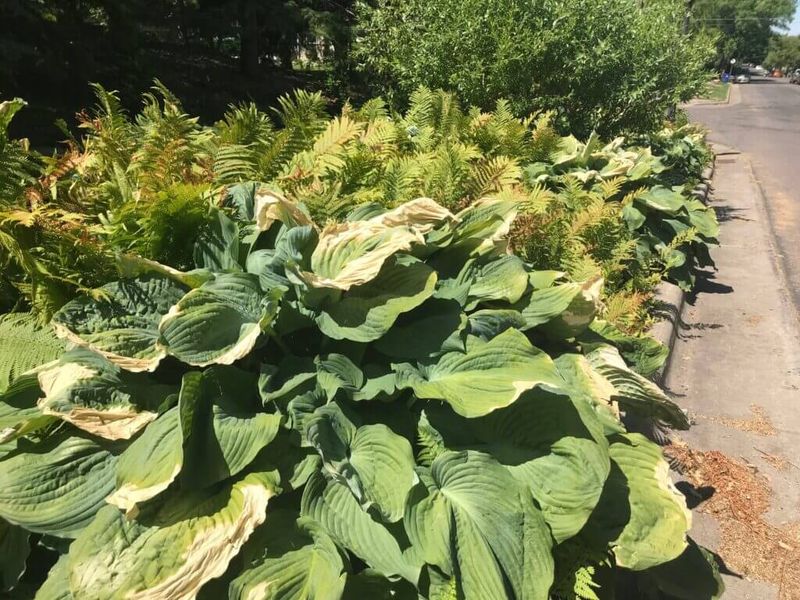
Watching a healthy hosta slowly turn into a mess of yellowed, tunneled leaves is frustrating for any gardener.
The damage caused by the hosta leaf miner is both visible and sneaky at the same time. You may not realize what is happening until the leaves already look pretty bad.
Larvae feed inside the leaf tissue, moving between the upper and lower surfaces of the leaf. As they travel and eat, they leave behind long, winding trails that look like someone drew squiggly lines with a pale yellow marker.
Your Pennsylvania Garden Changes Every Week. Your Plan Should Too.
Gardening in Pennsylvania changes quickly throughout the season. Every Friday you’ll receive a simple weekly plan showing exactly what to plant, prune, fertilize, harvest, and protect so you never miss the right timing.
Sometimes the damage appears as larger blotchy patches instead of thin trails, depending on how many larvae are feeding in one area.
Over time, those tunnels and blotches cause the leaf tissue to break down. Leaves may start to yellow around the damaged areas, then wilt, and eventually collapse entirely.
A heavily infested plant can look ragged and worn out well before the end of the growing season. The plant puts extra energy into trying to recover, which weakens it overall.
Beyond the visual damage, there is a practical concern too. Hostas are often grown for their beautiful foliage, so leaf miner damage hits right at the heart of what makes these plants so appealing.
Even one or two badly damaged leaves can take away from the overall look of your garden bed.
The damage also makes leaves more vulnerable to other problems like fungal infections, since the broken tissue creates openings for other issues to sneak in. Acting early keeps things from snowballing.
Life Cycle Of The Leaf Miner
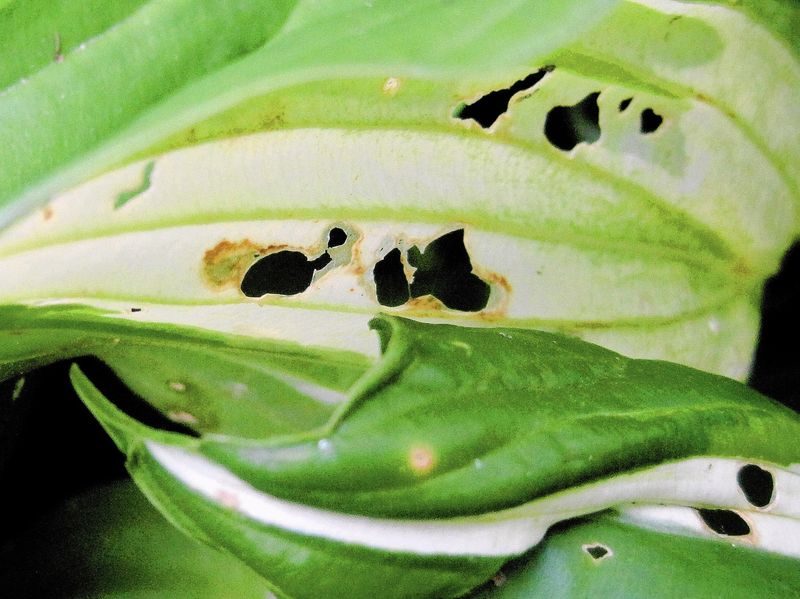
Understanding the life cycle of the hosta leaf miner helps you figure out the best time to take action. Adult flies emerge in late spring, usually around May or June in Pennsylvania.
They are most active during warm, mild weather and tend to be more noticeable in the early morning hours.
After mating, females use a sharp, pointed body part called an ovipositor to pierce the surface of a hosta leaf and deposit eggs directly inside the tissue. Each female can lay dozens of eggs over her short lifetime.
The eggs hatch within just a few days, and the tiny larvae immediately begin feeding inside the leaf.
Larvae feed for about one to two weeks before they are ready to pupate. When it is time, they exit the leaf and drop into the soil below the plant, where they form a protective casing called a puparium.
They stay in the soil through part of the season before emerging as new adult flies, ready to start the cycle all over again.
Here is the part that really matters for gardeners: there can be two or even three generations of leaf miners in a single growing season. That means the damage can keep building up from late spring all the way through early fall.
Each new generation of adults lays more eggs, creating more larvae, which causes more tunneling. If nothing is done to break the cycle, the problem gets bigger as the season goes on. Knowing this timeline helps you plan your response at the right time.
Signs Of Infestation To Watch For
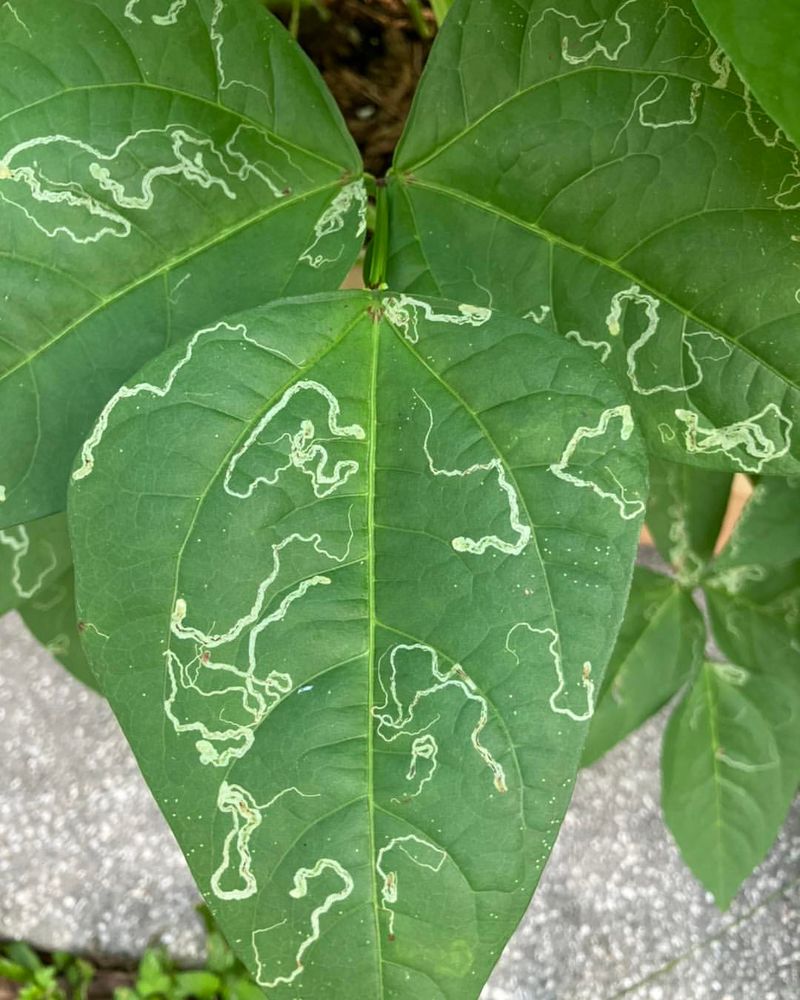
Spotting a leaf miner problem early makes a big difference. The good news is that the signs are pretty clear once you know what to look for. You do not need any special tools or expertise to catch this pest in the act.
The most obvious sign is the appearance of thin, winding, pale trails on the surface of hosta leaves. These trails are sometimes called mines, which is actually where the name leaf miner comes from.
The trails may look yellowish, white, or silvery, depending on how fresh the damage is. Older trails tend to turn brown as the leaf tissue breaks down around them.
Another sign is larger blotchy areas that appear discolored or papery on the leaf surface. These happen when several larvae are feeding close together, or when a single larva has been feeding in one spot for a longer time.
The blotches can spread across a large portion of the leaf if left unchecked. Premature yellowing is another red flag. If your hostas are turning yellow earlier than expected and the yellowing seems to follow the trail patterns, leaf miners are likely the cause.
You can also confirm the presence of larvae by carefully splitting open a fresh, damaged leaf along the tunnel. Look closely and you may spot a tiny, pale, worm-like larva still feeding inside.
Catching larvae in the act confirms your diagnosis and tells you the infestation is currently active. Regular weekly checks through the growing season help you stay one step ahead of this pest.
Immediate Control Actions You Can Take

Once you confirm that leaf miners have moved into your hostas, acting fast is the smartest move you can make. The goal is to slow the spread and break the life cycle before more generations can hatch and cause additional damage.
Start by removing any leaves that show visible trails or blotches. Do not toss them into your compost pile.
Larvae inside those leaves are still alive and can continue developing even after the leaf has been removed from the plant.
Place infested leaves in a sealed plastic bag and put them in the trash instead. Removing damaged leaves also improves the look of your garden right away.
Keeping your garden area clean and tidy is another important step. Leaf litter and debris around the base of your hostas can shelter pupating larvae in the soil.
Raking up and removing fallen leaves reduces the number of larvae that survive to become new adults. Avoid overwatering shaded areas, since extra moisture creates ideal conditions for pests to thrive.
Natural predators can also help keep leaf miner populations in check. Parasitic wasps are small insects that target leaf miner larvae and lay their own eggs inside them, which naturally reduces the pest population.
You can encourage these helpful insects by planting small flowering plants nearby that provide nectar for them. Avoid using broad-spectrum pesticides that would harm these beneficial bugs.
If you feel chemical treatment is needed, look for products specifically labeled for leaf miners and always read and follow the label directions completely before applying anything to your garden.
Preventive Measures For Future Seasons
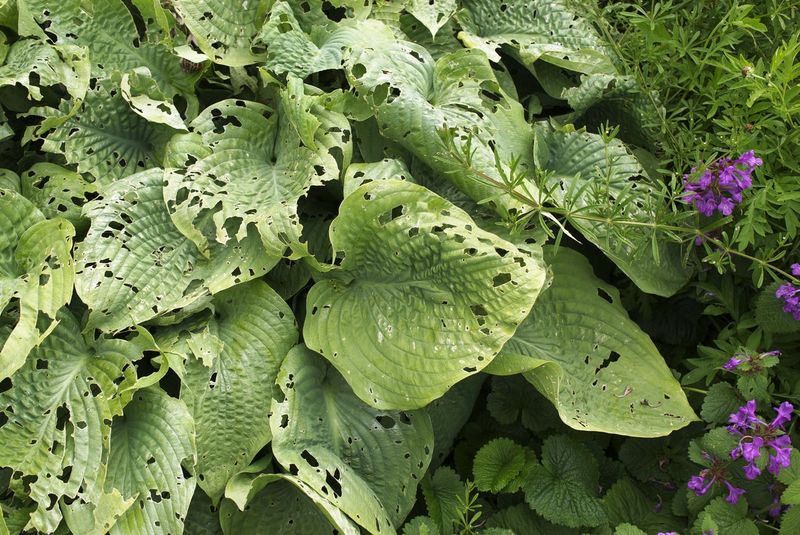
Prevention is always better than scrambling to fix a problem after it has already taken hold. A few simple habits practiced regularly can go a long way toward keeping hosta leaf miners out of your garden in the first place.
Spacing your hosta plants properly is one of the easiest things you can do. When plants are crowded together, air circulation drops and moisture stays trapped between the leaves.
That damp, still environment is exactly what leaf miners and many other pests prefer. Giving each plant enough room to breathe reduces that risk significantly. Check the recommended spacing on the plant tag when you buy new hostas.
Always inspect new plants carefully before adding them to your garden. Leaf miner eggs and early larvae can be nearly impossible to see with the naked eye, but you can look for any suspicious trails or discoloration on the leaves.
If anything looks off, hold off on planting until you are sure the plant is clean. Buying from reputable nurseries that practice good pest management also lowers your chances of bringing a problem home.
Rotating where you plant hostas every few years can also help disrupt the leaf miner life cycle since pupae overwinter in the soil. If leaf miners are accustomed to a certain spot, moving your hostas to a new location removes their food source.
For severe infestations that keep coming back despite your best efforts, pesticides labeled specifically for leaf miners are available.
Always read the label carefully and apply only as directed to protect both your plants and the surrounding environment. Consistency is what makes prevention work long-term.