Simple Ways Pennsylvania Gardeners Can Brighten Winter Gardens
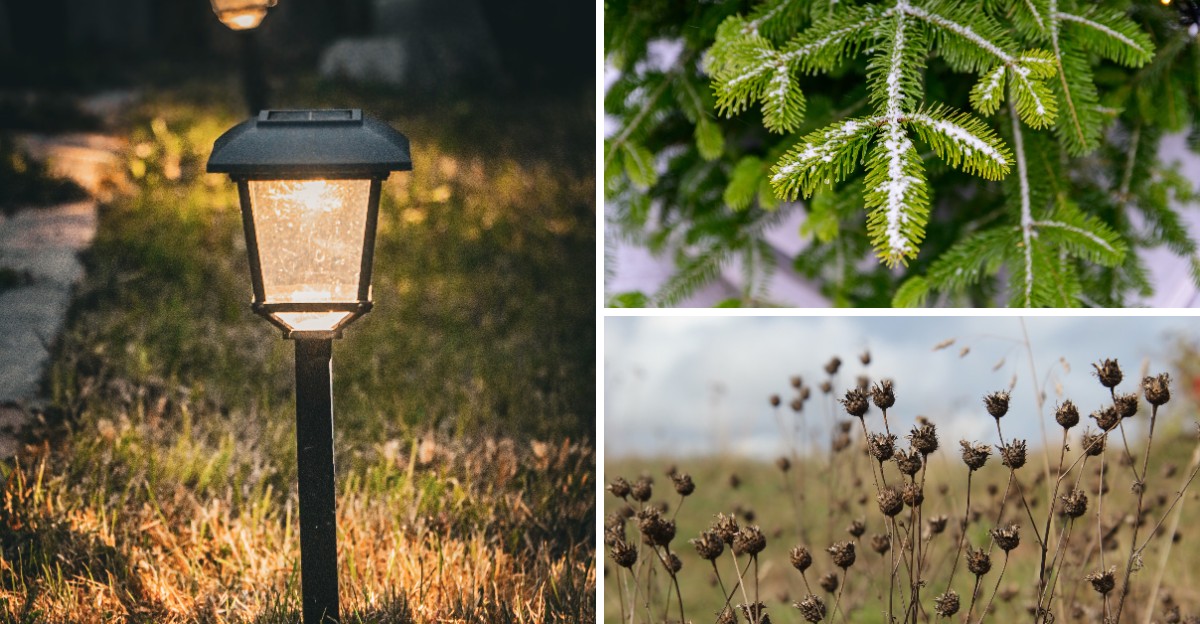
Step outside on a January morning in Pennsylvania, and the yard looks like someone pressed the mute button. Gray sky, brown grass, and a lonely garden hose frozen stiff into a limp noodle shape.
The air smells like cold pennies and wood smoke drifting from a neighbor’s chimney. Even the squirrels look bored, flicking their tails like impatient shoppers waiting in line to demand a refund.
But a winter yard does not have to feel like a quiet waiting room in February. With a little planning this October, those cold months can sparkle with color, texture, and life.
Picture bright berries, glowing stems, and chubby birds chatting at the feeder like neighbors over a backyard fence. Your garden might get so lively that the squirrels finally stop asking for that refund.
1. Plant Winterberry Holly For Bright Red Berries
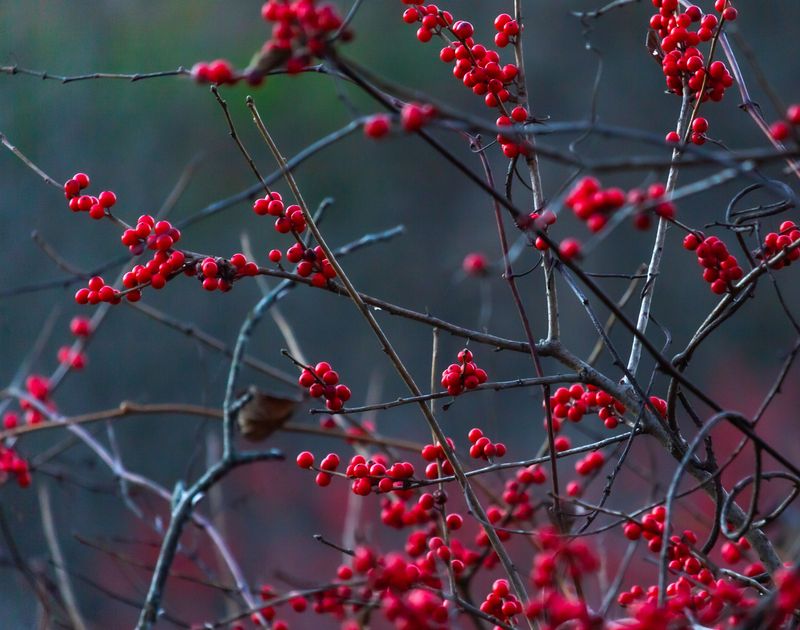
Imagine a bright red cardinal perched on a branch loaded with berries as red as fire trucks. Winterberry holly can make that cheerful scene happen right outside your kitchen window.
Unlike the holly you see on holiday cards, this native shrub drops its leaves each fall. That bare look lets the clusters of berries pop against snow like holiday lights.
Here is the catch that surprises plenty of first-time growers each year. You usually need a male plant nearby, or the female shrubs may not make many berries.
One male, like the variety called Jim Dandy, can serve up to ten females within about fifty feet. Garden centers usually label them clearly, and staff can help match bloom times if you feel unsure.
October is a great month for planting because the soil stays warm while the air cools down. Roots settle in before the ground freezes, giving shrubs a strong start next spring.
Winterberry loves damp spots, so that soggy corner by the downspout could finally earn its keep. Pick a sunny location, water well until frost arrives, and enjoy the show for many winters.
Many gardeners find that pairing winterberry with a dark evergreen backdrop makes the berries look even brighter.
A spot near a fence, a wall of spruce, or a stand of pines gives the red fruit a rich background, and the contrast can be striking on gray afternoons.
2. Add Red Twig Dogwood For Colorful Stems
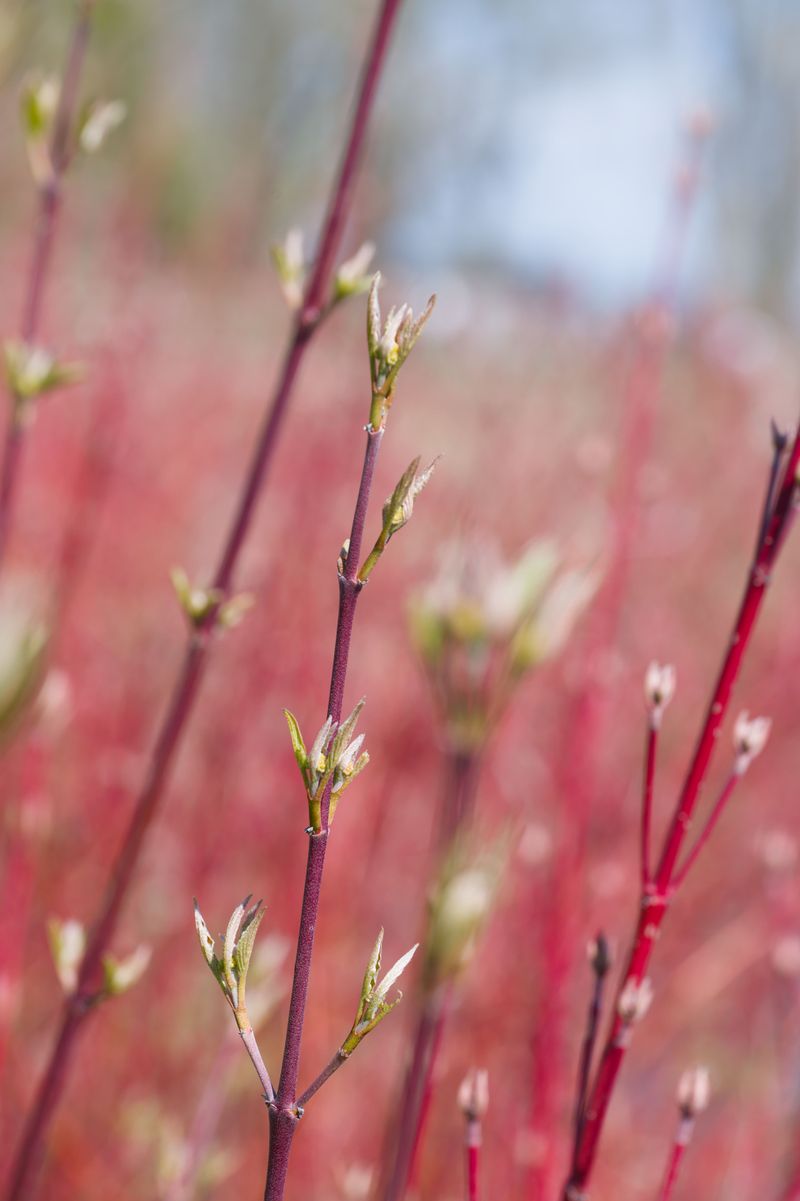
Some plants save their best outfit for the coldest party of the year. Red twig dogwood shows up in winter wearing stems so bright they look freshly painted.
Once the leaves fall in autumn, those crimson branches take center stage against white snow. Varieties like Arctic Fire stay compact, while yellow twig types add a sunny twist.
The brightest color grows on young stems, not the older gray and woody ones. Each spring, cut about one third of the oldest branches down to the ground.
Pruning this way might feel bold, but the shrub often bounces back quickly with fresh, glowing growth.
These shrubs handle wet soil, clay, and chilly Pennsylvania winds without much fuss. They grow happily from Erie down to Philadelphia, which makes them a safe bet for many yards.
Your Pennsylvania Garden Changes Every Week. Your Plan Should Too.
Gardening in Pennsylvania changes quickly throughout the season. Every Friday you’ll receive a simple weekly plan showing exactly what to plant, prune, fertilize, harvest, and protect so you never miss the right timing.
For the boldest look, plant three or five in a group instead of just one. A cluster of red stems near an evergreen creates a winter picture worth framing.
Birds enjoy the white berries in late summer, too. That means your shrub works hard in more than one season.
Color tends to look strongest when the shrubs receive plenty of sunshine, so choose a spot that gets at least six hours of light. In deep shade the stems may turn out duller and greener, which can be a little disappointing after a year of waiting.
3. Grow Evergreens For Year-Round Green
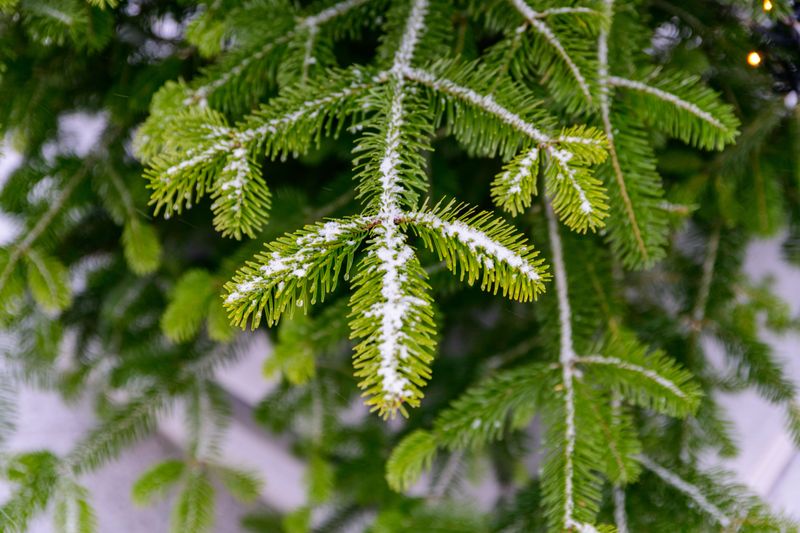
Grandparents across Pennsylvania often planted a row of spruce trees along the driveway for good reason. Those trees held their green coats through snowstorms when many other plants turned brown.
Evergreens act like the backbone of a winter garden, giving the eye somewhere to rest. Without them, a yard can look a bit plain from December to March.
Native choices work well here, like eastern white pine and mountain laurel, and American holly in the southeast. Mountain laurel is the state flower and adds hometown pride, though its leaves are not safe for pets to nibble.
Small yards can use dwarf options such as dwarf Alberta spruce, compact arborvitae, or inkberry holly. Pots of these by the front door look charming wrapped with a red bow.
Early October is a good time for planting evergreens in much of the state. Give them a deep soaking about weekly until the ground freezes.
Winter wind can dry out needles and leaves, causing brown, dry patches by spring. A layer of mulch around the base helps the roots hold onto moisture.
Placing evergreens where you can see them from a window makes a big difference. On a snowy morning, that splash of green feels like a warm cup of cocoa.
Evergreens also offer cover for wildlife. Small birds often tuck into dense branches to rest out of the wind, and a thick spruce or pine can feel like a cozy cabin during a cold night. Planting a few in a loose group gives visitors even more shelter.
4. Choose Ornamental Grasses For Winter Texture
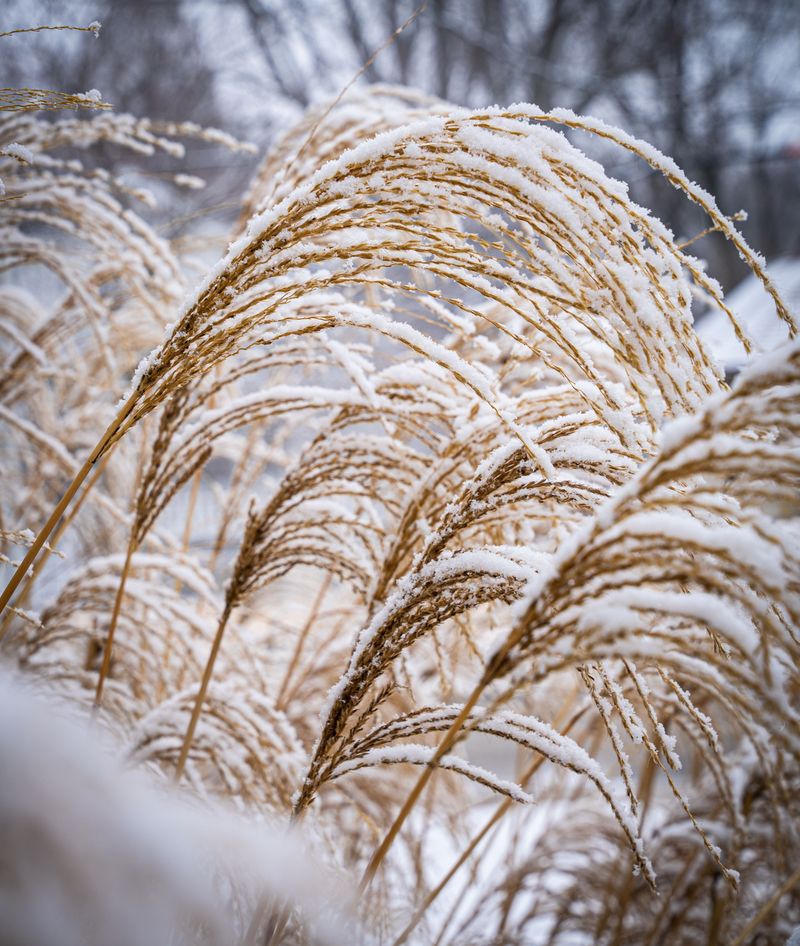
Listen closely on a breezy January afternoon, and ornamental grasses will whisper back. Their tan and golden plumes sway and rustle, adding sound and movement to a sleepy yard.
Many gardeners rush to cut grasses down in fall, but waiting until spring often pays off. Frost and snow cling to the feathery tops, turning them into sparkly sculptures.
Switchgrass and little bluestem are both native to Pennsylvania and handle cold winters with ease. Little bluestem turns a lovely copper orange that glows when the sun sits low.
Fountain grass and maiden grass are popular too, though some types spread more than you might want. Check plant tags for words like sterile or non-invasive before buying.
The standing stems also give shelter to helpful insects and small birds during cold weather. Your yard becomes a cozy hotel for tiny guests who need a place to stay.
When spring arrives, cut the old growth down to about four to six inches tall. Fresh green blades usually push up quickly and fill the space again.
Plant grasses where low winter sunlight can shine through them from behind. The glowing effect looks almost magical around sunrise and sunset. Grasses combine well with perennials that share a love of sunshine.
Purple coneflower, goldenrod, and asters bloom in late summer, and their seed heads can stand beside the grasses through winter. Together they build a soft, meadow-like scene that feels natural and relaxed.
5. Hang Bird Feeders For Lively Visitors
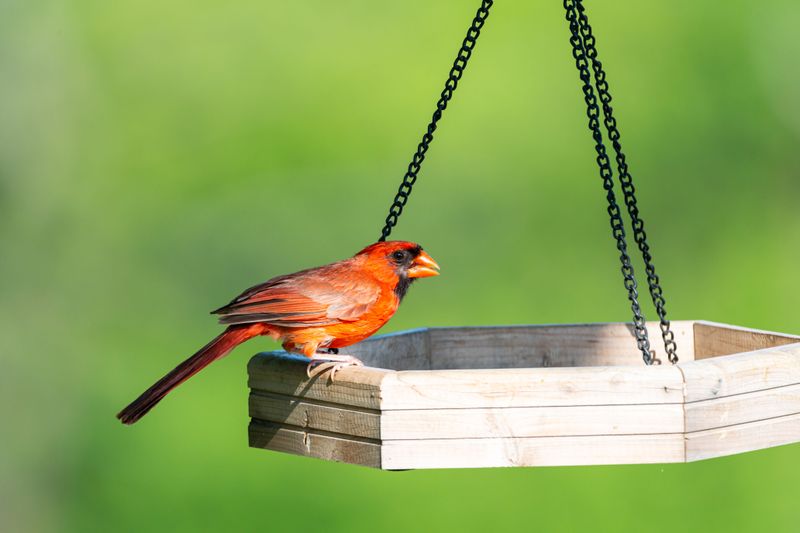
Few things wake up a frosty yard faster than a flock of chickadees at breakfast time. Bird feeders turn your garden into a live show with a rotating cast of characters.
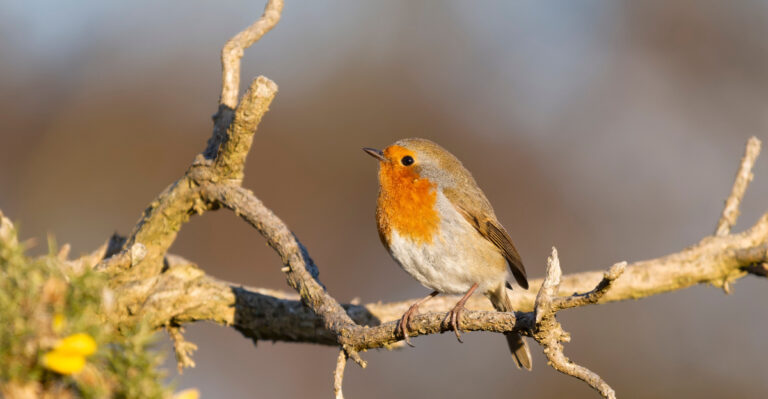
Pennsylvania hosts plenty of winter birds, including cardinals, blue jays, juncos, and tufted titmice. Bright red and blue feathers add color that few flowers offer in January.
Black oil sunflower seeds attract a wide variety of birds, so start there if you feel unsure. Suet cakes give woodpeckers the extra fat they need on freezing nights.
Late fall is a smart time to hang feeders, since birds are scouting reliable food spots for winter.
In areas with active bears, wait until bears have settled into their dens, and check local Game Commission guidance first. Once they find yours, they tend to come back day after day.
Place feeders about ten feet from shrubs so birds can dash to safety when danger passes by. A heated birdbath helps too, because fresh water gets scarce when everything freezes.
Clean feeders every two weeks with warm soapy water and a mild disinfecting rinse to keep birds healthy. Damp, moldy seed can make them unwell, so toss any clumps you spot.
Keep a pair of binoculars and a bird guide near the window. Kids often enjoy counting visitors and spotting new species each week.
Different feeders attract different guests. Tube feeders suit finches and chickadees, platform feeders welcome cardinals and juncos, and nyjer seed in a mesh sock can draw goldfinches.
6. Leave Seed Heads For Natural Beauty
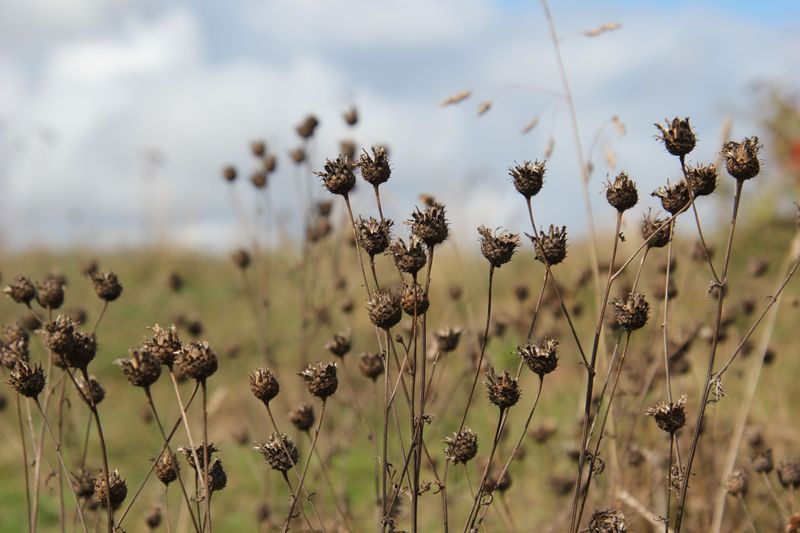
Anyone who finds fall cleanup tiring may be glad to hear this. Leaving some flower stalks standing through winter is easier and prettier than you might think.
Coneflowers, black-eyed Susans, sedum, and bee balm form sturdy seed heads after blooming. Dusted with fresh snow, they look like tiny frosted cupcakes perched on top of sticks.
Goldfinches especially love coneflower seeds and will cling to the stems while they snack. Watching their acrobatics from a warm kitchen can be more fun than raking leaves.
Hollow stems can also give native bees a safe winter home, which helps pollinators come back strong. Many of these insects spend months tucked inside, waiting for warmer weather.
Not every plant needs to stay, though, and a little editing helps. Remove anything with mushy leaves, mold, or signs of trouble to keep problems from spreading.
For a tidy look, leave seed heads in groups rather than scattered here and there. Neighbors will see a planned design instead of a forgotten chore.
Wait until spring temperatures stay above fifty degrees before cutting stems back. That timing gives sleeping insects a chance to wake up and move out.
Fallen leaves can play a helpful role too. A loose layer under shrubs and along the edge of a bed protects roots, feeds the soil as it breaks down, and offers a snug home for butterflies and beetles.
7. Install Solar Lights For Cozy Evening Glow
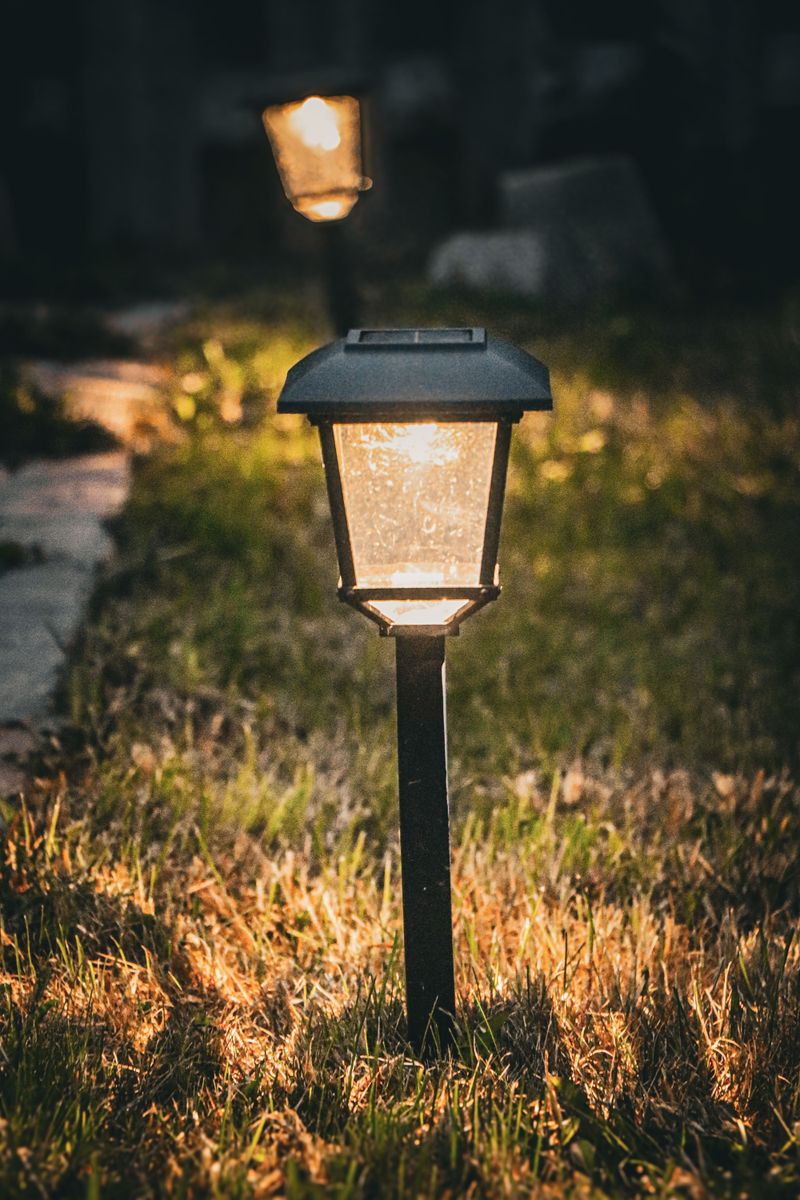
By five o’clock in December, Pennsylvania skies are often already dark and the garden fades from view. A few well-placed lights can bring it back, glowing softly like a storybook scene.
Solar lights are simple because they usually need no wiring, outlets, or electrician visits. Just push the stakes into the ground before the soil freezes in late fall.
Short winter days mean less sunshine for charging, so placement matters. Choose spots facing south with little shade from buildings or tall evergreens.
Try aiming spotlights up into a tree or shrub with interesting branches, like a Japanese maple. The shadows on snow create a dramatic effect that looks fancy but costs little.
String lights wrapped around a fence, arbor, or trellis add a warm, cheerful sparkle. Lanterns along a walkway help guests find the door while making the path safer.
Look for lights labeled weatherproof, with a rating such as IP65, so rain and snow cause fewer troubles.
Wipe snow off the solar panels after storms to keep them charging well. Warm white bulbs feel cozy, while cool white looks crisp and icy.
Lighting works well when it highlights a few favorite features instead of the whole yard. Try a soft glow on a red twig dogwood, a small spotlight on a bird feeder, or a lantern beside a bench. A little restraint tends to create a calm and inviting mood.
8. Tuck In Hellebores For Late Winter Blooms
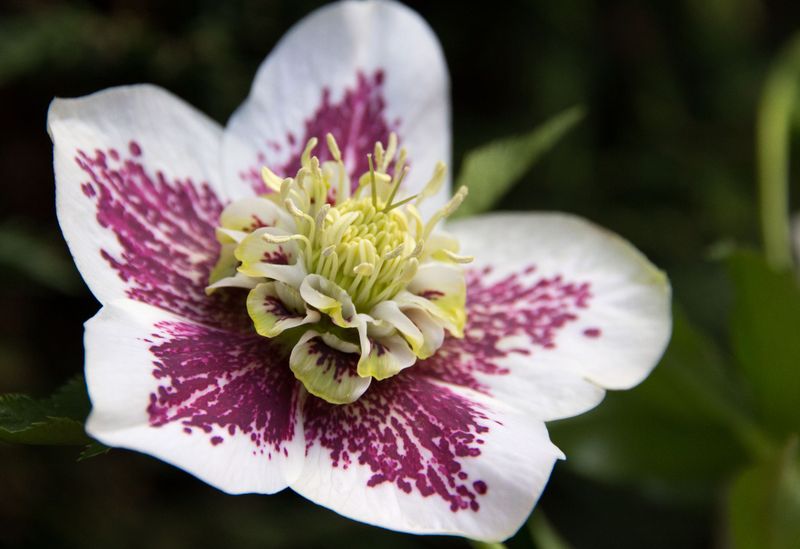
Flowers in late winter sound like a joke, but hellebores take the idea seriously. Often called Lenten roses, they push up blooms while snow still sits on the ground.
Their cup-shaped flowers come in white, pink, deep purple, and even speckled patterns. Each blossom lasts for weeks, which feels like a gift in the coldest part of winter.
Hellebores thrive in partial shade, making them well suited to spots under trees where little else grows. They prefer rich soil that drains well, so mix in compost when planting.
October gives plants enough time to settle their roots before the deep cold arrives. Container plants from local nurseries usually transplant easily if you water them well.
Deer and rabbits tend to leave hellebores alone because the leaves taste bitter. That is a big deal in Pennsylvania, where hungry deer visit many gardens.
Wear gloves when handling them, since the sap can irritate skin and the plant is not safe to eat. Keep curious pets and small children away from nibbling the leaves.
In late winter, trim off old, tattered leaves so the new flowers stand out. Plant them near a path or doorway where you can admire them up close.
Hellebore blooms often nod downward, so a raised bed or a slope can show off the faces. A gardener can also gently lift a flower to peek inside, or float a few cut blossoms in a shallow bowl of water for a charming table display.