The Illinois Yard Work That Gets Harder If You Wait Until September
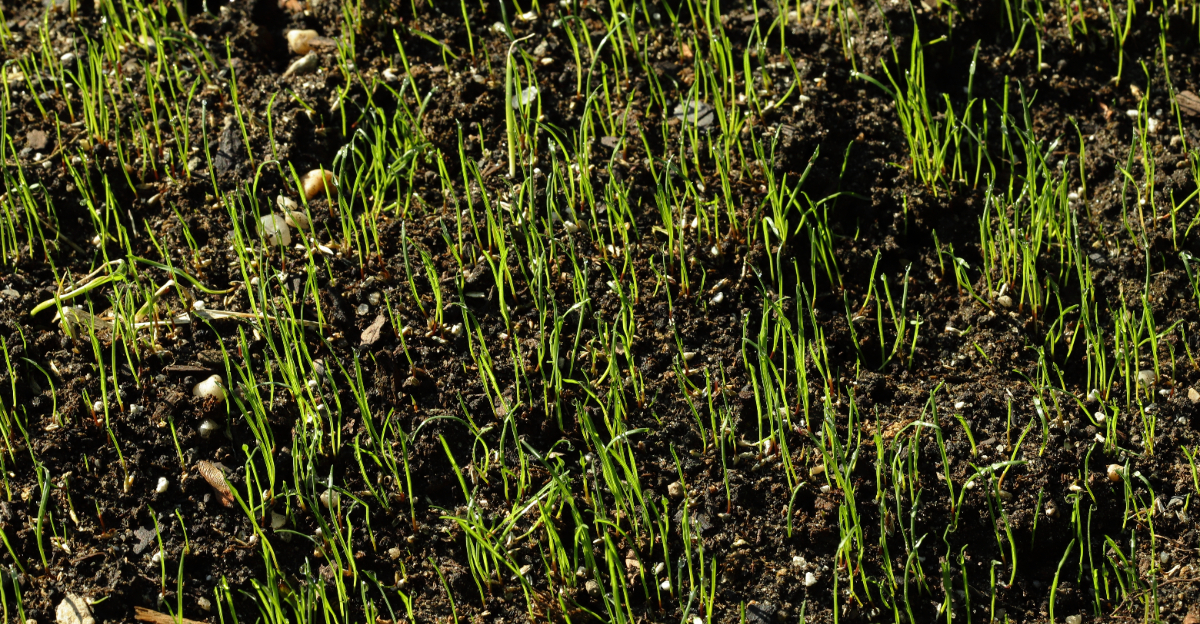
Your lawn is quietly running out of time, and most people never notice until it’s too late. Late August works differently in Illinois than anywhere else, especially once soil temperatures start dropping faster than expected.
Roots stop stretching the moment cold reaches your yard, and every week you wait narrows what they can still accomplish. Whatever you do now determines how much your yard struggles once temperatures drop for good.
Waiting past this window changes how your yard performs by spring. Every missed task compounds into problems you inherit next year, and Illinois yards handled now consistently outperform ones neglected later.
Timing separates thriving lawns from ones you overlook, and nothing about this process forgives procrastination. Momentum matters more to your lawn than perfection right now. You have a narrow window, and it is closing fast.
The One Task That Becomes Nearly Impossible Once Soil Cools
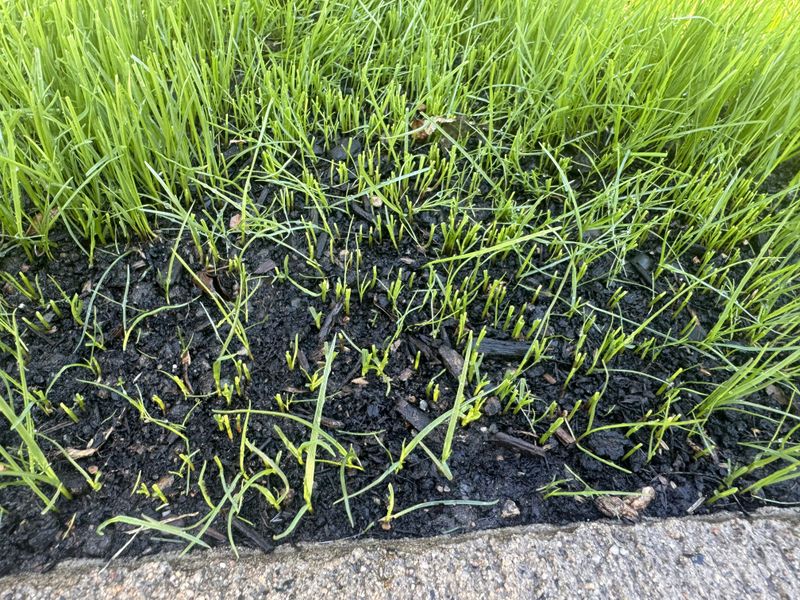
Grass seed and warm soil are best friends. When soil temperatures drop below 50 degrees Fahrenheit, germination slows to almost nothing.
In northern Illinois, that cooling happens faster than most people expect. By mid-September, many yards have already crossed that threshold.
Overseeding is the task that suffers most from waiting. Spreading seed on cold ground is basically planting it to fail.
Warm-season timing gives new grass time to sprout and anchor before frost arrives. A six-week runway is the minimum most turf experts recommend for Illinois lawns.
Late August gives you that runway with room to spare. Wait until Labor Day weekend, and you are already cutting it close.
Soil at 65 degrees germinates tall fescue in about ten to fourteen days. The same seed in 52-degree soil can take three weeks or fail to germinate at all.
Checking your soil temperature costs nothing. A basic probe thermometer from any garden center tells you exactly where you stand.
Once the ground cools, fertilizer and water stop making much difference. You are left waiting until next spring to try again.
Soil temperature does not drop in a straight line either. A single cold snap in late August can knock several degrees off almost overnight, even if the days warm back up after.
Some homeowners try soaking cold soil with extra water, hoping to trick the seed into sprouting. That approach backfires more often than it helps, since moisture without warmth just invites fungal problems.
Soil Temperature Windows That Close Faster Than Expected
Most Illinois homeowners think September still feels warm enough to plant. That feeling is misleading, because air temperature and soil temperature are two different things.
Soil holds heat longer in summer but loses it quickly once nights dip into the 50s. A few cool nights in a row can drop soil temps noticeably within a week.
Central Illinois typically sees soil temperatures fall below 60 degrees by mid-to-late September. Northern parts of the state hit that mark even earlier.
That window rarely bends. Grass roots need warmth to establish, and they cannot fake it.
Southern Illinois gets a slightly longer runway, but even there, waiting past mid-September is a gamble. Weather patterns shift fast in the fall.
Your Illinois Garden Changes Every Week. Your Plan Should Too.
Gardening in Illinois changes quickly throughout the season. Every Friday you’ll receive a simple weekly plan showing exactly what to plant, prune, fertilize, harvest, and protect so you never miss the right timing.
Monitoring soil temperature is the single smartest move a homeowner can make right now. Check it every few days starting in mid-August to track the trend.
Many university extension websites post weekly soil temperature maps for Illinois counties. Those maps are free, accurate, and updated regularly.
When the reading drops below 55 degrees, stop seeding and shift your energy elsewhere. Knowing when to act and when to stop is what separates a great lawn from a frustrating one.
Seed To Soil Contact Problems That Show Up Later
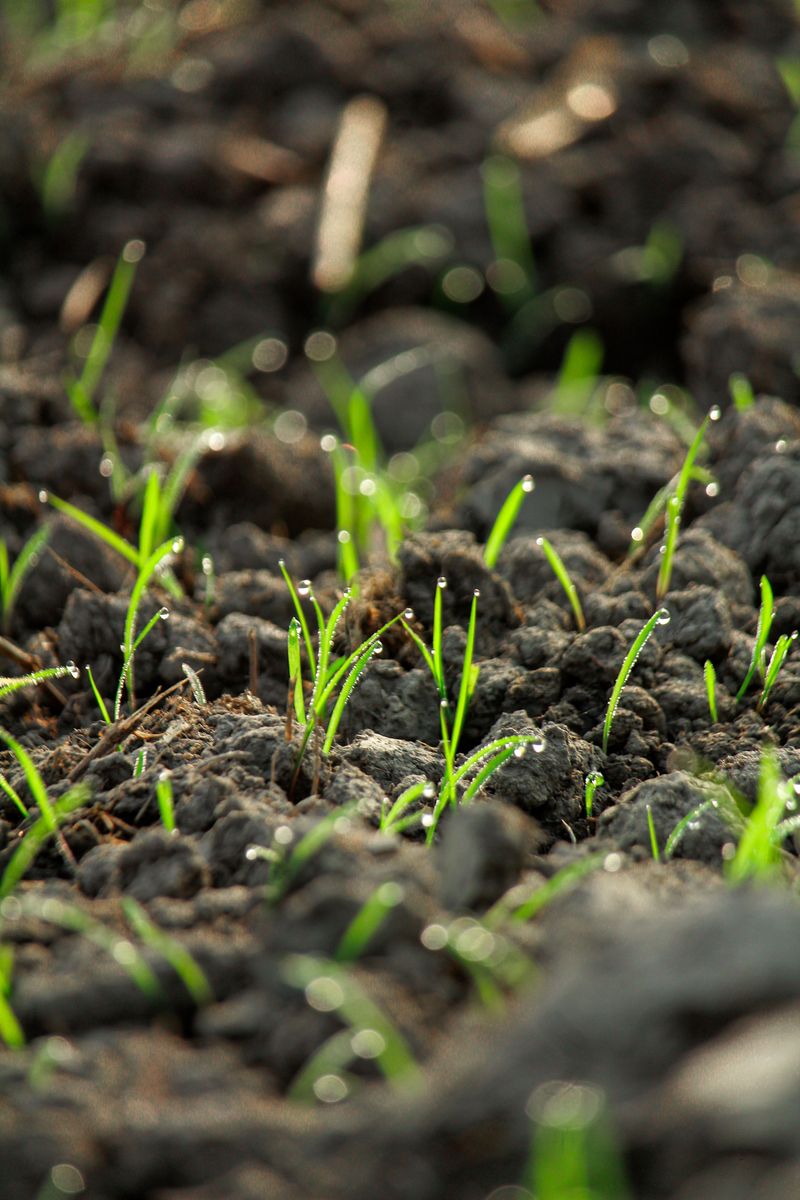
Bad seed-to-soil contact is one of the most common reasons fall seeding fails. Seed that sits on top of thatch or dry, crusty ground rarely gets the moisture signal it needs to sprout.
Aeration before overseeding fixes this problem directly. The small plugs pulled from the lawn create perfect little pockets where seed can fall in and make real contact with moist soil.
Skipping aeration and just broadcasting seed is a shortcut that undercuts the whole effort. The seed looks like it was planted, but it was really just scattered.
Thatch layers thicker than half an inch act like a sponge mat between your seed and the ground. Water hits the thatch, not the soil, and the seed dries out before it ever germinates.
Dethatching in late August clears that barrier and gives your seed a fighting chance. Pair it with aeration for the best possible contact rate.
Light raking after broadcasting seed also helps push it into the surface. You do not need expensive equipment to do this well.
A simple lawn roller filled with water can press seed into loosened soil effectively. Many hardware stores rent them affordably by the day.
Poor contact now means bare patches in spring that are twice as frustrating to fix. Getting this step right in August saves you from repeating the whole process next year.
Root Development Delays That Carry Into Next Spring
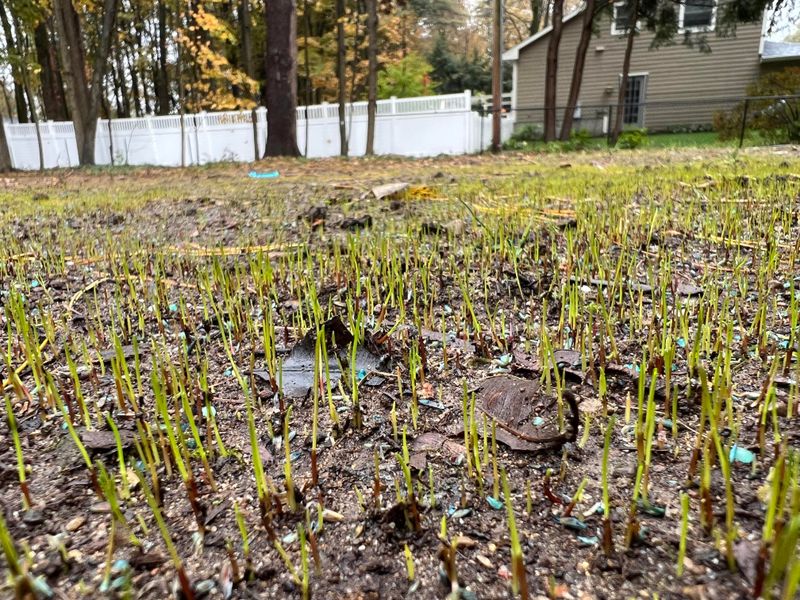
New grass planted too late does not just grow slowly. It goes into winter with roots so shallow they cannot survive hard freezes or spring heaving.
Root depth is everything for winter survival in Illinois. A plant with deep roots holds on through frost cycles. One with shallow roots simply heaves out of the ground.
Frost heaving happens when soil repeatedly freezes and thaws. That cycle physically pushes shallow roots right out of the ground, leaving bare patches that look like nothing ever grew there.
Grass seeded in late August has six to eight weeks to build a real root system before the ground hardens. That is just enough time if conditions cooperate.
Grass seeded in late September might sprout, but the roots stay weak. The plant puts energy into the blade instead of anchoring itself for winter.
Deep roots also mean better drought resistance next summer. A lawn established in fall comes back in spring stronger and more resilient than one patched in spring.
Think of root development as an investment account. Every warm day in September adds interest, and every cold week withdraws from the balance.
Missing the August planting window does not just affect this fall. It ripples forward into next spring, making your lawn recovery slower and your workload heavier when warm weather returns.
Tools And Timing That Make September Still Workable
Early September is not a lost cause if you move fast and use the right gear. The key is compressing your timeline and not skipping any steps.
A core aerator is the most important tool for late-season success. Renting one for a few hours can dramatically improve your odds even if the soil is starting to cool.
Broadcast spreaders calibrated correctly put seed down at the right rate without gaps or overlaps. Uneven seeding leads to uneven germination, which looks worse than bare patches in some ways.
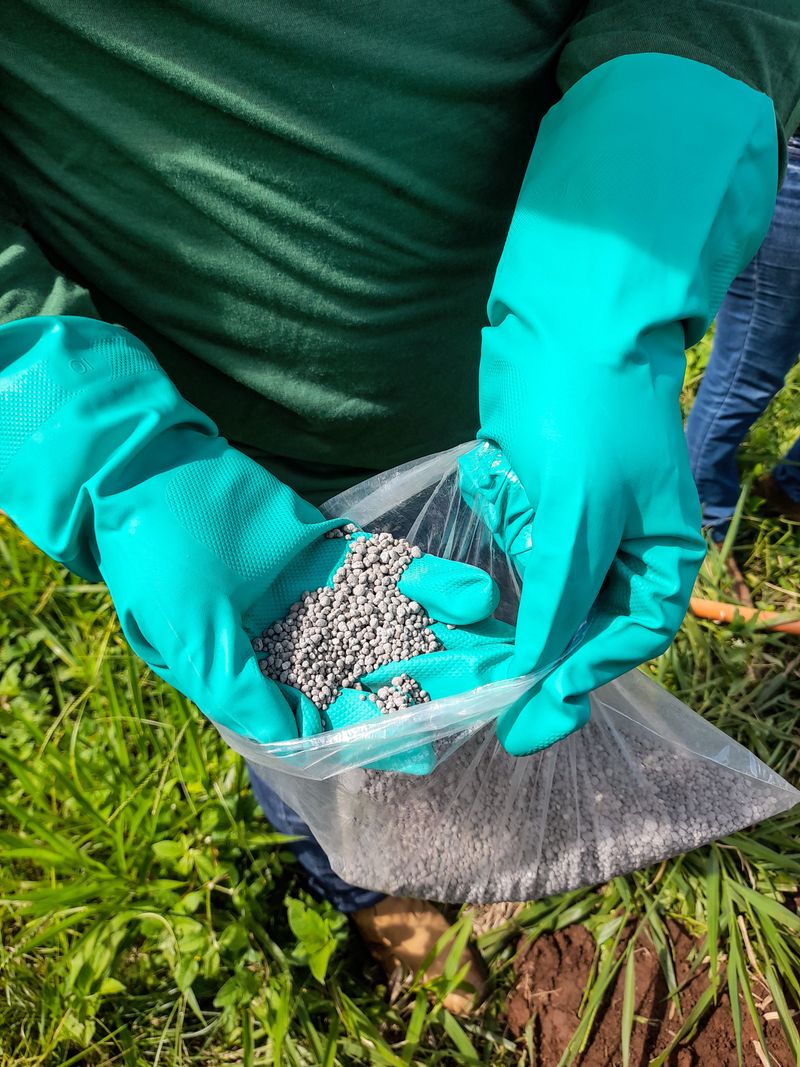
Starter fertilizer applied at seeding time gives new roots a stronger start right when they need it most. Strong early roots give germinating grass a real advantage.
Watering twice daily for the first two weeks keeps the seed zone moist without drowning the roots. Morning and early afternoon watering gives the surface time to dry before nightfall.
Fungal disease loves wet turf at night. Watering late in the day during cool September evenings creates exactly the conditions mold needs to take hold.
Straw mulch spread lightly over seeded areas holds moisture and moderates soil temperature swings. Use weed-free straw to avoid introducing new problems while solving the old ones.
September still has potential, but only for homeowners who treat every day like it counts. The right tools and a tight schedule can still get grass growing before the cold wins.
Steps To Take Right Now Before The Window Shuts
The best time to act on your Illinois yard work that gets harder if you wait until September is today. Not this weekend, not after the next rain, today.
Start by testing your soil temperature with a probe thermometer. Take readings in the morning when the soil is coolest to get the most accurate picture.
If you are at 65 degrees or above, schedule your aeration and overseeding for the next available dry day. Every day of delay at this point matters.
Order or buy your grass seed now before local stores sell out. Tall fescue and Kentucky bluegrass blends perform best for Illinois climate conditions in fall seeding.
Mark your bare patches with small flags or spray paint so you can pinpoint them efficiently on seeding day. Wasted seed on healthy turf is money lost.
Contact a local lawn service today if you prefer professional help. Fall is their busiest season, and appointment slots fill up weeks in advance.
Set a phone reminder to water your seeded areas twice daily for the next fourteen days. Consistency in watering is what separates success from failure at this stage.
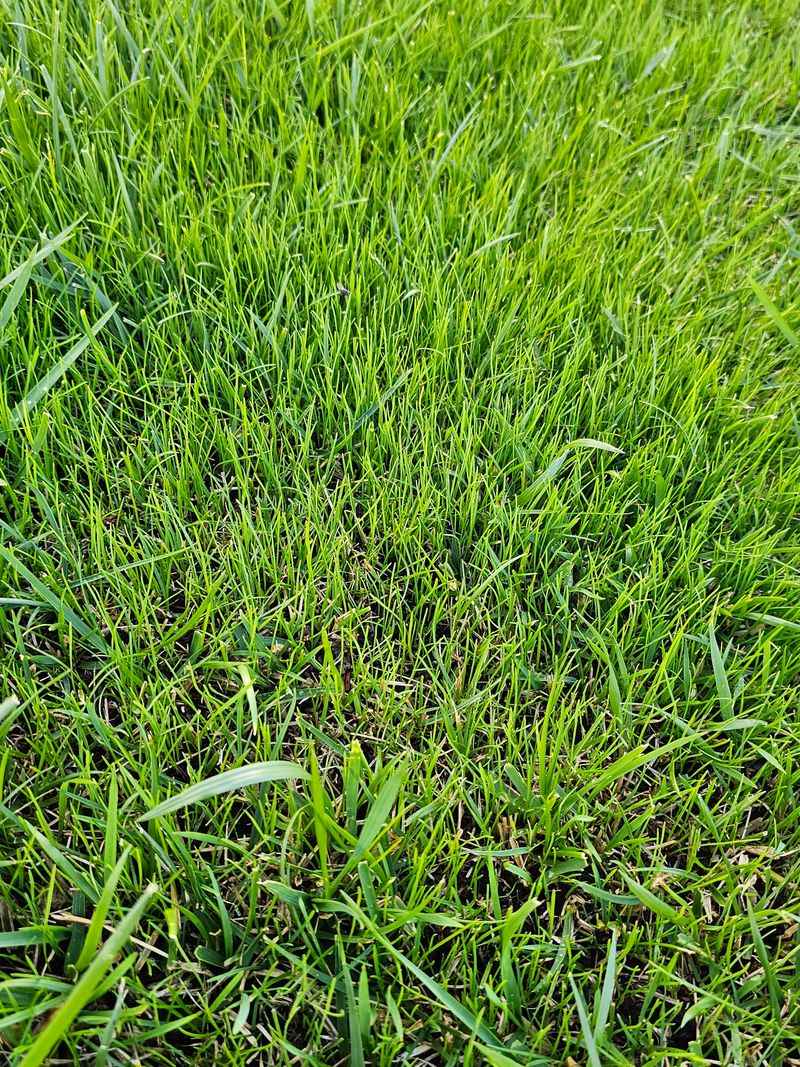
Lawns that get attention now come back greener, thicker, and healthier next spring. Do not let another August slip by while the window quietly closes behind you.