The Oregon Shrubs You Should Never Prune During This Late-Summer Heat
Pruning can feel like the fastest way to make an overgrown shrub look respectable again. A few snips, a little shaping, maybe one branch that has been annoying you for weeks, and suddenly the whole garden feels tidier.
During a stretch of intense Oregon heat, though, some shrubs are much better left alone.
That can be frustrating when a plant looks shaggy, uneven, or simply overdue for a haircut. The temptation is to fix it now and move on.
But summer stress changes the way plants respond, and timing can matter just as much as technique.
Some shrubs handle a trim with little fuss, while others can be far less forgiving when temperatures are high and conditions are dry. That is where a well-meaning cleanup can become more complicated than expected.
So if the pruners are already in your hand, it may be worth putting them down for a minute. A few common Oregon landscape shrubs are better off keeping their unruly branches until the weather gives them a break.
1. Azaleas Are Better Left Alone Once Buds Are Forming
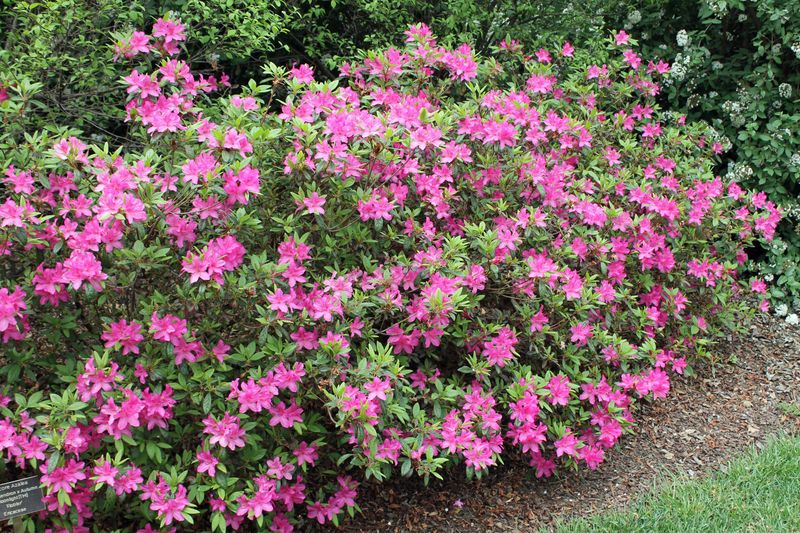
Few shrubs put on a springtime show quite like azaleas. Their bright blooms in shades of pink, red, white, and purple are a highlight of gardens across the Pacific Northwest.
But that beautiful spring display starts forming much earlier than most people realize.
By late summer, azaleas are already setting next year’s flower buds. Those tiny buds sit right at the tips of the branches.
If you prune now, you are cutting them off before they ever get to bloom. The shrub will survive, but your spring flower show will be noticeably thin.
The best time to prune azaleas is right after they finish blooming in spring. That short window, usually a few weeks after the flowers fade, is when the plant can handle shaping without losing next year’s buds.
Pruning then gives the shrub the whole growing season to recover and set new buds before fall arrives.
If your azalea looks a little overgrown right now, resist the urge to trim it. A light cleanup of any clearly broken or crossed branches is fine, but save the real shaping for after bloom time.
Heat also puts extra stress on shrubs, so cutting during warm weather adds another layer of strain the plant does not need right now. Patience pays off with azaleas every single time.
2. Bigleaf Hydrangeas Can Be Set Back By Late Pruning
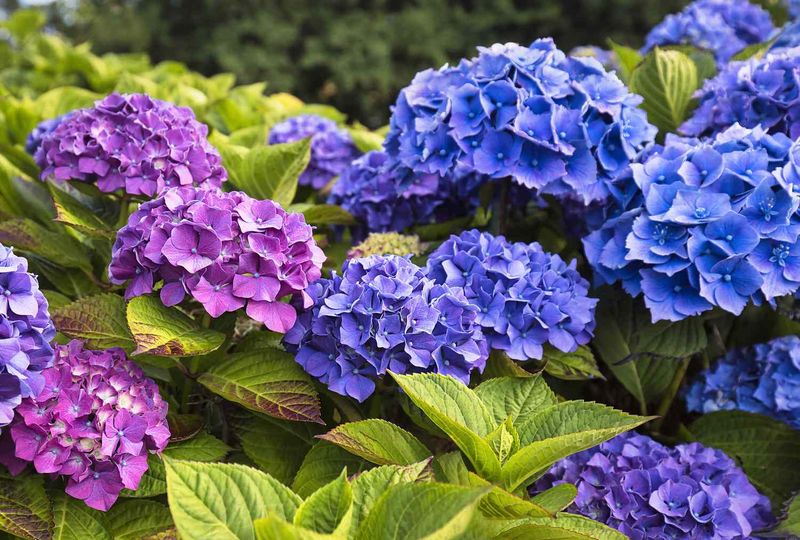
Bigleaf hydrangeas are one of the most recognizable shrubs in home gardens. Their big, round flower heads in shades of blue, pink, and purple make them a favorite for front yards and garden borders.
They are also one of the shrubs most often pruned at the wrong time. Most bigleaf hydrangeas bloom on old wood. That means the flower buds for next spring are sitting on the same stems that bloomed this year.
By late summer, those buds are already forming and getting ready to go dormant for winter. Pruning now removes them completely.
Your Oregon Garden Changes Every Week. Your Plan Should Too.
Gardening in Oregon changes quickly throughout the season. Every Friday you’ll receive a simple weekly plan showing exactly what to plant, prune, fertilize, harvest, and protect so you never miss the right timing.
A lot of gardeners cut their bigleaf hydrangeas back in late summer or fall thinking they are helping the plant prepare for winter.
But that well-meaning trim often explains why the shrub produces very few flowers the following year. The buds were already there, waiting, and the pruning shears took them away.
If you want to shape your bigleaf hydrangea, the safest time is right after it finishes blooming, usually in midsummer.
Removing spent flower heads is fine throughout the season, but avoid cutting back into the woody stems this late.
Leave the structure of the plant alone, let it harden off naturally, and you will be rewarded with a much fuller bloom next spring.
Skipping the late-summer trim is truly one of the easiest ways to improve your hydrangea’s performance.
3. Mountain Hydrangeas May Already Be Preparing Future Blooms
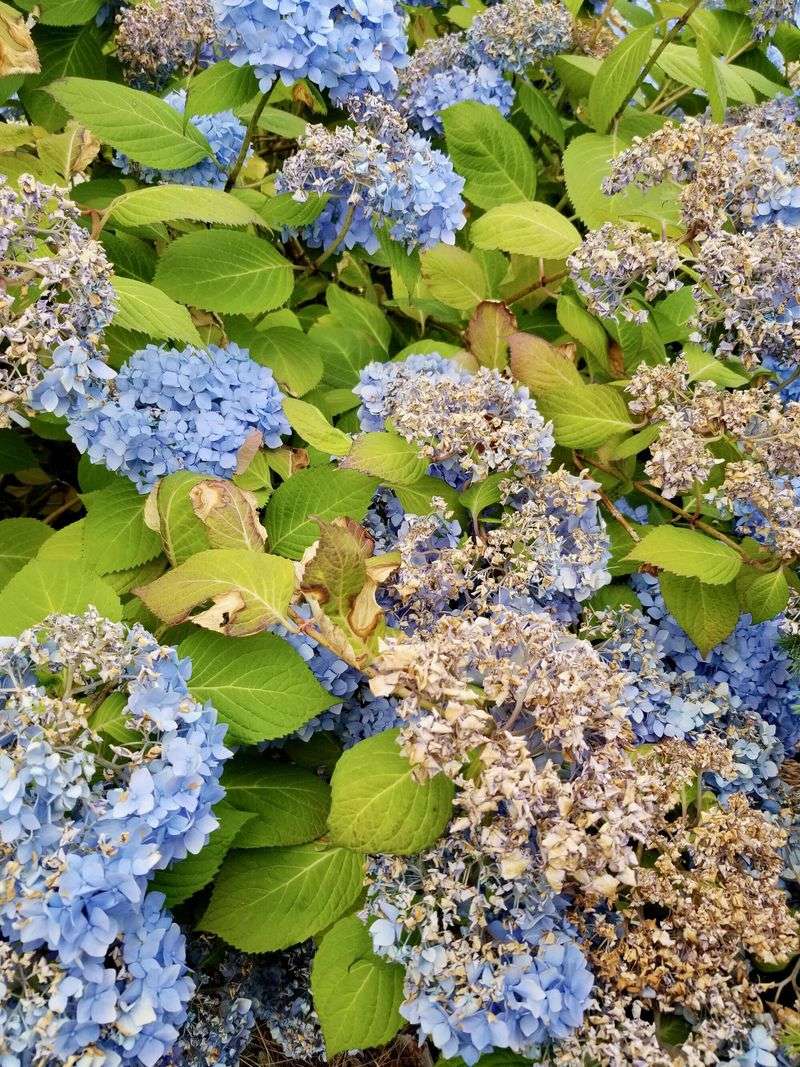
These hydrangeas are a bit less common than their bigleaf cousins, but they are just as beautiful.
Their lacecap flower clusters are more delicate-looking, with a ring of larger flowers surrounding a cluster of smaller ones in the center. Gardeners who grow them tend to love them deeply.
Like bigleaf hydrangeas, mountain hydrangeas bloom on old wood. By late summer, the buds for next year are already beginning to develop along the stems.
Cutting back those stems now means losing those buds before they ever get a chance to open into flowers next spring.
Mountain hydrangeas are also a little more sensitive to stress than some other shrubs. Late-summer heat combined with pruning can be a tough combination for them to handle.
The plant has to use energy to recover from the cut at a time when it is already working hard to stay hydrated and prepare for cooler weather.
The ideal pruning window for mountain hydrangeas is shortly after they finish blooming, before midsummer ends. At that point, you can shape the plant, remove weak stems, and clean up the overall structure without touching the developing buds.
Right now, the kindest thing you can do is leave the shrub alone. Water it well during heat waves, add some mulch around the base to keep roots cool, and let it do its thing on its own schedule.
4. Oakleaf Hydrangeas Do Not Need A Heat-Season Haircut
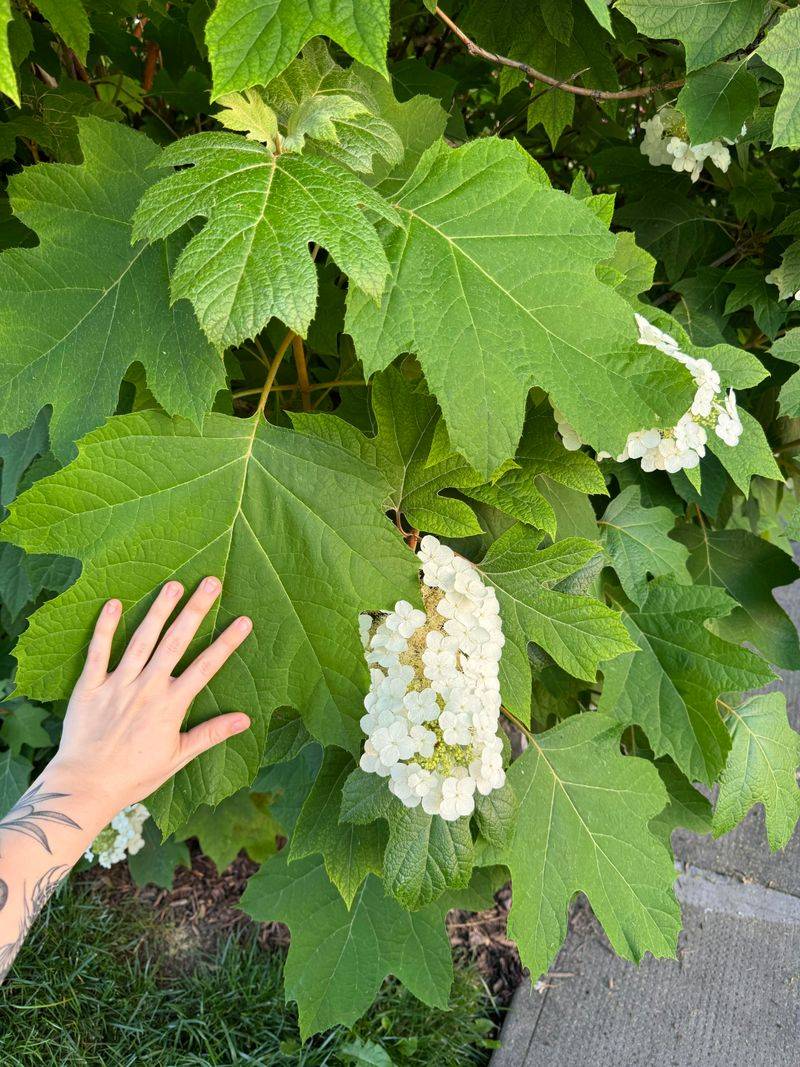
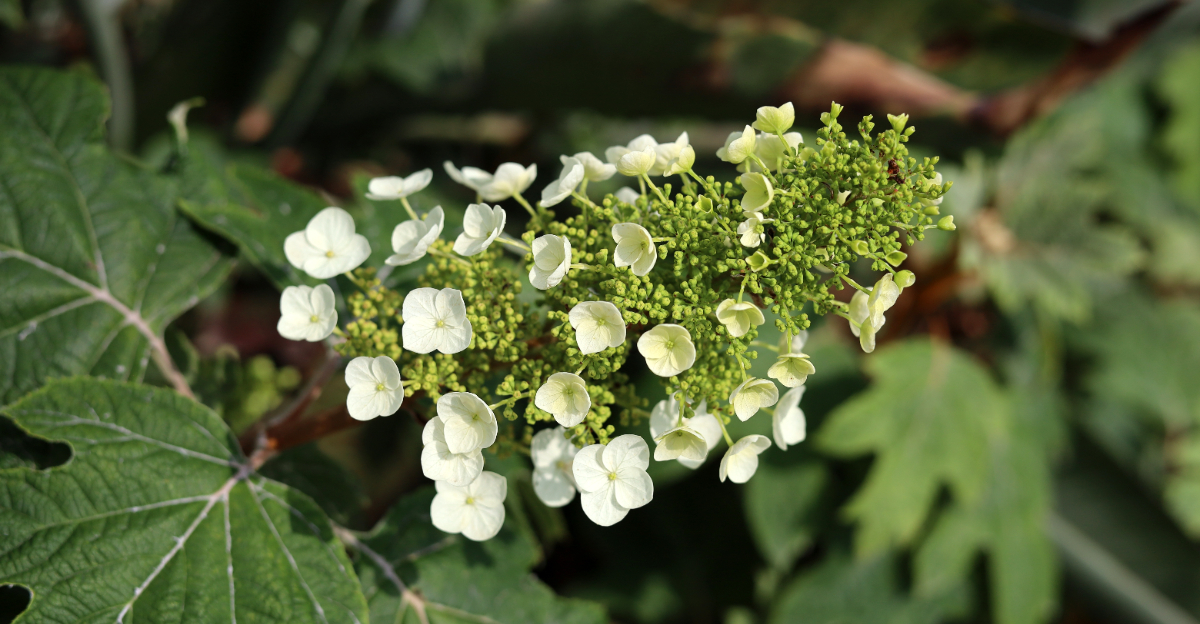
Oakleaf hydrangeas bring a lot to the table. Their large, cone-shaped flower clusters start out white and slowly shift to shades of pink and tan as summer progresses.
Their big, lobed leaves turn beautiful shades of red and orange in fall. Even their peeling bark adds winter interest to the garden.
Pruning an oakleaf hydrangea in late summer is a mistake for the same reason it is a problem with other hydrangeas: the flower buds for next year are already forming.
Oakleaf hydrangeas bloom on old wood, meaning those buds are sitting right on the stems you might be tempted to cut back right now.
Beyond the bud issue, oakleaf hydrangeas are actually quite tolerant of their natural shape. They do not need frequent pruning to stay attractive.
Most gardeners find that a light cleanup every few years is all it takes to keep the shrub looking tidy and healthy. Aggressive pruning is rarely necessary with this plant.
If your oakleaf hydrangea has some withered or crossing branches, you can remove those carefully without disturbing the bud-bearing stems. But a full shaping session should wait until right after bloom time in late spring or early summer.
During the current heat, focus on watering deeply and mulching the root zone instead of reaching for the pruning shears. Your shrub will thank you with a gorgeous show next year.
5. Lilacs Should Be Left Alone This Late In The Season
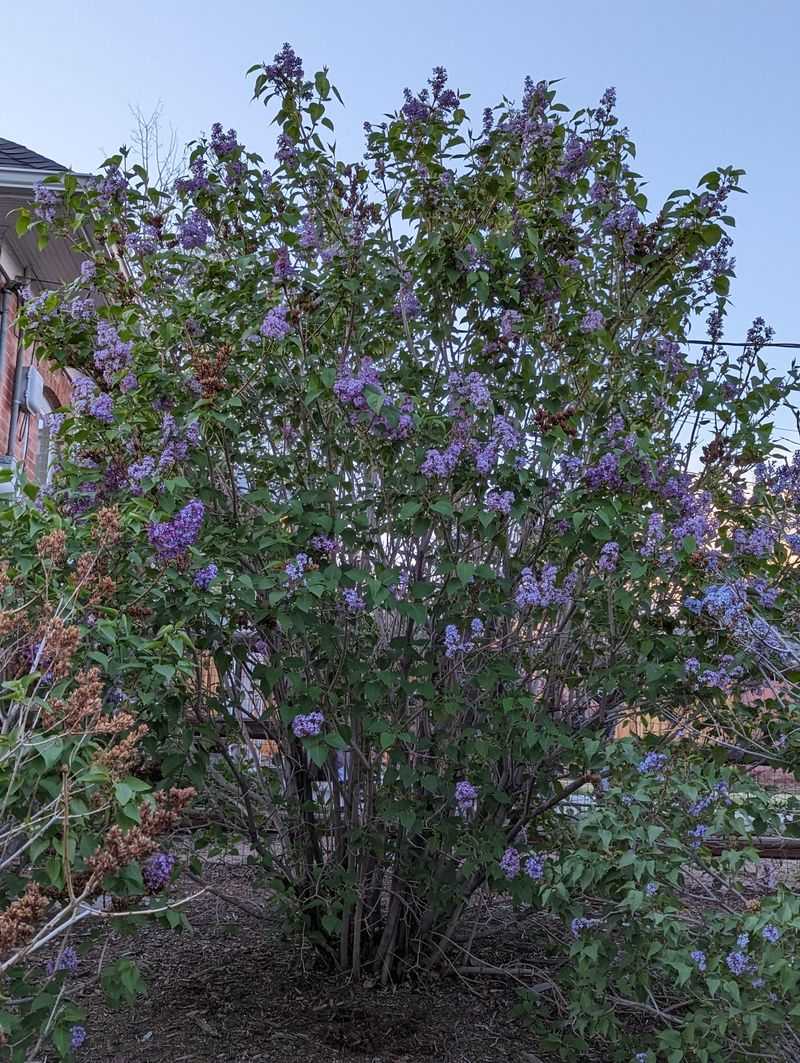
There is something almost nostalgic about lilacs. Their sweet, heavy fragrance and clusters of purple, white, or pink flowers are a sure sign of spring in neighborhoods across the region.
Many gardeners have a favorite lilac that has been growing in the same spot for decades.
Lilacs set their flower buds in late summer, right around this time of year. Those buds sit at the tips and along the upper portions of the new growth from this season.
Pruning now removes exactly the wood that will produce flowers next spring. It is a trade-off that no lilac lover wants to make.
The right time to prune lilacs is within a few weeks of when they finish blooming in spring. At that point, you can remove spent flower clusters, thin out crowded stems, and shape the overall plant without sacrificing any developing buds.
That spring window is short but very important. Late-summer pruning also stresses the plant at a time when it is naturally slowing down and getting ready for fall.
Lilacs prefer to harden off gradually as temperatures cool, and cutting stimulates new growth that will not have time to toughen up before cold weather arrives.
If your lilac looks a little wild right now, make a note to prune it after next spring’s bloom. That simple change in timing can bring back a full, fragrant flower show that makes the wait completely worthwhile.
6. Camellias Can Lose Developing Buds To Poorly Timed Cuts
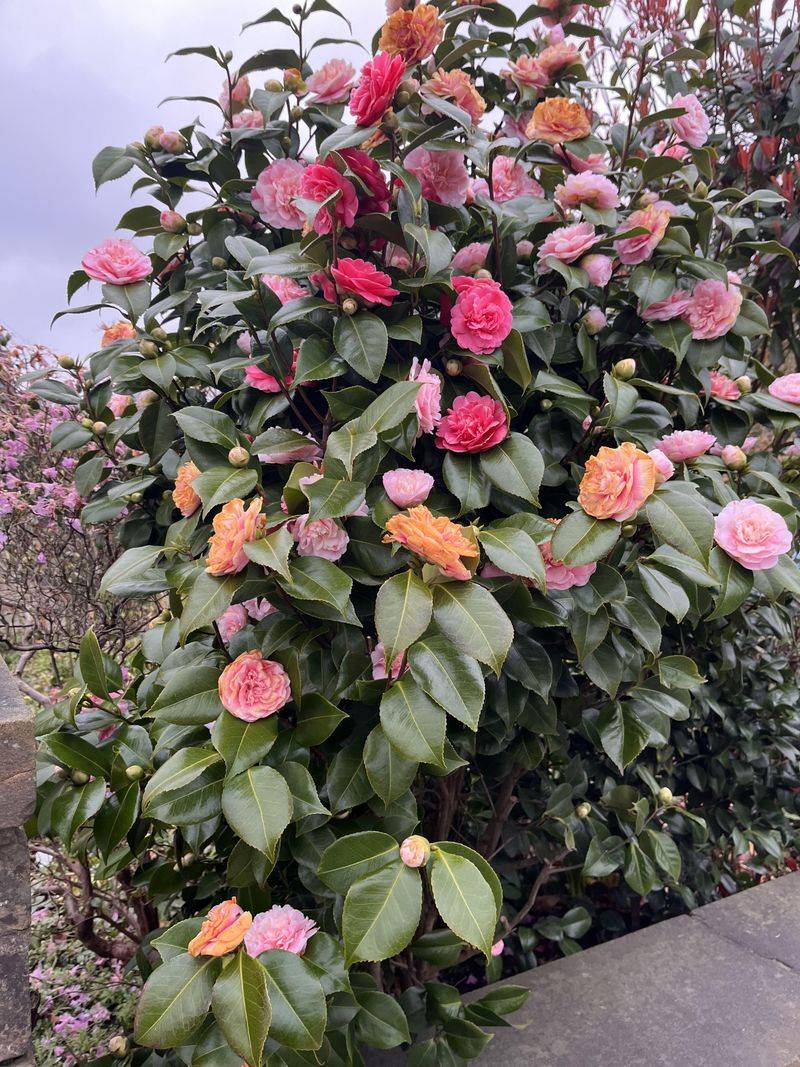
These flowering shrubs are beloved for their elegant, rose-like flowers and their ability to bloom during the cooler months when most other plants are dormant.
In many Pacific Northwest gardens, a well-placed camellia is a true showstopper from fall all the way through early spring.
Right now, in late summer, camellia flower buds are actively developing on the plant. You can often see them swelling at the branch tips, getting ready for their fall or winter bloom.
Pruning at this stage removes those buds and significantly reduces the number of flowers you will see in the coming months.
Camellias also tend to be slower growers, which means recovery from heavy pruning takes longer than with faster-growing shrubs. Cutting too much off during the heat can leave the plant looking sparse for a long time.
The combination of heat stress and pruning stress is harder on camellias than many gardeners expect.
The best time to shape a camellia is right after it finishes its bloom cycle, whether that is in late winter or early spring depending on the variety.
At that point, you can safely remove awkward branches, reduce the overall size slightly, and clean up the shape without touching any developing buds.
For now, give your camellia a good deep watering and a layer of mulch to keep the soil cool. That kind of care does far more good than any pruning session could right now.
7. Daphne Responds Poorly To Heavy Late-Summer Pruning
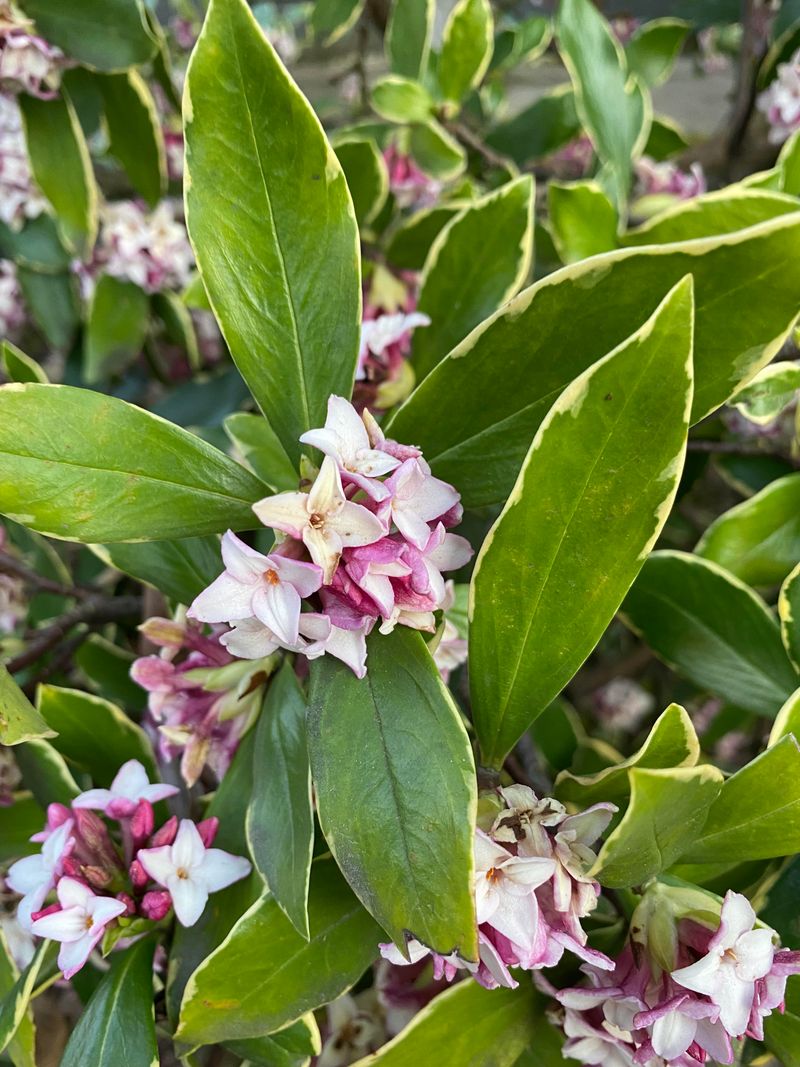
When it thrives, it rewards you with intensely fragrant flowers that can fill an entire corner of the yard with scent. When it struggles, it can decline quickly without an obvious cause.
Heavy pruning in late summer is one of the fastest ways to upset a daphne. These shrubs do not respond well to aggressive cuts at any time of year, but pruning during summer heat adds extra stress that the plant is not well-equipped to handle.
Daphne has a naturally compact growth habit, which means it rarely needs much shaping anyway.
The roots of daphne are particularly sensitive. Heat, drought, and root disturbance can all trigger a rapid decline that is hard to reverse.
Pruning stimulates the plant to push out new growth, which requires extra water and energy at a time when the shrub should be conserving resources.
If your daphne has a few straggly branches, you can carefully remove them with clean, sharp cuts. But keep it minimal and avoid cutting into thick, older wood.
The safest approach is to prune lightly right after flowering in early spring, before the heat of summer arrives. Right now, focus on making sure the plant has consistent moisture and good drainage.
Daphne prefers to be left alone in late summer, and respecting that preference goes a long way toward keeping it healthy and fragrant for years to come.
8. Pieris Is Better Shaped Earlier Rather Than In Peak Heat
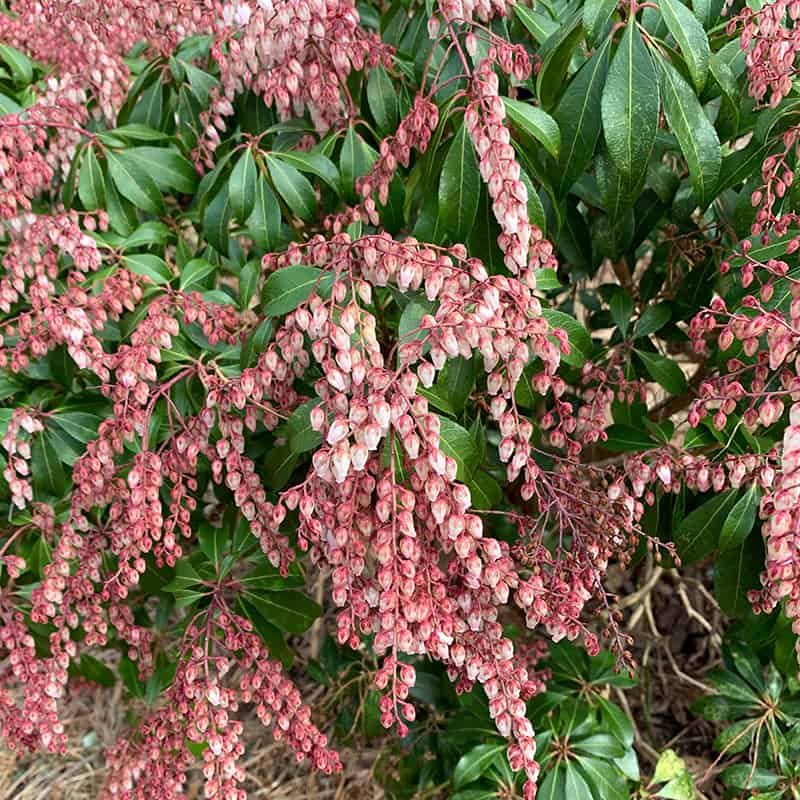
Pieris, sometimes called andromeda or lily-of-the-valley shrub, is a standout in Pacific Northwest gardens.
Its cascading clusters of small, urn-shaped flowers appear in early spring, and its new growth often emerges in striking shades of red and bronze before turning green. It is a truly four-season plant.
By late summer, pieris is already forming the long chains of flower buds that will open next spring. These bud chains are easy to spot hanging from the branch tips.
Pruning now removes them directly, and the result is a noticeably reduced flower display the following year.
Pieris also tends to be a slow-to-moderate grower, which means it does not bounce back from heavy pruning as quickly as faster-growing shrubs. Cutting during peak heat adds recovery stress at the worst possible time.
The plant ends up spending energy it would otherwise use to harden off for fall.
The ideal time to shape pieris is right after it finishes blooming in spring. At that point, the flower clusters have faded but the new growth is just getting started.
You can remove any withered or awkward branches, lightly reduce the size if needed, and clean up the overall form without touching any developing buds.
In late summer, your only job with pieris is to water it during dry spells and keep mulch around the base to protect the roots from heat. A little restraint now means a beautiful bloom next spring across your whole garden.