The Florida Yard Changes That Actually Bring Honeybees Back
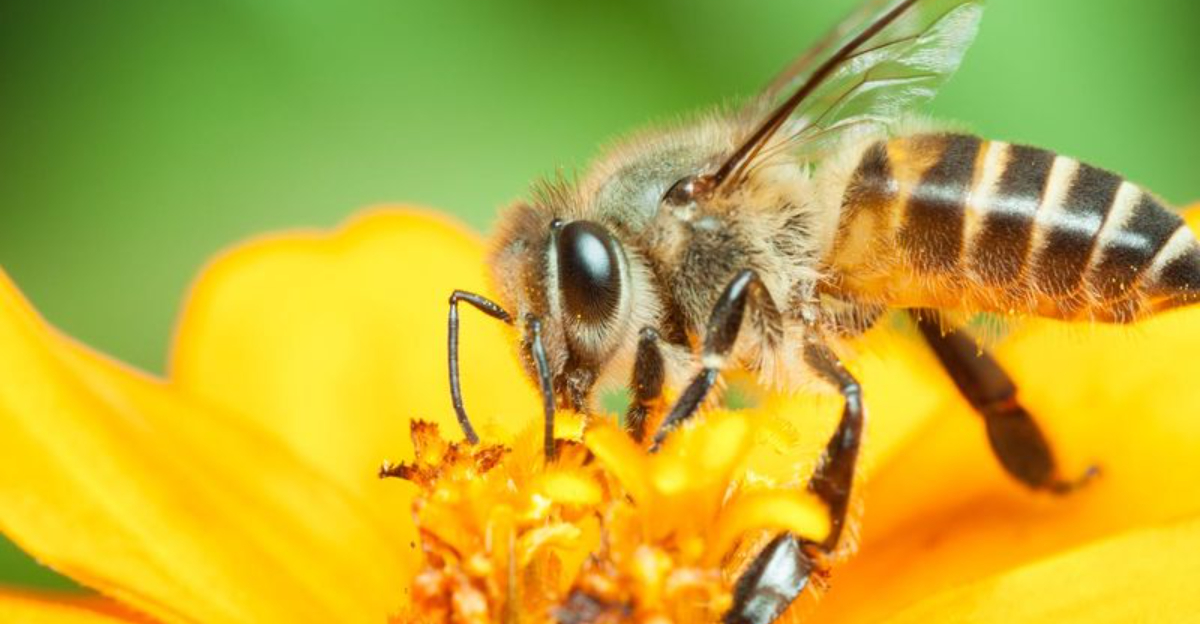
Honeybee numbers have dropped hard across Florida, and most yards do nothing to reverse that trend. Manicured lawns and a handful of ornamental flowers offer almost nothing a honeybee actually needs.
Bees look for a steady food supply across seasons, not one showy bloom in spring followed by empty grass the rest of the year. Without that, they simply pass your yard by.
A few real changes can shift that pattern. Planting flowers that bloom in overlapping waves keeps food available across more of the year.
Skipping pesticides during bloom periods matters just as much as what you plant. Leaving a patch of bare, undisturbed soil gives native and honeybee species a place to nest that a mulched, tidy yard never provides.
None of this guarantees a hive shows up overnight. But a yard set up this way gives honeybees real reasons to stick around instead of moving on.
1. Trade Empty Lawn For More Bee Food
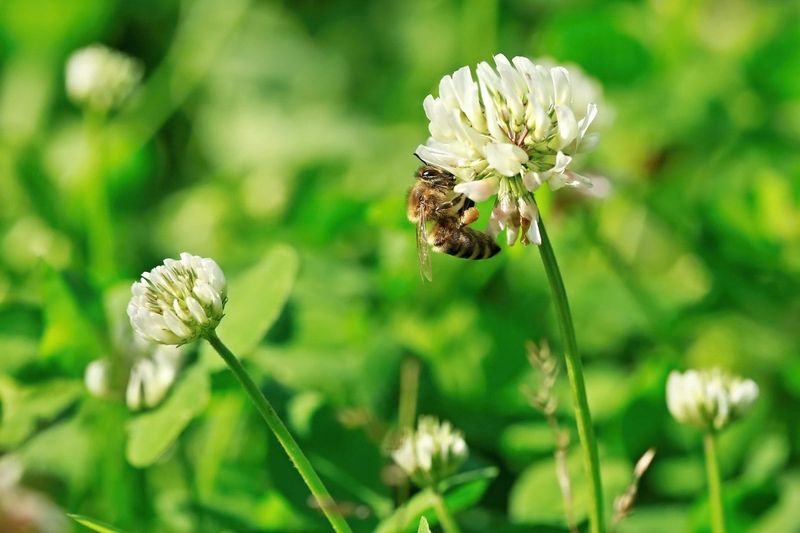
An empty stretch of lawn can look tidy, but turfgrass offers almost nothing for foraging honeybees. Grass blades produce no useful nectar or pollen for Apis mellifera.
Converting even a modest section of lawn into a flowering bed can change what bees find when they scout your property.
UF/IFAS extension guidance points to several Florida-suitable plants with documented forage value. Firebush (Hamelia patens) works well in Central and South Florida.
Wild coffee (Psychotria nervosa) suits shadier spots in similar regions. Simpson’s stopper is another option worth checking against your local extension recommendations.
You do not need to remove your entire lawn to make progress. Replacing a strip along a fence or a corner near a garden bed can add meaningful flower coverage without making the yard look unmaintained.
Flowering shrubs, groundcovers, and small flowering trees can all contribute depending on your region.
Not every flowering plant provides nectar or pollen that honeybees can use efficiently. Focus on plants with open or accessible flower structures rather than heavily doubled blooms.
A smaller lawn paired with the right flowering plants creates more foraging opportunity than a large, uniform turf with a few scattered ornamentals along the edges.
2. Plant Big Patches Instead Of Lonely Flowers
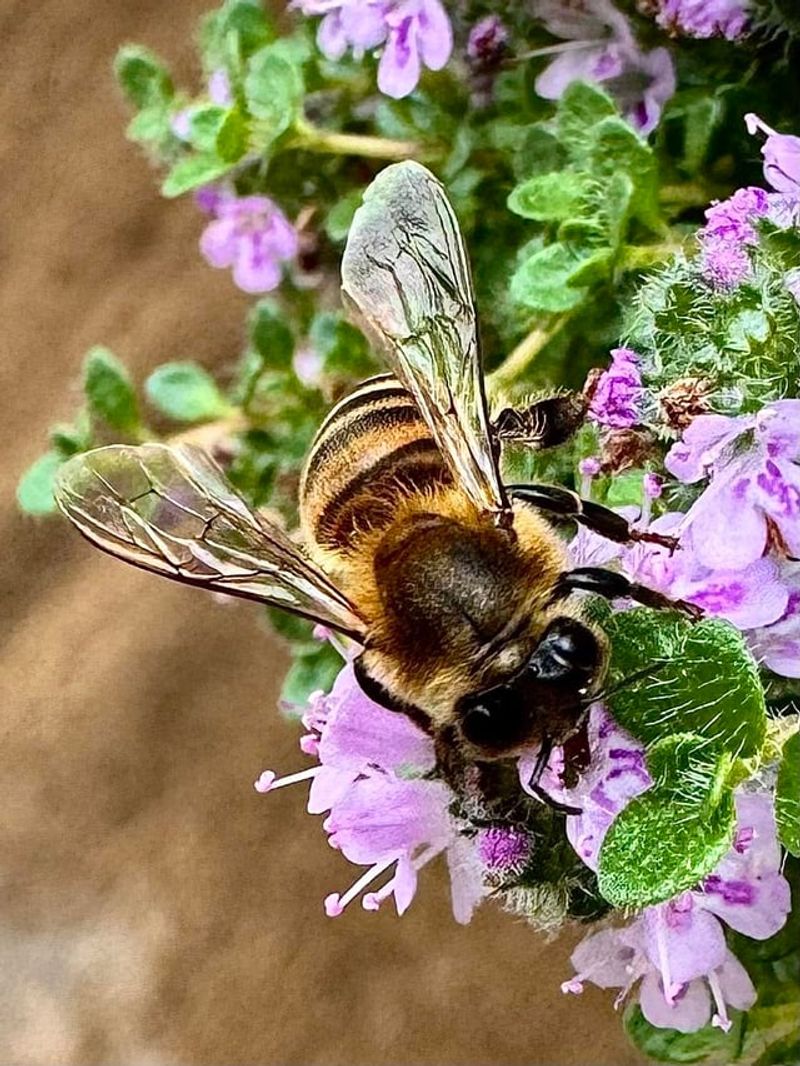
A flower bed with only one bloom in each spot can feel more like a collection than a food source. Scattered single plants spread across a large area may be harder for foraging honeybees to locate and use efficiently.
Grouping the same species together creates a denser, more noticeable resource.
UF/IFAS guidance notes that planting in clumps can make floral resources easier for pollinators to find. For Apis mellifera, a concentrated patch of blooms allows a forager to gather nectar or pollen without constantly relocating between distant plants.
That efficiency matters when bees are covering large search areas.
Repeating groups of the same plant across a bed can increase the overall signal. Two or three clusters of the same well-chosen species can provide more consistent coverage.
Grouping plants is often more effective than scattering individual plants throughout a bed.
Your Florida Garden Changes Every Week. Your Plan Should Too.
Gardening in Florida changes quickly throughout the season. Every Friday you’ll receive a simple weekly plan showing exactly what to plant, prune, fertilize, harvest, and protect so you never miss the right timing.
This approach does not mean planting a monoculture. Diversity still matters for supporting multiple pollinator groups and for extending your bloom season.
The goal is to avoid spreading plants so thinly that no single area provides a worthwhile stop. Even modest groupings of three to five plants of one species can improve how foraging honeybees interact with your landscape compared to isolated individuals.
3. Keep Something Blooming Through Every Season
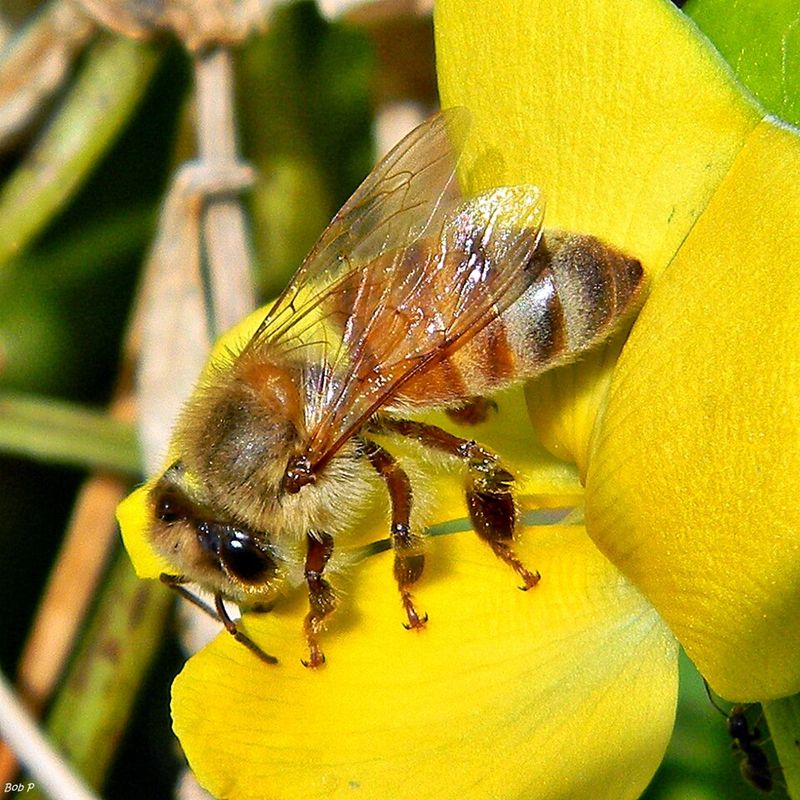
One spectacular spring bloom does not carry a yard through the rest of the year. Honeybees need reliable forage across multiple seasons, and a garden that peaks in March and then goes quiet offers little reason for foragers to return later.
UF/IFAS honeybee plant calendars show that bloom timing varies considerably across North, Central, and South Florida. A plant that flowers in February in Miami may not bloom until April in Tallahassee.
Choosing plants without checking regional timing can leave gaps exactly when bees need resources most.
Combining plants with staggered flowering periods helps fill those gaps. A shrub that blooms in late winter can be paired with a perennial that peaks in summer and a groundcover that carries into fall.
The goal is a sequence, not a single flush of flowers followed by months of green foliage.
Planning for succession takes more thought upfront but pays off across the full growing year. Check bloom windows for each plant you consider, then map them against your region’s typical calendar.
Even two or three well-chosen additions can close a seasonal gap that currently leaves foraging honeybees with no reason to visit your yard during certain months.
4. Let A Few Useful Wildflowers Stay
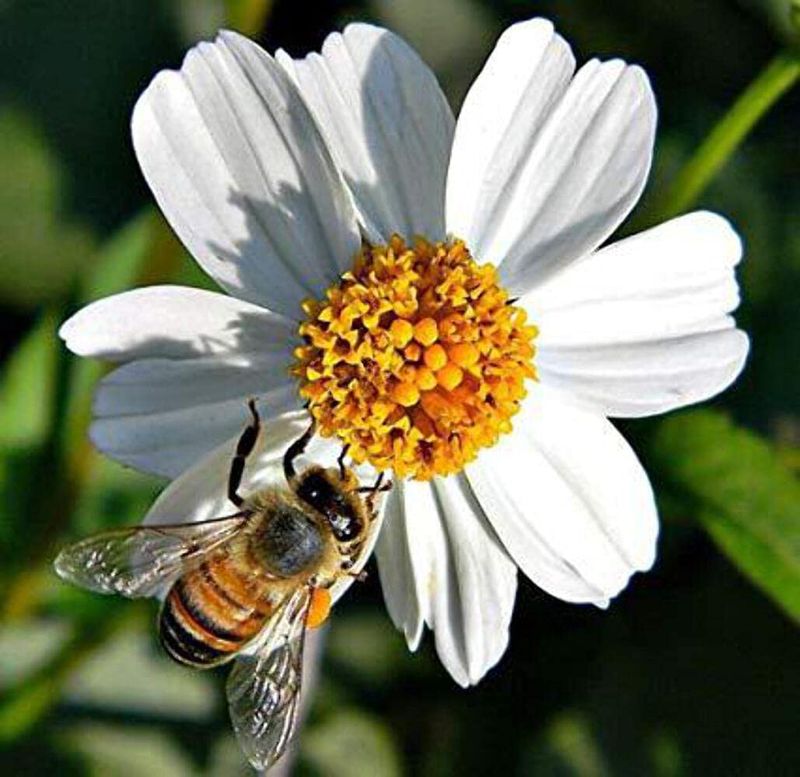
A volunteer flower beside a fence often gets pulled before anyone stops to identify it. Some spontaneous plants provide real value to foraging honeybees.
Removing them automatically can eliminate a free food source.
Spanish needles, known botanically as Bidens alba, is one of the most documented honeybee forage plants in Florida. UF/IFAS research has noted its value as a nectar and pollen source for Apis mellifera across much of the state.
It grows readily without encouragement and blooms across a wide portion of the year in warmer regions.
Identification comes first. Not every spontaneous plant carries forage value, and some volunteers are genuinely invasive species that should not be allowed to spread.
A managed corner where a useful wildflower is intentionally tolerated is very different from letting any and all plants take over a bed.
Keeping paths, formal beds, and property edges maintained while allowing a documented forage plant to occupy a defined area is a reasonable middle ground. The point is not to abandon garden care.
Some volunteer plants deserve a place when their value is documented. Keeping them can add low-maintenance forage to the landscape.
5. Skip Sprays While The Flowers Are Buzzing
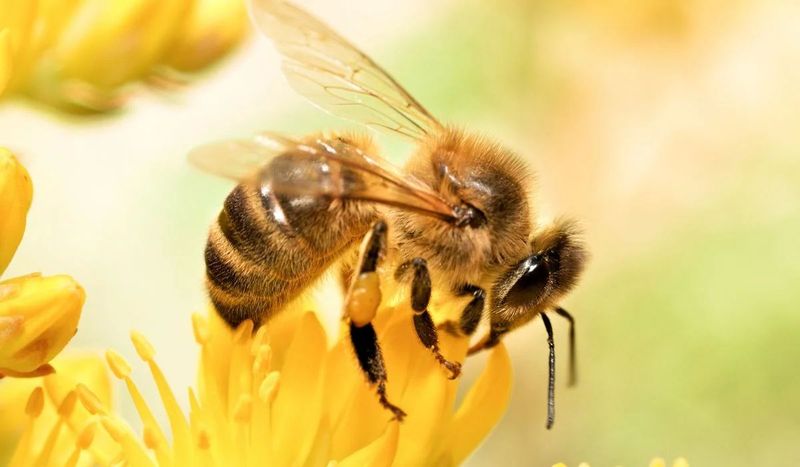
A gardener reaching for a spray bottle near a flowering shrub covered in visitors is a common scenario with serious consequences. Applying pesticides to blooms being actively visited by honeybees can expose foragers to harmful residues at a critical moment.
UF/IFAS advises avoiding pesticide applications to flowers being visited by bees when possible. Integrated pest management starts by identifying the actual pest and determining whether treatment is truly necessary.
Many pest problems do not require immediate chemical intervention, and some resolve with physical removal or by waiting out the pest pressure.
When treatment is genuinely needed, following the product label is required by law and protects both the applicator and the surrounding environment. Some extension programs recommend evening pesticide applications when bee activity slows.
Always verify timing recommendations with current UF/IFAS or state extension guidance for the specific product.
Systemic insecticides deserve particular attention because they can move into plant tissue, including pollen and nectar. The risk varies by product, application method, and plant species.
Organic or natural products are not automatically safe for bees. Spinosad, for example, carries known risks to Apis mellifera.
Read labels carefully and check current extension resources before treating any plant that is actively flowering.
6. Give Honeybees A Safe Place To Drink
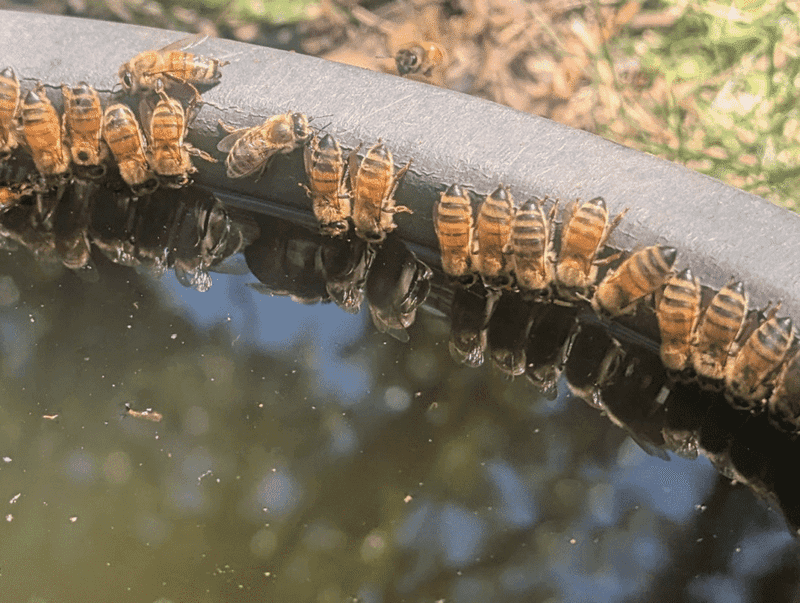
Bees gathering around a dripping faucet or a puddle near a garden hose are doing something essential. Honeybees need water for colony functions such as cooling the hive and processing food.
Foragers also seek reliable water sources near productive forage areas.
A shallow dish with clean water and landing surfaces such as stones, marbles, or cork floats can give visiting foragers a safe place to drink. The landing surface matters because honeybees can struggle to drink from open water without something to stand on.
Authoritative beekeeping guidance consistently recommends providing a stable surface within the water container.
Keeping the water fresh reduces the risk of it becoming a mosquito breeding site. Changing the water every couple of days or using a container with gentle movement helps address this concern.
Do not place a water source directly beside a frequently used door, patio seating area, or high foot-traffic zone.
A shaded or partially shaded location can help keep the water cooler and reduce evaporation during Florida’s warmer months. Providing water will not guarantee large numbers of honeybees appear at your yard.
It simply removes one potential barrier for foragers that are already visiting nearby flowers and may extend the time they spend in the area.
7. Fill The Late Season Flower Gap
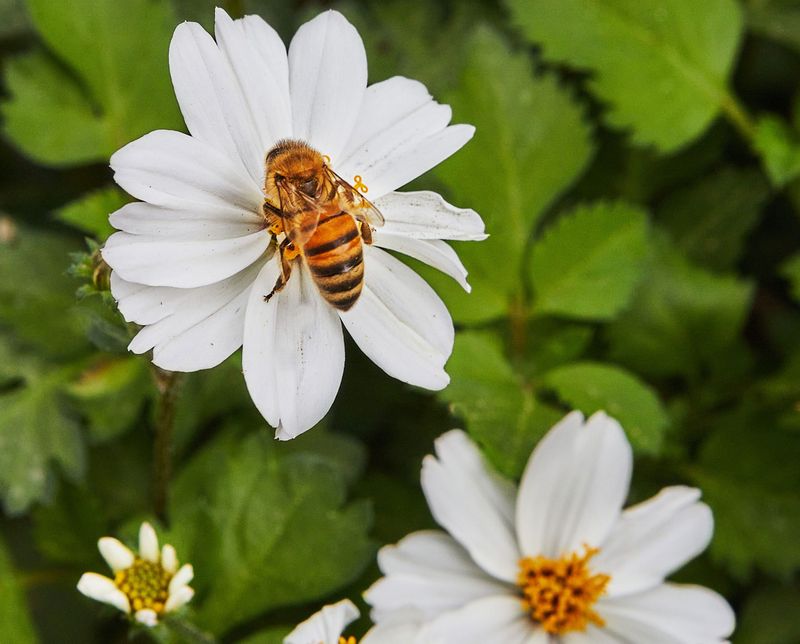
A quiet late-summer afternoon in many Florida yards reveals a familiar problem. Most ornamental plants have finished their main bloom, the landscape looks full and green, but there is almost nothing open for foraging honeybees to visit.
UF/IFAS honeybee plant calendars identify late-season forage sources that can help bridge this gap. Goldenrods (Solidago spp.) are documented nectar sources for Apis mellifera and bloom in fall across parts of North and Central Florida.
Spanish needles continue producing flowers well into the cooler months in warmer regions of the state.
Summer farewell (Dalea pinnata) is another plant noted in Florida extension resources as a fall bloomer with forage value. Regional suitability matters here just as it does with any other planting decision.
A species that thrives and blooms reliably in North Florida may not perform the same way in South Florida’s subtropical climate.
Late-season flowers matter because they follow a period when many ornamental plants have slowed or stopped blooming.
Adding even one or two well-chosen species that peak in late summer or fall can provide foraging access during a stretch that would otherwise be unproductive.
Check UF/IFAS regional resources to confirm which late-season options suit your specific area before purchasing plants.
8. Make Every New Plant Earn Its Place
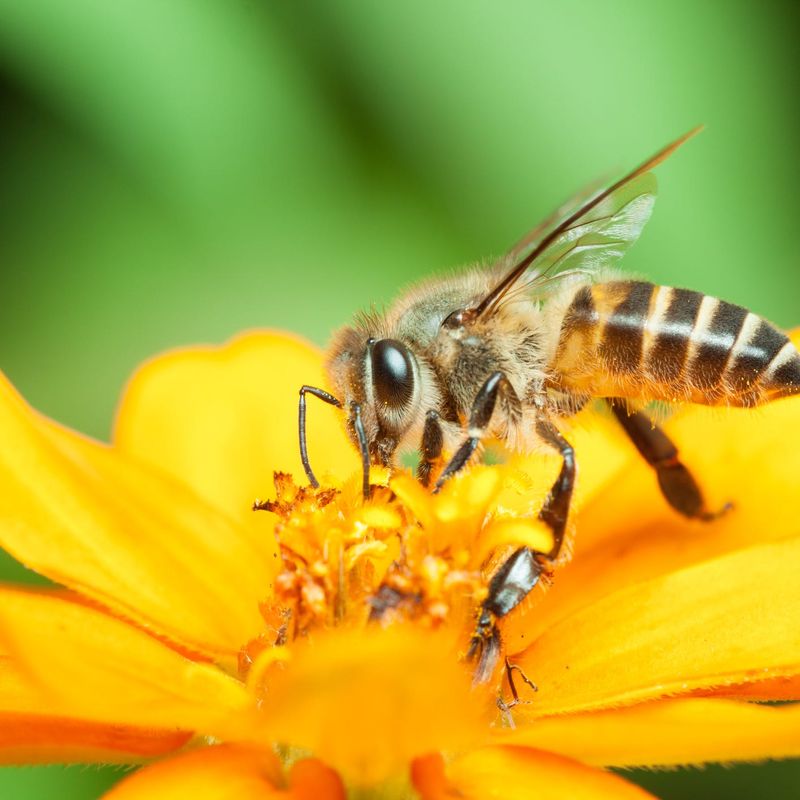
A plant tag at a garden center that reads “attracts pollinators” does not tell you much. It does not confirm bloom time, flower structure, regional suitability, or whether Apis mellifera can actually use the nectar or pollen efficiently.
Selecting plants based on vague marketing language can fill a yard with flowers that look busy but deliver little consistent forage.
Checking bloom time against your regional calendar is a practical first step. Then consider mature plant size, light needs, and water requirements to confirm the plant suits its intended spot.
UF/IFAS extension resources and the Florida-Friendly Landscaping program offer regionally verified guidance that is more reliable than general gardening websites.
One plant can serve several purposes at once. A flowering shrub might provide late-season pollen while also functioning as a privacy screen or a shade source for a smaller perennial underneath.
Thinking about multiple functions per plant helps build a more efficient landscape without overcrowding.
Diversity across plant families, bloom times, and flower structures supports a wider range of pollinator visitors, not just honeybees. A landscape built around reliable, verified plants with staggered flowering periods offers consistent resources across the year.
That kind of steady availability is what makes a yard genuinely useful to foraging bees, rather than a brief, impressive show that fades before summer ends.