Plant Amaryllis Bulbs Now If You Want Blooms In Your Florida Home By Christmas
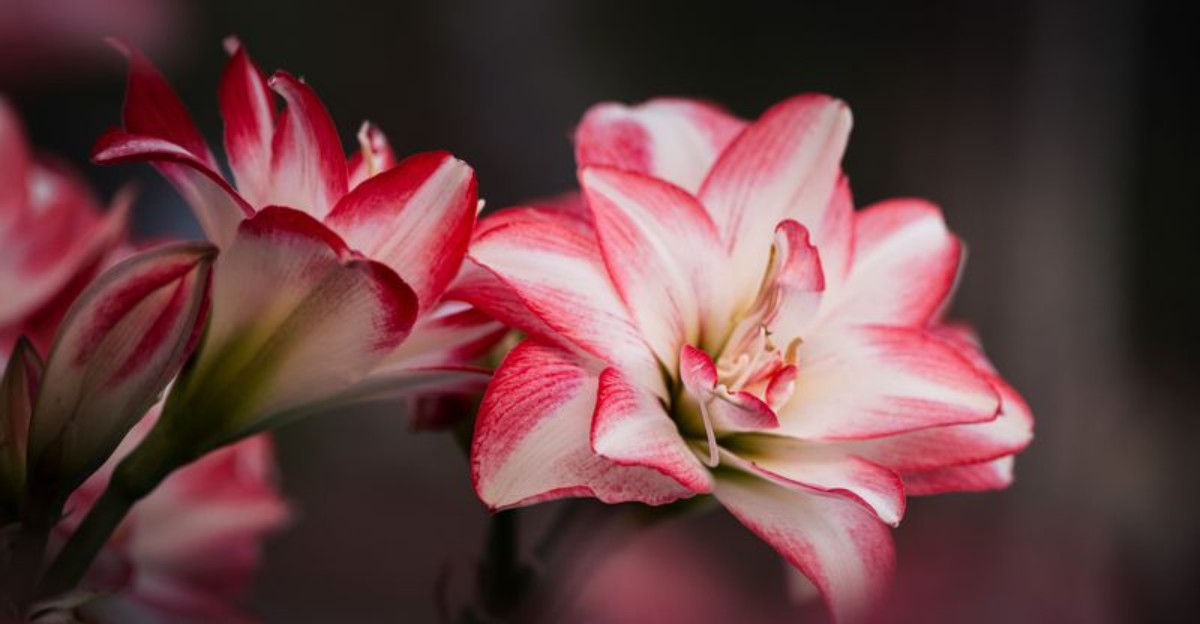
Count backward from Christmas morning, and you’ll find the planting date is almost here.
Amaryllis bulbs run on a tight schedule. Plant too late and the blooms show up after the tree is out on the curb.
Plant at the right moment and a tall, trumpet-shaped flower greets guests right on cue.
Florida adds a twist that northern gardeners never face. Warm days speed things up, which means the math looks a little different here than on the back of the box.
Plenty of folks guess the timing and end up with leaves but no flowers, or flowers a month late. A few small steps at the start decide which camp you land in.
Grab your bulbs this week and mark the calendar. The countdown has already begun.
1. Potted Bulbs Bloom In About 6 To 8 Weeks
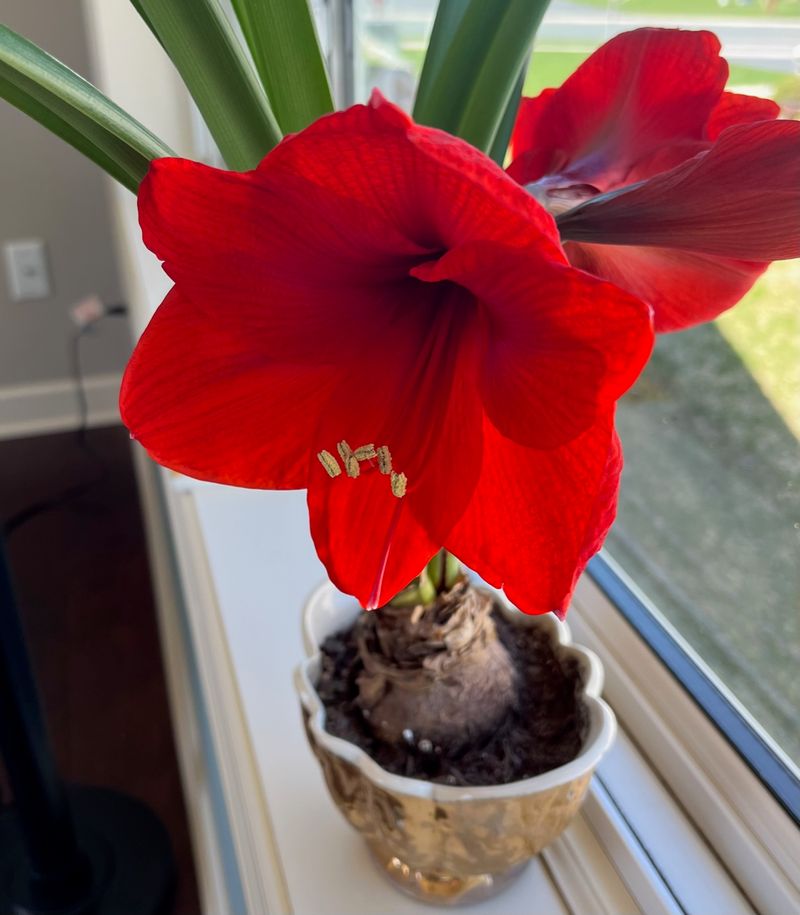
Think of an amaryllis bulb as a tiny alarm clock packed with flowers. Once it hits soil and water, the countdown begins right away.
Most potted bulbs open their first blooms about 6 to 8 weeks after planting. Some types take their sweet time and stretch closer to 10 weeks.
Warmth and light play a big role in that schedule. A cozy room near a bright window usually speeds things along nicely.
Cooler rooms slow the plant down, which can be handy if you started too early. You can shift a pot to a cooler spot to press pause for a little while.
During the first couple of weeks, you may see very little happening above the soil. Roots are busy growing underneath, so patience pays off here.
Water lightly until you spot green growth poking out of the top. After that, give it a drink whenever the top inch of soil feels dry.
Watching the stalk grow can become a fun family habit. Some kids like to measure it with a ruler each morning and mark the height on a chart.
A healthy stalk can shoot up an inch or more in a single day. That quick growth makes the whole process feel like a living science project on your table.
2. Pot Them Now For December Flowers
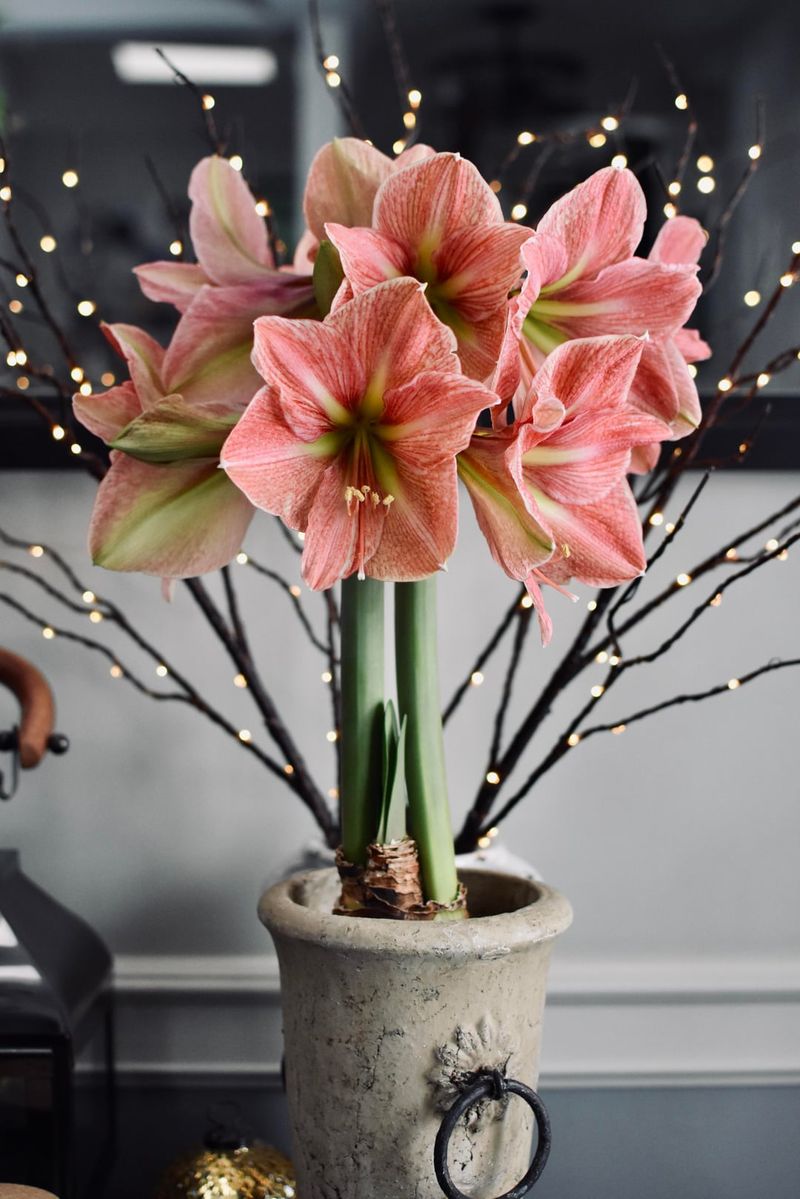
Here is a simple bit of math for the holidays. Count back 6 to 8 weeks from Christmas, and you land right around late October or early November.
That window is the sweet spot for Florida gardeners who want red, white, or pink blooms by the big day. Plant in that stretch and your timing will likely be spot on.
Florida also gives you extra wiggle room compared to colder states. You can plant amaryllis anywhere from September to January if you want blooms at other times too.
Many people like to stagger their planting for a longer show. Try potting one bulb every two weeks, and you could enjoy flowers from December into February.
Garden centers and big box stores often stock bulbs in early fall. Shopping early gives you the best pick before popular colors sell out.
If you miss the ideal date, there is no need to panic. A bulb planted in mid November might open by New Year’s Day, which is still a cheerful way to start the year.
Your Florida Garden Changes Every Week. Your Plan Should Too.
Gardening in Florida changes quickly throughout the season. Every Friday you’ll receive a simple weekly plan showing exactly what to plant, prune, fertilize, harvest, and protect so you never miss the right timing.
Jot your planting date on a calendar or sticky note. That small reminder helps you track progress and plan next year’s timing with ease.
A little planning now turns into a big holiday payoff later.
3. Buy The Biggest Bulbs You Can Find
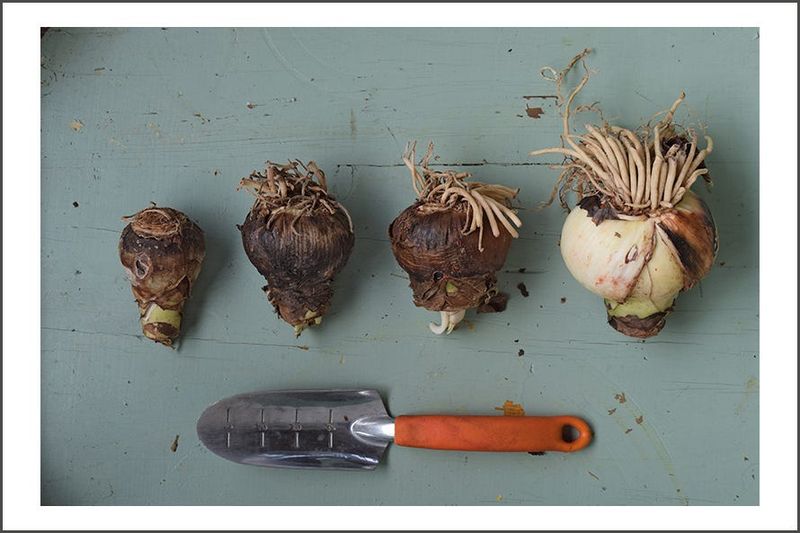
When it comes to amaryllis, size really does matter. A plump bulb is like a packed lunchbox stuffed with energy for flowers.
Bigger bulbs are older and have stored more food over time. That extra fuel usually means more blooms and often more flower stalks.
Bulbs are measured around their middle in centimeters. A jumbo bulb of about 34 to 36 centimeters may send up as many as three stems.
Each of those stems can carry four or more large flowers. Imagine a dozen trumpet-shaped blooms from just one bulb on your table.
Smaller bulbs still grow, but they may give you only a single stalk. They can be a fine choice for budget gifts or tiny spaces.
Give each bulb a gentle squeeze before you buy it. A good one feels firm and heavy, a lot like a fresh onion from the grocery store.
Skip any bulbs that feel soft, smell musty, or show patches of mold. Dry, papery outer skin is normal and nothing to worry about.
Paying a few extra dollars for a top grade bulb is usually worth it. You get a showier display, and the bulb can keep blooming for years with good care.
4. Use A Pot Just 1 To 2 Inches Wider Than The Bulb
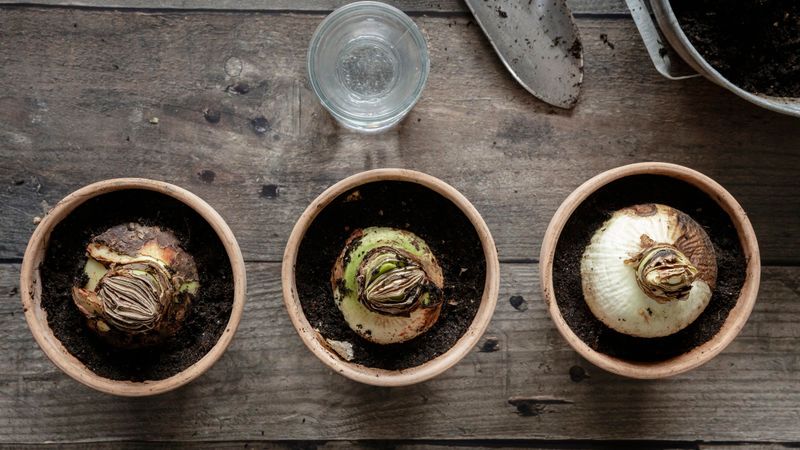
Amaryllis bulbs are a bit like cats squeezing into small boxes. They actually prefer a snug fit over a roomy home.
Choose a pot that is only 1 to 2 inches wider than the bulb itself. That tight space nudges the plant to spend energy on flowers instead of endless roots.
Depth matters too, so look for a pot around 8 to 10 inches deep. Roots need room to stretch downward and anchor the plant.
Those tall flower stalks can get top heavy once they open. A heavy clay or ceramic pot keeps the whole thing from tipping over onto the floor.
Drainage holes are a must for any pot you pick. Soggy soil at the bottom can lead to rot, which is the fastest way to ruin a beautiful bulb.
Fancy decorative containers without holes can still work as an outer cover. Simply slip a plain plastic pot with holes inside it.
Fill the pot with a fresh, well-drained potting mix. Avoid heavy garden soil, which packs down and holds too much water.
Once your pot is ready, you are halfway to holiday color. The right container sets your bulb up for a strong, steady season.
5. Press The Soil Firmly Around The Bulb
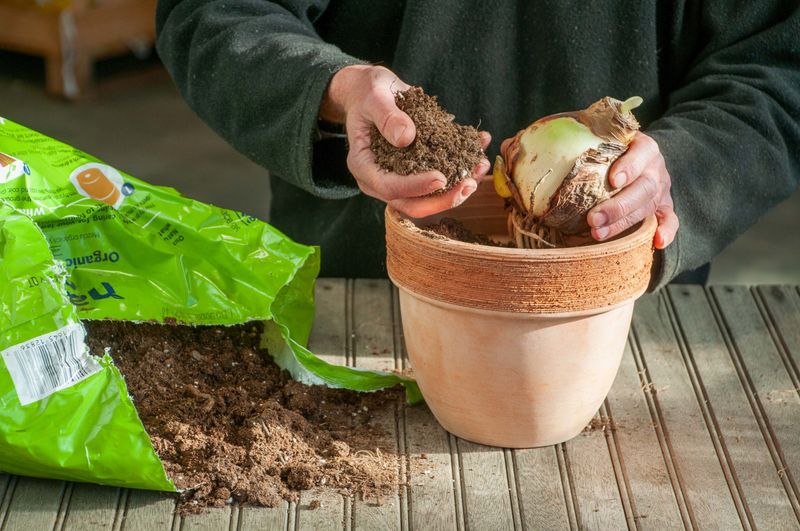
Ever tried to stand a pencil up in loose sand? A bulb in fluffy soil faces the same wobbly problem.
After you set the bulb in its pot, fill the gaps with potting mix. Then use your fingers to press the soil down gently but firmly around it.
That light squeeze locks the bulb in place so it stays upright. It also helps the roots touch the soil, which they need for water and food.
Big air pockets can leave roots hanging in empty space. Pressing the mix pushes out those gaps and gives the plant a steady base.
Go easy, though, because you are not packing a snowball. Soil packed too hard can block water and air from reaching the roots.
A good test is to tug lightly on the bulb once you finish. If it barely moves, you have hit the right balance.
Water the pot slowly after planting until a little drains out the bottom. The soil may settle, so add a pinch more mix if needed and press again.
Kids love this step because it feels like tucking the bulb into bed. Let little hands help with patting the soil, and you might grow a young gardener too.
6. Leave The Top Half Of The Bulb Above The Soil
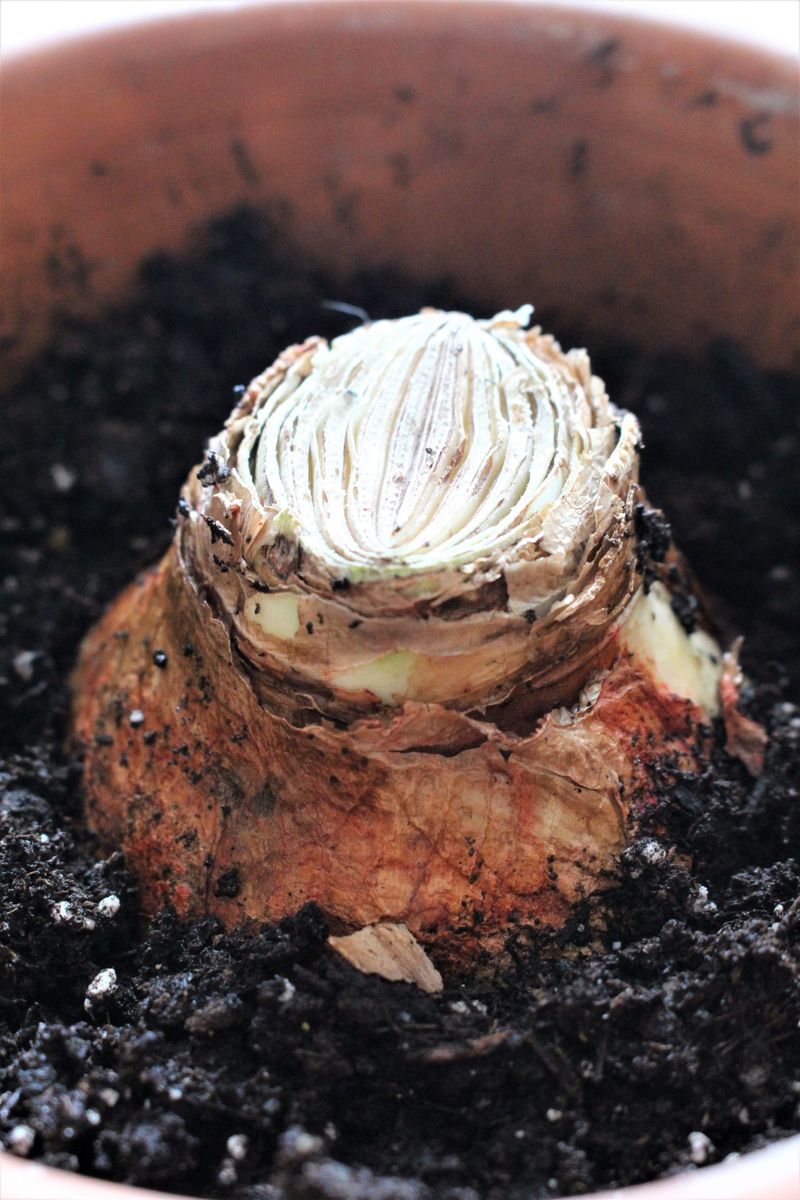
Fun fact: amaryllis bulbs like to keep their shoulders out in the open. Unlike tulips, they should not be buried all the way down.
Leave at least the top half of the bulb sitting above the soil line. Some experts say up to two thirds can stay uncovered with no trouble.
The reason comes down to moisture. The neck and shoulders of the bulb are sensitive and can rot if wet soil sits against them.
Keeping that area dry and exposed helps protect your investment. It also lets you check the bulb easily for soft spots as it grows.
When watering, aim the spout at the soil rather than the bulb itself. Pouring water into the top of the bulb can invite problems.
The exposed bulb might look a little odd at first. Many people think it resembles a giant onion perched in a pot.
For a prettier look, top the soil with moss, pebbles, or decorative stones. Just keep those extras away from the bulb’s neck so air can flow.
That simple planting trick makes a real difference in Florida’s humid climate. Dry shoulders mean a healthier bulb and a better shot at bold holiday flowers.
7. Move It Out Of Direct Sun Once The Flowers Open
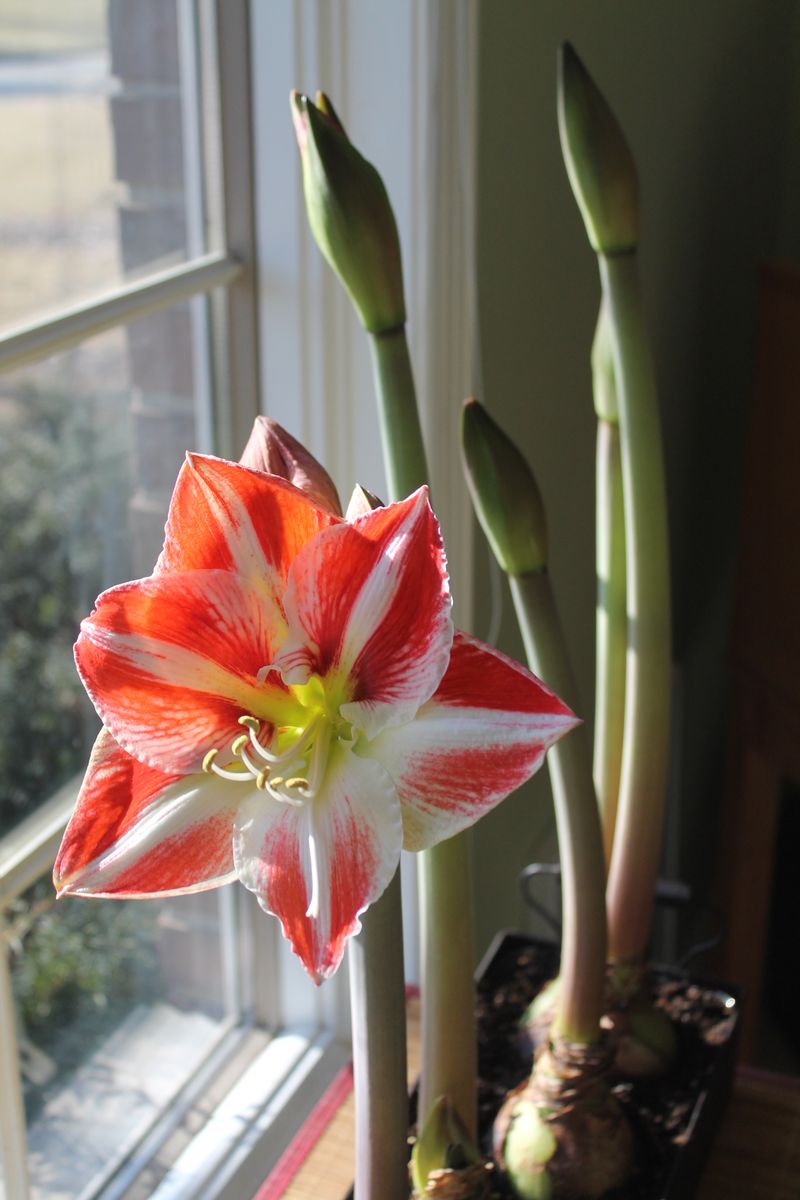
Sunshine is your amaryllis’s best buddy while it grows. Once the flowers open, though, the plant would rather chill out in softer light.
Before blooming, set the pot in a spot with bright, direct light. A sunny Florida window helps the stalk grow strong and straight.
Turn the pot a quarter turn every few days during this stage. Stalks lean toward the light, and turning keeps them from bending like a flamingo.
When the first petals open, move the plant to a cooler area with bright, indirect light. Hot sun can fade the colors and make the blooms wilt sooner.
A cooler room can help the flowers last two weeks or more. A table near a window with sheer curtains often works nicely.
Keep the pot away from heater vents and drafty doors. Sudden temperature swings can shorten the show quite a bit.
Tall stalks heavy with blooms may need extra support. A thin bamboo stake and a soft tie can keep everything standing proud.
Snip off each flower as it fades to keep the plant looking tidy. Leave the green stalk and leaves in place, since they feed the bulb for next year.
8. Keep It Away From Curious Pets And Kids
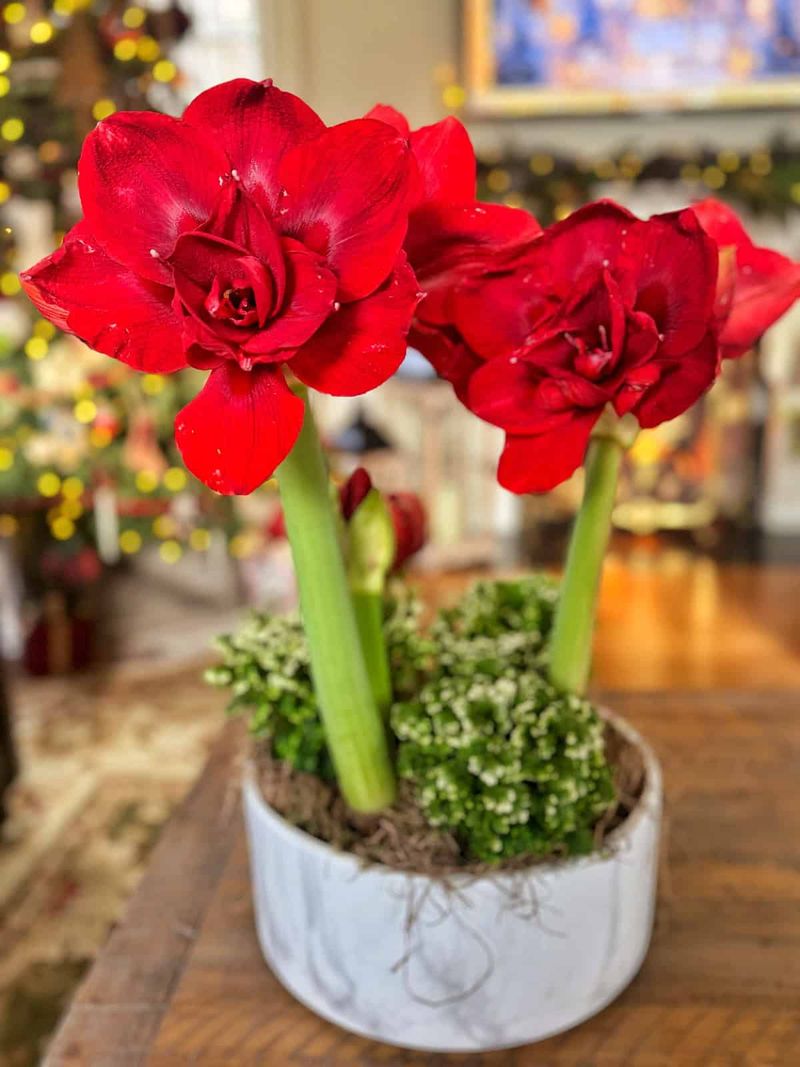
Beauty with a warning label might be the best way to describe amaryllis. Every part of this plant is toxic to people and pets.
Dogs, cats, and even horses can get sick from nibbling on it. The bulb holds the highest amount of harmful compounds, including one called lycorine.
Pets who chew the plant may show vomiting, diarrhea, belly pain, or shaking. Kids can feel sick too if they take a bite.
Place the pot on a high shelf, mantel, or counter out of reach. A spot behind a closed door works well if you have a very nosy pet.
Watch out for fallen petals and leaves on the floor. Puppies and kittens love to bat around anything new, so sweep up quickly.
Store any spare bulbs in a closed box or cabinet. To a playful dog, a bulb might look a lot like a tasty ball.
Talk with children about looking but not tasting. A simple rule like flowers are for eyes only is easy for kids to remember.
If you think a pet ate part of the plant, call your vet or a pet poison hotline right away. Quick action makes a big difference.
9. Plant It Outside After The Holidays
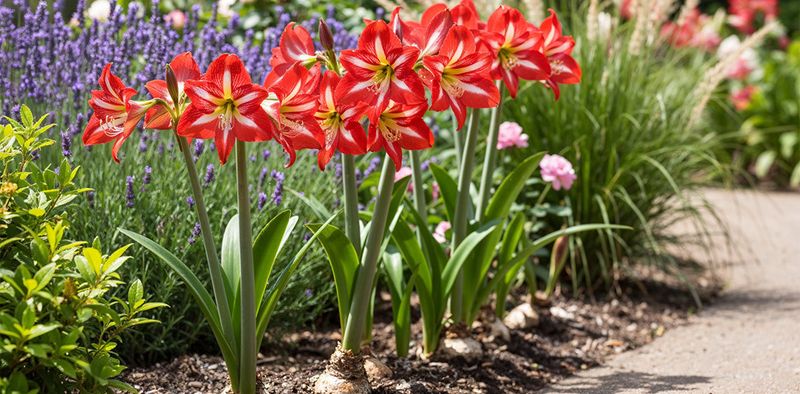
Your holiday guest does not have to leave when the decorations come down. In Florida, amaryllis can move outdoors and stay for years.
The Sunshine State falls within USDA zones 8 through 11, where these bulbs grow happily in the ground. Outdoor plants usually bloom each spring once they settle in.
Pick a spot with well-drained soil and partial sun. Avoid low areas where rainwater puddles after summer storms.
Planting depth depends on where you live. In South Florida, set the bulb with its neck at ground level.
Central and North Florida gardeners should cover bulbs with about 5 inches of soil. That extra layer helps protect them during the odd chilly snap.
Keep the leaves growing after the flowers fade. Those long green leaves soak up sunlight and store energy in the bulb for future blooms.
Wait until the risk of frost has passed in your area before moving the bulb outside. Late winter or early spring is often a good time.
Over time, a single bulb can form a clump of new bulbs. Before long, you may have enough to share with neighbors or pot up for next Christmas.