What Can Connecticut’s Fairs Teach Us About Local Gardening Culture
Picture yourself elbow to elbow with judges sniffing the season’s finest tomatoes. Judges scrutinize every single entry with a sharp, careful eye. Nobody warns you how truly competitive Connecticut fairs really get.
Farmers whisper closely guarded secrets no seed catalog will ever share. Grandparents teach you to graft before recess. Giant pumpkins roll steadily past you on trailers built for tractors.
Strangers will debate soil pH with you for an hour. Families hand you sauce recipes passed down for generations.
Nothing about this feels staged for your social feed. Every blue ribbon you see hides a quiet story.
Pride radiates off exhibitors the moment you walk closer. Crowds instinctively pull you toward the heaviest pumpkin on the scale. Vendors trade advice far faster than you can scribble it all down.
Connecticut’s fairgrounds hum with a vivid intensity no screen replicates. You will not leave unchanged, and you already know it.
1. Prize Tomatoes Show Months Of Careful Care
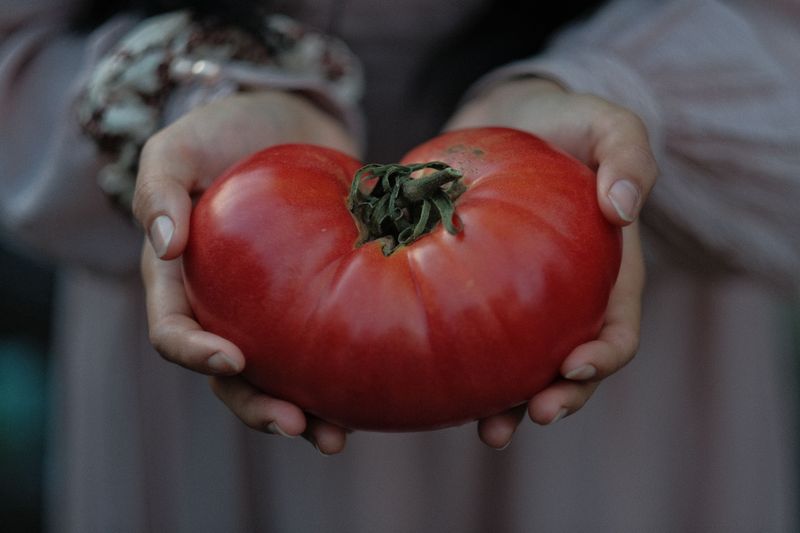
Nobody walks up to a prize tomato by accident. That deep red, perfectly shaped fruit sitting under the fair tent represents months of early mornings and careful attention.
Tomato growers in Connecticut obsess over soil pH, watering schedules, and pruning techniques. They start seeds indoors in late winter, sometimes under grow lights, before the ground even thaws outside.
Watching a grower carry their entry into the fair is like watching an artist bring a painting to a gallery. The tomato is handled gently, wrapped carefully, and placed just so under the judging light.
Judges look for color consistency, firmness, and overall shape. A single blemish can cost a ribbon, which is why winners often grow dozens of plants just to find one perfect specimen.
Home gardeners can learn a lot by talking to tomato competitors at local fairs. Ask them about their soil mix and they will talk for an hour without stopping for breath.
Many use compost blended with aged manure and a slow-release organic fertilizer. Consistent moisture is non-negotiable, which is why drip irrigation shows up in almost every serious tomato grower’s yard.
The fair gives these growers a chance to show off skills that took years to build. It also pushes beginners to level up their own growing game the following season.
2. Giant Pumpkins Reveal Serious Feeding Skill
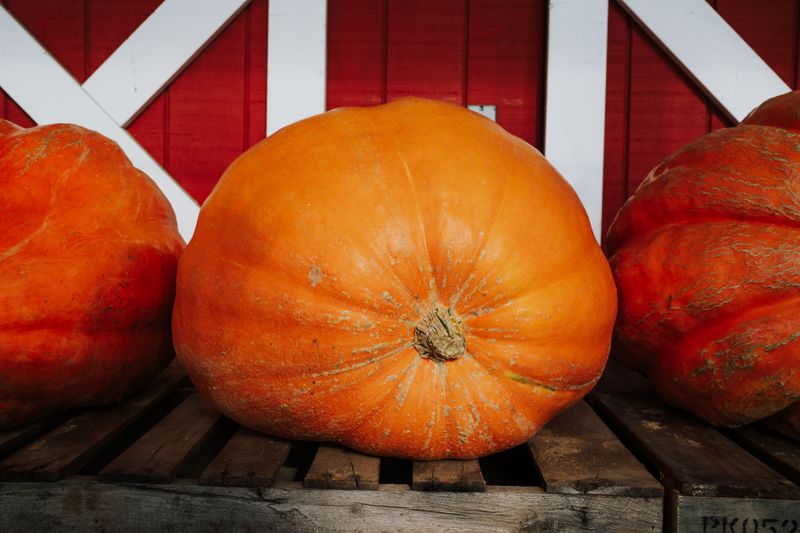
Growing a giant pumpkin is less about luck and more about science. The biggest ones at Connecticut’s fairs can tip the scales well past 2,000 pounds, with state records climbing above 2,500 pounds in recent years, and that does not happen without a serious plan.
Growers start with Atlantic Giant seeds, which carry genetics selected for massive size. The right seed alone can carry a steep price tag, and serious growers treat each one as highly valuable.
Soil preparation begins months before planting. Competitors till deep beds, add compost, and sometimes test their soil multiple times to get the nutrients exactly right before a seedling ever touches the ground.
Feeding schedules are intense and precise. Giant pumpkin growers apply liquid fertilizers weekly, sometimes daily during peak growth, adjusting based on how fast the fruit is expanding.
Your Connecticut Garden Changes Every Week. Your Plan Should Too.
Gardening in Connecticut changes quickly throughout the season. Every Friday you’ll receive a simple weekly plan showing exactly what to plant, prune, fertilize, harvest, and protect so you never miss the right timing.
Water management matters just as much as feeding. Too little and the pumpkin stresses out. Too much and the skin cracks, which can end a season in one bad afternoon.
Shade cloth, row covers, and even custom-built frames protect the growing fruit from sun damage and wind. These growers build entire systems around one single pumpkin plant.
Fair competitions push this skill into the open for everyone to see. Beginners walk away inspired, and experienced growers quietly scout the competition to see who brought a new technique to the table.
Giant pumpkin culture at Connecticut’s fairs teaches one undeniable truth. Patience and preparation always beat wishful thinking in the garden.
3. Flower Arrangements Highlight Creative Design Talent
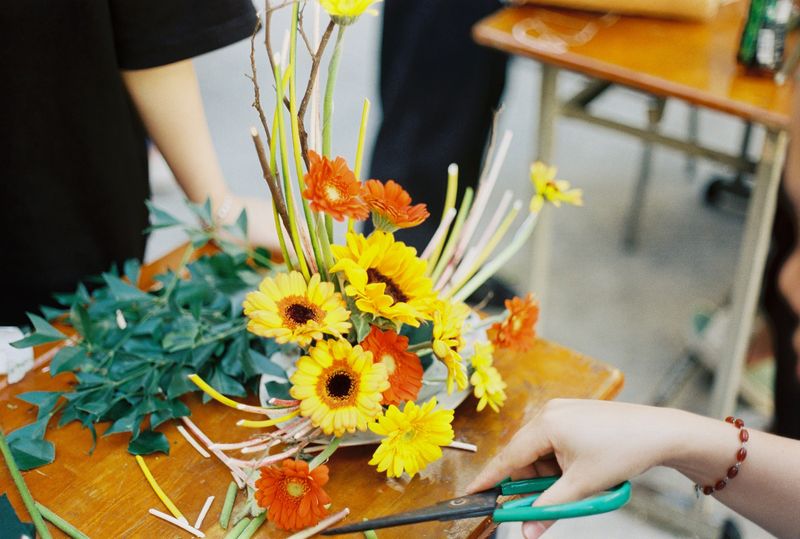
A well-made flower arrangement stops people mid-stride at the fair. The color combinations, the height balance, and the choice of blooms all reflect a gardener who thinks beyond just growing plants.
Flower arranging at Connecticut fairs follows specific categories. Some classes call for all-local blooms, while others allow mixed foliage and dried materials to round out the design.
Competitors spend weeks growing their cutting garden just for this moment. Dahlias, zinnias, sunflowers, and lisianthus are popular choices because they hold up well after cutting and carry bold visual impact.
Timing the blooms is one of the trickiest parts. A dahlia that peaks three days before the fair is a frustrating setback for any gardener.
Judges evaluate arrangements on proportion, color harmony, and overall creativity. A winning design tells a visual story from the tallest stem down to the smallest filler flower at the base.
What beginners often miss is the importance of foliage. Leaves and stems add texture and contrast that make the featured flowers pop even more against the background.
Talking to flower arrangers at the fair is like getting a free design class. They share tips on conditioning stems, using floral foam, and choosing containers that complement rather than compete with the blooms.
These arrangements remind every visitor that gardening is not just a science. It is an art form that rewards both patience and a good eye for beauty.
4. Heirloom Vegetables Reflect Pride In Old Varieties
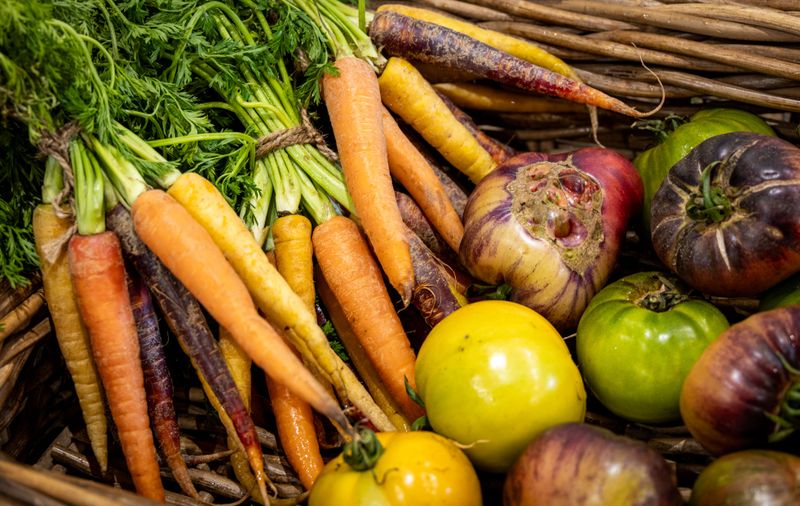
Heirloom vegetables at the fair carry stories older than most of the attendees walking past them. A Brandywine tomato or a Dragon Tongue bean connects growers to gardening traditions that stretch back generations.
Connecticut growers who show heirloom varieties often source their seeds from family collections or small specialty seed companies. These are not the seeds you grab off a rack at the hardware store.
Open-pollinated varieties are the heart of the heirloom movement. Growers save seeds each fall, dry them carefully, and store them through winter to plant again the following spring.
Fair exhibits featuring heirlooms are often labeled with the variety name and sometimes even the year the seed line originated. That kind of detail shows deep respect for agricultural history.
Flavor is the biggest argument for growing heirlooms. Anyone who has tasted a Cherokee Purple tomato fresh off the vine knows that modern hybrid varieties often sacrifice taste for shelf life and appearance.
Heirloom squash, beans, and corn also show up at Connecticut fairs in stunning variety. Colors range from deep purple to pale yellow, and the shapes are far more interesting than anything in a grocery store produce section.
Connecting with heirloom growers at the fair can open doors to seed swaps and local preservation networks. These communities are passionate and generous, and they love sharing what they know.
Preserving old varieties keeps agricultural diversity alive for future seasons and future gardeners who have not even picked up a trowel yet.
5. Canning Entries Show Respect For Harvests
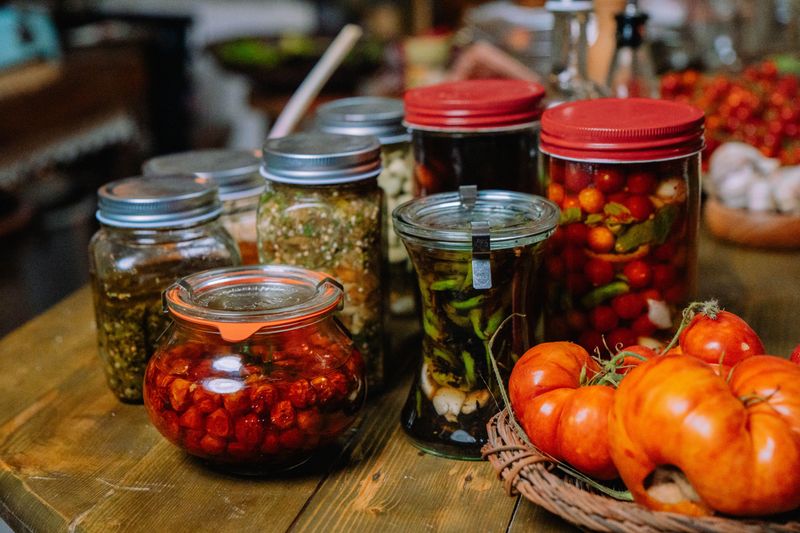
A row of gleaming mason jars at a fair exhibit is a sight that feels both old-fashioned and deeply satisfying. Each jar represents a harvest that someone refused to let go to waste.
Canning entries at Connecticut fairs include jams, pickles, salsas, tomato sauce, and preserved fruits. Judges look at clarity, color, seal quality, and proper headspace inside each jar.
Getting all those details right takes practice and education. Home canners study USDA guidelines carefully because food safety is not something anyone takes lightly when preserving for long-term storage.
Water bath canning works well for high-acid foods like jams and pickles. Pressure canning is required for low-acid vegetables and meats, and fair competitors know exactly which method applies to each entry.
The labels on winning jars are often works of art in themselves. Neat handwriting or printed tags list the contents, the date, and sometimes even the name of the garden where the produce originated.
Talking to experienced canners at the fair is one of the fastest ways to learn. They share tips on pectin ratios, salt types, and why the jar seal matters more than anything else in the process.
Canning culture at Connecticut’s fairs connects gardening with kitchen tradition in a powerful way. Growing the food is only half the story.
Preserving it well is the other half that most beginners overlook entirely. A pantry full of home-canned goods from your own garden is a reward that no grocery store trip can ever replicate.
6. Youth Exhibits Show Gardening Passed Down
Nothing at the fair resonates as much as a kid standing next to a sunflower they grew themselves. That look of pure pride tells you everything about why youth gardening programs matter so much.
Connecticut fairs dedicate entire sections to youth exhibits, where children from elementary through high school age compete with their own garden projects. Categories range from single vegetables to full container gardens.
Many young exhibitors are members of 4-H clubs or school garden programs. These groups teach kids how to plan a plot, prepare soil, and care for plants from seed to harvest.
Seeing a ten-year-old explain their growing process to a judge is one of the most impressive things you will witness at any fair. They speak with confidence because they actually did the work.
Parents and grandparents often stand nearby, beaming quietly. In many cases, the child learned from an older family member who competed at the same fair decades earlier.
Youth exhibits also spark interest in kids who are just visiting the fair for fun. A peer-to-peer connection around gardening is far more powerful than any classroom lesson or online tutorial.
Local garden centers and seed companies sometimes sponsor youth categories, offering prizes that encourage continued growing beyond the fair season. That kind of support builds long-term gardeners, not just one-time participants.
When kids grow food with their hands, it changes how they see the world. The next generation of Connecticut gardeners is already out there, getting their hands dirty and loving every minute.
7. Community Displays Capture Neighborhood Collaboration
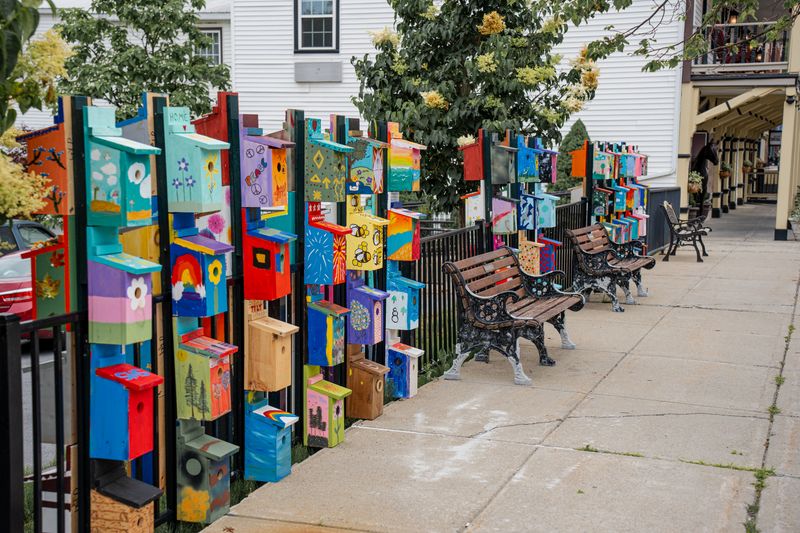
Some of the most impressive exhibits at Connecticut fairs are not built by one person at all. Community garden groups pool their harvests and their creativity to create displays that no solo grower could pull off alone.
Neighborhood associations, church groups, and school garden clubs often submit joint entries. These displays showcase a wide variety of crops grown across multiple plots by many different hands.
The planning behind a community display starts weeks before the fair. Groups meet to decide which plants to feature, who will transport the entries, and how the display table will be arranged for maximum visual impact.
Diversity is the strength of these exhibits. One gardener might contribute tomatoes while another brings squash, herbs, and a hand-painted sign explaining the group’s mission and growing practices.
Community displays also carry a social message. They show that gardening does not have to be a solo hobby practiced in isolation behind a backyard fence.
Shared plots teach collaboration, compromise, and the joy of celebrating a harvest that belongs to everyone who worked for it. Those lessons extend well beyond the garden gate.
Visitors who stop at community displays often leave with information about how to join a local garden group or start one in their own neighborhood. The fair becomes an informal way to attract new members.
When neighbors grow together, the whole block benefits. That shift, visible in every community display at Connecticut’s fairs, is exactly what makes local gardening culture worth celebrating.
8. Ribbon Competitions Fuel Friendly Local Rivalry

A blue ribbon at a Connecticut fair means something. It means you grew, timed, and prepared more carefully than other entrants who showed up with the same seeds.
Ribbon competitions create a healthy tension that pushes local growers to improve every single season. Nobody wants to walk away with the same result two years in a row when they know they can do better.
Categories at fair competitions are surprisingly specific. There are separate classes for beefsteak tomatoes, cherry tomatoes, and paste tomatoes, so every type of grower has a fair shot at recognition.
Judges use standardized score sheets to evaluate entries on factors like size, color, texture, and overall condition. Subjectivity is minimized, though experienced growers know that presentation still matters enormously.
Losing a ribbon can sting, but most competitors treat the result as feedback rather than failure. They study the winning entries carefully and go home already planning adjustments for next year’s growing season.
Winning is sweet, but the real reward is the conversation that happens around the judging table. Competitors swap tips, share seed sources, and build friendships that last far longer than the fair weekend itself.
New gardeners often enter their first competition just for the experience, expecting nothing. Then they win an honorable mention and become motivated to keep growing.
Connecticut’s fair ribbon competitions prove that local gardening culture thrives on challenge, community, and the simple joy of growing something worth showing off to the world.