The Cactus Wren Nesting In Your Arizona Yard Could Be A Good Sign
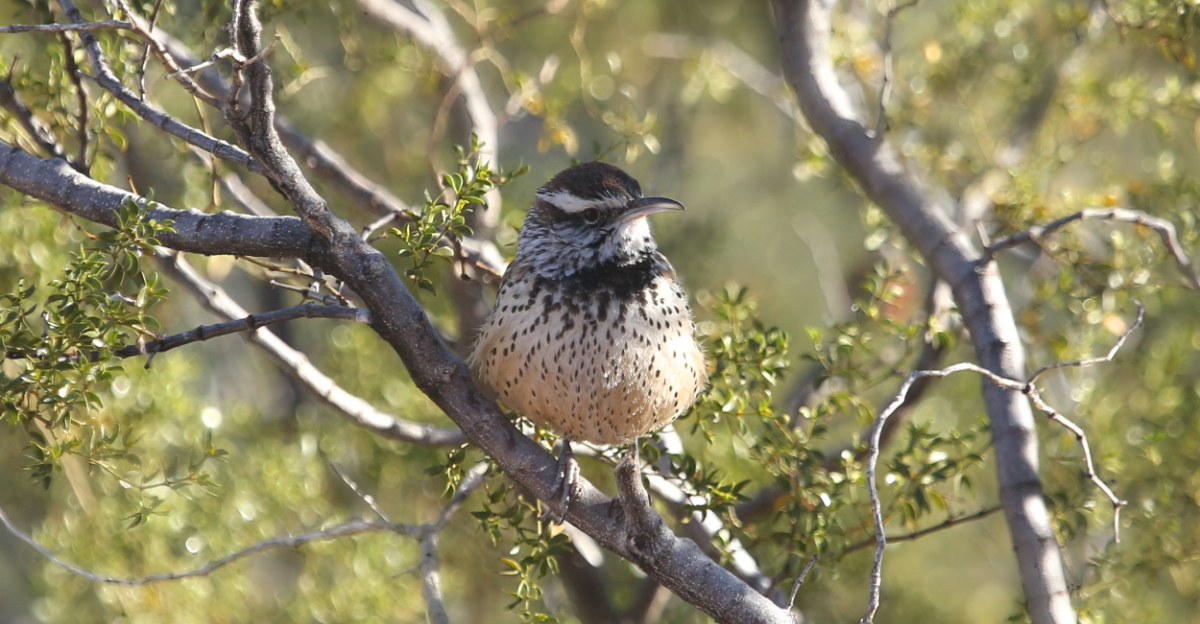
Finding a cactus wren building a nest near your home can feel like a special backyard moment. Its choice of location may also reveal something encouraging about the habitat you have nearby.
These bold desert birds need more than an open branch when choosing where to settle. Notice which plants they visit and where they spend their time.
Your Arizona yard may offer protective vegetation and useful resources that make the space worth choosing. That can say plenty about the environment surrounding your home.
Resist the urge to approach the nest for a closer look. Giving the birds plenty of space allows their normal routine to continue without unnecessary disturbance.
Their presence can connect your landscape with the wildlife already living nearby.
Once you know what cactus wrens seek, that nest can take on a whole new meaning.
1. Nesting Cactus Wrens Can Signal Good Habitat
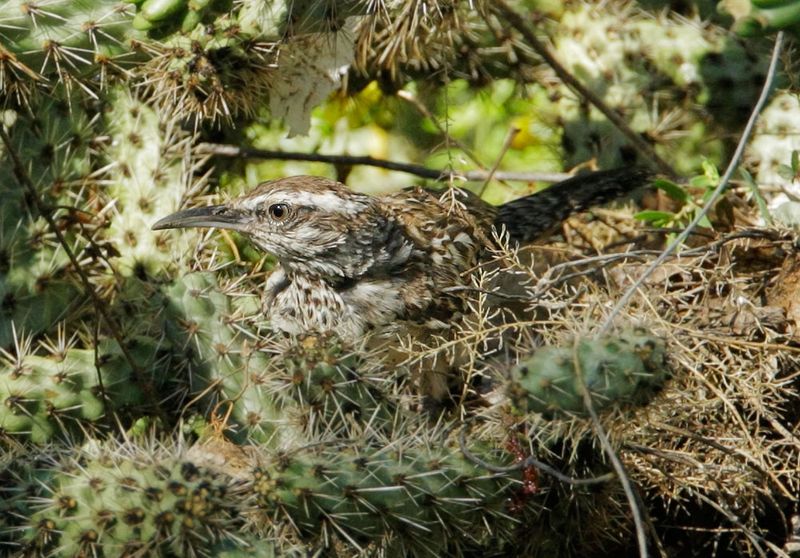
Cactus wrens do not settle just anywhere. When a pair chooses your yard as their nesting spot, it usually means something is genuinely working in your favor.
These birds are selective about where they raise their young.
Healthy desert habitat tends to attract them. Saguaro cacti, cholla, and other thorny native plants signal a stable environment.
Wrens scan their surroundings carefully before committing to a location.
A yard with layered vegetation, from ground-level shrubs to tall cacti, gives them the vertical range they prefer. Open ground nearby also helps, since wrens forage on foot for insects and seeds.
Noise and foot traffic can push wrens away before they even start. If a pair is actively building in your yard, it often means the space feels calm and undisturbed enough to be worth the effort.
Wrens also build multiple nests, sometimes called “dummy nests,” in the same territory. Not every nest will hold eggs.
Seeing several rough-looking nests nearby is normal behavior, not a sign of confusion.
Healthy soil, minimal chemical use, and consistent native plantings tend to create the kind of environment wrens gravitate toward. A nesting pair is a quiet signal that your yard is functioning well as a piece of desert habitat.
2. Thorny Plants Offer Valuable Nesting Shelter
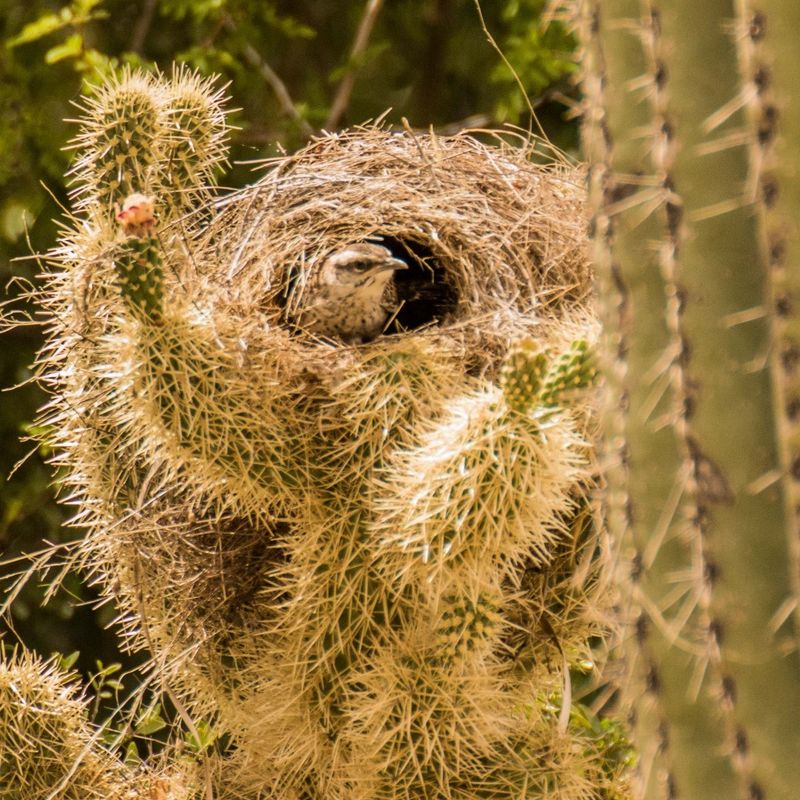
Sharp spines are not a hazard to cactus wrens. They are the whole point.
Wrens actively seek out cholla, saguaro, and prickly pear because the thorns act as a natural barrier against predators.
A nest buried inside a cholla cactus is remarkably well-protected. Snakes, cats, and other animals tend to avoid pushing through dense spines to reach eggs or chicks.
The plant does most of the defensive work.
Cholla is especially popular for nesting. Its branching structure gives wrens a sturdy framework to weave their football-shaped nests into.
The entrance tunnel faces away from prevailing winds, which also helps regulate nest temperature.
Prickly pear and other low cacti sometimes support nests too, though they offer less height and cover. Wrens seem to weigh their options and choose based on what offers the best combination of protection and stability.
If your yard has mature cholla or saguaro, you are already providing something valuable. Younger or smaller cacti may not yet offer enough structure or spine density to feel secure to a nesting pair.
Your Arizona Garden Changes Every Week. Your Plan Should Too.
Gardening in Arizona changes quickly throughout the season. Every Friday you’ll receive a simple weekly plan showing exactly what to plant, prune, fertilize, harvest, and protect so you never miss the right timing.
Planting native thorny species takes patience, since most grow slowly. Over time, though, an established thorny plant becomes a long-term nesting resource that wrens may return to across multiple seasons.
3. Nearby Insects Provide An Important Food Source
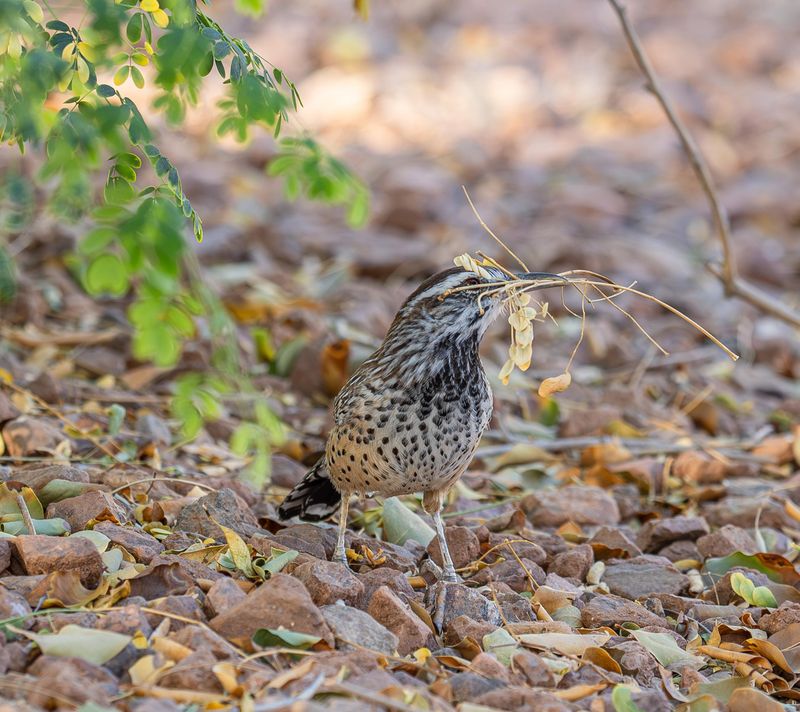
Wrens are not seed-only birds. Insects make up a major portion of their diet, especially during nesting season when protein matters most for growing chicks.
A yard without bugs is not a yard wrens will stick with.
Beetles, ants, grasshoppers, and spiders are all fair game. Wrens forage by flipping over rocks, poking through leaf litter, and probing loose soil.
Active foraging means they need a yard with real ground cover and debris.
Heavily manicured yards with bare gravel and no organic matter tend to have fewer insects. Wrens may visit briefly but often move on when the food supply does not meet their needs.
Reducing pesticide use can make a noticeable difference. When fewer chemicals hit the soil and plants, insect populations tend to stabilize.
A more balanced insect community gives wrens more to work with throughout the year.
Leaf litter, mulch around native plants, and a few flat rocks scattered around can all encourage the kind of ground-level insect activity wrens rely on. Small changes add up over time.
Nesting season in the Sonoran Desert region typically runs from late winter through early summer. During that stretch, wrens need a steady and reliable insect supply close to the nest to keep chicks fed consistently.
4. Native Plants Make Yards More Appealing
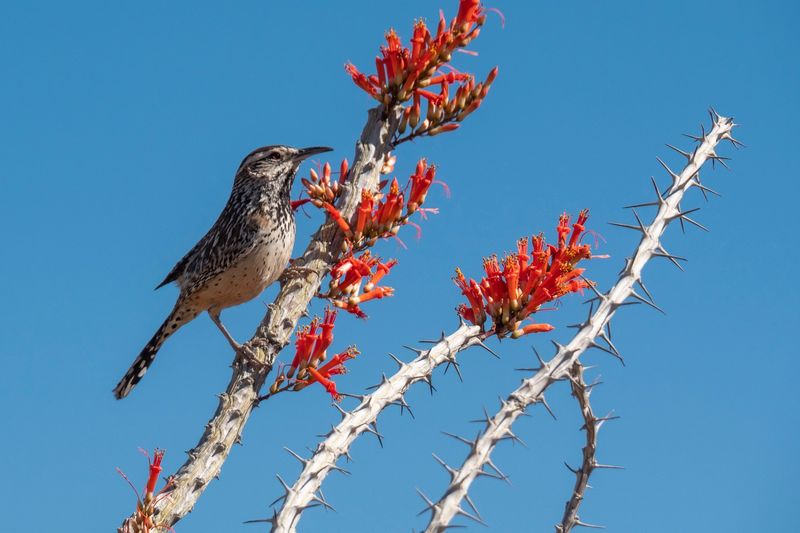
Native plants and desert birds evolved together over a very long time. Wrens are not adapted to ornamental roses or tropical palms.
What draws them in is the familiar structure of native desert vegetation.
Palo verde trees, desert willow, brittlebush, and native grasses create the kind of layered yard that supports multiple bird species, including wrens. Each plant adds something different to the overall habitat.
Palo verde trees, for example, attract insects and also provide perching spots. Brittlebush blooms early in the season, drawing pollinators that wrens can then prey on.
Native plants tend to work as a system rather than as isolated features.
Non-native plants often require more water and care, and they may not support local insects the same way. A yard full of imports can look beautiful but feel empty to a foraging wren.
Switching to native plants does not have to happen all at once. Adding even a few native species over time gradually shifts the balance of your yard toward something more functional for wildlife.
Local nurseries in the Southwest often carry regionally appropriate species. Asking specifically for plants native to your county or elevation zone helps ensure you are planting what actually belongs in your particular corner of the desert landscape.
5. Cactus Wrens Often Stay In One Territory
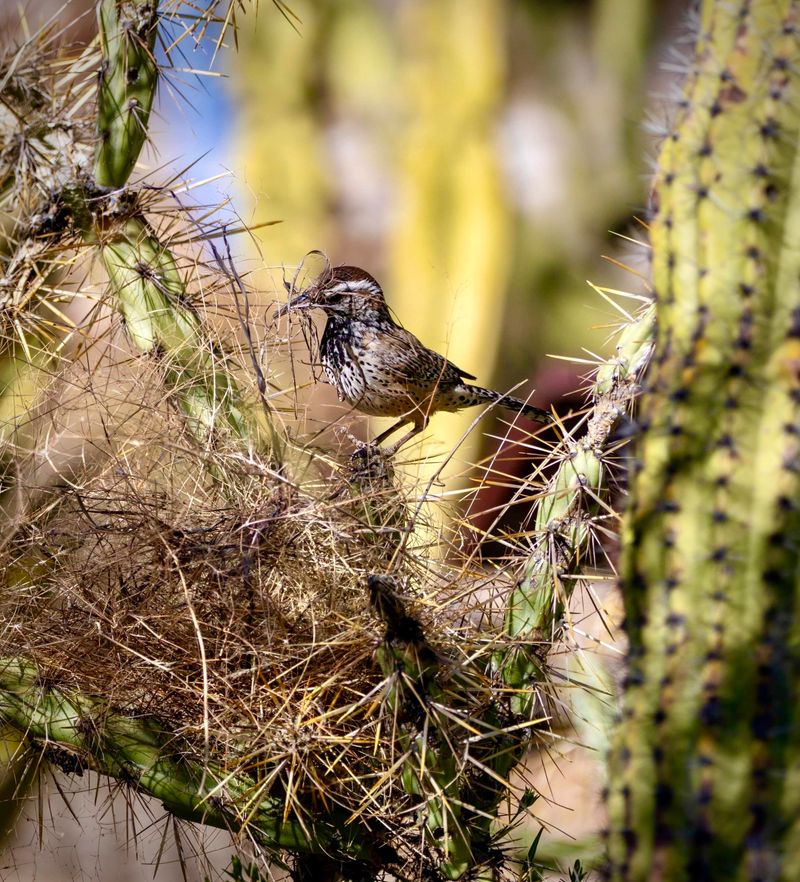
Unlike many songbirds that migrate with the seasons, cactus wrens are year-round residents. Once a pair claims a territory, they tend to hold it for an extended period, sometimes across multiple years.
Territorial behavior in wrens is strong and visible. Males call loudly and repeatedly from high perches, which is their way of marking boundaries and warning off rivals.
That repetitive churring call you hear at dawn is not random noise.
A mated pair will defend a patch of habitat that includes their nesting sites, foraging areas, and roosting spots. They invest heavily in knowing their territory and keeping others out.
Because they stay put, wrens become familiar with the specific layout of your yard. Over time, they learn where food is most reliable, which plants offer the best cover, and where disturbances tend to come from.
Consistency in your yard works in your favor. If you maintain native plantings and limit disruptions near nesting areas, a resident pair may return to the same spots season after season.
Wrens in Arizona are not migratory, so the birds you see in summer are likely the same ones present in winter. Building a stable, low-disturbance yard creates the kind of reliable environment that encourages long-term residency rather than brief visits.
6. Too Much Activity Can Disturb Nesting Birds

Nesting birds are sensitive to disruption, and cactus wrens are no exception. Regular foot traffic near an active nest can stress a breeding pair enough to cause them to abandon it.
Pets are one of the biggest concerns. Dogs and cats that roam freely near nesting cacti can startle adult birds repeatedly throughout the day.
Even if the pet never reaches the nest, the repeated stress takes a toll on the birds.
Construction noise, power tools, and sudden loud activity near a nest site can also be disruptive, especially early in the nesting cycle before eggs hatch. Wrens may tolerate some background noise but react strongly to sudden, close disturbances.
Keeping a respectful distance is the simplest way to help. Watching from inside or from across the yard lets you enjoy the activity without interfering.
Binoculars make it easier to observe without getting close.
Avoid trimming or moving plants near an active nest until the chicks have fledged. Even well-intentioned yard work at the wrong moment can cause wrens to leave prematurely.
Nesting cycles typically last several weeks from egg-laying to fledging. Giving the birds a calm stretch of time during that window can make a real difference in whether the nesting attempt succeeds or gets abandoned before completion.
7. Protecting Their Habitat Helps Them Stick Around
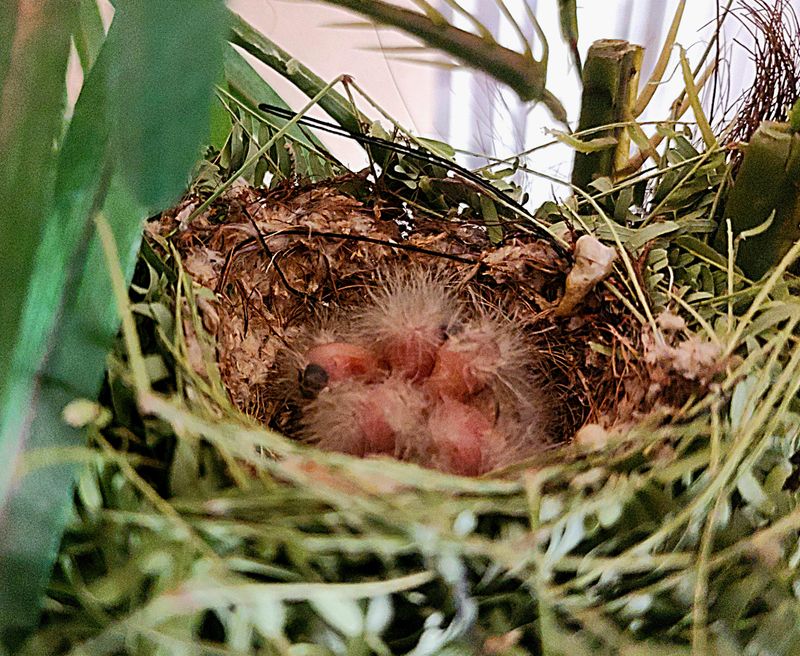
Wrens do not ask for much, but what they need has to be present consistently. Habitat protection is less about grand gestures and more about avoiding the small decisions that quietly erode what makes a yard livable for wildlife.
Cutting down mature cacti, clearing ground cover, or switching to artificial turf removes the exact features wrens depend on. Each change might seem minor on its own, but combined, they can make a yard uninhabitable for nesting birds.
Keeping at least some natural debris on the ground, like fallen leaves, small rocks, and loose soil, gives wrens the foraging material they need. Bare, swept gravel offers almost nothing to a bird looking for insects.
Water can be a genuine draw in dry months. A shallow bird bath placed near cover, but not directly under a nest, gives wrens a reliable drinking and bathing spot.
Keeping it clean and refilled regularly matters more than the size or style of the basin.
Talking to neighbors about yard practices can also help. Wrens do not recognize property lines.
A pesticide-heavy yard next door can affect the insect supply across a wider area than just that one property.
Small, consistent choices build up over time. A yard managed with desert wildlife in mind gives cactus wrens a real reason to stay and raise young season after season.