What It Means When Garden Spiders Build Webs Right At Your Door In Ohio
Stepping onto your porch on a late summer morning in Ohio and walking face-first into a large, silky web is a startling experience most people never forget.
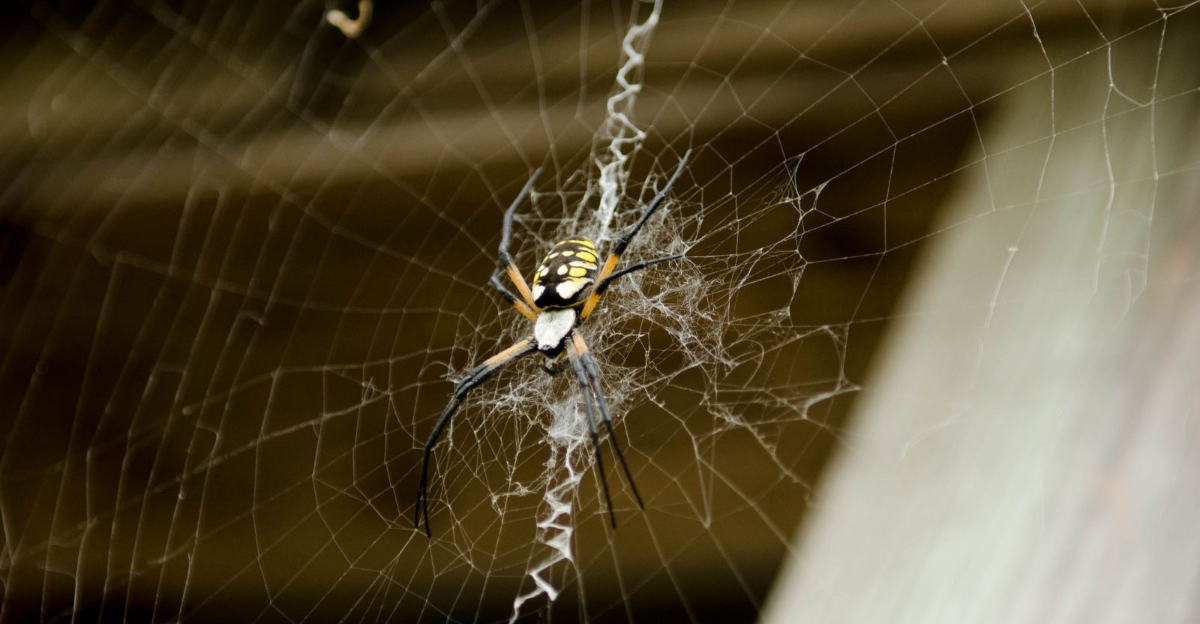
The web seems to appear overnight, stretched neatly between a railing, a plant stem, and the door frame, with a large, boldly patterned spider sitting right in the middle.
Many Ohio homeowners wonder what it means when a garden spider sets up shop so close to the front or back door.
The good news is that a web near your doorway usually has a simple, practical explanation rooted in spider behavior rather than anything alarming, and understanding that explanation can actually make the whole experience pretty interesting.
1. Garden Spiders Often Choose Doorways Because They Provide Good Web Support
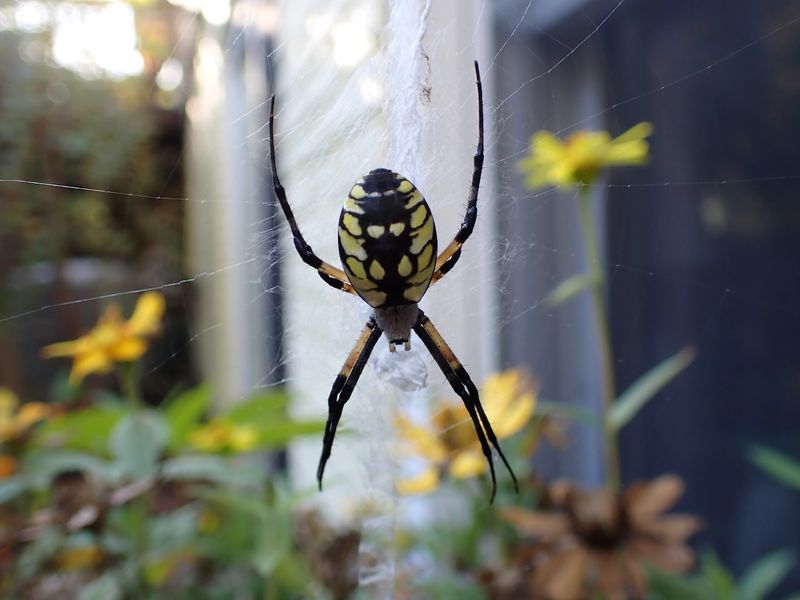
Walking across a porch and suddenly feeling silk threads across your face is one of the most reliable signs that an orb-weaving spider has found your doorway useful.
The reason usually has nothing to do with you and everything to do with the physical structure around the entrance.
Doorways offer exactly what an orb-weaving spider needs to build a stable, functional web: solid anchor points that are close enough together to support the silk framework.
Porch railings, door frames, light fixtures, potted plants, and nearby shrubs all serve as attachment points. A spider can connect silk lines between these surfaces to create the foundation of its circular web without much effort.
The open space between the anchor points allows flying insects to pass through, giving the spider a reasonable chance of catching prey.
Orb-weaving spiders, including the yellow garden spider commonly seen in Ohio, tend to favor locations where the structure is reliable and the open air space is wide enough for a full web.
A doorway framed by plants or a porch with multiple surfaces fits that description well.
The spider is not drawn to the door because people come and go. It is drawn to the geometry of the space, which happens to work well for web construction.
Thinking of a doorway as a convenient building site rather than a target helps put the whole situation in perspective.
2. Late Summer Is When Many Ohio Garden Spiders Become More Noticeable
By the time August rolls around in Ohio, many gardeners start noticing large spiders in places they did not see them earlier in the season. This is not because the spiders appeared suddenly or moved in from somewhere else.
Most of these spiders have been present since spring, growing steadily through the warmer months and becoming large enough to notice only as summer reaches its peak.
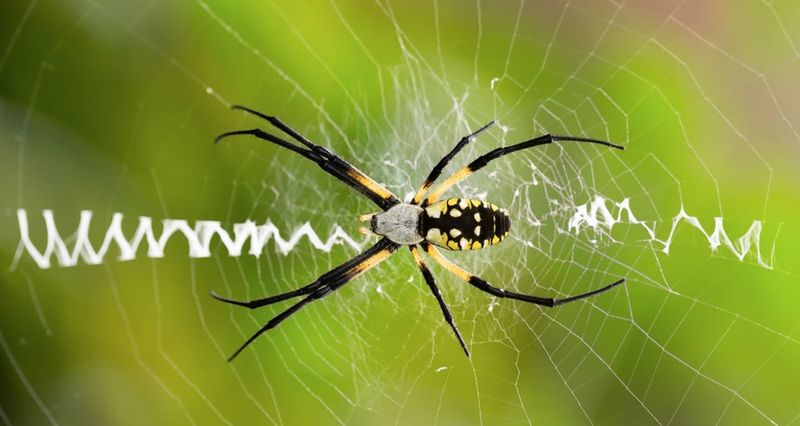
Orb-weaving garden spiders, including the striking yellow garden spider with its bold yellow and black markings, go through several molts as they grow. By late summer, they have reached a size where both the spider and its web are hard to miss.
Their webs also grow larger as the spider matures, sometimes spanning a foot or more in diameter. That combination of a bigger body and a wider web makes them far more visible than they were earlier in the year.
Your Ohio Garden Changes Every Week. Your Plan Should Too.
Gardening in Ohio changes quickly throughout the season. Every Friday you’ll receive a simple weekly plan showing exactly what to plant, prune, fertilize, harvest, and protect so you never miss the right timing.
Seasonal insect activity also plays a role. Late summer brings an increase in flying insects around Ohio gardens, outdoor lights, and flowering plants.
More insects in the air means more opportunities for an orb-weaver to feed and continue growing.
Homeowners who feel like the spiders appeared out of nowhere in late August are really just noticing them for the first time now that they have grown large enough to stand out.
The spiders were quietly building and feeding long before anyone paid attention to them.
3. A Web Near Your Door Usually Means The Spider Found Plenty Of Insects
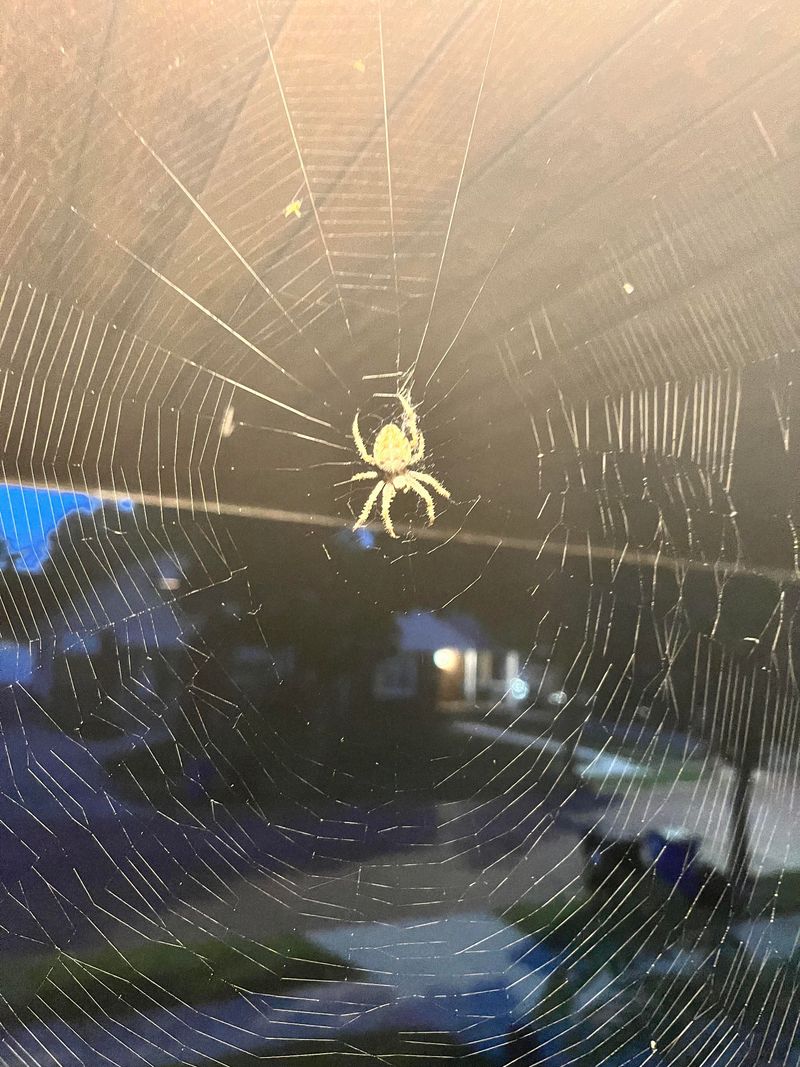
Outdoor lights are one of the biggest reasons a garden spider might set up a web near an Ohio home’s entrance. Porch lights, motion-activated fixtures, and decorative lighting all attract flying insects after dark, and where insects gather, hunting spiders tend to follow.
An orb-weaving spider building a web near a doorway with an active light source is simply taking advantage of a reliable food supply.
Insects like moths, gnats, small beetles, and flies are drawn to artificial light in the evening hours. When these insects fly toward a porch light, they pass through whatever space is available near the entrance.
A web stretched across that path can intercept a surprising number of them over the course of a single night. For the spider, a well-placed web near a light source can be a very productive location.
This connection between web placement and insect availability is one of the clearest signals that a spider near your door is behaving completely normally. The spider is not interested in the door itself or the people using it.
It has identified a zone where flying insects are active and has positioned its web to take advantage of that activity.
If the light near your entrance stays on through the night, the insect traffic around it may be more consistent than you realize, making that doorway an appealing spot from the spider’s perspective.
Reducing outdoor lighting or switching to yellow bulbs can sometimes lower the number of insects attracted to the area.
4. Garden Spiders Can Help Reduce Insect Activity Around Homes
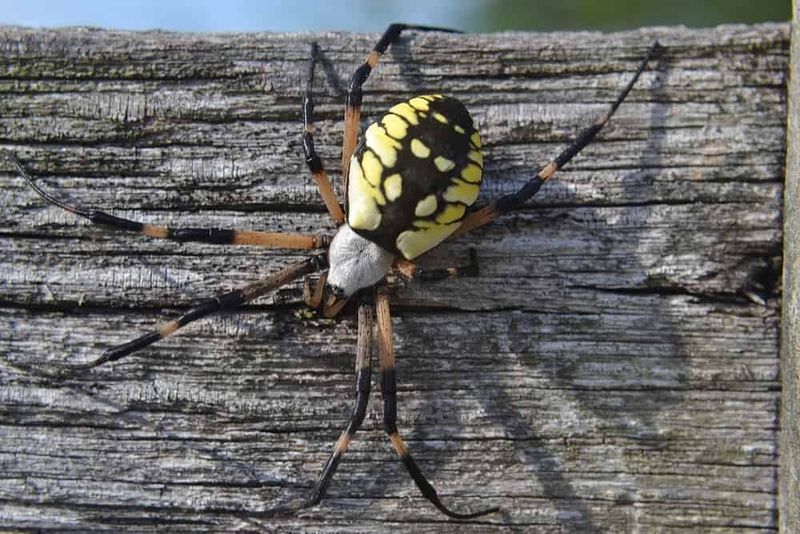
Spiders have a reputation that does not always reflect how useful they are in a garden setting. Orb-weaving garden spiders are predators, and their webs are designed to capture the flying insects that pass through outdoor spaces around Ohio homes.
While one spider cannot manage every insect in a yard, its presence does contribute to a natural form of insect control that costs nothing and requires no effort from the homeowner.
Common prey for garden spiders includes moths, flies, mosquitoes, grasshoppers, and various beetles. These are insects that many gardeners and homeowners would prefer to have less of around their outdoor spaces.
A spider web positioned near plants, a garden bed, or a porch entrance may intercept some of these insects before they reach other areas. Over the course of a season, an active orb-weaver can capture a meaningful number of insects from its web location.
Thinking of a garden spider as a low-maintenance, naturally occurring part of the yard’s ecosystem can shift how homeowners respond when they find one near the door.
Removing the spider or its web is always an option, but understanding what the spider contributes may make that decision feel less automatic.
Many Ohio gardeners who grow vegetables, flowers, or native plants appreciate having predatory insects and spiders present because they help keep the overall insect balance more manageable without the need for additional intervention.
A spider near the entrance is often doing quiet, useful work that goes largely unnoticed.
5. A Large Web Does Not Mean The Spider Is Dangerous
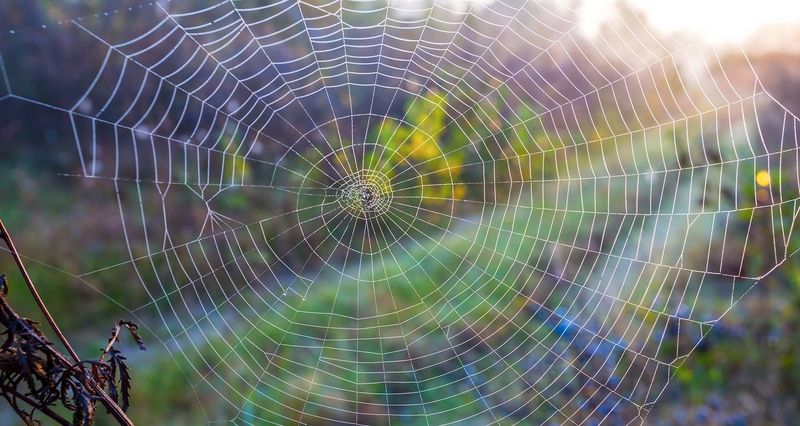
Seeing a spider with bold yellow and black markings sitting in the middle of a wide, carefully constructed web is enough to make many people back away quickly.
The size and appearance of a yellow garden spider, one of Ohio’s most recognizable orb-weavers, can feel alarming if you are not expecting it.
However, looking intimidating and being dangerous are two very different things.
Common orb-weaving garden spiders found in Ohio, including the yellow garden spider, are generally not considered dangerous to people. These spiders are focused on capturing flying insects and have little interest in interacting with humans.
They may bite if handled or accidentally pressed against skin, but reactions are typically mild and similar to a bee sting for most people. They are not known for aggressive behavior toward people going about their daily routines.
The web itself, which can include a distinctive zigzag band of silk called a stabilimentum in some species, is built entirely for catching prey. That structure, combined with the spider’s size and markings, can make the whole setup look more threatening than it actually is.
Understanding that appearance and behavior are separate things can help Ohio homeowners feel more at ease when they encounter one of these spiders near the entrance of their home.
Giving the spider space and observing from a comfortable distance is a reasonable approach that avoids unnecessary stress for both the person and the spider.
6. Garden Spiders May Stay Near The Same Web Location For A While
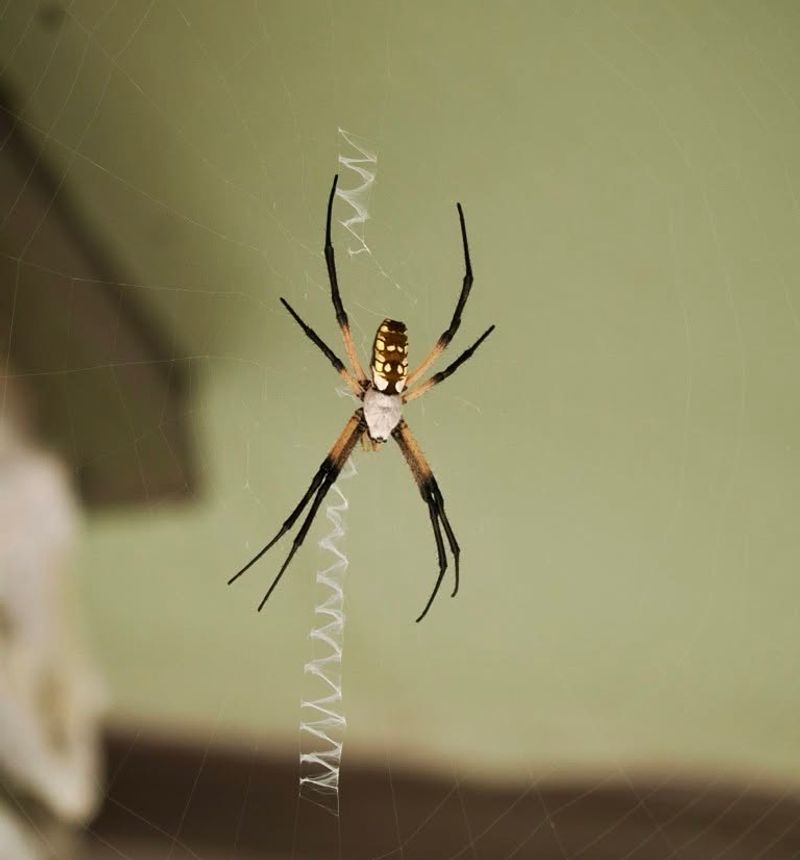
Noticing the same large web in the same spot day after day is a common experience for Ohio homeowners who have an orb-weaving spider near their entrance.
These spiders tend to stay in locations that continue to provide what they need, and a spot that offers reliable support and regular insect activity may hold a spider’s attention for several weeks.
Orb-weaving spiders often rebuild or repair their webs within the same general framework. Some species take down parts of the web and consume the silk at night, then rebuild in the morning.
Others maintain a mostly intact web and simply repair damaged sections. Either way, the spider tends to remain in the same area rather than moving to a completely new location every few days, as long as conditions remain suitable.
For homeowners, this means that a spider appearing near the door in early August may still be present through September. The web may shift slightly as anchor points change or the spider adjusts its position, but the overall location often stays consistent.
This behavior is not a sign that the spider has claimed permanent territory or that it poses any ongoing concern. It simply reflects the practical reality that a good hunting spot is worth staying in.
If the web location becomes inconvenient, carefully relocating the web to a nearby shrub or fence line gives the spider a chance to reestablish in a less disruptive spot.
7. The Web Location Can Reveal What The Spider Is Looking For
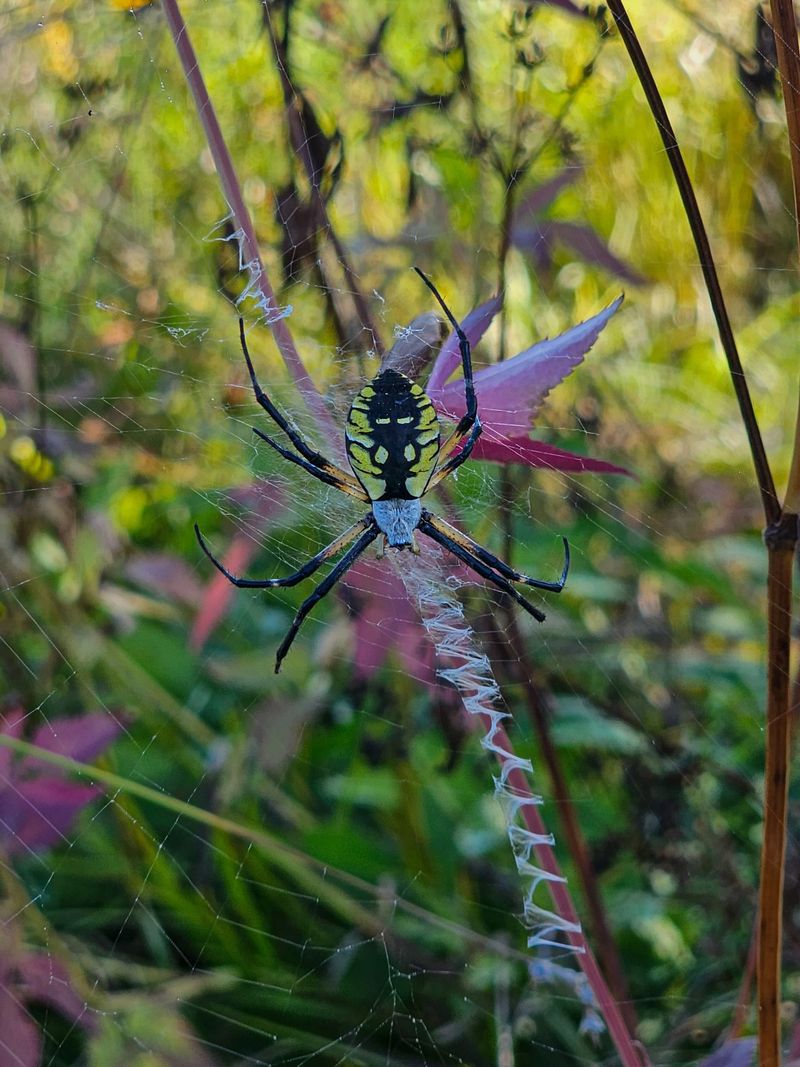
Paying attention to exactly where a garden spider builds its web can tell you quite a bit about what that spider is responding to in its immediate environment. Web placement is not random.
Orb-weaving spiders assess available anchor points, open airspace, and the likelihood of insect movement when selecting a site. The resulting location reflects a set of practical conditions that the spider has found favorable.
A web positioned at face height between a porch railing and a nearby plant suggests the spider found solid attachment points at a height where flying insects are likely to travel.
A web stretched near a flowering plant or herb garden may indicate that pollinators and other insects visiting those plants create enough activity to make the location worthwhile.
A web near an outdoor light, as mentioned earlier, often points directly to the artificial attraction that draws insects to the area after dark.
Thinking of web placement as a kind of map of local insect activity can be genuinely useful for Ohio gardeners and homeowners. If spiders are consistently building near a particular area of the yard or garden, that area likely has consistent insect movement.
This information can help homeowners understand their outdoor spaces better, whether they want to encourage natural predators or simply learn more about what is happening in their garden throughout the season.
The web is a working tool, and its location reflects the spider’s best assessment of where that tool will be most effective.
8. Removing A Web Does Not Necessarily Remove The Spider From The Yard
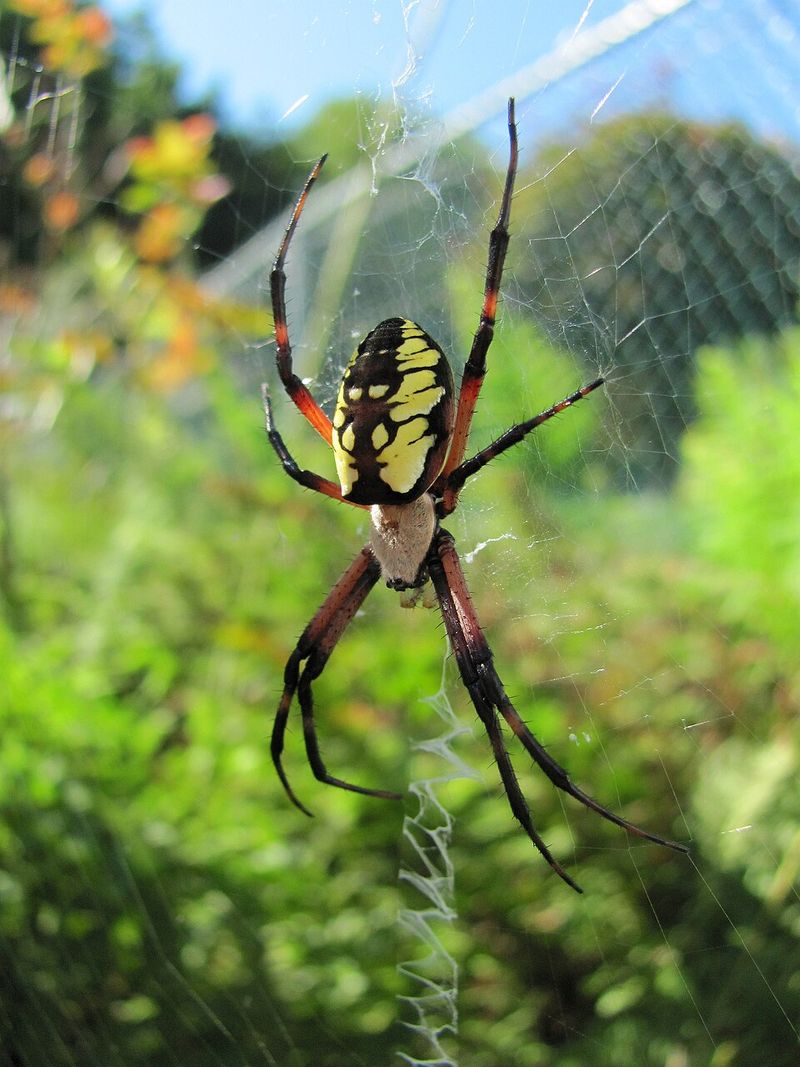
Finding a large web directly across a frequently used doorway can be genuinely inconvenient, especially when it needs to be cleared multiple times a week.
Many Ohio homeowners respond by brushing the web away, which is a reasonable solution for managing the immediate situation.
However, clearing a web does not mean the spider will move on to a different part of the yard or stop building near that location.
If the conditions that made the spot appealing in the first place, such as solid anchor points, open airspace, and nearby insect activity, remain unchanged, the spider may rebuild in the same area within a day or two.
Orb-weaving spiders are persistent builders, and a cleared web is often followed by a new one in a nearby spot.
The spider is responding to its environment, not to the homeowner’s preferences.
A more effective approach for webs in high-traffic areas is to carefully relocate the spider rather than simply removing the web.
Using a stick or a gloved hand to gently encourage the spider onto a nearby shrub, fence, or garden plant can move it to a spot where it can continue building without getting in the way.
The spider remains part of the yard’s outdoor ecosystem, where it may continue to provide some insect-capturing benefit.
Understanding that removal and relocation are different actions can help Ohio homeowners manage the situation in a way that works for both the household routine and the natural environment around the home.