How To Keep Your Georgia Pepper Plants Producing Through Extreme Heat
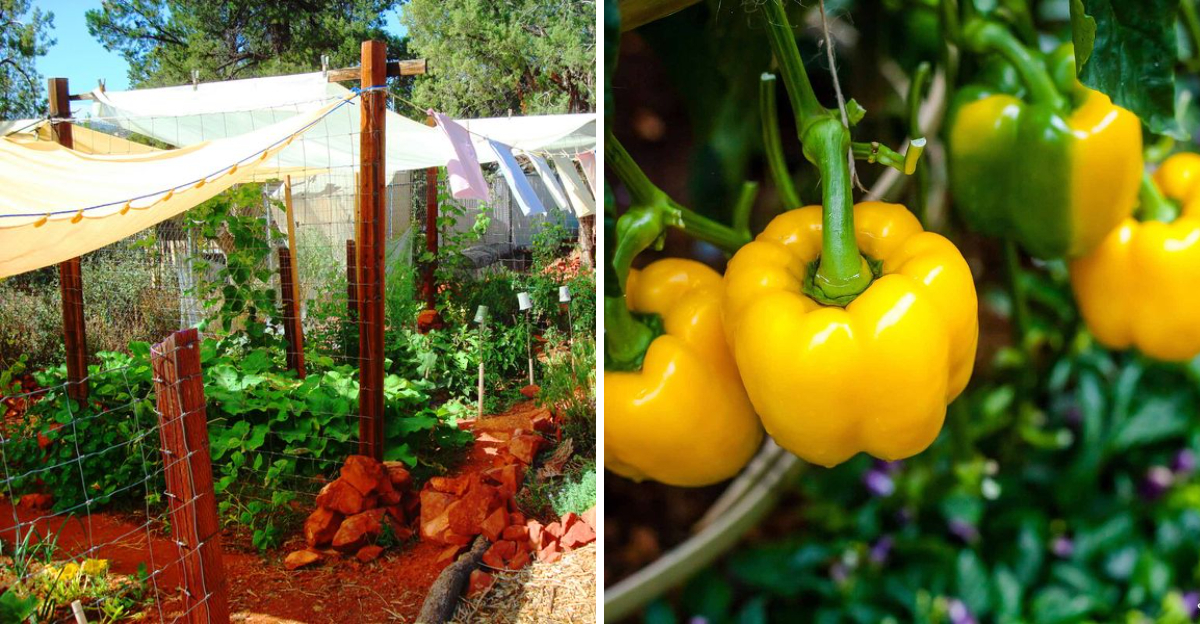
August pepper growing in Georgia is not for the faint of heart, and if you have watched a perfectly healthy plant drop its flowers and stall out during a stretch of brutal summer heat, you already know the frustration firsthand.
Scorching afternoons, thick humidity, unpredictable rainfall, and soil that heats up faster than seems reasonable all work together to push pepper plants into a kind of holding pattern where survival takes priority over production.
It happens every summer and it catches a lot of gardeners off guard because the plants can still look fine on the outside while quietly struggling underneath.
The encouraging part is that peppers are genuinely resilient, and with the right approach focused on reducing stress, protecting roots, and keeping conditions as stable as possible, they can bounce back strong once Georgia’s heat finally starts to ease.
1. Steady Watering Prevents Summer Setbacks
Wilting leaves by noon and bone-dry soil by evening are familiar sights in Georgia pepper gardens during July and August.
Uneven watering is one of the most common reasons pepper plants drop their flowers and slow fruit production during the hottest months of summer.
When plants swing between too dry and too wet, the stress shows up fast.
Keeping soil moisture steady does not mean keeping the soil soaking wet at all times. Saturated soil can reduce oxygen around the roots and create its own set of problems.
The goal is consistent, moderate moisture that does not fluctuate wildly between waterings.
Checking the soil before watering is a smarter approach than following a rigid schedule. Stick your finger about two inches into the soil near the base of the plant.
If it feels dry at that depth, water thoroughly. If it still feels moist, wait another day and check again.
Sandy soils common in parts of Georgia drain quickly and may need more frequent attention, while clay-heavy soils hold moisture longer but can also become compacted. Knowing your soil type helps you adjust your watering routine rather than guessing.
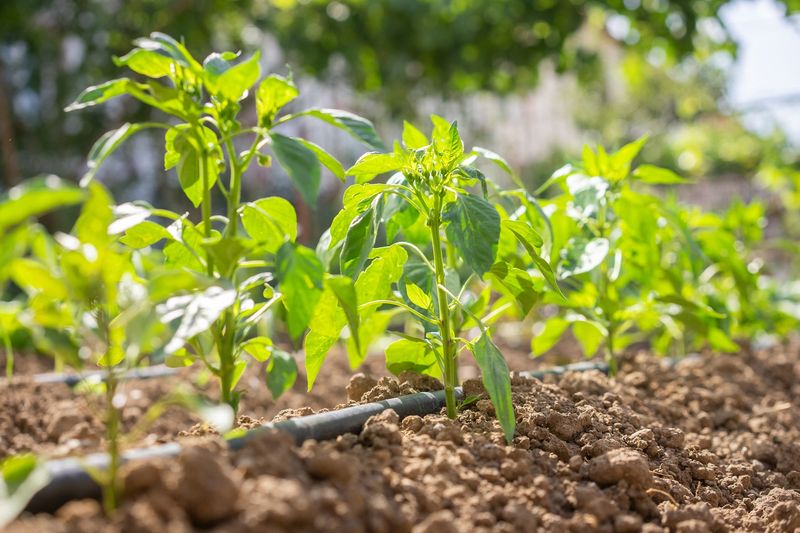
Drip irrigation or soaker hoses deliver water directly to the root zone and reduce moisture loss from evaporation, which can be a practical advantage during Georgia’s intense summer heat waves.
2. Mulch Keeps Pepper Roots Cooler
Bare soil in a Georgia summer garden can reach temperatures that would surprise most gardeners. When the surface bakes under direct sun for hours, the root zone heats up quickly, and pepper roots do not respond well to that kind of sustained warmth.
A layer of mulch between the soil surface and the sun can make a noticeable difference.
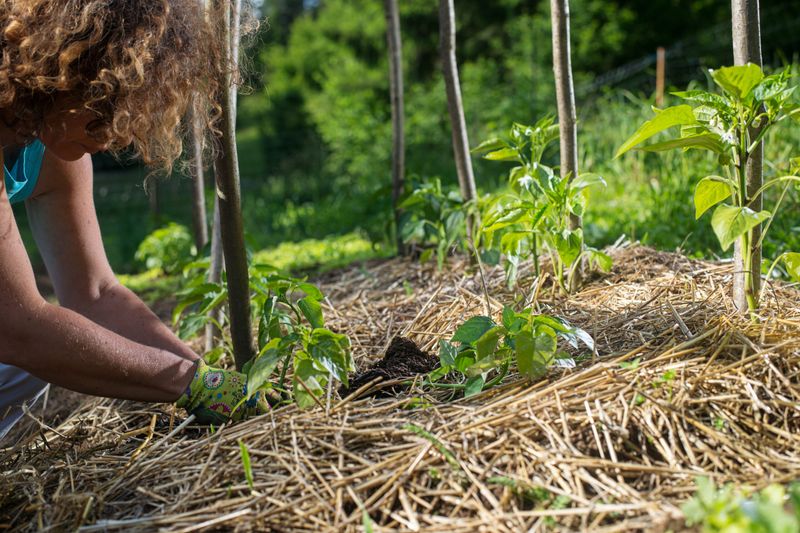
Mulch slows moisture evaporation, which means the soil stays damp longer between waterings. It also helps moderate soil temperature by blocking direct sunlight from hitting the ground.
Straw, shredded leaves, and wood chips are all commonly used options in Georgia vegetable gardens, and each has its advantages depending on what is available locally.
Applying roughly two to three inches of mulch around your pepper plants is a reasonable starting point. Keeping mulch a few inches away from the main stem helps reduce the chance of moisture-related issues developing where the plant meets the soil.
Your Georgia Garden Changes Every Week. Your Plan Should Too.
Gardening in Georgia changes quickly throughout the season. Every Friday you’ll receive a simple weekly plan showing exactly what to plant, prune, fertilize, harvest, and protect so you never miss the right timing.
Piling mulch directly against the stem is worth avoiding.
Mulch also helps suppress weeds that compete with pepper plants for water and nutrients during the summer. While mulch will not eliminate heat stress on its own, it can reduce some of the burden on your plants during Georgia’s most intense summer stretches.
Refreshing the mulch layer as it breaks down through the season keeps it working effectively over time.
3. Afternoon Shade Protects Flowers During Heat
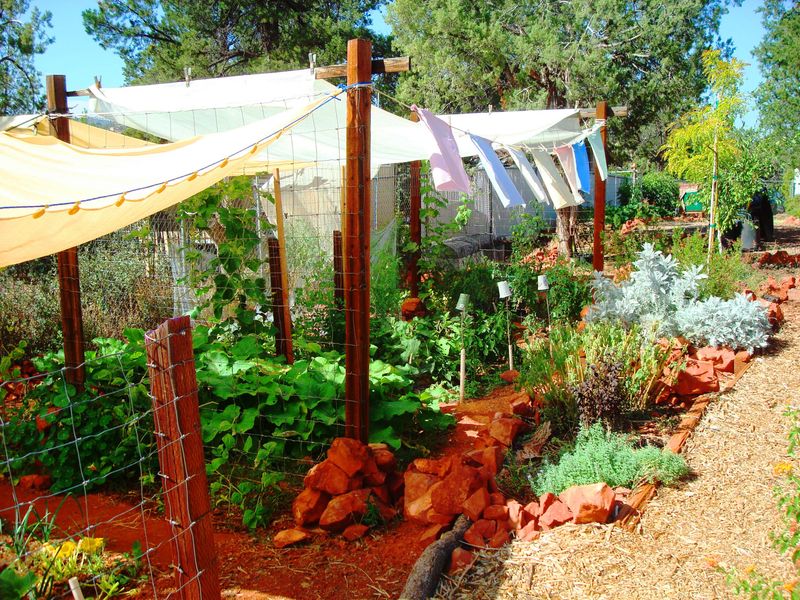
Pepper flowers are surprisingly sensitive to temperature extremes, and Georgia afternoons in late July and August can push well beyond what blossoms can handle comfortably.
When air temperatures stay very high for extended periods, flowers may drop before they have a chance to set fruit, even on otherwise healthy plants.
Providing temporary shade during the hottest part of the afternoon can reduce some of that stress in exposed garden locations.
Shade cloth rated between 30 and 40 percent is often used for this purpose, as it filters intense sunlight without blocking too much of the light peppers need for healthy growth.
Makeshift shade from nearby tall plants or garden structures may also offer some relief depending on your garden layout.
Peppers are sun-loving plants, and too much shade throughout the day can reduce overall productivity. The idea is not to keep plants in the dark but to soften the most intense afternoon heat during extreme events.
Shade used selectively during heat waves is a different approach than shading plants all season long.
Not every Georgia garden will need added shade, and results can vary depending on the variety, the garden’s orientation, and how exposed the planting area is.
Monitoring your plants during heat events and noticing when flower drop becomes a pattern can help you decide whether temporary shading is worth trying in your specific situation.
4. Consistent Moisture Helps Prevent Blossom-End Rot
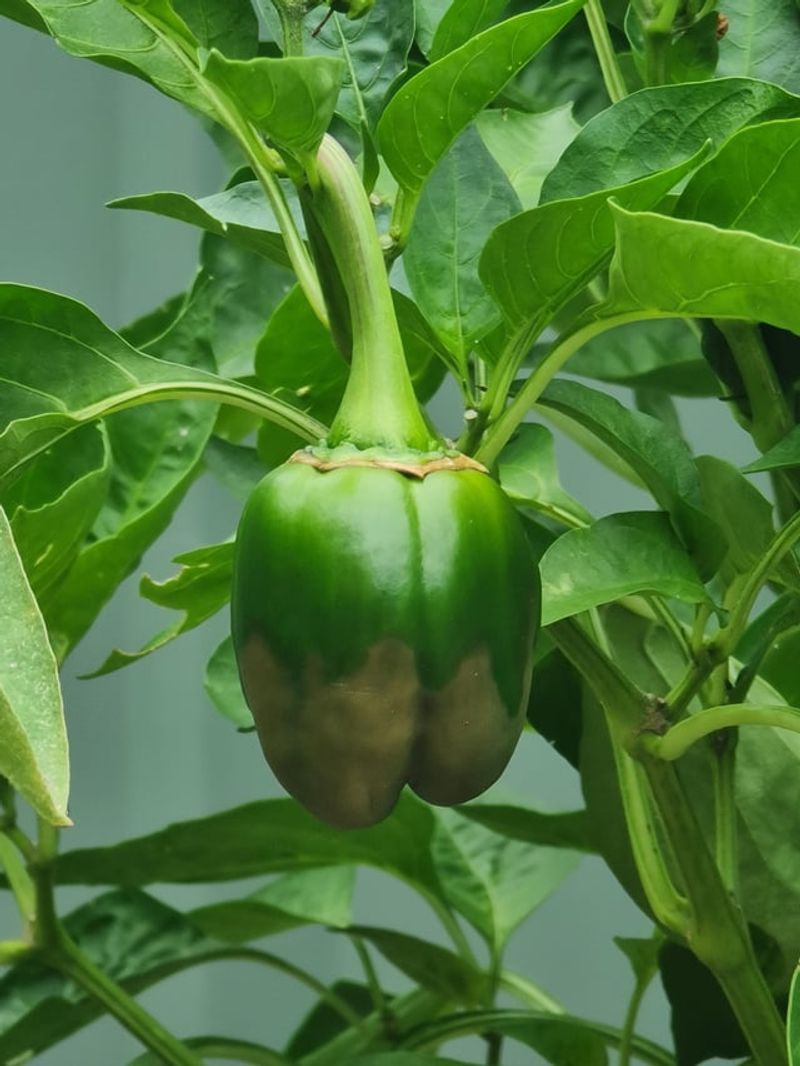
A dark, sunken spot appearing at the bottom of a pepper is one of the more discouraging things a gardener can find after weeks of careful tending.
Blossom-end rot shows up when calcium movement within the plant becomes disrupted, and inconsistent soil moisture is one of the most common reasons that disruption happens during Georgia summers.
Calcium is already present in most Georgia garden soils, but the plant needs a steady flow of water moving through its roots and stems to transport that calcium to developing fruit.
When the soil dries out and then gets soaked repeatedly, that transport process becomes uneven, and the tissue at the blossom end of the pepper can break down before the fruit fully develops.
Adding calcium supplements to the soil or spraying leaves is sometimes suggested as a fix, but addressing moisture consistency is usually the more reliable first step. If watering remains erratic, adding calcium may not solve the underlying problem.
Healthy root function and steady soil moisture work together to support better nutrient movement throughout the plant.
Blossom-end rot can also be influenced by root damage, heavy rain followed by drought, and other factors that are not entirely within a gardener’s control.
Reducing moisture swings through mulching and thoughtful irrigation can help lower the risk, but it does not mean every case can be prevented under Georgia’s unpredictable summer rainfall patterns.
5. Harvesting Regularly Encourages Continued Production
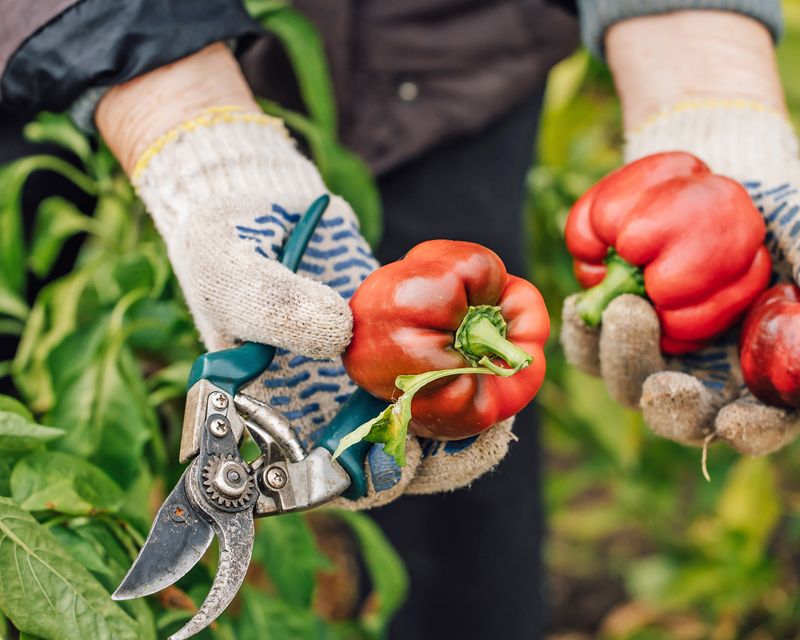
A plant loaded with mature peppers that nobody has picked in a while tends to slow down its own production.
When fruit stays on the plant past its prime, the plant shifts energy toward those existing peppers rather than putting resources into new flowers and developing fruit.
Keeping up with harvests during summer is one of the simpler ways to encourage an active production cycle.
Green peppers can be harvested once they reach full size, even before they turn red, yellow, or orange depending on the variety.
Picking at the green stage shortens the time fruit stays on the plant and may help maintain a more consistent harvest rhythm through the summer.
Gardeners who prefer fully colored peppers will need to leave fruit on longer, which is a reasonable choice depending on personal preference and variety goals.
Using clean, sharp scissors or pruning shears to remove peppers rather than pulling or twisting them reduces the chance of accidentally damaging branches.
Georgia’s summer storms can leave plants looking rough, and minimizing unnecessary physical stress during harvest keeps plants in better overall shape.
Regular harvesting alone will not overcome severe heat stress if a plant is struggling. When temperatures are extreme, even a well-managed pepper plant may slow down regardless of how often it is picked.
Harvesting is one part of a broader approach to supporting plant health, not a standalone solution for heat-related production slowdowns.
6. Balanced Feeding Supports Fruit Development
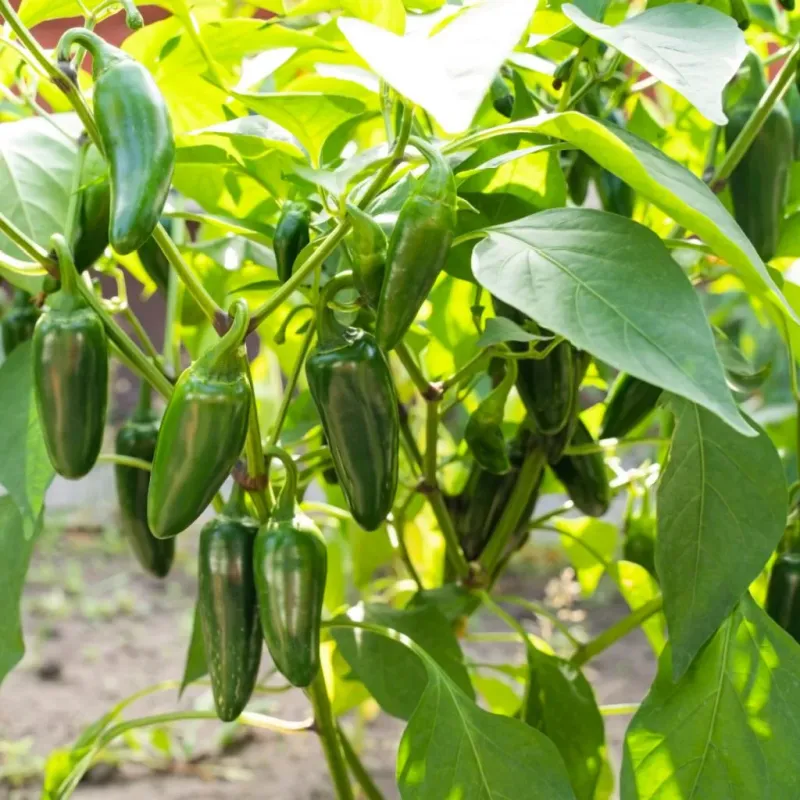
Fertilizing pepper plants during summer requires some careful thinking, especially when heat stress is already putting plants under pressure.
Reaching for fertilizer the moment a plant looks unhappy is a natural instinct, but adding nutrients to a stressed plant in extreme heat does not always help and can sometimes make things worse.
Peppers benefit from balanced nutrition throughout the growing season, but the ratio of nutrients matters. Too much nitrogen relative to phosphorus and potassium can push plants toward producing lots of leafy growth while slowing fruit development.
A soil test from your local UGA Cooperative Extension office can give you a clearer picture of what your specific garden soil actually needs rather than guessing based on appearance.
If a soil test shows that nutrients are adequate, holding off on additional fertilizer during a heat wave is often the more reasonable choice.
Once temperatures moderate and plants begin recovering, resuming a balanced feeding program may help support new flower and fruit development during the late summer and early fall stretch that Georgia gardeners often count on.
Container-grown peppers may need more frequent feeding because nutrients wash out with regular watering more quickly than in garden beds.
Adjusting your approach based on how your plants are growing, what the soil test shows, and what conditions are like in your specific Georgia garden location leads to better outcomes than following a one-size approach.
7. Airflow Helps Reduce Leaf Disease Pressure
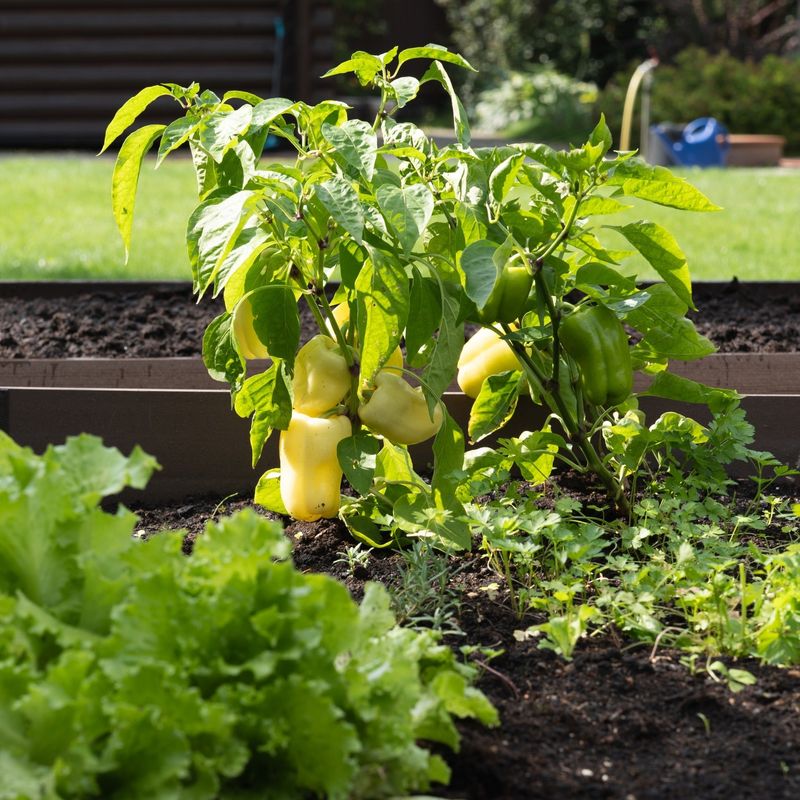
Georgia’s combination of heat and humidity creates conditions where certain fungal and bacterial diseases can take hold in vegetable gardens more easily than in drier climates.
Pepper plants that are crowded together, frequently wet from overhead irrigation, or weakened by heat stress may be more vulnerable to leaf diseases during summer months.
Good spacing between plants is one of the most straightforward ways to support airflow through the garden. When leaves and stems have room to dry out after rain or irrigation, moisture does not linger on the plant surface as long.
Reducing the time foliage stays wet can make the environment less favorable for certain disease organisms that thrive in warm, damp conditions.
Watering at the base of plants rather than overhead is another practical habit that limits unnecessary moisture on leaves and stems.
Drip irrigation and soaker hoses accomplish this naturally, which is one reason they are often recommended for vegetable gardens in humid regions like Georgia.
Removing diseased or damaged leaves when you notice them during routine garden checks can also help limit the spread of problems through the planting. Airflow and sanitation work together rather than independently.
No single practice can prevent every disease challenge that Georgia summers bring, but keeping plants reasonably spaced, dry on the surface, and free of damaged tissue gives them a better foundation for staying productive through difficult weather conditions.
8. Patience Helps Plants Recover After Heat Waves
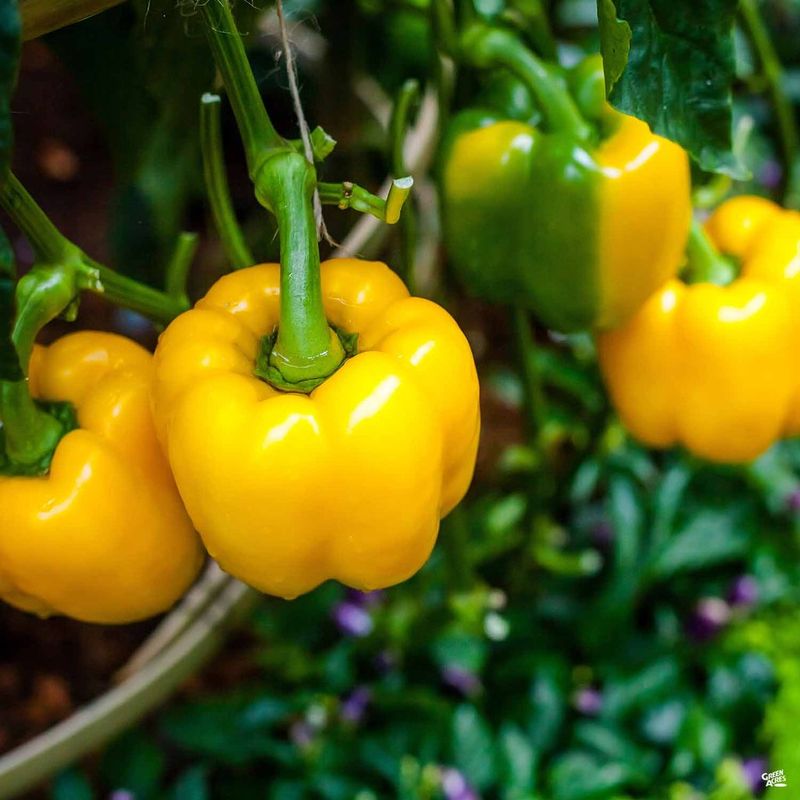
After a stretch of brutal Georgia summer heat, a pepper plant that has dropped most of its flowers and stopped setting fruit can look pretty discouraging.
The temptation to pull the plant and start over is understandable, but many pepper plants that appear to have stalled are actually still alive and capable of resuming production once conditions improve.
Peppers in Georgia often get a second wind as late summer transitions toward fall.
When overnight temperatures drop a bit and daytime highs become less extreme, plants that have been maintained through the worst of summer may begin flowering again and setting fruit at a more productive rate.
That late-season stretch can be genuinely rewarding for gardeners who stick with their plants.
Supporting recovery means continuing the basic care practices that kept the plant going through the heat: steady watering, mulch, and avoiding unnecessary fertilizer applications while the plant is still under stress.
Pushing a recovering plant too hard with heavy feeding before it has stabilized can sometimes create more problems than it solves.
Not every plant will recover the same way, and some may have experienced more setback than others depending on the variety, the severity of the heat, and the overall health of the root system.
Observing your specific plants and adjusting care based on what you see gives you a more realistic picture than expecting a uniform recovery timeline across every pepper in your Georgia garden.