The Ohio Tomato Plants You Should Pull Now Vs. The Ones Worth One More Week
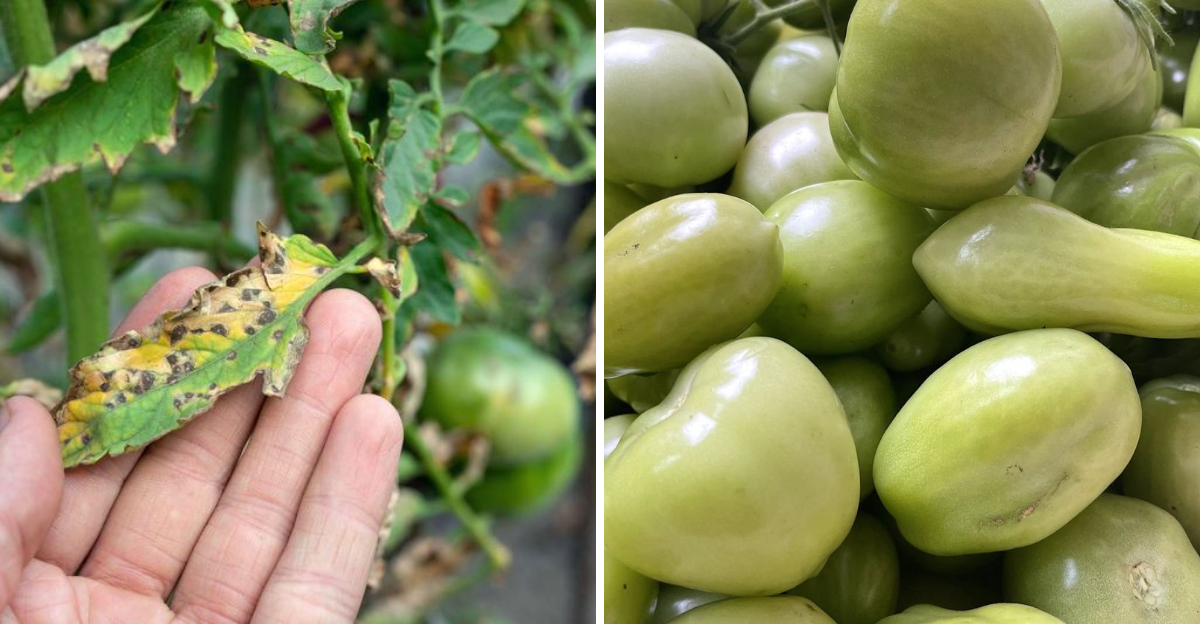
Some vines still look promising from across the yard. Others are barely holding themselves together. Green fruit hangs everywhere, and one mild forecast can make it tempting to leave the whole patch untouched.
That is where gardeners lose time and tomatoes.
The plant that deserves another week is not always the one carrying the most fruit, and the vine that looks tired is not automatically finished. Disease, leaf cover, fruit maturity, nighttime temperatures, and the next cold front all matter.
So which plants stay and which ones come out now?
The answer is hiding in a few easy clues that become much clearer once you stop looking at the calendar alone.
October rewards quick decisions in Ohio.
A good call can save a final basket of tomatoes.
A bad one can leave you protecting vines that have almost nothing left to give while truly useful fruit sits exposed to the next cold night in the garden.
1. Pull Tomatoes Showing Late Blight Now
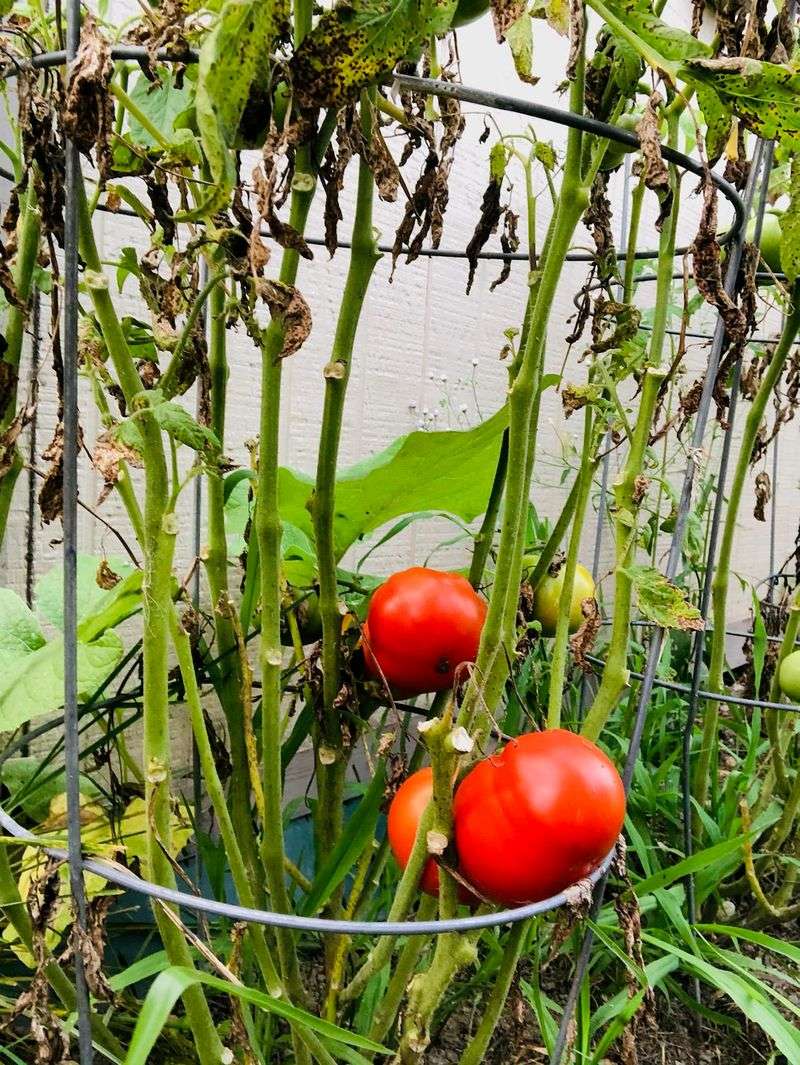
Dark lesions moving quickly across leaves and stems change the end-of-season calculation.
A plant with suspected late blight should not get another week simply because a few green tomatoes remain.
Cool, damp Ohio weather can favor rapid disease development, and heavily affected vines can become a problem for nearby tomatoes and potatoes.
Look for more than ordinary yellowing.
Late blight typically produces irregular, water-soaked-looking lesions that turn brown or nearly black. Under humid conditions, pale fuzzy growth may appear around lesion edges on leaf undersides.
Fruit can develop firm brown patches rather than normal ripening color.
Several tomato problems can look similar, so avoid diagnosing the disease from one spotted leaf. Early blight, Septoria leaf spot, nutrient stress, and normal late-season decline can all create damaged foliage.
Once late blight is strongly suspected or confirmed, harvest sound fruit that is worth saving and remove the affected vine promptly.
Keep obviously diseased foliage and fruit out of a casual home compost pile and follow local Extension guidance for disposal.
Do not try to rescue rotting fruit indoors.
The important distinction is speed. A plant with a few old leaf spots may still be productive. A vine showing rapidly expanding blight symptoms is a different situation.
That one has already made the pull-now decision for you.
2. Pull Plants With No Useful Fruit Left
Sometimes the easiest tomato decision is hiding behind sentimental optimism.
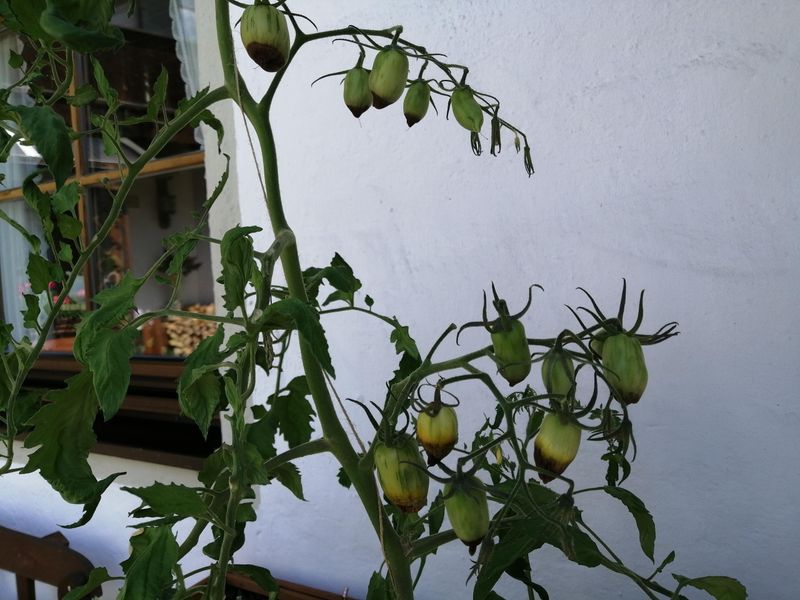
A vine with almost no healthy foliage and no worthwhile fruit left is not gaining anything from another cool Ohio week. It is occupying bed space, collecting fallen leaves, and giving you another plant to inspect before frost.
Walk the entire vine before pulling it.
Look beneath foliage and along lower stems for fruit you may have missed. Full-size green tomatoes can still be useful, while tiny fruit that formed late in the season usually has little chance to size up meaningfully once nights cool and daylight shortens.
Judge the fruit, not the number of blossoms.
Fresh flowers in late September or October may look encouraging, but they do not have enough season left in most Ohio gardens to become full tomatoes before cold weather takes over.
Your Ohio Garden Changes Every Week. Your Plan Should Too.
Gardening in Ohio changes quickly throughout the season. Every Friday you’ll receive a simple weekly plan showing exactly what to plant, prune, fertilize, harvest, and protect so you never miss the right timing.
Once there is nothing useful to protect, remove the vine and clean up fallen fruit and leaf debris around it. Healthy material can go into an actively managed compost system.
Plants showing significant disease are better handled separately according to local disease-management guidance.
Clearing finished vines also makes the remaining plants easier to monitor.
Airflow improves, hidden fruit becomes easier to spot, and you can focus covers or harvest effort on vines that still have a realistic payoff.
Not every tomato plant deserves a dramatic final week.
Some have already clocked out.
3. Pull Vines That Have Stopped Healthy Growth
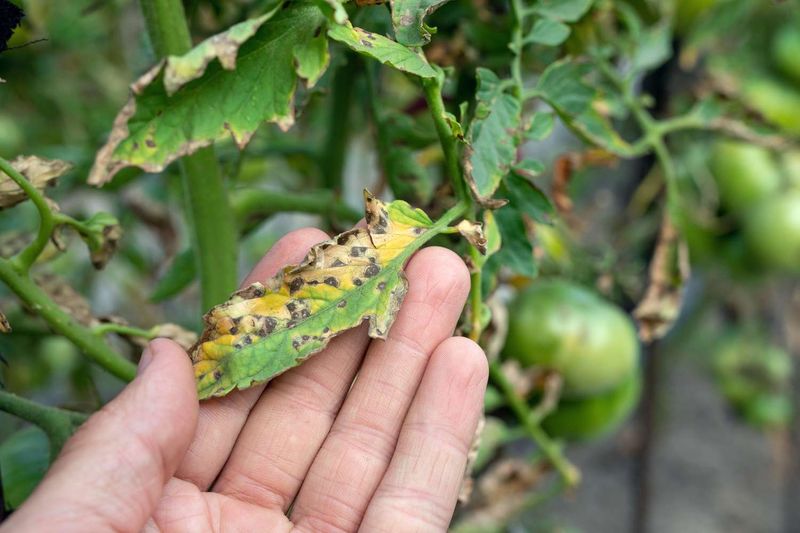
A few tomatoes hanging from a mostly bare framework can make a tired plant look more productive than it really is.
Healthy leaves power the plant. When severe disease, storm damage, or prolonged stress has removed most functional foliage, the remaining fruit gets far less support for continued growth and ripening.
This is common late in Ohio’s season.
Early blight and Septoria leaf spot can gradually work upward through a tomato plant until only scattered green leaves remain near the top.
A vine in that condition may still hold fruit, but leaving every tomato attached for another cold week rarely offers much advantage.
Harvest the fruit that has reached mature size.
Tomatoes showing the first hint of color are especially good candidates for indoor finishing. Full-size green fruit can also ripen indoors when it has reached physiological maturity.
Skip fruit that is soft, badly cracked, or developing suspicious lesions.
After harvesting, remove heavily affected vines and fallen debris rather than leaving them to collapse across the bed. That sanitation step can reduce the amount of diseased material sitting around the garden through winter.
A plant with plenty of healthy leaf area belongs in a different category.
This section is about vines that are essentially stems with a few exhausted leaves attached.
Once the canopy is gone, another week on the plant is often less valuable than a careful harvest today.
4. Keep Plants Holding Full Size Green Tomatoes
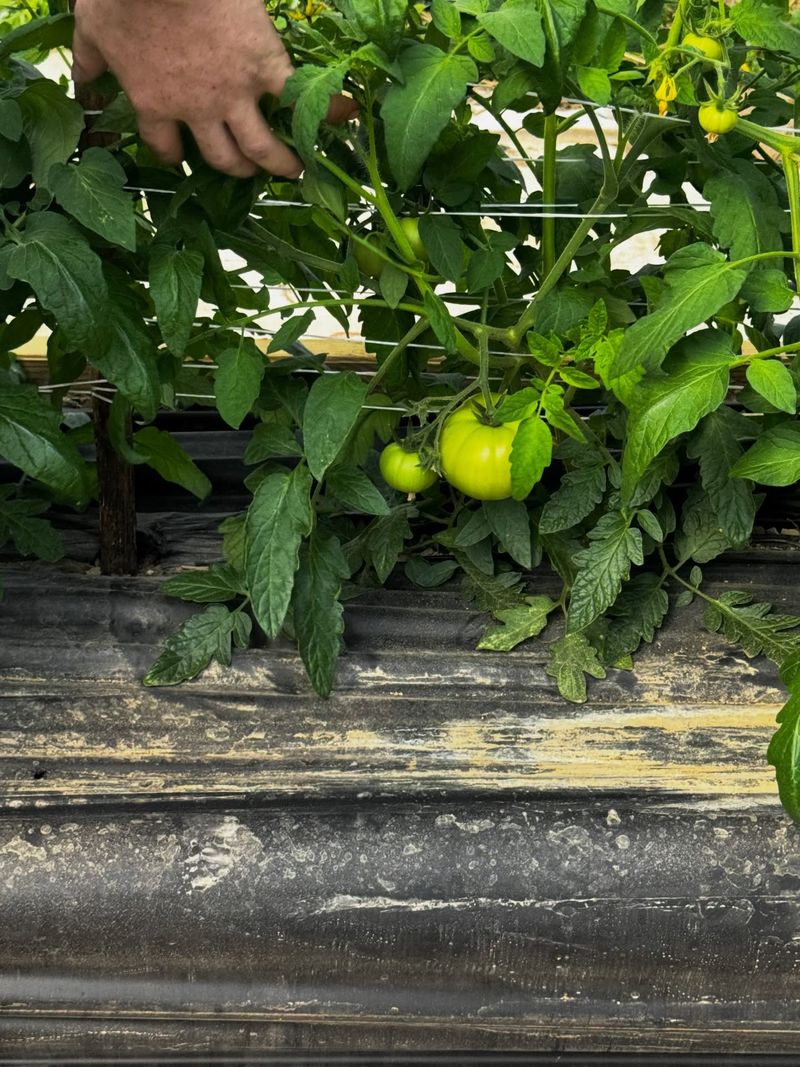
A heavy green tomato that has reached its normal size is very different from a marble-sized fruit formed last week.
That distinction can earn a healthy vine more time.
Mature-green tomatoes have completed most of their physical development and can continue toward ripeness on the plant while temperatures remain favorable.
They can also finish indoors later, which means leaving them outside for several mild days is a reasonable gamble when frost is not imminent.
Look at shape and size first.
A mature fruit should look filled out for its variety rather than sharply angular or undersized. The green color may also begin changing subtly toward a paler or whitish green before the first visible blush develops.
Keep the vine when those fruits are paired with healthy foliage and a mild forecast.
You are buying a little more time for flavor, size, and color development, not waiting for a miracle from tiny late-set fruit.
Watch nighttime temperatures closely. Repeated chilly nights slow tomato development, and any frost threat should trigger harvest rather than another round of optimism.
Row cover or a lightweight sheet can protect plants from a brief light chill, but the cover should stay off the foliage when possible and come off after temperatures recover.
A vine loaded with mature fruit has something tangible left to offer.
Give that one the week, but keep the harvest basket close.
5. Give Vigorous Vines One More Warm Week
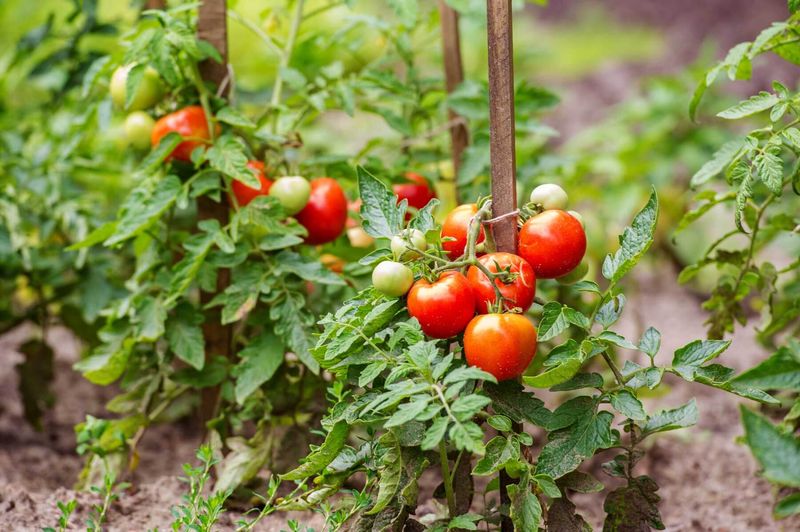
Deep green foliage in October deserves a second look before the whole tomato patch comes down.
A sturdy plant with active leaves, sound stems, and several mature or color-breaking tomatoes still has enough machinery to make a mild week count. Calendar date alone is not a reason to pull it.
Forecasts matter more now than they did in July.
Northern Ohio gardens near Lake Erie can face a different frost pattern from central or southern parts of the state. Even within one county, a low garden pocket may cool faster than a protected urban yard.
Use your local forecast rather than a statewide average.
A run of mild days and nights can move mature tomatoes noticeably closer to harvest. Healthy foliage also continues supplying sugars to developing fruit, giving vine time more value than it has on a stripped or diseased plant.
Do not keep every tiny tomato just because the vine looks good.
Prioritize fruit that is already full size or approaching it. Late flowers and very small fruit are unlikely to justify protecting an entire plant deep into fall.
Have a cutoff plan before the weather changes.
Know which evening will trigger a final harvest and keep covers ready for a brief light-frost threat rather than scrambling after sunset.
Healthy vines earn flexibility.
They do not earn immunity from October.
One good week can still matter, but only when the forecast and the fruit agree.
6. Harvest Mature Green Fruit Before Chilly Nights
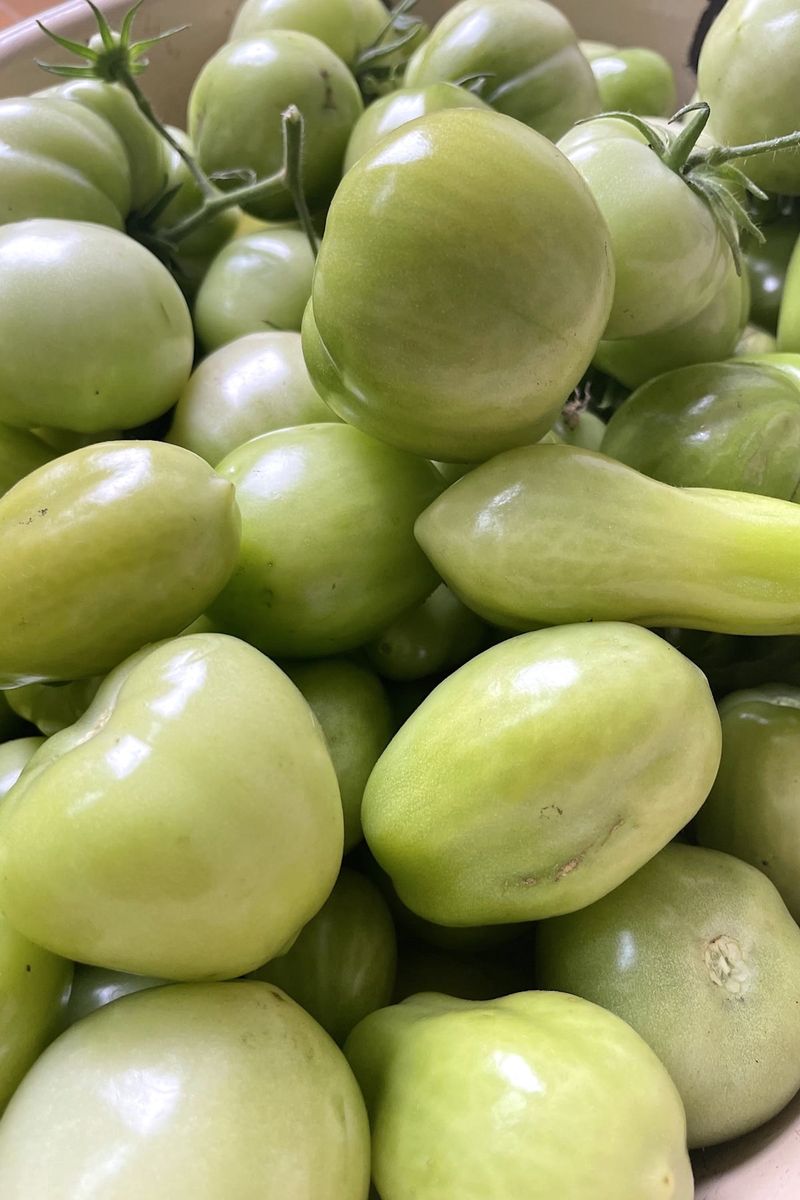
A frost warning is not the only signal that vine time is running out.
Repeated nights below about 50 degrees Fahrenheit slow tomato ripening and can leave fruit spending days on the plant without gaining much.
Once that pattern settles over an Ohio garden, mature fruit may be more useful indoors than outside.
Start with the tomatoes most likely to finish.
Harvest anything showing a color break, along with full-size green fruit that looks mature and feels firm. Leave undersized, hard fruit for green-tomato recipes rather than expecting every one to turn red on the counter.
Bring sound fruit indoors dry and unwashed.
Set tomatoes in a single layer at normal room temperature, away from direct sun. A sunny windowsill is unnecessary and can create uneven heating.
Check the fruit daily and remove anything that begins developing soft spots or decay.
Ethylene from a ripe apple or banana can speed ripening in a loosely enclosed container, although it is not essential.
Once the useful fruit is off, a tired vine facing a string of cold nights has little reason to remain.
Pull it, clear fallen tomatoes and foliage, and leave the bed easier to clean before truly cold weather arrives.
This is the middle ground between early removal and frost-night panic.
You are not giving up on the tomatoes. You are simply moving the final stage of ripening somewhere Ohio weather no longer gets a vote.
7. Clear Remaining Plants Before Hard Frost
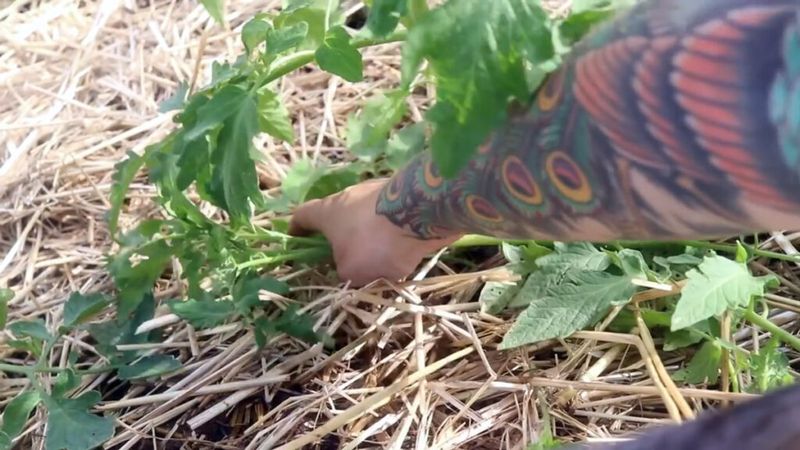
Eventually the forecast stops offering negotiation.
When a hard freeze is approaching, tomato season is effectively over for an unheated Ohio garden. Tender vines will not gain anything from being left outside through damaging cold, so harvest first and clean up while the soil is still workable.
Strip the plants methodically.
Separate ripe and color-breaking tomatoes from mature green fruit. Keep sound green tomatoes for indoor ripening or cooking, and discard fruit that is leaking, badly split, frost-damaged, or showing rot.
Then remove the vines and fallen debris.
Pay special attention to diseased leaves and forgotten fruit around cages, because infected plant material left at the soil surface can contribute to disease pressure in future tomato plantings.
There is no need to wage war on every fine root in the soil. Focus on removing the main plant and aboveground debris without tearing the bed apart.
Clean soil from stakes and cages before storage. Equipment used around diseased plants can also be washed and disinfected with a product appropriate for garden tools, following its directions and allowing everything to dry before it goes away for winter.
This final cleanup is easier before frozen soil, cold rain, and November darkness turn it into a miserable chore.
Save what can still ripen.
Clear what has finished.
Then let the tomato bed finally become someone else’s problem until spring.
8. Keep Container Tomatoes You Can Protect From Cold Nights
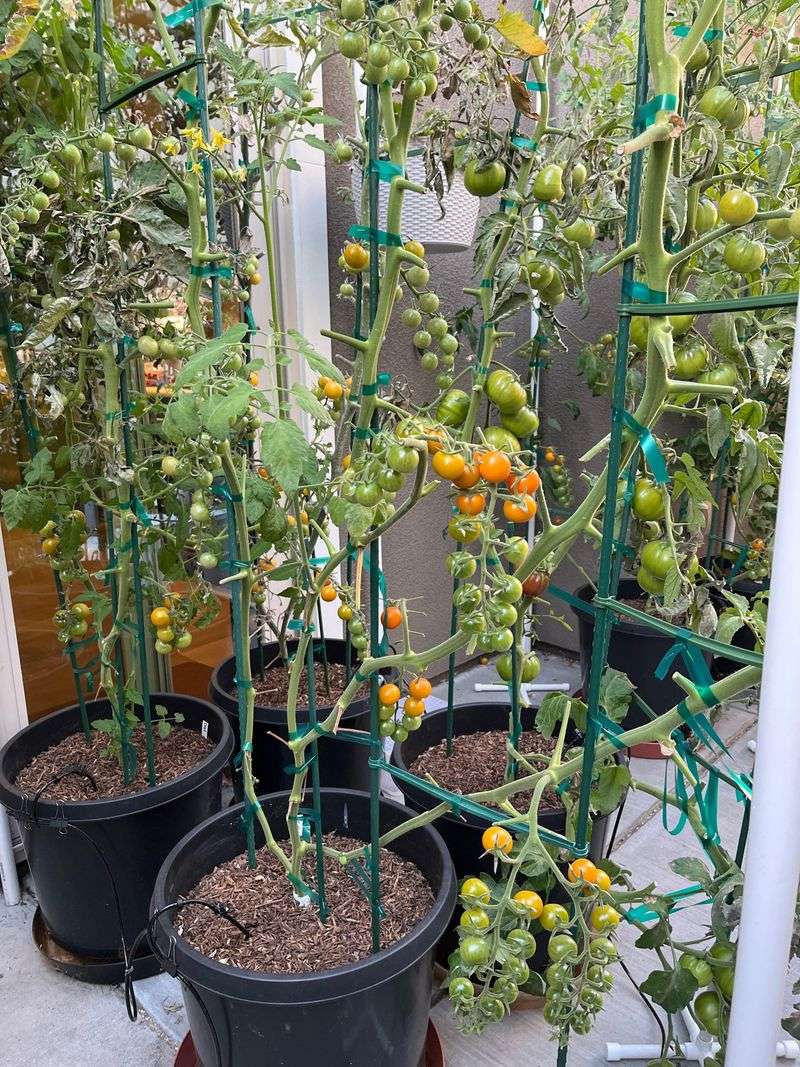
A tomato growing in a movable container has one advantage an in-ground vine does not: you can change its weather.
Healthy potted plants carrying mature green or color-breaking fruit may deserve another week even when chilly Ohio nights are closing in.
Instead of pulling the plant at the first cold forecast, move the container into a protected garage, enclosed porch, or similar sheltered space overnight.
Return it to bright outdoor light once temperatures improve during the day.
This strategy makes the most sense for compact plants with plenty of healthy foliage and fruit already close to maturity. A container covered only in tiny tomatoes and exhausted leaves is not worth hauling back and forth every evening.
Watch soil moisture carefully too.
Containers can stay damp much longer once temperatures cool, so autumn watering should usually decrease.
Check the potting mix before adding water rather than continuing a summer irrigation schedule. Constantly wet roots create a new problem just as the season is ending.
Do not expect indoor overnight protection to extend tomato production indefinitely. Shorter days and cooler temperatures will eventually slow the plant beyond usefulness.
The goal is simply to steal several productive days from the Ohio forecast.
When a portable vine still has tomatoes nearly ready to turn, pulling it immediately leaves an easy harvest behind.
Sometimes one more week is only a garage door away.