What Oregon Gardeners Should Do To Roses After The Last Big Summer Flush
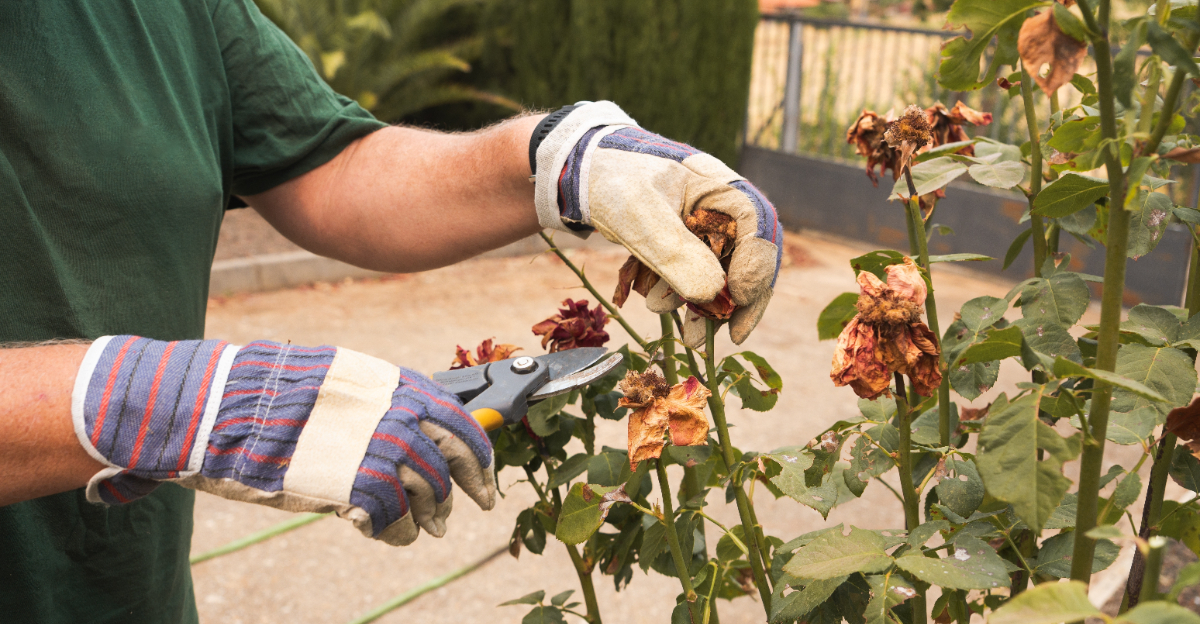
Your roses just gave everything they had. That flush was gorgeous, but your plants pay for it now. Petals drop, canes sag, while your roses run low on fuel.
Yet none of that spells a real setback for you. Removing spent blooms lets your roses redirect energy forward.
Oregon gives you a narrow window before fall weather shifts everything. Cool nights hit fast here, then warm spells confuse your plants. Rain shows up early some years, catching your roses off guard.
Pests target weakened roses first, before you notice the damage. Pruning now shapes next year’s blooms more than anything else you do. Oregon’s climate forgives mistakes, but only if you act fast.
Every choice you make this week carries into October’s color show. Nothing about this stage rewards passivity from you. Get this stage wrong, and October roses can punish you for it.
1. Spent Bloom Removal That Encourages Repeat Flowering
Spent blooms left on the plant are basically a signal to stop flowering. When a rose forms a hip, it thinks its job is done for the season.
Removing faded flowers tricks the plant into trying again. This redirects energy away from seed production and back into making new buds.
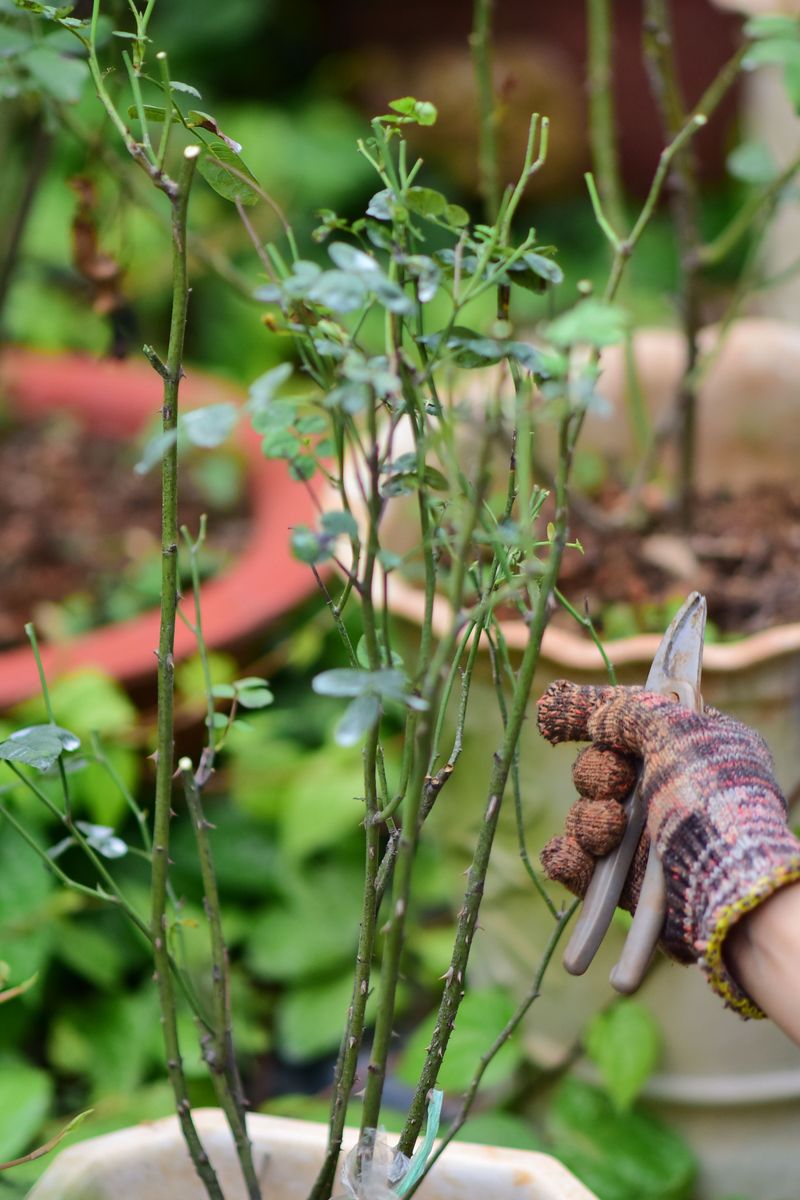
Cut each spent bloom just above the first set of five leaflets below the flower. That is the ideal spot to encourage a new flowering stem to emerge.
Do not just snap the petals off and call it good. You need to remove the entire spent flower head along with a short section of stem below it.
Some gardeners use their fingers for this quick trim, but clean snips from pruning shears give more precise cuts. Precision matters because ragged cuts are slower to heal.
Check your plants every few days during this period. Roses can cycle through blooms quickly in late summer, so staying on top of spent bloom removal keeps the momentum going.
If you want rose hips for fall visual interest or wildlife value, leave a few spent blooms on certain canes. Just be selective and intentional about which ones you keep.
Hips are beautiful in their own right, turning orange and red as fall progresses. But leaving too many signals the plant to wind down rather than push out more flowers.
Consistent spent bloom removal is one of the simplest ways Oregon gardeners can extend the flowering season well into autumn. Keep at it and your roses will keep rewarding you.
2. Pruning Steps That Set Up Strong Fall Growth
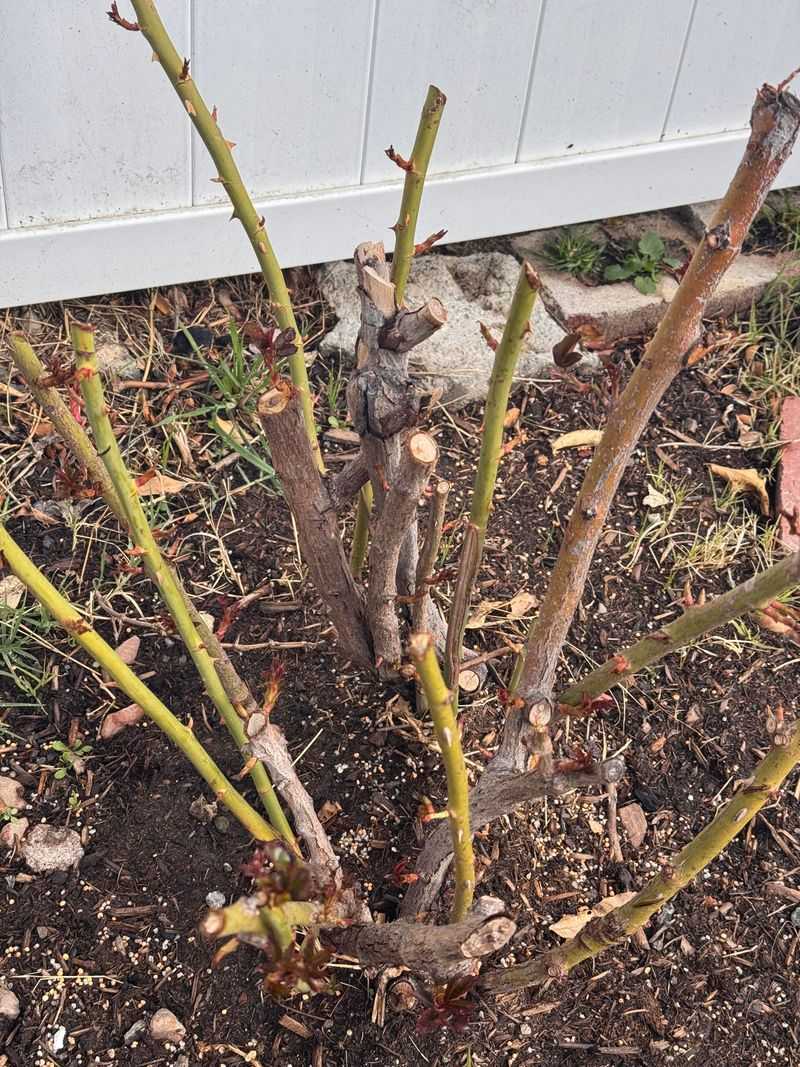
Grab your sharpest pair of bypass pruners and get ready. Pruning after the summer flush is one of the highest-impact moves you can make for fall growth.
Start by cutting spent canes back by about one-third of their length. You want clean, angled cuts just above an outward-facing bud eye.
That bud eye is where the magic happens. New growth shoots out from that spot, and pointing it outward keeps the center of the plant open and airy.
Your California Garden Changes Every Week. Your Plan Should Too.
Gardening in California changes quickly throughout the season. Every Friday you’ll receive a simple weekly plan showing exactly what to plant, prune, fertilize, harvest, and protect so you never miss the right timing.
Avoid cutting too deep into old wood right now. Late summer pruning should be moderate, not aggressive, so the plant has time to recover before cooler weather sets in.
Look for any crossing canes that rub against each other. Remove the weaker one to prevent bark damage and reduce hiding spots for pests.
Wood that no longer supports growth should come off, right down to healthy green tissue. You can spot that wood by its brown or hollow center when you make a cut.
Try to prune on a dry morning whenever possible. Wet conditions spread fungal spores faster, and fresh cuts are vulnerable entry points.
Wipe your pruner blades with a disinfecting solution between plants. This one habit stops disease from hitchhiking from one rose to the next.
Sharp tools make cleaner cuts that heal faster. Dull blades crush the tissue instead of slicing it, which slows recovery and invites rot. Strong fall growth starts with this single step done right.
3. Feeding Adjustments That Support The Next Bloom Cycle
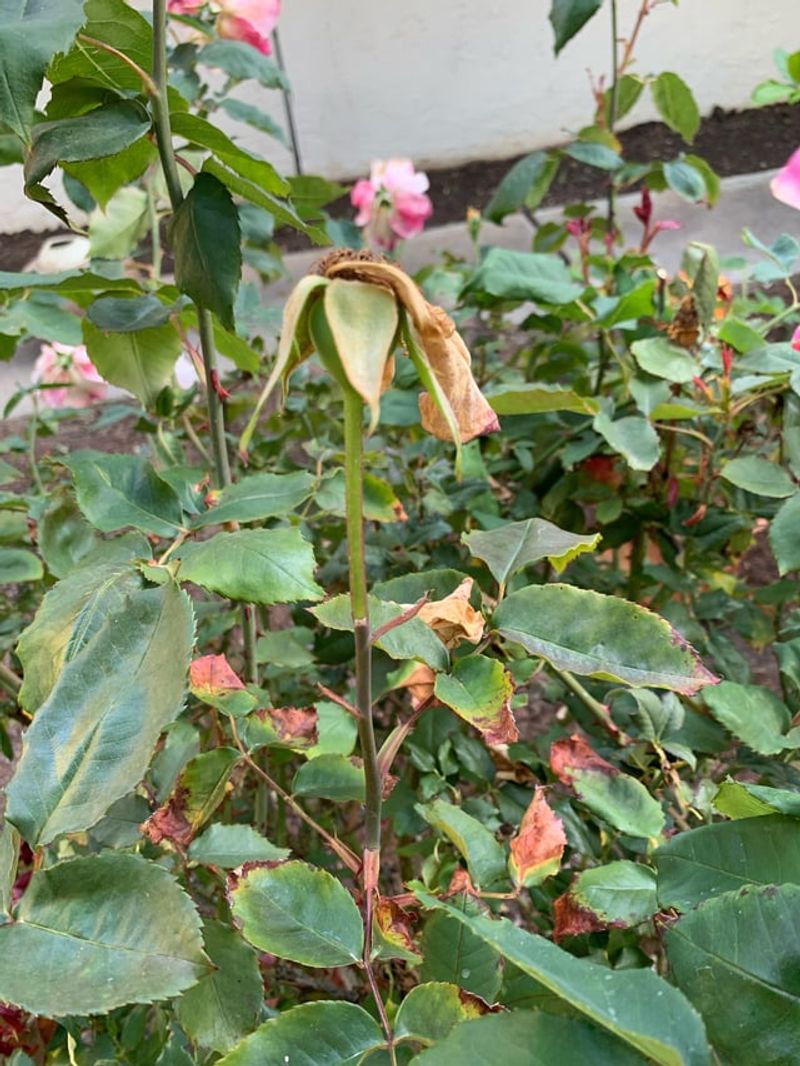
Your roses just burned through a huge amount of energy during that summer flush. Feeding them correctly now is like handing an athlete a recovery meal after a big race.
Switch away from high-nitrogen fertilizers immediately after the flush ends. Nitrogen pushes leafy green growth, which is not what you want heading into fall.
Look for a fertilizer with a higher middle number on the label. That middle number represents phosphorus, which fuels root development and flower production.
A good rose food with a ratio like 5-10-5 works well at this stage. Apply it according to the package directions, and do not over-apply thinking more is better.
Too much fertilizer late in the season pushes tender new growth that cannot harden off before cold nights arrive. Soft new shoots are the first to suffer when temperatures drop.
Liquid fertilizers absorb faster but wear off quicker than granular options. Granular formulas release slowly and keep feeding your plants over several weeks.
Organic options like bone meal and kelp meal are excellent choices for fall feeding. They improve soil health while delivering nutrients at a pace the plant can handle.
Stop all fertilizing about six weeks before your first expected frost date. For most parts of the state, that means wrapping up feeding by mid-September.
This feeding shift makes a bigger difference than most gardeners expect. Get the timing right and your next bloom cycle will reward you.
4. Watering Changes As Temperatures Start To Shift
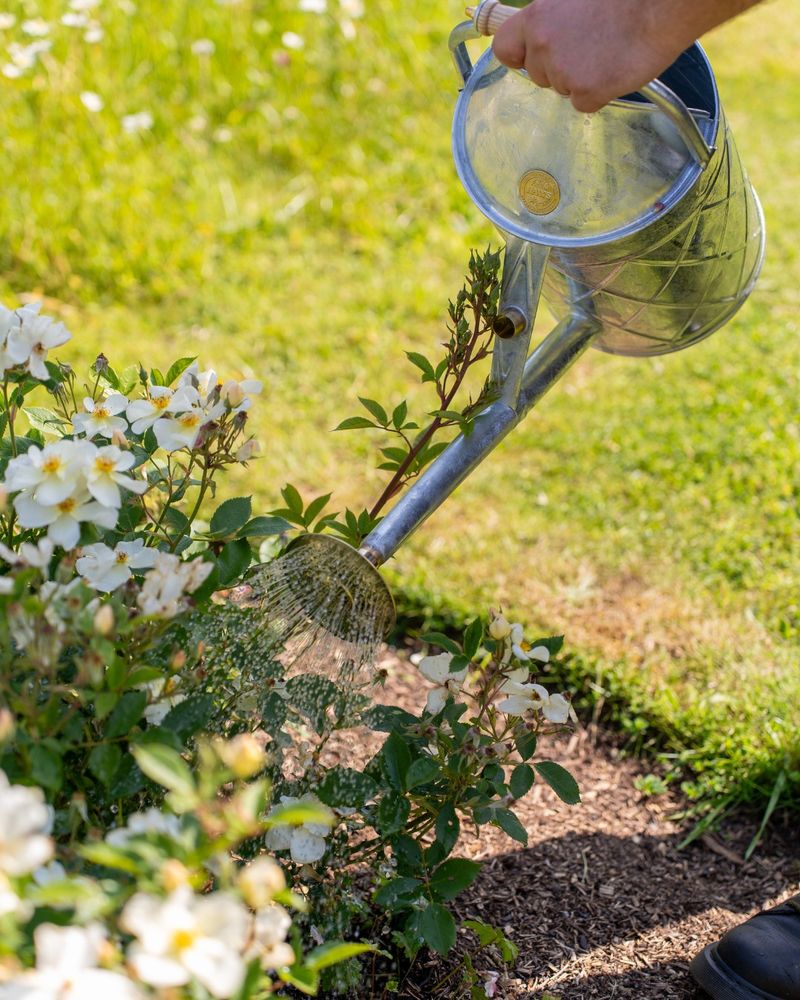
Watering roses in Oregon after summer is not the same as watering them in July. The rules shift as days get shorter and morning dew becomes a daily guest.
Reduce your watering frequency as temperatures begin to cool. Soil holds moisture longer when the sun is less intense, so your plants need less from the hose.
Overwatering in late summer and early fall is a surprisingly common mistake. Soggy roots invite root rot and create the damp conditions that fungal diseases love.
Check the soil moisture before you water by pushing a finger two inches into the ground. If it still feels damp at that depth, wait another day or two.
Morning watering remains the best practice throughout this transition. Watering early gives foliage time to dry before evening, which cuts down on fungal problems significantly.
Avoid getting water on the leaves whenever possible. Drip irrigation or soaker hoses deliver moisture right to the root zone without splashing the foliage above.
If you rely on overhead sprinklers, adjust the timer to run earlier in the day. Avoid letting your roses go to bed wet, especially once fall nights start cooling down.
Deep, infrequent watering trains roots to grow downward toward stable moisture. Shallow, frequent watering keeps roots near the surface where they are more vulnerable to temperature swings.
Even during Oregon rains, check that water is actually reaching the root zone. Heavy canopies can shed rainfall away from the base of the plant.
5. Pest And Disease Checks Worth Doing Now
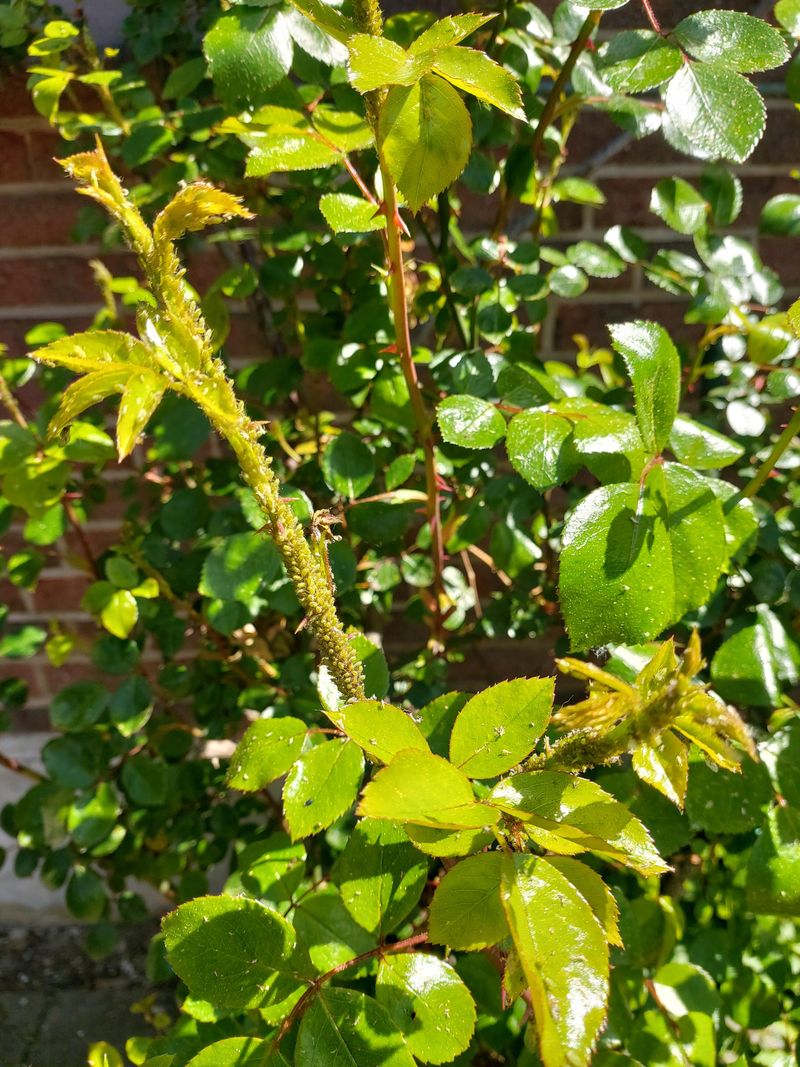
Late summer is prime time for pests and diseases to make their move on tired rose plants. A quick inspection now can stop a small problem from becoming a big one.
Start by flipping leaves over and looking at the undersides. Spider mites, aphids, and thrips love to hide there, especially during warm and dry stretches.
Aphids cluster near new growth and buds, sucking out plant sap and leaving sticky residue behind. A strong spray of water from the hose can knock large colonies off the plant.
Black spot is the most common fungal disease affecting roses in the Pacific Northwest. Look for circular black spots surrounded by yellow halos on the upper surface of leaves.
Remove and bag any infected leaves immediately. Do not compost them, because the spores can survive and spread back into your garden beds next season.
Powdery mildew shows up as a white, dusty coating on leaves and new growth. It thrives when days are warm and nights are cool, which describes Oregon late summer perfectly.
Neem oil spray is an effective organic option for both fungal issues and soft-bodied pests. Apply it in the early morning or evening to avoid burning foliage in direct sun.
Rust disease creates orange pustules on the undersides of leaves and spreads fast in wet conditions. Catch it early and remove affected foliage before it spreads to neighboring canes.
Staying proactive with pest and disease checks keeps your roses strong heading into fall. A healthy plant defends itself far better than a stressed one.
6. Mulching Tips That Lock In Moisture And Nutrients
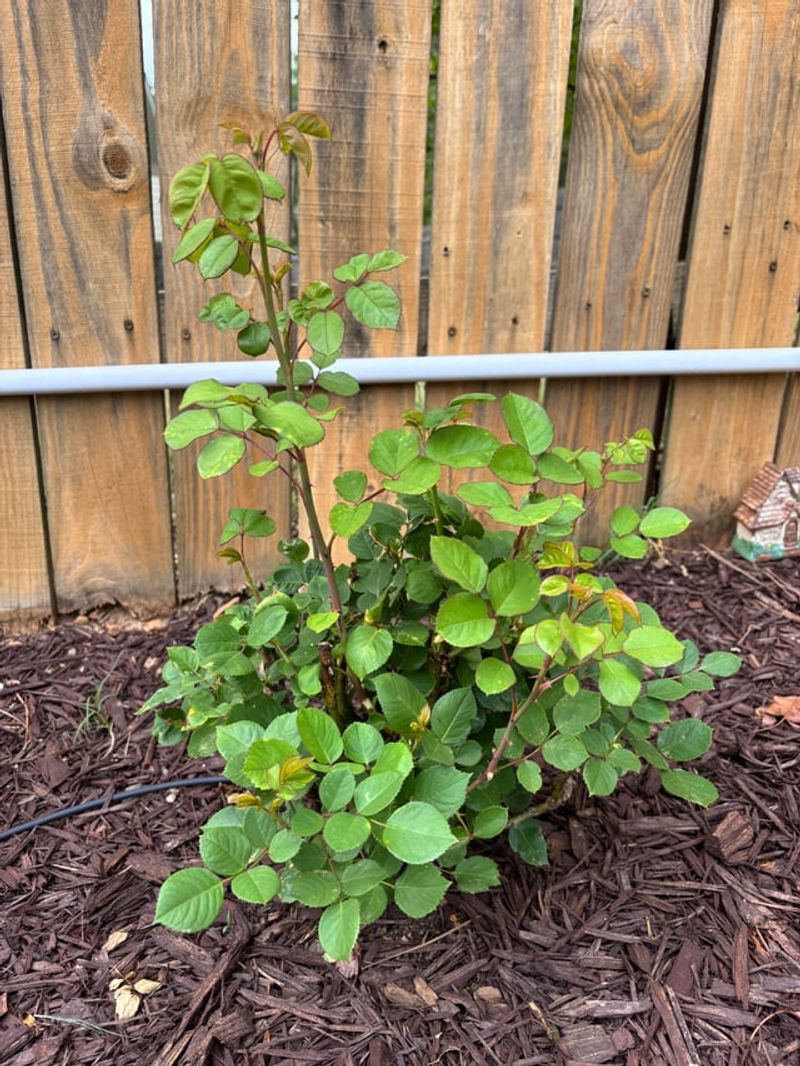
A fresh layer of mulch after the summer flush is one of the smartest things you can do for your roses. Think of it as tucking your plants in with a warm, nutrient-rich blanket.
Apply two to three inches of organic mulch around the base of each plant. Good options include shredded bark, wood chips, compost, or straw.
Keep mulch a few inches away from the main cane at the base of the plant. Mulch piled directly against the stem traps moisture and can cause rot at the crown.
Organic mulch breaks down slowly over the season, feeding the soil as it decomposes. This slow release of nutrients complements your fall fertilizing routine beautifully.
Mulch also acts as insulation, moderating soil temperature as nights get cooler. Stable soil temperature reduces stress on roots during those dramatic day-to-night swings Oregon is known for.
Weed suppression is another big benefit of a proper mulch layer. Fewer weeds mean less competition for water and nutrients, which your recovering roses will appreciate.
Top up any existing mulch that has thinned out over the summer. A thin layer loses its effectiveness quickly and may leave roots more exposed than you realize.
Avoid using fresh wood chips that have not been composted yet. Fresh chips can temporarily tie up nitrogen in the soil as they decompose, leaving your roses short on a key nutrient.
Mulching is one of those steps that pays dividends all the way through winter and into next spring. Do not skip it just because the flowers are slowing down.
7. Air Circulation Fixes That Prevent Fungal Problems
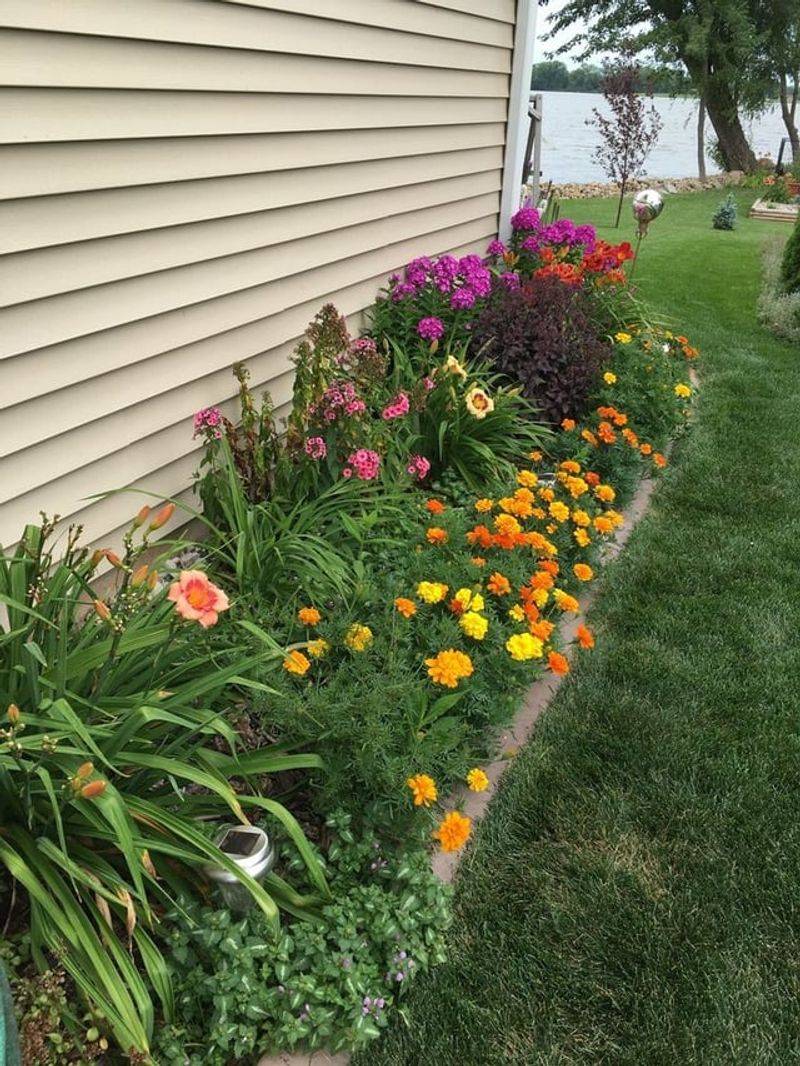
Poor air circulation inside a rose bush is basically an open invitation for fungal disease. Damp air sitting still among crowded canes is where black spot and mildew get their start.
After the summer flush, take a good look at the interior of each plant. If you cannot see daylight through the center, the plant is too dense.
Remove any thin, twiggy growth from the interior of the bush. These weak stems do not produce quality blooms and only block airflow from moving through the plant.
Crossing canes that rub together create wounds that fungal spores can enter easily. Clip out the weaker cane and let the stronger one have the space it needs.
Healthy spacing between plants also matters for airflow across your entire rose bed. If your bushes are growing into each other, consider whether any need to be relocated next season.
Avoid dense plantings of other shrubs or perennials immediately next to your rose beds. Neighboring plants can block wind movement and trap humidity right where you do not want it.
When you water, the way you do it affects air circulation too. Soaker hoses keep foliage dry, while overhead watering adds moisture to leaves that then sit in stagnant air.
After pruning for circulation, step back and look at the plant from multiple angles. You want an open, vase-like shape that allows wind to pass through freely.
Good airflow is free disease prevention, and it costs you nothing but a little time. Oregon gardeners who prioritize this step see far fewer fungal flare-ups in fall.
8. Preparing Your Roses For The Transition Into Fall
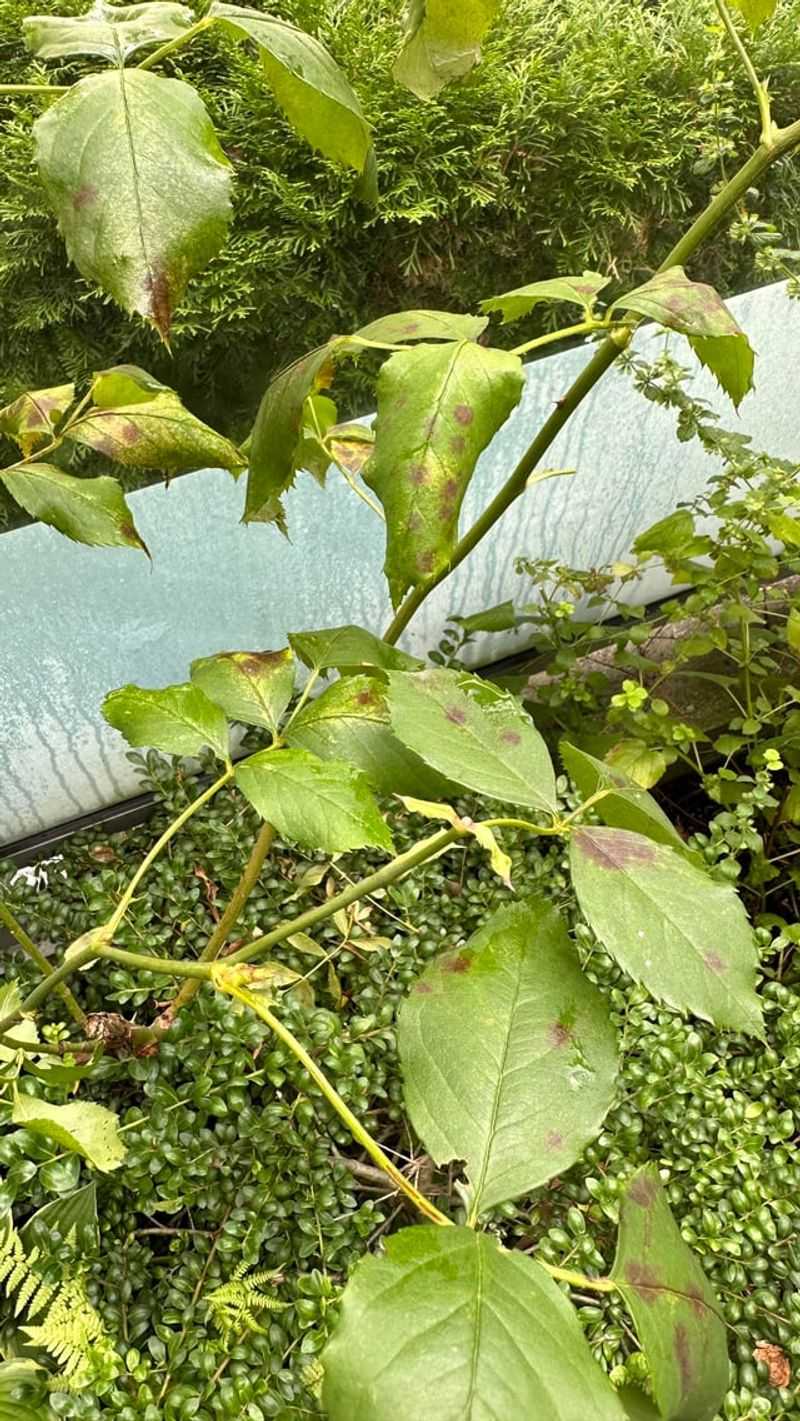
Fall transition care is where everything you have done since the summer flush starts coming together. Your roses have been through a lot, and now they need support for the next chapter.
Begin by assessing the overall health of each plant one more time. Look for any signs of stress you may have missed during earlier checks.
If any canes look weak, hollow, or discolored, remove them now before cold weather makes the problem worse. Healthy canes should be firm and show green tissue when you nick the surface.
Reduce your pruning activity as fall progresses. Heavy pruning in late fall stimulates new growth that will not harden properly before frost arrives.
Hold off on removing spent blooms toward the end of the season if you want the plant to naturally begin slowing down. Allowing a few hips to form signals the plant to shift into a rest phase.
Make sure your mulch layer is topped up before the first cold nights arrive. An insulated root zone is one of the best protections against early frost damage.
Continue monitoring for pests even as temperatures drop. Some insects, like aphids, remain active well into fall and can still weaken plants during this vulnerable transition.
Consistent, attentive care through each seasonal shift ties every step together. Every small action compounds into a healthier, more resilient plant next year.