The California Groundcover That Spreads Fastest On A Shaded Slope
Shaded slopes rank among the trickiest spots in a California yard. Winter storms carry bare soil downhill, and many groundcovers struggle without steady sun.
Some plants simply sulk in the shade. Others refuse to grow beneath oaks or give up the moment summer turns dry.
One quiet native, however, seems built for exactly these conditions. It creeps steadily across hillsides, grips the soil as it goes, and even feeds wildlife along the way.
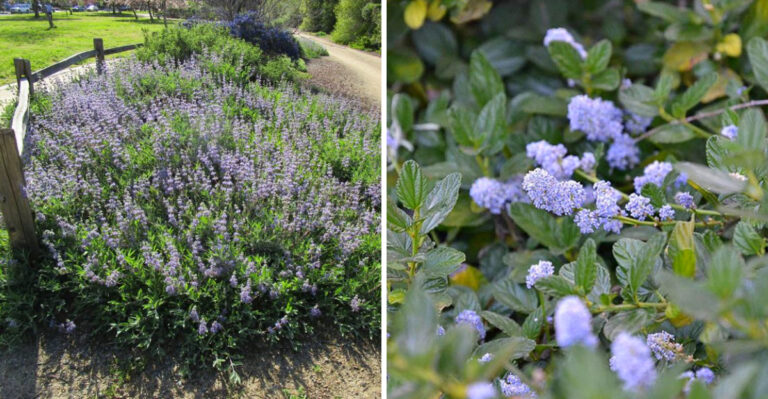
A fragrant companion makes a fine partner for the moister corners nearby.
Neither works overnight, and patience plays a real role. With the right start, though, a bare, eroding slope can slowly turn into one of the greenest spots on the property.
Meet Creeping Snowberry, The Shade Slope Spreader
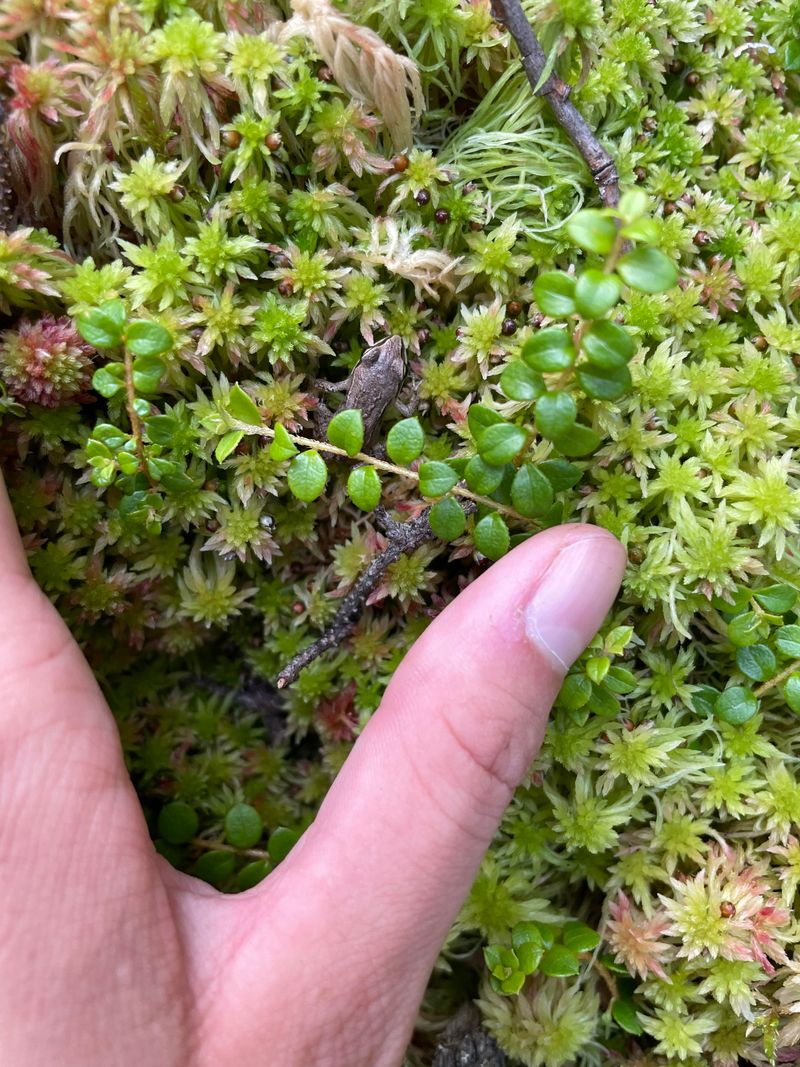
A hillside where nothing seems willing to grow can transform under a soft, low shrub spreading like a green blanket. Creeping snowberry has been doing that job in the California wild for a very long time.
Botanists call it Symphoricarpos mollis. It grows naturally in oak woodlands, chaparral edges, and shady canyons across much of the state.
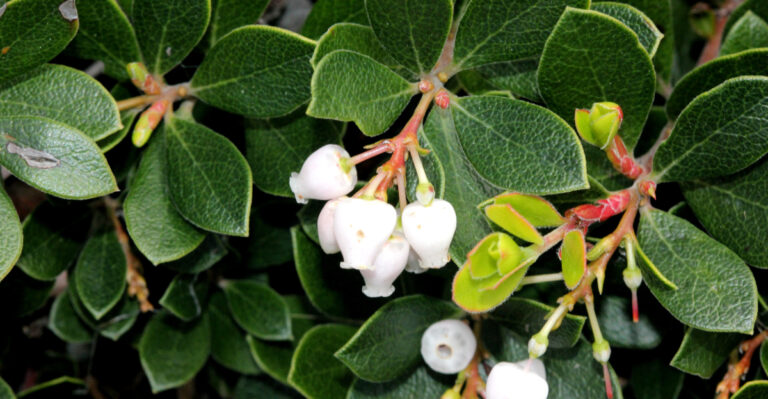
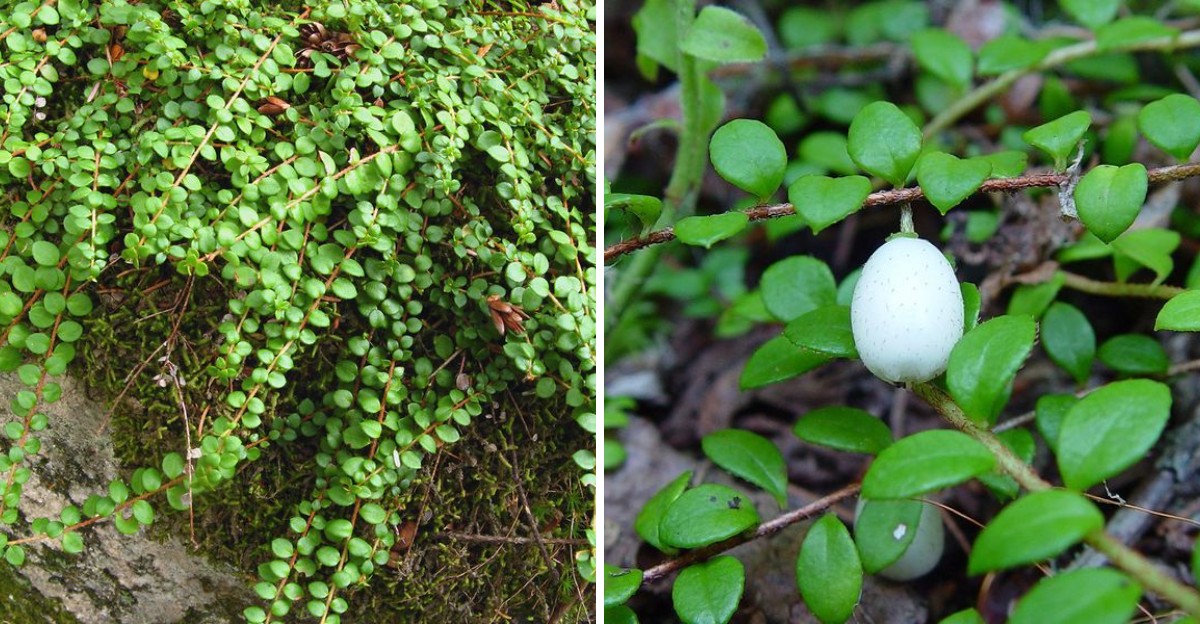
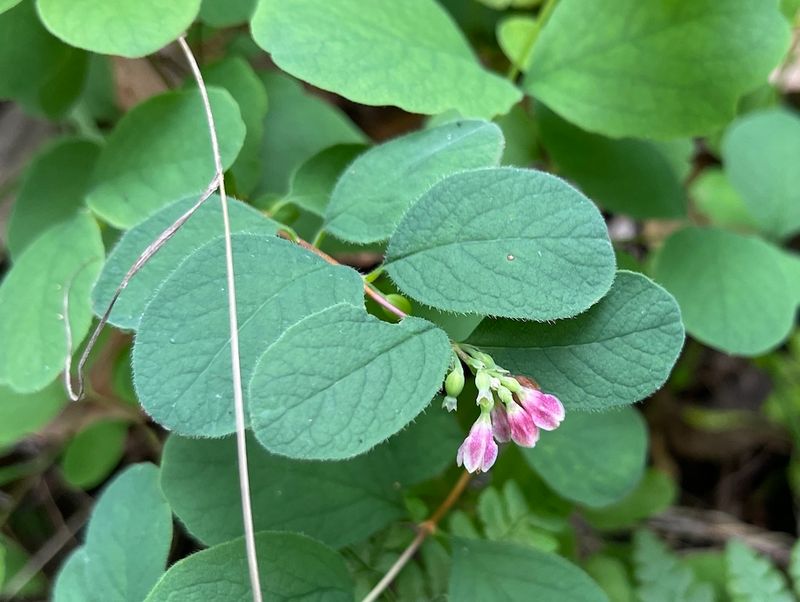
Its leaves are small, rounded, and slightly fuzzy, giving the plant a gentle gray-green look. In spring, tiny pink bell-shaped flowers appear, followed by round white berries.
UC Master Gardener guidance from Sonoma County lists it as a rapidly spreading groundcover that works well on slopes. That’s big news for anyone with a steep, shady yard.
Many popular groundcovers want full sun and steady water. Snowberry is far less fussy about either.
Native status brings real perks, too. Local bees, butterflies, and birds already know how to use it.
Once established, it usually needs much less summer water than lawn or many imported plants.
It also fits the natural look of a California hillside instead of seeming out of place. That blend of beauty and function makes it a true standout.
No single plant can claim to be the fastest groundcover on every shaded slope, since conditions vary from yard to yard. Still, few natives combine speed, shade tolerance, and slope-holding skill quite this well.
For a tough spot, it’s a smart plant to meet first.
Stems Root As They Run Across The Ground
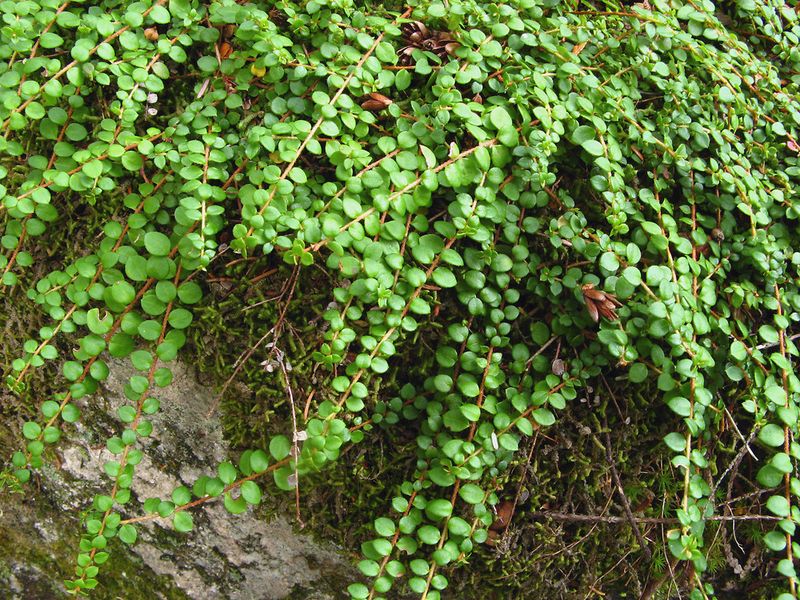
A few leaves pulled back on an older snowberry patch often reveal stems lying flat along the soil. Here and there, small roots poke down from those stems and grab hold of the dirt.
Gardeners call this rooting as it spreads. Each stem that touches moist soil can form new roots, so one plant gradually becomes a web of connected stems tied to the ground in many places.
Snowberry also spreads by underground runners. That adds even more grip below the surface.
This matters on slopes, where rain hitting bare dirt carries soil downhill. A plant with roots in only one spot protects a small circle.
One rooted in dozens of places acts more like a net stretched across the hill.
The leaves soften raindrops, and the roots hold soil together underneath. Both work as a team.
Your California Garden Changes Every Week. Your Plan Should Too.
Gardening in California changes quickly throughout the season. Every Friday you’ll receive a simple weekly plan showing exactly what to plant, prune, fertilize, harvest, and protect so you never miss the right timing.
Light mulch around young plants helps the process along. A thin layer of shredded bark or leaf litter keeps stems touching something damp and loose.
Thick piles that bury the stems completely are best avoided.
Some gardeners pin a stem to the soil with a small U-shaped wire. After a few months, roots often form at that spot.
The new rooted piece can later be cut and moved to fill a gap elsewhere on the slope. That simple trick turns one plant into several, completely free of charge.
Slopes In Shade Are Its Natural Fit
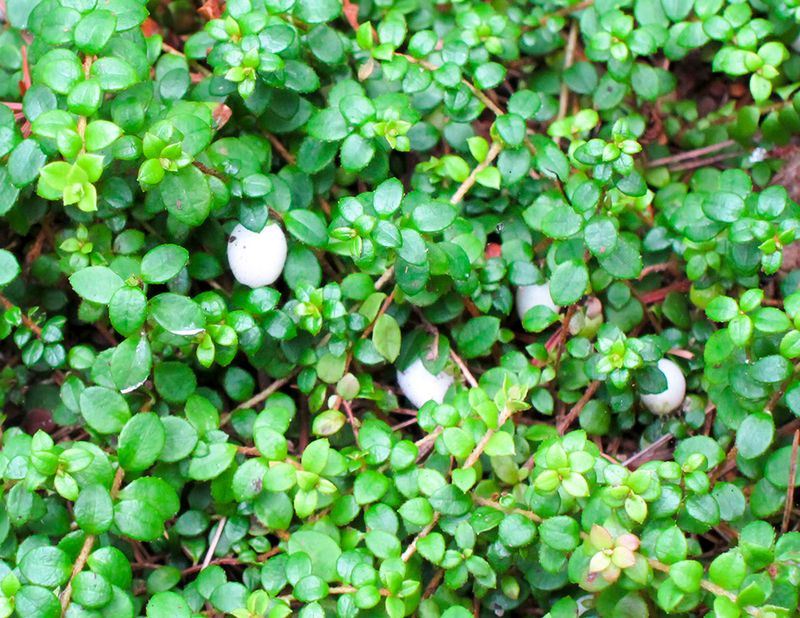
Most groundcovers force a choice. Some want blazing sun, while others only behave in deep shade, but creeping snowberry happily handles both and everything in between.
UC Master Gardener sources recommend it for slopes in sun, shade, or part shade. That flexibility matters a great deal on hillsides.
A single slope can get bright afternoon light at the top and cool shade near the bottom. Trees shift the pattern too, as branches grow or drop leaves.
With snowberry, three different light zones don’t require three different plants. Shade is where it truly shines brightest, though.
In the wild, it often grows beneath trees on north-facing slopes and canyon sides. Those spots stay cooler and hold a bit more moisture, so similar conditions at home copy what it already knows.
Spacing helps a lot on a slope. Many gardeners plant about three feet apart, often in a zigzag pattern so water and soil can’t race straight downhill between plants.
Small planting basins on the downhill side of each plant catch water and keep it near the roots. Gentle planting matters, too.
Digging only the needed holes, rather than tilling the whole hill, keeps loose bare soil from washing away.
Leaving existing leaf litter in place also protects the surface while young plants settle in. A gentle approach works far better than bulldozing the slope into shape.
It Stays Low At About A Foot
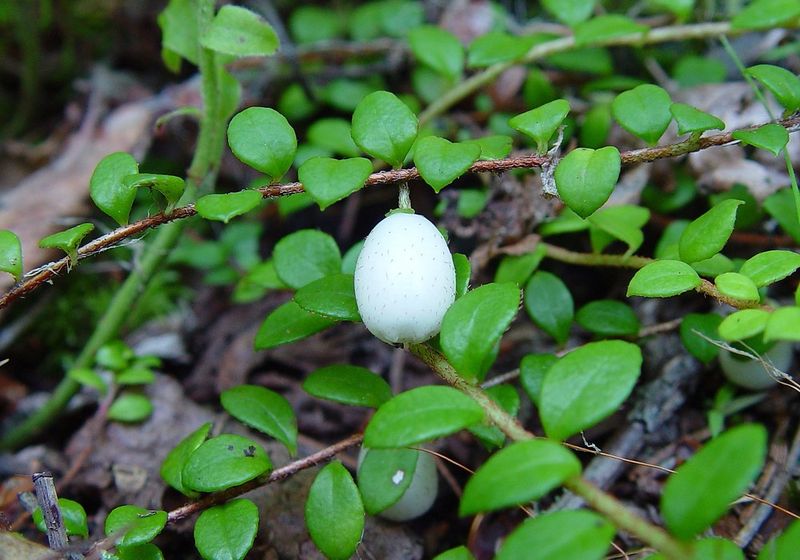
Nobody wants a groundcover that turns into a jungle by July. Creeping snowberry usually keeps a modest profile, staying roughly a foot tall in many garden settings.
Some plants may mound a bit higher in rich soil or deep shade. A little variation is perfectly normal from yard to yard.
That low habit suits a slope perfectly. Tall shrubs can block views, hide paths, and feel crowded on a hillside, while a knee-high blanket keeps the shape of the land visible.
Low growth also keeps the plant easy to reach for light care. Stems stay close to the soil, so more of them touch the ground and can root.
Leaves cover the dirt and shade out many weeds once the patch fills in. Bare spots shrink, and so does weeding time.
Snowberry is deciduous in many areas, meaning it can drop leaves in late fall or winter. A twiggy look for a while is completely normal and no cause for worry.
The stems and roots keep working underground through the cooler months. Fresh leaves return in spring, filling the slope back in with green.
Trimming stays simple. A late-winter snip of stems that stray onto paths or grow taller than desired keeps things tidy.
Some gardeners mow older patches on a high setting to refresh them. Either way, this low-rise neighbor stays neat with very little fuss.
It Tolerates Dry Shade Under Oaks
Planting under oaks often draws a sigh from California gardeners. The ground there is shady, dry in summer, and crowded with tree roots.
Native oaks can also suffer when people water heavily near their trunks. Summer irrigation under established oaks can encourage root rot and other problems.
The space beneath them needs plants that accept dry summers once settled. Creeping snowberry fits that need, and UC Master Gardener guidance specifically mentions it as suitable even under oaks.
Native oak woodlands are where this shrub often grows on its own. It’s used to fallen leaves, filtered light, and long rainless stretches.
At home, it fills that awkward zone with living green instead of bare dust. A few smart habits help it thrive.
New plants belong several feet away from the oak trunk, outside the area closest to the base. Young snowberry needs hand watering during its first summer or two, with a deep, slow soak rather than daily sprinkles.
Once established, many gardeners cut back to little or no summer water in shady spots. That schedule protects both the oak and its groundcover partner.
Fallen oak leaves can stay where they land whenever possible. They act as free mulch, feed the soil, and protect the stems.
The oak and snowberry can then share the space the way they have for ages, with the gardener enjoying a front-row seat.
White Berries Feed Wildlife
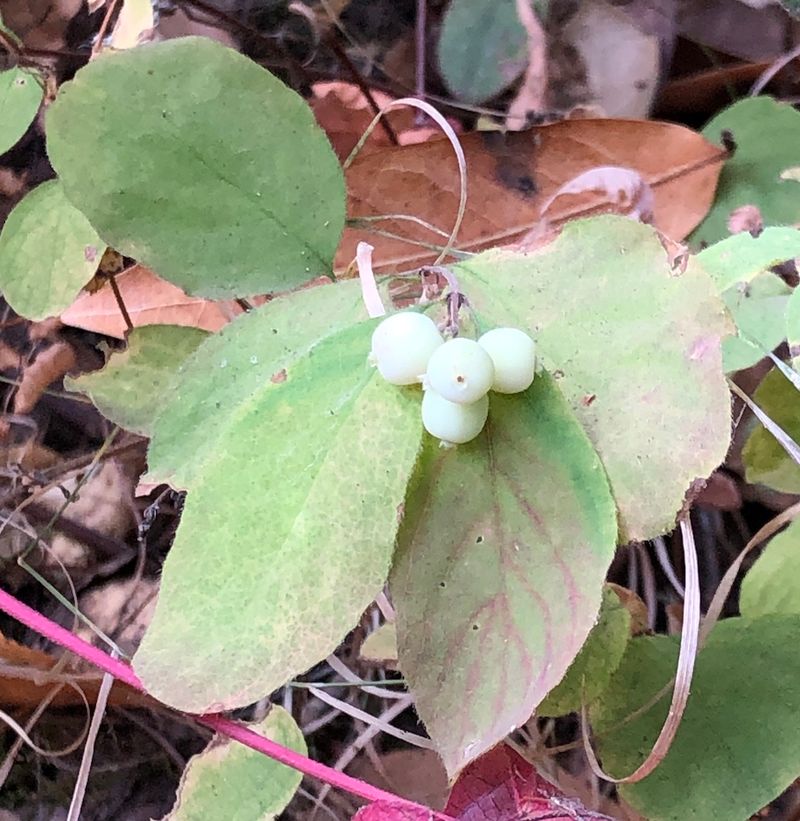
Late summer brings a surprise to the snowberry patch. Little round berries, white as fresh snowballs, start dotting the stems.
They often hang on into fall and early winter, when food grows scarce for wild animals. Birds such as thrushes, robins, and quail may nibble them, especially when other fruits run low.
Small mammals sometimes eat them, too. In spring, the tiny pink flowers attract native bees and other pollinators.
The dense, low stems also give ground-feeding birds a safe place to hide and forage. Each patch becomes a small but busy wildlife haven.
Families deserve one important caution, though. Snowberry berries aren’t food for people, since they contain compounds that can cause stomach upset, such as vomiting, when eaten.
Poison control resources generally list snowberry as mildly toxic. Treating it as look-but-don’t-taste makes the most sense.
Teaching young kids about the berries helps, with a simple explanation that they belong to the birds. Planting snowberry away from play areas works well for households with little ones who tend to grab and munch.
Curious dogs may need watching, too. Anyone who swallows berries can call Poison Control for advice.
With that rule in place, the berries add winter sparkle when many plants look bare. A bird plucking one from the slope offers a happy reminder that this groundcover feeds more than the view.