8 Reasons Your Petunias Suddenly Stop Flowering In Late Summer
Your petunias were thriving just weeks ago, and now they’re quiet. Blooms faded overnight, leaving nothing but bare stems. Gardeners everywhere notice this same strange seasonal shift yearly.
Heat alone doesn’t explain your garden’s sudden silence. Nutrients drain quietly, stealing color before you notice. Roots grow cramped, tired, and desperate for more space.
Humidity shifts confuse pollinators, cutting off natural triggers. Petunias respond fast to neglect, faster than you expect. Late summers push plants that already outgrew their containers.
Trimming stops helping once your stems turn woody. Watering habits that worked in spring fail by fall.
Temperature swings unsettle your delicate buds gradually. Every factor stacks quietly until your flowering slows completely.
Nothing about this decline feels random or accidental. Soil imbalances quietly drain your petunias of vibrant energy.
Light exposure shifts fast as summer angles change. You need answers now, before your entire bloom cycle fades for good, permanently.
1. Heat Stress Slowed Bloom Production
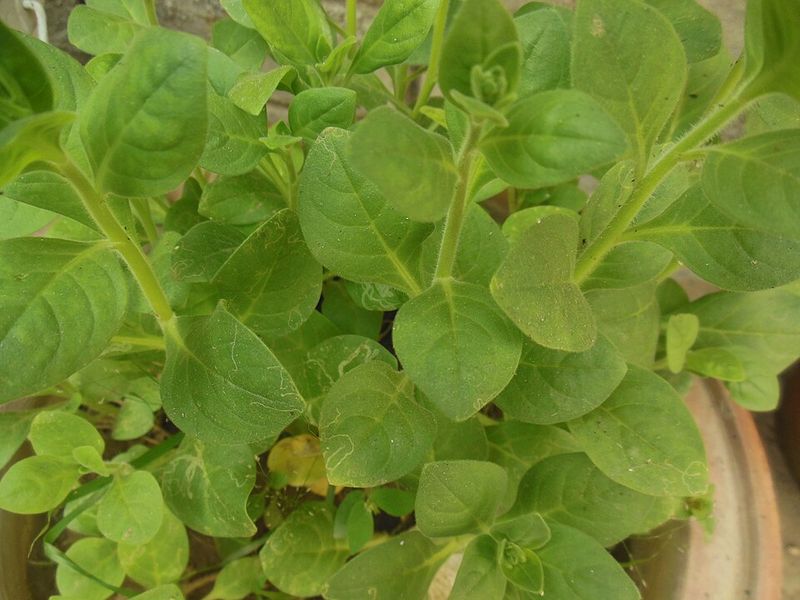
Scorching temps hit petunias hard. When temperatures climb into the 90s Fahrenheit, your petunias can shift into survival mode fast.
Heat stress is one of the top reasons petunias suddenly stop flowering in late summer. The plant shifts all its energy toward staying alive instead of producing blooms.
Think of it like a runner who stops racing to catch their breath. Your petunias are doing exactly that during an intense heat wave.
The good news is that heat stress is temporary. Once temperatures cool down, most petunias bounce right back and start blooming again.
To help them cope, water deeply in the early morning hours. Avoid watering during peak afternoon heat, which can scorch the roots and stress the plant further.
Mulching around the base of your petunias can make a real difference. A two-inch layer of mulch keeps the soil cooler and holds in moisture during the hottest parts of the day.
You can also move container petunias to a shaded spot during extreme heat. A few hours of afternoon shade can help reduce stress without cutting off needed sunlight.
Misting the leaves lightly in the evening helps cool the plant down after a hot day. Just avoid leaving foliage wet overnight, since that invites fungal problems. Heat stress typically passes once temperatures drop, and blooming resumes.
2. Spent Flowers Drain The Plant’s Energy
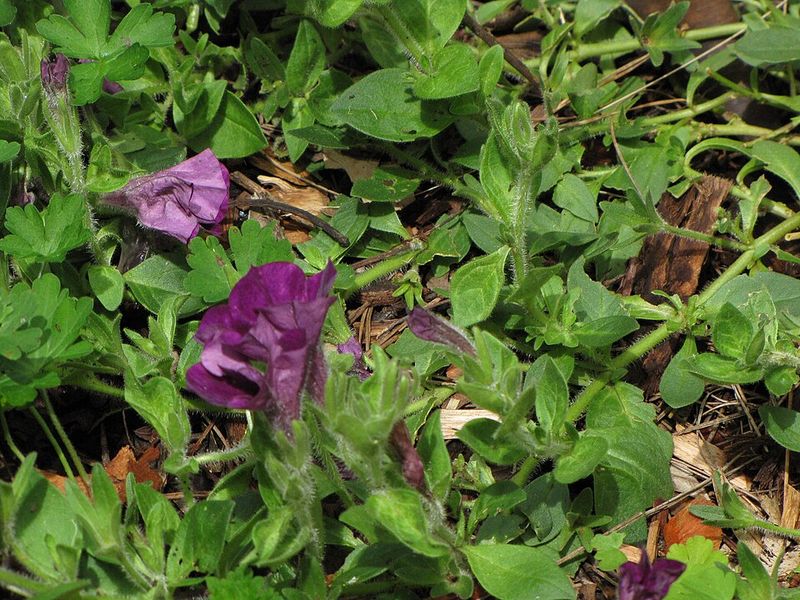
Spent flowers consume the plant’s energy. When petunias are allowed to go to seed, they stop putting effort into making new blooms.
This is called the seed cycle, and it is one of the most overlooked reasons petunias suddenly stop flowering late in the season. The plant thinks its job is done once seeds start forming.
Pinching is the simple fix that most gardeners skip. Pinching off spent blooms before they form seed pods tells the plant to keep producing flowers.
Grab a pair of small scissors or just use your fingers. Snap off the faded flower right at the base where it meets the stem.
Do this every few days during peak blooming season. Consistent pinching keeps the plant in a constant state of trying to reproduce, which means more flowers for you.
If you fell behind on pinching in midsummer, the plant may have already shifted gears. You might notice swollen green pods where flowers used to be.
Remove those pods right away and give the plant a light trim. Cut back about one-third of the stem length to encourage fresh, new growth. Follow the trim with a dose of balanced fertilizer.
The combination of pruning and feeding often triggers a fresh flush of late-season blooms within a few weeks, depending on conditions. Your petunias are not done yet. A little attention now pays off with a colorful fall finish.
3. Nutrients Ran Low In The Soil
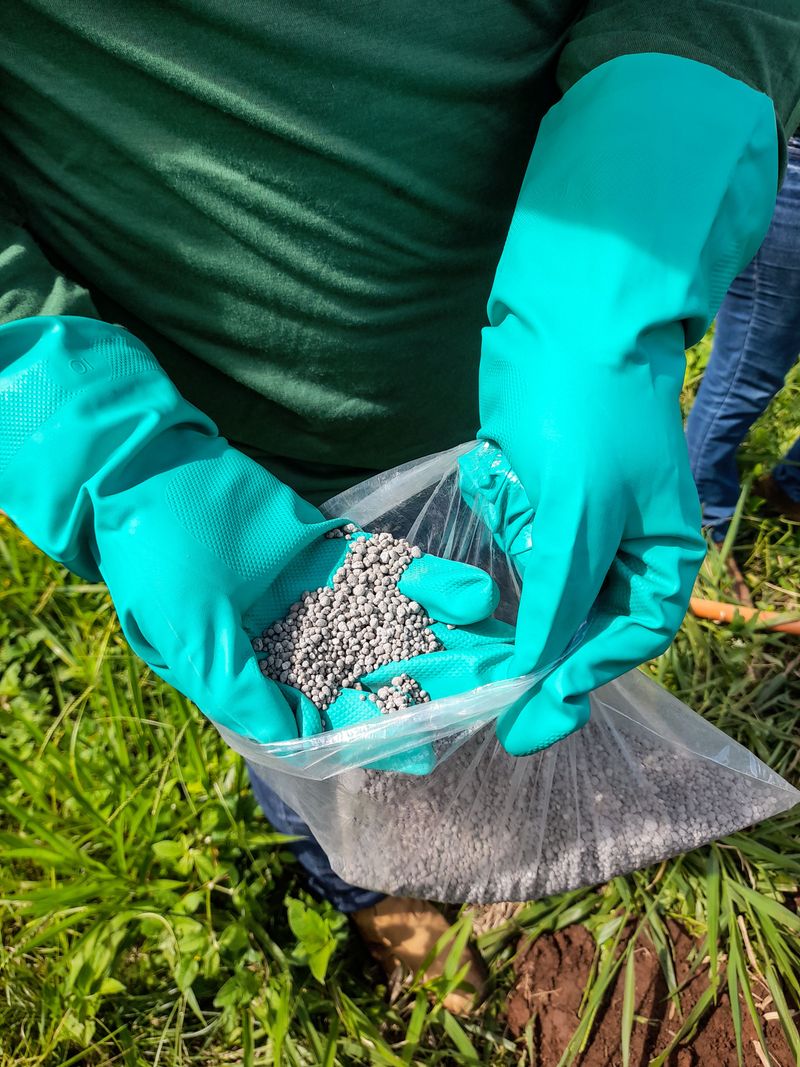
Nutrient-deficient plants bloom less. By late summer, petunias have pulled most of the available nutrients right out of their soil.
Nitrogen, phosphorus, and potassium are the big three that petunias crave. When those run low, flowering slows down or stops entirely.
Container petunias are especially vulnerable to nutrient depletion. Every time you water, those nutrients get flushed out through the drainage holes at the bottom of the pot.
Garden-bed petunias face the same problem, just at a slower pace. Hot summer rain and regular irrigation both wash nutrients deeper into the ground over time.
The fix is straightforward: feed your petunias regularly. A water-soluble fertilizer with a higher middle number, which represents phosphorus, encourages flower production specifically.
Look for a formula like 10-30-10 or similar on the label. Apply it every one to two weeks throughout the growing season for best results.
Slow-release granular fertilizers are another solid option for busy gardeners. Sprinkle them around the base of the plant and let rain or watering do the rest of the work.
Yellow or pale green leaves are a clear signal that your petunias are running low on nutrients. Do not wait for blooms to disappear before you act on those warning signs.
A well-fed petunia is a blooming petunia. Staying consistent with feeding is the single easiest way to extend your color season.
4. Overwatering Weakened The Root System
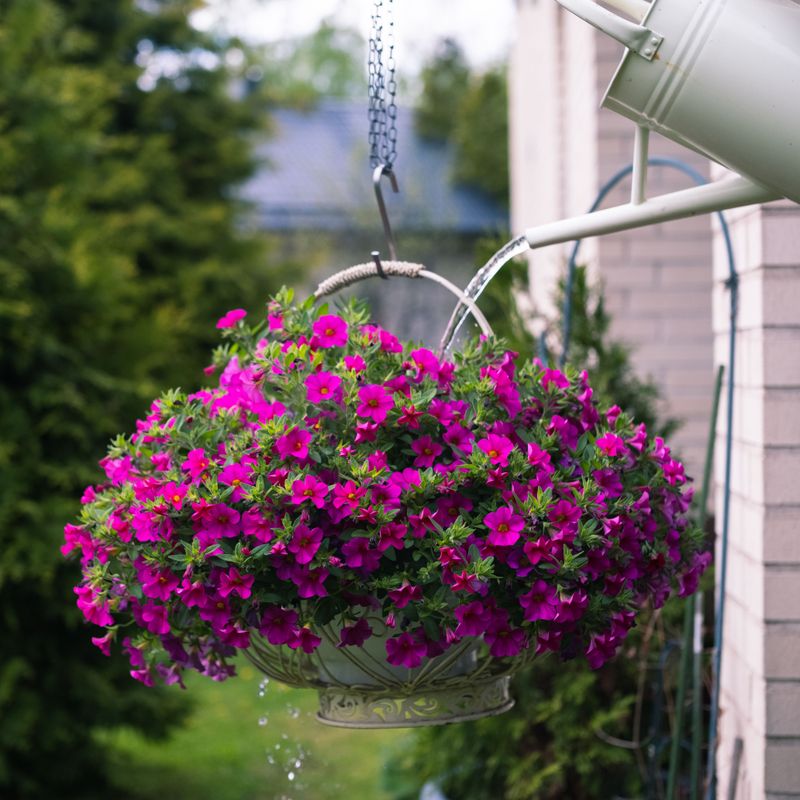
More water does not always mean more flowers. Overwatering is actually one of the sneakiest causes of bloom failure in late summer petunias.
When roots sit in soggy soil for too long, they cannot absorb oxygen. Without oxygen, the root system begins to break down and the plant struggles to function.
Petunias prefer soil that dries out slightly between waterings. They are surprisingly drought-tolerant once established, which catches many gardeners off guard.
A common mistake is watering on a fixed daily schedule regardless of actual soil conditions. Stick your finger about an inch into the soil before reaching for the hose.
If the soil still feels moist, skip watering that day. Let the top layer dry out before adding more water to the mix.
Containers with poor drainage make overwatering even worse. Make sure your pots have adequate holes at the bottom and are not sitting in standing water.
Root rot is the worst-case outcome of chronic overwatering. Affected roots turn brown and mushy instead of staying firm and white.
If you suspect root rot, remove the plant from its container and inspect the roots directly. Trim away any damaged sections and repot in fresh, well-draining soil.
Going forward, water deeply but infrequently. That simple shift in habit can completely transform your petunia’s health and get those blooms coming back strong.
5. Leggy Growth Reduced Flower Output
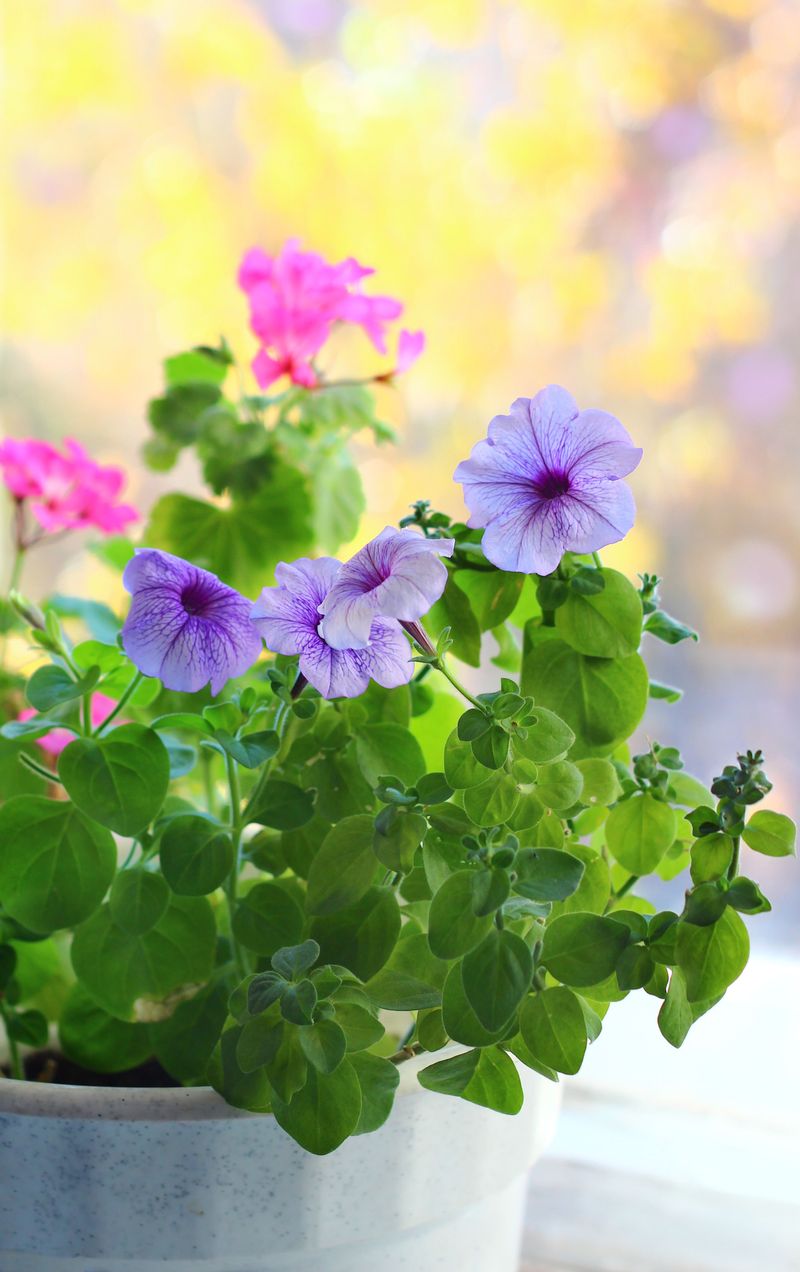
Long, bare stems with a tiny flower at the tip are a garden red flag. Leggy growth is a sure sign your petunias have stopped putting energy into blooming.
This happens when petunias are not trimmed back during the growing season. The plant keeps stretching upward instead of branching out and producing more flowers.
Pruning feels scary to many gardeners, but it is exactly what petunias need. Cutting them back hard in midsummer actually encourages a much fuller, more productive plant.
Grab clean garden scissors and trim each stem back by about half. Focus on the longest, leggiest stems first and work your way through the whole plant.
You will be shocked by how quickly petunias bounce back after a good trim. New side shoots often appear within days, with fresh buds following soon after, depending on conditions.
Pair your pruning session with a good feeding. Fertilizer right after trimming can help support new branch and bloom growth.
Leggy growth often happens when petunias are planted too close together. Crowded plants compete for light and stretch upward to reach it, leaving the lower stems bare.
Give each plant at least ten to twelve inches of space. Proper spacing allows air and light to reach the entire plant, not just the top.
A compact, bushy petunia is a blooming petunia. Trim early and trim often to keep the magic going all season long.
6. Compacted Soil Limited Nutrient Uptake
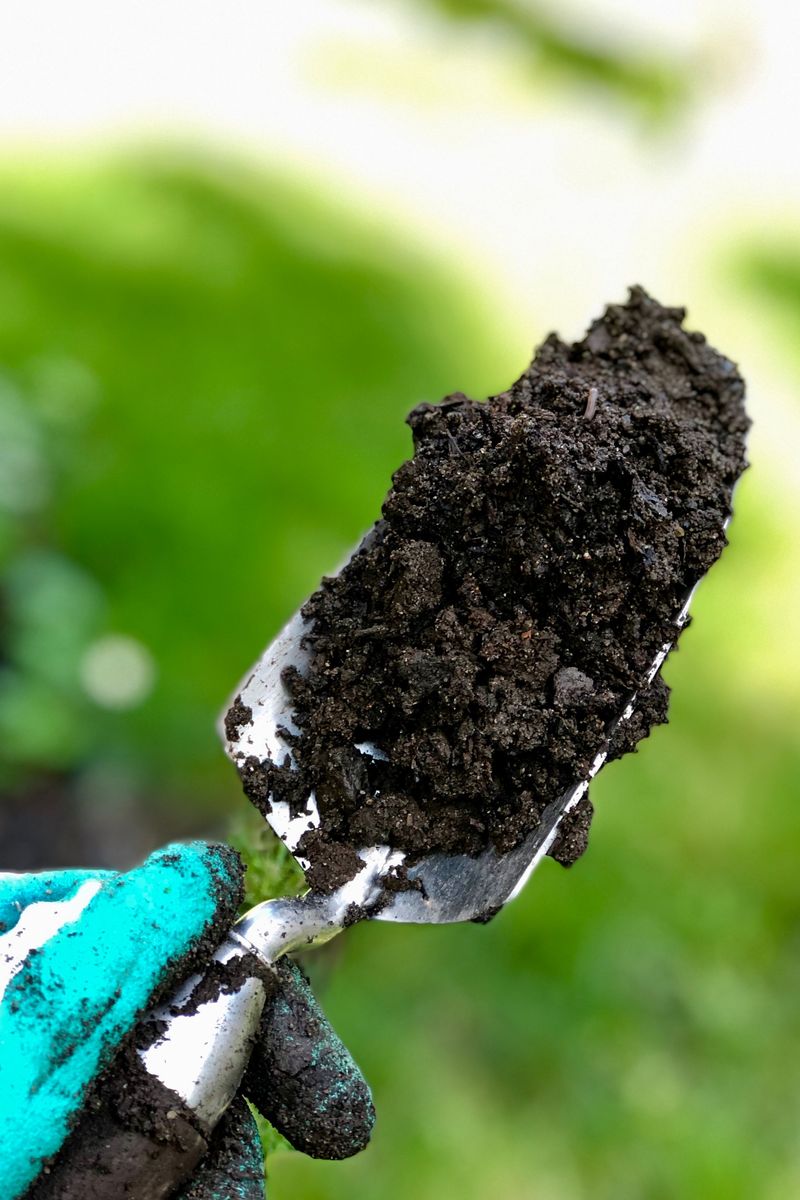
Compacted soil is a common but overlooked cause of reduced blooming. When the ground around your petunias becomes compacted, roots cannot spread, breathe, or feed properly.
Compacted soil forms gradually over a growing season. Foot traffic, heavy rain, and repeated watering all pack the soil particles tightly together over time.
When roots cannot penetrate the soil, they cannot access nutrients or water effectively. The plant ends up starving even when fertilizer is sitting just inches away.
A simple scratch test tells you a lot. Drag a finger across the soil surface and see if it breaks apart easily or resists like dried clay.
If it resists, your petunias are likely struggling with compaction. Grab a hand cultivator and gently loosen the top two to three inches of soil around each plant.
Be careful not to disturb shallow roots while you work. A light, gentle touch is all you need to break up the surface crust.
Adding organic matter like compost improves soil structure over time. Work a thin layer into the top of the soil to help it stay loose and airy.
Raised beds and containers with quality potting mix rarely experience compaction. If you garden in the ground, this is a great reason to consider switching to raised beds next season.
Loose, aerated soil is the foundation of a thriving petunia. Fix the ground beneath them, and the blooms above will follow naturally.
7. Pests Damaged Buds Before Opening
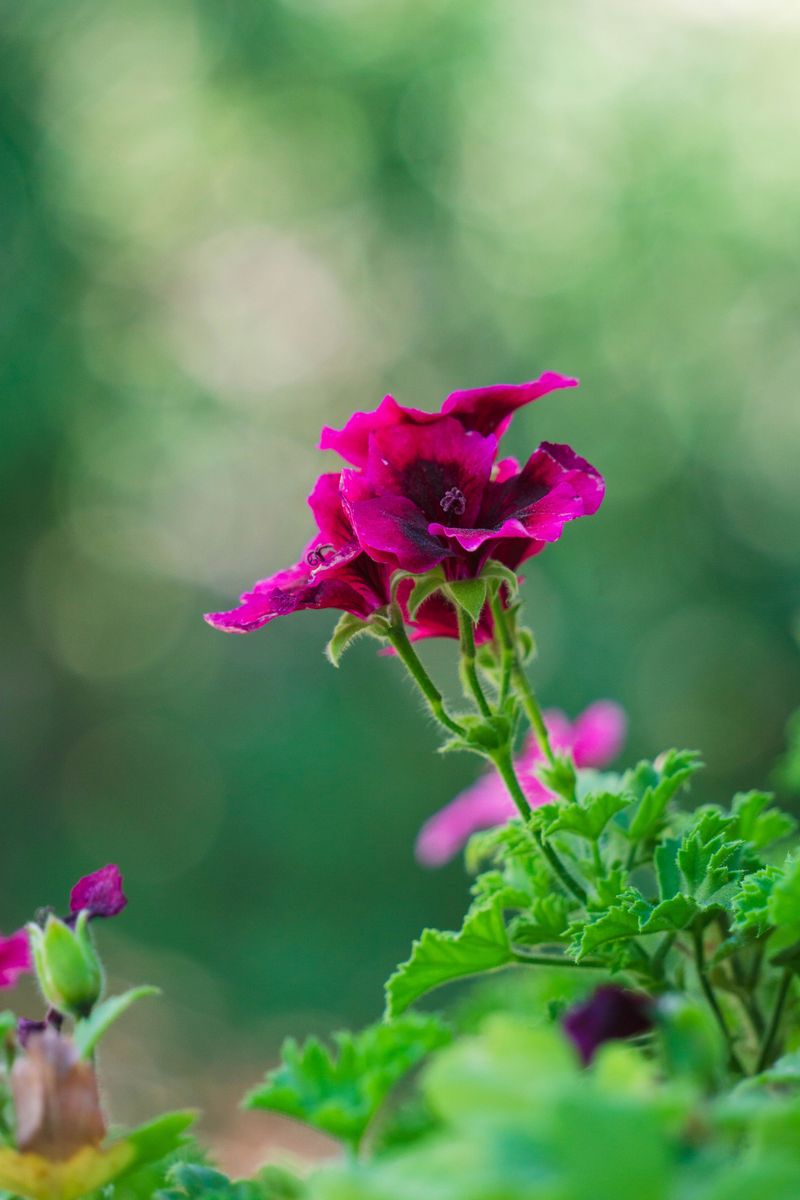
Pests often damage flower buds before they open. Pest damage is a surprisingly common reason petunias stop flowering in late summer.
Aphids, thrips, and budworms are among the most common petunia pests, though which ones show up depends on your region. Each of these common pests targets buds and new growth, stopping flowers before they even begin.
Budworms are difficult to detect because they burrow inside the bud itself. From the outside, the plant looks fine until you notice the bud turning brown and falling off.
Aphids cluster on the undersides of leaves and on tender new stems. They suck sap from the plant and leave behind a sticky residue called honeydew.
Check your petunias closely every few days during late summer. Flip over leaves and look at stem joints where pests love to hide from sight.
A strong blast of water from your garden hose knocks aphids right off the plant. Repeat this treatment every two to three days until the population drops significantly.
For budworms, a product containing Bacillus thuringiensis, or Bt, works well. It is a natural bacteria that targets caterpillar-type pests without harming beneficial insects like bees.
Neem oil is a great all-purpose spray for multiple pest types. Mix it with water according to label directions and apply it in the early morning or evening hours.
Catching pests early makes all the difference. A quick weekly check keeps small problems from becoming bigger issues.
8. Reduced Sunlight Slowed Flowering Cycles
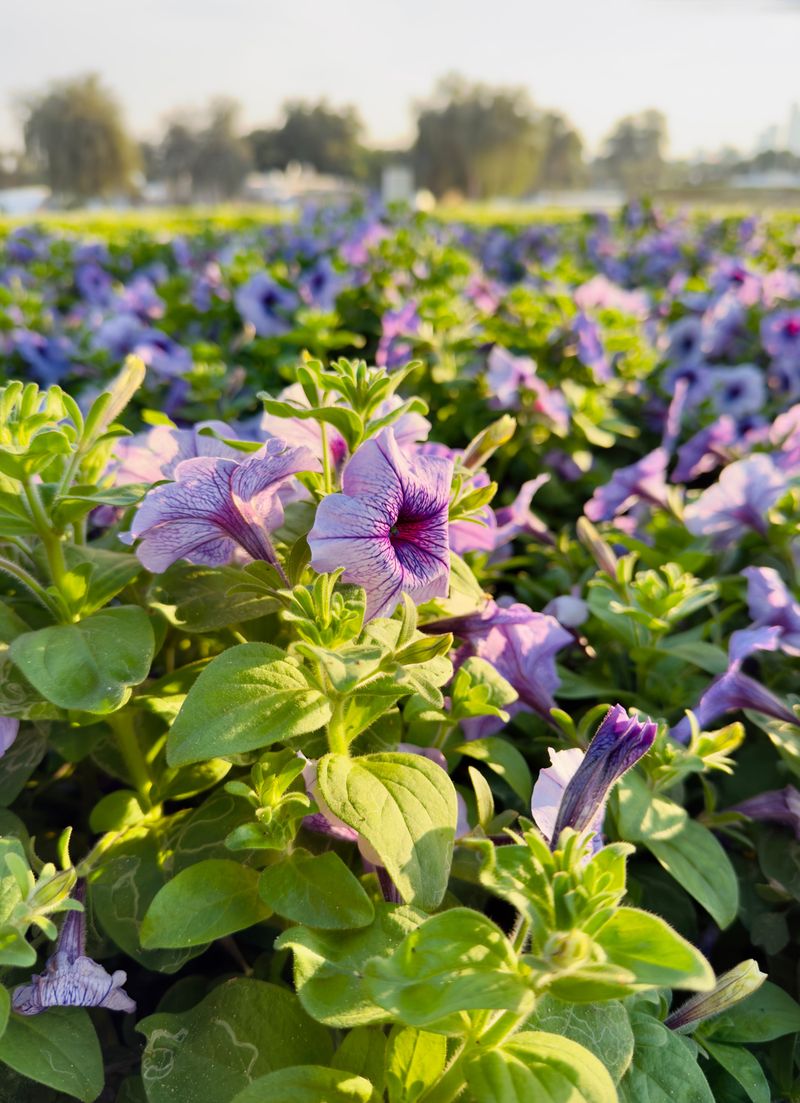
Petunias are sun lovers through and through. As late summer arrives, the angle of the sun shifts and days grow shorter, cutting into your petunias’ daily light intake.
Most petunias need at least six hours of direct sunlight each day to bloom consistently. Losing even a couple of hours of daily sun can slow their flowering cycle down.
Trees and shrubs that were small in spring may now cast long shadows over your garden beds. Those same plants have leafed out fully by late summer and block far more light than expected.
Container petunias have the advantage here. You can move pots to follow the sun as its position changes throughout the season.
Garden-bed petunias are stuck where they are planted, so placement matters from the start. Choose spots that receive full sun even in late summer when shadows lengthen.
Trimming nearby shrubs or tree branches can reclaim lost sunlight for your plants. Even thinning out a canopy slightly makes a noticeable difference in light levels below.
Reflective mulch, like white or silver-colored varieties, bounces extra light back up toward the plant. This trick is especially helpful in partially shaded spots where direct sun is limited.
Supplemental grow lights can extend the season for container petunias kept on a porch or patio. Just a few extra hours of artificial light each evening can keep the blooms going.
Your petunias are not done flowering yet. Give them back their sunlight and watch flowering resume later in the season.