What It Means When Kentucky Hummingbirds Suddenly Crowd Your Feeder
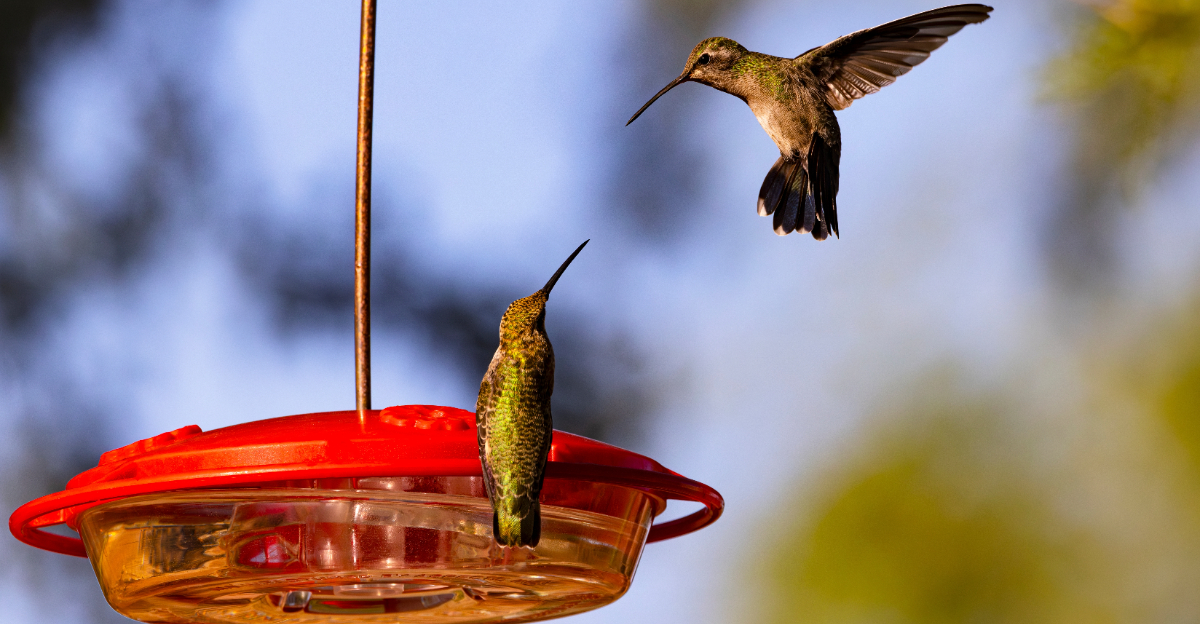
Your coffee goes cold before the first sip finishes. Tiny wings blur into chaos you never expected this early. Kentucky mornings shift the instant nectar meets warm light.
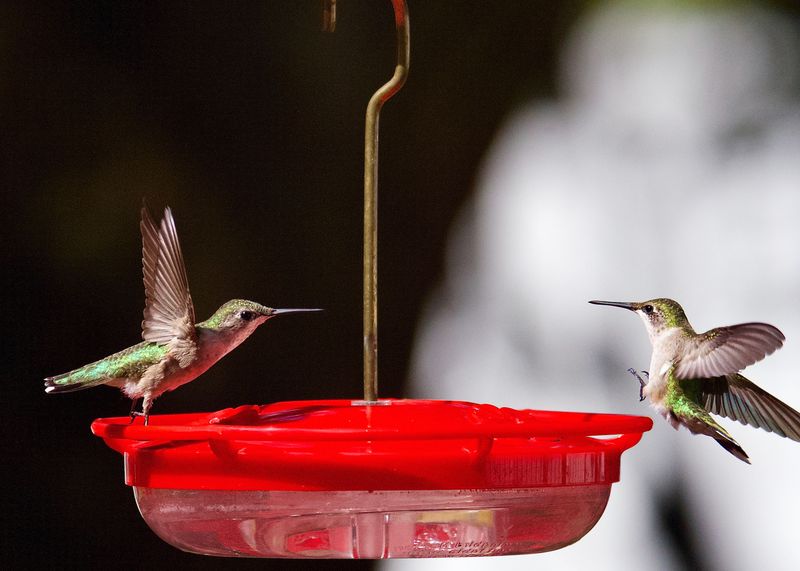
Feeders turn into tiny battlegrounds within seconds of dawn. Wings collide near you, retreat, then charge back again. Every dart and hover you catch hides real purpose.
Nobody explains why you see dozens crowd one perch. Patterns like these rarely appear before you notice them. Something else pulls these birds toward your quiet porch.
Backyards across Kentucky feel this shift earlier than most realize. Timing, rivalry, and hunger rarely act alone around you. Signals travel between these birds faster than you expect.
Watching closely lets you see more than casual glances allow. Small clues you notice stack up fast this time of year. You cannot afford to miss what triggers this sudden rush.
The Real Reason So Many Birds Are Showing Up At Once
Your feeder did not suddenly get more attractive overnight. What changed is the world around it.
Late summer triggers a biological alarm inside every hummingbird. Their instincts fire up, telling them to eat more, move more, and compete harder for every calorie they can find.
Ruby-throated hummingbirds are the species you spot most often in Kentucky. They are the only hummingbird species that regularly breeds east of the Mississippi River.
When late July and August arrive, juvenile birds from summer nests join the adult population at feeders. Suddenly, your yard has twice as many mouths to feed.
Flower nectar also starts declining as summer blooms fade. Natural food sources dry up, pushing birds toward your feeder like a backup grocery store that stays open around the clock.
Territorial males, who spent spring guarding prime feeding spots, start losing their grip on dominance. Younger birds grow bold and push back, creating chaotic feeding frenzies.
The crowding you see is not random. It is a precise biological response to shrinking food, growing competition, and the approaching season of change.
Understanding this shift puts you ahead of the curve. This kind of surge is rarely a coincidence, and it usually points to migration season closing in fast.
Migration Patterns That Bring Extra Visitors South
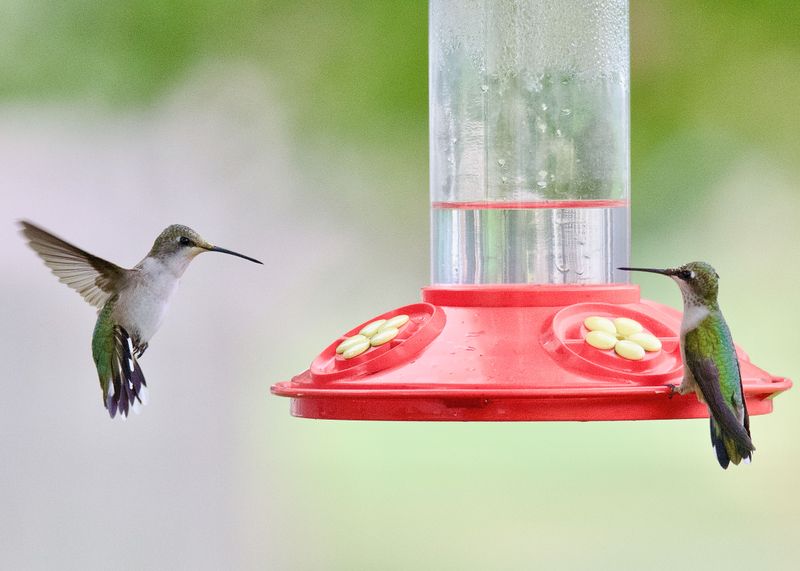
Not every hummingbird at your feeder lives in your yard. Some are just passing through.
Kentucky sits within a well-used hummingbird migration path. Birds moving south from Ohio, Indiana, and even Canada stop here to refuel before continuing their long journey.
Migration for ruby-throated hummingbirds typically peaks in Kentucky between mid-August and early October. During that window, feeder traffic can increase sharply and quickly.
These traveling birds are not polite guests. They are hungry, tired, and focused entirely on packing in calories before the next leg of their trip.
A single ruby-throated hummingbird can double its body weight before migration. That is like a 180-pound person gaining nearly the same amount of weight in just a few weeks.
Stopover birds do not stay long. Most linger for just one to three days before moving on, replaced by the next wave coming down from the north.
Your Kentucky Garden Changes Every Week. Your Plan Should Too.
Gardening in Kentucky changes quickly throughout the season. Every Friday you’ll receive a simple weekly plan showing exactly what to plant, prune, fertilize, harvest, and protect so you never miss the right timing.
Watching for banded birds or unfamiliar color patterns can help you spot migrants versus your resident nesters. Some birders keep photo logs to track who is passing through each year.
Keeping your feeder clean and full during peak migration weeks is one of the best gifts you can give these tiny travelers. A packed feeder in September usually means visitors from far outside your own zip code.
Feeding Habits That Change As Birds Prepare To Travel
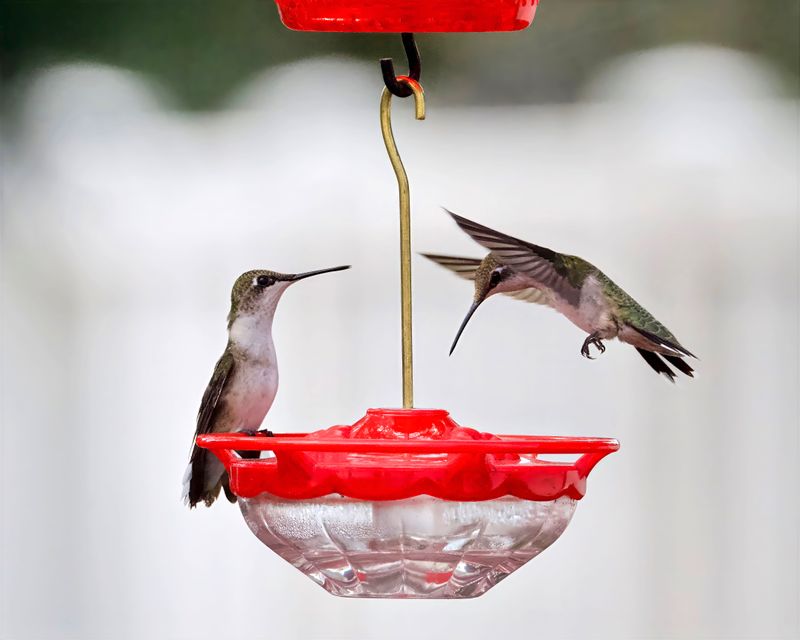
Before migration, hummingbirds enter a phase called hyperphagia. It sounds scientific, but it simply means they eat like there is no tomorrow.
During hyperphagia, a hummingbird may visit feeders dozens of times per hour. Their metabolism cranks into overdrive, converting sugar into fat reserves at a remarkable rate.
You might notice birds feeding longer at each visit. Instead of quick sips, they hover and drink steadily, almost urgently, as if they know time is running short.
Aggressive behavior spikes during this phase too. Birds that were tolerant of each other all summer suddenly snap, chase, and swoop at competitors at the feeder port.
Early morning feeding is especially intense. Hummingbirds lose body heat overnight and need fast fuel to warm up and function properly each day.
Evening feeding sessions also get longer as birds top off their reserves before nightfall. Watching your feeder at dusk during August can feel like watching a tiny, frantic buffet line.
Some birds begin exploring new feeding routes during this phase. You may spot hummingbirds in spots around your yard where you rarely see them.
Keeping multiple feeders stocked during hyperphagia reduces stress on the birds and stress on you. That kind of intensity is simply their biology working exactly as it should before a long flight.
Signs Your Feeder Setup Needs An Upgrade
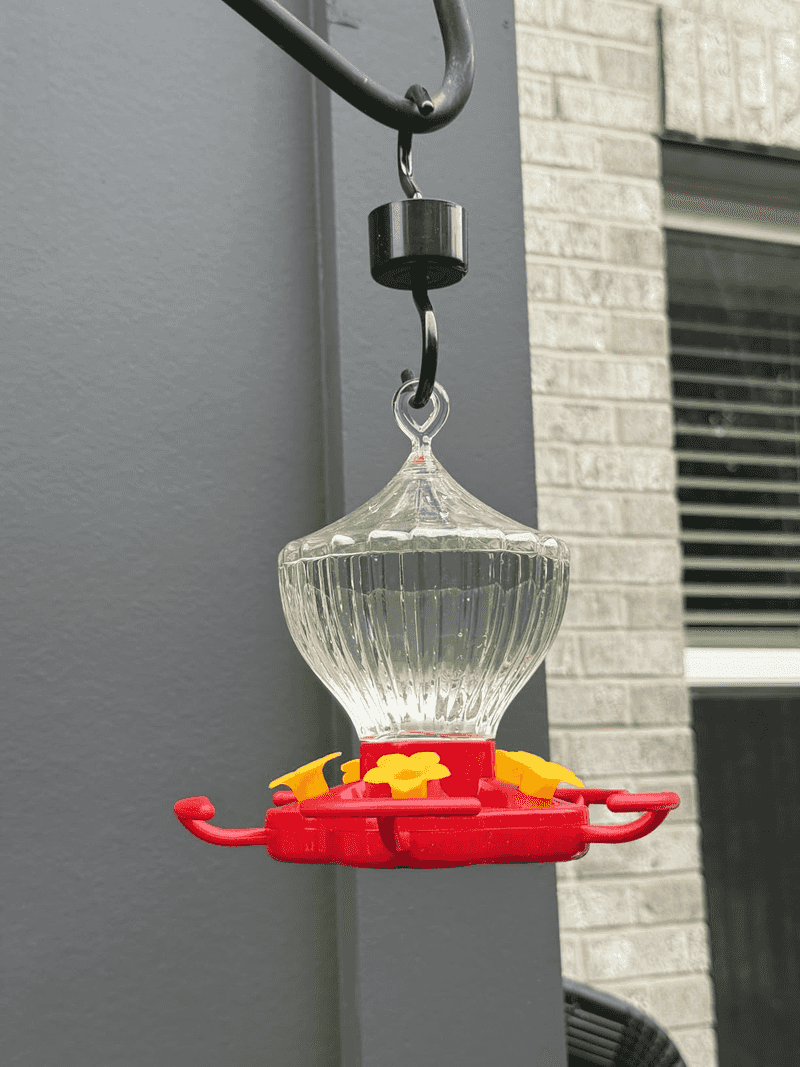
More birds mean more demand, and your current setup might not be keeping up. Crowding is often your feeder sending you a message.
A single four-port feeder is fine for light traffic. But when birds are stacking up and chasing each other off, you need more capacity, fast.
Check how quickly your nectar disappears. If you are refilling every day or two during peak season, your feeder volume is simply too small for the crowd you are hosting.
Watch for early signs of spoilage. Cloudy nectar, bubbles, or a sour smell mean the sugar solution has gone bad and needs to be replaced immediately.
Feeder placement matters more than most people realize. A feeder in full afternoon sun heats up fast, spoiling nectar within 24 hours during Kentucky summers.
Adding a second or third feeder in different yard locations spreads birds out and reduces the chaos at any single spot. Spacing them at least 10 feet apart helps territorial birds claim their own zone.
Ant moats and bee guards are small additions that make a big difference. Insects competing for nectar add stress to already-tense feeding situations.
A feeder with more ports, wider perches, and easy-clean design will serve you and your birds much better during the surge. Upgrading your setup is one of the smartest moves you can make once feeder traffic spikes all at once.
Nectar Ratios That Support This Seasonal Surge
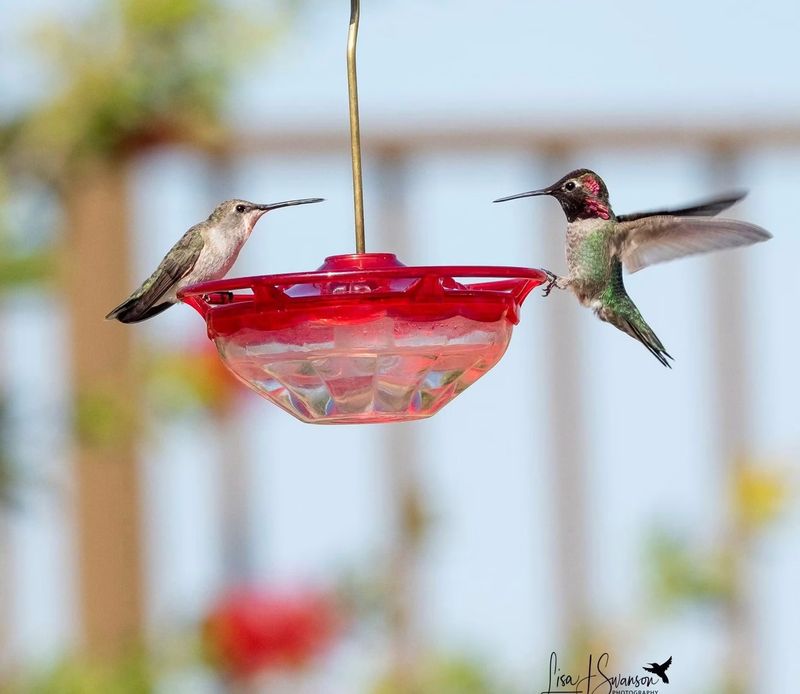
Getting your nectar recipe right is not complicated, but it does matter more during heavy feeding periods. The wrong ratio can slow birds down or make them sick.
The standard mixture is one part plain white sugar to four parts water. That is it, no dye, no honey, no artificial sweetener, just sugar and water.
Red dye is unnecessary and potentially harmful. Feeders already have red parts that attract birds, so there is no need to add color to the liquid itself.
Some backyard birders slightly increase sugar concentration during peak feeding season, though most experts recommend staying with the standard 1:4 ratio year-round rather than concentrating the mixture.
Going stronger than the standard ratio is not recommended. Too much sugar can stress a hummingbird’s kidneys and cause dehydration over time.
Use plain granulated white sugar every time. Brown sugar, powdered sugar, and organic sugar contain molasses or additives that are not safe for hummingbirds.
Boiling the water briefly before mixing helps dissolve sugar fully and slows spoilage slightly. Let the mixture cool all the way before filling your feeder.
Store extra nectar in the fridge for up to two weeks. Having a batch ready means you can refill quickly when traffic spikes. Proper nectar is the foundation of any good feeder setup, especially once migration season pushes traffic higher.
Steps To Keep The Peace Among Competing Birds
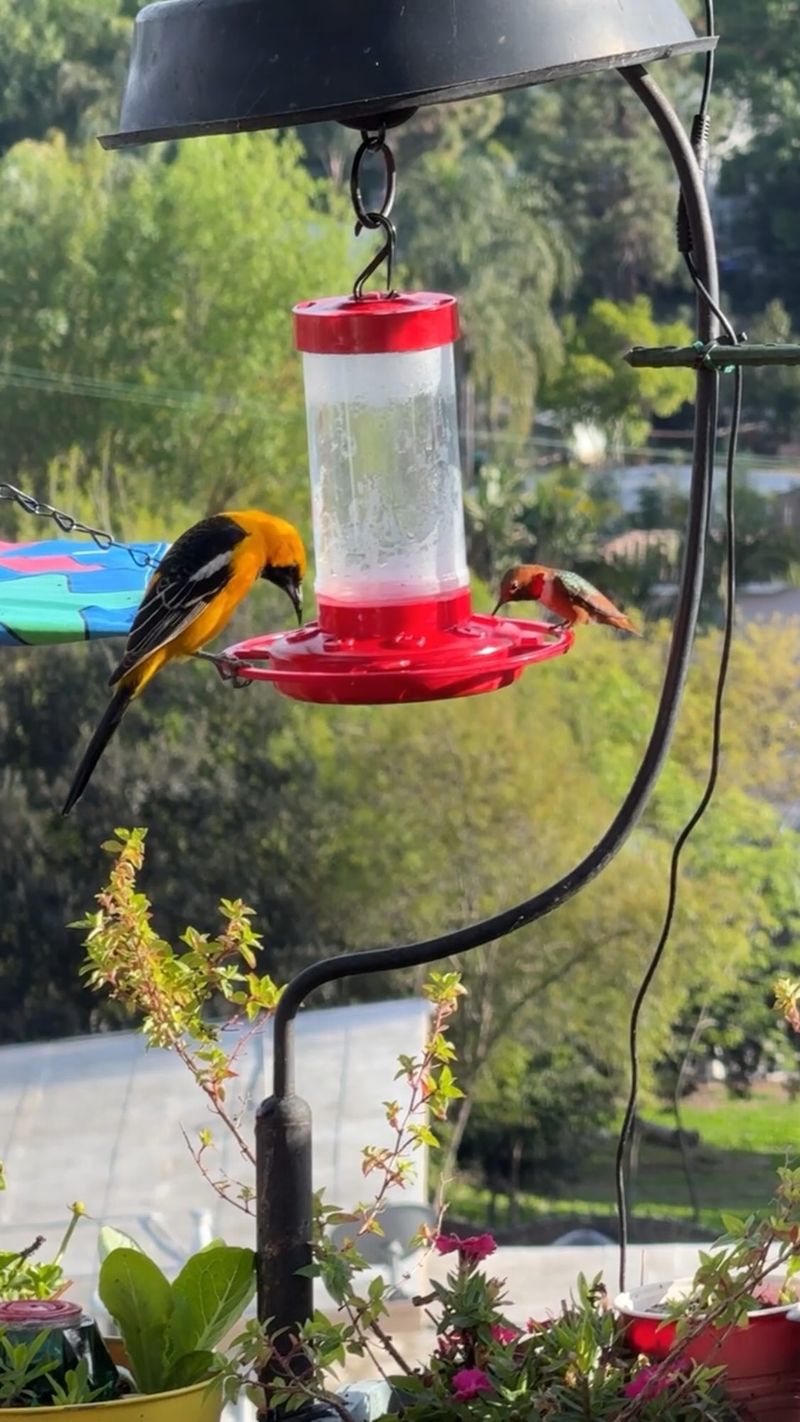
Hummingbirds are not known for sharing. When too many birds compete for too few ports, stress levels rise and weaker birds get pushed out entirely.
The single best fix is adding more feeders. Spreading resources across your yard breaks up the monopoly one dominant bird tries to hold over a single feeding spot.
Place feeders so they cannot all be seen from one perch. A territorial bird can only guard what it can see, so hiding feeders behind shrubs or around corners limits its control.
Perches near feeders give tired birds a place to rest between sips. Less hovering means less energy burned, which matters a lot during pre-migration feeding.
Planting native flowers nearby adds supplemental food sources and draws some birds away from the feeder. Trumpet vine, bee balm, and cardinal flower are all beloved by ruby-throated hummingbirds.
Keep feeders at different heights too. Some birds prefer feeding high up, while others stick closer to the ground. Vertical variety reduces direct competition at any single level.
Watch for one bird that seems to chase all others away constantly. That is your dominant bird, and moving the feeder slightly can break its usual routine enough to give others a chance.
A peaceful feeding station is a more productive one for everyone. Managing competition smartly ensures even shy or younger birds get enough fuel during peak feeding season.