The Wisconsin Lawn Job That Works Better Now Than In Spring
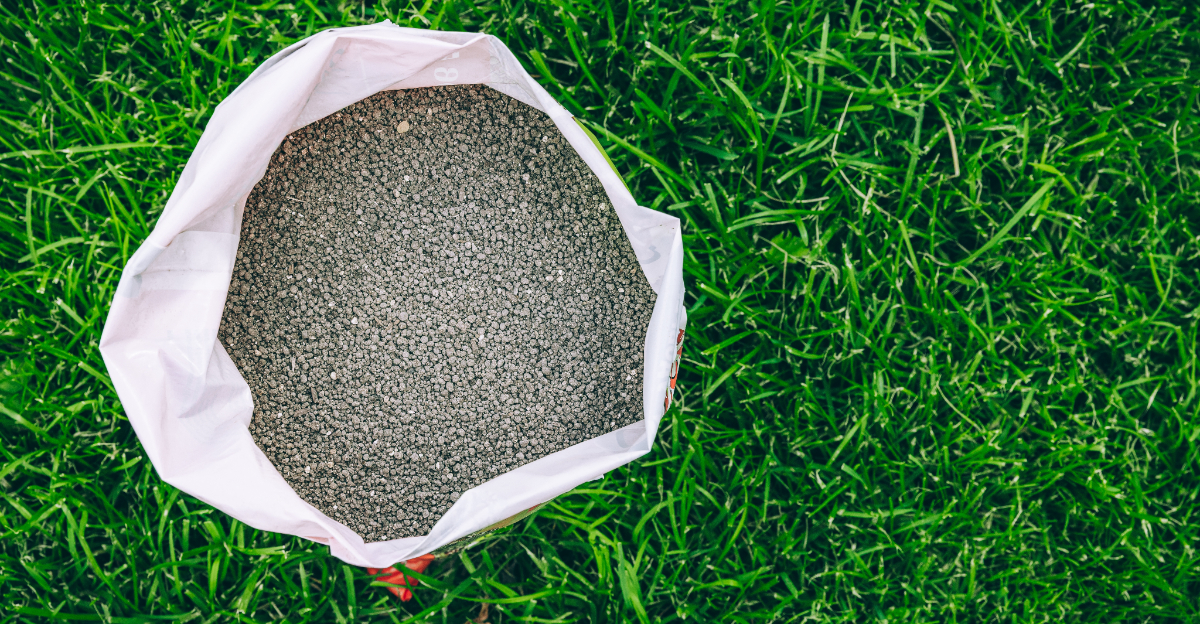
Wisconsin punishes your lawn the instant you skip fall preparation. Cold nights quietly force grassroots into decisions you never notice.Frost changes everything happening beneath your yard’s surface.
Roots keep absorbing nutrients while you assume growth already stopped completely. Energy banked underground right now decides how green spring looks. Nothing about this hidden process waits for your permission to continue.
One overlooked move reaches your lawn only after the real growth window closes. You chase visible results at exactly the wrong moment every year. Cooler air slows stubborn weeds while your roots work harder underground.
Your Wisconsin lawn quietly outperforms every neighboring yard treated only in spring. What happens next determines every season your lawn has left to thrive.
Nutrient Uptake Works Differently Once Temperatures Drop
Something quietly shifts underground the moment soil starts cooling. When ground temperatures drop below 60 degrees Fahrenheit, grass shifts into a unique biological mode.
Above ground, the blades slow their growth noticeably. Below the surface, roots keep working hard and absorbing nutrients at a surprisingly efficient rate.
That contrast is exactly why fall outperforms spring for feeding Wisconsin lawns. Your lawn looks like it is resting, but underground activity is still very much alive.
Nitrogen applied during this window goes straight to root storage. The plant banks that nutrient energy for a powerful green-up come spring.
Spring applications cannot replicate this effect because the grass is already growing fast and burning fuel quickly. Nutrients applied in warm soil get consumed immediately, leaving nothing in reserve.
Think of it like filling a gas tank before a long trip versus stopping every few miles. Fall feeding fills the tank completely before winter hits.
University of Wisconsin-Madison Extension specialists point to early September as the single most effective fertilizing window for Wisconsin lawns, since grass is still actively growing and can fully use the nutrients applied. Waiting too long into October, on the other hand, risks pushing soft new growth right before the first hard frost.
The grass species common in Wisconsin, like Kentucky bluegrass and tall fescue, are especially wired for this fall response. Their root systems are biologically programmed to store carbohydrates and nutrients before dormancy.
This nutrient shift is the first step toward a smarter lawn plan. Once you see the science, the old spring-first habit starts to feel like leaving money on the table.
Grass Roots Absorb Nutrients Differently This Time Of Year
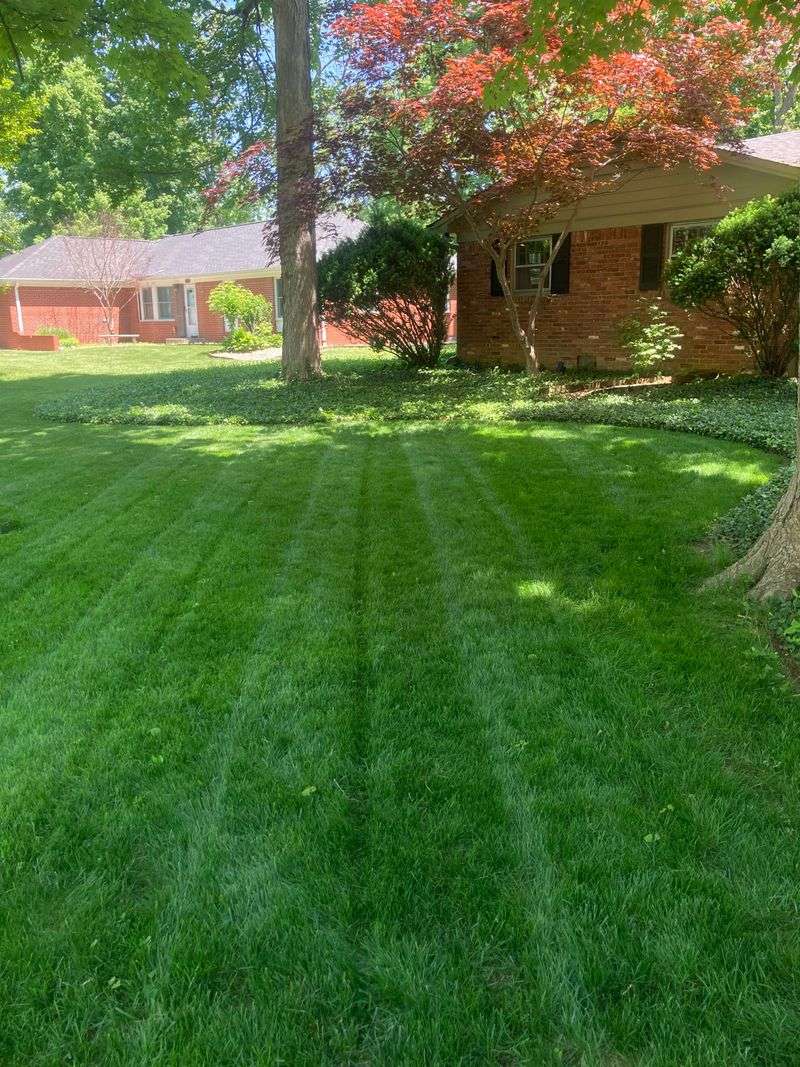
Something important is happening beneath the surface right now. While your lawn looks calm on top, the root zone is in full storage mode.
Cool-season grasses like bluegrass and ryegrass actually grow their roots most aggressively in fall. Soil temperatures between 50 and 65 degrees Fahrenheit trigger this underground push.
Phosphorus and potassium move into root tissue efficiently at these temperatures. The cell walls of grass roots become more permeable, pulling in minerals with less energy wasted.
Spring root systems are stretched thin because the plant is simultaneously pushing top growth. Nutrients get divided between blades and roots, reducing the overall efficiency of each application.
Your Wisconsin Garden Changes Every Week. Your Plan Should Too.
Gardening in Wisconsin changes quickly throughout the season. Every Friday you’ll receive a simple weekly plan showing exactly what to plant, prune, fertilize, harvest, and protect so you never miss the right timing.
Fall is different because blade growth slows way down. The plant redirects its full biological attention toward root development and carbohydrate storage.
Homeowners who apply a quality fertilizer now will notice thicker, darker turf next May. That green comeback is not luck; it is stored nutrition paying off exactly when you need it.
Wisconsin lawns face brutal winters that stress root systems deeply. A well-fed root zone in October is far more likely to survive freeze-thaw cycles without thinning out or developing bare patches.
Choosing a fertilizer with a higher potassium ratio supports this root-strengthening process. Potassium helps cells manage water pressure during freezing temperatures, acting like antifreeze for your grass.
Roots developed now carry your lawn through the harshest stretch of winter. Every bag of fertilizer you apply now is an investment that pays dividends all the way through next summer.
Spring Applications That Waste Half Their Value
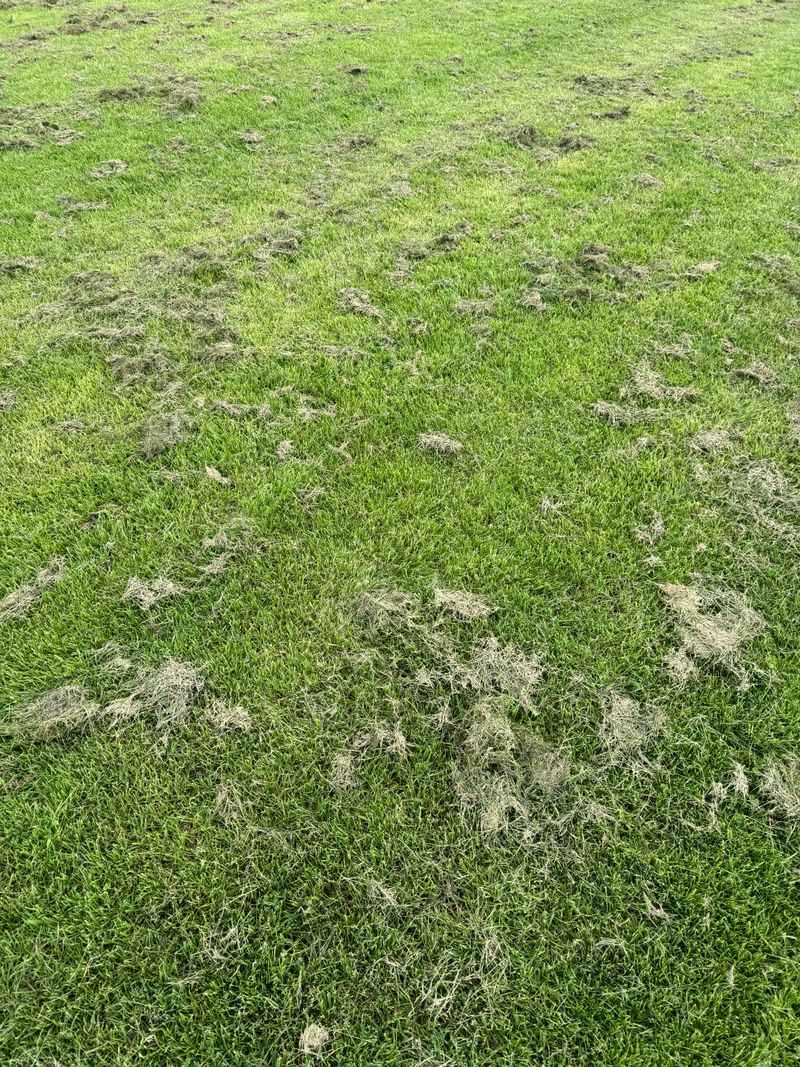
Spring fertilizing feels productive, but the timing works against you. Most of the nutrient value applied in March or April gets burned off before it can do lasting good.
When soil warms quickly after winter, cool-season grasses enter a rapid growth surge. They consume nitrogen almost as fast as you apply it, leaving no surplus for root storage.
Heavy spring nitrogen also triggers a problem called excessive top growth. Blades shoot up fast, requiring more mowing and pulling energy away from root development below.
That lush green flush in May looks great from the street. Behind the scenes, the root system is actually getting weaker because resources are being funneled upward instead of downward.
Rain events in Wisconsin spring are notoriously heavy and frequent. Fertilizer applied to wet or frozen ground runs off into storm drains before the grass ever absorbs a meaningful amount.
Leaching is another issue that hits spring applications hard. Nutrients move through sandy or loamy Wisconsin soils quickly when rainfall is consistent, pushing them below the root zone entirely.
Extension researchers have long noted that nitrogen applied to wet or rapidly growing spring turf is far more prone to leaching and runoff than nitrogen applied to slower-growing fall turf. A meaningful share of that spring investment simply never reaches the root zone.
Shifting even one application from spring to fall dramatically improves your return on investment. The grass is biologically ready to hold and use nutrients in cool conditions, not squander them.
Fewer homeowners realize how much this single change can improve results. Save that effort and money for the season when it actually sticks.
Weather Conditions That Make September The Sweet Spot
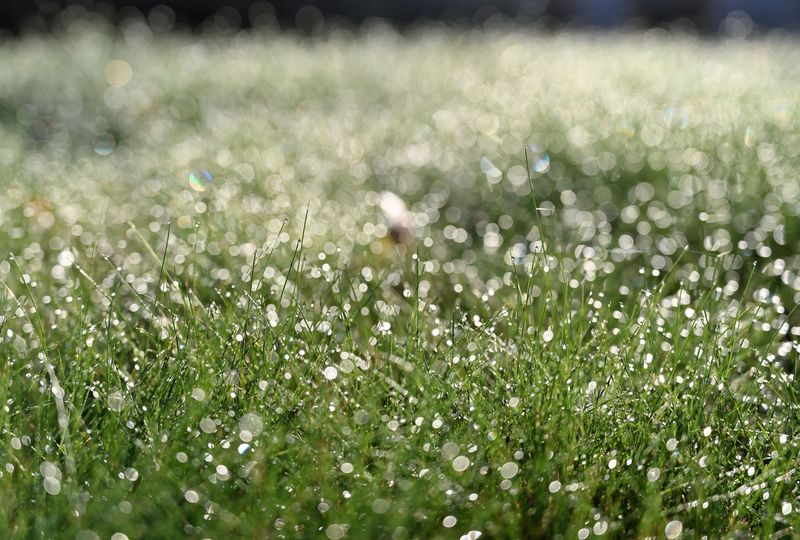
September in Wisconsin hits a near-perfect window for lawn care. Daytime highs hover between 60 and 75 degrees, and overnight lows drop just enough to cool the soil without freezing it.
This temperature range is exactly what cool-season grasses need to absorb and store nutrients efficiently. The grass is still actively growing, but it is not stressed by summer heat anymore.
Rainfall in September tends to be moderate and consistent across most of Wisconsin. That steady moisture helps fertilizer dissolve evenly and move into the root zone without pooling or running off.
Morning dew is common during this period, which keeps the soil surface moist between rain events. That consistent surface moisture reduces fertilizer burn risk significantly compared to dry summer conditions.
The sun angle drops in September, reducing evaporation rates from both soil and fertilizer granules. Nutrients stay in the active root zone longer, giving grass more time to absorb them fully.
Weed pressure also drops sharply in September across Wisconsin. Annual weeds like crabgrass are fading off, so your fertilizer feeds the turf instead of fueling competition from unwanted plants.
Soil biology is also highly active in September. Beneficial microbes that break down organic matter and release nutrients are working at peak efficiency in these cooler, moist conditions.
Early September carries most of these ideal conditions, with the window staying workable into early October in most of the state. Push it much later into October and you risk soft, succulent growth right before the ground hardens and winter sets in.
September lines up more of these conditions than any other month. Miss this window and you will spend next spring chasing results you could have locked in already.
Products And Techniques That Maximize This Window
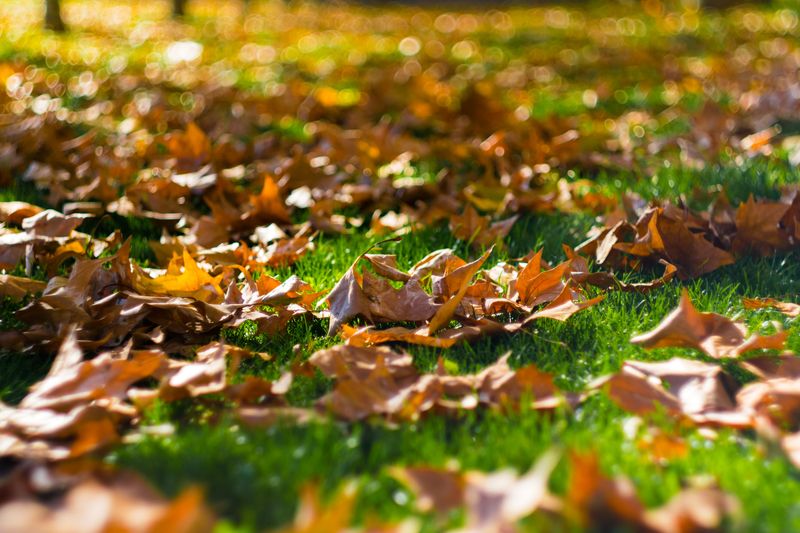
Choosing the right product makes a real difference in fall results. A slow-release nitrogen fertilizer with a ratio like 24-0-10 or 32-0-10 is well-suited for Wisconsin fall conditions.
Slow-release formulas break down gradually over six to eight weeks. That extended feeding schedule matches the pace at which cool-season grass roots absorb nutrients during the fall window.
Straight quick-release fertilizers can spike nitrogen levels too fast in cool soil. That burst can actually push unwanted late-season top growth that will not survive the first hard frost.
Broadcast spreaders give you the most even coverage across large lawn areas. Set the spreader to the manufacturer’s recommended rate and walk at a steady, consistent pace for uniform application.
Overlapping your spreader passes by about six inches prevents missed strips. Bare stripes of unfed grass show up clearly in spring, making precision during application worth the extra attention.
Water the lawn lightly after applying granular fertilizer if no rain is in the forecast. About a quarter inch of water activates the granules and starts moving nutrients toward the root zone.
Avoid applying fertilizer when the ground is already saturated. Waterlogged soil cannot absorb granules properly, and excess runoff carries nutrients into nearby waterways.
Soil testing before your fall application is a smart move that many homeowners skip. A basic test from your local extension office tells you exactly which nutrients are lacking so you buy only what the lawn actually needs.
Pairing the right product with careful technique changes what a fall application can achieve. Give your lawn what it needs now, and next spring will practically take care of itself.
When Fall Feeding Pays Off Come Spring
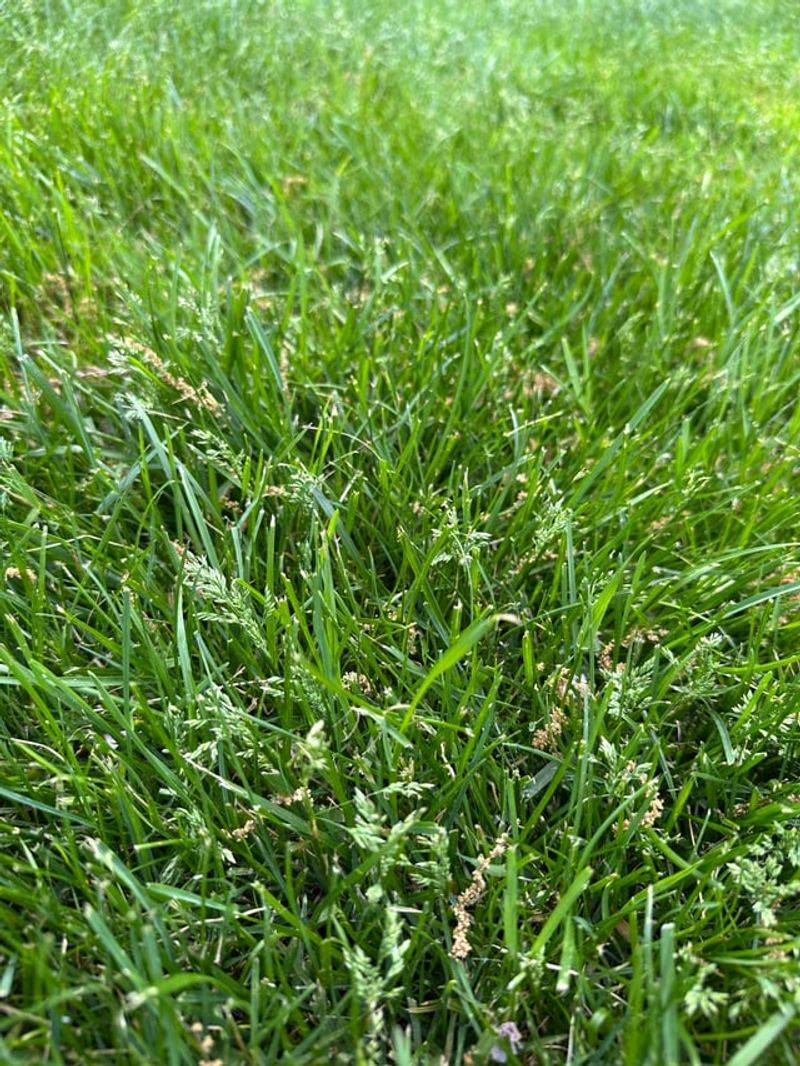
Patience is the hardest part of fall fertilization, since results stay hidden for months. Your lawn will not look noticeably different in October or November.
Underground, though, the payoff is already locked in. Roots that spent autumn storing carbohydrates and nutrients wake up in spring with reserves already banked.
That stored energy translates into faster green-up than lawns fed only in spring. While spring-only lawns are still recovering from winter stress, fall-fed lawns are already pushing thick, even growth.
Density is often the first visible difference homeowners notice. Thicker turf naturally crowds out early spring weeds before they get a foothold.
Color comes next, typically arriving one to two weeks earlier than untreated lawns. Darker green tends to hold longer into early summer as well, since the root system supporting it is stronger.
Consistency matters more than any single application. Lawns that receive fall fertilization every year tend to show cumulative improvement, with each season building on the last.
Skipping a single fall season will not ruin a lawn, but skipping several in a row often shows. Bare patches, thinning turf, and slower spring recovery tend to appear first in lawns that rely on spring feeding alone.
Wisconsin winters are demanding, and lawns that enter them well-fed handle the stress noticeably better. The work done now is what spring lawns are quietly built on.