California Groundcovers That Handle Dog Traffic Without Turning Into Bare Patches
A dog can turn one small corner of a California yard into a dirt track faster than most gardeners expect. The damage rarely happens everywhere.
One route beside the fence thins first. A favorite lookout spot loses its cover. The shortcut from the patio to the gate gets hammered until roots, soil, and paws are all competing for the same few inches.
That does not mean every green surface is doomed.
Some low-growing plants recover from moderate traffic far better than others, especially when their roots spread, their crowns stay low, or their growth can fill small gaps before bare soil takes over.
So which ones are actually worth planting? The answer changes with sun, irrigation, dog size, and how concentrated the traffic becomes. A plant that handles casual roaming may still fail on a daily sprint lane.
The smartest choices match the plant to the pressure.
Do that well, and those worn routes can stay planted longer without turning the backyard into a patchwork of dust and mud again.
1. Plant Clustered Field Sedge For Tough Paw Traffic
A worn route beside the gate needs something tougher than a delicate ornamental mat.
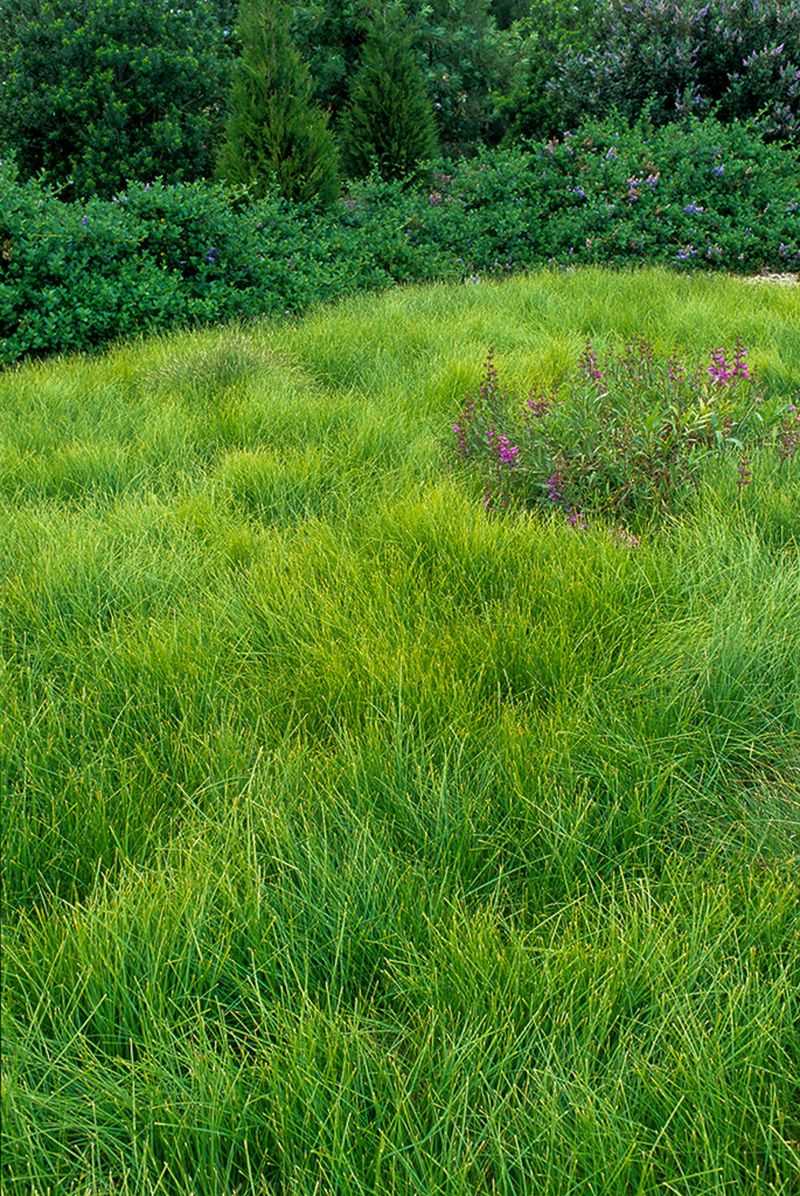
Clustered field sedge, Carex praegracilis, is one of the stronger California-native choices for that job.
UC Master Gardener guidance describes it as extremely durable under foot traffic, able to grow in full sun to partial shade, and suitable for mowing into a lawn-like surface.
That makes it useful where a dog crosses the same broad area regularly rather than hammering one six-inch track at full speed.
Give new plugs time to knit together before opening the area to normal use. Establishment matters because even a traffic-tolerant sedge can be pulled apart while roots are still shallow.
Once the stand thickens, occasional mowing can keep it lower and encourage a more turf-like appearance.
Water needs change with climate. Coastal plantings may stay greener with less summer irrigation, while hotter inland sites can brown with minimal water. Good drainage and realistic irrigation will keep recovery stronger after paw traffic.
Urine can still scorch concentrated spots. No sedge is immune to a dog returning to exactly the same patch every day.
For general roaming, though, this one has unusually good credentials. It spreads the pressure across a dense mat instead of surrendering immediately.
Give the dog a route, not a racetrack, and the sedge has a much better chance of keeping the soil covered.
2. Use UC Verde Buffalograss In Sunny Dog Areas
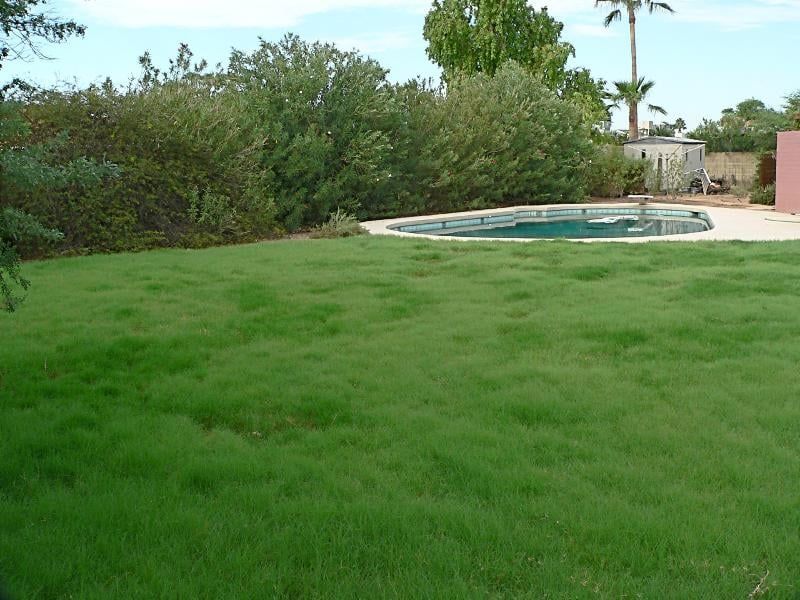
A sunny yard where paws move in every direction calls for a true turf-like plant.
UC Verde buffalograss fits that role better than most low-water groundcovers.
The cultivar was bred at UC Davis for California conditions, spreads by stolons, thrives in heat, and is listed by UC Master Gardeners as tolerant of foot traffic. It also uses far less water than a typical cool-season lawn once established.
Full sun is the important requirement.
Buffalograss performs poorly in substantial shade, so a dog run beneath mature trees is not the place to test it.
Your California Garden Changes Every Week. Your Plan Should Too.
Gardening in California changes quickly throughout the season. Every Friday you’ll receive a simple weekly plan showing exactly what to plant, prune, fertilize, harvest, and protect so you never miss the right timing.
Give it an open, warm site and establish plugs during active growth, then restrict hard play until they have spread into a connected surface.
Once established, the stolons help repair moderate wear during the warm season. That recovery ability is exactly what a dog yard needs when paws scuff the same general area repeatedly.
Winter appearance is the trade-off.
UC Verde is a warm-season grass and can turn tan during cold-weather dormancy, especially in frost-prone California locations. It greens again as warm conditions return.
Repeated urine in one favorite spot can still cause localized injury, and a narrow fence-running lane can outrun its repair speed.
Use it where the dog roams broadly across sunny ground.
That is where this grass gets to act like a lawn instead of being asked to repair the same runway every afternoon.
3. Choose Berkeley Sedge For Durable Dog Yards
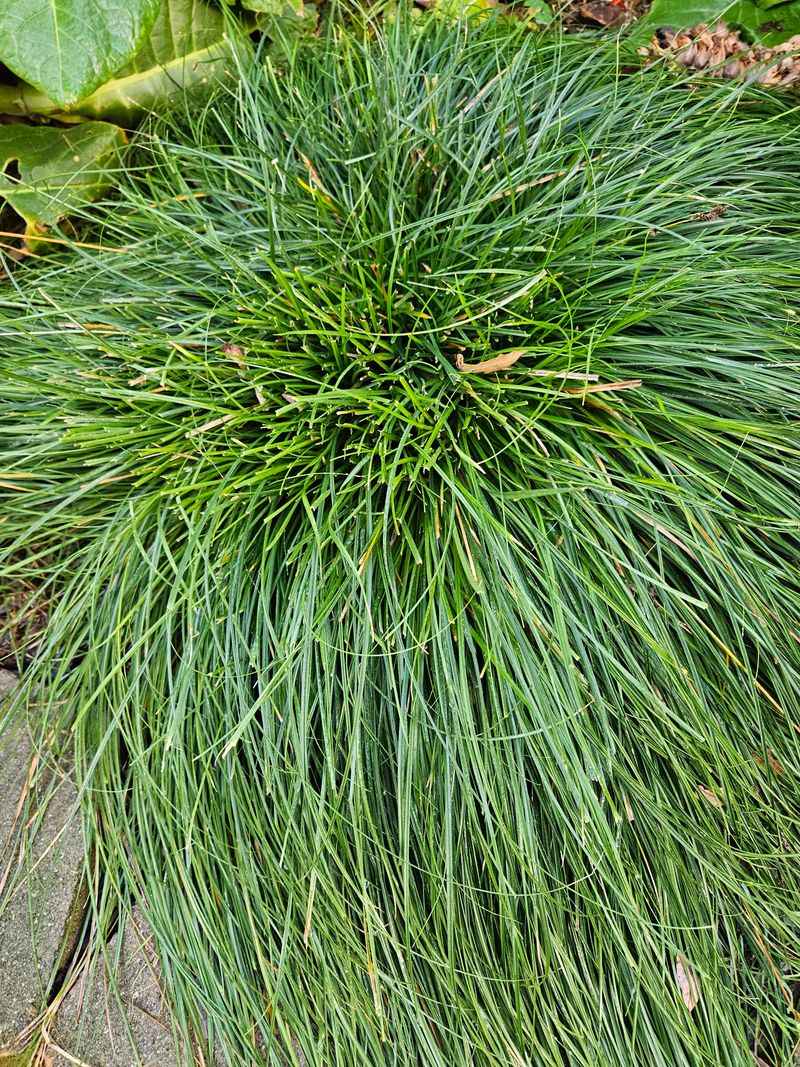
Shade changes the entire dog-yard equation.
Berkeley sedge, commonly sold as Carex divulsa, can create a soft, arching cover where conventional warm-season turf struggles.
UC Master Gardener material has specifically described it as useful in dog yards, with drought tolerance and adaptability from sun into partial shade.
There is one naming detail worth knowing before you buy it.
Carex divulsa is a European species, not a California native. It has often been confused in the nursery trade with the native foothill sedge, Carex tumulicola.
UC Master Gardeners have warned gardeners about that mix-up, so check the botanical name when native status matters to your planting plan.
For traffic, think moderate rather than indestructible.
A dog crossing the bed, lounging on it, or wandering over a broad area is much easier on the sedge than a large dog pivoting at the same gate every few minutes. Protect new plantings until the clumps fill and roots establish.
Keep the foliage from becoming a floppy hiding place by cutting it back when needed, and avoid packing the crowns into constantly wet soil.
This sedge earns its place where shade is the bigger challenge and traffic is spread out.
It can soften a dog yard beautifully.
Just do not ask an ornamental-looking sedge to perform like stadium turf on the same narrow sprint line every day.
4. Spread Dymondia Across Moderate Traffic Zones
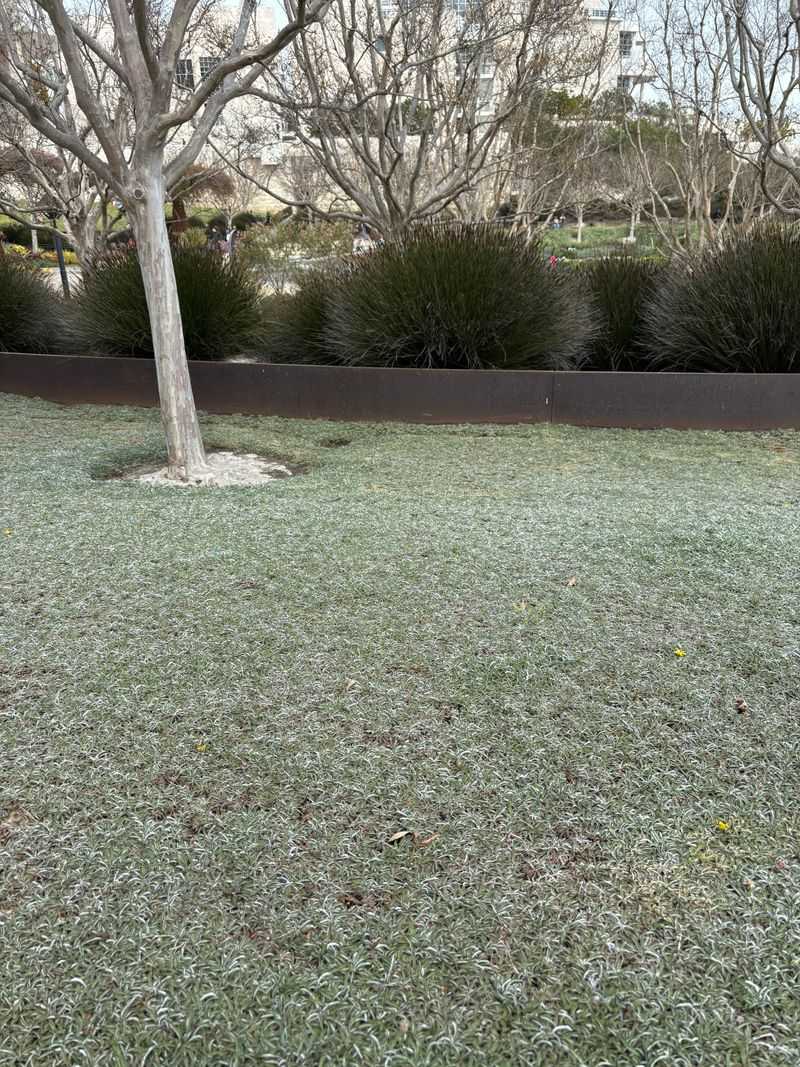
Not every paw-print zone needs to survive a daily charge from the back door.
Dymondia, or silver carpet, works better in the calmer spaces between those high-impact routes.
UC Master Gardener demonstration gardens describe it as a durable, evergreen, slow-spreading groundcover for walkable areas, with sun to light-shade tolerance.
That “walkable” description needs to stay in perspective around dogs.
Dymondia hugs the soil in a tight silver-green mat, but a large dog repeatedly launching across the same strip can tear or compact it faster than the plant spreads back.
Use it where paws cross occasionally, where a dog meanders, or beside stepping stones that absorb the hardest impacts.
Full sun and drainage are its strongest allies.
A soggy bed can thin the mat quickly, while a sunny, fast-draining site suits its low-growing habit. Once established, it can be quite water-conscious, making it attractive for California landscapes trying to reduce irrigation.
Give plugs time to merge before allowing regular traffic. Small gaps during establishment are much easier for paws to enlarge than a mature connected mat.
Repeated urine in one favorite location can still brown patches, so do not count on silver carpet to solve a dedicated bathroom spot.
Think of Dymondia as the polished part of the dog yard.
Let stones carry the sprinting.
Let the silver carpet handle the casual paws.
5. Mow Yarrow Into A Walkable Mat
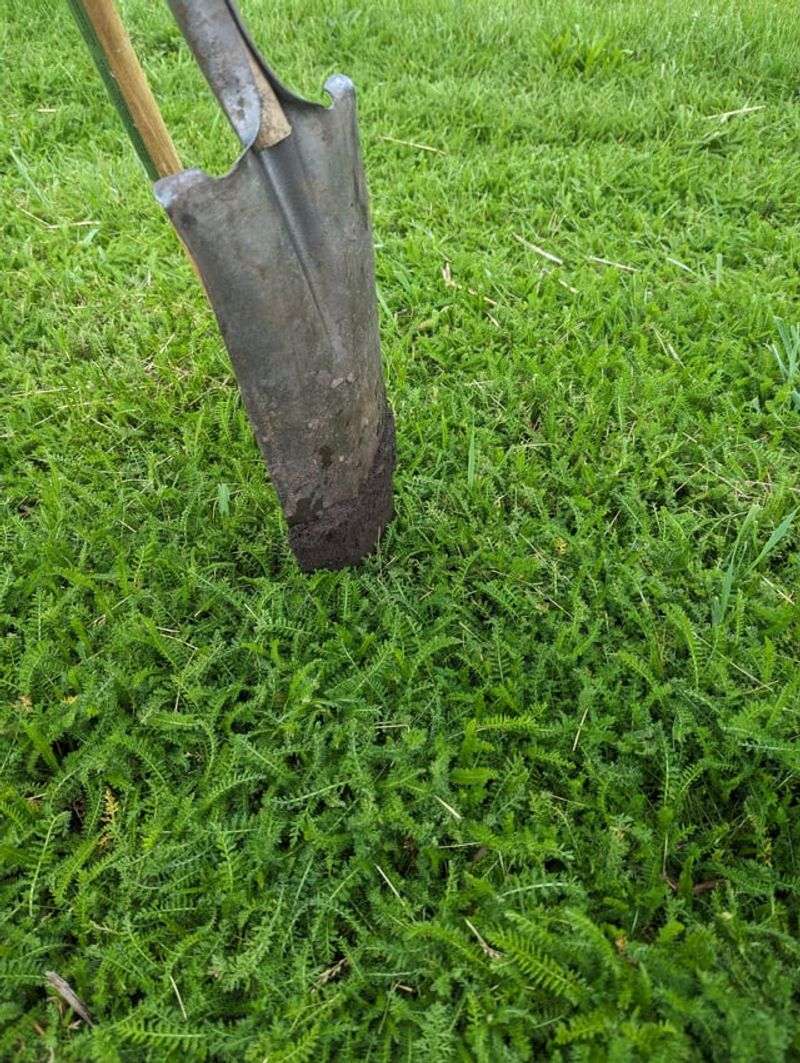
A dog-friendly lawn substitute needs more than drought tolerance. It needs to recover after somebody actually uses it.
Seashore bentgrass, Agrostis pallens, is a California-native option worth considering where you want a mowable surface rather than a decorative groundcover.
UC Master Gardeners list it as moderately tolerant of foot traffic and include native bentgrass among smooth lawn alternatives suitable for areas where kids and pets play.
That makes it a better dog-yard candidate than yarrow, which is sometimes promoted as a walkable lawn alternative but is listed by the ASPCA as toxic to dogs when ingested.
Give bentgrass sun to shade depending on local conditions and maintain enough summer moisture to keep the stand active.
In drier gardens it can move toward dormancy, while supplemental irrigation keeps it greener and better able to recover from wear.
Mowing can create a more familiar lawn texture, but keep the plant healthy rather than chasing an ultra-short cut. Dense leaf cover and established roots are what help it absorb moderate paw traffic.
Concentrated sprinting remains the limit.
A single dog wandering, playing, or crossing over a broad surface is far easier on the turf than repeated high-speed turns beside a fence.
For households with plant-chewing dogs, that safety distinction matters.
The best groundcover is not just one that survives the paws.
6. Use Yerba Buena For Light Paw Traffic
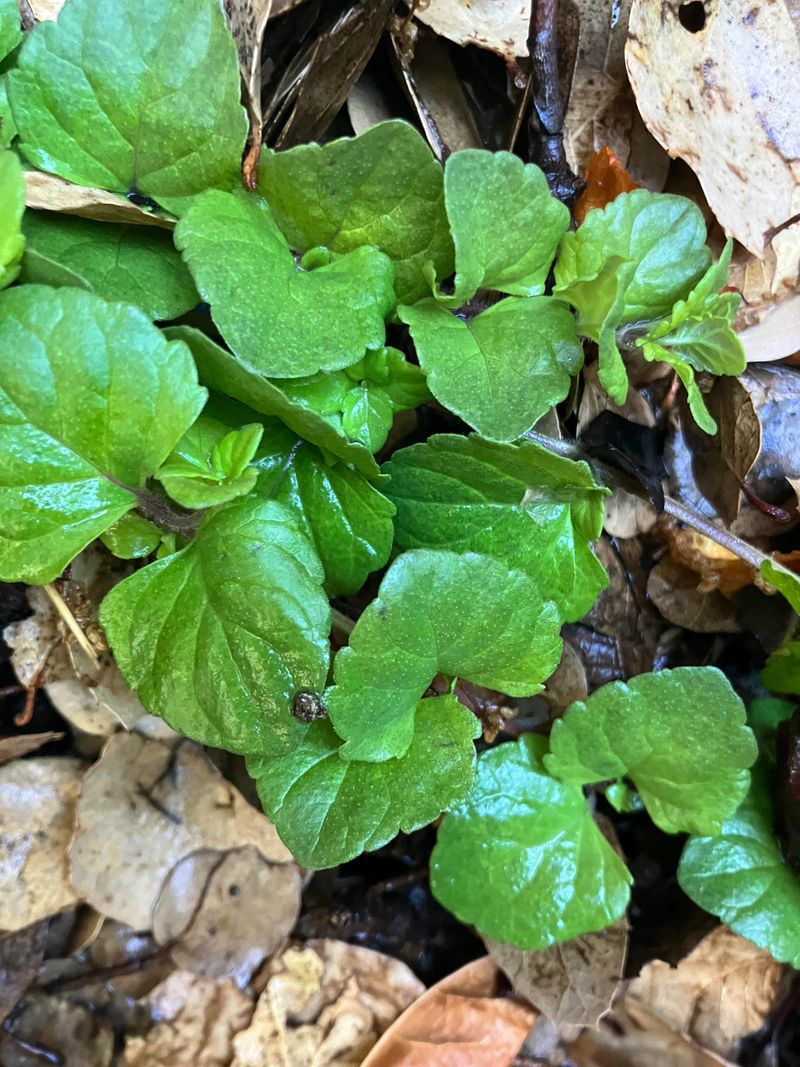
The quiet patch beneath a tree does not need the same armor as the path to the gate.
Yerba buena, Clinopodium douglasii, works best in those lighter-use areas. This California native creeps along the ground, roots as it spreads, and releases a minty fragrance when foliage is brushed.
UC Master Gardener guidance describes it as tolerant of light foot traffic, including occasional use by pets.
Light is the key word.
Do not put it directly in the dog’s favorite sprint lane and expect a permanent carpet. Repeated hard paw traffic can break stems faster than the plant can knit them back together.
Instead, use it beneath trees, along shaded borders, or in corners a dog crosses occasionally.
Its moisture needs vary across California. Near the coast it can stay lush with relatively light irrigation and fog influence. Hot inland gardens usually need more summer water, especially where shade still leaves the soil dry.
Give new plants time to spread before routine traffic begins. Once established, the creeping stems can fill small spaces and soften the transition between stepping stones or larger plantings.
The fragrance is an extra reward whenever paws or shoes brush the leaves.
Yerba buena is not the tough player on this list.
It is the specialist.
Put it where shade defeats tougher turf but dog pressure stays light, and it can cover ground that would otherwise remain bare without being asked to survive the backyard freeway.
7. Tuck Creeping Thyme Into Stepped Paths
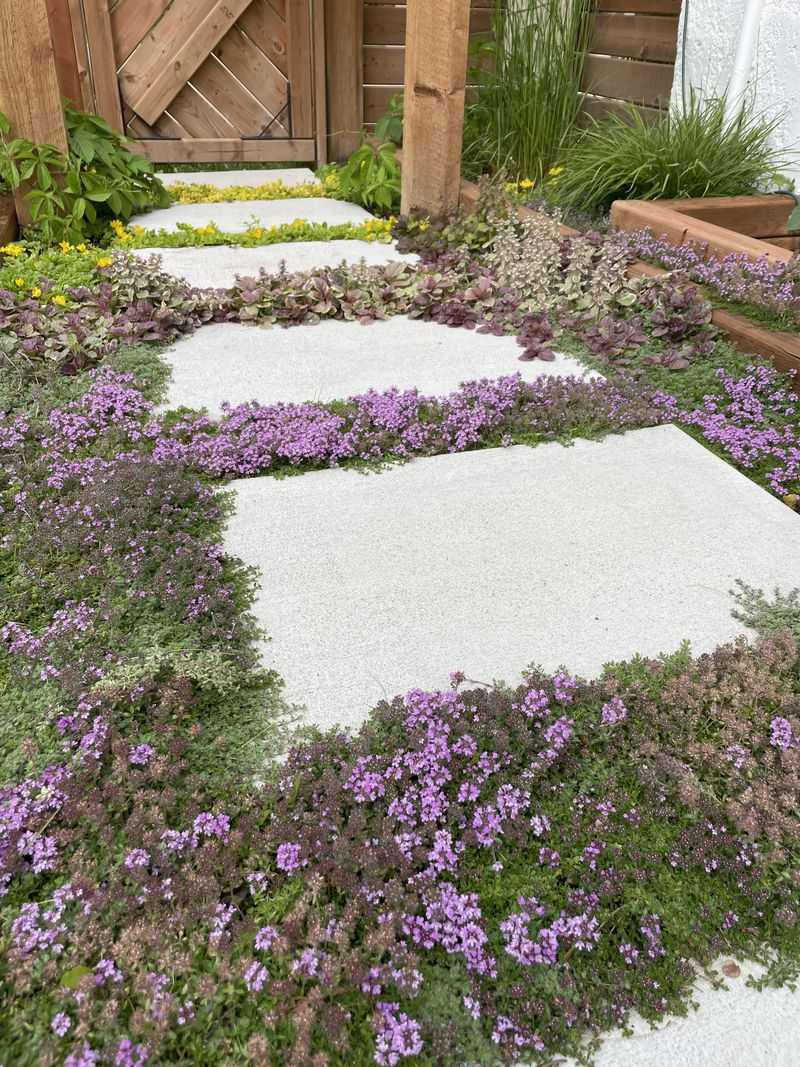
A stepping-stone path solves half the traffic problem before the plant goes in.
Creeping thyme works best when the stones carry the dog’s weight and the plant fills the joints around them.
UC Master Gardener lawn-alternative displays include low thyme types among walkable groundcovers for stone paths and low-traffic areas, which is a much more realistic use than replacing an entire dog run.
Choose a creeping form and give it full sun with excellent drainage.
Wet clay, heavy shade, and constant irrigation can thin thyme faster than paws do. In a dry California bed with gravelly or amended soil, the low stems can spread around pavers and release fragrance when lightly brushed.
Keep the gaps narrow enough that a normal stride lands on stone most of the time.
That design detail matters more than trying to find a mythical thyme that tolerates endless stomping. Large dogs making sharp turns will still break stems when their weight lands directly on the mat again and again.
Wild thyme, Thymus serpyllum, has no reported toxicity to dogs in the horticultural reference checked here, although letting a pet graze heavily on any unfamiliar garden plant is still unnecessary.
Repeated urine can brown individual sections too.
Use thyme as the soft material around durable hardscape rather than the hardscape itself.
The stones take the pounding.
The thyme gets to do what it does best: cover the seams and make every passing paw smell considerably better.