8 California Hedge Plants That Birds Love Almost As Much As Privacy
Some backyard hedges seem to rustle on their own. A closer look reveals plenty of feathered activity hidden among the leaves, from berry-tugging visitors to tiny residents scolding anyone who wanders near.
A well-chosen hedge can do two jobs at once. It blocks the view from next door while feeding and sheltering the wildlife that makes a yard feel alive.
Certain California plants excel at this double duty, thanks to a long shared history with the region’s birds.
Many handle dry summers once settled, saving both water and weekend chores.
A little thought about spacing, timing, and fire safety helps everything work together.
The right green wall can turn a quiet property line into the liveliest spot in the yard.
1. Toyon Berries Feed Birds All Winter
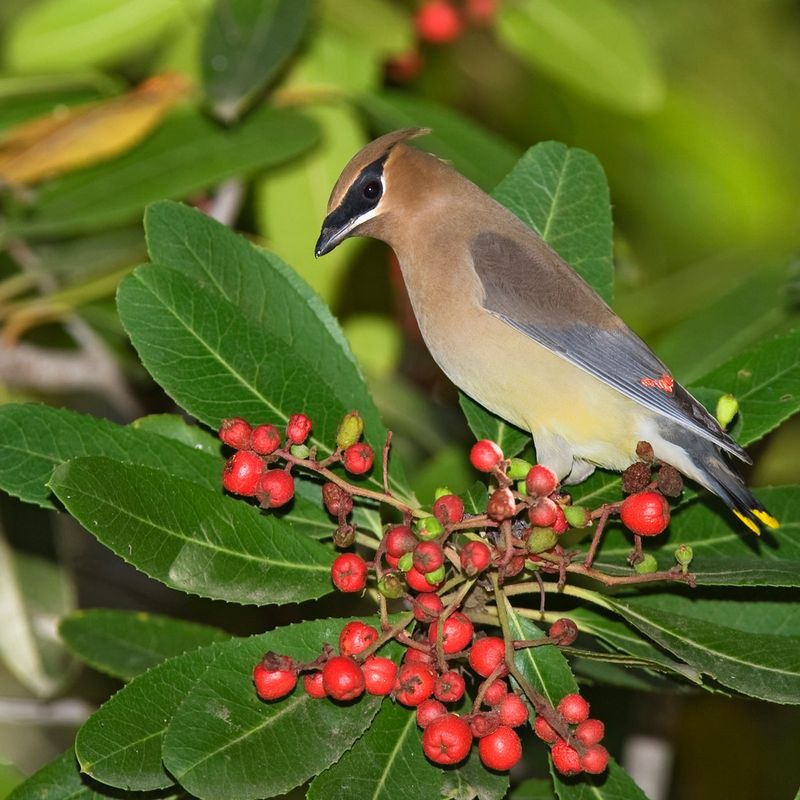
Bright red clusters in December can make a winter yard look dressed up for the holidays. Toyon, also called Christmas berry or California holly, puts on that show.
Its berries ripen in late fall and hang on into winter, just as other food runs low.
Birds certainly notice. Cedar waxwings, American robins, mockingbirds, and western bluebirds all feast on the fruit.
A flock of waxwings may strip a shrub in a single afternoon. Catching that moment makes a memorable sight.
Small white flowers in early summer draw bees and other pollinators, too. The shrub feeds wildlife across several seasons.
As a hedge, toyon works hard. It usually grows 6 to 15 feet tall and about as wide, with stiff, leathery, toothed leaves that stay green all year.
The branches grow thick enough to block a view and shelter birds from hawks and wind. That density makes it a natural refuge.
Toyon grows across much of California, from the coast to the foothills. Full sun to part shade suits it, and it tolerates clay and rocky soils.
Once established, it needs little summer water, often just a deep monthly soak in hot inland areas. Fall planting gives roots a strong start before the next dry season.
Shrubs spaced about 6 to 8 feet apart form a loose, natural screen. Light shaping in late winter keeps it tidy, while tight shearing removes the flowers and fruit birds depend on.
2. Coffeeberry Fruit Feeds Birds Through Fall
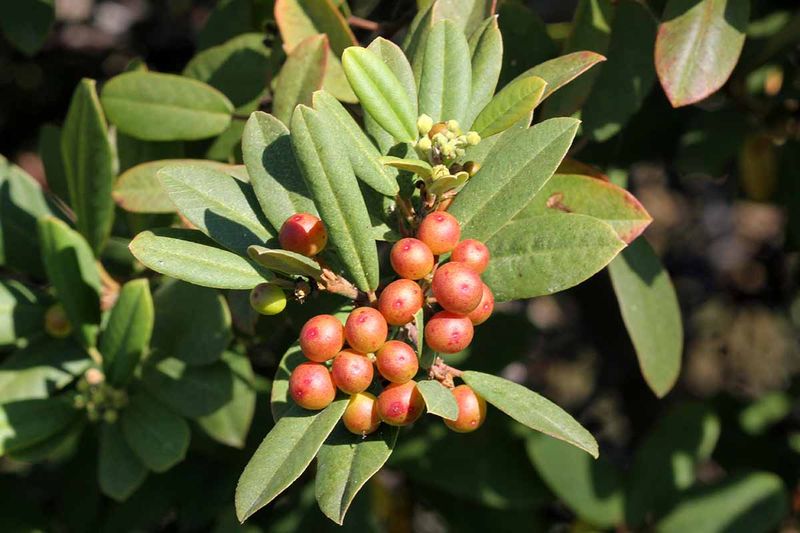
Green, then red, then glossy black. Coffeeberry fruit shifts color as it ripens, so a single branch can resemble a little stoplight for a few weeks.
The name comes from seeds that resemble coffee beans, though they aren’t meant for brewing. Birds have far better uses for them.
Ripe berries become a fall buffet. Thrushes, quail, mockingbirds, band-tailed pigeons, and thrashers all eat them.
Fruit ripens over a long stretch from late summer into fall, giving migrating birds a steady supply. Tiny spring flowers draw bees, too.
Size depends on the variety. Wild coffeeberry can reach 6 to 15 feet tall and wide, while popular selections like ‘Eve Case’ stay closer to 4 to 8 feet.
Smaller types such as ‘Mound San Bruno’ suit low hedges along paths or patios. That range offers options for nearly any yard.
Your California Garden Changes Every Week. Your Plan Should Too.
Gardening in California changes quickly throughout the season. Every Friday you’ll receive a simple weekly plan showing exactly what to plant, prune, fertilize, harvest, and protect so you never miss the right timing.
Few natives forgive as much. Coffeeberry handles sun or part shade, clay or sandy soil, and coastal or inland gardens.
After the first couple of years, occasional deep summer watering suffices, and a little shade helps in hot valleys. The plant often looks its best with that protection.
Plants spaced about 4 to 6 feet apart form a dense screen. Smooth, rich green leaves take light trimming well, so the hedge can look neat near an entry or relaxed at the back of a property.
Light pruning after fruiting keeps both gardener and birds happy.
3. Pacific Wax Myrtle Offers Waxy Berries And Cover
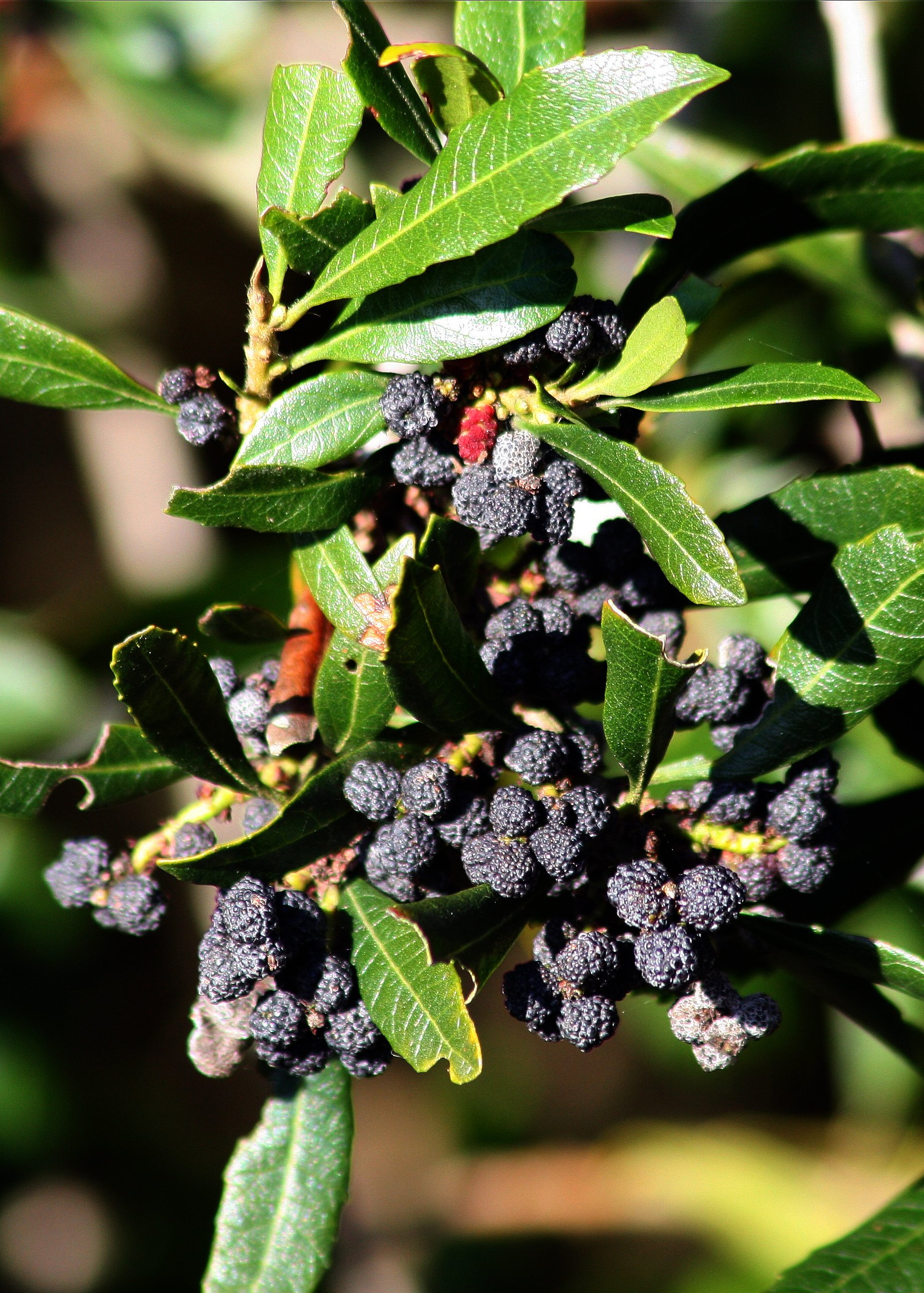
Foggy coastal mornings suit Pacific wax myrtle perfectly. A tall wall of narrow, glossy leaves releases a faintly spicy scent when brushed, and small purple berries coated in whitish wax hide along the stems.
That waxy coating serves as a special snack. Yellow-rumped warblers can digest the wax, and they flock to wax myrtle in fall and winter.
Chickadees, bushtits, towhees, and other songbirds use the thick branches for cover and nesting. The hedge doubles as a busy bird hotel.
Berries persist for weeks, so the plant keeps feeding birds after other fall fruit fades. That staying power matters through the cooler months.
Wax myrtle grows upright and full, usually 10 to 20 feet tall and sometimes taller with age. It ranks among the best native choices for a tall privacy screen.
It can stay natural or take shearing into a formal hedge, much like many non-native shrubs. That flexibility suits many design styles.
Water marks the main trade-off. Unlike many drought-tolerant natives, this shrub needs regular summer moisture, especially away from the coast.
It grows best in coastal Northern and Central California with sun to part shade. Inland gardens call for weekly deep summer watering and some afternoon shade.
Plants spaced about 5 to 8 feet apart form a solid screen, and mulch keeps roots cool. Heavy shearing works best in late summer, after nesting season wraps up.
4. Catalina Cherry Gives Fruit And Dense Shelter
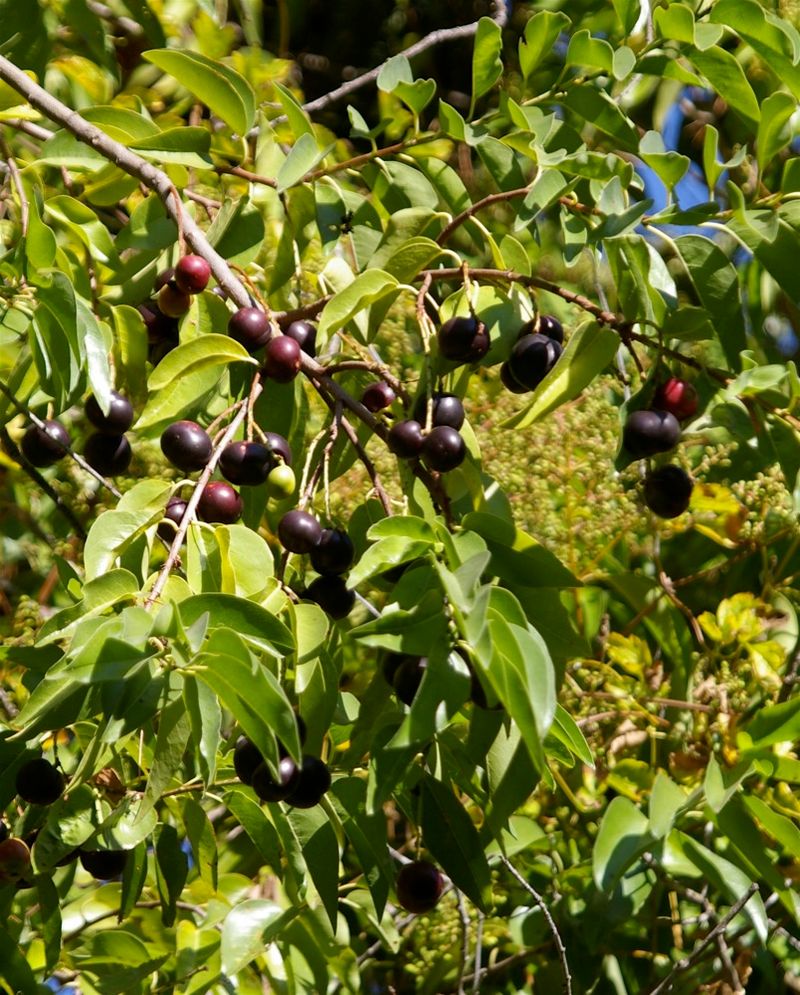
Blocking a two-story neighbor takes real height. This Channel Islands native can grow into a small tree 15 to 30 feet tall, making it one of the tallest natural hedges on this list.
Catalina cherry carries shiny, dark green leaves, often wavy with small teeth, a bit like holly. New growth arrives with a bronze tint.
Spring brings creamy white flower spikes that cover the plant and buzz with bees. The display looks striking up close.
By late summer, flowers turn into dark purple to nearly black cherries. Band-tailed pigeons, scrub jays, mockingbirds, and thrushes gobble them up.
The fruit is edible for people, too, though mostly pit with a thin layer of pulp. Birds clearly get the better deal.
A thick canopy also gives birds a cool, safe place to perch. Shelter matters as much as food during hot summers.
Full sun to part shade and well-drained soil suit this shrub best. It handles heat and drought once settled, needing only occasional deep summer watering.
It thrives across coastal and inland Southern California, plus warmer parts of Central California. Fall planting helps roots settle before the dry season.
Fallen fruit can get messy, so patios and driveways make poor spots beneath it. Plants spaced 8 to 10 feet apart form a hedge.
Since seeds sprout readily, volunteer seedlings may appear for pulling or sharing with friends.
5. Evergreen Huckleberry Adds Berries And Glossy Leaves
Shady corners under tall trees often leave gardeners stumped. This shrub thrives in exactly those spots when conditions line up.
In the wild, it grows in the cool, damp forests of the North Coast, often near redwoods and Douglas firs.
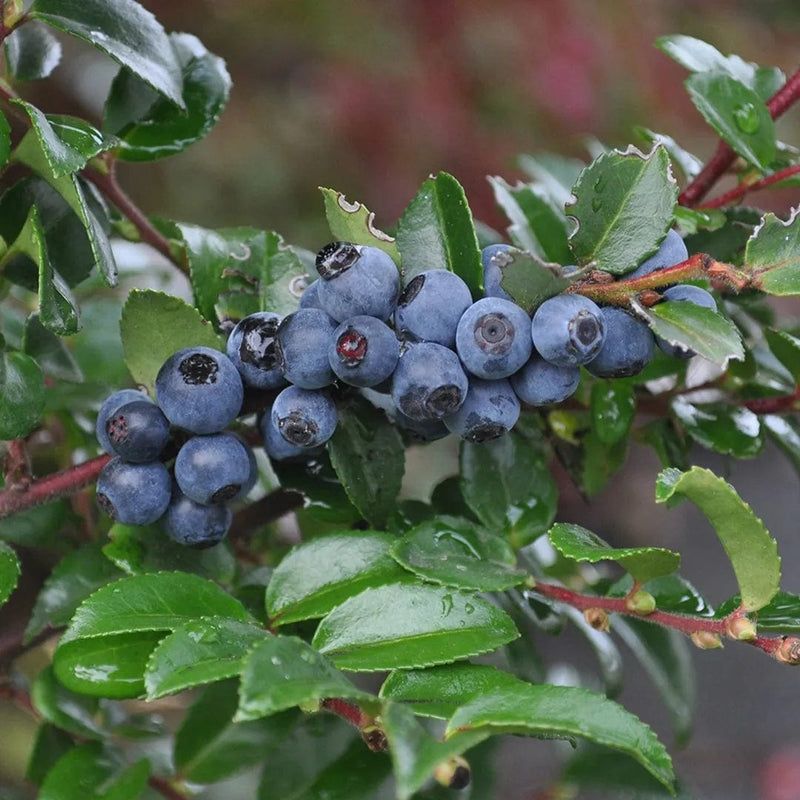
Small, glossy leaves line the stems in neat rows. New growth arrives in a pretty coppery red.
Tiny pink bell-shaped flowers appear in spring. By late summer and fall, the plant produces shiny blue-black berries.
Those berries taste sweet to people, and birds agree. Thrushes, grosbeaks, towhees, and quail all eat them.
Dense, twiggy branches offer good cover for small birds that like to stay hidden. Gardeners hoping for a harvest may need to share, since birds tend to wake up earlier.
Site selection matters most. Evergreen huckleberry wants acidic soil rich in organic matter, steady moisture, and shade or part shade.
It does best in cool coastal areas and struggles in hot inland gardens or heavy alkaline soil. Mulch made from pine needles or leaf litter helps keep roots happy.
Growth runs slow, usually reaching 3 to 8 feet tall in gardens, though deep shade can push it taller. Plants spaced 3 to 4 feet apart form a low to medium hedge.
Light trimming keeps it compact, and the cut branches look lovely in flower arrangements. Florists often prize this foliage for its long-lasting shine.
6. Lemonade Berry Fruit Feeds Coastal Birds
Ocean wind, salty air, and poor sandy soil would wreck plenty of hedges. This tough shrub barely notices, growing wild on coastal bluffs and canyons across Southern California.
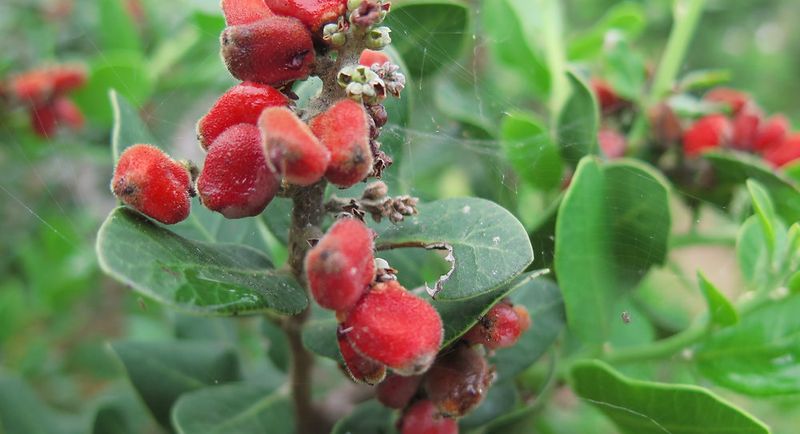
Its fruit explains the name. Small, flat, reddish berries ripen in late spring and summer, coated in a sticky, sour layer.
Native peoples soaked them in water to make a tart drink. A quick taste of the coating still delivers a little lemony zing.
Birds enjoy the fruit, too. Towhees, thrashers, mockingbirds, and wrentits eat the berries, while quail forage beneath the branches.
Thick, leathery leaves and a dense, rounded form create solid shelter for nesting and resting. Hummingbirds and bees visit the pink flowers that open in late winter and spring.
Lemonade berry usually grows 3 to 10 feet tall and spreads even wider. It works well as a broad, informal hedge or bank cover.
Full sun, good drainage, and very little summer water once established keep it thriving. Too much summer irrigation can cause root rot.
Climate sets the biggest limit. This shrub does best in mild, nearly frost-free coastal areas, especially Southern California, and hard freezes can damage it.
Plants spaced about 6 to 8 feet apart have room to spread naturally. A wide planting area works far better than a narrow strip, and fall planting gives roots a head start before warm weather returns.
7. Sugar Bush Berries Feed Hungry Birds
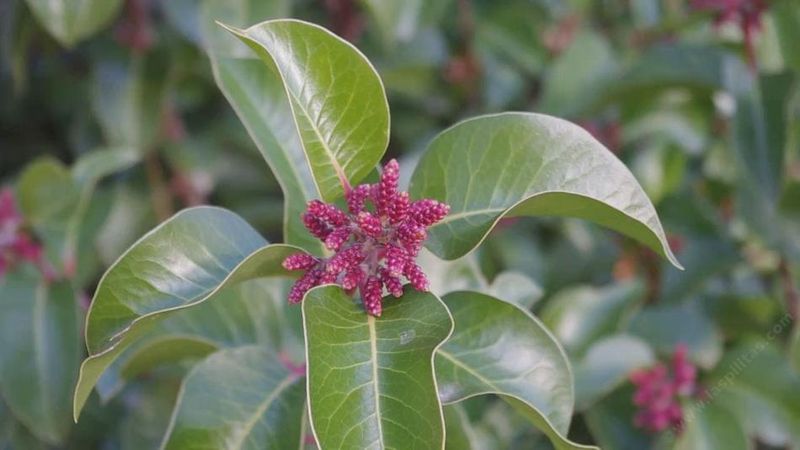
A close cousin of lemonade berry, this shrub trades sour for sweet in its name. The two look alike at a glance, though sugar bush carries larger, folded, leathery leaves that often point upward like a taco shell.
Reddish stems add a warm touch to all that green. The contrast stands out nicely in a sunny hedge.
Spring brings clusters of pink to white flowers that bees adore. Later, small reddish berries form with a sticky, sugary coating.
Mockingbirds, thrashers, towhees, and jays eat the fruit. Like its cousin, the dense branches offer shelter from predators and summer heat.
Sugar bush grows naturally in the chaparral and foothills of Southern California. It typically reaches 6 to 15 feet tall and wide, forming a rounded, full shape.
That bulk makes it handy for screening a large yard or slope. Few natives fill space so generously.
Frost marks its weak point. Mild winters suit it best, and hard freezes can cause damage, so Southern California and frost-free inland valleys make the ideal home.
Cold northern or mountain gardens do better with another choice. Once established, sugar bush wants almost no summer water, and overwatering heavy soil can lead to root disease.
Fast-draining ground and full sun keep it dense and healthy. Plants spaced 8 to 10 feet apart, shaped lightly after flowering rather than sheared hard, keep more berries on the branches for birds.
8. California Wild Rose Hips Feed Birds In Winter
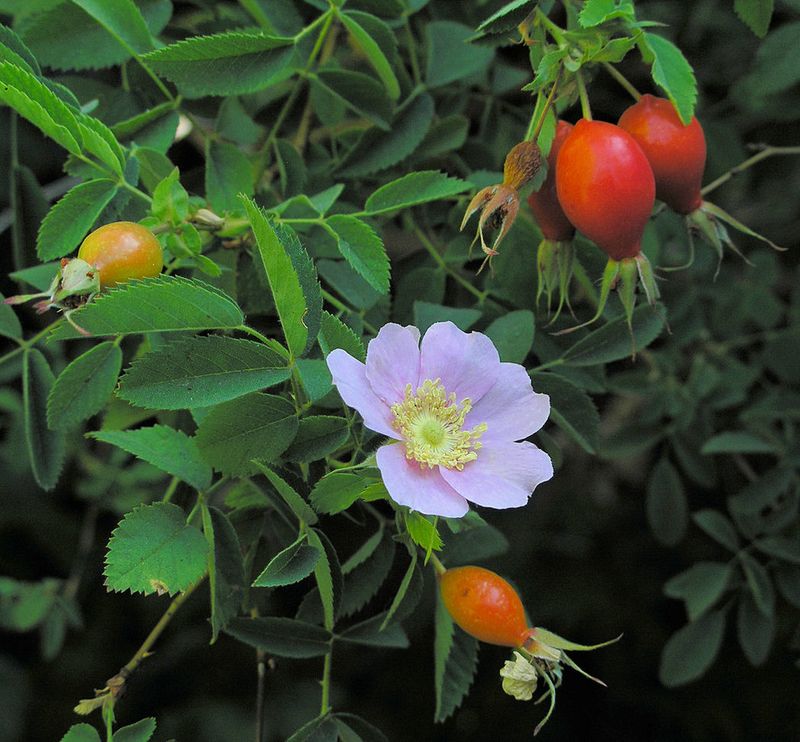
Thorny stems might not sound friendly, but small birds see them as a fortress. California wild rose grows into a spreading thicket that keeps cats and hawks at a distance.
Song sparrows, towhees, and wrens often tuck nests deep inside. The prickly tangle offers protection few plants can match.
In spring and early summer, simple pink flowers bloom with a sweet scent that draws bees. By fall, the blossoms turn into round red hips.
Those hips cling to bare stems through winter, feeding thrushes, waxwings, quail, and other birds when food grows scarce. October marks the start of that long buffet.
Its roaming habit deserves planning. California wild rose spreads by underground runners and forms colonies, usually 3 to 6 feet tall.
A back fence or a slope where it can fill in makes an ideal home. A root barrier or mowed edge helps keep it in bounds.
The plant grows in sun or part shade and handles many soil types. Occasional summer water keeps it fuller, though it tolerates dry spells.
Leaves drop in winter, so pairing it with evergreen shrubs maintains year-round privacy. The combination layers food, shelter, and screening nicely.
Pruning timing matters for every hedge on this list. California nesting season generally runs from about February through August.
Active nests enjoy protection under the federal Migratory Bird Treaty Act, so major cuts work best in fall. In fire-prone areas, hedges are best kept well spaced and away from the house.