How To Tell When Your Georgia Figs Are Perfectly Sweet And Ready To Pick
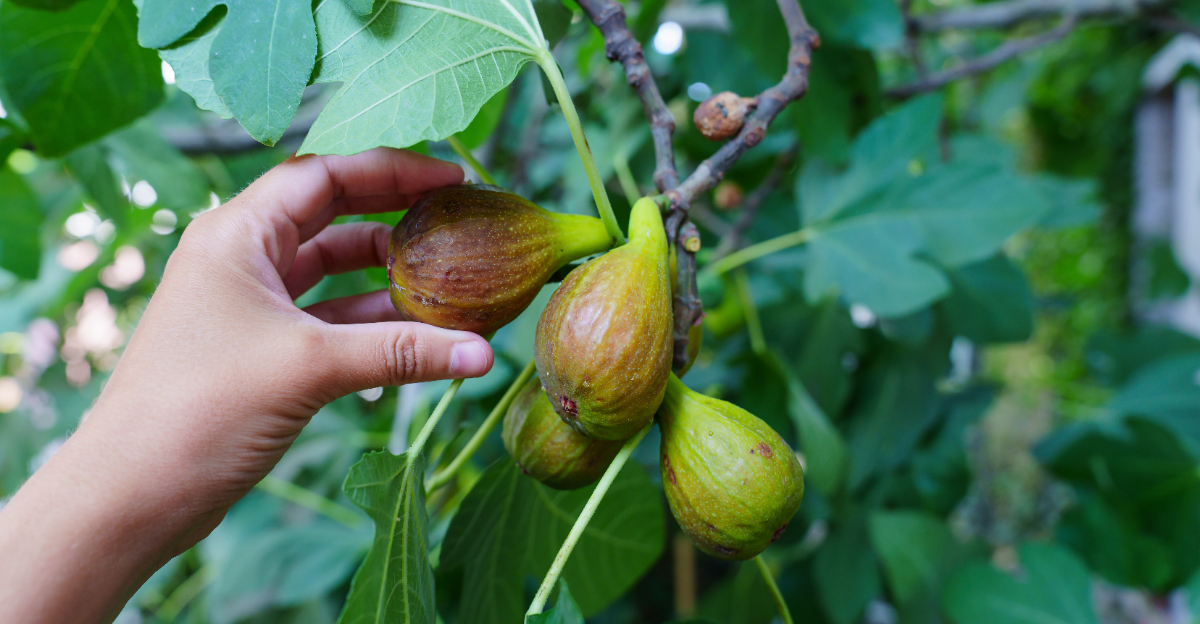
Something in the backyard smells like warm jam by mid-July, and it is not the neighbor’s kitchen. That honeyed drift on humid air is a signal, and it means the clock has started.
Timing the harvest is where most Georgia gardeners stumble. Pick too soon and you get a bland, rubbery bite that tastes like wet grass.
Wait one day too long and the birds, beetles, and yellow jackets throw a party without you. The window is narrow, but the fruit hands out plenty of clues.
Read those clues well and every basket comes in syrupy and sun-warmed. Here is what to look for, feel for, and sniff out.
Watch For The Neck To Bend And Droop
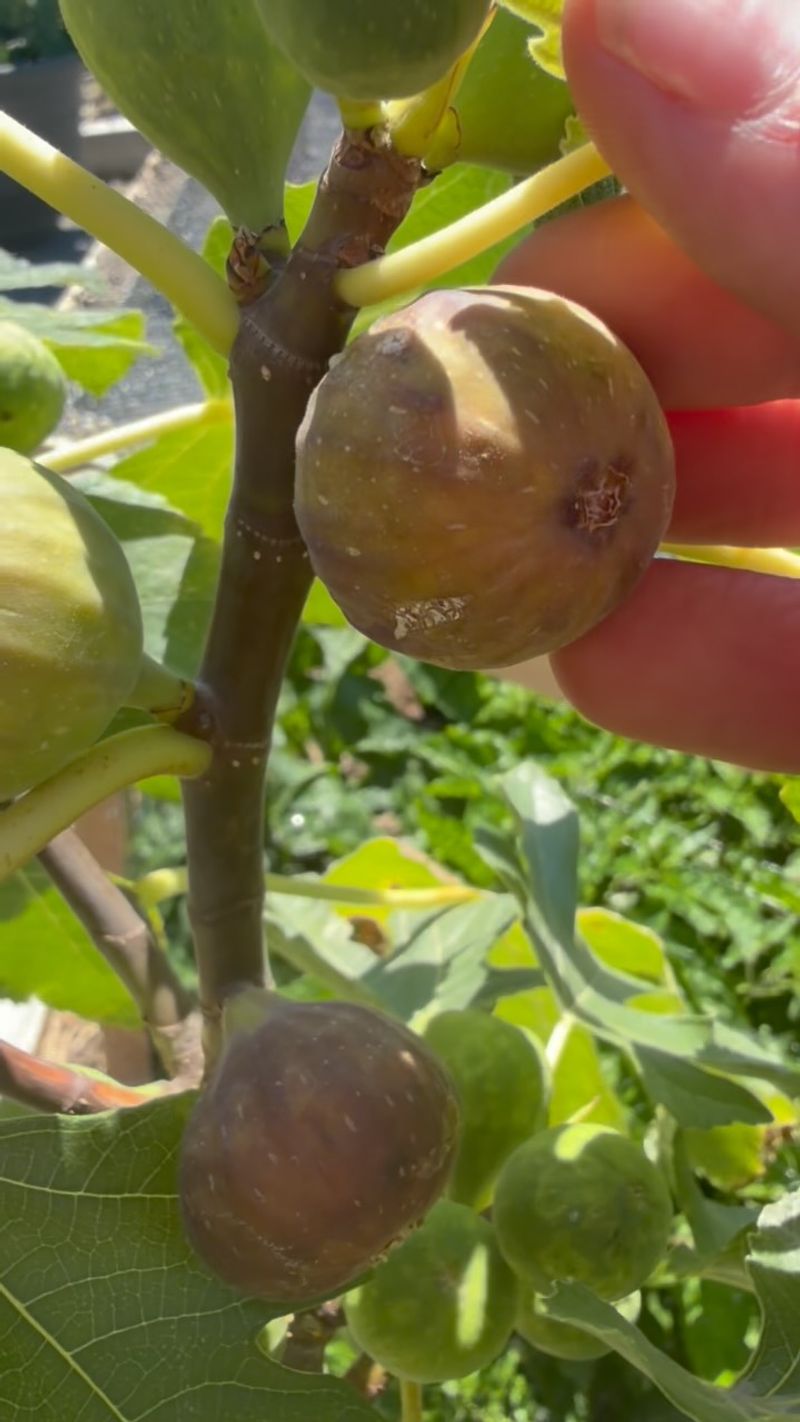
Every fig grower in the Southeast learns to read body language, and the neck of the fruit tells the first story. A fig that sticks straight out from the branch like a stubby green thumb still has sugar to build.
Once it softens inside, gravity takes over and the neck bends until the fig hangs down. That droop happens because the flesh fills with sugary syrup and the little stem loses its stiffness.
In Georgia heat, the change can happen fast, sometimes within a single afternoon of upper-nineties sunshine. Walk your tree in the morning and again before supper during peak season.
Hanging fruit is also easier to spot from below, which helps on older Celeste or Brown Turkey trees that grow taller than your ladder. Stand under the canopy, look up, and scan for the silhouettes that point at the ground.
One caution: a droopy neck paired with hard, rubbery flesh usually means the tree is stressed from drought. Deep watering, about an inch a week during dry July stretches, keeps ripening on track.
Mulch with pine straw to hold that moisture in sandy Coastal Plain soil, and steady water keeps necks from bending too early. Old-timers around Macon call a properly bent fig a nodding fig, and the name fits.
Give the branch a light shake and watch which fruits swing loosely versus which sit rigid. The loose ones are talking to you, and they want a bowl.
Feel The Fruit For A Soft Squeeze
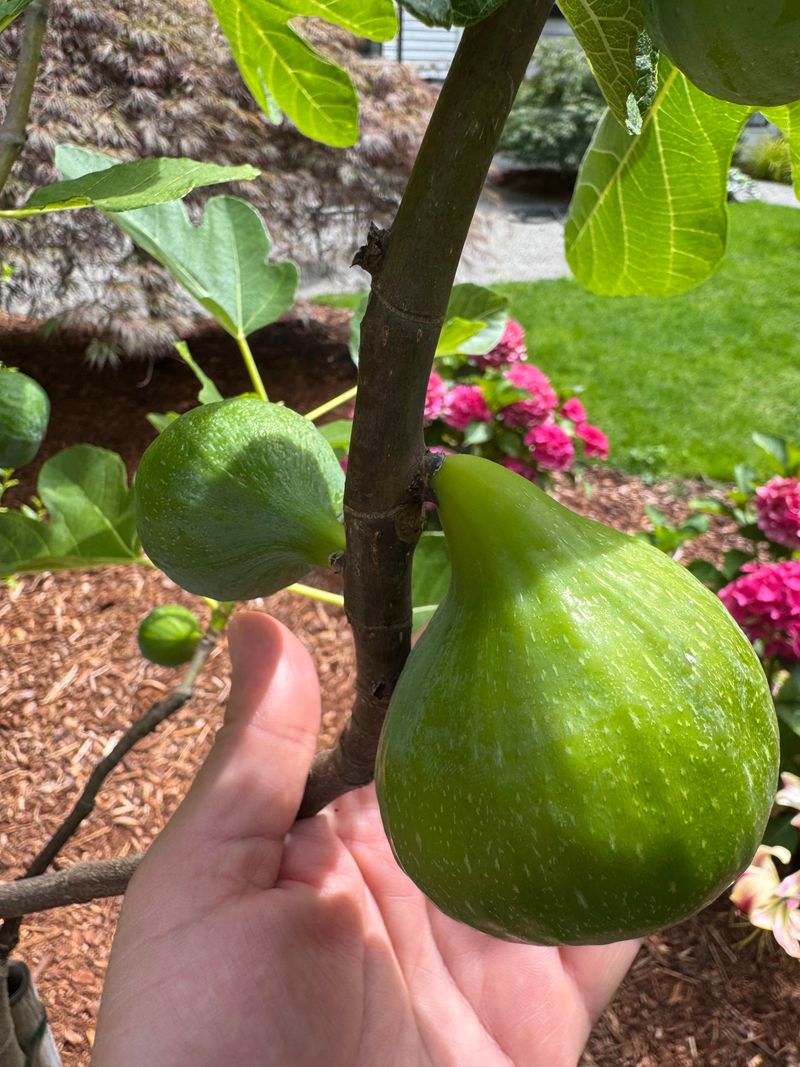
Ripeness lives in your fingertips more than your eyes, at least once you have picked a few dozen. A firm fig resists like a green tomato, while a ready one gives the way a ripe peach does under a soft thumb.
Use the pads of two fingers and press gently near the middle of the fruit. You want a slight cushion, a hint of squish, with the skin springing back a little.
Mushy spots, weeping juice, or a fruit that collapses mean you waited a day too long. Those overripe figs still work fine for jam or the freezer, so do not toss them out.
Latex sap deserves respect here, since green figs leak a milky liquid that itches sensitive skin. Long sleeves and thin garden gloves solve that problem during a long picking session in August humidity.
Your Georgia Garden Changes Every Week. Your Plan Should Too.
Gardening in Georgia changes quickly throughout the season. Every Friday you’ll receive a simple weekly plan showing exactly what to plant, prune, fertilize, harvest, and protect so you never miss the right timing.
Georgia growers often note that Celeste feels smaller and denser than Brown Turkey, so calibrate your touch for each variety. Pick one test fig from every tree early in the season, taste it, and remember how it felt in your hand.
That memory becomes your ruler for the rest of the harvest. Handle each fig like an egg, because bruises turn into sour spots within hours in warm weather.
Lay them in a single layer in a shallow basket instead of stacking them in a five-gallon bucket. Your fingers will know the difference long before your eyes catch up.
Look For A Deep, Even Color Change
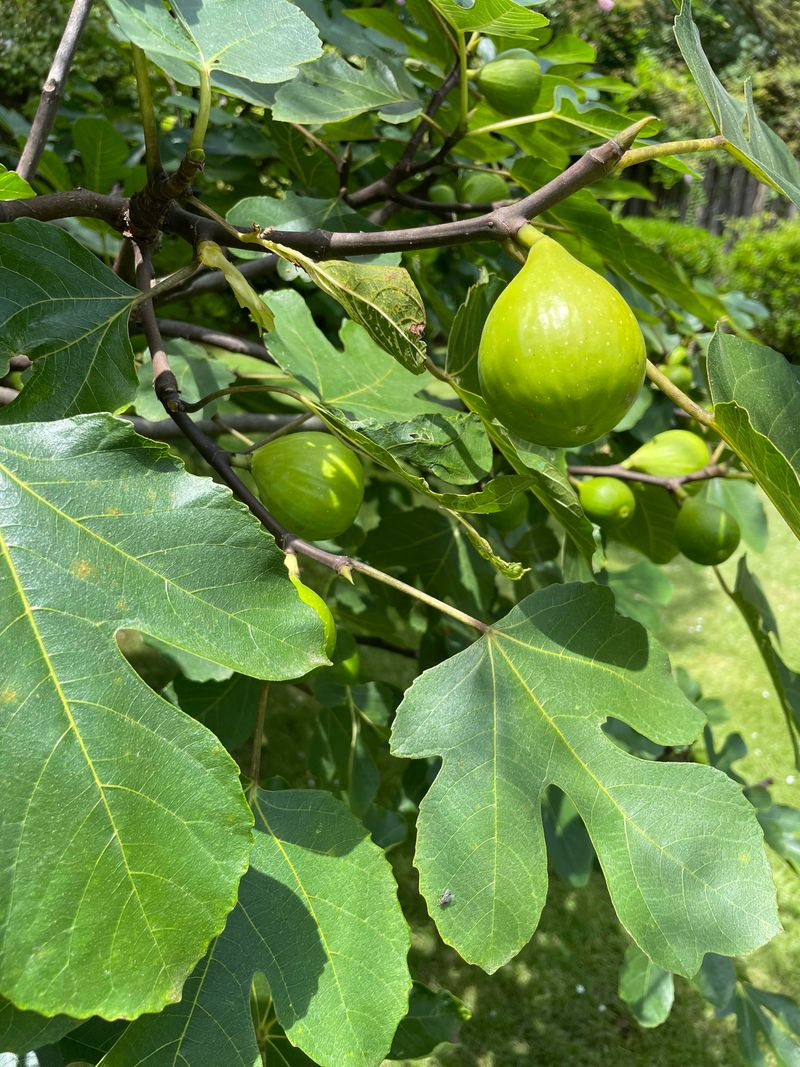
Color is the billboard, and each variety advertises differently. Celeste shifts from grass green to bronzy violet, Brown Turkey moves toward mahogany brown, and LSU Purple deepens almost to plum.
Alma stays a modest yellow-green even when it is dripping with sugar, which confuses first-time growers every summer. The trick is watching for the change to spread evenly, shoulders included, rather than judging by the blushed bottom alone.
Green shoulders on an otherwise dark fig hint at another two or three days of ripening. Sunlight matters too, since fruit on the south side of the tree colors up sooner than fruit tucked inside the shaded canopy.
Work your way around the whole plant instead of harvesting one side and calling it finished. Skin also loses its glossy shine and takes on a dull, slightly dusty look when sugar peaks.
A high gloss usually signals the fig is still filling out and firming up. Keep notes for one season, maybe on your phone, matching color to taste.
By year two you will glance at a branch and know exactly which fruit belongs in the basket. Heavy rain, a Georgia summer specialty, can wash that dusty bloom right off, so give ripening fruit an extra look after storms roll through.
And if a fig looks picture perfect yet tastes flat, it likely colored early under stress rather than sweetening slowly in the sun.
Spot The Sugar Drop At The Eye
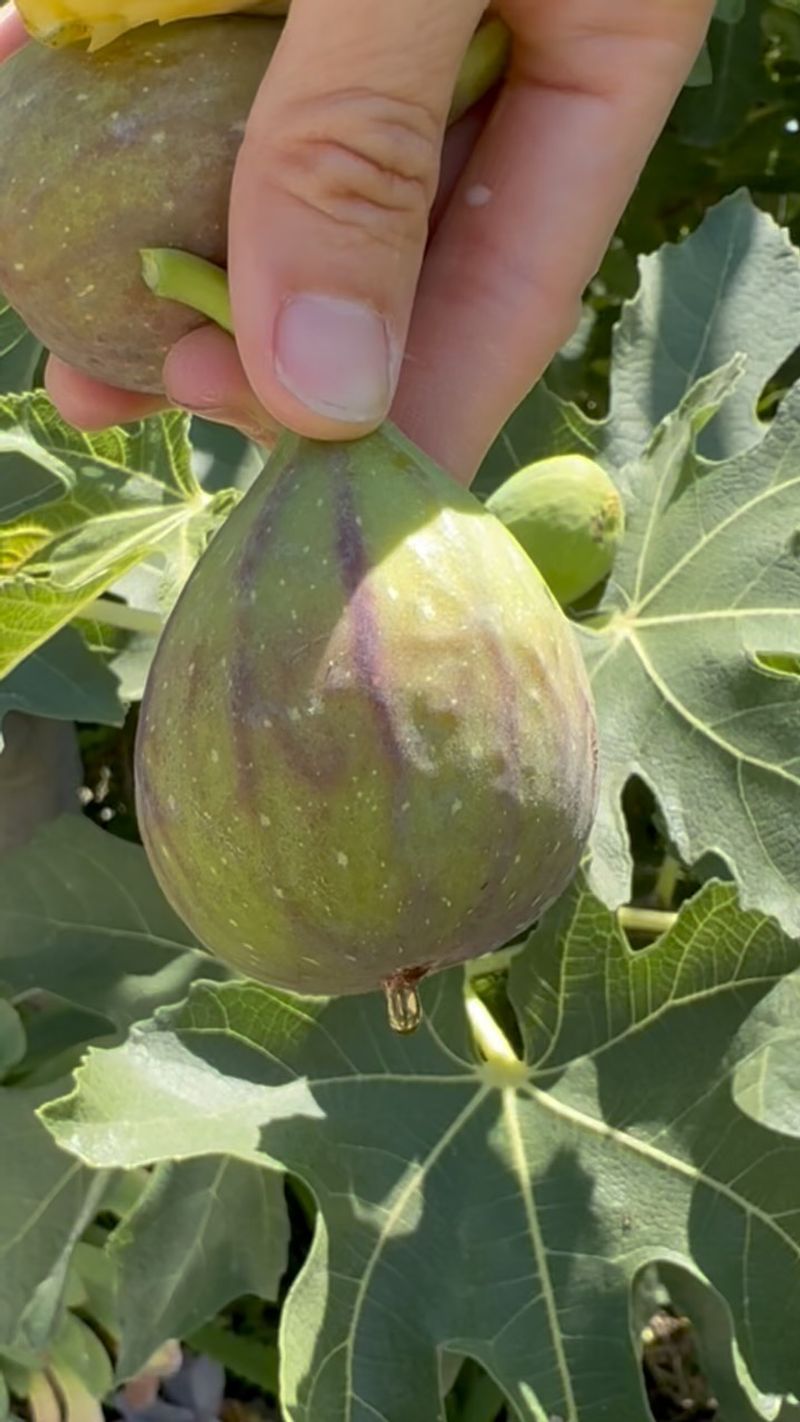
Here is the tell that turns skeptics into believers, a glistening bead of syrup hanging at the bottom of the fruit. That opening is called the eye, or the ostiole, and it weeps a little nectar when the inside is loaded with sugar.
Growers sometimes call it honey dew or the sugar tear. Bend down, tilt the fig gently, and look for that shine catching the light.
Taste one and the flavor usually lands somewhere between jam and caramel. There is a catch worth knowing in a state as humid as ours.
A wide-open, wet eye invites vinegar flies and rainwater, which sours the pulp and leaves an unpleasant, musty smell behind. Varieties with a tight, closed eye, Celeste being the classic Southern example, shrug off that trouble much better.
If you sniff a sharp, sour odor, that fig has turned, so pull it and carry it far from the tree. Basic sanitation keeps souring insects from setting up camp for the rest of the season.
On the bright side, the sugar drop makes timing simple for beginners. Watch a cluster for two mornings, and the ones wearing a droplet go straight into the bowl.
The dry, tight ones stay put and keep drinking sunshine. Grandmothers across south Georgia have used that single clue for generations, no thermometers or charts required.
Trust it, and your first bite will taste like dessert.
Notice The Skin Stretching Into Fine Cracks
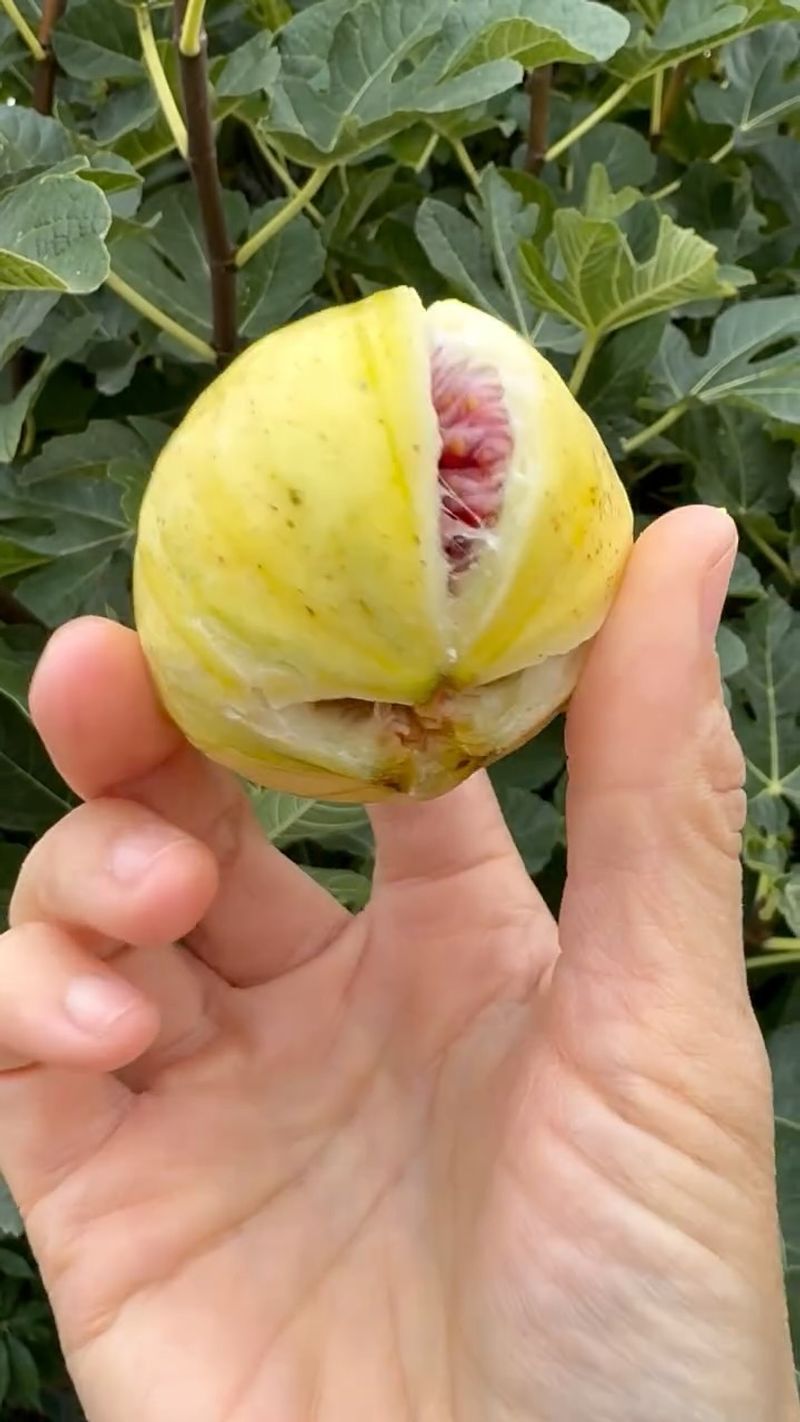
Tiny cracks look like damage, yet they are often a badge of ripeness. As the pulp swells with sugar and water, the skin stretches and forms fine lines, sometimes in a delicate spiderweb pattern.
Small surface checking near the shoulders is a green light for picking within a day. Deep splits that expose red pulp are a different matter, especially after a summer downpour.
Wide-open fruit attracts ants, beetles, and wild yeast, and the flavor turns sharp in a hurry. Georgia rain often arrives in sheets during July and August, and trees gulp that water and push it straight into nearly ripe fruit.
Consistent watering through dry spells reduces the boom-and-bust cycle that causes heavy splitting. Two to three inches of mulch and a slow soaker hose beat occasional flooding with a sprinkler.
Some varieties simply crack more, and Brown Turkey has earned that reputation in humid areas. Pick slightly ahead of full softness when a storm sits in the forecast, since the fruit finishes nicely on the counter within a day or so.
Cracked figs that are still clean make outstanding preserves, so sort as you harvest. Keep a second container for the imperfect ones and turn them into jam that same evening.
A simple rule helps here: hairline lines mean sweet, gaping seams mean hurry. Learning to read cracks separates a glorious harvest from a sticky, buggy mess.
Track The Calendar From June Into September
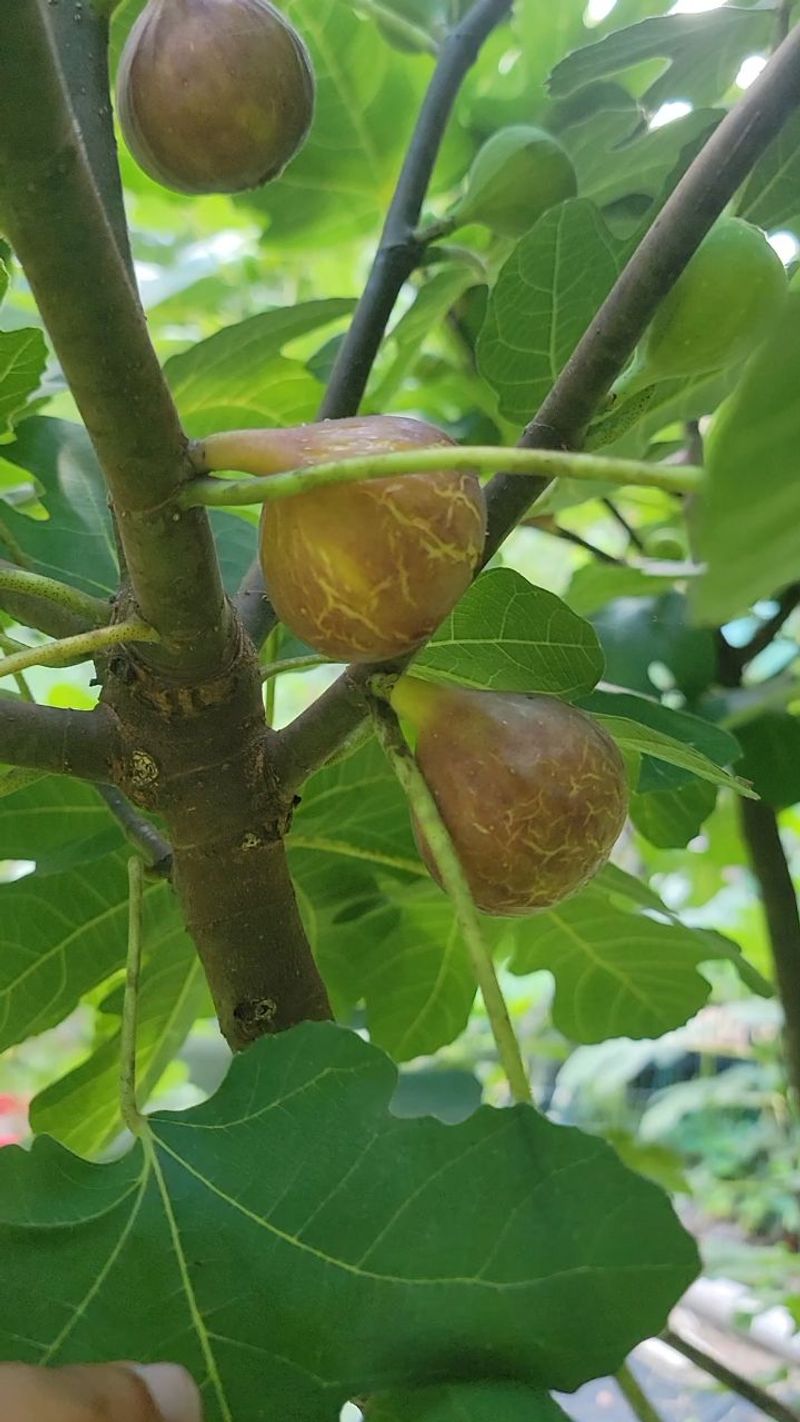
Timing in Georgia follows a fairly dependable rhythm once you learn it. Most trees set their main crop on new wood, and that fruit ripens from mid-July through early September across much of the state.
Coastal and south Georgia gardens often start in late June, while north Georgia mountain yards lag by two or three weeks. A few varieties produce a small early crop, called the breba, on last year’s wood in June, though late spring freezes here frequently cancel it.
Ripening also speeds up during long stretches of heat, so a 95-degree week can pull the harvest forward. Cool, cloudy spells stretch things out, and figs may hang for days without gaining much sweetness.
Mark your first picking date on a calendar each year. Within three seasons you will own a personal schedule far more accurate than any general chart.
Individual figs ripen over four to six weeks rather than all at once, which means repeat visits. Plan on picking every one to two days at peak, ideally in the cool of the morning.
Morning fruit is firmer, holds up better, and has not spent the afternoon baking near 100 degrees. Late-season figs, the ones finishing in September, sometimes taste milder because light and warmth are fading.
Use those for cooking and save the July and August jewels for eating over the kitchen sink, juice and all.
Test The Stem For An Easy, Clean Release
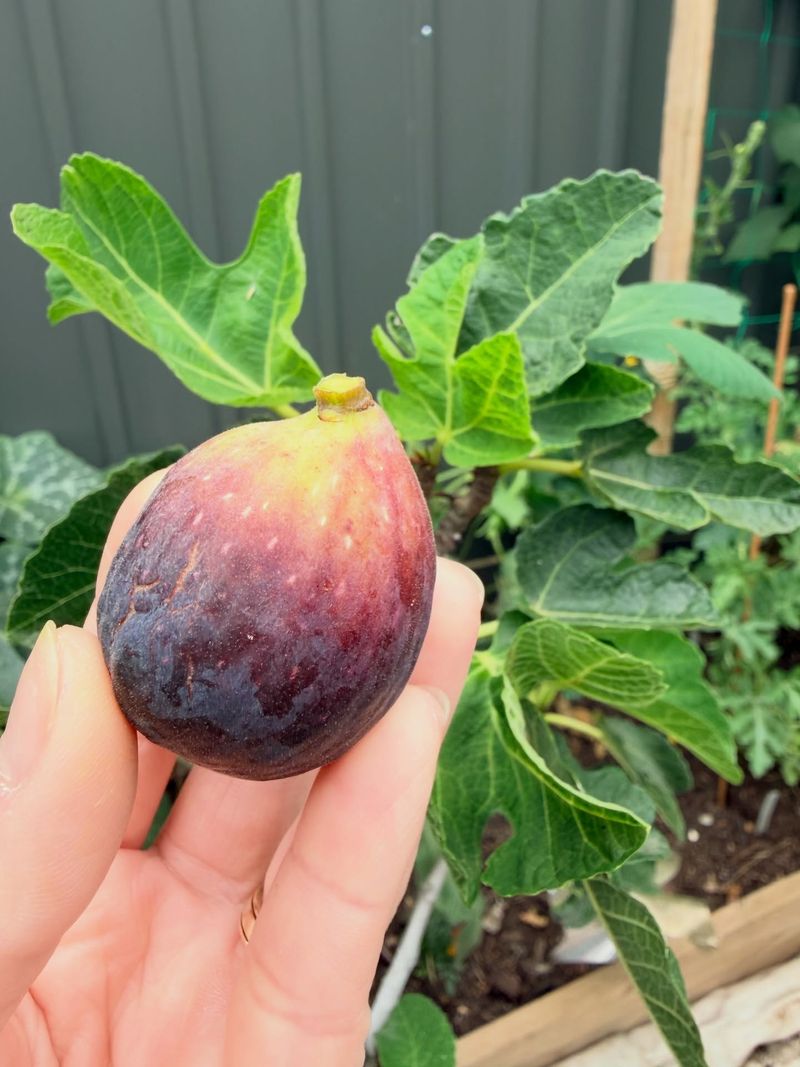
A ripe fig practically hands itself over. Cup the fruit, lift it upward with a slight twist, and the stem separates from the branch with a small snap.
If you have to yank, wrestle, or bend the whole limb, that fig is not finished. Hard tugging tears bark and knocks neighboring fruit to the ground, which nobody enjoys.
Leave about a quarter inch of stem attached when you can, because a stubby stem slows spoilage and keeps juice inside the fruit. Some growers snip stems with small pruners for market-quality figs, which also cuts down on latex drips.
Green fruit leaks that milky sap, and it can sting skin and eyes, so keep sticky hands away from your face. A bucket of soapy water at the end of the row makes cleanup quick.
Warm afternoon figs release more easily but bruise more readily, another vote for morning harvest. Put picked fruit in shallow trays, one or two layers deep at most.
Refrigerate within a couple of hours, since a ripe fig holds only two or three days even when chilled. Freeze whole on a sheet pan for winter smoothies, or slice and dehydrate for chewy snacks in January.
Preserves and syrup handle the overflow when the tree gets generous. The clean-release test costs nothing and saves you from chewing chalky, underripe fruit that squeaks against your teeth.
Follow The Birds, Bees, And Beetles To The Sweetest Fruit
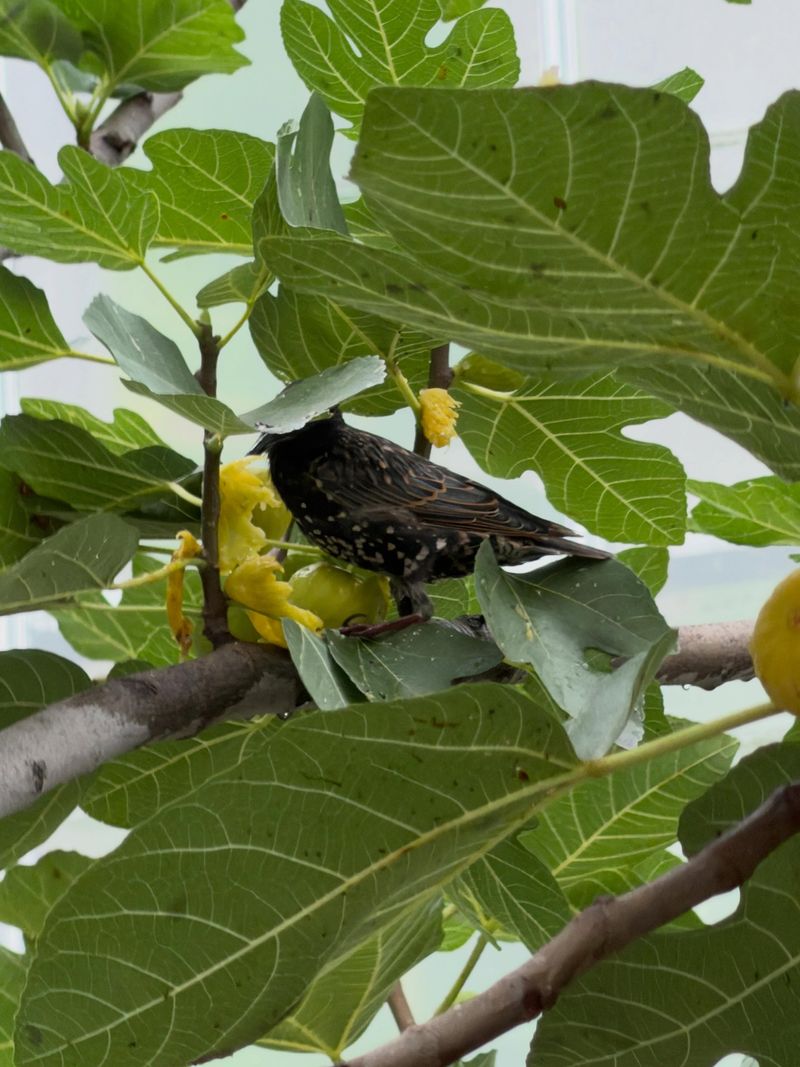
Wildlife keeps score better than any gardener with a notebook. When mockingbirds start bickering in the branches at sunrise, sugar has arrived.
Green June beetles show up for the same reason, and wasps and ants follow close behind. Their attention marks the ripest fruit, usually high up and on the sunny side, so check there first each morning.
Sharing gets old quickly, of course. Bird netting draped over a small tree and cinched at the trunk keeps most feathered visitors out.
Reflective tape, old pie pans, or a radio tuned to a talk station help a little, though clever birds adapt within a week. Keeping trees pruned to eight or ten feet makes netting and picking realistic instead of a ladder adventure.
Gather fallen fruit daily, because a carpet of rotting figs draws beetles and yellow jackets from the whole neighborhood. A lidded compost bucket handles cleanup without perfuming your yard.
Here is a fun bit of history: figs traveled to Georgia with early Spanish and English settlers along the coast, and gnarled old Celeste trees still stand beside farmhouses generations later.
Those trees fed families who watched the birds for the very clue you are using now. Beat the wildlife by a single day, and the sweetest figs on the tree belong to you.