These Plants Can Handle West-Facing Texas Yards
Have you ever planted something in your west facing Texas yard with high hopes, only to find it wilted and scorched by mid afternoon like it never stood a chance? You’re not imagining it.
West facing yards in Texas are in a category of their own, and most plants placed there without careful consideration don’t last long.
The afternoon sun hits directly and without mercy. Heat builds through the day and peaks right when that wall of western light arrives.
Reflected warmth from fences, walls, and pavement compounds everything further. It’s a brutal combination that exposes the limits of most garden plants very quickly. But certain plants were practically built for this exposure.
Not just tolerant of it in a barely surviving way, but genuinely suited to the conditions a west facing Texas yard delivers at its most demanding.
They handle the heat load, the intense afternoon light, and the temperature swings without wilting, scorching, or giving up by four in the afternoon.
1. Texas Lantana
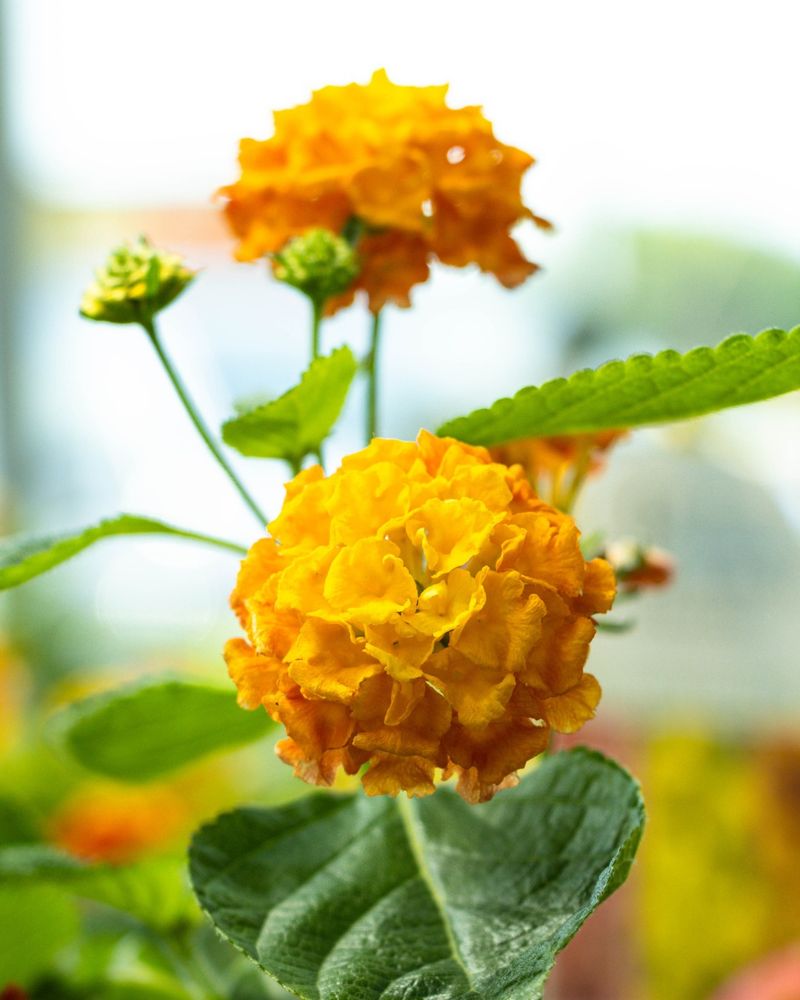
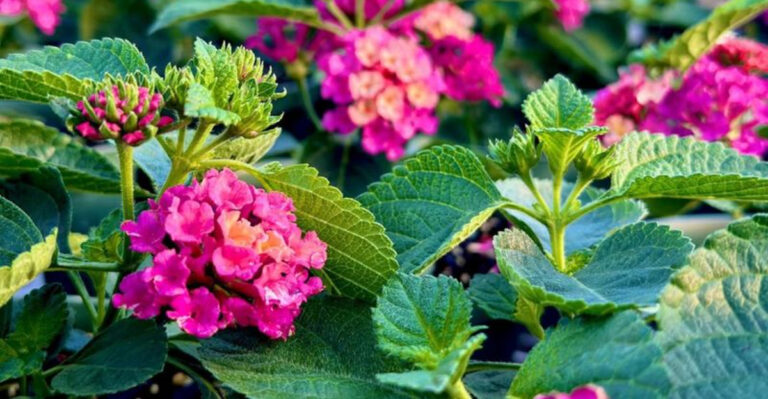
Few plants put on a show quite like Texas Lantana. This tough native wildflower thrives where other plants struggle, and it does not shy away from intense afternoon sun or blistering summer heat.
If your west-facing yard feels like a furnace by midday, Texas Lantana is ready for the challenge.
One of the best things about this plant is its color. The blooms come in fiery shades of orange, yellow, and red, and they keep coming through the hottest months of the year.
You do not have to deadhead constantly or fuss over it to get results. It just blooms, and it keeps on blooming.
Texas Lantana is also a pollinator magnet. Butterflies flock to it all season long, making your yard feel alive and buzzing with activity.
Hummingbirds sometimes visit too, which is always a treat to watch from your porch or window.
From a care standpoint, this plant is refreshingly low-maintenance. It handles drought well once established, and it actually prefers lean, well-drained soil over rich, heavily amended beds.
Overwatering is more of a concern than underwatering with this one. Plant it in a spot with full sun, give it room to spread, and let it do its thing. It can grow two to four feet tall and wide, so it works great as a ground cover or border plant.
Trim it back in late winter to encourage fresh growth in spring. Texas Lantana rewards patience and minimal care with maximum color.
2. Red Yucca
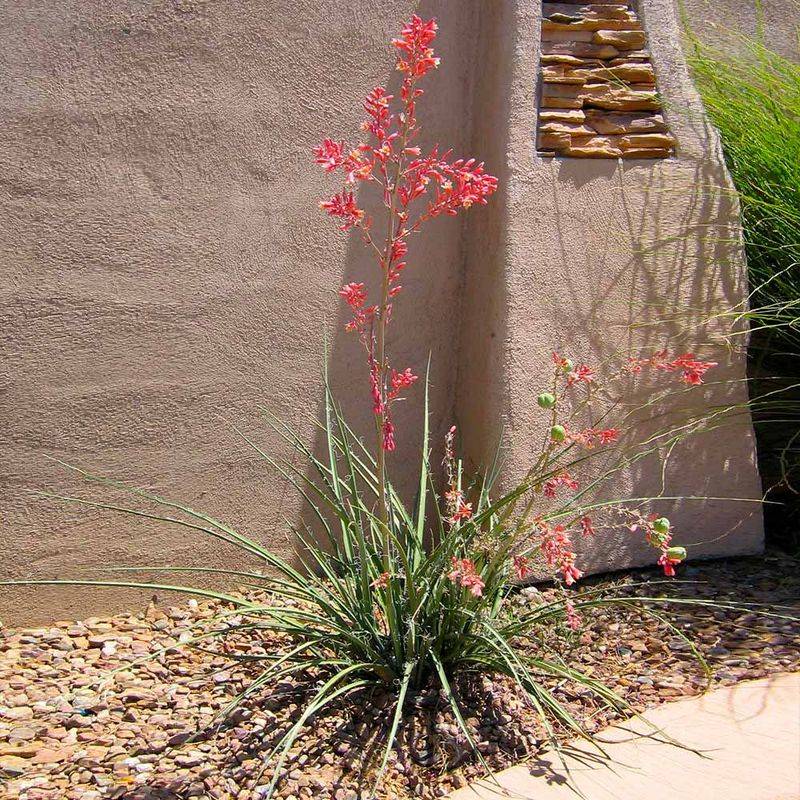
Red Yucca is one of those plants that looks like it was designed specifically for tough Texas conditions. Its long, arching leaves stay evergreen year-round, and when spring arrives, it sends up tall flower spikes covered in coral-pink to red tubular blooms.
The whole display can reach five or six feet tall, making it a real standout in any yard. Despite its dramatic look, this plant is incredibly easy to care for. It handles reflected heat from driveways, fences, and walls without missing a beat.
Your Texas Garden Changes Every Week. Your Plan Should Too.
Gardening in Texas changes quickly throughout the season. Every Friday you’ll receive a simple weekly plan showing exactly what to plant, prune, fertilize, harvest, and protect so you never miss the right timing.
West-facing spots that bake in afternoon sun are actually where Red Yucca performs at its best. Give it full sun and fast-draining soil, and it will reward you season after season.
Drought tolerance is one of Red Yucca’s strongest selling points. Once it settles in, it rarely needs supplemental watering.
In fact, too much moisture can cause root problems, so it is best to let the soil dry out between waterings. Sandy or rocky soil works perfectly for this plant.
Hummingbirds absolutely love the tubular flowers, and you can expect regular visits from late spring through summer. The blooms also attract bees, adding even more wildlife activity to your outdoor space.
Red Yucca works well as a focal point, a border plant, or even in a container on a sunny patio. It pairs beautifully with gravel mulch, decorative rock, and other drought-tolerant plants.
Since it does not spread aggressively, it stays where you put it, making it a reliable and low-fuss addition to any west-facing Texas yard.
3. Texas Sage
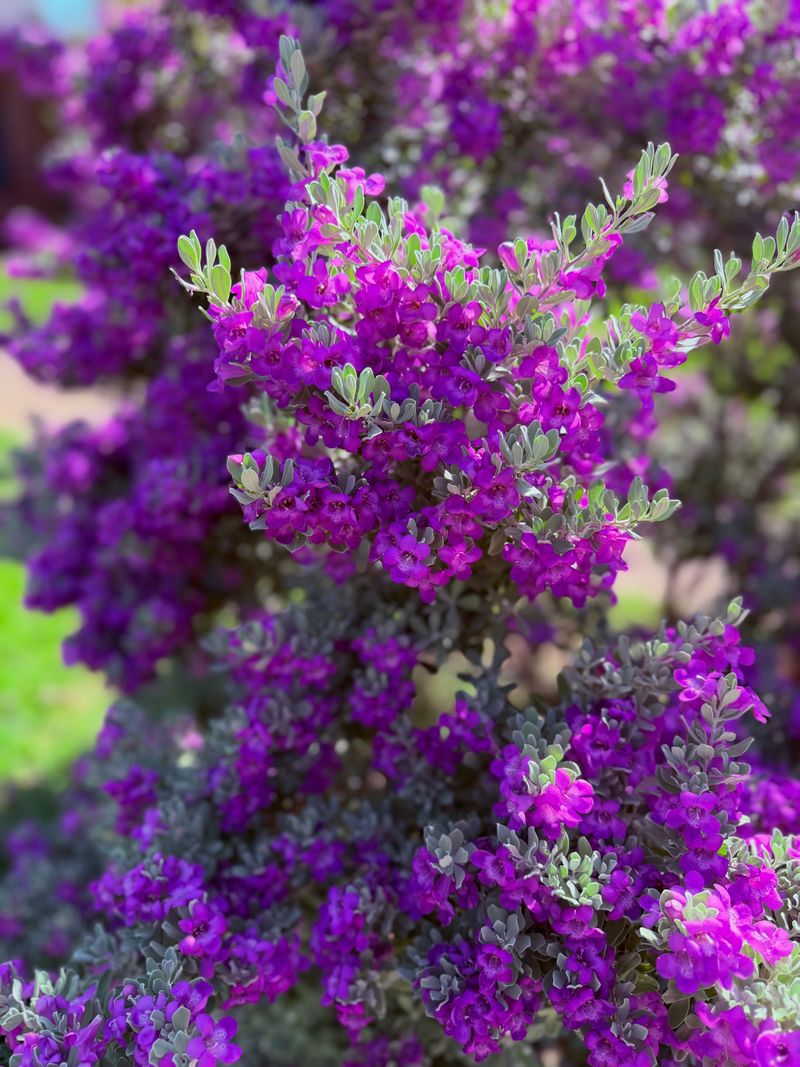
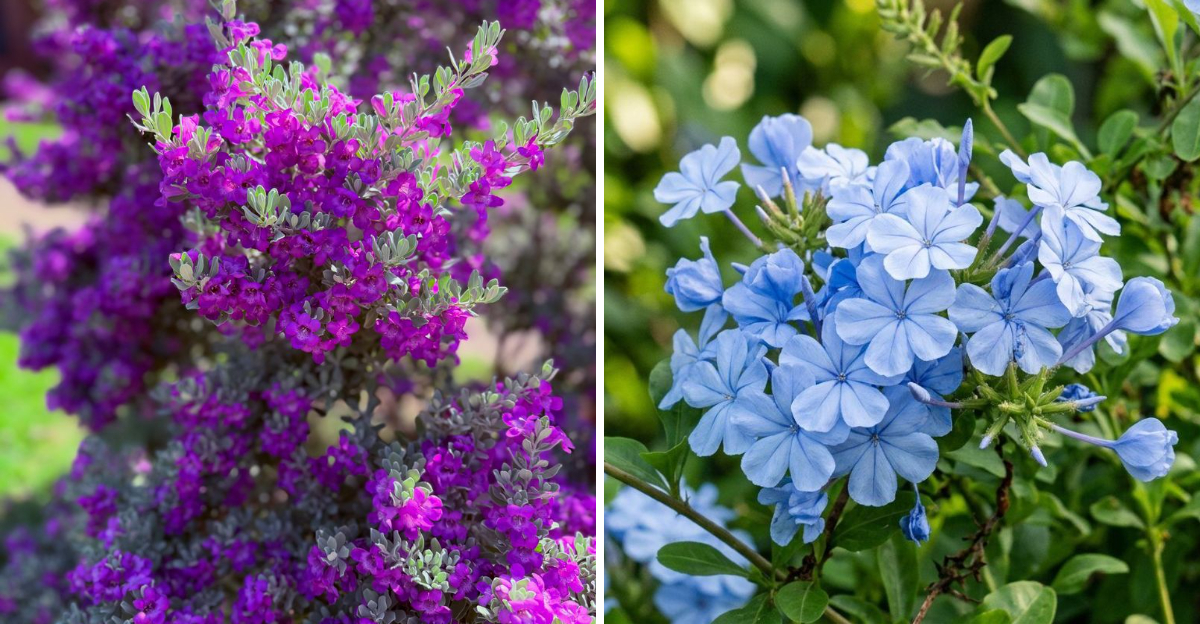
Walk through any Texas neighborhood after a good rain, and you will likely notice Texas Sage bursting into purple blooms almost overnight.
That is why locals sometimes call it the “barometer bush.” It seems to sense moisture in the air and responds with a flush of beautiful lavender-purple flowers that cover the entire shrub.
Texas Sage is a native shrub that thrives in hot, dry locations. It has silvery-green leaves that reflect sunlight and help the plant manage heat without wilting.
West-facing yards with intense afternoon exposure are no problem at all for this tough, adaptable plant. It actually looks and performs better in lean conditions than in rich, heavily watered soil.
One of the most important things to know about Texas Sage is that it needs excellent drainage. Soggy soil is its biggest weakness.
Plant it in a raised bed, a slope, or any spot where water does not pool after rain. Once established, it rarely needs supplemental irrigation, even during dry Texas summers.
Mature plants can reach four to eight feet tall and wide, depending on the variety. There are compact forms available if space is limited, which makes it versatile for different yard sizes.
It works well as a privacy hedge, a foundation planting, or a standalone specimen. Pruning should be light and done only when necessary. Heavy shearing removes the flower buds and reduces blooming.
Let the plant grow naturally for the best results. Texas Sage is a reliable, beautiful native shrub that earns its place in any west-facing Texas landscape with very little effort from you.
4. Esperanza
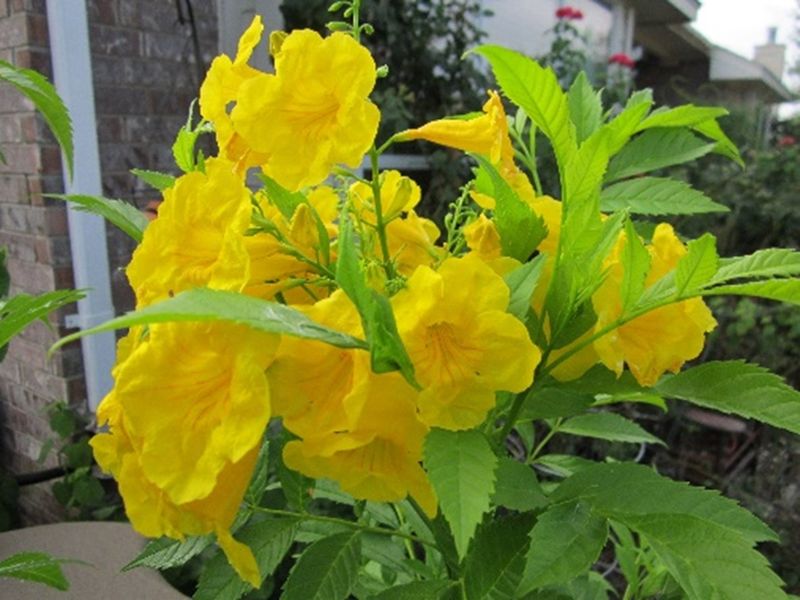
If you want bold, cheerful color in your west-facing yard all summer long, Esperanza delivers without complaint.
The name means “hope” in Spanish, and this plant lives up to it by producing clusters of bright yellow, trumpet-shaped flowers from late spring straight through the first frost. Few plants offer that kind of staying power in the Texas heat.
Esperanza loves strong sunlight and warm temperatures. The hotter and sunnier the spot, the better it seems to grow.
It can reach four to eight feet tall in a single season, creating a lush, shrubby presence in the landscape. In frost-free areas of South Texas, it may even behave as a perennial and return each year from the roots.
Watering needs are moderate once established. Esperanza does not want to sit in wet soil, but it also appreciates a deep drink during extended dry spells.
A good layer of mulch around the base helps keep moisture in the soil and roots protected during hot afternoons.
Butterflies and hummingbirds visit the flowers regularly, adding movement and life to your yard throughout the warm season.
The blooms are striking against any background, whether you plant Esperanza near a fence, along a driveway, or as a centerpiece in a mixed border.
One thing to keep in mind is that Esperanza is frost-sensitive. In colder parts of Texas, it will need to be cut back after a freeze, but it often regrows from the base when temperatures warm up again.
Plant it in a sheltered west-facing spot and enjoy the incredible floral show it puts on all season long.
5. Plumbago
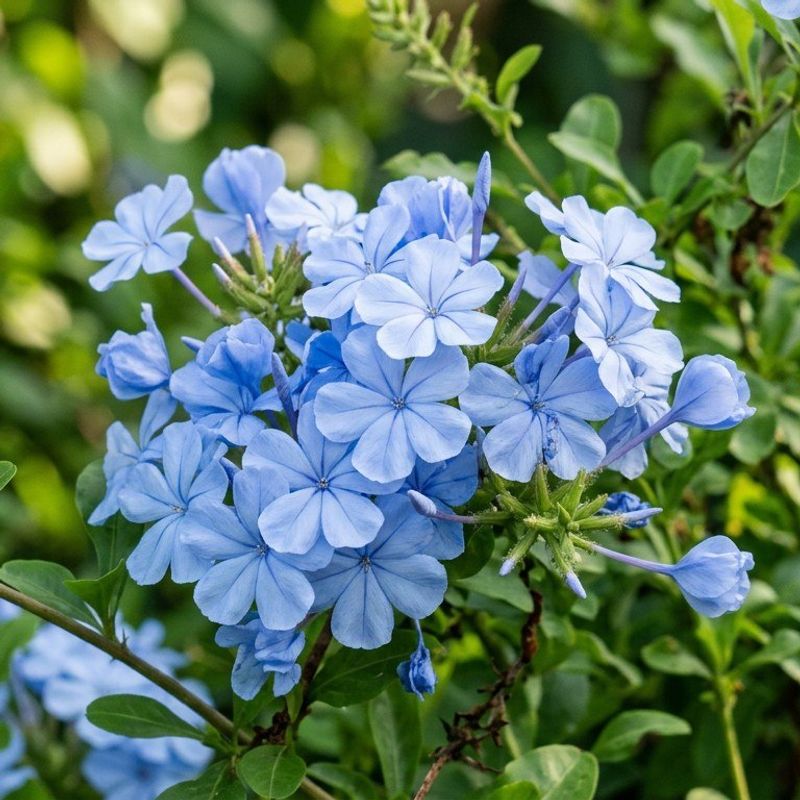
Not every plant that handles Texas heat comes in red or yellow. Plumbago brings something different to the table with its soft, sky-blue flower clusters that create a cool, calming look even in the hottest part of summer.
It is a refreshing pop of color in a landscape that can feel dominated by warm tones. Once established, Plumbago tolerates bright afternoon exposure and the kind of heat that would wilt less-adapted plants.
It takes a season or so to get fully settled in, so give it a little extra water during its first summer. After that, it becomes much more self-sufficient and handles dry spells with ease.
Growth-wise, Plumbago is a fast-spreading shrub that can reach three to six feet tall and even wider. It works well as a large-scale ground cover, a sprawling border plant, or a backdrop for smaller flowers.
The stems arch outward and create a soft, billowy texture that adds visual depth to the yard.
Butterflies are drawn to the blooms, and you will notice them hovering around the plant on warm sunny days. The flowers appear in flushes throughout the warm season, especially when temperatures are high and conditions are bright.
Deadheading spent blooms can encourage more flower production. Plumbago is semi-evergreen in warmer parts of Texas. In colder zones, it may drop its leaves in winter but typically bounces back in spring.
Prune it back in late winter to shape it and encourage vigorous new growth. With minimal attention, Plumbago delivers steady color and solid performance in tough west-facing spots across Texas.
6. Turk’s Cap
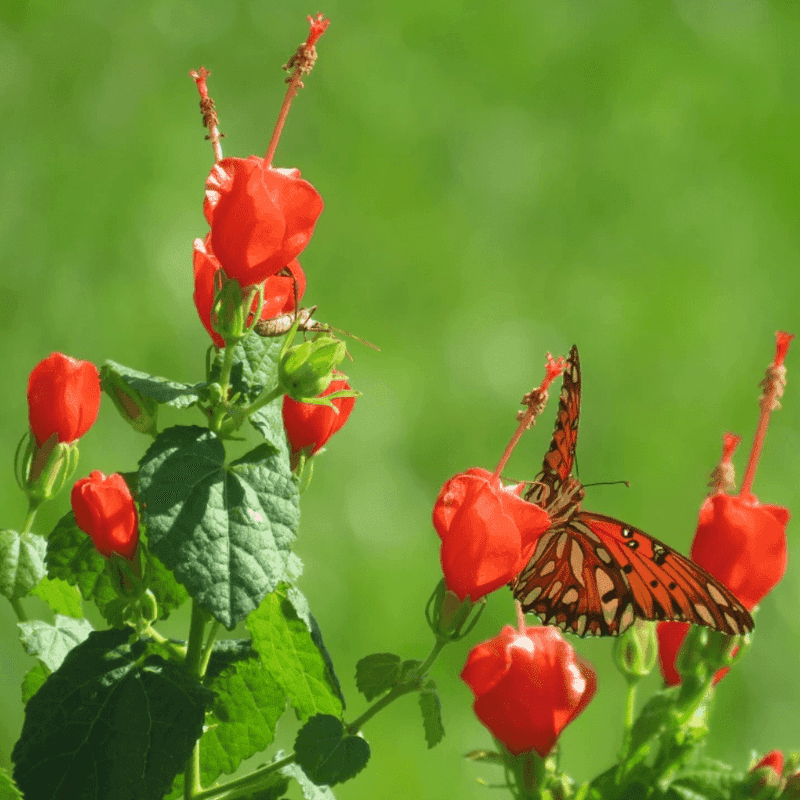
Turk’s Cap has one of the most distinctive flowers in the Texas native plant world. The bright red blooms never fully open.
Instead, the petals twist together into a tight, cap-like shape that points upward, giving the plant its quirky and memorable name. Once you see it in person, you will not forget it.
What makes Turk’s Cap especially useful is its flexibility. It handles Texas heat and drought once it gets established, but it also tolerates some shade, which is rare among tough, heat-loving plants.
If your west-facing yard has a shaded corner or a spot under a tree, Turk’s Cap can fill it beautifully where other sun-lovers would struggle.
Hummingbirds absolutely adore the flowers and visit them constantly from summer through fall. Butterflies and bees are frequent visitors too.
The plant also produces small red fruits that birds enjoy, so your yard becomes a busy little ecosystem just by including this one native shrub.
Turk’s Cap can grow quite large if left unpruned, sometimes reaching six feet tall and wide. Regular trimming keeps it manageable and encourages more blooms.
Cut it back hard in late winter before new growth appears, and it will return with fresh, vigorous stems and plenty of flowers.
Soil requirements are flexible. Turk’s Cap grows well in sandy, loamy, or even clay-heavy soil as long as drainage is reasonable.
It spreads slowly by underground roots, gradually filling in an area over time. For gardeners who want a tough, native flowering shrub that handles challenging spots with character and charm, Turk’s Cap is a top-tier choice in any Texas yard.
7. Flame Acanthus
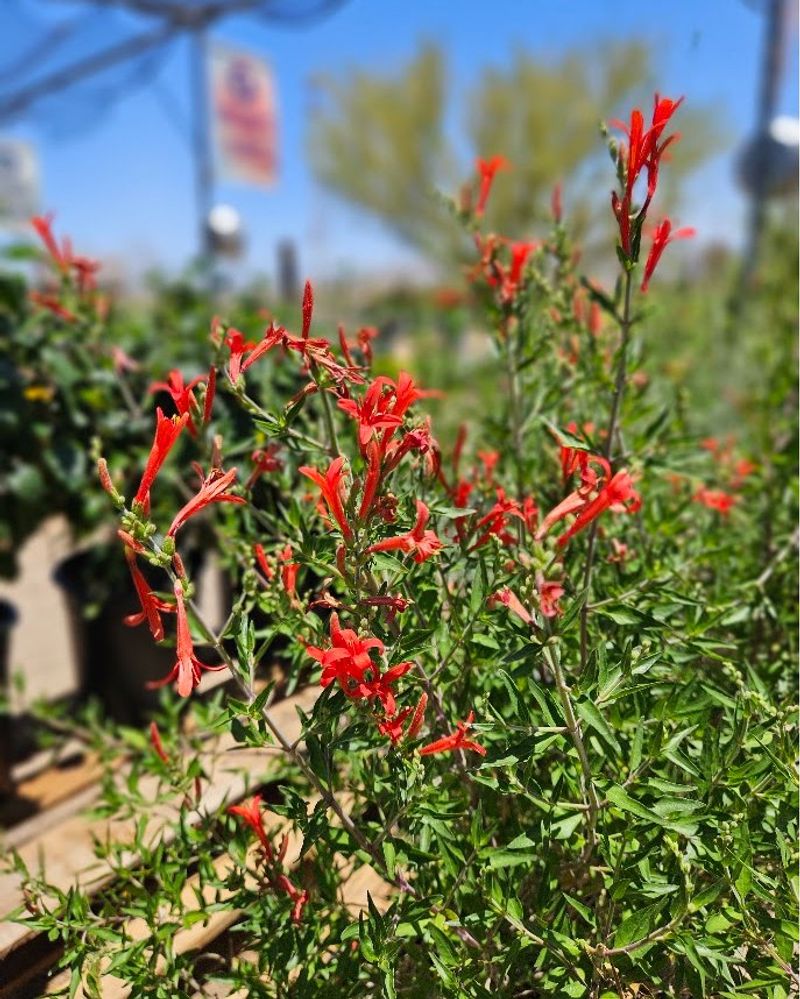
Flame Acanthus earns its name. When it blooms, the plant lights up with clusters of narrow, tubular flowers in vivid shades of red and orange that look almost like tiny flames scattered across the branches.
It is one of the most striking natives you can plant in a Texas yard, and it thrives in exactly the kind of hot, harsh conditions that a west-facing yard delivers.
This shrub is adapted to rocky, dry soils and full sun. It does not need rich garden beds or frequent watering to perform well.
In fact, Flame Acanthus seems to bloom more enthusiastically when conditions are lean and tough. Water it occasionally during its first growing season to help it establish, and then step back and let it thrive on its own.
Hummingbirds are strongly attracted to the red-orange blooms, and they will visit your yard regularly from midsummer through fall when Flame Acanthus is in peak bloom.
The long blooming season makes it one of the most valuable plants for supporting local wildlife during the hottest and driest part of the year.
In terms of size, Flame Acanthus typically grows three to five feet tall and wide. It has a loose, open habit that blends naturally into native or xeriscape-style gardens.
Pair it with grasses, yuccas, or other native shrubs for a low-maintenance landscape that looks intentional and beautiful.
Prune it to the ground in late winter if it looks ragged after a cold spell. New stems emerge quickly once warm weather returns.
Flame Acanthus is a reliable, bold, and wildlife-friendly shrub that belongs in every west-facing Texas yard.