Removing This One Plant Type Cuts Snake Sightings In Texas Yards
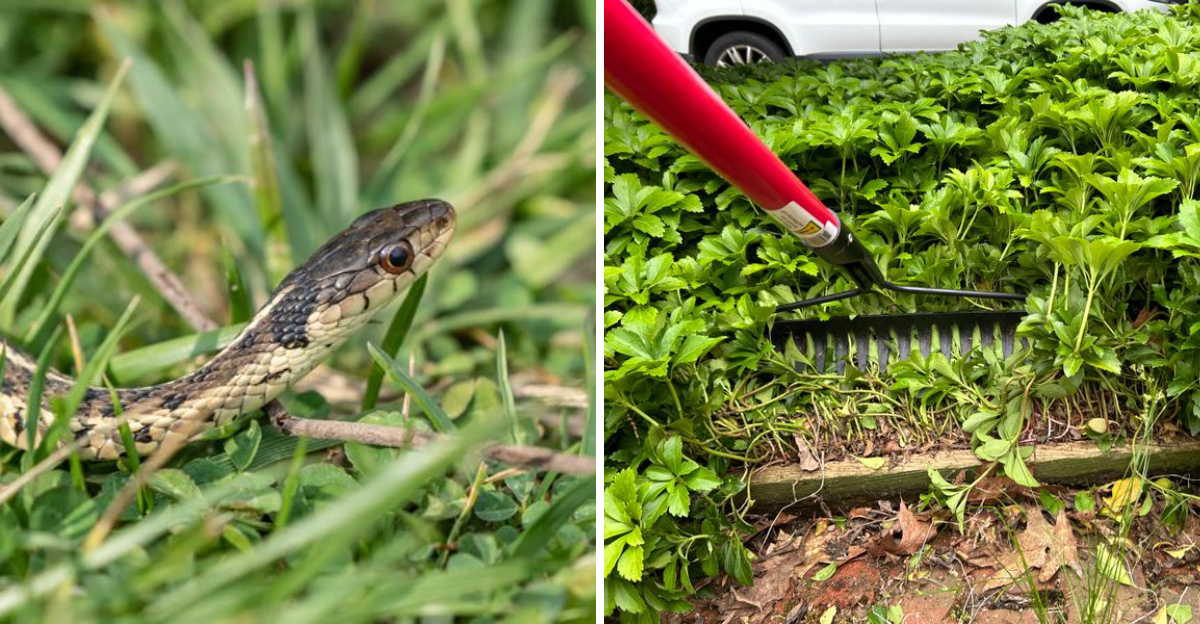
Most Texas homeowners who want fewer snake encounters focus on what they can add to the yard. Deterrent products, specific plants, various remedies that promise to make the property less attractive to snakes.
But the more effective and more often overlooked approach works in the opposite direction. It’s not about what you add.
It’s about what you remove. One specific plant type is responsible for more snake sightings in Texas yards than most homeowners ever connect to their snake problem.
It doesn’t look dangerous. It’s the kind of thing that gets planted for entirely reasonable aesthetic or practical reasons, maintained without a second thought, and never once suspected as the reason snakes keep turning up nearby.
But this plant type creates conditions that snakes find genuinely ideal, and yards that remove or significantly reduce it consistently report fewer encounters.
The connection is well understood by wildlife professionals even if it’s largely unknown among homeowners.
Dense Groundcover Creates Snake-Friendly Hiding Spots
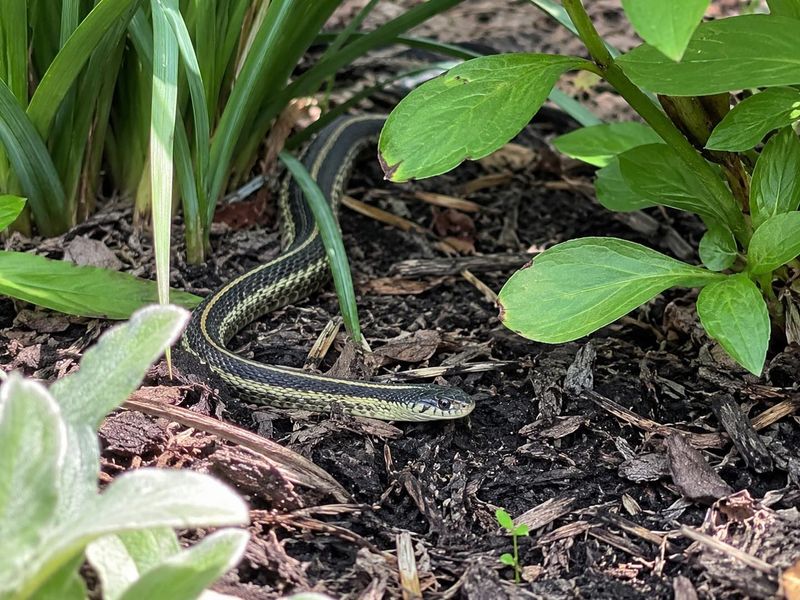
Walk through any Texas neighborhood in the summer, and you will likely see yards covered in thick, low-growing plants like monkey grass, ivy, or creeping juniper. These plants look neat and green, but they create a hidden world just above the soil.
Snakes are experts at finding cover, and dense groundcover gives them exactly what they are looking for.
Thick vegetation keeps the ground cool and shaded. Snakes are cold-blooded, which means they depend on their environment to regulate their body temperature.
On hot Texas days, a patch of dense groundcover can feel like the perfect air-conditioned retreat for a snake trying to stay comfortable without being seen.
The low canopy created by groundcover plants also makes snakes nearly invisible to predators and to people. A snake can curl up under a mat of ivy or monkey grass and stay there for hours without being noticed.
That is exactly why so many homeowners are caught off guard when a snake suddenly appears near a garden bed or walkway.
Reducing the density of these plants near your home is one of the most effective steps you can take. You do not have to remove every plant in your yard, but thinning out thick patches and keeping groundcover trimmed short removes the shelter snakes rely on.
The goal is to eliminate those dark, cool, hidden pockets close to the soil. When snakes cannot find safe cover in your yard, they are much more likely to move on and find somewhere else to go.
Groundcover Can Also Support Snake Prey
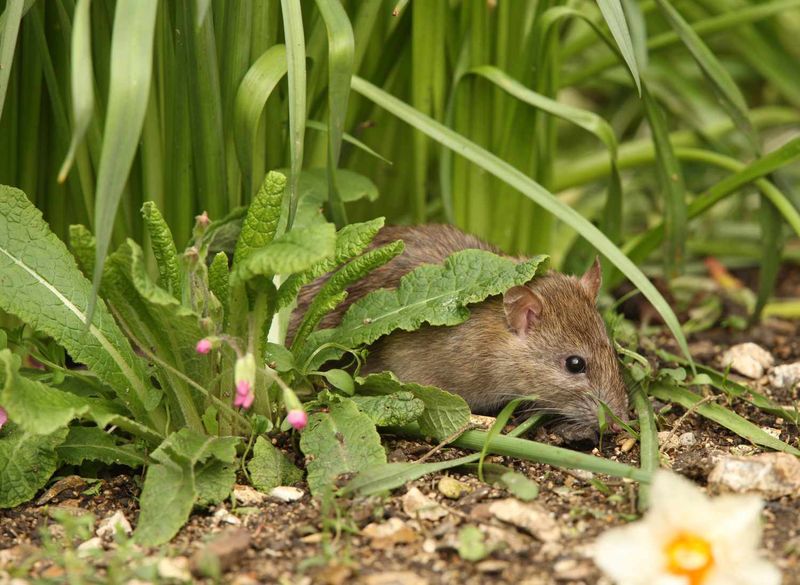
Snakes do not just wander into yards by accident. They go where the food is. Dense groundcover plants create a rich habitat that attracts a wide variety of small creatures, and many of those creatures happen to be exactly what snakes eat for every meal.
Insects are usually the first to move in. Thick, moist groundcover holds moisture and organic material that beetles, crickets, and roaches love.
Once insects arrive, frogs and lizards follow. Small mammals like mice and voles often nest in dense vegetation, too.
Your Texas Garden Changes Every Week. Your Plan Should Too.
Gardening in Texas changes quickly throughout the season. Every Friday you’ll receive a simple weekly plan showing exactly what to plant, prune, fertilize, harvest, and protect so you never miss the right timing.
Before long, a well-established patch of groundcover becomes a busy little ecosystem, and snakes are the top hunters in that system.
Think of it this way: your yard becomes a drive-through restaurant for snakes when it is packed with their favorite prey. Every frog hopping through your monkey grass or every mouse nesting under your ivy sends out signals that draw snakes closer.
The more prey available, the more frequently snakes will visit and linger. Reducing dense groundcover does more than remove hiding spots. It also disrupts the food chain that keeps snakes coming back.
When insects, frogs, and small mammals lose their shelter, they move to other areas. Snakes follow the food supply, so they tend to move along with it.
Pairing plant management with basic yard hygiene, like removing standing water and leaf piles, takes away even more of the conditions that support a thriving prey population.
Fewer prey animals in your yard means far fewer reasons for snakes to show up in the first place.
Overgrown Beds Near Homes Create The Biggest Concern
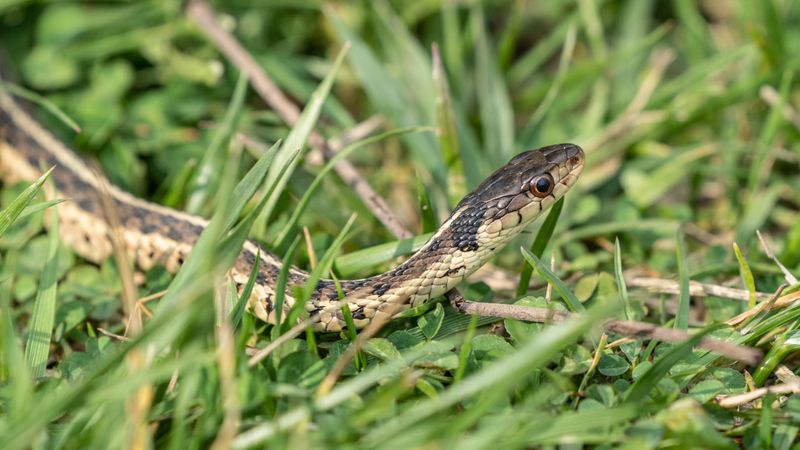
Not all groundcover is equally risky. Location matters a lot. A wild patch of groundcover at the back corner of a large property is very different from a thick bed of ivy pressing right up against your home’s foundation.
The closer dense plants are to your house, the more concern they create. Groundcover that touches your foundation, porch, patio, or walkways gives snakes a direct path to your living spaces. Snakes do not need much room to travel.
They can slip through tiny gaps and follow along edges and walls. When thick vegetation grows right up to your home, it creates a covered highway that leads snakes from your yard straight to your doorstep.
Patios and walkways are especially worth watching. People use these areas every day, which means the chances of a surprise encounter are much higher.
A snake resting under an overgrown bed next to a garden path is a much bigger problem than one hiding far away from where your family spends time.
Focus your plant management efforts on the areas closest to your home first. Clear out any groundcover that is touching your foundation or growing right along your walkways and entry points.
Keep a clear, visible buffer zone of at least a foot or two between dense plants and any structure. Short, well-trimmed grass or open gravel in these zones makes it much harder for snakes to approach unseen.
Regularly checking these areas and keeping vegetation controlled is one of the simplest and most effective habits you can build to reduce unexpected snake encounters near your home.
Remove Excess Growth Without Clearing Everything
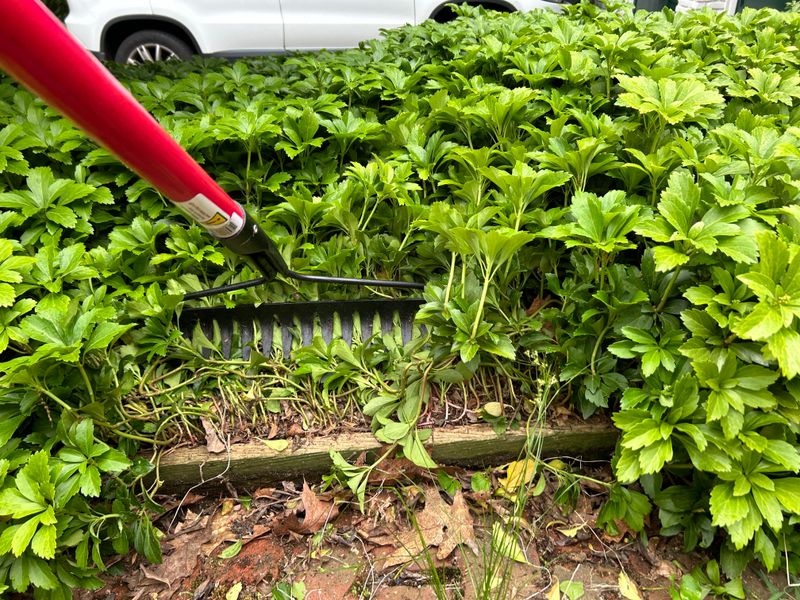
Some people hear “remove groundcover” and picture ripping out every plant in sight. That is not the goal at all.
A yard with some plant life is healthier, more attractive, and better for the environment than bare dirt. The real target is unmanaged, overgrown patches that have become too thick and too close to high-use areas.
Start by identifying which areas have the densest growth. Look for spots where you cannot see the soil at all, where the plants have grown together into a solid mat, or where the vegetation is tall enough to completely hide a snake from view.
Those are the patches that need thinning or trimming first. Thinning groundcover is not complicated. You can use garden shears, a string trimmer, or even a simple hand rake to open up dense patches.
The idea is to create some visibility between plants so the ground is not completely covered. When light can reach the soil and air can flow through, the microhabitat becomes far less comfortable for snakes and their prey.
Healthy, well-spaced plants can absolutely stay. A yard with open, maintained groundcover is still a beautiful yard.
Many Texas gardeners successfully keep plants like liriope or dwarf mondo grass by simply keeping them trimmed and thinned on a regular schedule. The key difference is management.
A yard that gets regular attention is much less likely to develop the thick, shadowy patches that snakes find appealing. Staying on top of growth through the warm months, when snakes are most active, makes a noticeable difference in how often they show up.
Replace Thick Groundcover With Better Spacing
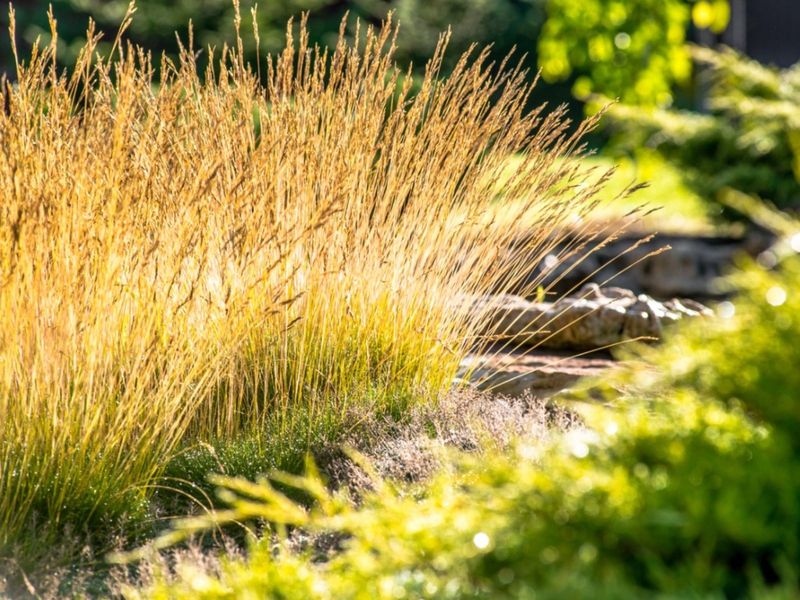
Once you have removed or thinned out the densest groundcover, you might want to replace it with something that looks great but does not create the same problems.
Choosing plants with open growth habits is a smart move for any Texas homeowner who wants a beautiful yard with fewer snake concerns.
Open-habit plants grow upward or spread loosely rather than forming a thick, ground-hugging mat.
Ornamental grasses that grow tall and airy, spaced-out shrubs, or raised planters give your yard visual interest without creating the hidden, shaded pockets that snakes love.
You can still have color, texture, and curb appeal without rolling out the welcome mat for wildlife you would rather not see.
Spacing matters just as much as plant type. Even a good plant choice can become a problem if plants are packed too tightly together.
Leave enough room between shrubs and structures so that you can see the ground clearly between them. A good rule of thumb is to keep at least 12 to 18 inches of open space between plants and your home’s foundation or any outdoor structure like a shed or deck.
Visibility is your best friend when it comes to snake awareness. When you can see the ground between plants clearly, you are much less likely to be surprised.
You will also find it easier to do regular yard checks and spot any unwanted visitors before they get too comfortable.
Replacing dense groundcover with smarter, more open plant choices is one of the most lasting changes you can make to reduce snake activity in your Texas yard over the long term.
Combine Plant Management With Yard Cleanup
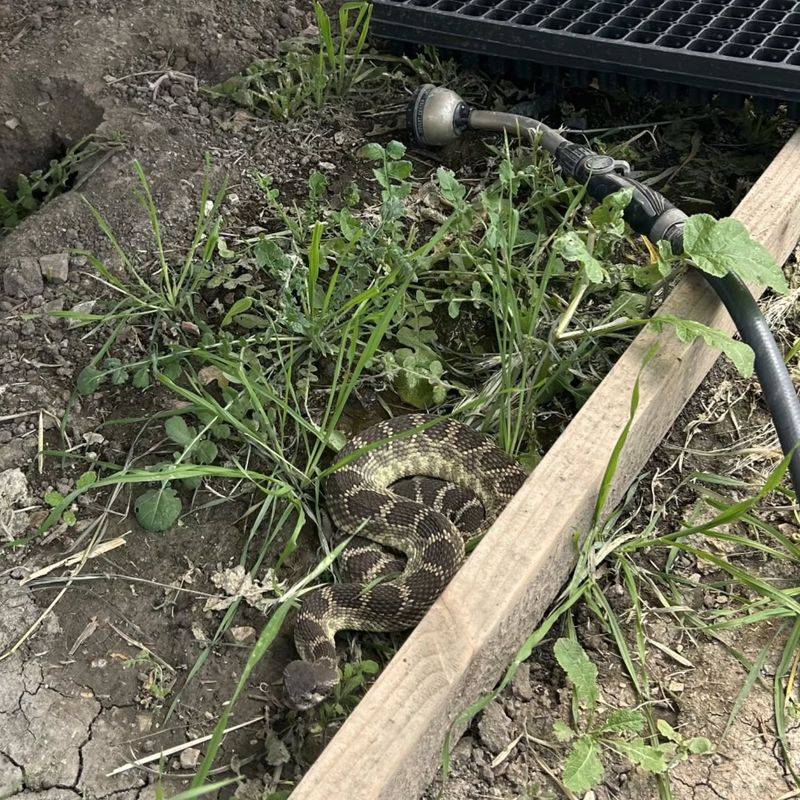
Managing your groundcover is a great start, but pairing it with a thorough yard cleanup takes your snake prevention efforts to the next level. Snakes need more than just plants for shelter.
They also use debris, clutter, and stored materials to hide and rest. Removing these extra attractions makes your yard much less welcoming overall.
Wood piles are one of the biggest culprits. Stacked firewood, lumber scraps, and old boards create cool, dark spaces that snakes love almost as much as dense groundcover.
If you store firewood, keep it off the ground on a raised rack and move it away from your home’s exterior. Check it carefully before bringing any inside, especially during warmer months.
Leaf piles, old mulch that has piled up too thick, and general yard clutter like unused pots, tarps, or equipment all create similar problems. Each pile is a potential hiding spot.
Doing a full yard sweep a few times per season helps you stay ahead of the buildup. Rake up leaves, replace old mulch with a fresh, thin layer, and store equipment in sealed sheds or containers when not in use.
Reducing both cover and prey sources together is what really changes the equation for snakes.
When your yard has no thick groundcover, no debris piles, and fewer insects and rodents, it simply stops being an attractive destination. Snakes are practical creatures. They go where conditions are right for survival.
When your yard stops offering those conditions, they move on without any drama. A little consistent effort across the whole yard goes a long way in keeping snake sightings rare and your outdoor time stress-free.