The Most Underrated Michigan Native Flower For Bringing Hoverflies Into Aphid-Prone Beds
Aphids can turn a healthy Michigan garden bed into a sticky mess with startling speed.
One week, the leaves look clean. The next, tender stems curl, new growth puckers, and colonies gather underneath foliage where they are easy to miss.
Reaching for a spray feels logical.
But another response may already be waiting just beyond the vegetables, and the right planting choice can make that help much easier to find.
The surprising part is how little space it takes.
One native perennial can add height, summer color, and a steady floral resource at exactly the point in the season when soft-bodied pests can become especially noticeable.
So which flower deserves that spot beside an aphid-prone bed?
Its value is not based on chasing pests away.
Instead, it helps support the insects that search those beds for prey, giving the garden another line of defense without turning every aphid sighting into an emergency.
The connection starts above the soil, but the real work happens on the leaves. Through Michigan’s warm months.
Plant Yellow Coneflower Beside Aphid-Prone Beds
Aphids become much easier to tolerate when their predators already know where to look.
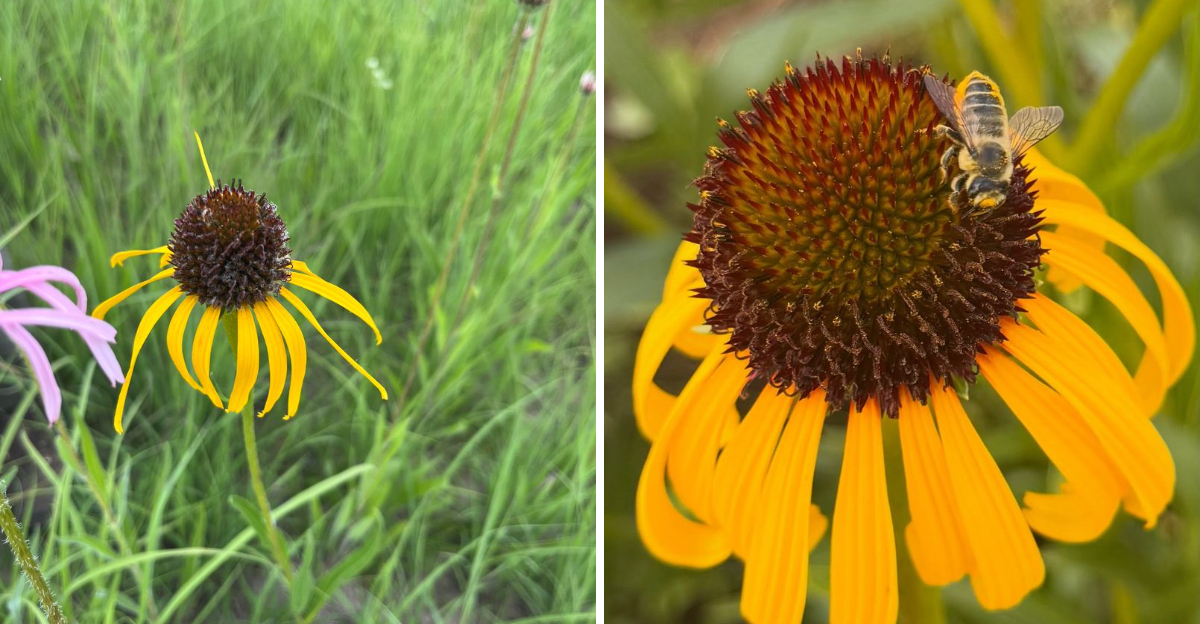
The plant to put nearby is yellow coneflower, Ratibida pinnata.
Michigan State University research on native flowering plants found that it attracted natural enemies, including syrphid flies, and ranked among the stronger midseason plants tested for beneficial-insect activity.
In the MSU trial, it bloomed from late July into mid-August and drew more natural enemies than the grass control.
That timing makes it useful beside peppers, tomatoes, beans, and ornamentals that can carry aphids during summer.
Adult hoverflies visit flowers for nectar and pollen. The aphid control comes from the larvae of predatory species, which hunt soft-bodied pests on leaves after females place eggs near suitable prey.
Not every hoverfly larva eats aphids, so the plant should be viewed as habitat support rather than a guaranteed biological-control switch.
Give yellow coneflower full sun and reasonably well-drained soil. It can reach roughly three to five feet tall, so place it behind shorter crops or along the bed edge where it will not shade vegetables excessively.
Leave the flowers accessible and avoid broad-spectrum insecticides around them whenever possible.
The goal is simple: keep floral fuel close to the aphids, then let the right visitors find the rest.
Yellow Coneflower Gives Hoverflies An Easy Flower To Feed From
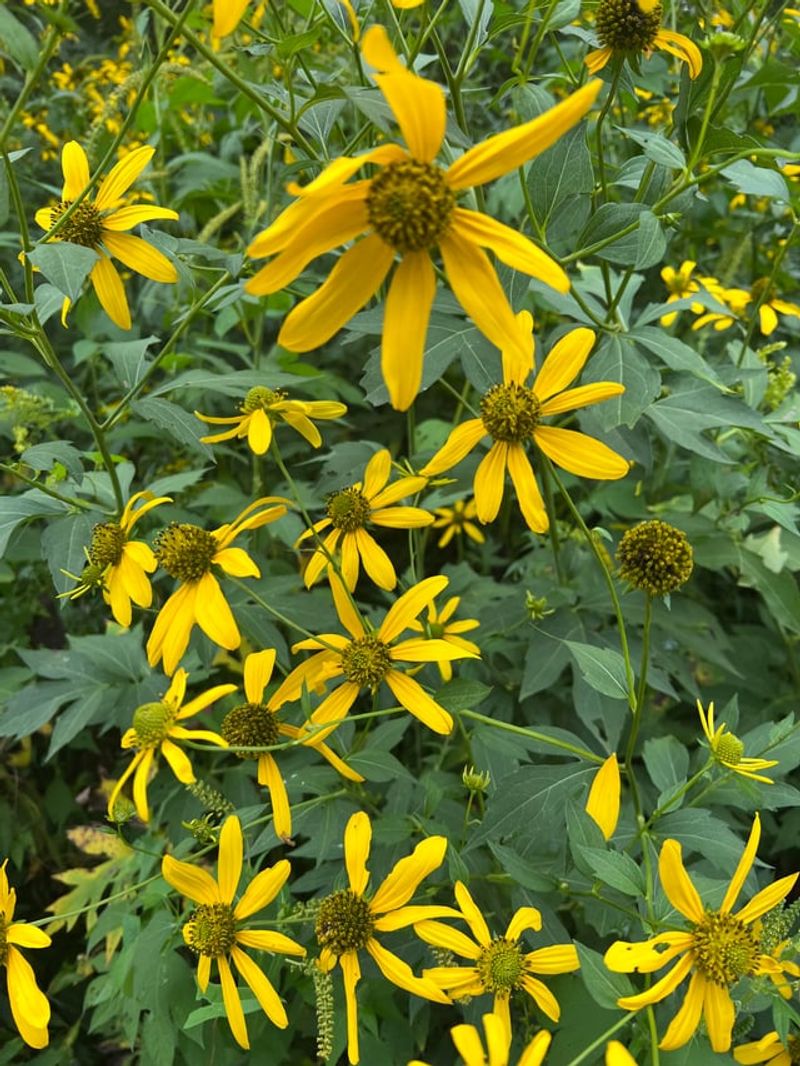
A flower can be beautiful and still be surprisingly hard for small beneficial insects to use.
Yellow coneflower has a very different structure. Its central cone is ringed by narrow, drooping yellow petals, leaving the pollen- and nectar-producing parts exposed rather than hidden inside a deep floral tube.
That open shape can make the blooms easier for short-tongued insects, including many hoverflies, to visit repeatedly.
For aphid-prone beds, that matters because adult hoverflies need energy before they can reproduce and search effectively through nearby foliage.
A dependable flower source gives them a reason to stay in the area instead of simply passing through.
Your Michigan Garden Changes Every Week. Your Plan Should Too.
Gardening in Michigan changes quickly throughout the season. Every Friday you’ll receive a simple weekly plan showing exactly what to plant, prune, fertilize, harvest, and protect so you never miss the right timing.
Plant several yellow coneflowers in a loose clump rather than scattering single stems across the yard. A concentrated patch is easier for flying insects to find and gives them multiple blooms to move between once they arrive.
Keep the flowers visible too. Avoid tucking the plants behind dense shrubs or crowding them beneath tall crops where the blooms become harder to access.
The plant will not force hoverflies to lay eggs on your peppers or beans. Aphid populations, hoverfly species, weather, and surrounding habitat all influence what happens next.
Still, accessible flowers close to vulnerable crops improve the odds that useful adult insects spend more time where you want them.
Yellow coneflower turns one sunny border into something much more useful than decoration.
Yellow Coneflower Blooms When Summer Aphids Can Be Building
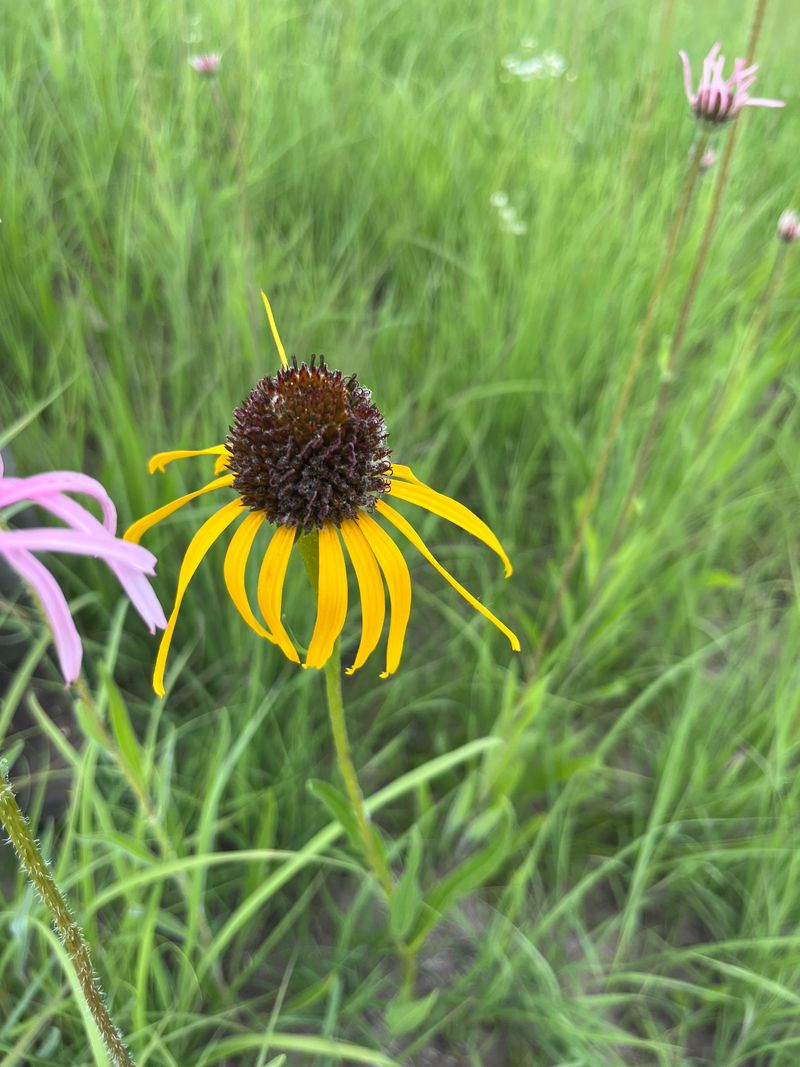
Timing is one of yellow coneflower’s strongest advantages in a Michigan garden.
Many spring flowers have already faded by the time midsummer aphid populations begin building on vegetables, herbs, and ornamentals.
Yellow coneflower typically comes into bloom later, helping carry floral resources into a part of the season when beneficial insects still need regular nectar and pollen.
That overlap is valuable.
Adult hoverflies can use the blooms for fuel while predatory larvae work through aphid colonies nearby. A planting that flowers only in May cannot support the same midsummer activity once July and August arrive.
Do not rely on a single species for the entire season, though.
Yellow coneflower works best as one piece of a bloom sequence. Earlier native flowers can support beneficial insects before it opens, while asters and goldenrods can continue the chain later.
That keeps the garden from creating a long floral gap between spring and fall.
For the yellow coneflower itself, avoid cutting every stem back just as buds begin forming. Let the main flush develop, and deadhead only selectively when you want to tidy the planting or encourage additional bloom.
Healthy plants in full sun usually flower more heavily than crowded plants in shade.
The bigger the overlap between bloom and aphid season, the more useful the plant becomes.
Its real strength is not simply that hoverflies visit it.
It is that the flowers can be available when the garden most needs those visits.
Tall Stems Put Hoverfly Food Above The Bed
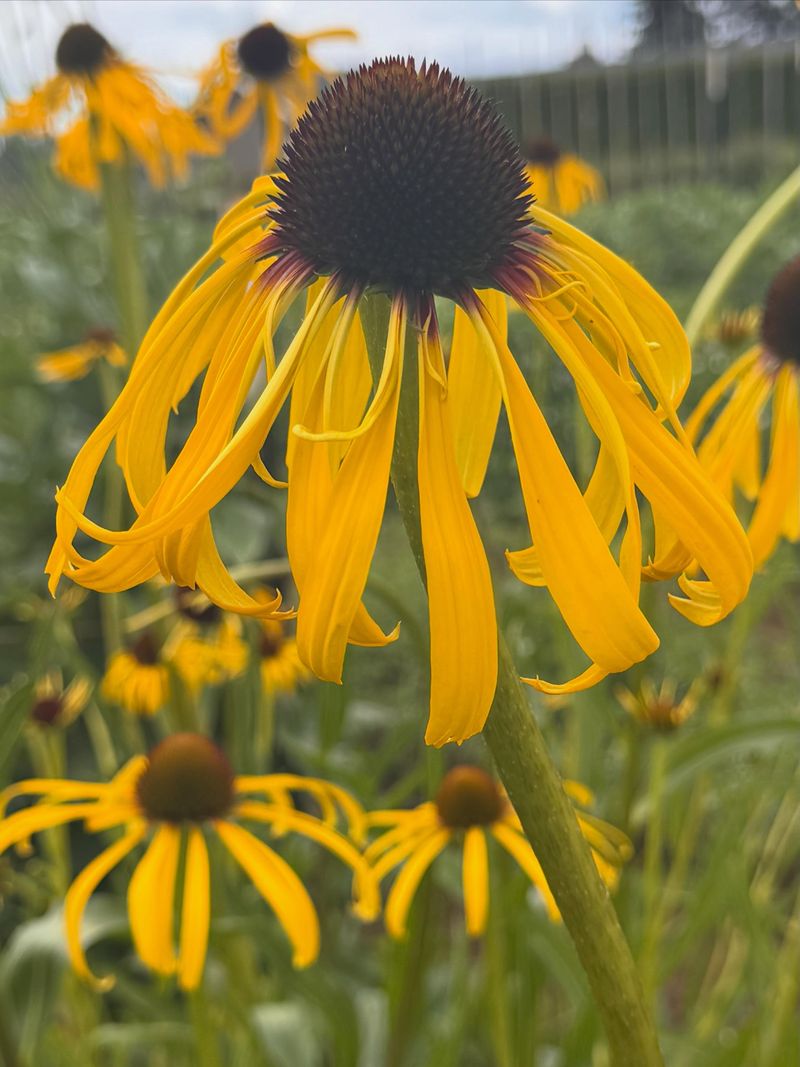
Height gives yellow coneflower another practical advantage around crowded vegetable beds.
Mature stems can rise well above low crops, mulch, and edging, which makes the flowers easy for flying insects to spot.
That vertical placement can be especially useful beside peppers, beans, squash, or other plants where aphids tend to gather lower in the canopy.
Use that height carefully.
Set yellow coneflower along the north or west side of a vegetable bed where possible so its tall stems do not cast unnecessary shade over sun-loving crops. Leave enough room for air to move around both the coneflower and the vegetables.
Once hoverflies arrive for the flowers, the nearby crop canopy gives predatory species a much shorter search area for aphid colonies.
Females can move from floral resources into surrounding foliage rather than crossing a large stretch of lawn or pavement.
That proximity does not guarantee egg laying, but it improves the habitat arrangement.
Avoid planting the flowers so far from the vegetables that they become a separate ornamental island.
The whole point is to place nectar and pollen within easy reach of the pest-prone plants you want natural enemies to investigate.
A border strip, corner clump, or narrow row can work well.
Yellow coneflower is tall enough to advertise itself without occupying the center of the vegetable bed.
Used that way, it becomes a kind of beneficial-insect landmark at the edge of the crops.
It Can Support More Than Hoverflies Around Aphids
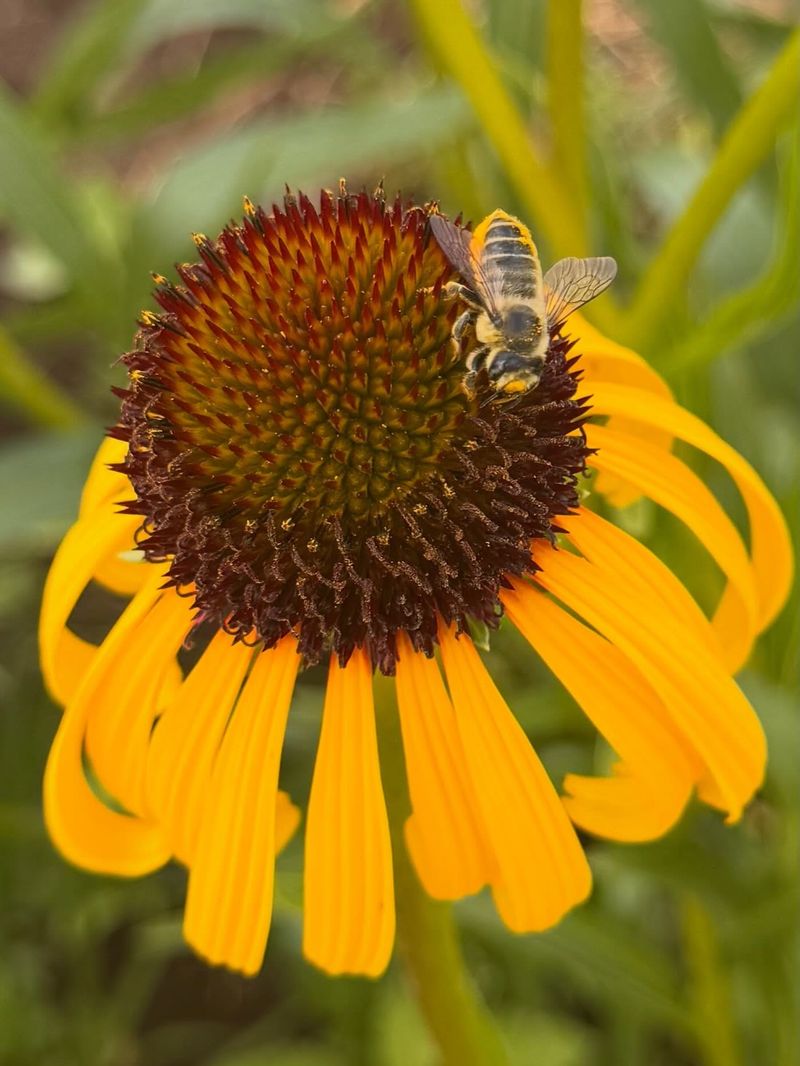
Hoverflies are not the only useful visitors that can benefit from a patch of yellow coneflower.
Open native blooms can also attract small bees, wasps, beetles, and other flower-feeding insects. Some of those visitors are pollinators, while others include predators or parasitoids that use garden pests as prey or hosts.
That broader insect activity matters because aphid control rarely depends on one predator alone.
Lady beetles, lacewings, parasitoid wasps, and predatory hoverfly larvae can all contribute under the right conditions.
A garden with several kinds of natural enemies is less dependent on any single species arriving at exactly the right moment.
Keep pesticide choices in mind around the flowers.
A broad-spectrum insecticide applied across blooming yellow coneflower can remove the beneficial insects you planted it to support.
When aphids need direct treatment, start with the least disruptive option that fits the situation and follow the product label carefully.
Spot treatments on heavily infested foliage are usually more compatible with beneficial-insect habitat than blanket spraying an entire bed.
Leave some tolerance for low aphid numbers too.
A completely prey-free garden gives predatory insects little reason to reproduce there. Small colonies can act as food that helps establish natural-enemy activity before pests become overwhelming.
Yellow coneflower does not work by attacking aphids itself.
Its contribution is building a busier, more useful insect community around the plants that need protection.
Keep Yellow Coneflower Healthy So It Keeps Feeding Beneficial Insects
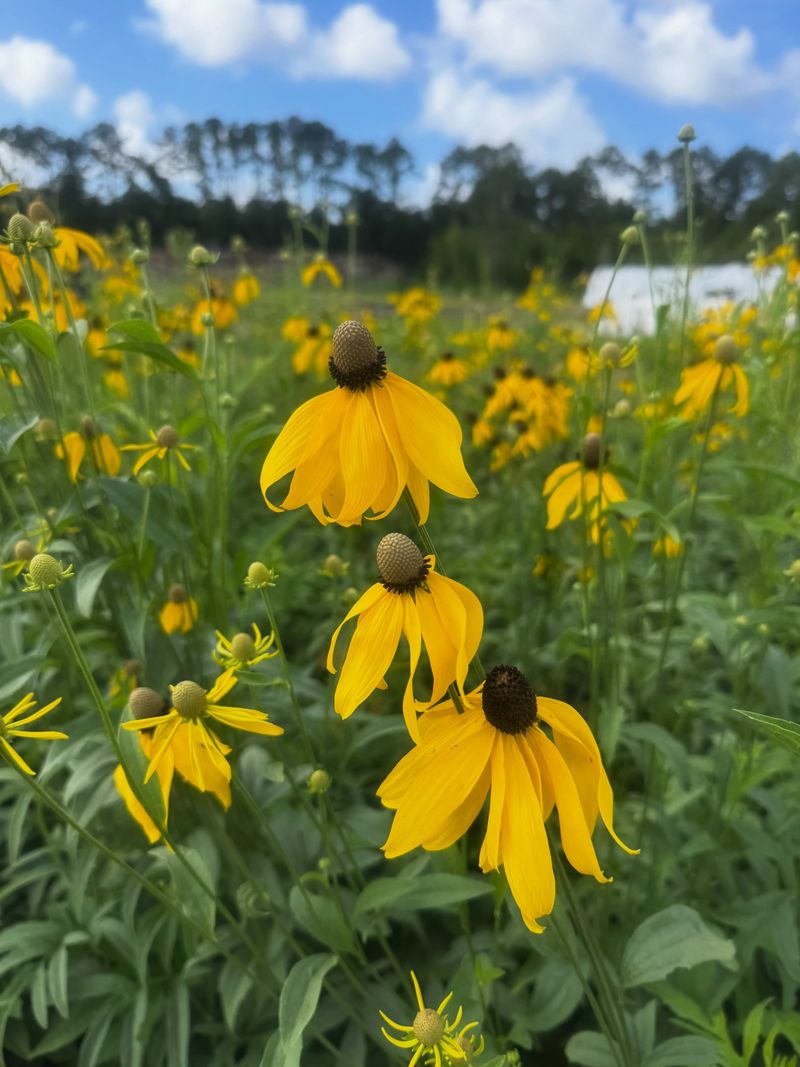
A beneficial-insect plant only helps while it stays healthy enough to flower well.
Fortunately, yellow coneflower is not a fussy Michigan native once established. Give it full sun, reasonably well-drained soil, and enough water during its first season to develop a strong root system.
After establishment, it can tolerate periodic dry conditions better than many thirsty border plants.
Avoid rich fertilizer.
Too much nitrogen can push floppy leafy growth at the expense of sturdy stems and balanced flowering.
Average garden soil is usually enough, especially when the plant is growing in a native-style border rather than a heavily fed vegetable row.
Tall stems may lean after storms or when grown in excessive shade. Placing plants where they receive strong light and some support from neighboring perennials can keep the clump more upright without constant staking.
Do not remove every spent stem the moment flowering slows.
Leaving some seedheads adds structure and can provide food for seed-eating birds later in the season. Cut back selectively when the planting becomes untidy, then save the major cleanup for a time that fits the rest of your habitat plan.
Divide crowded clumps when flowering begins to decline or the center becomes overly congested.
The maintenance goal is simple: keep the plant vigorous enough to keep producing accessible flowers.
A stressed yellow coneflower cannot support many visitors.
A healthy one can keep the beneficial-insect traffic moving for weeks.