9 Mistakes Michigan Gardeners Make With Climbing Clematis
Clematis has a reputation for being a finicky climber, and much of that reputation comes from a handful of common mistakes Michigan gardeners make without realizing it.
Planting too shallow, choosing the wrong support structure, or pruning at the wrong time for a particular clematis variety can all lead to a vine that struggles to climb, bloom, or even survive its first winter.
Because different clematis varieties have different pruning needs depending on when they flower, treating every plant the same way often does more harm than good.
These missteps can be especially frustrating since clematis takes time to establish, meaning a mistake made early on can set a plant back for multiple seasons.
Avoiding these common pitfalls gives Michigan gardeners a much better shot at the lush, climbing display clematis is known for.
1. Planting Clematis Too Shallow
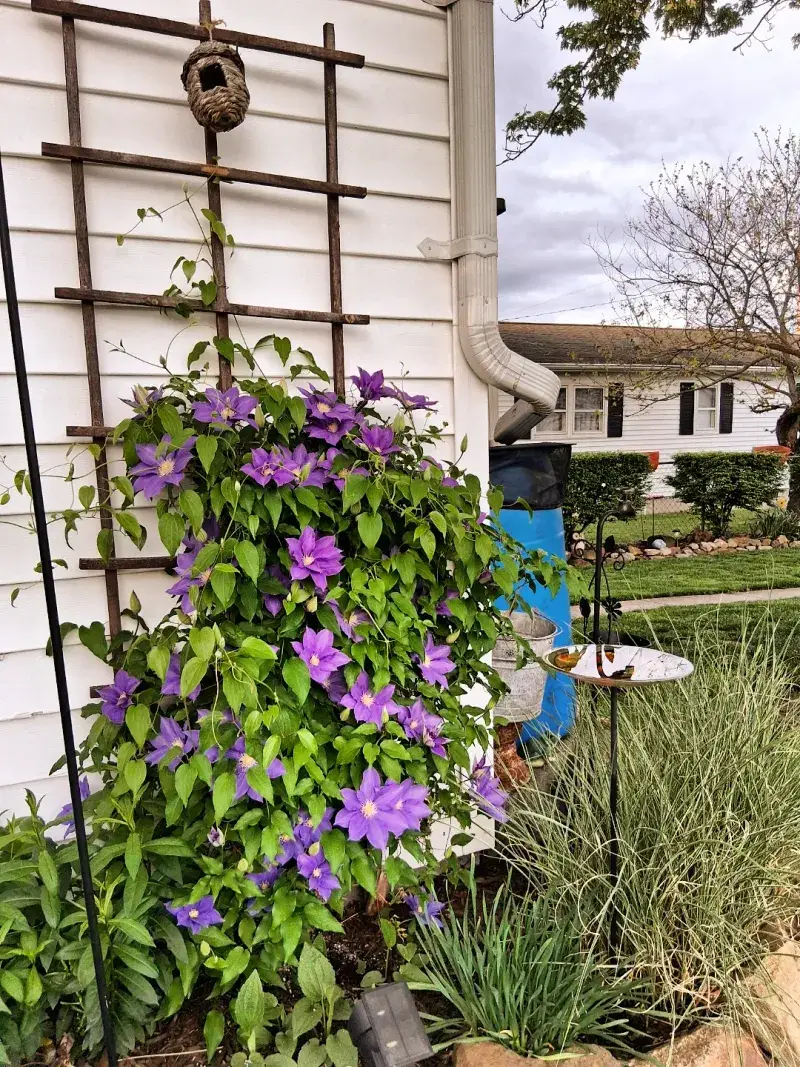
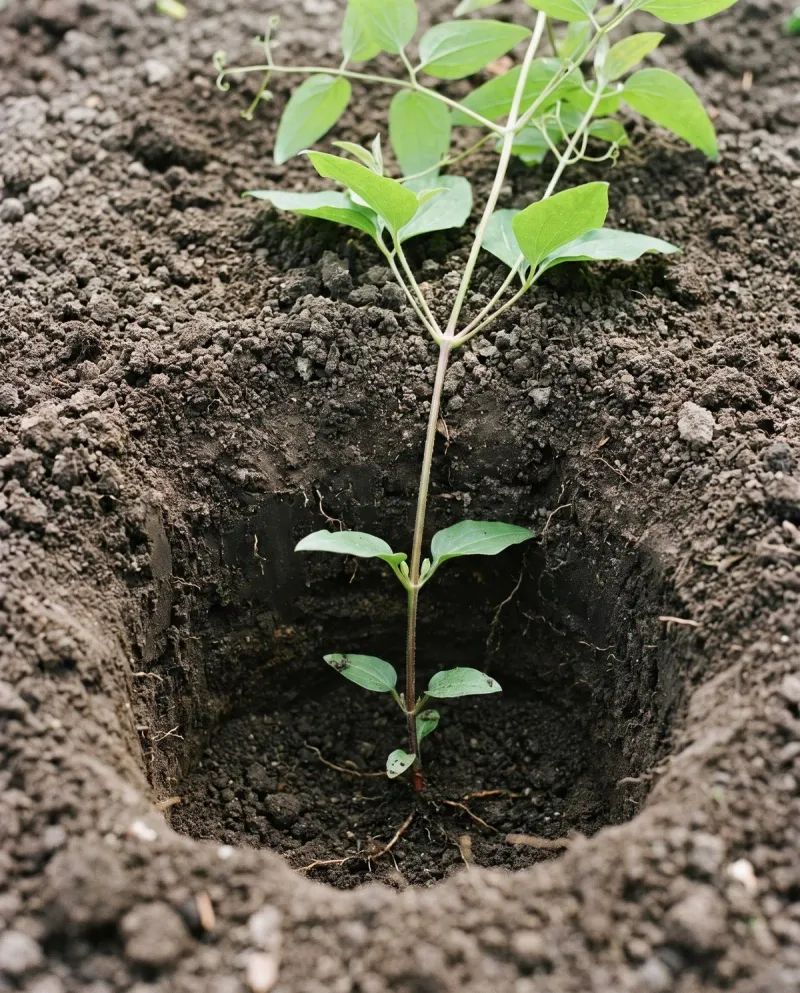
Most perennials go into the ground at the same depth they sat in their nursery pot, but clematis breaks that rule. This vine likes to be tucked in deeper, with the crown sitting a couple of inches below the soil line.
Planting shallow leaves the crown exposed to wind, cold, and pests. That weak spot can lead to broken stems and a plant that struggles to bounce back after a rough Michigan winter.
Burying the crown gives it a layer of protection right where the plant needs it most. Deeper planting does something else that gardeners love.
Buried buds along the lower stem can send up brand new shoots, which means more stems climbing from the base. Instead of one lonely vine, you get a fuller, bushier plant covered in blooms.
When you set your clematis in the hole, aim to place the crown about two to three inches below the surface. Loosen the roots gently and backfill with rich, crumbly soil so the plant settles in without air pockets.
Water it well once it is planted to help the soil hug the roots. Give it a little time, and those buried buds will reward you with strong new growth.
Think of deep planting as an insurance policy for your vine. It costs you nothing extra, takes only a few minutes, and pays off with a healthier, more vigorous plant.
This one small change can make the difference between a thin vine and a lush curtain of flowers.
2. Forgetting The Roots Need Shade
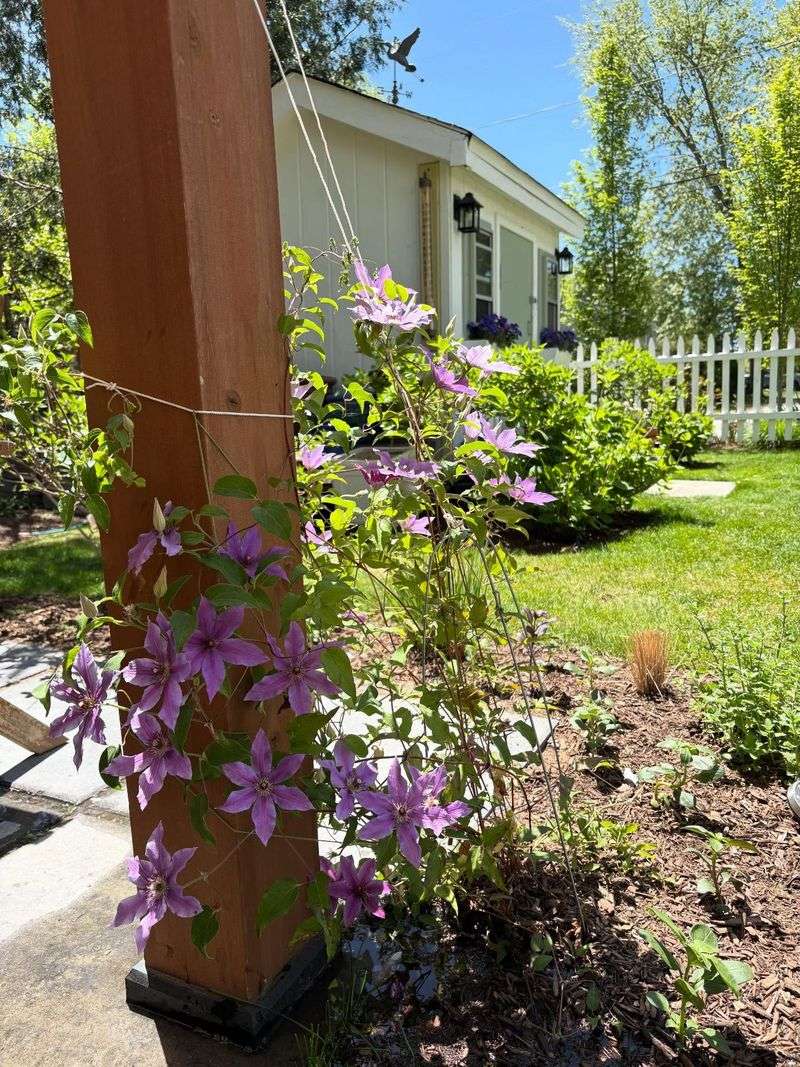
There is an old gardening saying about clematis that rings true: keep its head in the sun and its feet in the shade. The flowers love bright light up top, but the roots want to stay cool and moist down below.
When the root zone bakes in hot Michigan summer sun, the plant gets stressed. Stressed roots mean fewer flowers, wilting leaves, and slower growth. A little shade at the base keeps everything humming along nicely.
Mulch is one of the easiest fixes. A few inches of shredded bark or compost spread around the base holds moisture in the soil and blocks the sun from heating up the roots. Just keep the mulch from piling directly against the stems.
Your Michigan Garden Changes Every Week. Your Plan Should Too.
Gardening in Michigan changes quickly throughout the season. Every Friday you’ll receive a simple weekly plan showing exactly what to plant, prune, fertilize, harvest, and protect so you never miss the right timing.
Low-growing plants work wonders too. Tucking in shallow-rooted perennials or annuals near the base creates a living blanket that shades the soil. Hostas, hardy geraniums, and creeping groundcovers all make good neighbors for clematis.
The trick is to shade the roots without crowding the vine. You still want plenty of sunlight reaching the leaves and flowers, so let the vine climb up into the light while its base stays tucked and cool.
This balance mimics how clematis grows in the wild, where its roots hide under rocks or leaf litter. Copy that natural setup, and your vine will feel right at home.
Get the roots comfortable, and the rest of the plant follows. Cool feet lead to happy blooms all season long.
3. Choosing The Wrong Support Structure
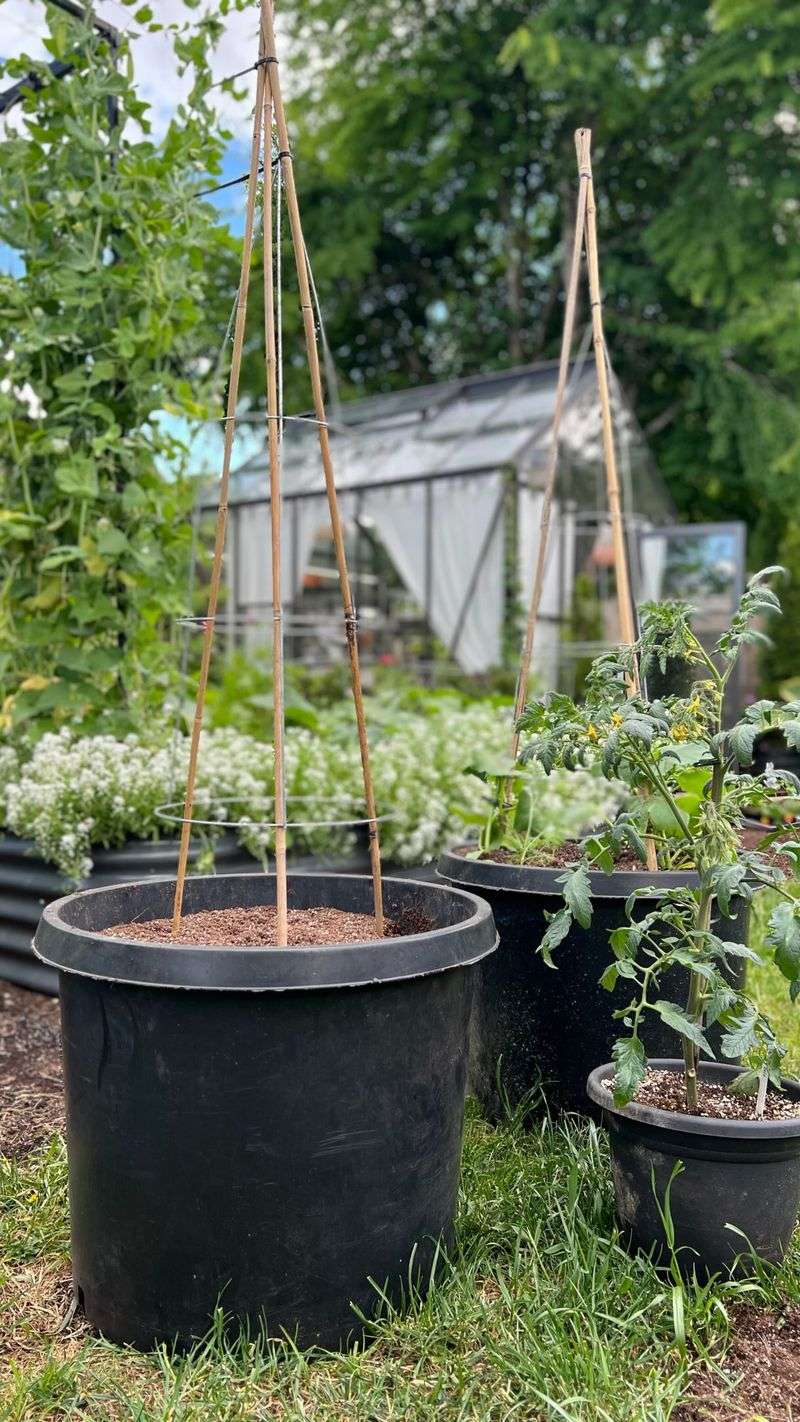
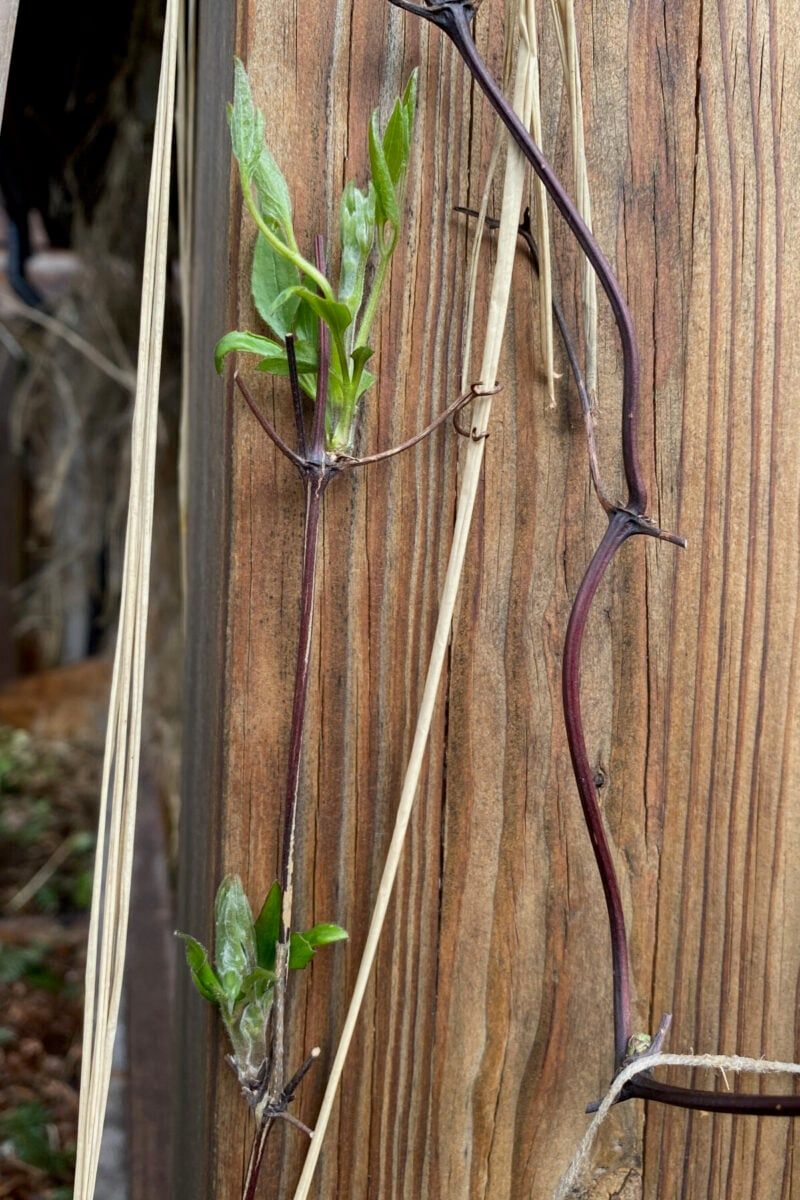
Clematis climbs in a clever way that surprises a lot of new gardeners. Instead of using sticky pads or twining stems, it grabs on with its leaf stalks, which wrap around thin supports like tiny fingers.
The problem shows up when the support is too thick. A wide wooden post or a chunky metal rail gives those leaf stalks nothing to grip, so the vine slides right off and flops to the ground.
Thin structures solve this instantly. Slender trellis slats, netting, thin wires, string, or even wire mesh give the plant plenty of narrow points to grab. Once the leaf stalks curl around them, the vine holds tight and climbs on its own.
Michigan winds can knock loose a poorly supported vine, so pick something sturdy enough to stay upright. A trellis anchored firmly in the ground or attached to a fence will handle gusts without wobbling.
You can also mix supports to create a full look. Run thin wires across a fence, or add lattice panels behind a solid post so the vine has something to cling to.
Set up the support before or right after planting. Trying to add a trellis later can disturb the roots and tangle the growing stems.
A little planning here saves you from constant tying and reattaching down the road. Give clematis the right framework, and it does the hard work of climbing all by itself, filling your space with layers of color from the ground on up.
4. Pruning At The Wrong Time
Few things confuse clematis growers more than pruning, and cutting at the wrong moment can wipe out a whole season of flowers. The secret is knowing which pruning group your plant belongs to before you reach for the shears.
Clematis falls into three groups. Group one blooms early on old growth, group two blooms on both old and new growth, and group three blooms later on fresh new stems. Each group has its own timing, and mixing them up causes trouble.
Cut a group one vine hard in spring, and you snip off the buds that would have flowered. Leave a group three vine untouched, and it grows leggy with blooms only at the top. Matching your cuts to the group keeps flowers coming.
If you are not sure which group you have, watch when it blooms for a season. Early spring flowers usually mean group one, while summer and fall bloomers often belong to group three.
When in doubt, a light touch is safer than a heavy chop. You can always remove damaged or tangled stems anytime without hurting the plant.
Keep a plant tag or a quick note about your variety so you remember next year. A little record saves a lot of guessing.
Once you learn your clematis and its schedule, pruning turns from scary into simple. Snip at the right time, and your vine rewards you with a thick, colorful show instead of bare stems and disappointment.
5. Letting The Soil Stay Too Dry
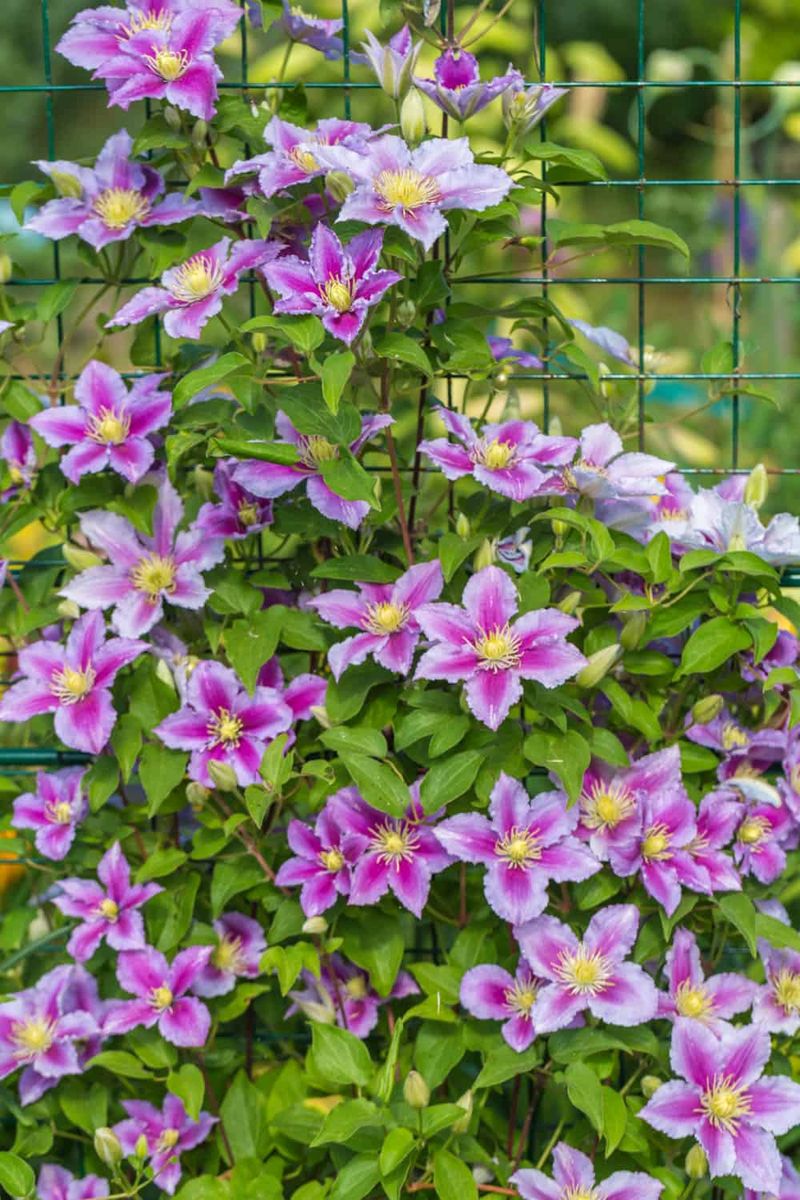
A thirsty clematis will let you know it is unhappy fast. Wilting leaves and dropped buds often trace back to soil that dried out when the plant needed a steady drink.
During the first year or two, clematis works hard to build a strong root system. That young plant depends on regular moisture to settle in, and letting the soil go dry slows everything down.
Michigan summers can swing from soggy to bone dry in a matter of weeks. When the rain stops coming, your vine still needs about an inch of water each week to stay strong and keep blooming.
Deep watering beats a quick sprinkle every time. Soaking the soil down to the roots encourages them to grow deep, where they can find moisture even during dry spells.
Feel the soil a few inches down before you water. If it feels dry, give the plant a good long drink at the base rather than spraying the leaves.
Mulch helps here too by locking moisture into the ground so you water less often. A few inches spread around the base makes a big difference in hot weather.
Drought stress does more than wilt leaves. It weakens the whole plant, cuts down on flowers, and leaves the vine less able to handle winter cold.
Stay on top of watering, especially while your clematis is young, and you set it up for years of strong growth and generous blooms once it is fully settled in.
6. Planting In Poorly Drained Soil
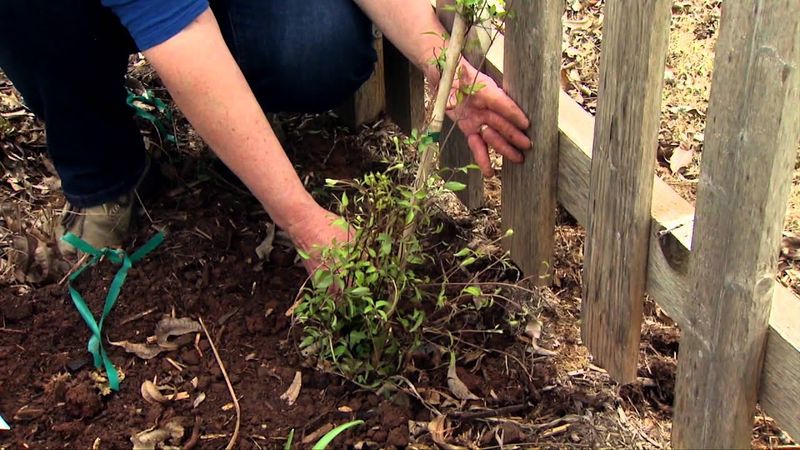
Water is a friend to clematis, but too much of it in the wrong place turns into an enemy. Roots that sit in soggy, waterlogged soil cannot get the oxygen they need to stay healthy.
Clematis roots need oxygen from the air spaces in well-drained soil. When those spaces stay filled with water, roots can struggle.
Michigan gardens often have heavy clay soil that holds water like a sponge. If your spot stays muddy long after a rain, your clematis may struggle no matter how well you care for it.
The fix starts with good drainage. Mixing compost, coarse sand, or other organic matter into the planting hole loosens heavy soil and lets extra water flow away from the roots.
Raised beds and mounded planting spots also help. Lifting the crown a bit above the surrounding ground keeps the roots from sitting in standing water during wet spells.
Before you plant, test how fast water drains. Dig a hole, fill it with water, and see how long it takes to empty. If it lingers for hours, you need to improve the spot first.
Constantly wet roots lead to weak growth, poor flowering, and a plant that slowly fades. Nobody wants that after all the effort of planting.
Give your clematis loose, well-draining soil, and its roots will breathe easy. Healthy roots below the surface power all the beauty you see climbing above.
7. Ignoring The Base Of The Plant
The flashy flowers up top grab all the attention, but the real story of a clematis often unfolds down at its base. Checking the lower stems and crown regularly catches trouble before it spreads.
Those bottom stems are fragile, especially when young. A stray footstep, a swinging trimmer, or a hungry pest can damage them and set the whole plant back.
Weeds are another sneaky threat. Left alone, they crowd the base and steal water and nutrients your clematis counts on, leaving it weaker and less able to bloom.
Aggressive neighbors can bully clematis too. Fast-spreading groundcovers or thick shrubs planted too close will compete for space, light, and moisture right where the vine needs room.
Take a quick look at the base every week or two. Pull any weeds by hand, clear away debris, and make sure nothing is pressing hard against the lower stems.
Watch for early warning signs like spots on leaves, sudden wilting, or stems that look bruised. Catching a problem early usually means an easy fix instead of a big headache later.
Keeping mulch pulled back slightly from the stems also helps, since piling it too close can trap moisture and invite disease.
A tidy, well-tended base gives your clematis the strong foundation it needs. When the bottom of the plant stays healthy and free of competition, all that energy flows upward into stronger stems and a fuller wave of flowers overhead.
8. Using Too Much Nitrogen Fertilizer
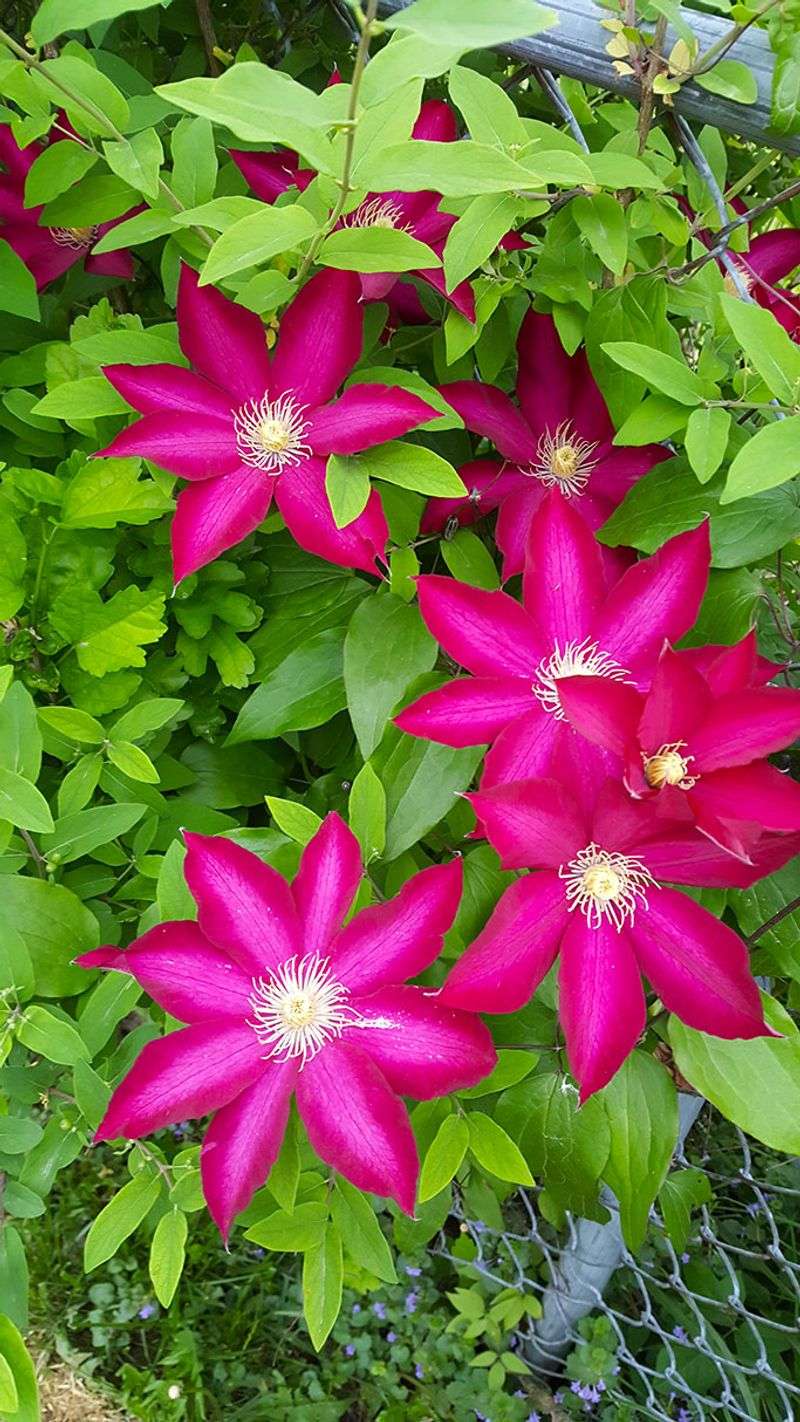
More food does not always mean more flowers, and clematis proves that point clearly. Loading the soil with high-nitrogen fertilizer often backfires in a way that disappoints gardeners.
Nitrogen pushes leafy green growth above everything else. Your vine may look big and bushy, but all that energy goes into foliage instead of the blooms you were hoping for.
The result is a wall of leaves with only a handful of flowers peeking through. That is the opposite of what most people plant clematis to enjoy.
Balanced nutrition works much better. A fertilizer with even amounts of the main nutrients, or one made for flowering plants, supports both healthy leaves and plenty of blooms.
Balanced nutrition supports healthy growth and flowering, but extra phosphorus is only helpful if soil tests show it is needed. Read the label and look for numbers that are close together rather than a huge first number.
Timing matters too. Feeding lightly in spring as growth begins gives the plant a good start, and a follow-up during the growing season keeps it going without overdoing it.
Compost is another gentle option. Working a little into the soil each year feeds the plant slowly and improves the soil at the same time.
Go easy and aim for balance rather than piling on the nitrogen. Feed your clematis the right way, and it repays you with lush growth topped by the colorful flowers that made you want to grow it in the first place.
9. Expecting Instant Coverage
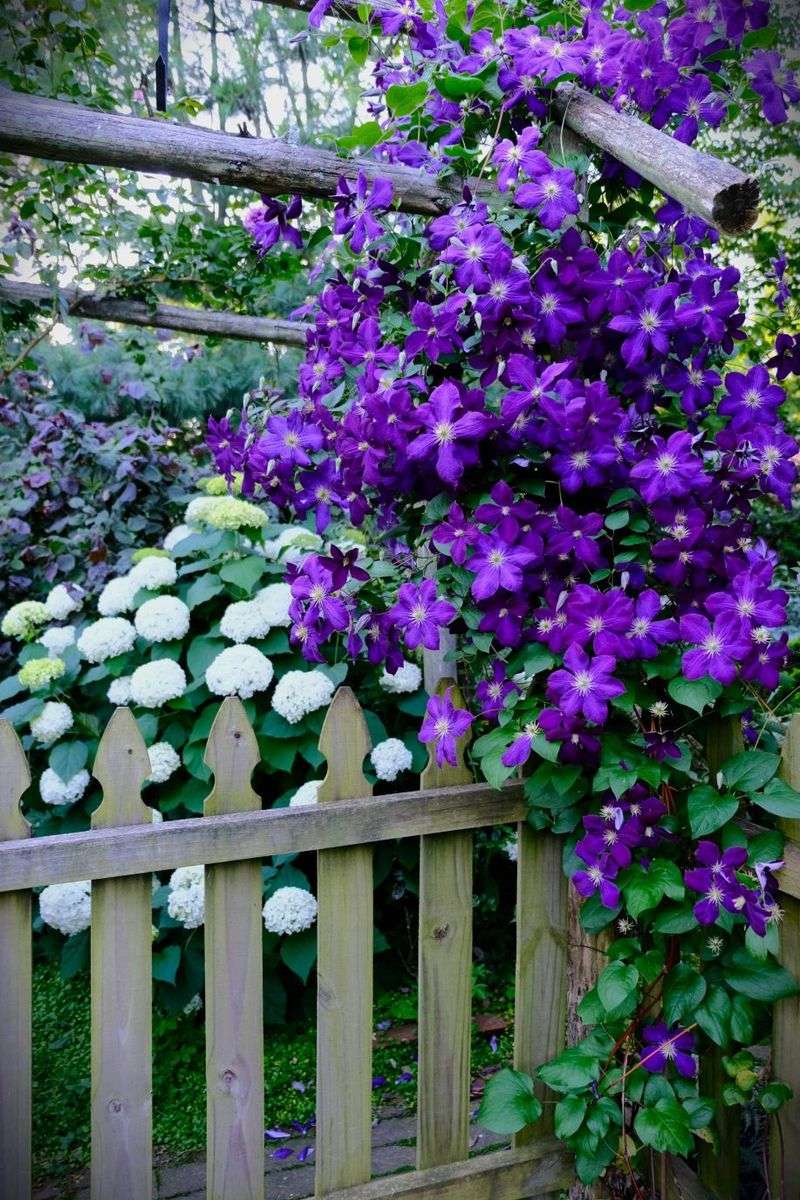
Dreaming of a fence covered in flowers by summer is easy, but clematis works on its own timeline. This vine often takes a few years to reach its full, showstopping potential.
Gardeners sometimes hear an old rhyme about clematis: the first year it sleeps, the second year it creeps, and the third year it leaps. That saying holds a lot of truth.
In the early stages, the plant pours its energy underground into building a strong root system. You might see modest growth up top, but big things are happening where you cannot see them.
That hidden work pays off later. Once the roots are established, the vine surges upward and outward, finally delivering the thick coverage and heavy blooms you pictured.
Patience makes all the difference during those first seasons. Keep watering, mulching, and giving the plant steady care, and trust that it is getting ready for a big display.
Choosing the right variety helps too. Some clematis stay compact while others sprawl for many feet, so match the plant to the space you want it to fill.
Rushing things, like overfeeding or moving the plant around, only slows it down. Steady care beats quick fixes every time with this vine.
Give your clematis the time it needs, and the reward is worth the wait. A mature vine can blanket a trellis or fence in color year after year, becoming the kind of plant that stops passersby and makes your garden shine.