If You Only Have 15 Minutes To Garden In Michigan These Are The Summer Jobs To Tackle
Busy summer schedules rarely leave much room for long gardening sessions, yet even fifteen minutes can make a real difference if you focus on the right tasks.
Most people assume short bursts of time aren’t worth the effort, skipping the garden entirely rather than doing something small.
But a handful of quick jobs actually deliver results disproportionate to how little time they take to complete. Understanding which tasks belong on this short list changes how you think about squeezing gardening into an already packed day.
Many gardeners are surprised by how much they can accomplish once they stop waiting for a free afternoon that never comes. Even scattered fifteen minute sessions add up to meaningful progress over the course of a season.
This list could completely change how you fit gardening into a summer that never seems to slow down.
1. Pull Weeds Before They Seed
Weeds are sneaky little troublemakers. One dandelion or crabgrass plant may look small today, but give it a week and it can toss out hundreds or even thousands of seeds.
Every one of those seeds is a future weed waiting to pop up somewhere in your yard.
Spending part of your fifteen minutes yanking weeds now saves you hours of work later. The best time to grab them is before those fuzzy seed heads or flowers form.
Once a weed goes to seed, the wind and rain carry those seeds all over your garden beds.
Michigan summers bring warm days and plenty of rain, which means weeds grow fast. Focus on the biggest ones first, especially any that are about to flower.
Pulling them when the soil is damp makes the whole root slide out easier, so they do not grow right back.
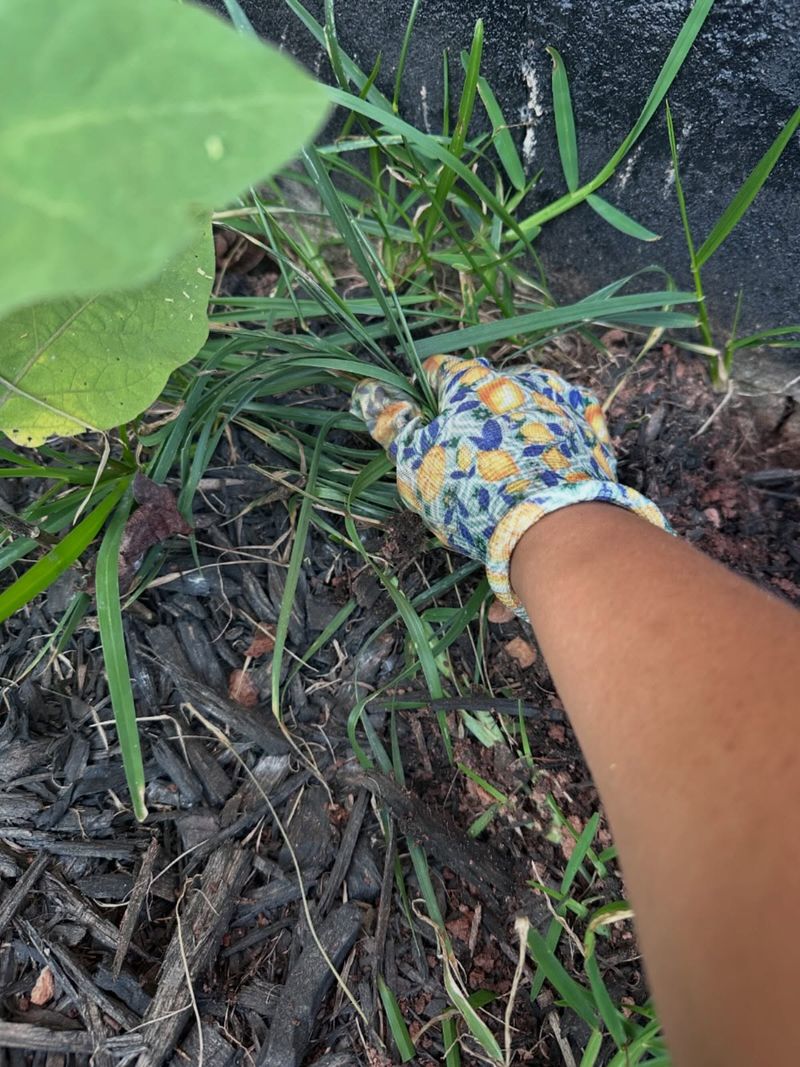
Try to grab the base of the weed close to the ground. That way you remove the roots instead of just snapping off the top. A little hand tool can help with stubborn ones that hold on tight.
Toss the weeds into a bucket instead of leaving them on the soil, since some can still drop seeds even after being pulled. Fifteen focused minutes of weeding keeps your flowers and veggies from fighting for water and nutrients.
Your plants will thank you with stronger growth and a much tidier looking garden.
2. Check Plants For Pests

Bugs love a good garden just as much as you do. A quick weekly peek at your plants is one of the smartest fifteen minute habits you can build.
Catching pests early means you can stop a small problem before it turns into a big headache.
Michigan gardeners deal with a few usual suspects during summer. Japanese beetles chew ragged holes in leaves and flowers, aphids cluster on tender new growth, and spider mites leave tiny speckles and fine webbing behind.
All three can spread quickly if nobody notices them. Flip a few leaves over while you look, since many pests hide on the underside where they feel safe. Check the newest growth too, because soft young leaves are a favorite snack for hungry insects.
Your Michigan Garden Changes Every Week. Your Plan Should Too.
Gardening in Michigan changes quickly throughout the season. Every Friday you’ll receive a simple weekly plan showing exactly what to plant, prune, fertilize, harvest, and protect so you never miss the right timing.
If you spot beetles, you can knock them into a cup of soapy water. Aphids often wash away with a strong spray from the hose.
Spider mites hate moisture, so keeping plants watered and rinsing the leaves can slow them down.
The whole point is speed and consistency. A short scan each week helps you notice changes, like yellowing leaves or sticky spots, before they spread across the whole bed. You do not need fancy tools, just your eyes and a little patience.
Once you make pest checks part of your routine, your plants stay stronger and healthier. Spotting trouble early always beats scrambling to fix a full blown invasion later in the season.
3. Remove Faded Flowers
Faded flowers might look sad, but they are actually a signal to your plant. Once a bloom fades, the plant wants to put its energy into making seeds.
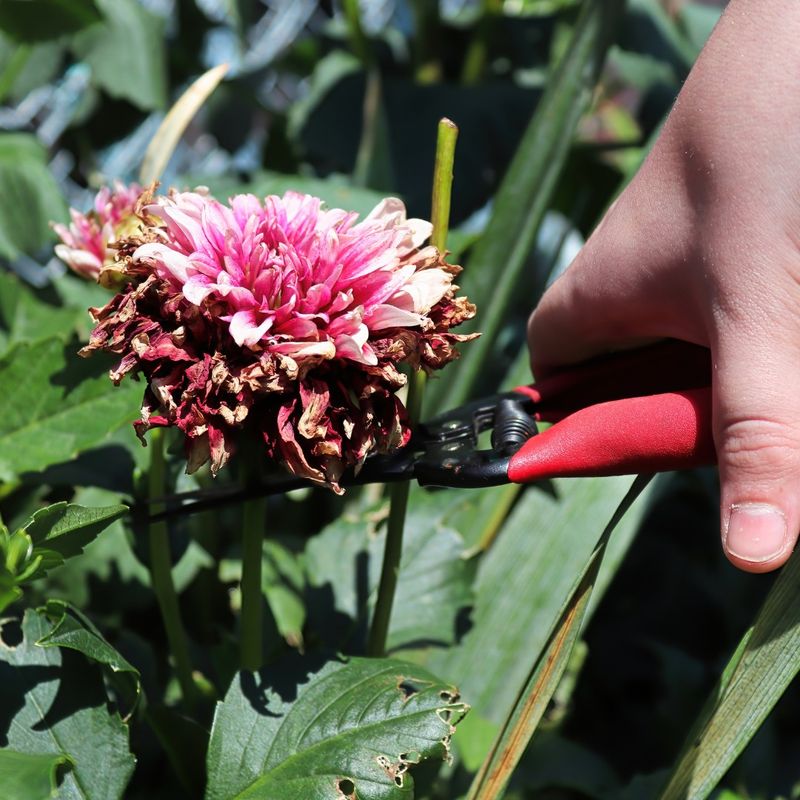
When you snip those spent blooms off, you tell the plant to keep making fresh flowers instead.
This little trick is called deadheading, and it works wonders on many annuals. Petunias, marigolds, zinnias, and geraniums often reward you with waves of new color when you keep the old blooms picked off.
Some perennials, like coreopsis and salvia, will also push out extra flowers.
All you need is your fingers or a small pair of scissors. Pinch or cut the faded bloom just above the first set of healthy leaves.
It takes only seconds per flower, so a fifteen minute session can freshen up a whole bed.
Michigan summers are long enough that regular deadheading really pays off. Plants that would normally quit after one round of flowers keep going strong well into late summer. That means more color for your yard and more visits from bees and butterflies.
Try to make deadheading a relaxing part of your routine. Walk along your beds, snip the tired blooms, and drop them into a bucket as you go.
Not every plant needs it, so focus on the ones that flower again and again. With a few quick minutes here and there, your garden stays bright, full, and bursting with fresh blooms all season.
4. Water Deeply Where Needed
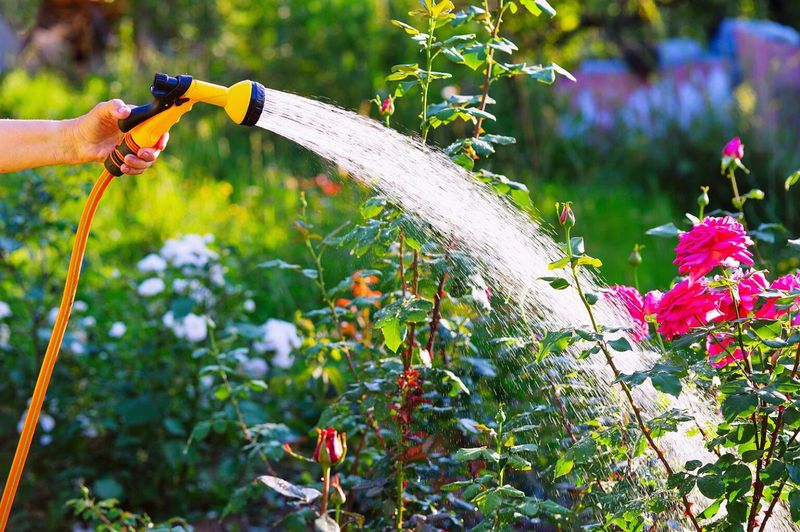
Watering seems simple, but there is a smart way to do it. A quick sprinkle every day might feel helpful, yet it often does more harm than good.
Shallow watering keeps roots near the surface, where the hot summer sun dries them out fast.
Deep watering is the better choice for established plants. When you soak the soil so moisture reaches down several inches, roots grow deeper to find it.
Those deeper roots help plants handle Michigan’s dry summer stretches much better.
Aim the water at the base of the plant instead of the leaves. Wet leaves in the evening can invite mold and other problems, so watering the soil directly is smarter.
Early morning is the ideal time, since less water gets lost to the sun. You do not need to water every single day. Two or three good soakings each week usually beat a little sip every morning.
Check the soil first by poking your finger a couple inches down, and if it feels dry, it is time to water.
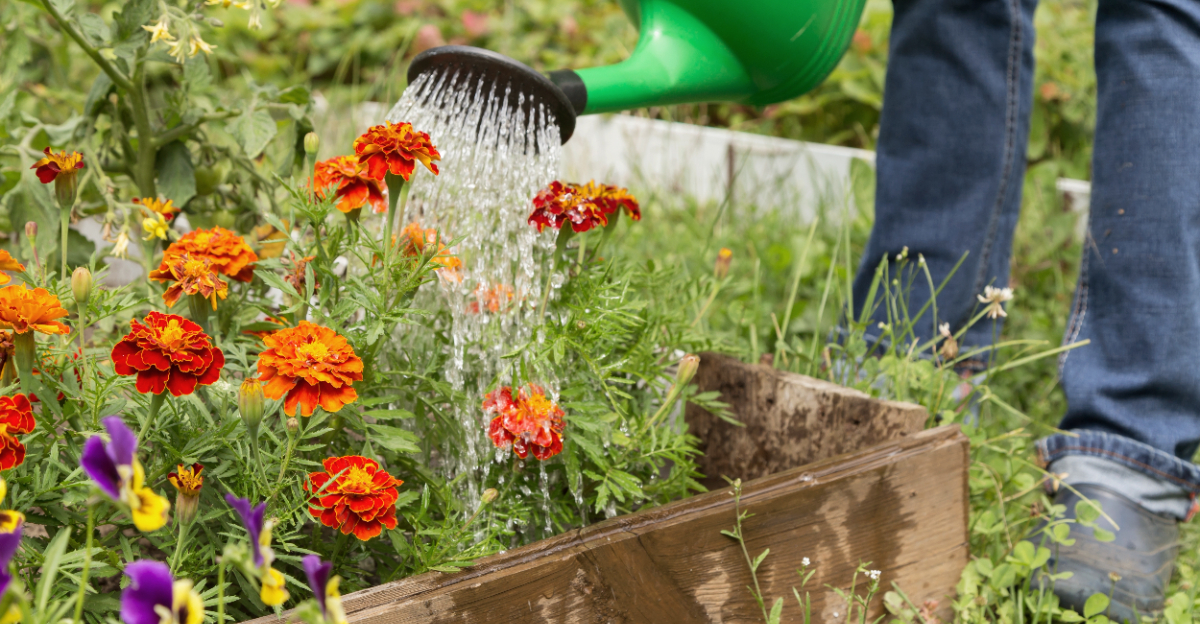
During fifteen minutes, focus on the spots that dry out fastest, like containers, raised beds, and sunny corners. A slow trickle from the hose or a watering can lets moisture sink in instead of running off.
Plants with strong, deep roots stand up to heat waves and windy days without wilting. By watering less often but more thoroughly, you save time, save water, and grow tougher, healthier plants that thrive through the whole summer.
5. Add A Fresh Mulch Check
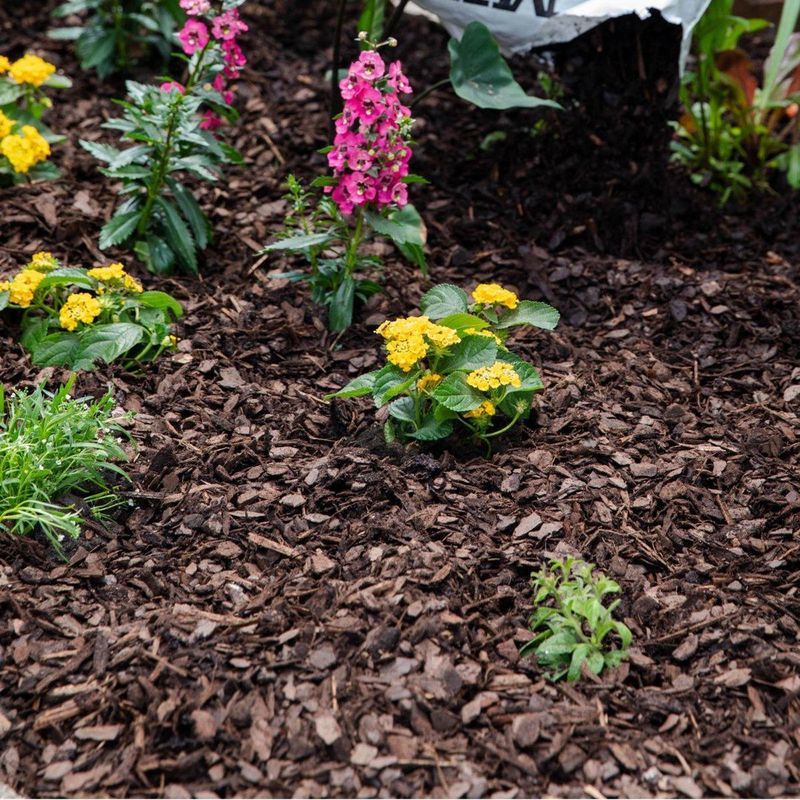
Mulch is like a cozy blanket for your soil, and it does a lot of quiet work. Over time it breaks down and thins out, so a quick check keeps it doing its job. Fifteen minutes is plenty of time to walk your beds and spot the bare patches.
The main reason mulch matters is moisture. A good layer holds water in the soil, so your plants stay hydrated longer between waterings.
During hot Michigan afternoons, that extra moisture can be a real lifesaver for thirsty roots.
Mulch also blocks sunlight from reaching weed seeds. Fewer weeds sprout when the soil is covered, which means less weeding for you later on. It is one of those simple tricks that keeps giving back all season.
Aim for about two to three inches of mulch across your beds. Too little and weeds sneak through, too much and it can smother your plants. Keep mulch pulled back a bit from plant stems so they can breathe.
While you check, use a rake or your hands to fluff up spots that have packed down. Add a fresh handful anywhere the soil peeks through. Wood chips, shredded bark, or straw all work well.
Mulch also keeps roots cooler when the temperature climbs, which reduces stress on your plants. A quick mulch check every couple weeks helps your garden hold water, fight weeds, and stay comfortable through the toughest heat of summer.
6. Harvest Vegetables Often
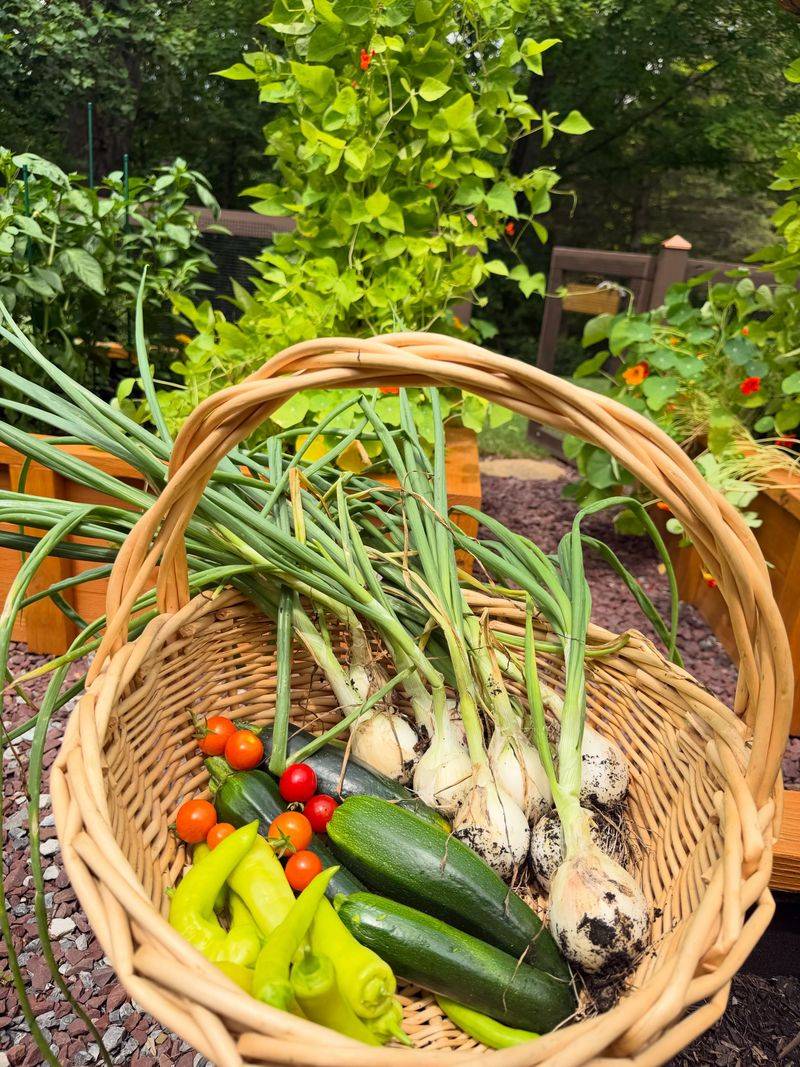
Picking your veggies often is like giving your plants a friendly nudge to keep going. When you harvest ripe crops regularly, the plant shifts its energy toward growing even more.
Leave everything on the vine, and the plant slows down instead. Tomatoes are a perfect example. Grab them when they are ripe, and the plant keeps setting new fruit.
The same goes for cucumbers, beans, zucchini, and peppers, which all produce more when you keep picking.
Beans are especially eager. Pick them while they are young and tender, and new pods keep forming for weeks. Wait too long and the plant thinks its job is finished, so production drops off.
Michigan summers give gardeners a busy harvest window, so a quick daily or every other day check pays off big. Fifteen minutes is enough to walk your rows, fill a basket, and spot what is coming next.
Regular picking also means better tasting food. Vegetables harvested at their peak are sweeter, crisper, and more flavorful than ones left too long. Overripe produce can turn mushy and attract pests too.
Keep a basket or bag handy so harvesting feels quick and easy. Gently twist or snip crops off instead of yanking, which protects the plant from damage.
The more you harvest, the more your garden keeps giving. A steady picking habit turns a few plants into a generous supply of fresh food that lasts deep into the growing season. Your kitchen will stay stocked all summer long.
7. Remove Diseased Leaves
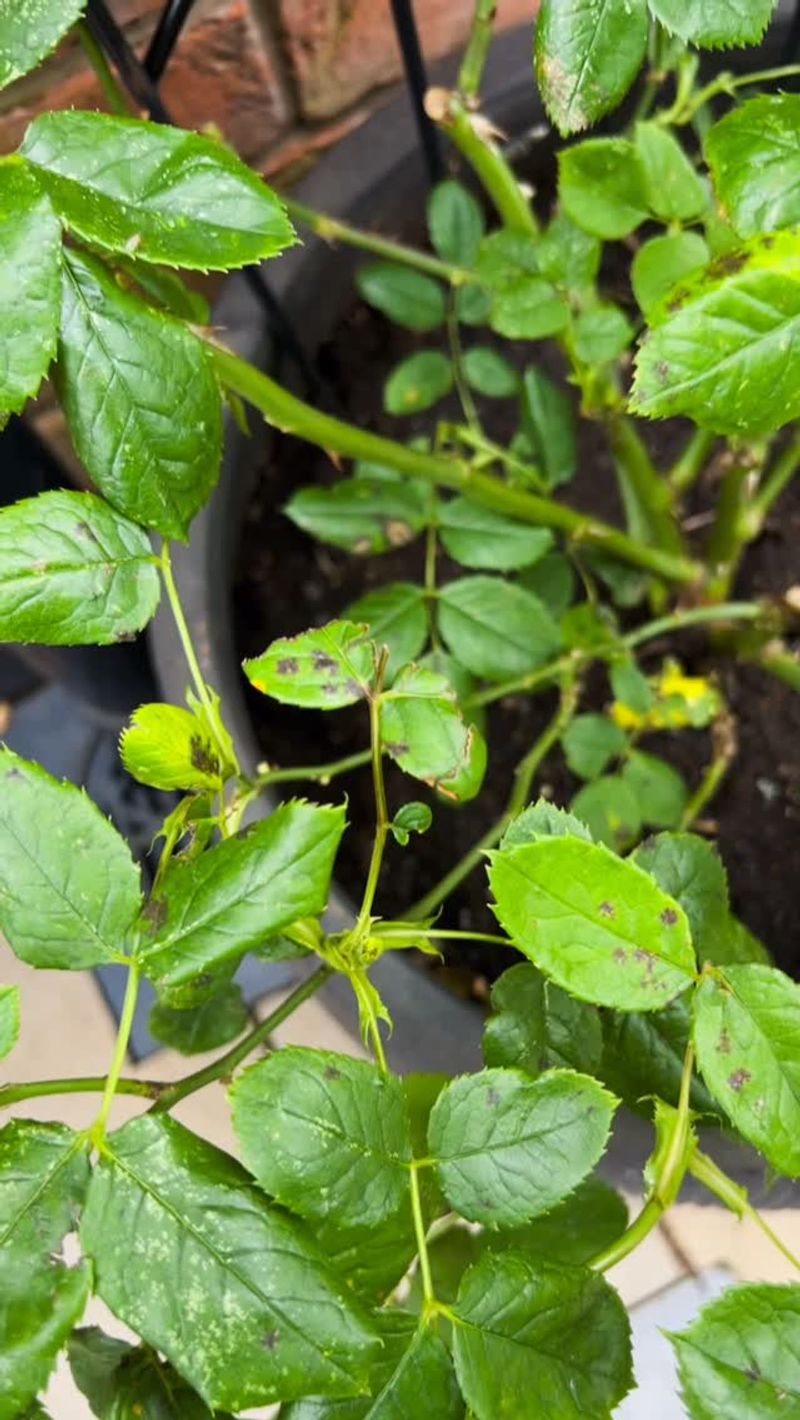
Sick leaves have a way of spreading trouble fast. When you spot leaves covered in spots, mold, or odd yellow patches, pulling them off quickly can protect the rest of the plant.
A few minutes of cleanup now saves a much bigger mess later.
Many plant problems start on just one or two leaves. Fungus and other issues love warm, damp Michigan summers, and they can jump from leaf to leaf if nobody steps in. Removing the affected parts slows that spread way down.
Look for leaves that seem off compared to the healthy ones around them. Brown edges, powdery coatings, or dark spots are common warning signs. Pinch or snip those leaves off cleanly, cutting back to healthy growth.
Do not toss the damaged leaves into your compost pile. Some problems survive in there and come right back next season. Bag them up and throw them away instead.
It also helps to clean your scissors or pruners between plants. That way you avoid carrying a problem from one plant to the next on your tools.
Good airflow keeps plants healthier too, so thinning out crowded, unhealthy leaves gives the rest room to breathe. Sunlight and fresh air help leaves dry faster, which discourages fungus from settling in.
Fifteen minutes spent tidying up struggling plants keeps small issues from turning into garden wide problems. Your plants can focus their energy on new, healthy growth instead of fighting to survive. A clean garden is a strong, thriving garden.
8. Walk The Whole Yard
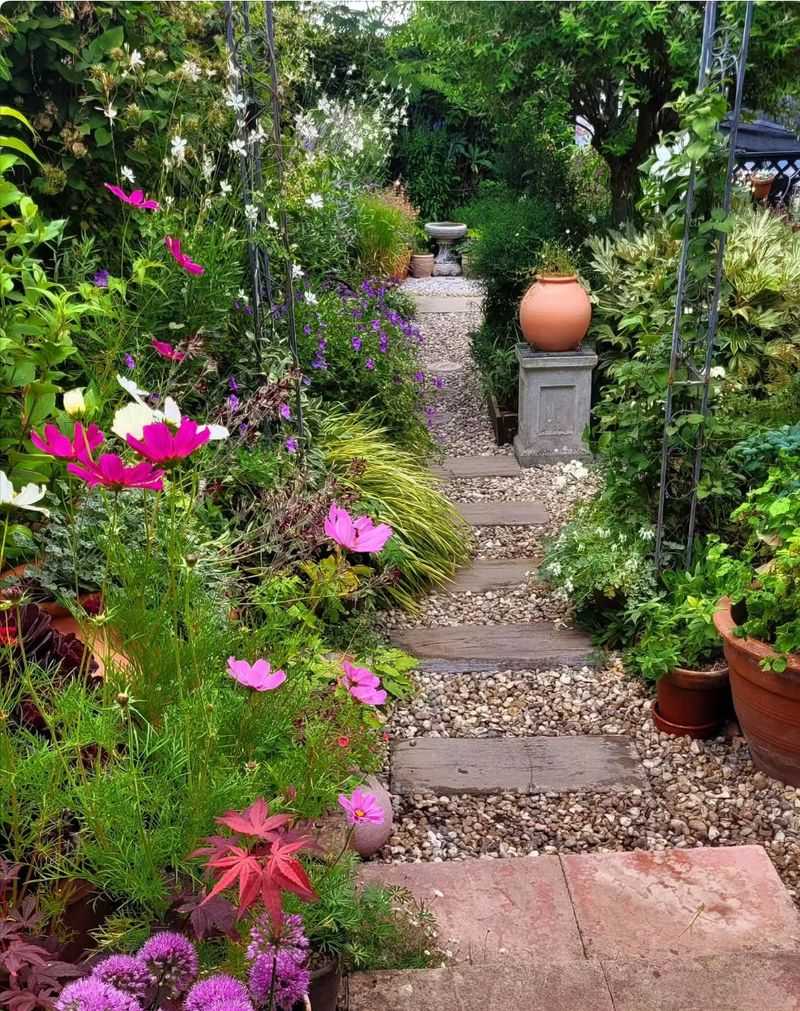
Sometimes the best gardening job is simply paying attention. A slow walk around your whole yard lets you notice things you might otherwise miss.
Fifteen minutes of looking around can catch problems while they are still small and easy to fix.
As you stroll, keep an eye out for dry spots where plants look droopy or the soil is cracked. Those areas may need extra water or a fresh layer of mulch. Spotting them early keeps your plants from getting too stressed.
Michigan summers can bring sudden storms, so check for any wind or rain damage after rough weather. Broken branches, leaning plants, or knocked over containers are easier to fix right away.
A quick walk helps you find them fast. Weeds also love to hide in corners you do not visit often. Walking the full yard helps you catch new sprouts before they take over.
Pull the little ones as you go if you have a spare moment. Look at your plants closely too. Yellow leaves, chewed edges, or wilting can all be early clues that something needs your attention.
Noticing these signs early gives you time to act before a small issue grows. Bring a bucket along so you can grab weeds, faded flowers, or fallen debris as you spot them. That way your walk doubles as a mini cleanup.
A regular garden walk keeps you connected to your yard and its needs. Little check ins like this make your whole garden healthier, tidier, and far easier to manage all summer.