Pennsylvania Native Trees That Create Dense Shade Without Constant Cleanup
Shade trees are one of the best investments a Pennsylvania homeowner can make, but not every shade tree earns its place without creating a whole new set of maintenance headaches.
Messy seed pods, aggressive surface roots, heavy leaf drop at inconvenient times, or debris that turns the area beneath the tree into an ongoing cleanup project.
The shade is welcome. Everything else that comes with the wrong tree is not. Native Pennsylvania shade trees solve this problem better than most people realize.
The right native shade tree grows to provide the kind of dense, meaningful coverage that genuinely changes how your outdoor space feels on a hot summer day, and it does it without the excessive mess that makes some popular shade choices more trouble than they’re worth.
Native trees have also evolved to fit the Pennsylvania ecosystem in ways that non-native species never quite manage, which tends to make them more resilient, longer lived, and lower maintenance overall.
Here are the native Pennsylvania shade trees that deliver serious cooling without the constant cleanup that so many homeowners are quietly suffering through.
1. Black Gum (Nyssa Sylvatica)
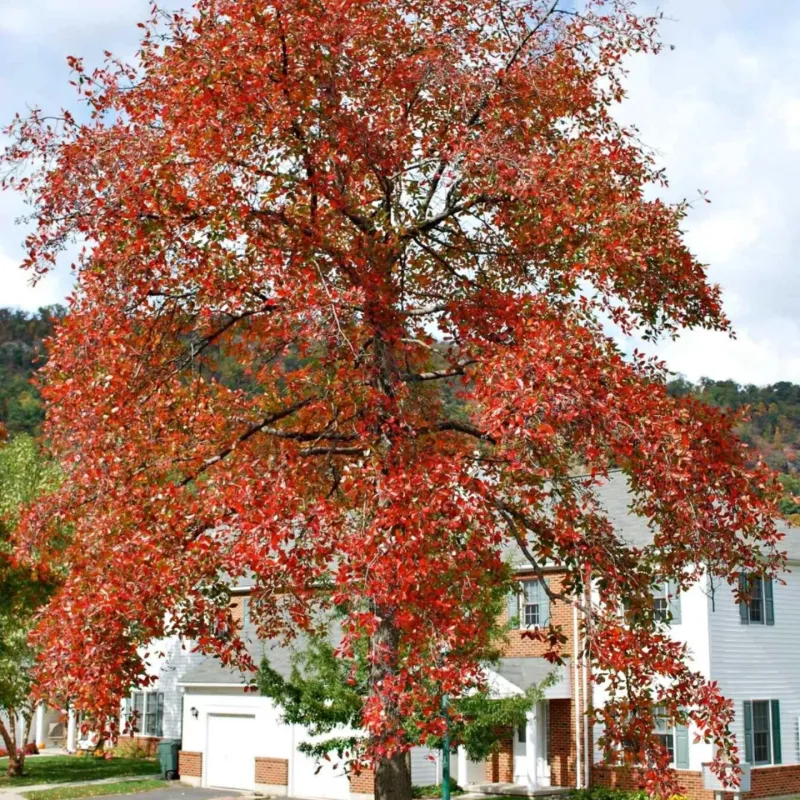
Few trees can match the all-season beauty of the Black Gum. Known scientifically as Nyssa sylvatica, this native Pennsylvania tree grows a thick, rounded canopy that blocks sunlight effectively during the hot summer months.
Sitting under a Black Gum on a July afternoon feels like sitting under a natural umbrella. One of the best things about Black Gum is how little mess it makes. The small, dark berries it produces are quickly eaten by birds, so they rarely pile up on your lawn.
You won’t be spending hours raking fruit off your grass every fall. The leaves do drop in autumn, but they are small enough that cleanup is minimal compared to other large shade trees.
Speaking of fall, Black Gum is one of the first trees to change color each year. Its leaves shift from deep green to fiery red, orange, and purple, creating a stunning display.
Gardeners and landscapers in Pennsylvania love it for this reason. The tree also handles wet soil conditions better than most, making it ideal for low-lying areas of your yard that tend to stay moist after rain.
Black Gum grows at a moderate pace, typically reaching 30 to 50 feet tall at maturity. It does not have aggressive roots, so it won’t threaten sidewalks or foundations.
Wildlife benefits too, since many species of birds and insects rely on this tree for food and shelter. Planting a Black Gum is a long-term investment in both beauty and local ecology. It is one of the most rewarding native trees you can add to a Pennsylvania landscape.
2. Red Maple (Acer Rubrum)
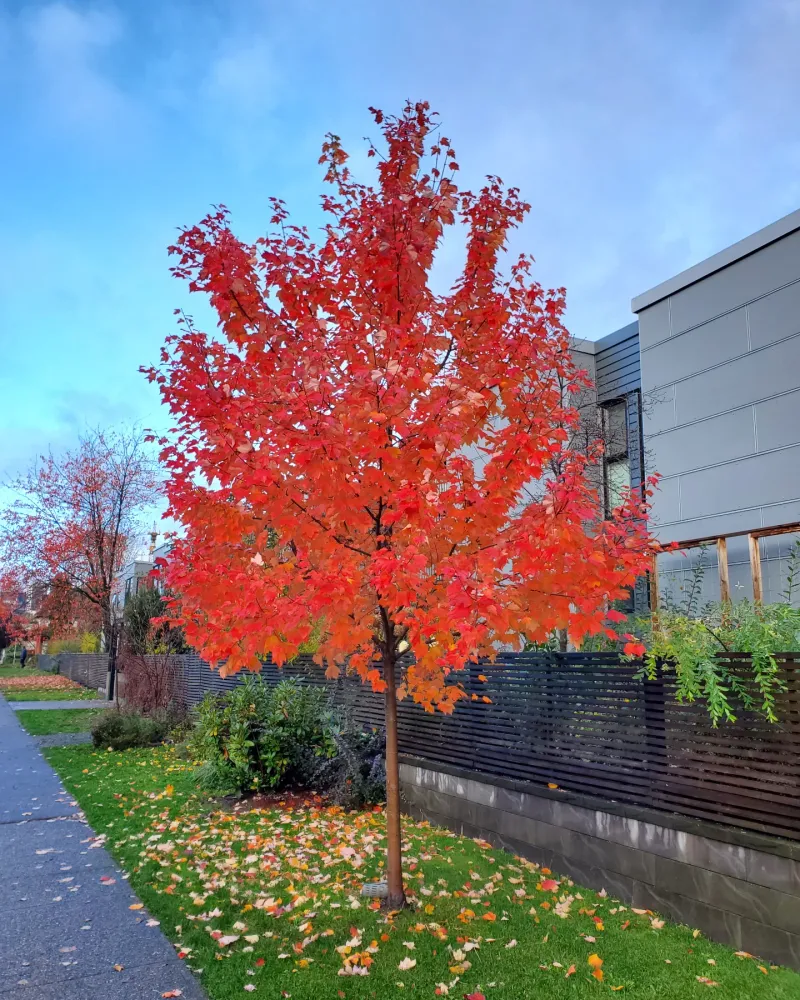
Walk through almost any Pennsylvania neighborhood in October and you will spot a Red Maple blazing with color. Acer rubrum is one of the most popular native trees in the eastern United States, and for good reason.
It grows fast, provides serious shade, and puts on a spectacular show every single fall. Red Maple earns its name twice over. In early spring, tiny red flowers appear before the leaves even open, giving the bare tree a reddish glow.
Your Pennsylvania Garden Changes Every Week. Your Plan Should Too.
Gardening in Pennsylvania changes quickly throughout the season. Every Friday you’ll receive a simple weekly plan showing exactly what to plant, prune, fertilize, harvest, and protect so you never miss the right timing.
Then in fall, the leaves turn brilliant shades of red, orange, and yellow. During summer, the broad canopy fills out fully, creating deep, reliable shade across a wide area of lawn or garden.
From a maintenance standpoint, Red Maple is surprisingly manageable. Yes, it drops its winged seeds, called samaras, in spring, but these are lightweight and easy to clean up.
The leaves in fall are large but break down quickly when mulched with a lawn mower. Many homeowners barely notice the cleanup compared to the enjoyment the tree provides all year long.
Red Maple grows quickly, often adding 1.5 to 2 feet of height per year under good conditions. It adapts well to many soil types, including wet and clay-heavy soils that are common across Pennsylvania.
The tree typically reaches 40 to 70 feet tall, so it is a great choice for larger yards where you want serious shade coverage.
It also supports hundreds of species of insects and birds, making it one of the most ecologically valuable native trees you can plant. For fast shade with low hassle, Red Maple is hard to beat.
3. American Hornbeam (Carpinus Caroliniana)
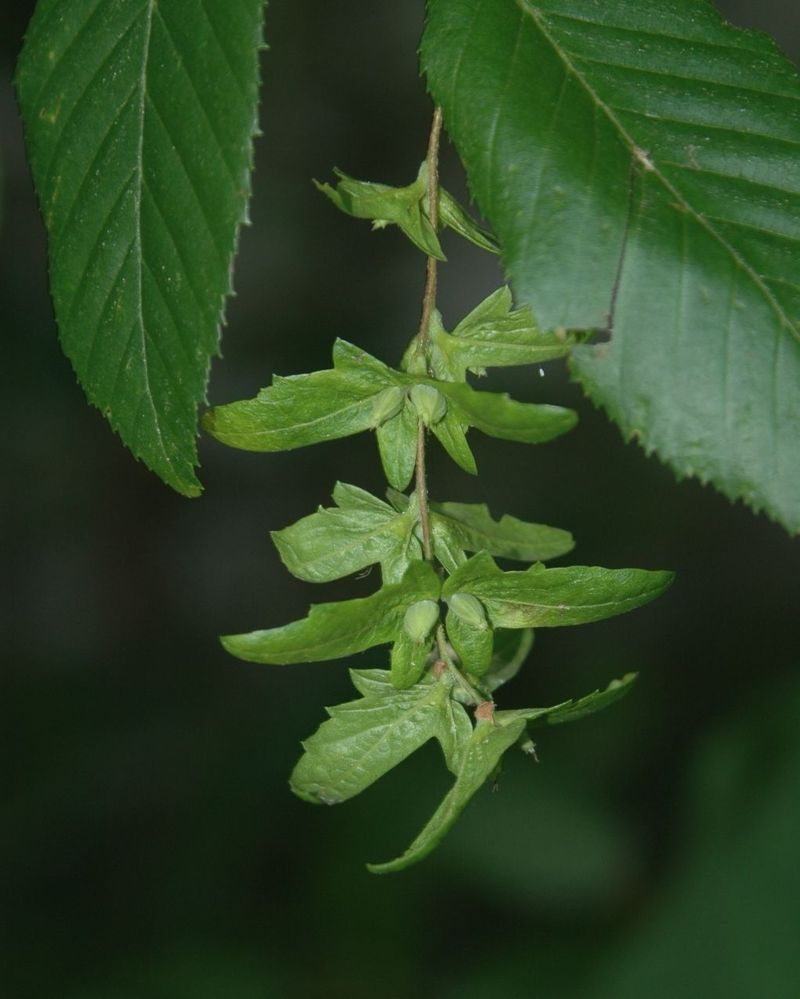
Not every yard needs a towering giant, and that is exactly where American Hornbeam shines.
Sometimes called Musclewood because of its smooth, rippled gray bark that looks like flexed muscle, this small native tree brings a unique charm to residential landscapes. It is the kind of tree that makes visitors stop and ask, “What is that?”
American Hornbeam stays relatively compact, usually reaching 20 to 35 feet tall. That makes it a fantastic choice for smaller yards, tight spaces near patios, or spots beneath power lines where a larger tree would cause problems.
Despite its modest size, it grows a dense, layered canopy that creates excellent shade for sitting areas and garden beds below.
One of its most appealing qualities is how little mess it creates. The small nutlets it produces in fall are quickly claimed by birds and small mammals, so they rarely litter the ground for long.
Leaf drop in autumn is modest, and the leaves are small enough to decompose quickly without much effort from you.
American Hornbeam is also remarkably tough for its size. It naturally grows along stream banks and in the understory of forests, so it handles shade, moisture, and even occasional flooding without complaint.
It is a slow grower, which actually works in its favor for residential settings since it rarely needs pruning or shaping.
Fall brings another reward, as the leaves turn orange, red, and yellow before dropping. This tree is genuinely four-season beautiful.
For homeowners who want a low-maintenance native tree that fits neatly into a smaller landscape, American Hornbeam is one of the smartest choices available in Pennsylvania.
4. Sourwood (Oxydendrum Arboreum)
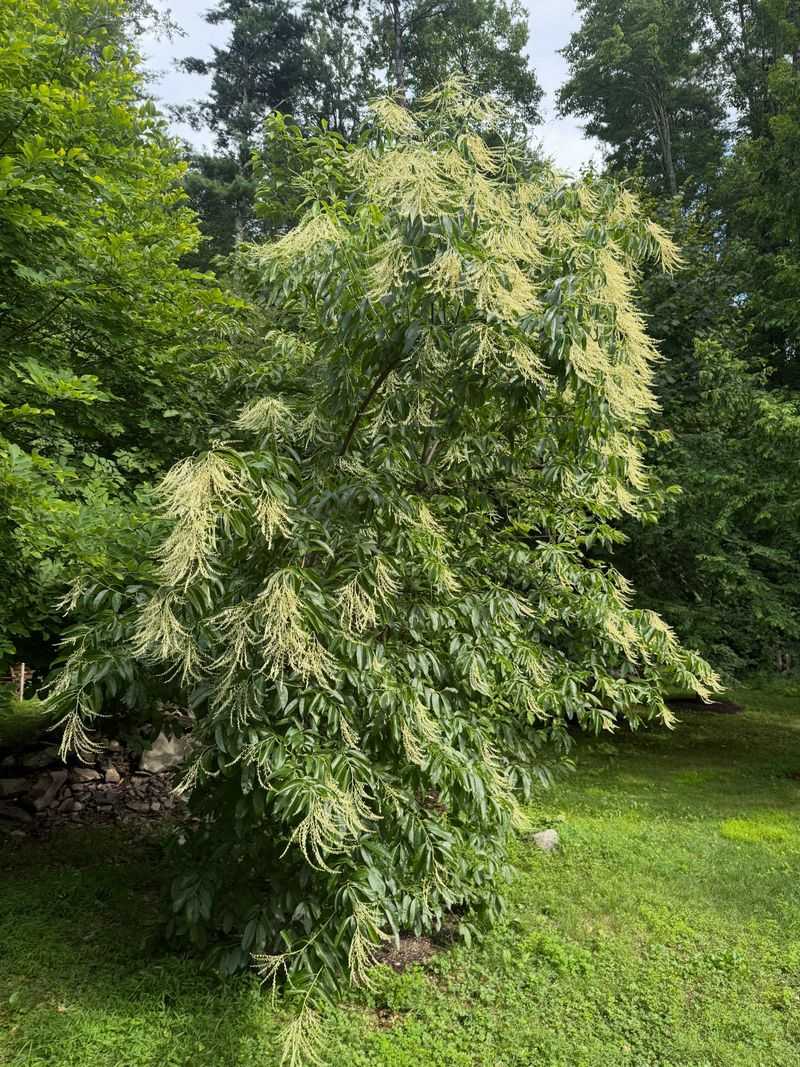
Sourwood is the kind of tree that earns admiring glances from neighbors all year long. Oxydendrum arboreum is native to the Appalachian region, and Pennsylvania sits right in its natural range.
What makes Sourwood stand out is its three-season performance: attractive summer flowers, brilliant fall foliage, and a graceful branching structure that looks great even in winter.
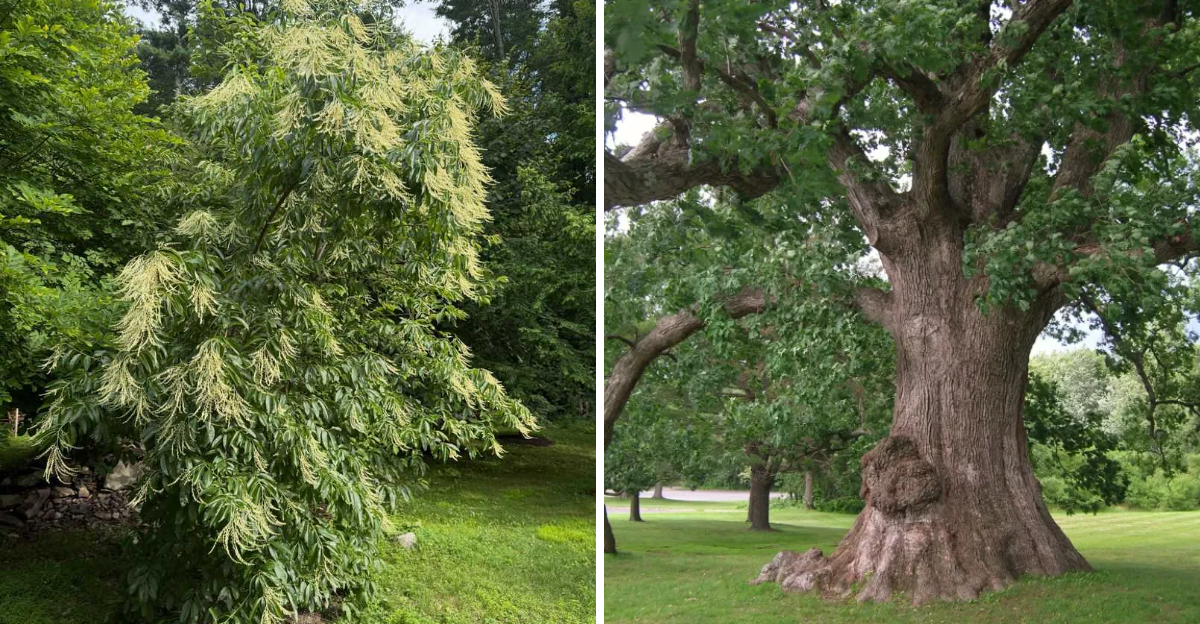
In midsummer, Sourwood produces long, drooping clusters of small white flowers that look a lot like lily of the valley blossoms. These flowers are not just pretty.
They are a favorite nectar source for honeybees, and Sourwood honey is considered a prized specialty in many parts of the eastern United States. Planting one is essentially rolling out a welcome mat for pollinators.
The shade Sourwood provides is filtered rather than dense, which is actually ideal for garden beds where you want protection from harsh afternoon sun without completely blocking light.
Understory plants like ferns, hostas, and native wildflowers thrive in the dappled shade beneath a Sourwood canopy.
From a cleanup perspective, Sourwood is very friendly. The seed capsules it drops in fall are tiny and lightweight, barely noticeable on the ground.
Leaf litter is minimal and breaks down easily. You will spend far more time admiring this tree than cleaning up after it.
Sourwood typically grows 20 to 35 feet tall with a narrow to oval shape. It prefers well-drained, slightly acidic soil, which is common throughout much of Pennsylvania.
Fall color is spectacular, ranging from deep crimson to burgundy. For a tree that delivers beauty, wildlife value, and minimal mess, Sourwood is a truly underrated gem for Pennsylvania yards.
5. White Oak (Quercus Alba)
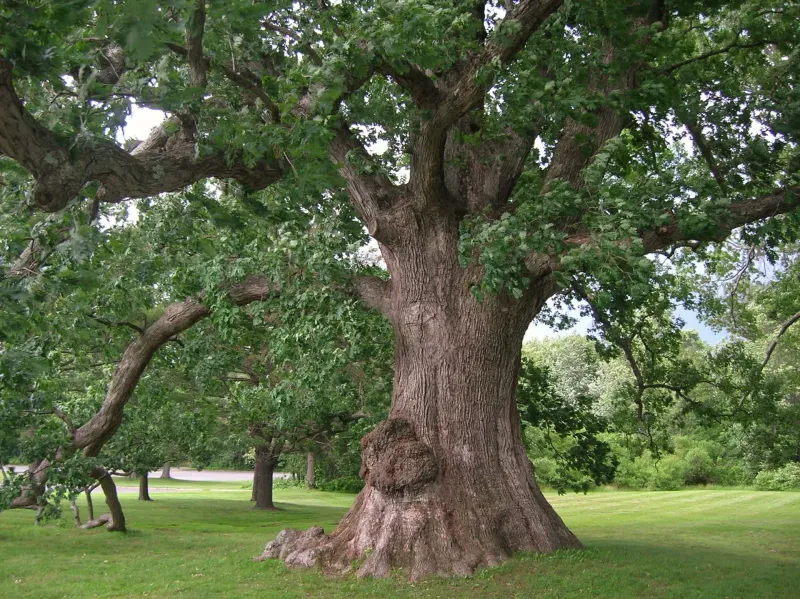
There is something almost legendary about a mature White Oak. Quercus alba can live for several hundred years, and some specimens in Pennsylvania have been standing since before the American Revolution.
Planting one is not just landscaping. It is leaving something behind for future generations to enjoy and benefit from.
White Oak grows into a truly massive tree, often reaching 60 to 100 feet tall with an equally wide canopy spread. The shade it creates is deep and reliable, cooling large areas of lawn, patio, or garden beneath it during the hottest summer months.
On a sweltering August day, the difference in temperature under a mature White Oak can be dramatic.
From an ecological standpoint, White Oak is one of the most important native trees in the eastern United States. It supports over 500 species of caterpillars and moths alone, which in turn feed birds and other wildlife.
The acorns it produces are a critical food source for deer, turkeys, squirrels, and many other animals. Planting a White Oak is one of the most impactful things a homeowner can do for local wildlife.
Cleanup concerns with White Oak are often overstated. Yes, it drops acorns in fall, but wildlife typically removes most of them within weeks.
The large lobed leaves do fall in autumn, but they break down quickly and make excellent mulch when shredded. Many gardeners rake them into garden beds rather than bagging them.
White Oak prefers well-drained soil and full sun. It is a slow starter but accelerates growth once established.
For a large property in Pennsylvania, few trees offer the combination of shade, beauty, longevity, and wildlife value that White Oak delivers so consistently.
6. American Beech (Fagus Grandifolia)
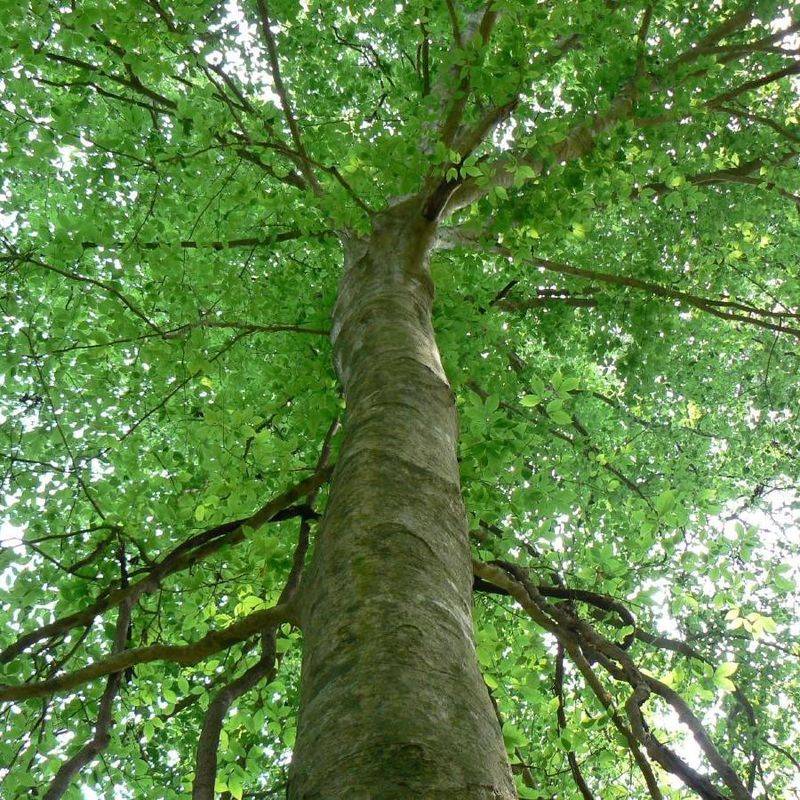
American Beech has a personality unlike any other native tree in Pennsylvania. The smooth, silver-gray bark is almost irresistible to touch, and it stays that way throughout the tree’s entire life.
While other trees develop rough, furrowed bark as they age, American Beech keeps its clean, elegant appearance decade after decade. It looks like a tree from a fairy tale.
The canopy of an American Beech is broad, dense, and incredibly effective at creating shade. Mature trees can reach 60 to 80 feet tall with a canopy spread nearly as wide.
Grass often struggles to grow beneath a large Beech because the shade is so complete, which actually works in your favor if you want a low-maintenance mulched area under the tree instead of lawn.
From a litter standpoint, American Beech is quite manageable. The small triangular nuts it produces in fall, called beechnuts, are quickly eaten by squirrels, deer, turkeys, and many other animals.
You rarely have to deal with large accumulations of fruit on the ground. Leaves are papery and thin, breaking down relatively fast after they fall.
One charming quirk of American Beech is that it often holds onto its dried, tan-colored leaves through much of winter.
This characteristic, called marcescence, gives the tree a warm, golden glow during gray winter months and adds visual interest to the landscape when most other trees are bare.
American Beech grows best in moist, well-drained soil with some protection from harsh winds. It is a slower-growing tree but extremely long-lived.
For homeowners who value timeless beauty, strong shade, and a tree with genuine woodland character, American Beech is an outstanding native choice for Pennsylvania properties.