The Arizona Vegetables That Should Go Into The Ground Before Labor Day
Labor Day may still feel like summer, but your vegetable garden is already entering an important planting window. Waiting several more weeks could mean missing valuable growing time.
Late August brings opportunities that are easy to overlook when afternoons remain intensely hot. Certain crops can get their start now while the season begins shifting.
For Arizona gardeners, timing matters because fall planting does not follow the calendar many gardeners expect. The desert growing season plays by very different rules.
Get your beds ready before cooler weather convinces everyone else that fall gardening has arrived. Some vegetables benefit from getting into the ground earlier.
What you plant now can shape how productive your garden becomes during the months ahead.
Before Labor Day arrives, find out which vegetables deserve space in your garden and why their timing matters.
1. Snap Beans Still Have Time For A Fall Crop
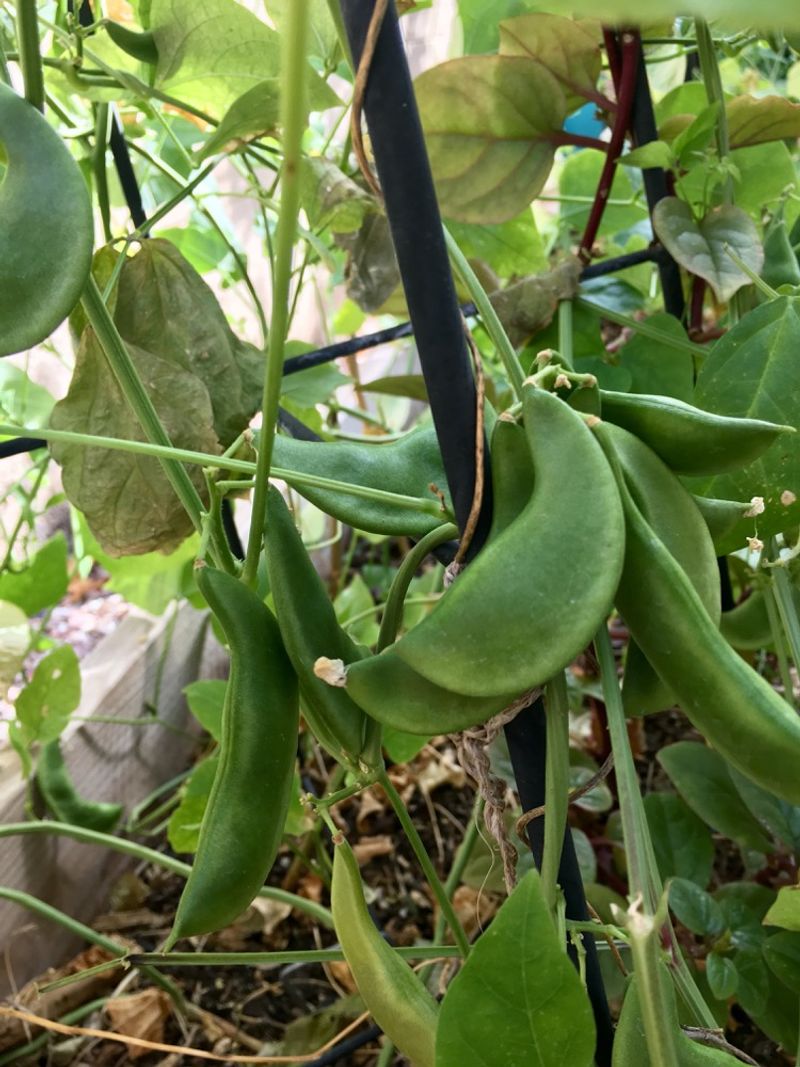
Snap beans are faster than most people expect. From seed to harvest, many bush varieties wrap up in about 50 to 60 days.
That window makes late August planting totally workable in low-elevation Arizona gardens.
Bush varieties tend to perform better than pole types for a fall planting. They mature more quickly, which matters when cooler nights start arriving in October and November.
Look for varieties labeled “50 days” or fewer when shopping for seed packets.
Soil temperature should be at least 60 degrees Fahrenheit for good germination. If your soil is still very hot from summer, water it a day or two before planting to cool it slightly.
Snap beans do not transplant well, so direct seeding is the way to go.
Water consistently after planting, especially in the first two weeks. Beans need steady moisture to sprout and set pods.
Letting the soil dry out completely between waterings can slow growth noticeably.
Mulching around the base of the plants helps hold moisture and keeps roots from overheating during those last warm weeks. A two-inch layer of straw or shredded wood chips works reasonably well.
Beans planted now can produce a satisfying harvest before Thanksgiving in many parts of the state.
2. Late August Gives Carrots An Early Fall Start
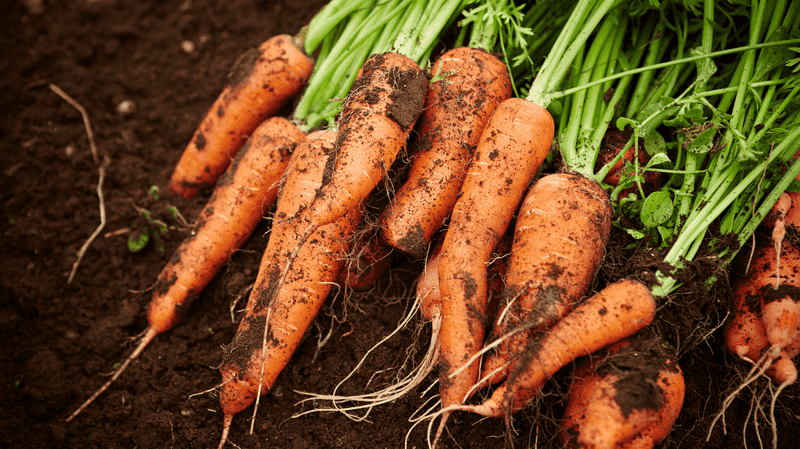
Carrots planted in late August have one big advantage: they get to grow through some of the best weather of the year. Mild fall temperatures help roots develop slowly and evenly, which often improves both texture and flavor.
Getting carrots to germinate is the hardest part. Seeds need consistent moisture at the soil surface for up to two weeks.
Letting that top layer dry out, even once, can set germination back significantly.
Loose, well-draining soil makes a real difference with carrots. Rocky or compacted ground causes roots to fork or stay stunted.
If your garden bed has heavy clay, mix in some sand or compost before planting to give roots room to grow straight.
Choose shorter varieties if your soil is not ideal. Nantes and Chantenay types do well in less-than-perfect conditions.
Longer Imperator varieties need deeper, softer soil to reach their full size.
Your Arizona Garden Changes Every Week. Your Plan Should Too.
Gardening in Arizona changes quickly throughout the season. Every Friday you’ll receive a simple weekly plan showing exactly what to plant, prune, fertilize, harvest, and protect so you never miss the right timing.
Thin seedlings to about two inches apart once they reach a few inches tall. Crowded carrots compete for space underground and rarely size up properly.
Thinning feels wasteful, but it genuinely pays off at harvest time.
Carrots planted in late August can be ready to pull around November or December. Cooler soil at that point can actually sweeten the roots, making the wait worthwhile for most home gardeners.
3. Cucumbers Make Good Use Of The Remaining Warmth
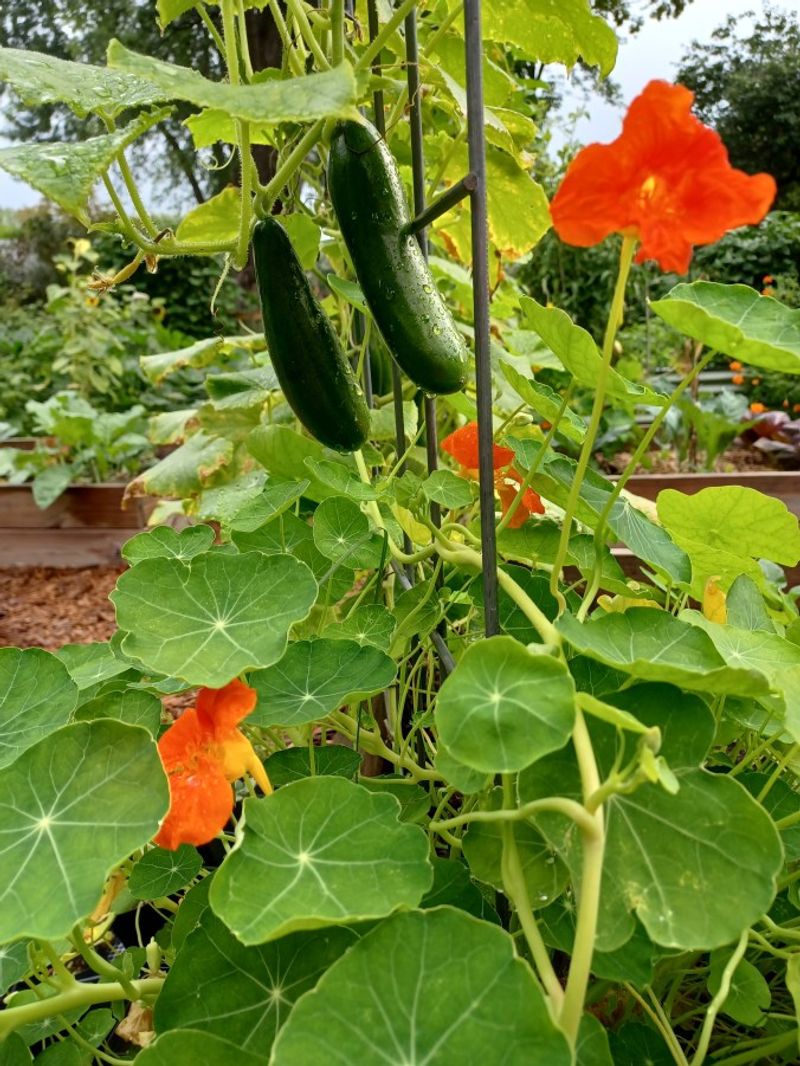
Cucumbers love heat, and late August still delivers plenty of it across most of the state. Planting now gives vines enough warm weeks to set fruit before cooler nights slow growth noticeably in October.
Direct seeding works well at this time of year. Seeds germinate fast when soil temperatures are still in the 80s.
You can often see sprouts within a week, which is encouraging for newer gardeners who want quick results.
Consistent watering is non-negotiable with cucumbers. Uneven moisture leads to bitter fruit and blossom drop.
Drip irrigation or a regular hand-watering schedule keeps the plants steadier than relying on occasional deep soaks.
Bush varieties work better for a late planting than sprawling vines. They take up less space and tend to fruit more quickly.
Compact types like Bush Pickle or Spacemaster are solid options worth looking for at local nurseries.
Cucumbers need pollination to set fruit, so having some flowering plants nearby can attract bees. If you notice lots of blooms but no fruit forming, check whether pollinators are visiting regularly.
Harvest cucumbers frequently once they start coming in. Leaving overripe fruit on the vine can slow production and reduce overall yield.
Picking every two to three days during peak production keeps the plant focused on setting new fruit.
4. Summer Squash Fits Into This Short Planting Window
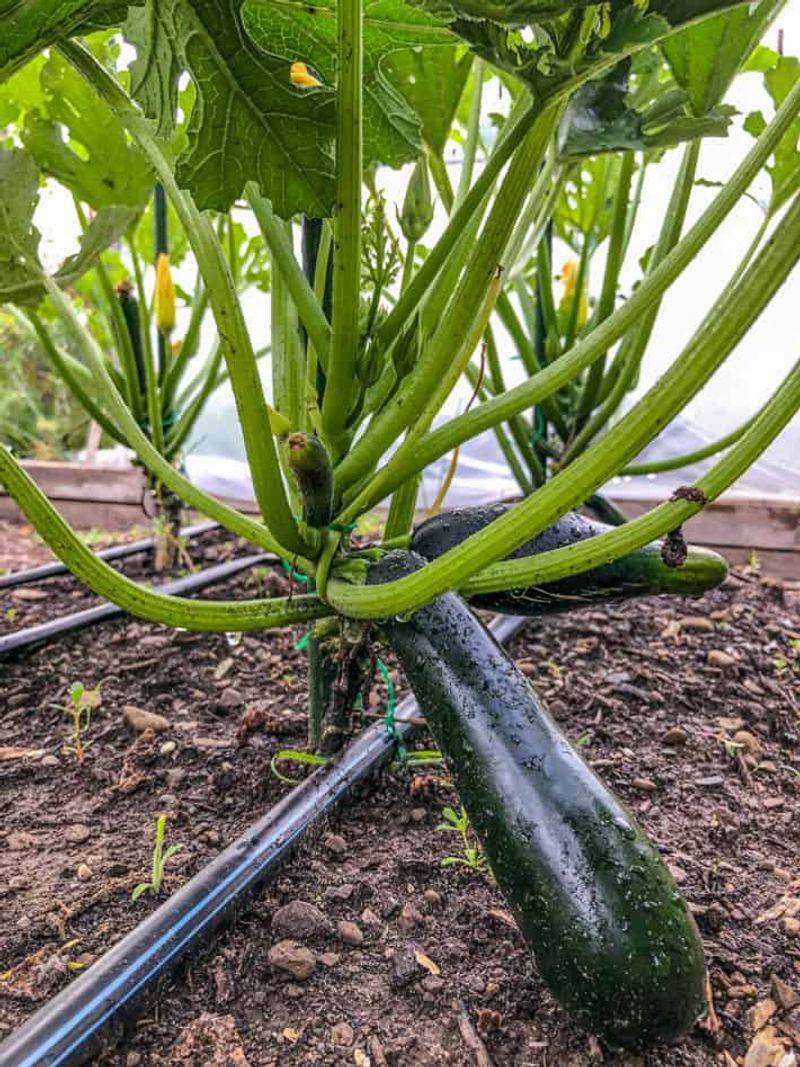
Summer squash is one of the fastest vegetables you can grow. Zucchini and yellow squash can go from seed to harvest in as little as 45 to 55 days.
That speed makes a late August planting realistic even with limited warm weeks ahead.
Plant seeds directly into the ground rather than starting transplants. Squash has sensitive roots and does not always recover well from transplanting.
Direct seeding is simpler and usually results in faster, healthier growth anyway.
Space plants generously. Squash spreads out quickly and needs room to breathe.
Crowding plants together can encourage powdery mildew, which tends to show up once nights become cooler and humidity rises slightly.
Water deeply but let the soil surface dry between sessions. Squash roots go fairly deep, so surface-level watering is less effective than a slow, thorough soak.
A drip line placed near the base of the plant works well for this.
Harvest often. Young squash tastes better than overgrown ones, and picking regularly encourages the plant to keep producing.
Zucchini especially can go from perfect to oversized within just a couple of days.
Watch for squash vine borers later in the season. Checking stems regularly and catching problems early gives you the best chance of keeping plants productive through October.
Prevention and monitoring matter more than any single fix.
5. Green Onions Are Ready For Another Growing Season
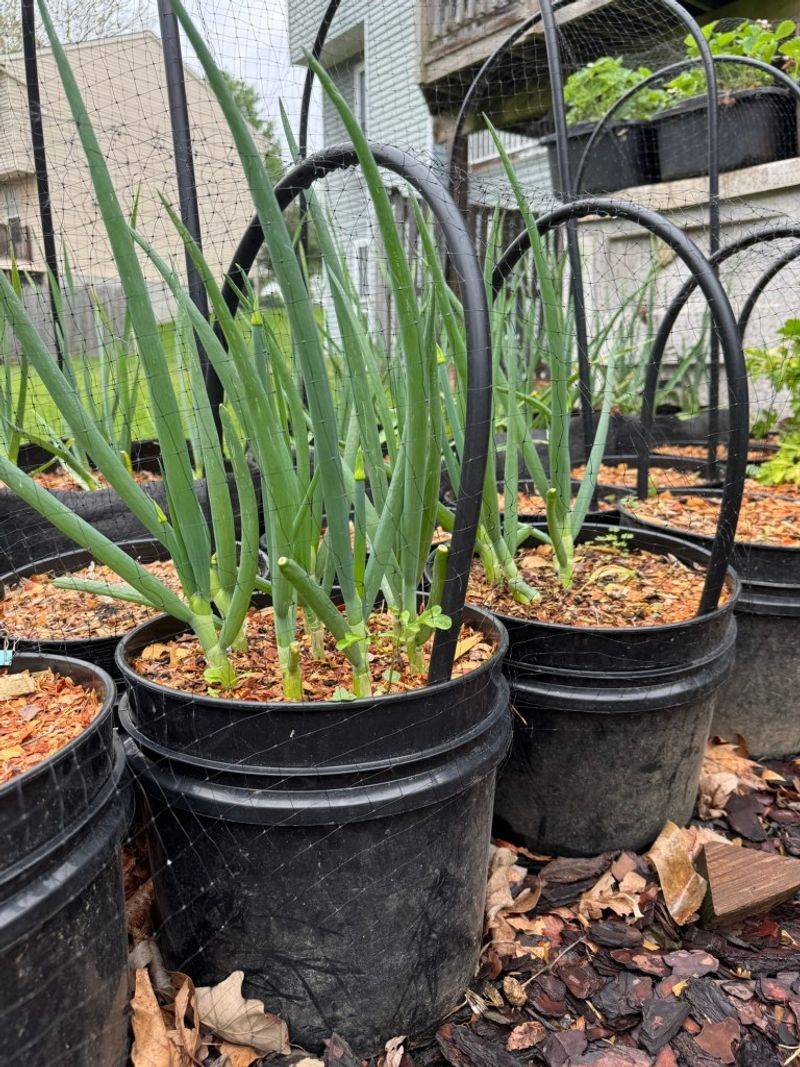
Green onions are one of the most forgiving vegetables you can plant in a fall garden. They tolerate heat better than most cool-season crops, and they do not need much space to produce a steady harvest.
You can start green onions from seed or from sets. Sets are small bulbs that establish faster than seeds, which gives you a slight head start in a short growing window.
Either method works reasonably well when planted before Labor Day.
Plant them about a half inch deep and one inch apart in rows. They do not need a lot of room, so you can tuck them along the edge of a bed or between other plants without much trouble.
A sunny spot with decent drainage is all they really ask for.
Water regularly but avoid soggy soil. Green onions have shallow roots and can struggle in waterlogged conditions.
A light, consistent watering schedule suits them much better than heavy, infrequent soaks.
Harvest green onions when the tops reach six to eight inches tall. You can pull the whole plant or snip the greens and let the base regrow.
The regrowth method stretches your harvest over several weeks.
Green onions planted in late August can be ready within 60 days. That puts your first harvest right around late October, with potential for continued picking well into the cooler months ahead.
6. Kale Gets A Head Start On Cooler Weather
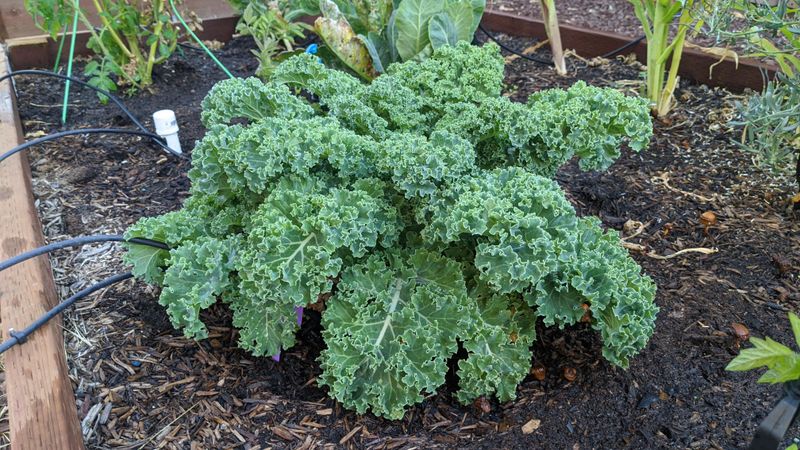
Kale actually improves with cold. Frost can sweeten the leaves by converting starches to sugars, making fall-harvested kale noticeably tastier than summer-grown batches.
Getting plants established before Labor Day means they are ready to benefit from those first cool nights.
Starting from transplants rather than seed gives you a time advantage. Six-week-old transplants put into the ground in late August can be harvesting by mid-October.
Seeds sown now will catch up, but transplants reach harvestable size faster in this short window.
Kale needs at least six hours of direct sun daily. Partial shade can work in summer, but as days shorten in fall, full sun becomes more important for steady growth.
Pick the sunniest spot available in your garden.
Fertilize lightly at planting time. Kale is a heavy feeder and appreciates a balanced fertilizer worked into the soil before transplanting.
Avoid overdoing nitrogen, which can push leafy growth at the expense of root development.
Water deeply once or twice a week rather than shallow daily watering. Deep watering encourages roots to go down, which helps plants handle temperature swings more steadily.
Harvest outer leaves first and let the center continue growing. Lacinato and Red Russian varieties tend to perform well in the desert Southwest.
Both are worth trying if you have not grown kale in this region before.
7. Sow Broccoli Seeds Before September Arrives
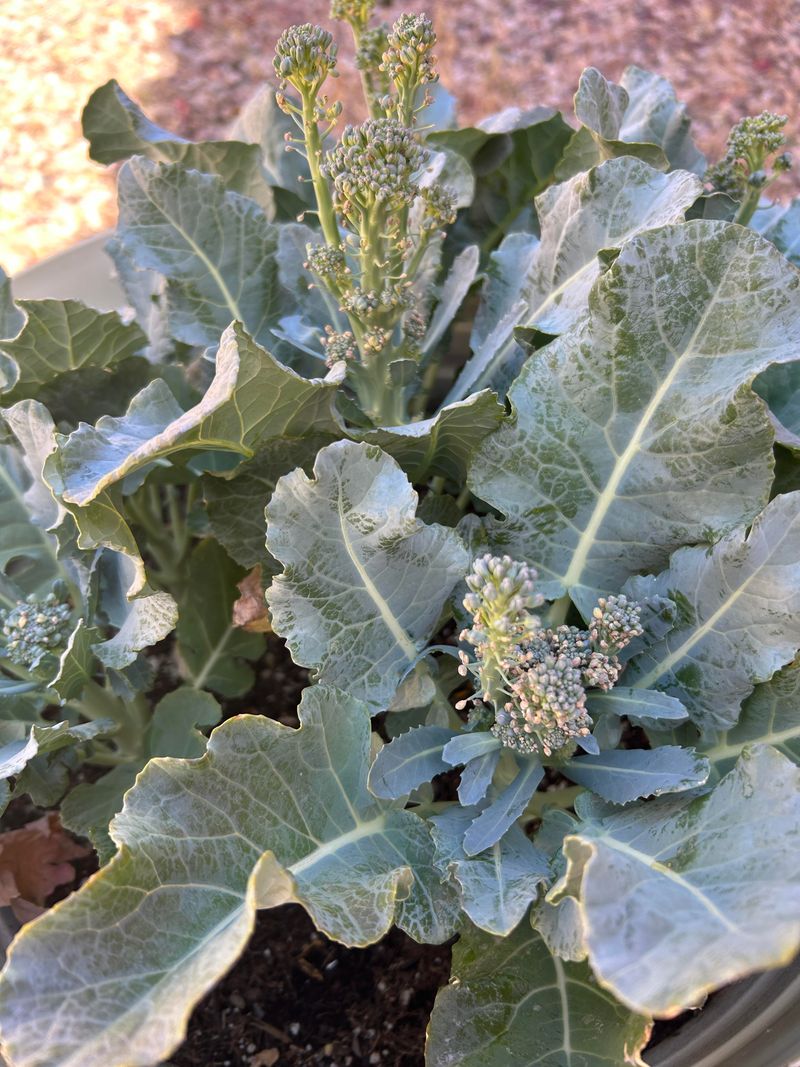
Broccoli takes longer to mature than many gardeners expect. Most varieties need 80 to 100 days from transplant to harvest.
Sowing seeds now and getting transplants into the ground by mid-September keeps you on track for a winter harvest.
Starting seeds indoors or in a shaded outdoor spot helps protect them from intense late-summer heat. Broccoli seeds germinate well in warm conditions, but seedlings can struggle if exposed to full afternoon sun while still young and fragile.
Transplant when seedlings are about four to six weeks old and have a few sets of true leaves. Harden them off gradually before putting them in a full-sun bed.
A few days of partial shade outdoors before transplanting can reduce transplant shock.
Space plants 18 inches apart to allow good airflow. Tight spacing invites fungal issues, especially as nights cool and humidity rises slightly in October and November.
Airflow around plants helps foliage dry faster after watering.
Feed broccoli with a nitrogen-rich fertilizer a few weeks after transplanting. Broccoli is a hungry crop and needs consistent nutrition to build large, tight heads.
Skipping fertilizer often results in loose, open heads that are less satisfying to harvest.
Watch for cabbage worms once plants are established. Checking the undersides of leaves regularly and removing eggs or caterpillars by hand is an effective low-input management approach for home gardeners.
8. Bok Choy Thrives As Temperatures Become Milder
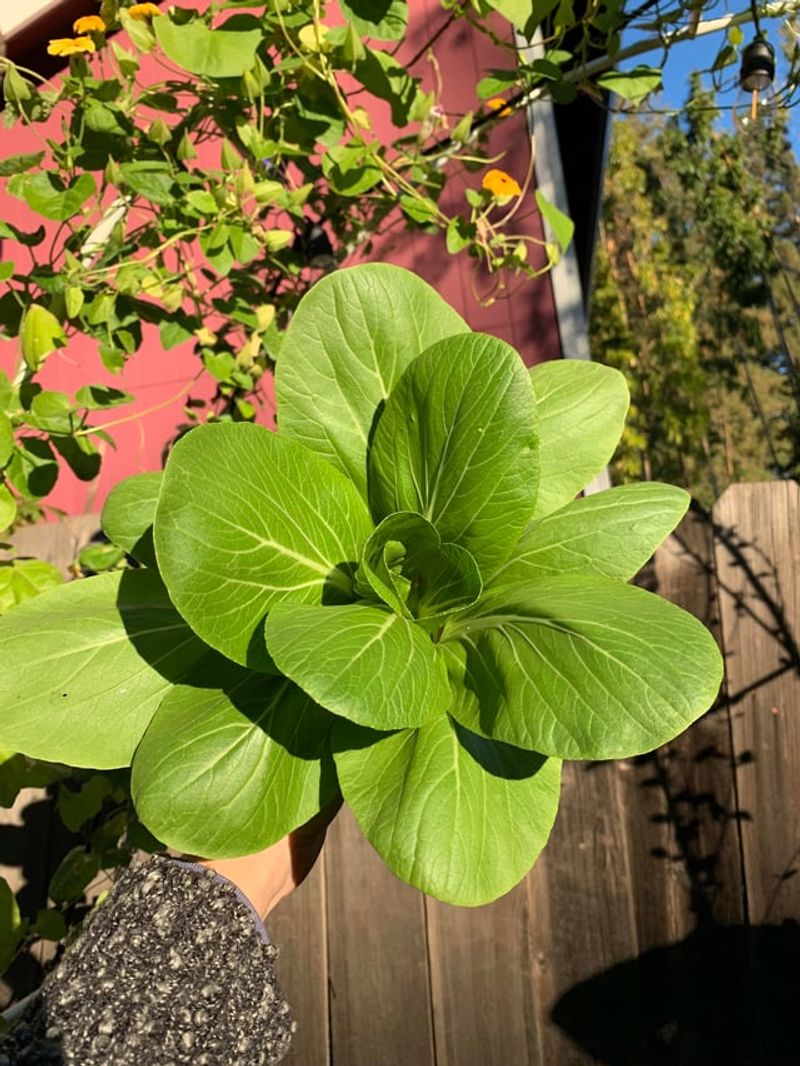
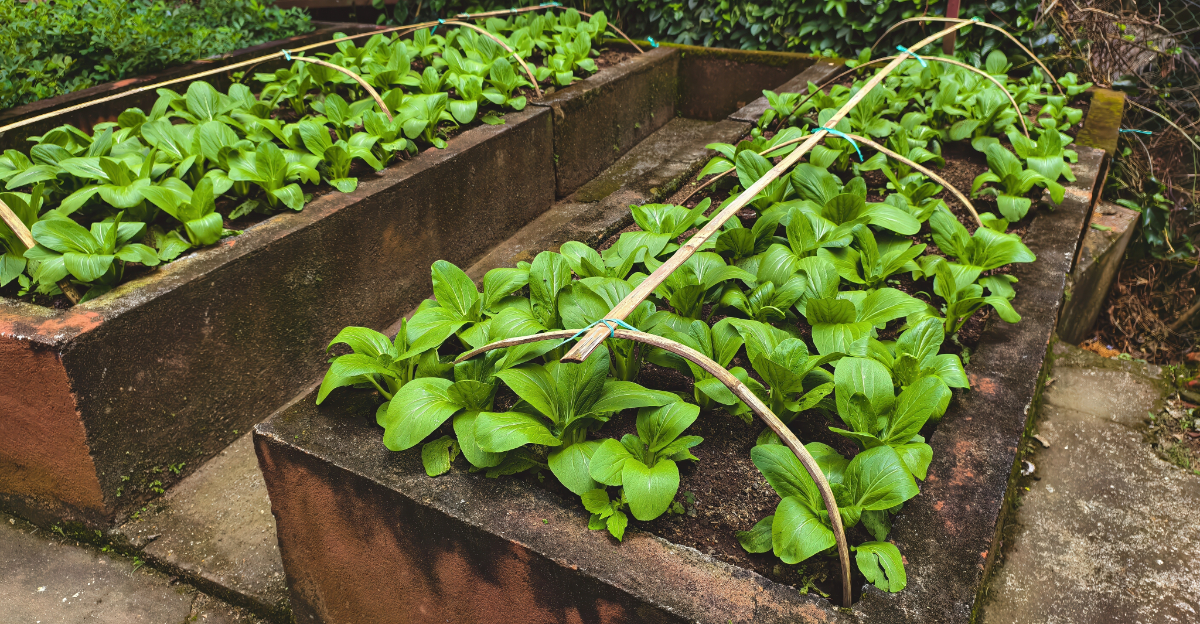
Bok choy is a fast grower that fits perfectly into the Arizona fall planting schedule. Baby bok choy varieties can be ready in as little as 30 days, making them one of the quickest returns you can get from a fall garden bed.
Heat is the main challenge when starting bok choy in August. Young plants can bolt, meaning they send up a flower stalk before forming a full head, if temperatures stay too high for too long.
Planting toward the end of August rather than mid-month can help reduce that risk.
Provide afternoon shade if possible during the first few weeks after planting. A shade cloth or the shadow of a taller plant can protect young seedlings while daytime temperatures are still climbing into the 90s.
Bok choy prefers consistently moist soil. Letting it dry out causes stress that can trigger bolting or produce tough, fibrous stalks.
Check soil moisture every day or two when plants are young and not yet fully rooted.
Harvest before heads get too large. Smaller heads are more tender and flavorful than oversized ones left too long in the ground.
Cutting the whole plant at the base is the most common harvest method.
Succession planting every two to three weeks extends your harvest window through November and into early December in warmer low-elevation areas.
9. Start Cabbage Seeds For The Coming Cool Season
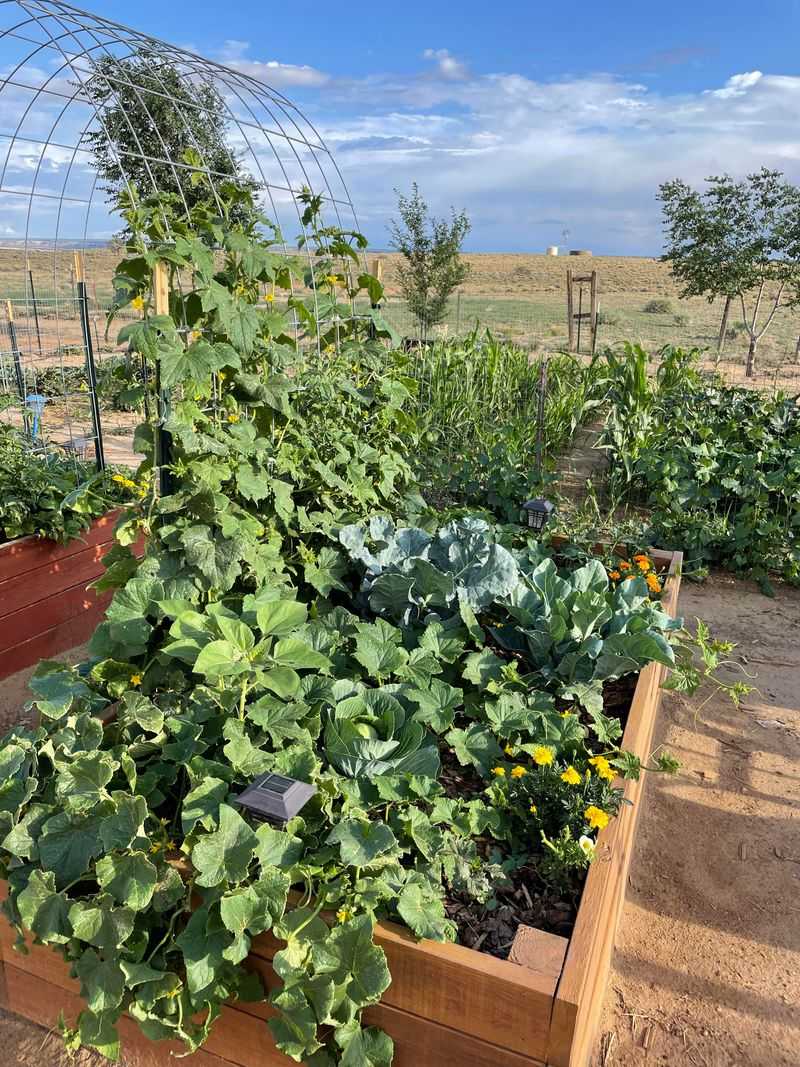
Cabbage is worth the wait. Heads take 70 to 120 days depending on the variety, which means seeds started now will produce harvestable heads right in the heart of Arizona’s best growing season, from late fall through early spring.
Start seeds in small containers rather than direct sowing. Cabbage seedlings benefit from a controlled start where you can manage moisture and shade more easily.
Once they reach four to six weeks old with sturdy stems, they are ready to move into the garden.
Choose varieties suited to fall planting. Early Jersey Wakefield and Savoy types tend to perform reliably in the desert Southwest.
Larger storage varieties may not reach full size in the available growing window, so checking the days-to-maturity label matters.
Cabbage needs rich, well-prepared soil. Work compost into the bed before transplanting and add a balanced fertilizer at planting time.
Soil preparation upfront makes a bigger difference than trying to correct nutrient issues later.
Space plants 12 to 18 inches apart in rows. Crowding cabbage leads to smaller heads and more disease pressure.
Giving each plant enough room is one of the simplest ways to improve your results.
Keep soil consistently moist but not waterlogged. Irregular watering can cause heads to crack as they mature.