This Common California Snake Is Often Mistaken For A Rattlesnake
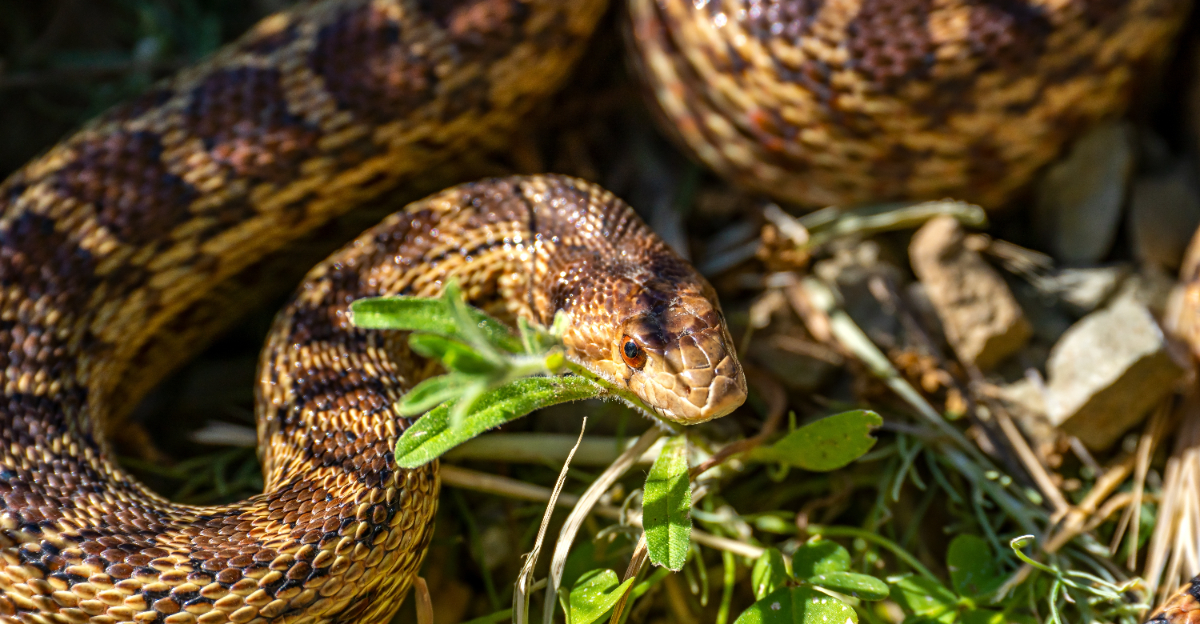
Few backyard surprises get a faster reaction than spotting a snake moving through the grass.
In California, that moment can quickly turn into alarm when a harmless visitor is mistaken for something far more dangerous.
The mix-up is easy to understand. Some snakes share similar colors, patterns, or movements, and a quick glimpse is rarely enough to identify what is sliding through the garden.
By the time you reach for your phone or step closer for a better look, the mystery guest may already be gone.
Learning the differences between common snake species can completely change the way you view these unexpected visitors. Many snakes found around homes play a role in the local ecosystem and are simply passing through their outdoor habitat.
A snake in the yard does not always mean trouble is nearby. The right details can reveal a much less dramatic story than your first reaction might suggest.
1. These Snakes Are Often Mistaken For Rattlesnakes
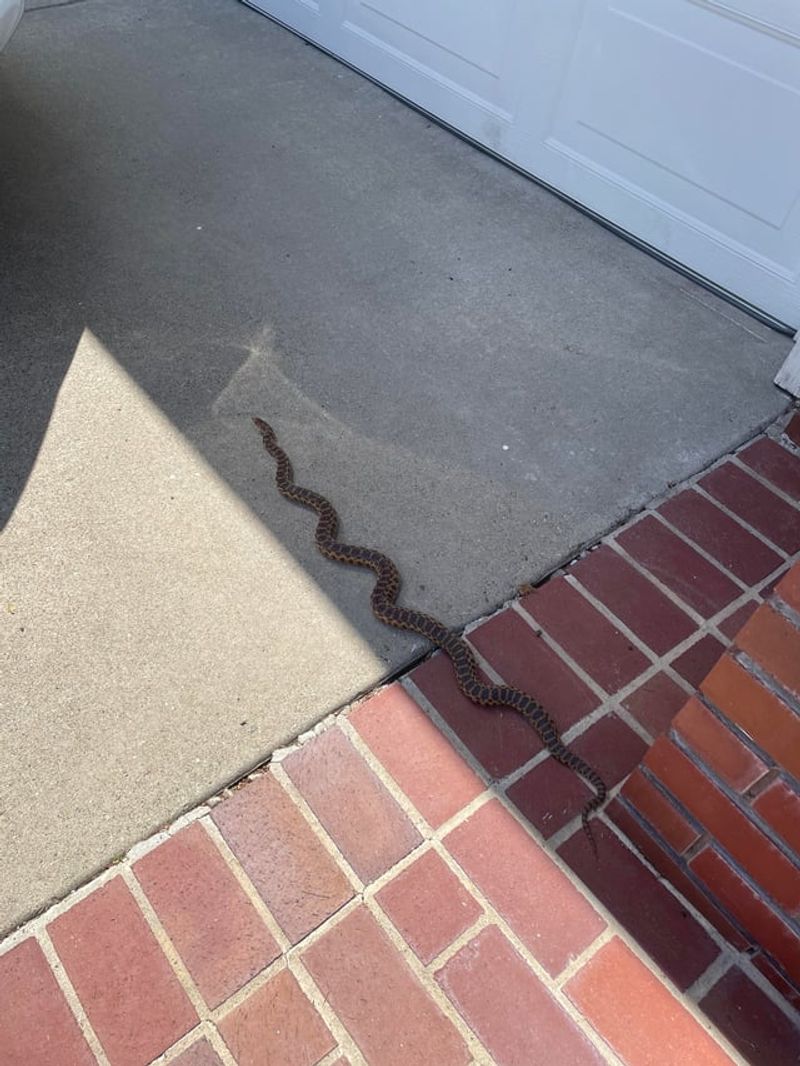
When you see a big patterned snake, you assume the worst. Gopher snakes are one of the most commonly misidentified reptiles in the western United States.
Their bold brown blotches on a tan or yellowish background look a lot like the markings on a western diamondback rattlesnake.
At first glance, even experienced hikers sometimes do a double take. The confusion is understandable because both snakes are large, heavy-bodied, and share similar coloring.
They also tend to show up in the same types of environments, like dry fields, hillsides, and suburban backyards.
Gopher snakes can grow between four and six feet long, making them an impressive sight. Their size alone is enough to startle anyone who stumbles across one unexpectedly.
But despite looking intimidating, they are non-venomous and pose no real danger to people.
The biggest difference between the two is the head shape. Rattlesnakes have a wide, triangular head that is very distinct from their neck.
Gopher snakes have a narrower, more rounded head that tapers smoothly from the body. Once you know what to look for, telling them apart becomes much easier and a lot less scary.
2. The Tail Vibration That Tricks Homeowners
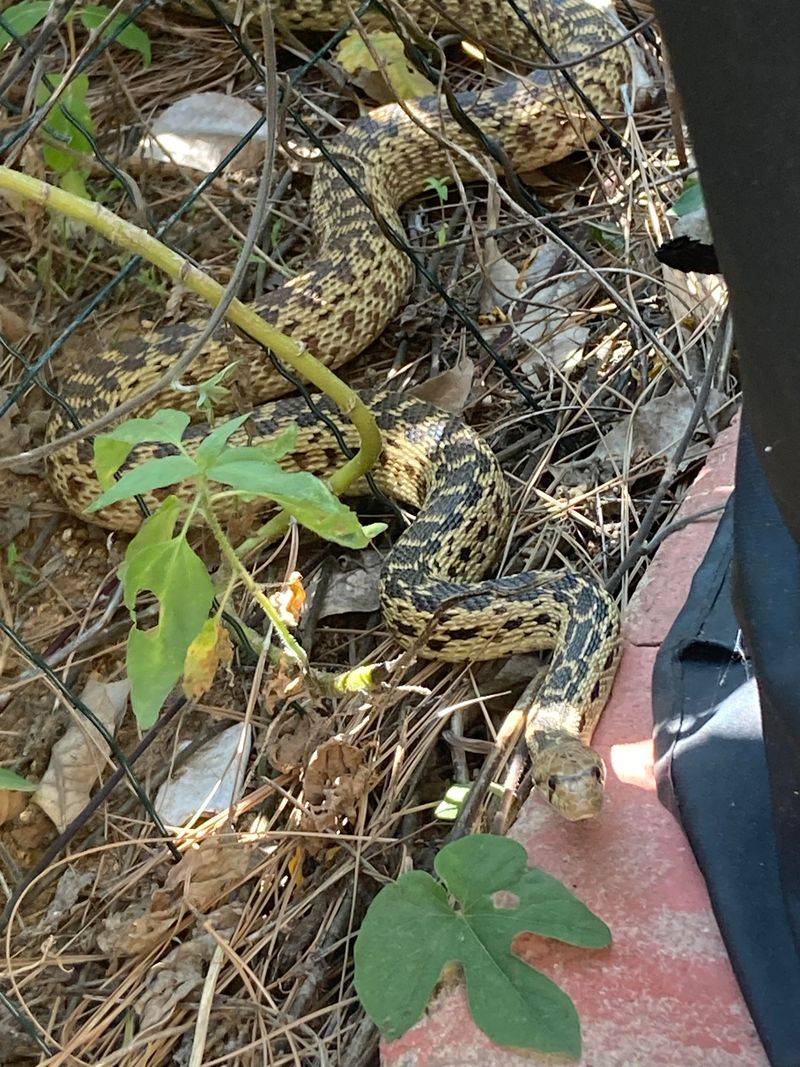
One of the most convincing tricks in a gopher snake’s playbook is tail vibrating. When a gopher snake feels threatened, it will rapidly shake its tail against dry leaves, grass, or gravel.
The sound it produces can closely mimic the buzz of a rattlesnake’s rattle. This behavior is called mimicry, and it works surprisingly well.
Many California homeowners hear that rattling sound and back away immediately, assuming they are dealing with something venomous.
In reality, the snake is just trying to scare off a perceived threat without actually being dangerous.
Scientists believe gopher snakes developed this behavior over thousands of years as a survival strategy. By imitating rattlesnakes, they get protection without venom.
It is a clever adaptation that has helped them thrive across a wide range of habitats.
If you ever hear a buzzing or rattling sound near a snake, do not assume it is automatically venomous. Take a slow step back and observe from a safe distance.
Your California Garden Changes Every Week. Your Plan Should Too.
Gardening in California changes quickly throughout the season. Every Friday you’ll receive a simple weekly plan showing exactly what to plant, prune, fertilize, harvest, and protect so you never miss the right timing.
Look at the tail closely. A rattlesnake’s rattle is made of interlocking keratin segments that you can clearly see.
A gopher snake’s tail is smooth and pointed, with no rattle attached. That one detail can tell you a lot about what you are actually dealing with.
3. Why They Flatten Their Heads When Threatened
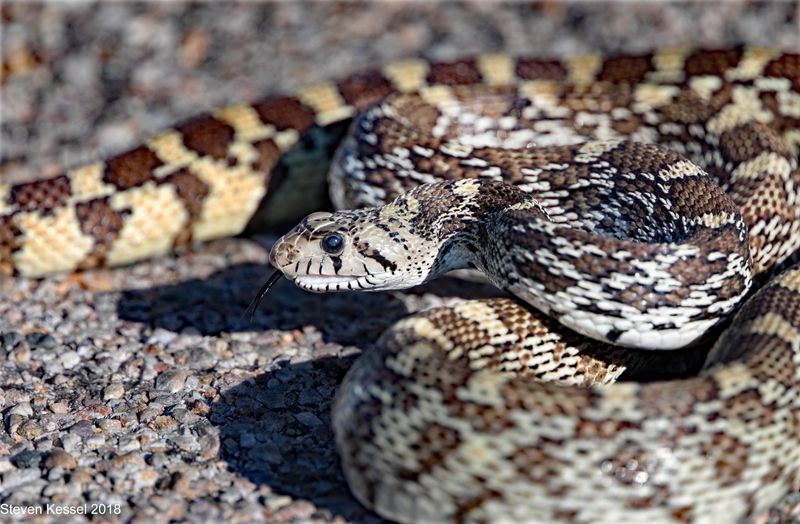
Here is something that surprises most people: gopher snakes can actually reshape their heads.
When they feel cornered or scared, they flatten and widen their heads to create a more triangular shape. This makes them look far more like a rattlesnake than they normally would.
Combined with their tail vibration and hissing, this head-flattening behavior creates a very convincing performance.
The snake is essentially putting on a costume to scare away anything that might want to harm it. It is one of nature’s most fascinating bluffing strategies.
The hissing alone can be dramatic. Gopher snakes force air out of their lungs in loud, sustained bursts that sound more aggressive than most snakes produce.
Some people describe it as sounding almost like a loud exhale or a low growl. That sound, paired with the flattened head and vibrating tail, is usually enough to send most predators running.
Understanding this behavior helps you stay calm if you ever encounter one. The snake is not preparing to attack.
It is scared and doing everything it can to look bigger and more dangerous than it actually is. Giving it space and time to calm down is the best response.
Most gopher snakes will stop their display and move on once they feel the threat has passed.
4. Their Colors Can Look Surprisingly Similar
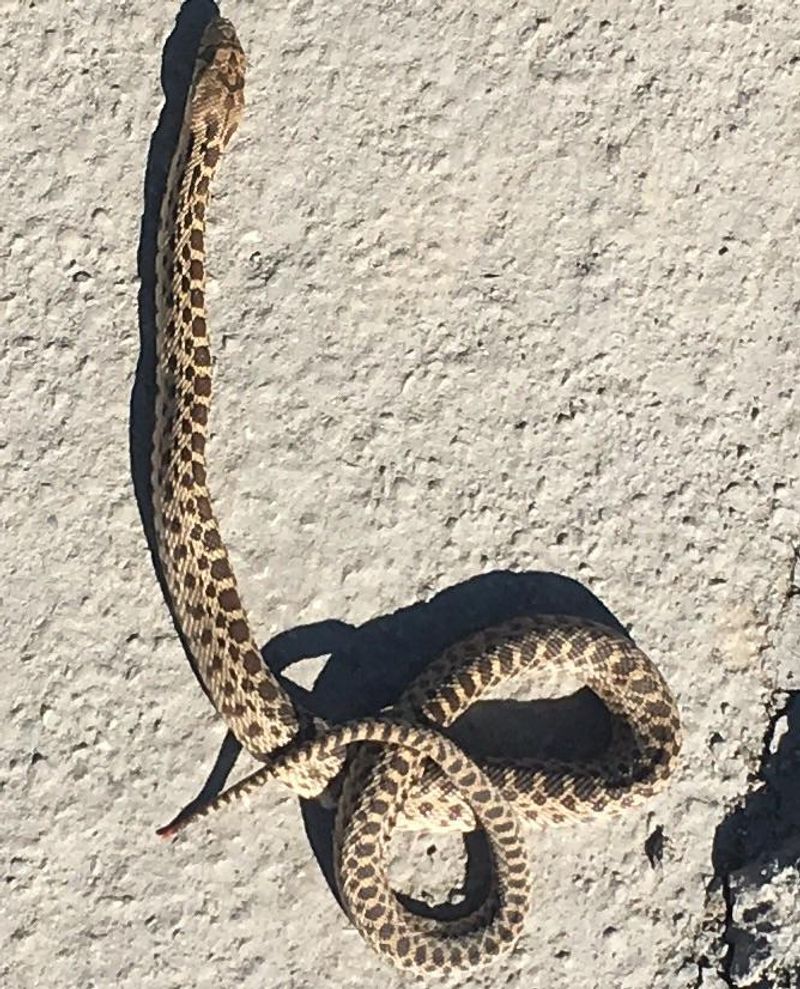
Color is one of the first things people notice when they spot a snake. Gopher snakes and rattlesnakes both feature patterns of brown, tan, and black that blend well into dry, earthy environments.
From a distance, the two can look almost identical. Gopher snakes typically display a series of dark brown rectangular blotches running down their backs on a lighter tan or cream background.
Rattlesnakes have a similar pattern, though their blotches tend to be more diamond-shaped and have lighter edges. Up close, the difference is clear. From ten feet away, not so much.
Regional variation also plays a role. Gopher snakes found in drier, sandy areas may be paler than those living in grasslands or mountain foothills.
This color variation sometimes makes them look even more like local rattlesnake species, adding to the confusion.
A useful tip is to look at the overall pattern more carefully. Rattlesnake markings tend to be more symmetrical and geometric, almost like a chain of diamonds or hexagons.
Gopher snake markings can look a bit more irregular or rectangular in shape. The belly is another clue.
Gopher snakes usually have a pale, unmarked belly, while rattlesnakes often have a more mottled or patterned underside. Taking a moment to notice these small details makes a big difference in identification.
5. Gopher Snakes Are Usually Avoiding People
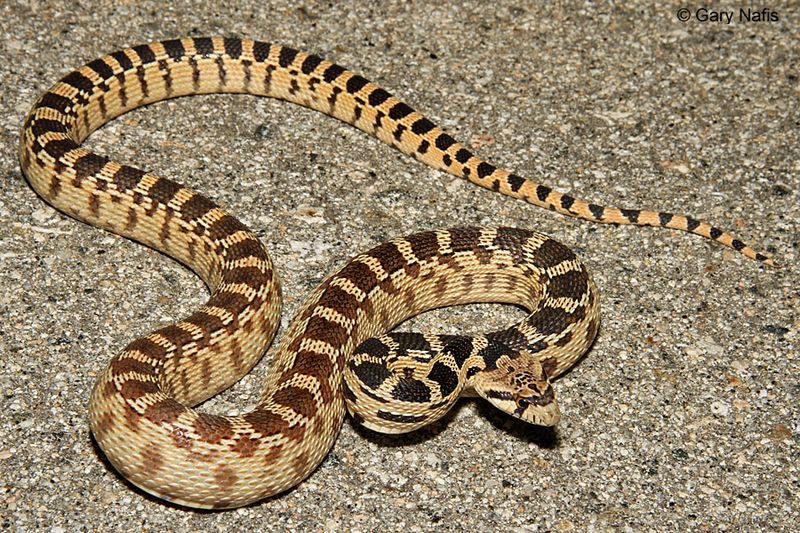
Contrary to what many people believe, gopher snakes are not looking for trouble. Their natural instinct when they sense a human nearby is to move away quietly and quickly.
Most encounters happen because a person accidentally got too close before the snake had a chance to retreat.
These snakes are shy and prefer to stay out of sight. They spend a lot of time hiding under logs, rocks, brush piles, and in underground burrows.
They are most active during the warmer months and tend to move around in the early morning or late afternoon when temperatures are comfortable.
When a gopher snake does put on its defensive display, it is because it feels trapped or cornered. The hissing, tail vibrating, and head flattening are all last-resort behaviors. If the snake had a choice, it would have already slipped away before you even noticed it.
Respecting their space is the simplest way to avoid any drama. If you spot one crossing your yard or resting in the garden, just give it room.
Do not try to pick it up or chase it away. In most cases, it will move on its own within a few minutes.
Gopher snakes are genuinely peaceful animals that want nothing more than to go about their day without being bothered by anyone.
6. They Help Control Gophers And Other Rodents
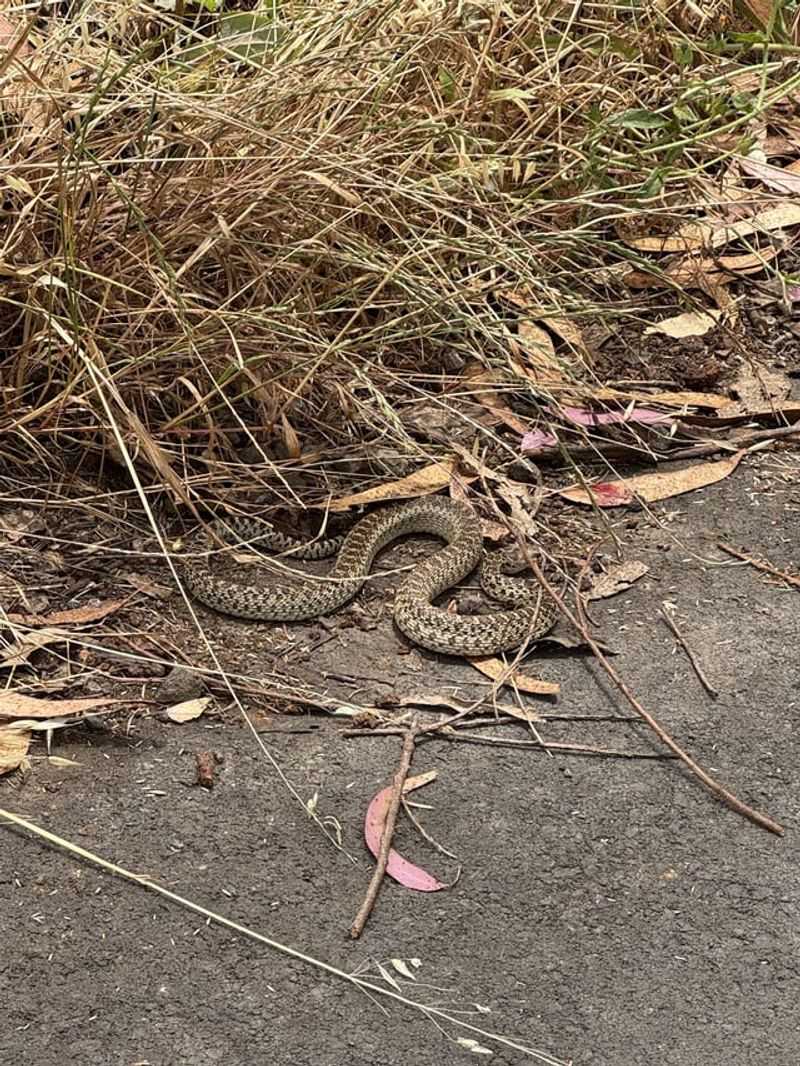
The name gives it away. Gopher snakes earned their common name because of their impressive ability to hunt pocket gophers, one of the most persistent garden pests around.
They are built for this job, with a long, flexible body that can follow prey right into underground tunnels.
Beyond gophers, these snakes also eat mice, rats, voles, ground squirrels, and even rabbits. Having one living near your property is essentially like having a free, full-time pest control service working around the clock.
Many farmers and gardeners have learned to appreciate their presence for exactly this reason.
Rodents can cause significant damage to lawns, gardens, and crops. They chew through roots, tunnel under foundations, and multiply quickly if left unchecked.
A single gopher snake can consume dozens of rodents over the course of a season, keeping populations in check naturally.
This makes them an incredibly valuable part of the local ecosystem. Removing them from an area can actually lead to a noticeable increase in rodent activity over time.
Instead of viewing them as a threat, many wildlife experts encourage homeowners to see gopher snakes as helpful neighbors.
They are doing quiet, unglamorous work that benefits your yard and garden more than most people realize. Coexisting with them is almost always the smartest choice.
7. Finding One Often Means Your Yard Has Prey Nearby
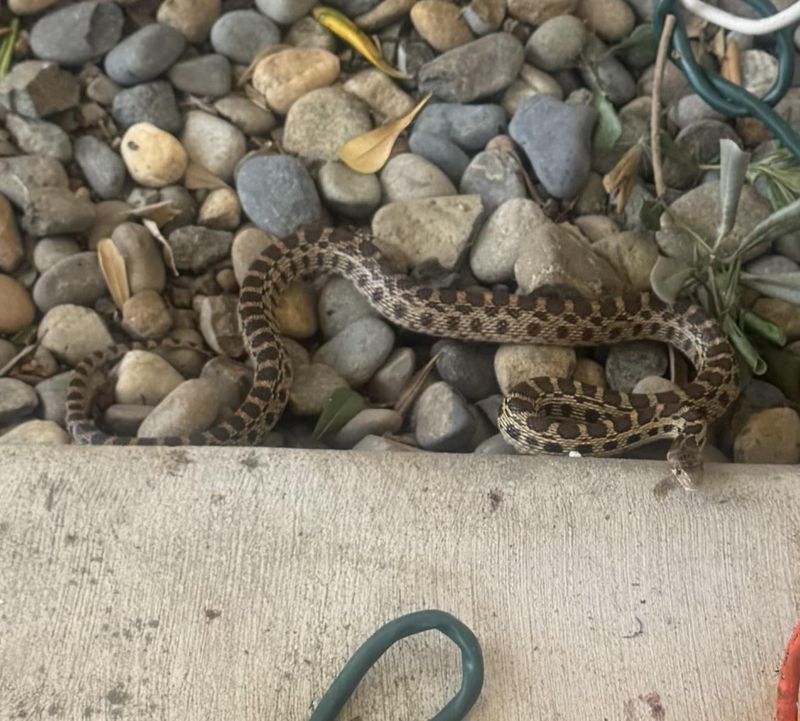
Spotting a gopher snake in your yard is actually a sign of a healthy local ecosystem. Snakes do not wander randomly.
They follow food. If one has shown up in your garden or near your fence line, it almost certainly means there is a rodent population nearby worth investigating.
Think of it as a natural alert system. The snake is telling you that something is attracting prey to your yard.
Common culprits include bird feeders that drop seeds on the ground, compost bins, wood piles, or dense shrubbery that gives rodents places to hide and nest.
Once you address the source of the rodent activity, the snake may move on naturally to follow its food supply elsewhere. Or it might stick around and continue hunting, which is also perfectly fine.
Either way, its presence is a useful piece of information about what is happening in your outdoor space.
Some homeowners actually welcome gopher snakes after learning this. Instead of trying to remove the snake, they focus on managing what is attracting rodents in the first place.
This approach is more effective long-term and avoids disrupting a creature that is genuinely helping your yard. Seeing a gopher snake is not a problem. It is a clue worth paying attention to.
8. They Prefer Hiding Spots Near Rocks And Vegetation
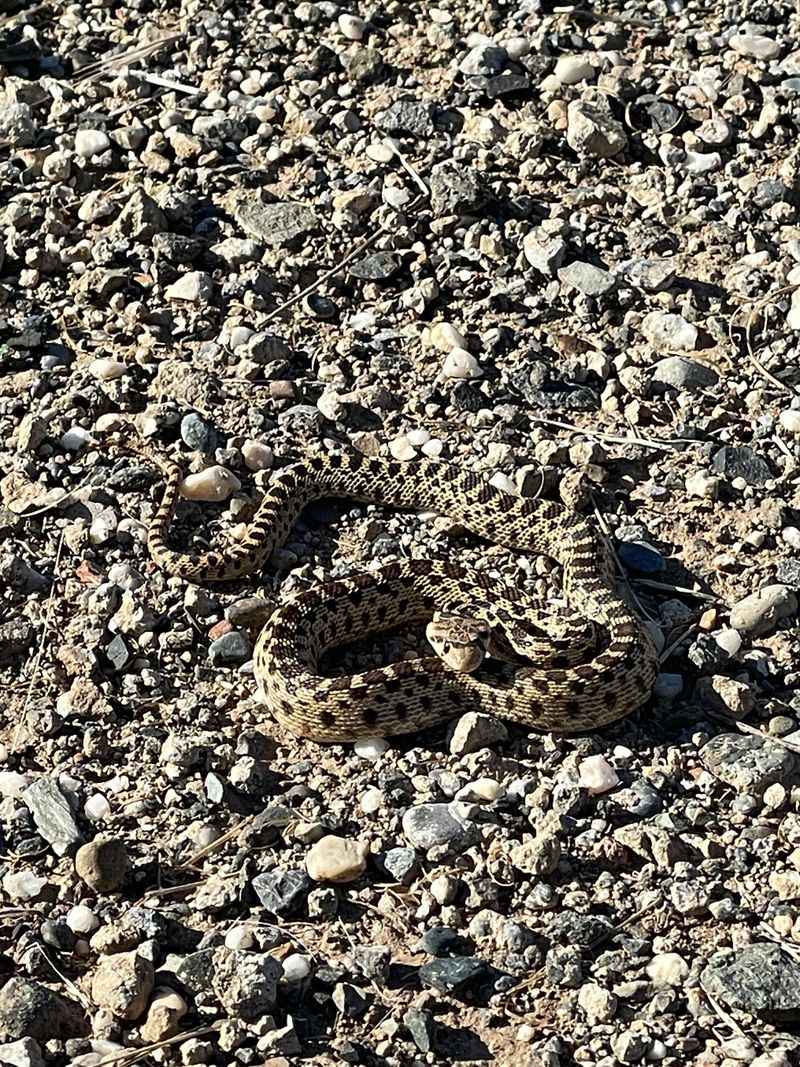
Like most California reptiles, gopher snakes are cold-blooded and depend on their environment to regulate body temperature.
This is why you will often find them basking on warm rocks, concrete paths, or open patches of ground in the morning. They soak up heat before heading out to hunt.
Rock piles, retaining walls, and dense ground cover are among their favorite hangout spots. These places offer shade, shelter, and easy access to the burrows where their prey lives.
A well-stacked woodpile or a garden with thick mulch is prime real estate for a gopher snake looking for a safe resting place.
During hot afternoons, they retreat to cooler, shaded spots to avoid overheating. In cooler months, they may brumate, which is a reptile version of hibernation, in underground dens or rocky crevices.
They often share these winter dens with other snake species, which surprises many people who assume snakes are always solitary.
Knowing their preferred habitats helps you understand why they show up where they do. If your yard has rock borders, raised garden beds, or dense native plantings, it naturally creates ideal conditions for gopher snakes.
That is not a bad thing. These features also attract beneficial insects and birds. A yard with good habitat diversity tends to support a wide range of helpful wildlife, and gopher snakes are a natural part of that picture.