Why California Tomatoes Stop Setting Fruit When Temperatures Hit 95
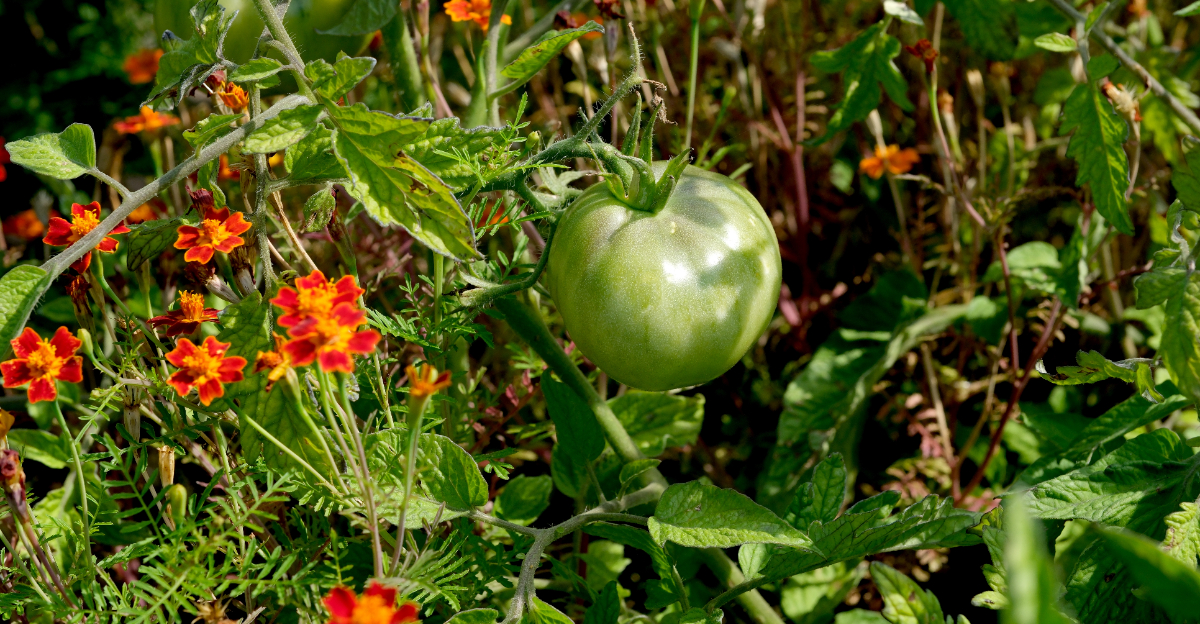
Tomato plants can look big and healthy, then suddenly stop giving you new fruit once the heat jumps. For California gardeners, that can be maddening because the flowers may still appear.
The problem is that tomatoes have a comfort zone, and 95 degree days can push them past it. When the plant gets too hot, blossoms may drop before they turn into fruit.
Pollen can also become less useful during harsh heat. That means the plant is not being stubborn.
It is protecting itself until conditions improve. The tricky part is knowing when to step in and when to wait.
Shade, watering, and timing can all change how well tomatoes handle the next hot spell. Once you understand what heat does to fruit set, summer tomato care starts to make a lot more sense.
1. Tomato Flowers Need Cooler Weather To Set Fruit
Most people think tomatoes just need sun and water to produce fruit. That is only part of the story.
The truth is that tomatoes need specific temperatures during the flowering stage to actually set fruit successfully.
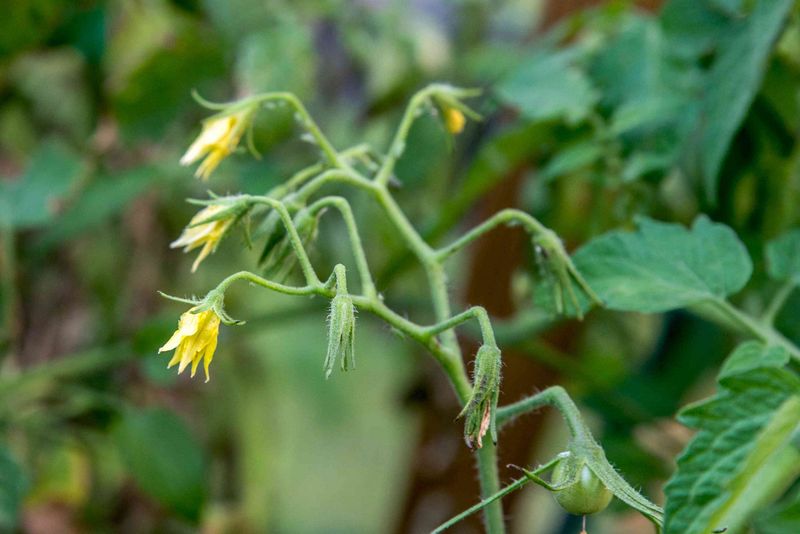
When a tomato flower opens, it must be pollinated within a short window of time. The pollen inside the flower is very sensitive to heat.
Daytime temperatures above 85 degrees start to stress the flower. Once the heat reaches 95 degrees, the pollen becomes sterile and cannot fertilize the egg inside the flower. No fertilization means no fruit forms.
This is why your plants can look perfectly healthy and still produce nothing during a heat wave. The flowers open, the bees may even visit, but the pollen just does not work properly.
The flower then falls off because there is nothing left for the plant to invest energy in.
Cooler morning temperatures between 65 and 75 degrees are when most successful pollination happens. In California, the months of June through August can push well past that range by mid-morning.
Choosing heat-tolerant tomato varieties like Solar Fire or Heatmaster gives you plants that are bred to handle higher temps better than standard varieties.
Planning your planting schedule to get flowers blooming before the peak heat arrives also makes a big difference in your final fruit count.
2. Pollen Starts Failing When Heat Holds Near 95
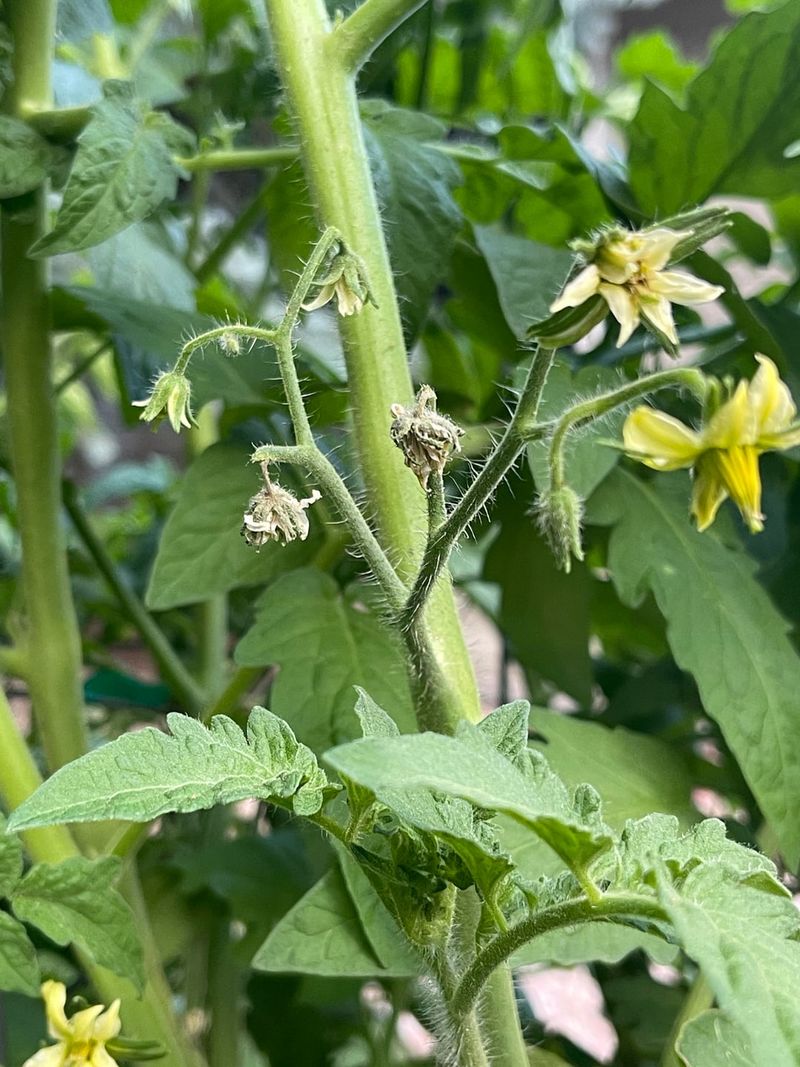
Here is something surprising that most home gardeners never learn: tomato pollen is alive, and heat can damage it just like it damages other living things.
When the air temperature holds near 95 degrees for several hours, the pollen grains inside tomato flowers lose their ability to germinate properly.
Healthy tomato pollen looks yellow and powdery. It needs to travel from the anther to the stigma of the same flower or a nearby flower.
Normally, a slight breeze or a buzzing bee is enough to shake the pollen loose. But when pollen is heat-damaged, it clumps together, dries out completely, or simply fails to sprout once it lands on the stigma.
Research has shown that temperatures above 104 degrees for just a few hours can reduce pollen viability by more than half.
Even a few days in a row near 95 degrees causes cumulative damage that builds up over time.
Your California Garden Changes Every Week. Your Plan Should Too.
Gardening in California changes quickly throughout the season. Every Friday you’ll receive a simple weekly plan showing exactly what to plant, prune, fertilize, harvest, and protect so you never miss the right timing.
The plant keeps making flowers, but those flowers keep failing quietly.
One useful trick is to gently shake your tomato plants in the early morning, around 8 to 10 a.m., when temperatures are still cooler.
This mimics the vibration that bees create and can improve pollen release during the brief window when it is still viable.
An electric toothbrush held against the stem works surprisingly well for this purpose.
3. Hot Nights Make The Problem Even Worse
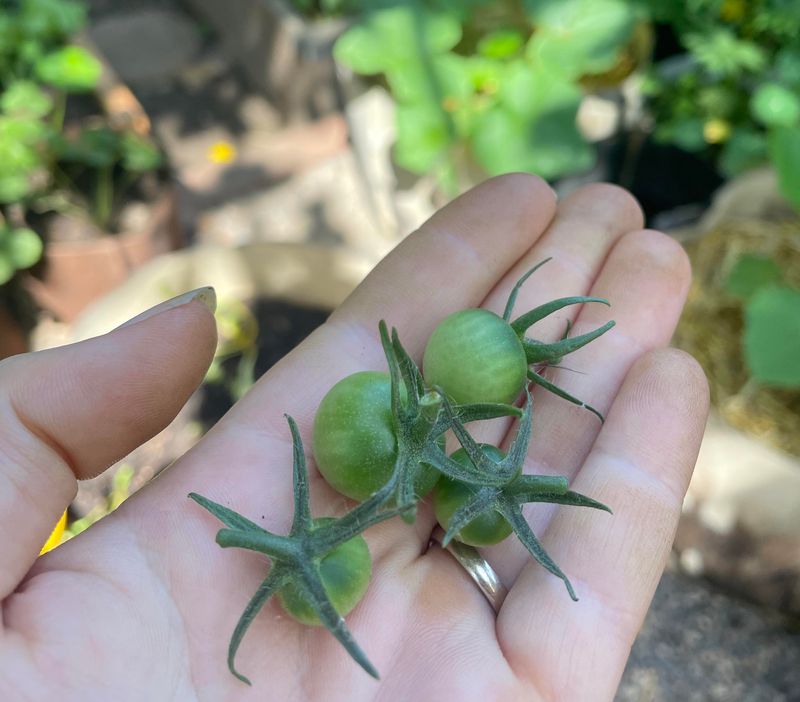
Daytime heat gets most of the attention, but nighttime temperatures are just as critical for tomato fruit set.
Many gardeners do not realize that tomatoes need cool nights to recover from the stress of a hot day.
When nighttime temperatures stay above 70 degrees, serious problems develop fast.
Tomatoes set fruit best when nights drop between 55 and 70 degrees. Those cooler hours allow the plant to rest, move sugars into developing fruit, and prepare new flowers for the next day.
When nights stay warm, the plant never gets that recovery window. It keeps burning energy without rebuilding, and flower drop increases significantly.
In inland California valleys, summer nights often stay above 75 or even 80 degrees. Coastal areas get more relief from ocean breezes, which is why coastal gardeners often have better tomato yields during summer heat waves.
If you garden in a hot inland area, this is one of the toughest challenges you will face.
You can help your plants cope with warm nights by watering deeply in the early evening. This cools the root zone and lowers the soil temperature around the plant.
Placing a layer of straw mulch around the base also holds moisture and keeps the ground from radiating stored heat back up toward the plant during the night. Small adjustments like these add up over a long, hot season.
4. Dry Air Can Stop Pollen From Sticking
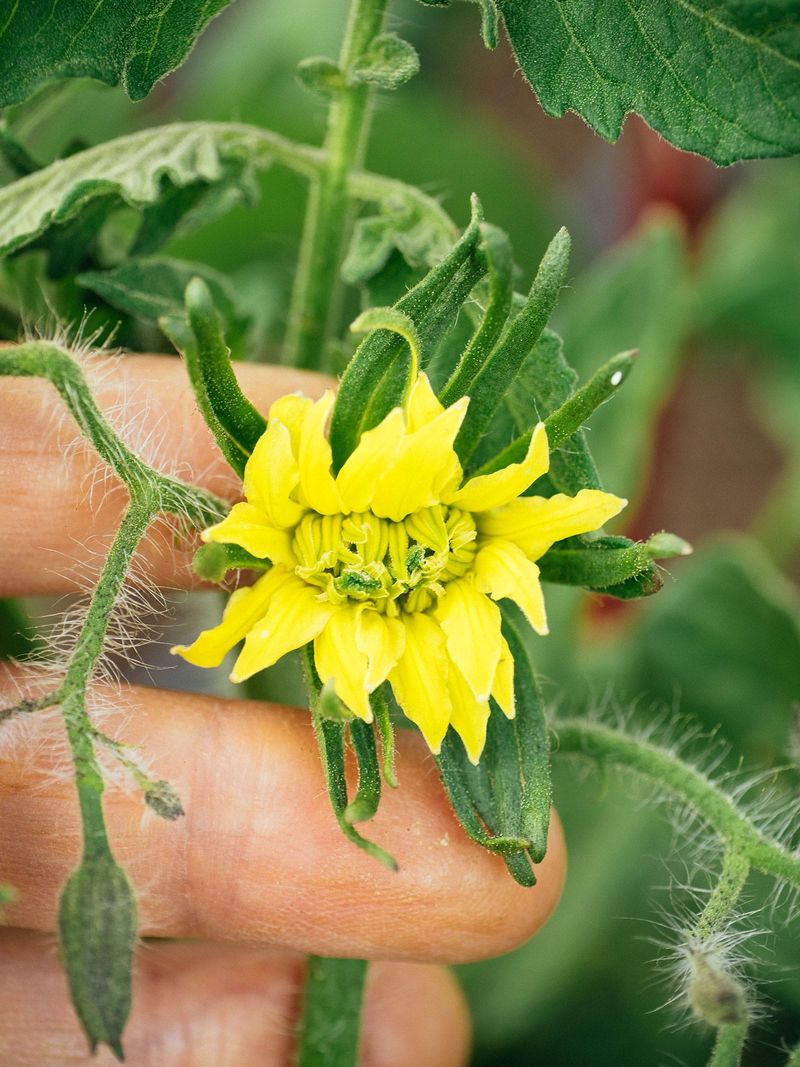
Low humidity is a sneaky reason why tomato fruit set fails during heat waves. When the air gets very dry, pollen dries out before it can stick to the stigma of the flower.
Without that sticky connection, pollination simply cannot happen, even if the pollen itself is still alive.
Tomatoes do best with relative humidity between 40 and 70 percent during flowering. In California, summer humidity in many inland areas can drop below 20 percent on hot afternoons.
That dry air pulls moisture right out of the pollen and the flower tissues, making successful pollination nearly impossible during peak heat hours.
This is one reason why morning is the best time for pollination activity in the garden. Humidity is naturally higher in the early hours before the sun heats everything up.
Bees are also most active in the morning, which helps move pollen around before conditions get too harsh.
You can raise humidity slightly around your plants by misting the leaves and flowers lightly in the early morning.
Do not mist during the hottest part of the day because water droplets can act like tiny magnifying glasses and cause leaf burn.
Another option is to group your tomato plants closer together so they create a small shared microclimate with slightly higher humidity.
Running a soaker hose nearby also adds a bit of moisture to the surrounding air without soaking the foliage directly.
5. Healthy Plants May Still Drop Their Blossoms
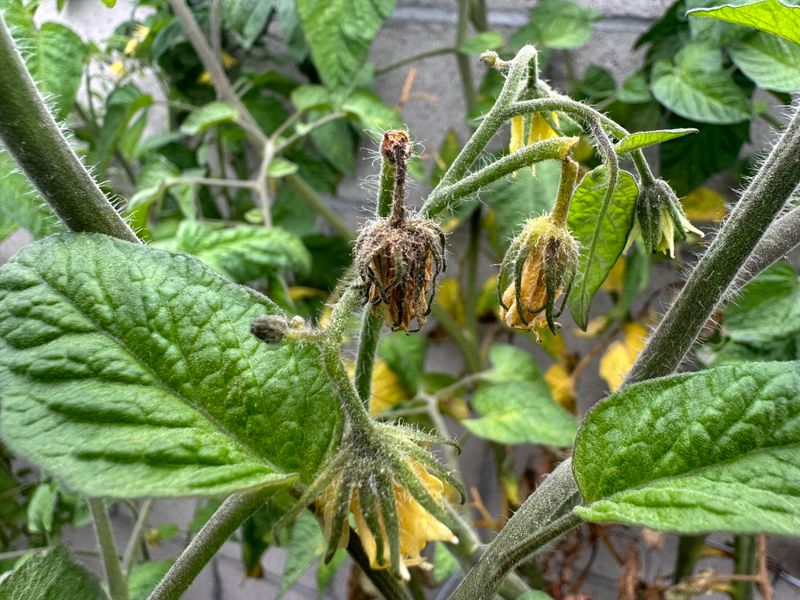
Finding fallen flowers under your tomato plants can feel discouraging, especially when the rest of the plant looks perfectly green and strong.
Blossom drop is one of the most common complaints from tomato gardeners in hot climates, and it happens even to plants that are getting excellent care.
The plant drops flowers as a survival response. When conditions are not right for fruit development, the plant stops investing energy in those flowers.
It would rather let them go and stay healthy enough to try again later. This is actually a smart biological strategy, even though it is frustrating to watch.
Heat is the most common trigger for blossom drop, but it is not the only one. Inconsistent watering, too much nitrogen fertilizer, root damage, and even a sudden cold snap can all cause the same response.
Identifying the exact cause helps you fix the right problem instead of guessing.
During a heat wave, the best response is patience combined with action. Keep watering deeply and consistently.
Add shade cloth if temperatures are regularly hitting 95 or above. Avoid pruning or fertilizing heavily during the hottest weeks because added stress makes blossom drop worse.
Once temperatures moderate, even slightly, the plant will often resume flowering and setting fruit on its own.
Many gardeners see a strong second flush of fruit in late summer and fall after the worst heat has passed.
6. Shade Cloth Helps During Heat Spikes
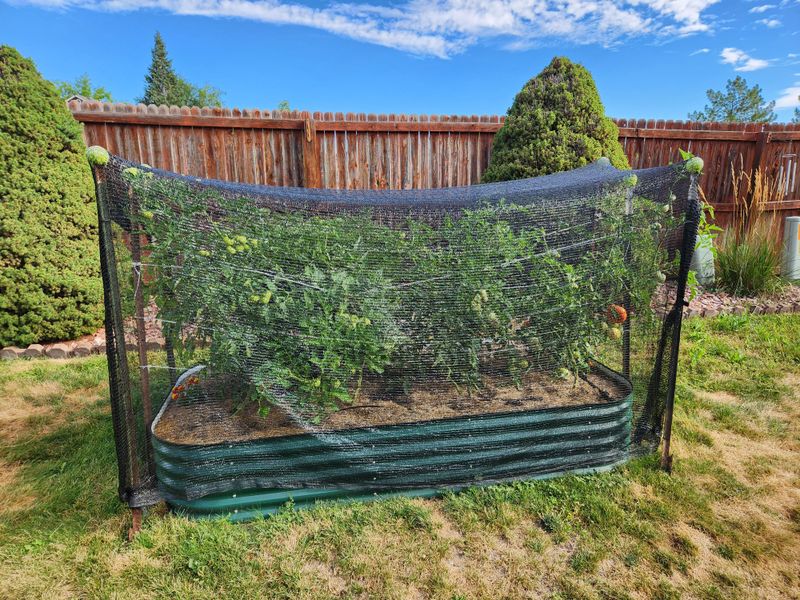
One of the most effective tools for protecting tomatoes during extreme heat is shade cloth. It sounds simple, but the results can be remarkable.
A 30 to 40 percent shade cloth draped over your tomato plants can drop the temperature around the plant by 10 degrees or more.
That 10-degree difference matters enormously. If the air temperature hits 100 degrees, your plants under shade cloth may only experience 88 to 90 degrees.
That keeps them just inside the range where some fruit set is still possible. Without shade, they are completely shut down and just surviving until things cool off.
Installing shade cloth is not complicated. You can drape it over simple PVC hoops or wooden stakes set around your garden bed.
Make sure to leave space between the cloth and the plant tops so air can still circulate. Good airflow prevents fungal problems that can develop when plants stay too warm and damp underneath a covering.
Remove the shade cloth once temperatures drop back below 90 degrees consistently. Tomatoes still need plenty of direct sunlight to ripen fruit properly.
Using shade cloth only during the peak heat weeks of the season gives you the best of both worlds. Look for white or silver shade cloth rather than black because lighter colors reflect heat instead of absorbing it.
This small detail makes the cloth more effective during the intense summer sun common across California.
7. Deep Watering Keeps Plants From Shutting Down
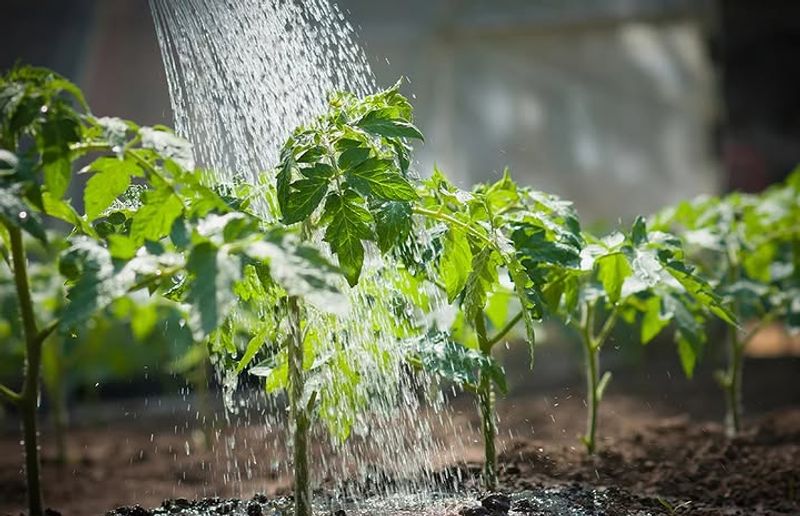
Water management during a heat wave is one of the most powerful things a gardener can control.
When soil moisture drops, tomato plants enter a stress mode that shuts down many normal functions, including flower production and fruit set. Deep, consistent watering is the answer.
Shallow watering encourages roots to stay near the surface where soil dries out fastest. Deep watering trains roots to grow down into cooler, moister layers of soil.
This makes the plant far more resilient when surface temperatures soar. Aim to water deeply two to three times per week rather than lightly every day.
A good rule of thumb is to give each tomato plant about one to two inches of water per week during normal summer weather. During a heat wave in California, that amount may need to increase to two to three inches.
Push a finger or a wooden dowel six inches into the soil near the plant. If it comes out dry, it is time to water again.
Drip irrigation and soaker hoses are the most efficient tools for deep watering. They deliver water directly to the root zone without wasting it on foliage or paths.
Watering in the early morning gives the soil time to absorb moisture before the heat of the day drives evaporation rates up.
Avoid watering in the middle of the afternoon because most of that water evaporates before it ever reaches the roots.
8. Mulch Protects Roots During California Heat
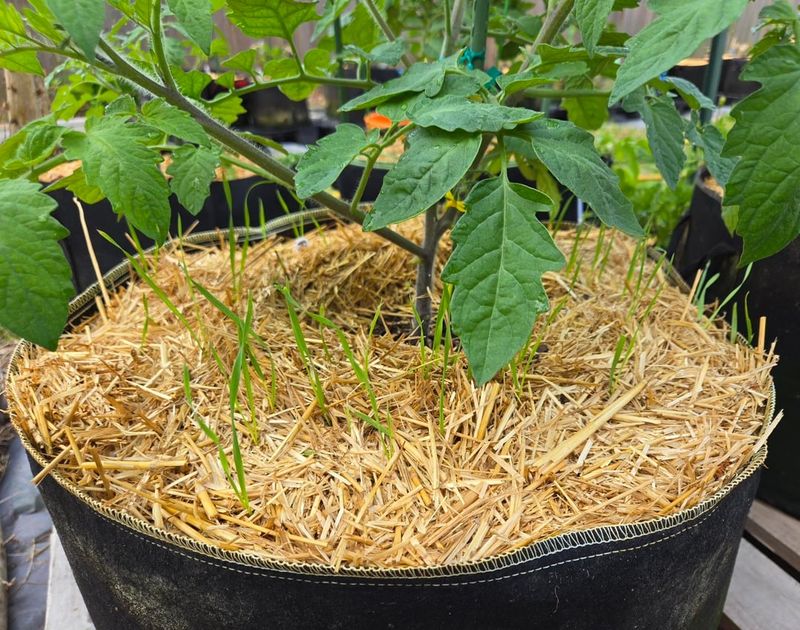
Bare soil in a summer garden absorbs heat like a frying pan. On a 95-degree day, the surface of unprotected soil can reach temperatures well above 130 degrees.
At that level, the shallow feeder roots of tomato plants suffer real damage and stop absorbing water and nutrients efficiently.
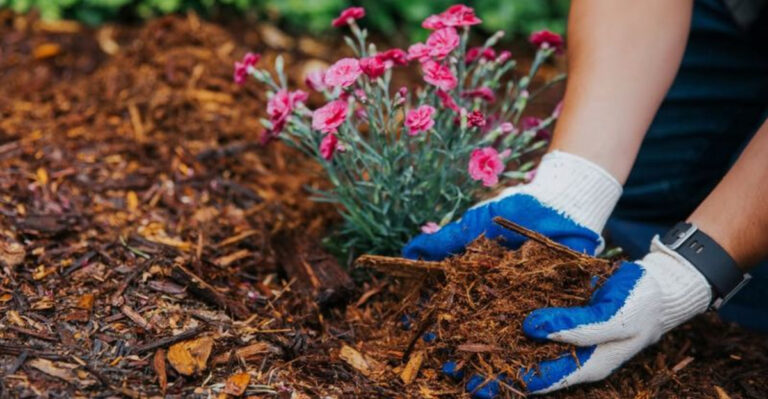
Mulch is one of the cheapest and most effective solutions available to any home gardener. A three to four inch layer of straw, wood chips, or shredded leaves spread around the base of your tomato plants acts like an insulating blanket for the soil.
It keeps soil temperatures dramatically cooler and holds moisture in the ground far longer between waterings.
Straw mulch is a popular choice because it is light, easy to spread, and breaks down slowly over the season. Wood chips work even better for long-term temperature regulation but take longer to break down into the soil.
Avoid using fresh grass clippings as mulch because they can mat together, block water penetration, and create an environment where fungal issues develop.
Pull the mulch back slightly from the very base of the plant stem to prevent moisture from sitting directly against it. That small gap helps prevent stem rot.
Refresh the mulch layer mid-season if it has thinned out from rain or foot traffic.
Consistent mulching throughout the heat of summer gives your tomatoes a much better chance of surviving intense temperatures and bouncing back quickly once cooler weather returns.
9. Do Not Overfeed Nitrogen To Force Fruit
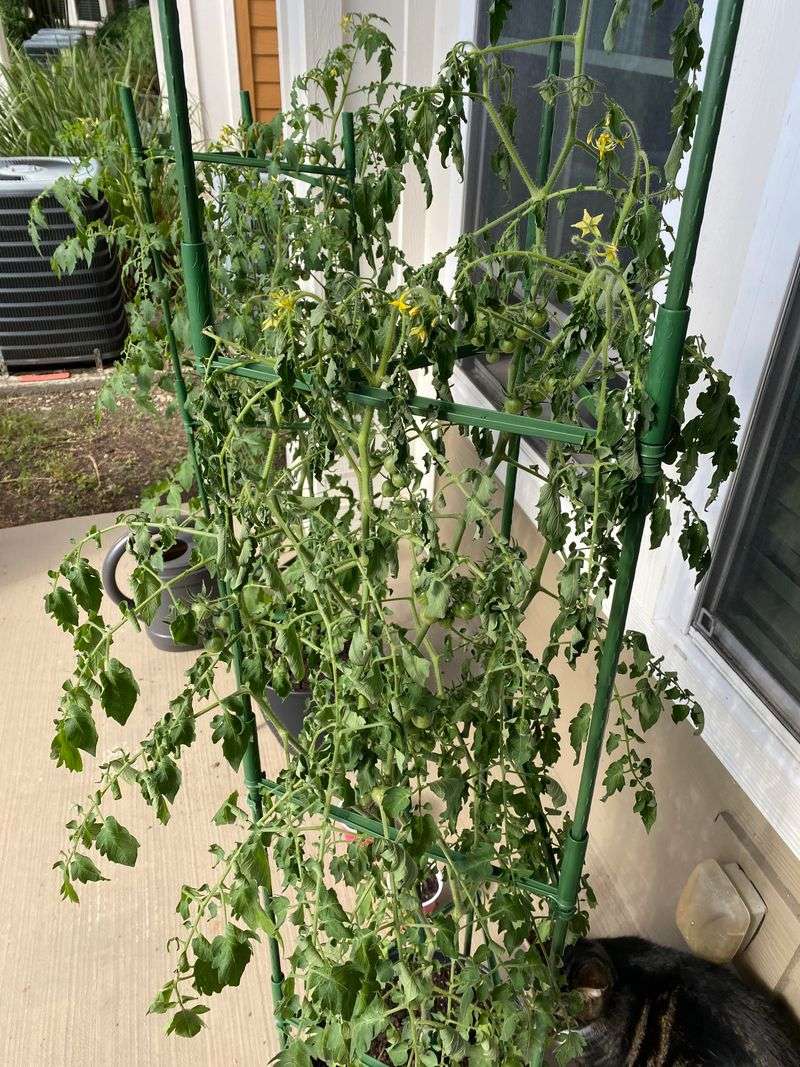
When tomatoes stop producing fruit, the instinct for many gardeners is to fertilize more heavily. More food should mean more fruit, right?
Unfortunately, that logic backfires badly when it comes to nitrogen during a heat wave.
Nitrogen is the nutrient that drives leafy green growth. Tomatoes need it during their early weeks in the ground, but too much nitrogen later in the season pushes the plant to keep growing leaves instead of focusing on flowers and fruit.
This is called going vegetative, and it is a very common mistake during summer stress periods.
When temperatures are already causing blossom drop and poor fruit set, adding extra nitrogen makes the plant even less likely to redirect energy toward reproduction.
You end up with a gorgeous, bushy, dark green plant that produces almost nothing edible.
The plant is thriving in one sense but completely failing in the way that matters most to you.
Switch to a low-nitrogen fertilizer once your plants are actively flowering. Look for products labeled with a higher middle and last number, such as 5-10-10 or 3-6-6.
These formulas support root strength and fruit development without pushing excess leafy growth.
During the peak of a heat wave, it is often best to hold off on fertilizing entirely and focus only on consistent watering and temperature management.
Resume feeding once conditions improve and the plant shows signs of active flowering again.