Those Brown Patches Spreading Across Your Alabama Lawn Could Mean Something Bigger
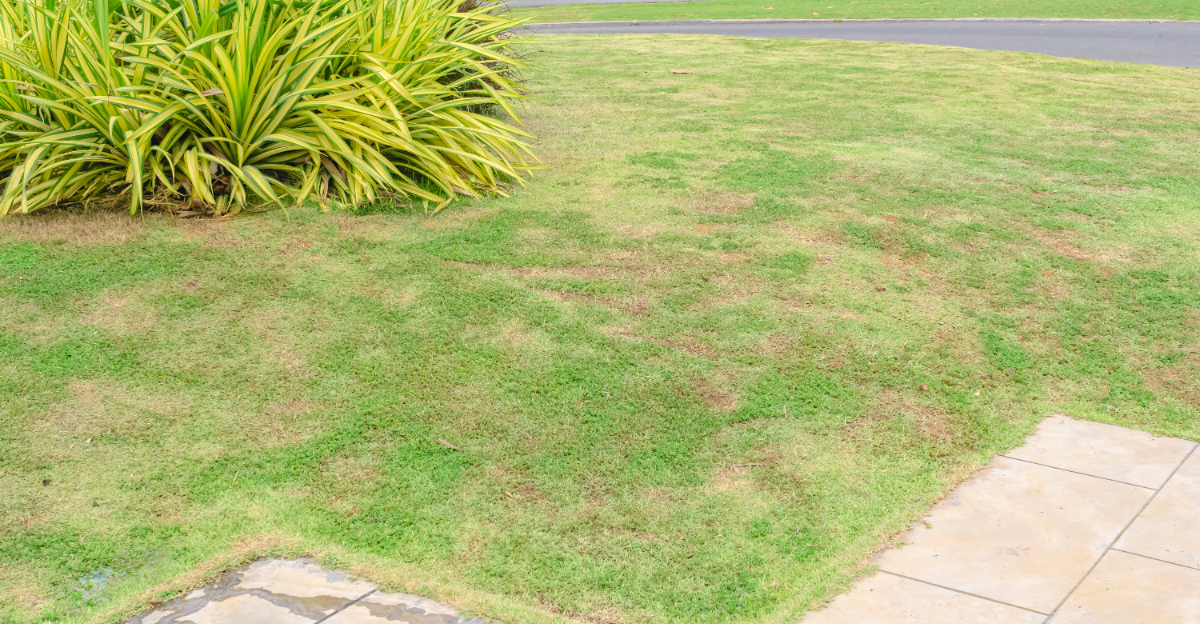
Circles spread across your grass before you can explain why. Brown rings widen no matter how often you water.
Alabama heat gets blamed first, but this pattern feels different. Watering harder won’t stop these shapes from creeping outward.
Something beneath the surface seems to be driving this decline. Roots weaken quietly while the blades above still look intact. Patterns like these rarely stay isolated once they take hold.
Ignoring early rings often costs Alabama homeowners far more later. Small patches can expand into much larger sections within days. This kind of spread rarely slows down on its own.
Left alone, these circles can swallow entire sections of your lawn. Catching this early gives you real control before it worsens. Waiting any longer could mean losing far more than a few patches.
The Spreading Pattern Points To Disease Not Simple Heat Stress
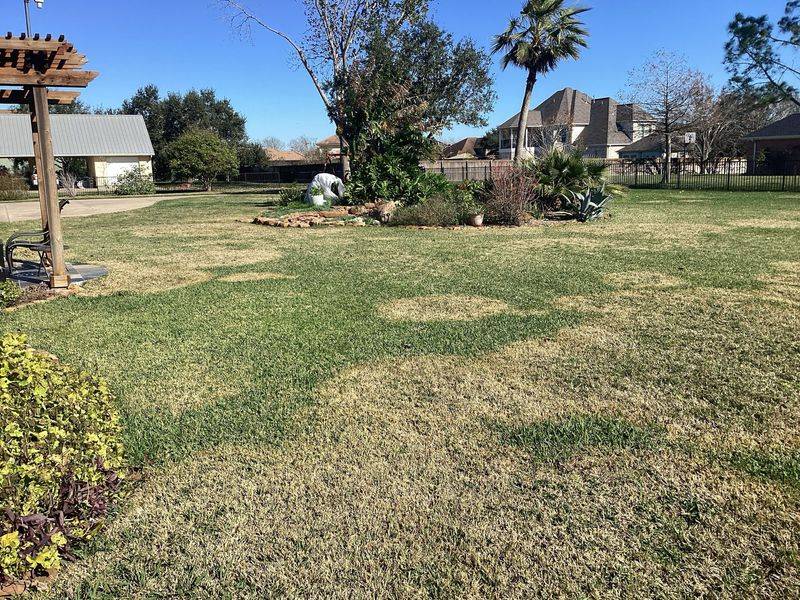
Your lawn is trying to talk to you. What you’re seeing isn’t random dry spots from a hot afternoon.
Heat stress tends to hit the whole yard evenly. Disease spreads in patterns, and patterns have meaning.
When you see a patch grow bigger day after day, that movement is a clue. Dry soil does not creep outward like a slow-moving stain on carpet.
A patch that expands in a roughly circular shape is behaving like an infection. Something alive is driving that growth, and it feeds on your grass blades.
Look closely at the edge of the damaged area. You will often spot a darker, water-soaked border where the problem is actively moving.
That border is called a smoke ring, and it is one of the clearest signs of fungal activity. Seeing it means the damage has not stopped yet.
Many homeowners assume summer heat is the only cause worth worrying about. Fungal lawn disease is actually more common in the South than most people realize.
Warm nights combined with heavy humidity create a feeding ground for pathogens. Alabama summers practically roll out a welcome mat for this kind of trouble.
Once you stop blaming the heat and start reading the pattern, you gain real power. Knowing what you are dealing with is the first step toward fixing it for good.
Rings That Keep Widening Instead Of Staying Put
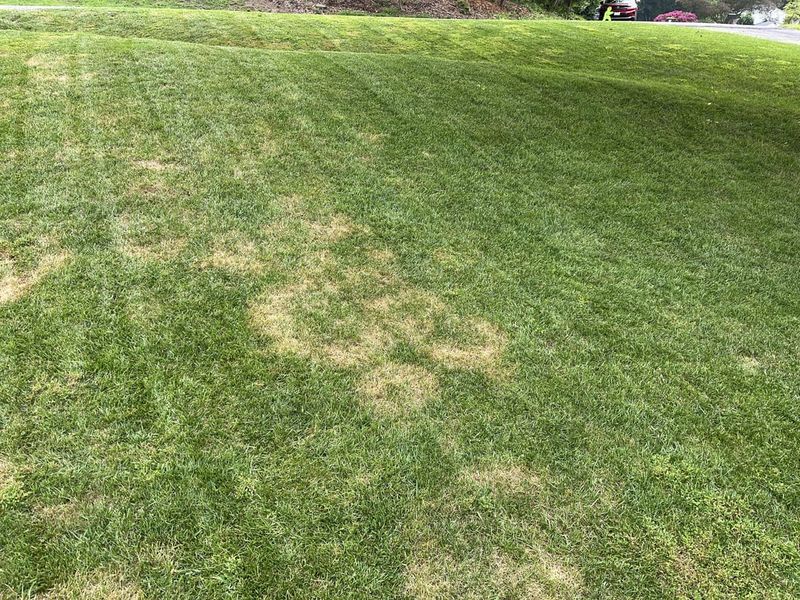
Picture a stone dropped into still water. The rings move outward, and that is exactly how this lawn problem behaves.
A static brown spot usually means localized stress, like a dog spot or a spilled chemical. A ring that keeps widening is a completely different situation.
Fungal colonies grow from a central point and push outward as they consume healthy tissue. The center may even green back up while the outer edge keeps spreading.
That recovery in the middle fools a lot of people into thinking the problem is healing. The truth is the fungus has simply moved on to fresh grass.
Widening rings can expand noticeably within days during peak summer conditions. A patch that starts small can cover a much larger section of the lawn quickly.
Your Alabama Garden Changes Every Week. Your Plan Should Too.
Gardening in Alabama changes quickly throughout the season. Every Friday you’ll receive a simple weekly plan showing exactly what to plant, prune, fertilize, harvest, and protect so you never miss the right timing.
Measuring the rings every few days gives you a real sense of how aggressive the spread is. Take a photo with your phone each morning so you can compare growth clearly.
Some rings eventually merge with neighboring patches, creating large irregular bare zones. Once that happens, the lawn looks far more damaged than it actually is structurally.
The grass crowns beneath those merged patches may still be alive. Recovery is possible, but only if you act before the fungus reaches the root zone.
Widening rings are urgent messengers, not just cosmetic complaints. Treat them like the warning signal they are, and your lawn has a real shot at bouncing back.
Brown Patch Fungus Explains The Pattern
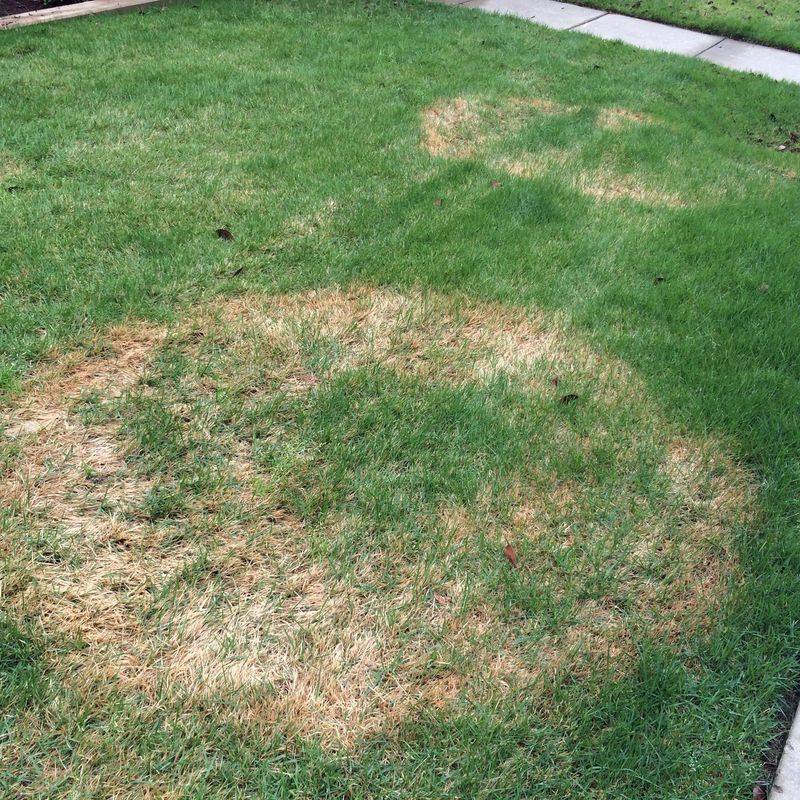
Brown patch fungus has a name that does exactly what it says on the label. Rhizoctonia solani is the pathogen behind most of these spreading circles in warm-season lawns.
It attacks the grass blades and leaf sheaths first, leaving behind tan lesions with darker brown borders. Those lesions spread until the entire blade collapses and turns brown.
The fungus does not need a wound to enter the plant. It simply grows along the surface and pushes into healthy tissue whenever conditions are right.
Tall fescue, zoysia, and St. Augustine grass are all susceptible to this pathogen, with bermuda vulnerable to a closely related strain. No popular Southern lawn grass is fully protected when humidity spikes.
One reason this fungus is so effective is its speed. Under ideal conditions it can spread several inches overnight, which is why those rings seem to appear from nowhere.
The smoke ring border mentioned earlier is caused by the fungus releasing moisture as it actively colonizes new grass. That glistening edge is the live front of the infection.
Brown patch fungus survives in the soil and in thatch even through winter. It simply waits for warm nights and wet conditions to wake back up.
That survival ability means a yard that had trouble last summer is likely to see it return. Without intervention, the cycle repeats every single season.
Understanding what you are actually dealing with shifts your response from guessing to acting. The right treatment starts with correctly identifying the cause.
Conditions That Let This Fungus Take Hold In Humid Yards
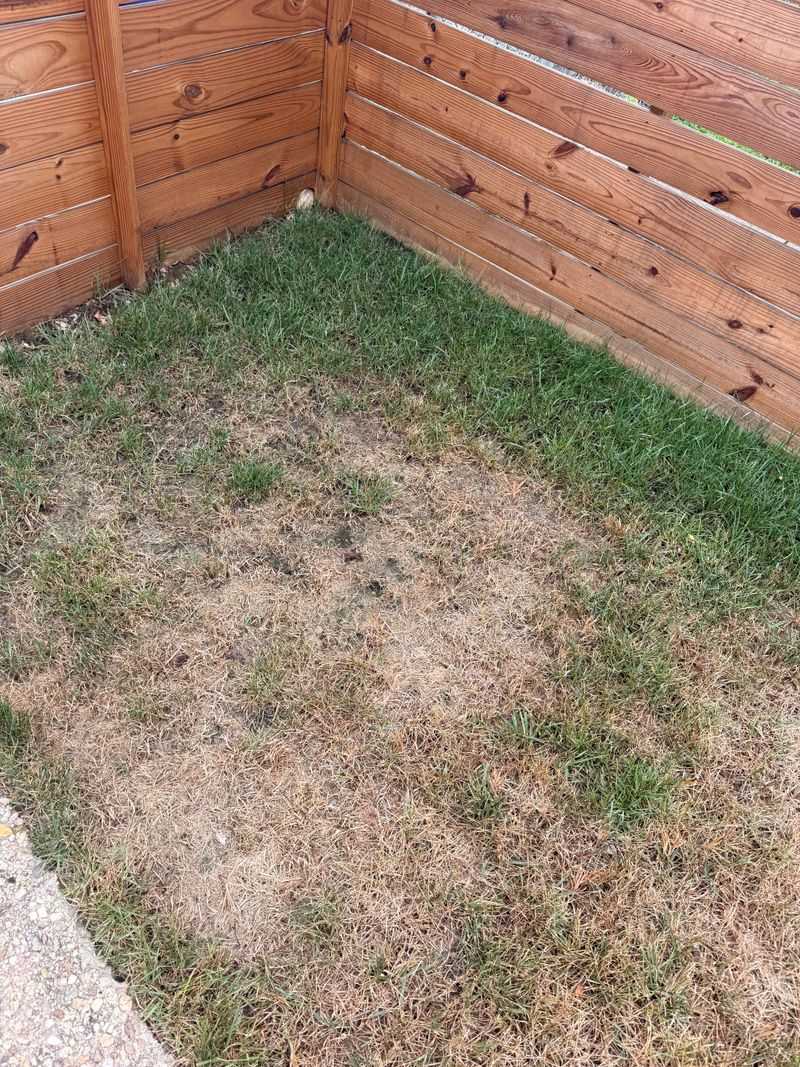
Humidity is this fungus’s best friend, and Alabama has plenty of it. When nighttime temperatures stay above 70 degrees and humidity hovers above 80 percent, conditions are basically perfect for an outbreak.
Overwatering makes things significantly worse. Grass that stays wet overnight gives the fungus hours of uninterrupted feeding time.
Evening watering is one of the most common mistakes Southern homeowners make. Shifting your irrigation schedule to early morning gives the grass time to dry before nightfall.
Thick thatch layers also hold moisture against the soil surface. A thatch buildup of more than half an inch creates a damp microclimate where fungal spores thrive.
Excess nitrogen fertilizer is another major trigger. Lush, fast-growing grass is actually more vulnerable because the soft tissue is easier for the fungus to penetrate.
Avoid heavy nitrogen applications in late spring or early summer if your yard has a history of fungal problems. Save fertilizing for periods when disease pressure is lower.
Poor air circulation compounds the humidity problem. Lawns surrounded by fences, dense shrubs, or thick tree canopy dry out more slowly after rain.
Trimming lower branches and opening up airflow around your lawn can reduce how long the grass stays wet. Sometimes a simple pruning job does more good than any spray.
These conditions stack on top of each other, and each one you eliminate reduces the overall risk. Control what you can, and you take power away from the fungus.
The Underlying Damage That Can Follow If Left Untreated
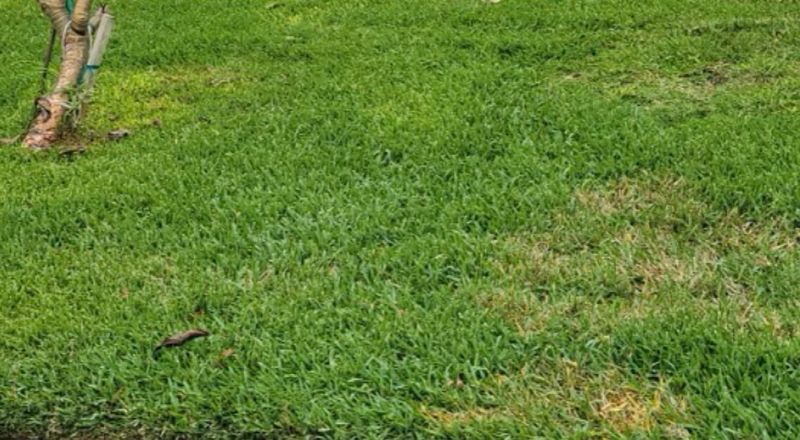
Ignoring those spreading circles is a gamble that rarely pays off. What starts as a surface-level cosmetic issue can turn into a deeper structural problem over several weeks.
Brown patch fungus primarily attacks leaf blades at first. But prolonged infection weakens the grass plant at the crown, which is the growing point just above the soil.
Once the crown is compromised, the grass cannot regrow from that spot. You end up with bare soil where healthy turf used to be.
Bare patches do not stay empty for long. Weeds move in fast, especially crabgrass and nutsedge, which love disturbed, open soil during summer months.
A weed invasion following fungal damage creates two separate problems at once. Now you are dealing with both the original pathogen and aggressive opportunistic plants.
Soil erosion becomes a secondary concern on slopes or in areas with heavy rainfall. Without grass roots holding the surface together, topsoil washes away during summer storms.
Repeated cycles of fungal damage and regrowth also thin the lawn over time. Each season the turf comes back a little weaker and a little less dense.
A thin lawn is more vulnerable to every other stress, including drought, foot traffic, and future disease. The compounding effect builds quietly until recovery feels overwhelming.
Catching the problem early protects far more than just the grass you can see today. Healthy roots and crowns are the foundation everything else depends on.
Treatment Steps That Actually Slow The Spread
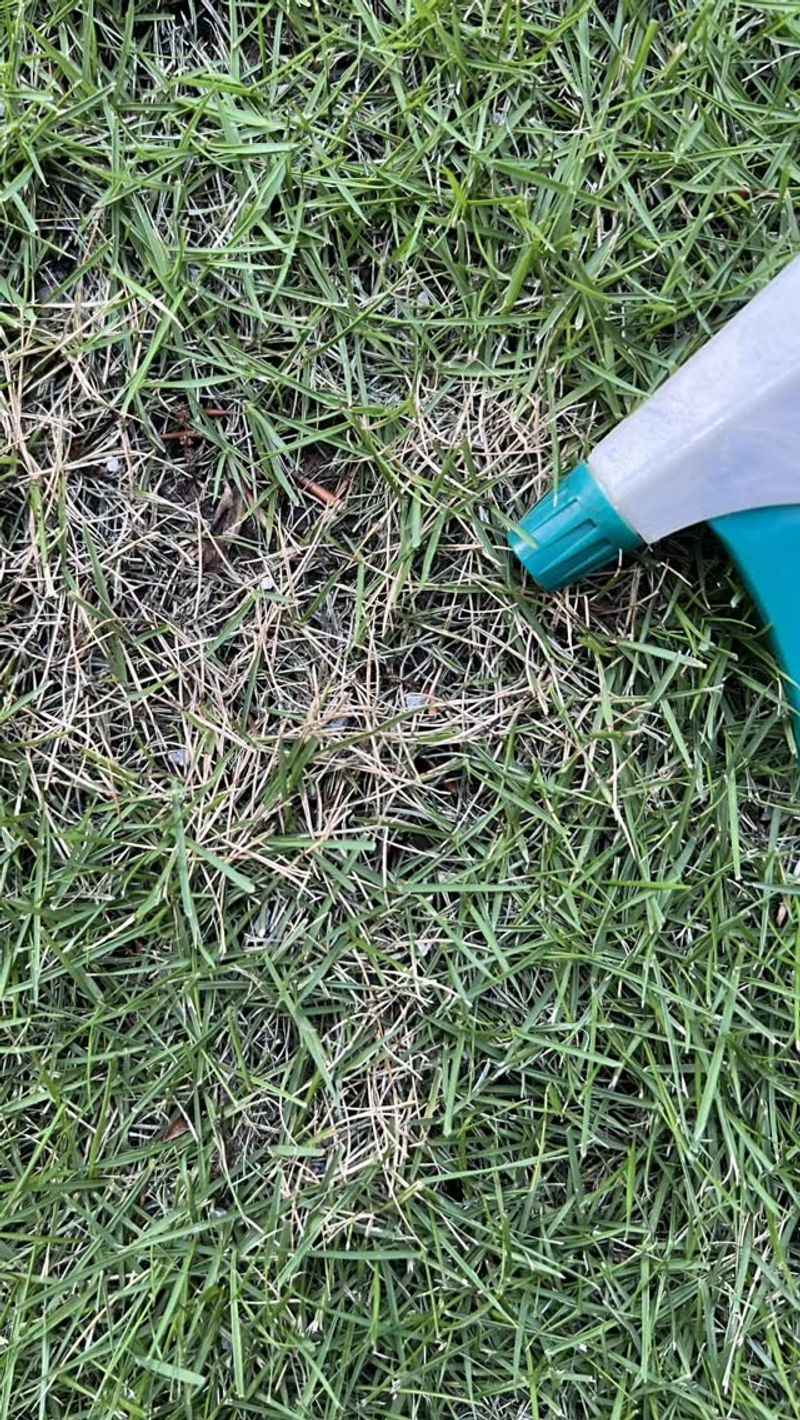
Action beats anxiety every time when it comes to lawn fungus. The moment you identify this as disease, your treatment window opens.
Start by adjusting your watering schedule immediately. Move irrigation to early morning and cut back on frequency to allow the lawn surface to dry thoroughly each day.
Mow at the correct height for your grass type and avoid cutting more than one-third of the blade at once. Stressed, scalped grass has almost no defense against pathogens.
Clean your mower deck after each pass through an infected area. Fungal spores hitch rides on equipment and spread to healthy sections of the yard easily.
Fungicide applications are often necessary for moderate to severe outbreaks. Products containing azoxystrobin, propiconazole, or myclobutanil are commonly recommended for brown patch control.
Always follow label directions carefully and apply in the early morning when temperatures are cooler. A second application two to three weeks later improves effectiveness significantly.
Dethatching the lawn after treatment helps remove infected material and improves air circulation going forward. Less thatch means less habitat for the fungus to shelter in.
Hold off on nitrogen fertilizer until the outbreak is fully under control. Feeding the lawn during an active infection encourages lush growth the fungus loves to exploit.
Treating this problem early is not just about aesthetics. A fast, smart response now protects the entire yard for seasons to come.