When Texas Gardeners Should Plant Carrots For The Best Harvest
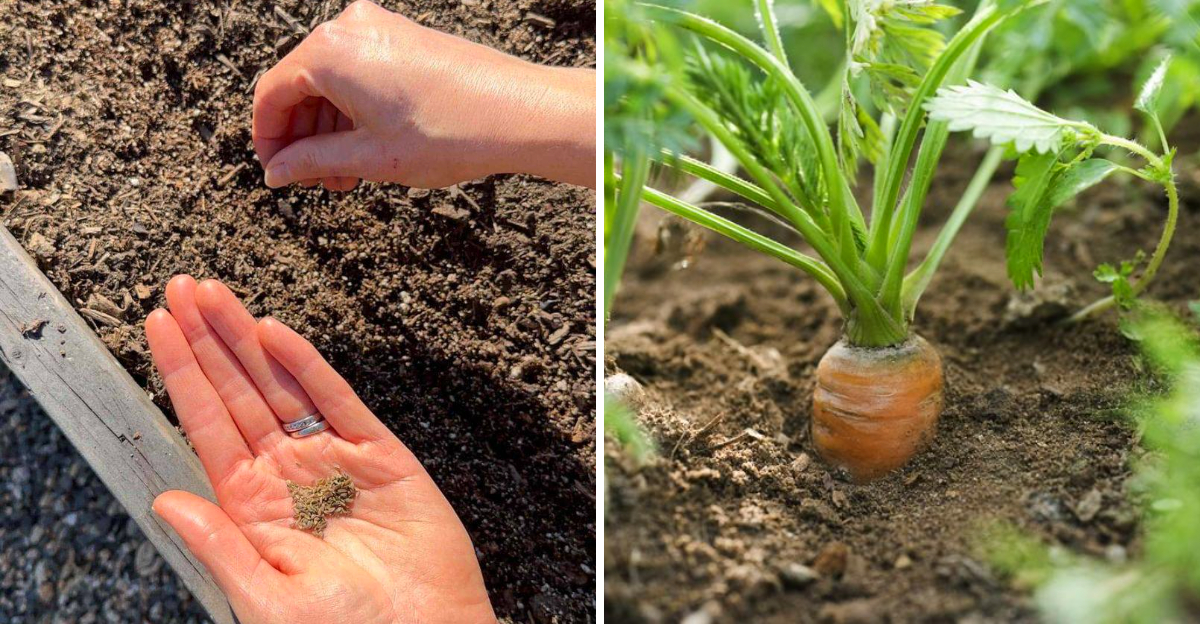
Carrots seem straightforward enough until you actually try to grow them in Texas and realize the timing question is a lot more complicated than you expected.
Drop seeds in at the wrong moment and you are fighting heat, bolting, and disappointing roots that never quite developed the way you hoped.
The thing is, Texas stretches across so many different climate zones that a planting window working perfectly in one part of the state can be completely off in another.
The Panhandle, the Hill Country, and deep South Texas are essentially operating on different calendars when it comes to cool-season vegetables, and carrots are about as cool-season as it gets.
These roots genuinely need mild temperatures to develop properly, and understanding when that window actually opens in your specific region is where a good carrot harvest starts.
1. August Through November Marks The Main Fall Planting Window
Cooling soil in late summer signals the start of one of the most productive carrot-growing periods across Texas.
For a broad statewide framework, August through November represents the main fall and winter planting window when conditions begin shifting away from the intense summer heat that makes carrot root development difficult.
Gardeners should think of this range as a general starting point rather than a single schedule that applies equally everywhere.
Because Texas spans such a large area, different counties and regions fall into different parts of this window. A gardener in the Panhandle may be ready to sow as early as mid-July, while someone in a warmer part of the state might wait until September or October.
Texas A&M AgriLife Extension encourages gardeners to check their local county planting calendar to find the most accurate window for their specific area.
Succession planting within this fall window can also be worth exploring. Sowing small batches of seed every few weeks rather than all at once can spread out your harvest.
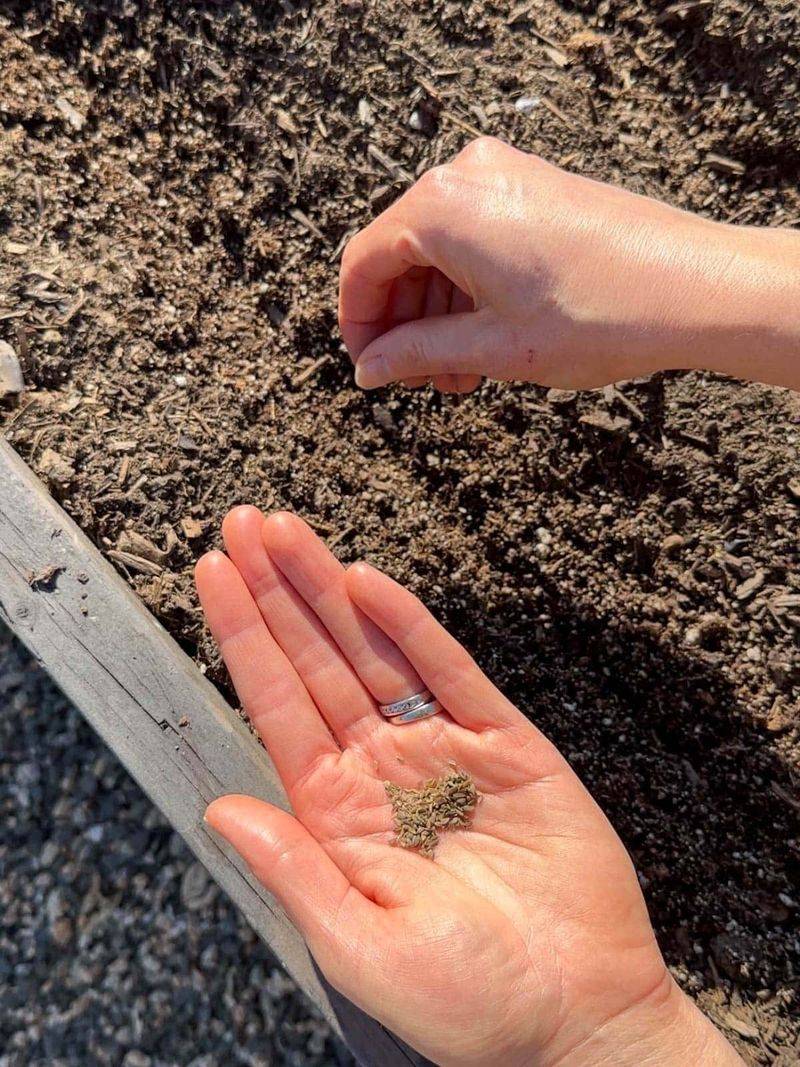
Carrot seeds are sown directly into the garden because the edible taproot develops in place and does not transplant well. Getting seeds into prepared soil at the right time gives roots a chance to grow during the cooler months ahead.
2. Cooler Texas Regions Can Start Fall Planting Earlier
Northern regions, the Panhandle, and areas with higher elevations experience seasonal cooling earlier than the rest of the state, which shifts the carrot planting calendar noticeably.
In the Panhandle, Texas A&M AgriLife regional guidance can place fall carrot planting as early as mid-July, well ahead of the August start date that might apply in warmer parts of the region.
Gardeners in these areas should take advantage of that earlier window before conditions become too cold for good germination.
Fall carrots need enough time in the ground to establish and develop their roots before temperatures become more limiting.
Planting too late in colder regions means seeds may struggle to germinate or young plants may not have enough growing time before hard freezes arrive.
Getting seeds into the ground on the earlier side of the recommended window gives roots a better opportunity to mature at a reasonable size.
Your Texas Garden Changes Every Week. Your Plan Should Too.
Gardening in Texas changes quickly throughout the season. Every Friday you’ll receive a simple weekly plan showing exactly what to plant, prune, fertilize, harvest, and protect so you never miss the right timing.
Checking the AgriLife Extension planting guide for your specific county or region is especially helpful in northern areas where conditions can vary considerably from one location to the next.
Regional guides account for local frost patterns and seasonal temperature changes that a general statewide calendar simply cannot capture.
Matching your sowing date to your local conditions is one of the most practical steps any Texas gardener can take.
3. Warmer Texas Gardens Can Plant Into November
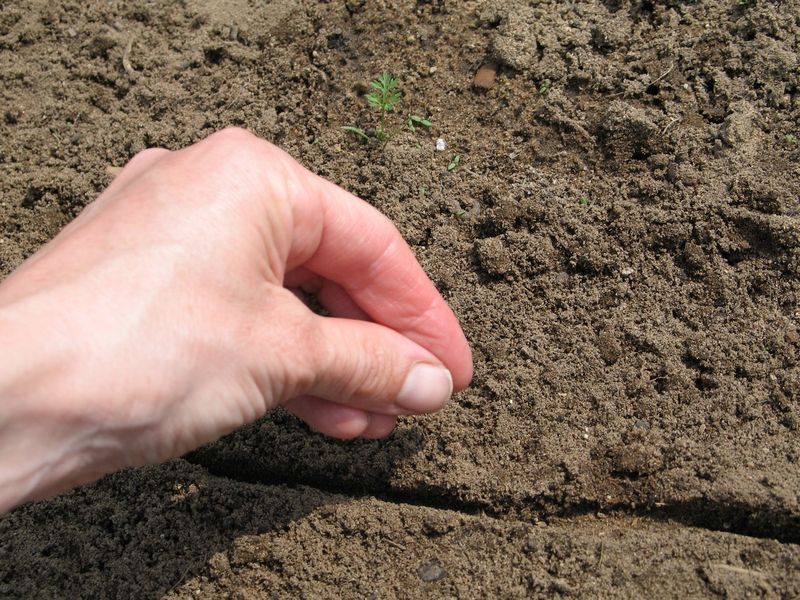
Mild fall temperatures in warmer parts of the state keep the soil suitable for carrot germination well into the calendar year.
Regions in Central and East Texas, along with areas that experience a gentler seasonal transition, can often sow carrot seeds into October and sometimes into November with reasonable success.
The key is that soil temperatures need to remain warm enough to support germination while the overall trend is moving in a cooler direction.
Warmer fall conditions can actually work in a gardener’s favor during the early germination stage because carrot seeds tend to sprout more reliably when soil is not too cold.
Once seedlings are established, the cooling temperatures that follow help roots develop the color, texture, and mild sweetness that make fresh carrots enjoyable.
Waiting too long into November in warmer regions risks running into conditions that slow root development significantly.
Not every location benefits equally from a November sowing window, so it is worth resisting the urge to apply one region’s timing to another.
A gardener in the Rio Grande Valley may have very different November conditions than someone near Dallas or San Antonio.
Reviewing local Texas A&M AgriLife county planting guidance helps clarify whether a late fall sowing makes practical sense for your specific garden location rather than relying on a general estimate.
4. Cool Fall Weather Supports Better Carrot Roots
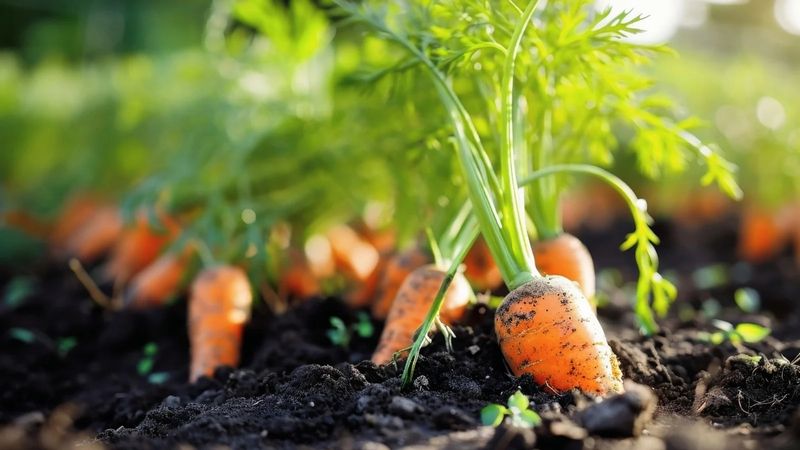
Carrots have earned their reputation as a cool-season vegetable for good reason. Root development, color, and overall quality tend to be better when plants grow through mild temperatures rather than intense heat.
Texas A&M AgriLife guidance recognizes that carrots perform well in cool conditions and that excessive heat can reduce root quality, sometimes causing roots to become fibrous, pale, or misshapen rather than tender and well-formed.
When carrot roots mature during cool weather, the plant tends to convert more starches into sugars, which contributes to a milder, more pleasant flavor.
Gardeners who have grown carrots through a brutal summer often notice a clear difference in quality compared to roots that developed during cooler fall or early spring conditions.
That difference in flavor and texture is one of the main reasons experienced vegetable growers lean toward cool-season carrot production.
Soil temperature also plays a role alongside air temperature. Carrot seeds generally germinate across a fairly wide soil temperature range, but roots develop most favorably when the surrounding soil stays on the cooler side through the growing period.
Planting within a window that places most of the root development during fall or early spring months gives Texas gardeners the best chance of harvesting carrots with the kind of quality that makes the effort worthwhile.
5. Mid-January Can Start The Spring Planting Season
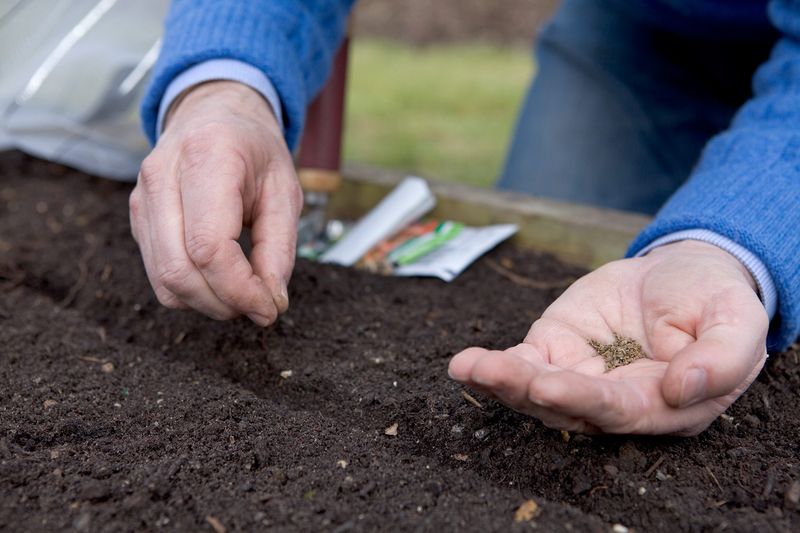
Spring carrot planting in Texas does not wait for warm weather the way tomatoes or peppers do. Because carrots prefer cool growing conditions, the spring sowing window opens earlier than many gardeners might expect.
In milder parts of Texas, mid-January can mark the beginning of the spring carrot planting period, giving roots time to develop before the stronger heat of late spring arrives and makes growing conditions less favorable.
Mid-January is not a statewide starting date that works for every Texas garden.
Gardeners in warmer southern regions may find January planting practical, while those in colder northern locations may still be dealing with soil and weather conditions that make January sowing less reliable.
The spring window, much like the fall window, shifts depending on where you are located within the state.
Starting spring carrots on the earlier side of the recommended window gives roots more time to develop before temperatures climb.
Carrot roots take a fair amount of time to reach a harvestable size, often ranging from 70 to 80 days or more depending on the variety.
Sowing in mid-January in a region where that timing is supported by local planting guidance means roots can potentially be harvested before the heat of late spring becomes a limiting factor for quality and growth.
6. February Works Well For Many Texas Gardens
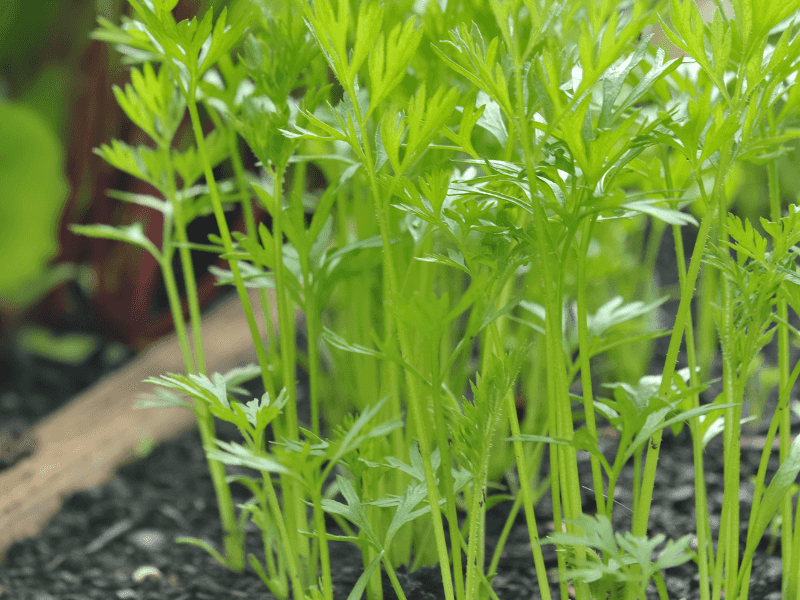
February sits comfortably within the spring carrot planting window for a wide range of Texas gardens.
Soil across much of the state becomes more workable as February progresses, and temperatures during this month tend to stay cool enough to support good germination and early root development.
Gardeners who missed a January sowing opportunity often find that February still provides a practical and productive window for getting carrot seeds into the ground.
One reason February works well is that it gives roots a reasonable stretch of cool growing weather before the warming trend of late spring begins to accelerate.
Carrots sown in February in many parts of Texas can develop through March and into April before heat becomes more of a concern.
Varieties with shorter days-to-maturity may be especially well-suited for spring planting because they can reach harvest size before conditions become less favorable.
Keeping the seedbed consistently moist during germination is especially important in February because cool soil can slow the germination process slightly.
Carrot seeds may take longer to sprout in cooler conditions than they would in warmer soil, so patience and steady moisture help.
Reviewing your county’s Texas A&M AgriLife planting calendar can confirm whether February falls within your specific spring window or whether a slightly earlier or later date might serve your garden better.
7. March Extends Planting Into Cooler Texas Regions
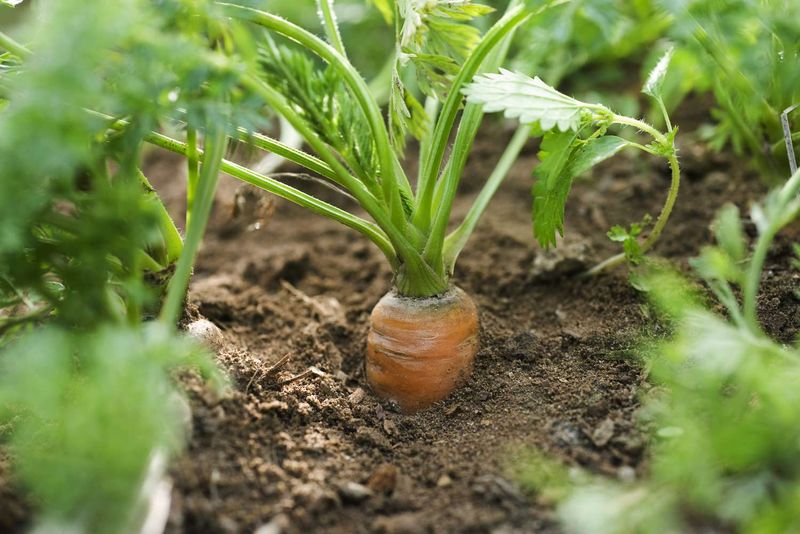
As spring progresses, March becomes the more relevant sowing month for gardeners in colder parts of the state.
While warmer regions may have already started their spring carrots in January or February, northern Texas and the Panhandle can still be experiencing soil and weather conditions that make March a more suitable entry point into the spring planting season.
Regional Texas A&M AgriLife guidance for some northern and Panhandle locations even extends spring carrot planting recommendations into April.
March planting in cooler regions takes advantage of the fact that temperatures are rising but have not yet reached the levels that can stress carrot root development.
Gardeners in these areas should aim to get seeds into the ground as early in March as conditions allow, giving roots as much cool growing time as possible before late spring warmth arrives.
Waiting too far into the spring season in colder regions can still compress the available growing window.
Spring planting in Texas gradually shifts later as you move from warmer southern and central areas toward colder northern and Panhandle locations.
Thinking of spring carrot sowing as a sliding window rather than a fixed date helps clarify why March matters more in some places than others.
Using your local county extension planting calendar remains the most reliable way to identify the specific spring window that fits your garden’s climate and seasonal conditions.
8. South Texas Can Sow From July Through February
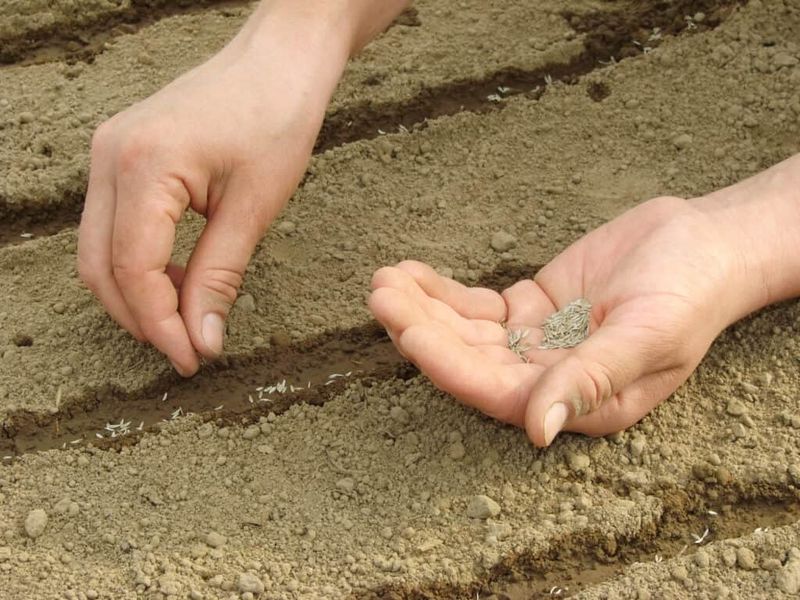
South Texas operates on a planting calendar that looks quite different from the rest of the state.
AgriLife Extension documents a July through February carrot planting window for this region, a range that reflects considerably milder winters and an extended cool-season growing period.
While gardeners in northern areas are limited to a narrower fall window and a brief spring window, those in the south have a much longer stretch of time when carrot sowing can be productive.
The mild winters down here, particularly in areas like the Rio Grande Valley, mean that soil temperatures and air temperatures stay favorable for carrot growth through periods when colder parts of the state have essentially paused vegetable production.
Carrots can be sown, grown, and harvested across a wider range of months because the region rarely experiences the hard freezes or prolonged cold spells that limit growing seasons farther north.
This region should be treated as its own distinct gardening zone rather than simply applying a statewide planting framework to it.
Gardeners here benefit from checking Texas A&M AgriLife guidance developed specifically for the Lower Rio Grande Valley rather than relying on a general planting calendar.
Understanding how different conditions are in the south compared to the rest of the region helps gardeners make smarter decisions about when to sow and when to expect a harvest.
9. Loose Soil And Steady Moisture Support Root Growth
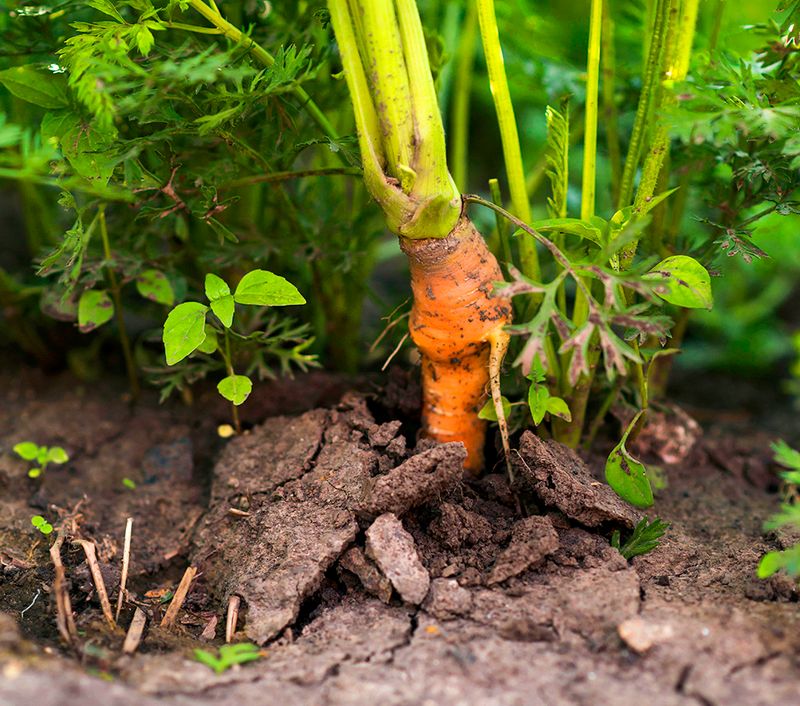
Soil preparation may be one of the most overlooked parts of growing good carrots in Texas.
Carrots develop a long taproot that needs to push downward through the soil with minimal resistance, so loose, deep, well-drained soil gives roots the best environment for healthy development.
Compacted or rocky soil can cause roots to fork, twist, or remain stunted rather than growing into the smooth, well-formed shape most gardeners are hoping for.
Working soil to a depth of at least 12 inches before sowing helps create the kind of growing environment carrot roots need. Raised beds or in-ground beds that have been loosened and amended with compost can offer good conditions for root development.
Heavy clay soils that drain poorly can create problems, as standing water around developing roots can interfere with growth and overall root quality.
Moisture management matters throughout the entire growing period, starting at germination.
Carrot seeds need the seedbed to stay adequately moist during the germination period, which can take one to three weeks depending on soil temperature and conditions.
Once seedlings are established, maintaining reasonably consistent soil moisture without waterlogging the bed supports steady root development.
Allowing the soil to dry out excessively between waterings can stress young plants and affect the texture and quality of developing roots.
10. Thinning Gives Carrots More Room To Develop
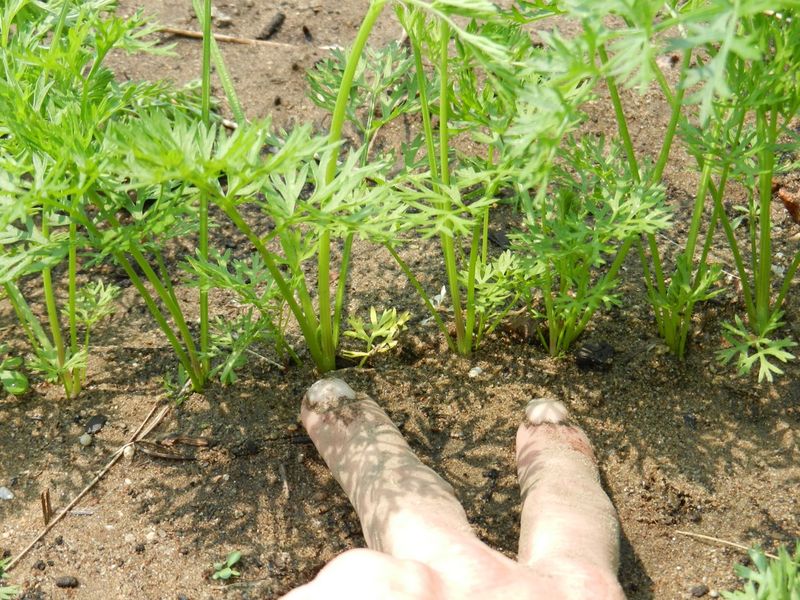
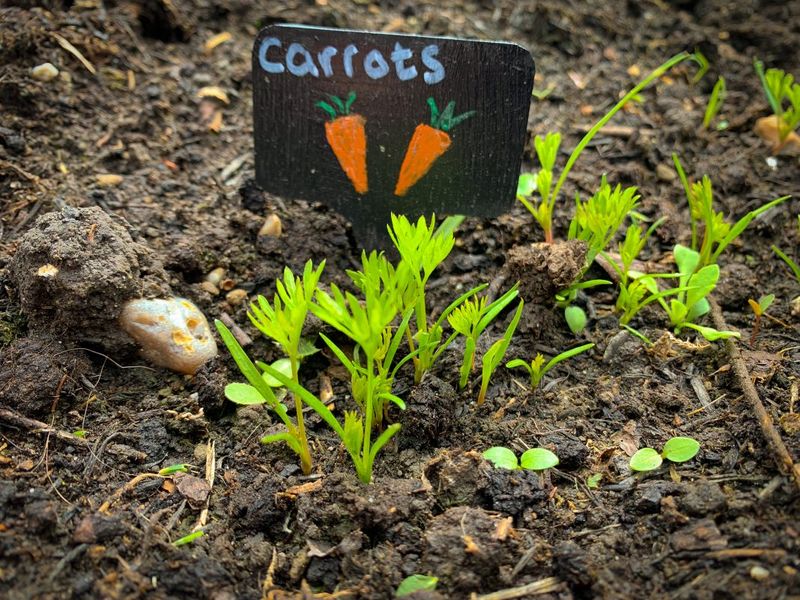
Carrot seeds are small, and gardeners often sow them more thickly than necessary because the seeds can be tricky to space precisely. Once seedlings emerge and begin growing, crowded conditions become a real problem.
Thinning young plants so that individual roots have enough space to enlarge is one of the most important steps a gardener can take after germination, and skipping it often results in small, underdeveloped roots at harvest time.
Texas A&M AgriLife guidance recommends thinning carrot seedlings to about two to three inches apart to give individual roots room to develop properly. Thinning is best done when seedlings are still small, typically when they reach about two inches tall.
Waiting too long to thin can make the process more disruptive to the remaining plants because roots may already be starting to compete with each other underground.
Carrot seeds are always sown directly into the garden rather than started indoors and transplanted, because the taproot begins developing immediately after germination and does not handle being moved.
This means that thinning is the primary way to manage spacing after seeds are in the ground.
Removing excess seedlings by snipping them at soil level rather than pulling them out helps avoid disturbing the roots of nearby plants that are being kept.
Consistent thinning gives the remaining carrots a noticeably better chance of reaching a good harvest size.