What Michigan Gardeners Should Do With Irises Now For Better Blooms Next Spring
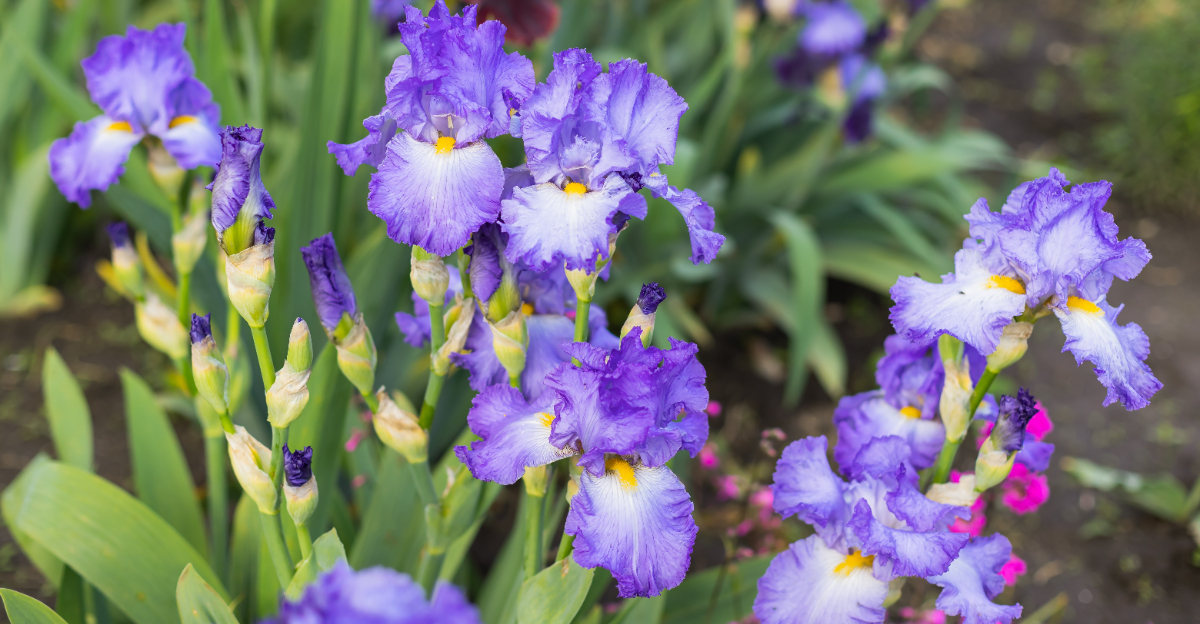
Irises quietly finish their show each summer, and most Michigan gardeners simply let them sit until spring rolls back around on its own. But what happens to these plants right now actually plays a much bigger role in next year’s blooms than most people ever consider.
Skip a specific task during this window, and you could end up with a noticeably weaker display compared to what’s actually possible.
It has nothing to do with fertilizer schedules or watering routines, and everything to do with something most gardeners walk right past without a second thought.
Understanding what irises genuinely need at this point in the season could completely change how full and colorful next spring’s blooms turn out to be.
Many gardeners only discover this connection after a disappointing bloom season leaves them wondering what went wrong. A few minutes of attention now could make all the difference months from now.
1. Divide Crowded Iris Clumps
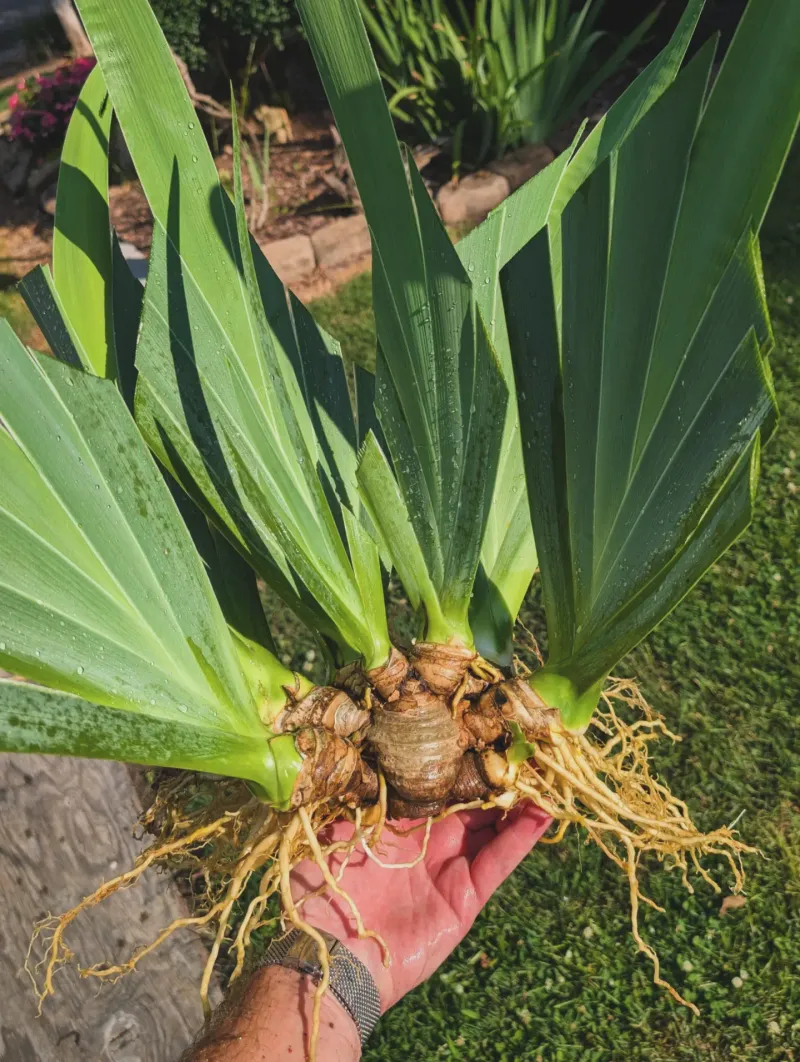
Irises love to spread, and after a few years those tidy little clumps turn into crowded tangles. When rhizomes pile up next to each other, they start fighting for water, food, and space underground. The result is fewer flowers and a lot of leaves.
Every three or four years, digging up and splitting these clumps gives each plant room to breathe again. In Michigan, late July through August works great because the plants have finished blooming and still have warm weeks to settle in.
Use a garden fork to lift the whole clump gently, shaking off the extra soil so you can see what you are working with.
Once the clump is out of the ground, you will notice how packed the rhizomes have become. Some sit right on top of others, which is exactly why blooms slow down.
Pulling them apart lets you spread out the strong pieces and replant them with breathing room.
Think of it like giving each iris its own bedroom instead of one crowded space. With more room, roots grow stronger and the plant can store the energy it needs for spring flowers.
Dividing might feel like a big job, but it pays off fast. Gardeners often see a burst of new blooms the very next season after splitting old clumps. Set aside an afternoon, and your future self will thank you when spring arrives with a wave of color.
2. Remove Old Rhizomes
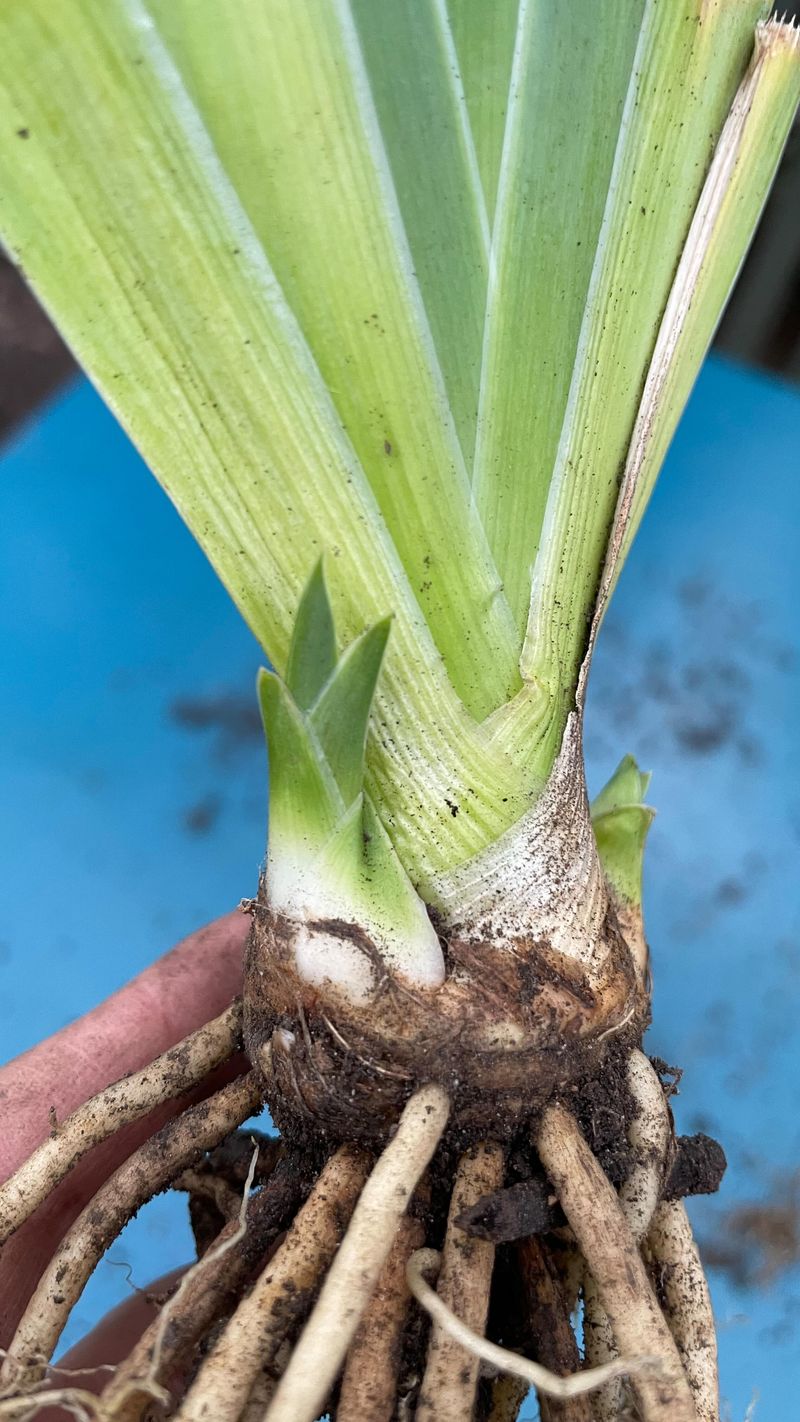
Not every piece of an iris clump is worth keeping. When you lift a group of rhizomes, you will spot the older sections in the middle. These are usually woody, tough, and worn out from years of growing.
Old rhizomes rarely make good flowers anymore. They have already done their job, and holding onto them just wastes space that healthier pieces could use. Tossing them out helps the whole plant stay strong.
The newer rhizomes grow around the edges of the clump. They feel firm and plump, almost like a fresh potato, and often have young fans of leaves attached. Those are the keepers you want to replant.
Your Michigan Garden Changes Every Week. Your Plan Should Too.
Gardening in Michigan changes quickly throughout the season. Every Friday you’ll receive a simple weekly plan showing exactly what to plant, prune, fertilize, harvest, and protect so you never miss the right timing.
Look closely for any soft spots, mushy areas, or tunnels made by borers. Anything that looks damaged or smells sour should go straight into the trash rather than the compost pile, since problems can spread. A clean start means fewer headaches later.
Sorting through your pile might take a little patience, but it makes a real difference. By keeping only the best rhizomes, you fill your garden with plants that have the energy to bloom big.
Think of this step as cleaning out a closet. You clear away what no longer works so the good stuff has room to shine.
Michigan winters can be tough, and strong, healthy rhizomes handle the cold far better than tired old ones. A little sorting now leads to a much prettier bed of irises when spring rolls around.
3. Keep The Best Fans
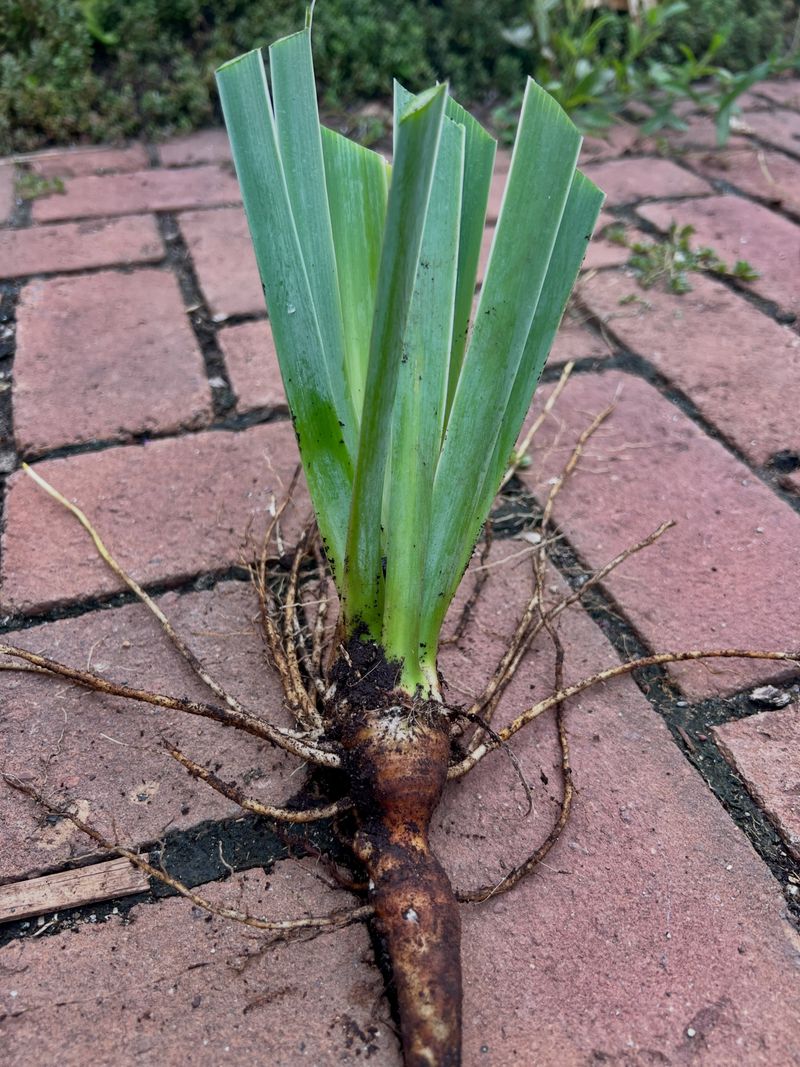
Picking the right pieces to replant is where good blooms really begin. A strong iris division needs three important parts working together: a firm rhizome, healthy roots, and a fan of leaves growing on top.
The rhizome is the fat, horizontal stem that stores energy. Without it, the plant has nothing to draw from during the cold months. Choose pieces that feel solid and look plump rather than shrunken.
Roots matter just as much. Those white, stringy roots hanging below the rhizome help the plant drink water and grab nutrients once it is back in the soil. Trim any that are broken, but leave plenty for a good grip.
Then there is the fan, that cluster of green leaves that gives the plant its name and its start. A single healthy fan tells you the piece is alive and ready to grow.
Cutting the leaves back to about six inches in a fan shape helps the plant focus its energy on roots instead of tall foliage.
Try to keep divisions about the size of your palm. Pieces that are too small may struggle to bloom the first year, while giant chunks just recreate the crowding problem you worked to fix.
Matching all three parts on each division gives your irises the best possible head start. When you plant something complete and healthy, it settles in quickly and rewards you faster.
A little care choosing the right fans now means happier, fuller plants greeting you next spring.
4. Plant Rhizomes Correctly
Bearded irises have one rule that surprises many new gardeners: they do not like to be buried. Unlike bulbs that go deep, these rhizomes want to sit right at the top of the soil.
When you plant them, the top of the rhizome should peek out just above the surface, soaking up the sun. Only the roots belong underground. Spread those roots out in a shallow hole and cover them with soil, leaving the rhizome exposed like a turtle sunbathing.
Burying rhizomes too deep is one of the most common reasons irises stop blooming. When they sit under too much soil, they stay damp and rot instead of storing energy. Keeping them near the surface lets them dry out and stay firm.
In Michigan, planting on a small mound or slightly raised spot works well because our springs can get soggy. Good drainage keeps water from pooling around the rhizome during wet weeks.
Point the fan of leaves in the direction you want the plant to grow, since new growth pushes out from that end. Space each rhizome about a foot apart to leave room for spreading.
Water them in gently after planting to help the roots settle, then hold back on heavy watering afterward. Irises prefer drier conditions once established.
Getting this planting depth right makes a huge difference. A rhizome that sits proudly in the sun will thank you with strong stems and bright flowers when the warm days return next spring.
5. Give Them More Sun
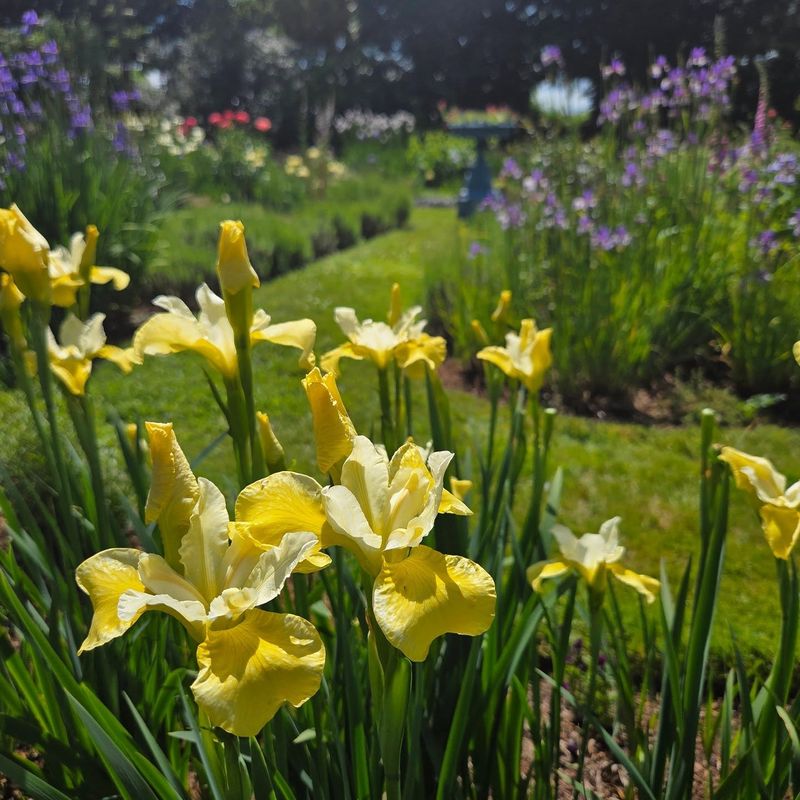
Sunshine is the secret fuel behind every gorgeous iris bloom. These plants are sun lovers through and through, and they need plenty of light to put on their spring show. For the most flowers, irises want at least six hours of direct sun each day.
When they get enough light, they build strong stems that stand tall and hold up big, colorful blossoms. Skimp on sun, and you often end up with lots of leaves but very few flowers.
If your irises have been hiding in a shady corner or slowly getting shaded out by growing trees and shrubs, now is a smart time to move them. Since you may already be dividing clumps, replanting in a sunnier spot fits right into the job.
Watch your yard during the day and notice where the light lands. A south or west facing bed usually gets the most sun in Michigan and makes an excellent home for irises.
Too much shade also keeps rhizomes damp longer, which invites problems. Bright light helps everything dry out and stay healthy.
Even a few extra hours of sun can turn a sleepy patch of irises into a bloom machine. Plants that soak up rays store more energy over winter, and that stored energy becomes flowers.
Give your irises a front row seat to the sun this year. Come spring, you will see the reward in taller stems and a fuller, brighter display than you have had in seasons past.
6. Improve Airflow Around Plants
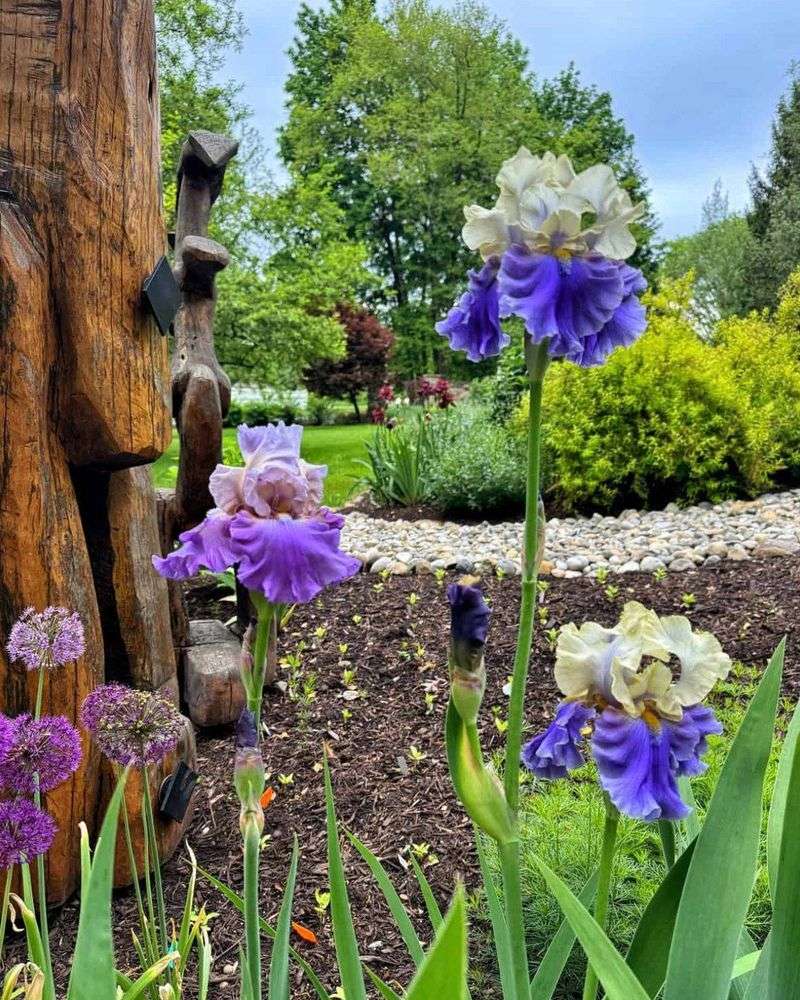
Crowded plants and stale air make a bad combination for irises. When leaves and rhizomes press together too tightly, moisture gets trapped and lingers, and that dampness invites trouble.
Spacing your irises out gives the breeze room to move through and around them. Good airflow dries the leaves quickly after rain or morning dew, and dry leaves stay much healthier than soggy ones.
Aim to leave about twelve to eighteen inches between each rhizome when you replant. It might look a little bare at first, but the plants will fill in over time. That open space now saves you from a jungle of tangled foliage later.
Michigan gets its share of humid summer days and wet spring weather. In those damp stretches, airflow becomes even more important for keeping fungus and rot away from your plants.
Airflow also helps at the soil level. When rhizomes are not packed together, sunlight and wind reach them, keeping them firm and dry the way they like.
Take a look at any beds that feel overgrown and thin them out while you have the tools handy. Pulling a few crowded pieces makes room for the rest to thrive.
Think of your iris bed like a room full of people. Everyone feels better with a little breathing space and fresh air moving around. Give your plants that same comfort, and you will notice cleaner leaves, fewer problems, and a stronger bloom when spring finally arrives.
7. Clean Up Damaged Leaves
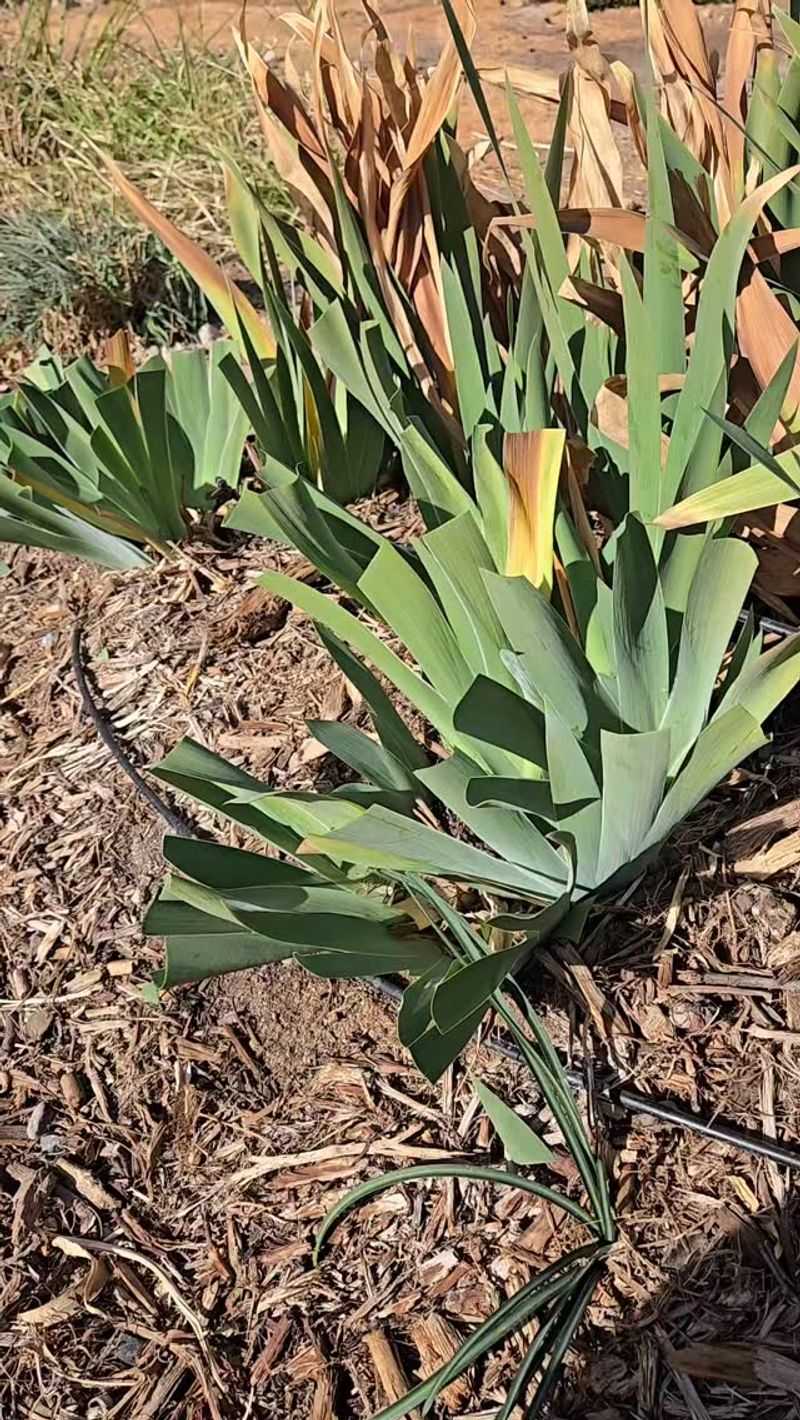
Tired, spotted leaves do more harm than good, so clearing them away is a smart late season move. Over the summer, iris foliage often picks up brown tips, yellow streaks, or spotty marks from weather and pests.
Snipping off those unhealthy leaves keeps problems from spreading to the rest of the plant. Many leaf spots carry fungus that can linger and cause trouble again next year if left in place.
Trim the leaves down into a neat fan shape, usually about six inches tall. This tidy cut helps the plant put its energy into the rhizome and roots instead of hanging onto worn out foliage.
Be sure to gather up every trimmed leaf and toss it in the trash rather than the compost. Fallen bits left on the soil can hide pests and spores through the winter.
A clean iris bed also makes it easier to spot borers or soft spots you might otherwise miss. When the foliage is trimmed back, you get a clear view of each rhizome’s health.
In Michigan, doing this cleanup before the first hard frost gives your plants a fresh, tidy start heading into the cold months. Less clutter means fewer hiding spots for problems.
Think of it as sweeping the floor before company arrives. A neat, healthy plant handles winter better and wakes up ready to grow. That little bit of tidying now leads to greener leaves and brighter flowers when spring returns.
8. Avoid Heavy Feeding Late
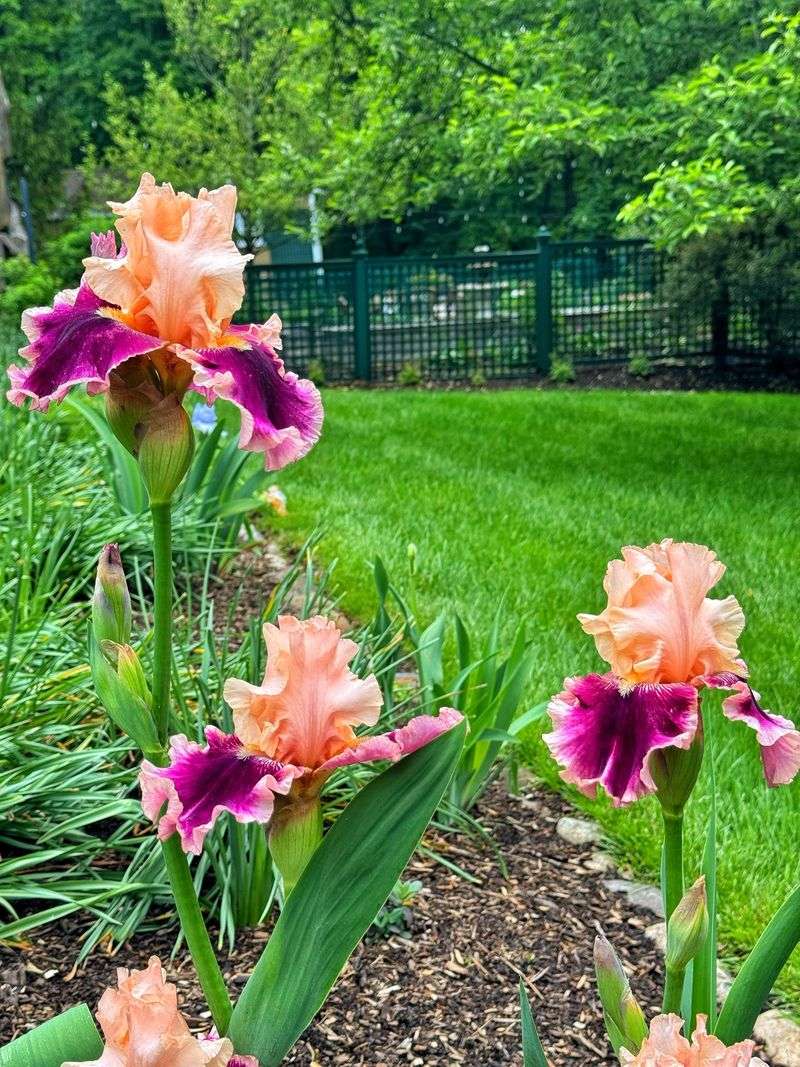
More fertilizer does not mean more flowers when it comes to irises. These plants actually prefer a light touch, and piling on food late in the season can backfire.
Too much fertilizer, especially the kind heavy in nitrogen, pushes out lots of soft, leafy growth. That tender growth does not have time to toughen up before winter, and it can rot the rhizome instead of helping it.
Heavy feeding late in the year also tricks the plant into growing when it should be settling down for the cold. Irises need to slow their growth and store energy, not race to make new leaves.
A balanced, low nitrogen fertilizer used sparingly in early spring gives the best results. If you fed your irises earlier in the year, they likely have all the nutrients they need already.
Michigan soil often holds plenty for these easygoing plants. A light scratch of bone meal around the rhizomes can support root strength without pushing floppy top growth.
Skip the strong feedings from late summer onward. Instead, let your plants rest and harden off naturally as the days grow shorter.
Good care with irises is really about doing less rather than more. They shine when you give them sun, space, and just a little food at the right time.
Treat them like the tough, low fuss plants they are, and they will reward your patience. Come spring, you will enjoy sturdy stems and generous blooms without ever overdoing it.