The Fire Ant Mistake That Turns Small Texas Mounds Into Yard-Wide Colonies Overnight
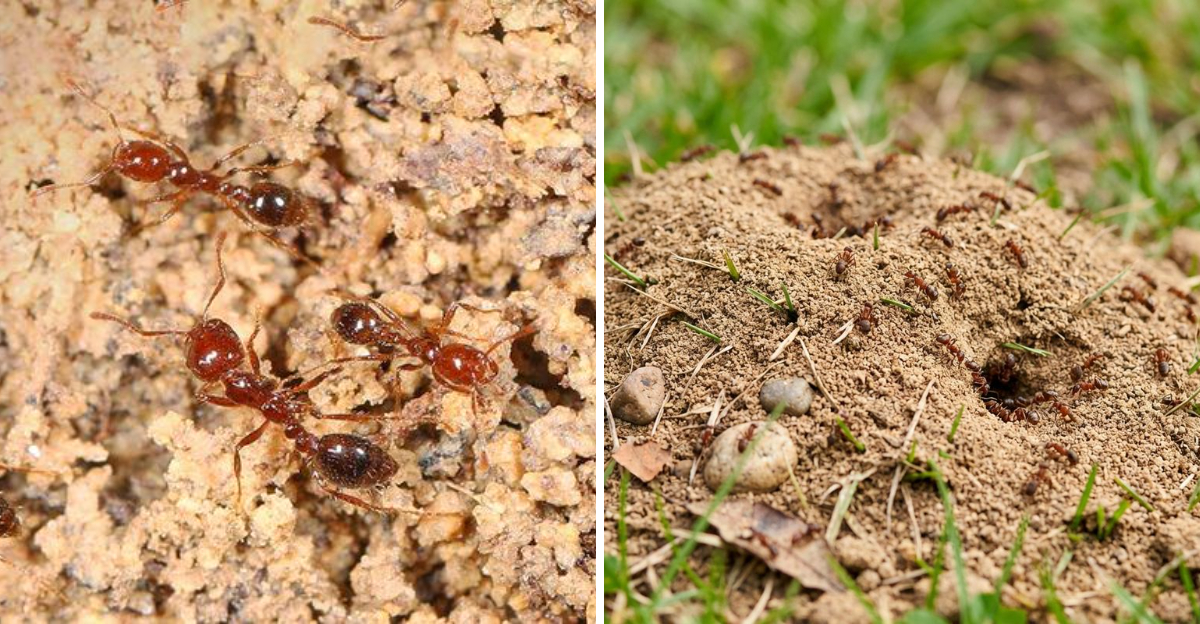
Most Texas homeowners have dealt with fire ants at some point, and most of them have made the same mistake without realizing it. It feels like the right move in the moment. It looks proactive. And for a day or two, it might even seem like it worked.
But this particular fire ant mistake doesn’t just fail to solve the problem. It actively makes it worse, turning a manageable mound situation into a yard wide colony problem that is significantly harder to address.
Fire ants are not passive when they feel threatened. Disturb a mound the wrong way and the colony’s survival instincts kick in immediately. Queens relocate. Workers scatter. Satellite mounds appear in multiple new locations seemingly overnight.
What started as one mound in the corner of the yard becomes several mounds spread across a much larger area, each one now established and defended with the full resources of the original colony.
Understanding why this happens is the first step toward actually getting fire ants under control.
Surface Attacks Eliminate Workers While The Queen Survives Underground
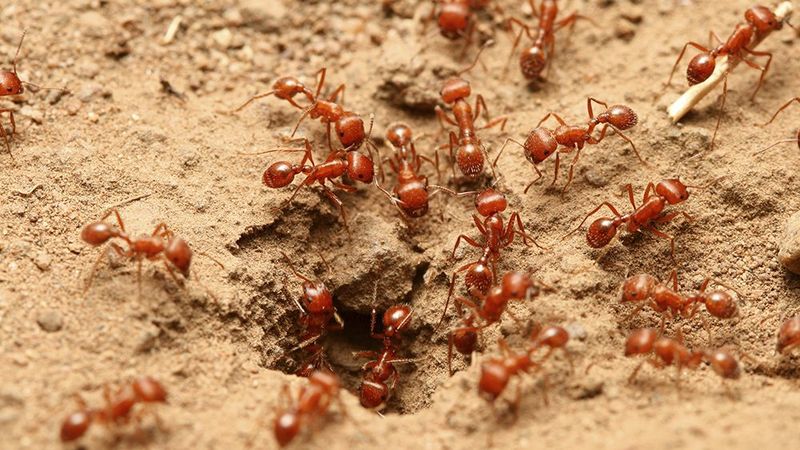
Most people see a fire ant mound and immediately want to stomp on it, mow over it, or blast it with a spray bottle. It feels satisfying, but it barely scratches the surface of the real problem.
The workers you see swarming on top are just a small fraction of the entire colony. Fire ant nests go much deeper than the visible dirt mound above ground. Below the surface, a complex network of tunnels and chambers extends several feet into the soil.
Workers, brood, and the queen all live down there, safely tucked away from anything happening at the top.
Spraying the mound’s surface or flattening it with your foot may remove some exposed workers, but the queen stays protected underground. As long as she is alive, she keeps producing new workers at a rapid pace.
A single queen can lay hundreds of eggs per day. What tricks a lot of homeowners is when the mound seems to disappear after they disturb it. The ants go quiet and pull back underground.
People assume the problem is solved and move on. Days later, the mound reappears, sometimes even bigger than before.
Effective treatment must reach the queen. Surface-level attacks simply cannot do that on their own.
Choosing a method that penetrates deep into the soil is the only real way to address the colony at its source. Understanding how far down fire ants actually live changes everything about how you approach getting rid of them.
Disturbing The Mound Can Make Surviving Ants Relocate
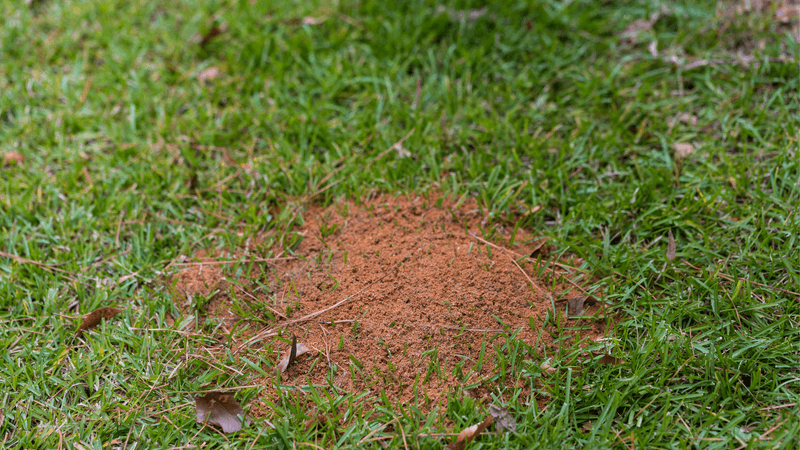
Here is something that surprises a lot of people: poking, kicking, or partially treating a fire ant mound can actually make your ant problem spread across your entire yard. When ants sense danger or disruption, their survival instincts kick in fast.
Texas A&M AgriLife Extension, one of the top resources for fire ant management in the state, specifically advises against disturbing a mound while you are applying individual mound treatments.
Your Texas Garden Changes Every Week. Your Plan Should Too.
Gardening in Texas changes quickly throughout the season. Every Friday you’ll receive a simple weekly plan showing exactly what to plant, prune, fertilize, harvest, and protect so you never miss the right timing.
Disturbing the colony before or during treatment can cause workers to scatter and relocate with the queen to a safer spot.
When a damaged colony rebuilds somewhere else in your yard, it can look like one colony suddenly became two or three overnight.
Homeowners often panic and think they have a reinvasion problem, when really they just pushed the same colony to a new address a few feet away.
Things get even more complicated with multiple-queen colonies. Some fire ant colonies in Texas have more than one queen, which means workers from a single nest may already be moving between several connected mounds.
Disturbing one mound can trigger movement across all of them at once. The best approach is to treat calmly and carefully, using a product that works deep into the colony before the ants sense something is wrong.
Slow-acting baits are especially good at this because workers carry the bait into the nest without realizing it is harmful.
Rushing the process or repeatedly poking at mounds almost always backfires. Patience and the right technique matter far more than speed when dealing with fire ants in a Texas yard.
Pouring Too Little Water Or Insecticide Cannot Penetrate The Nest
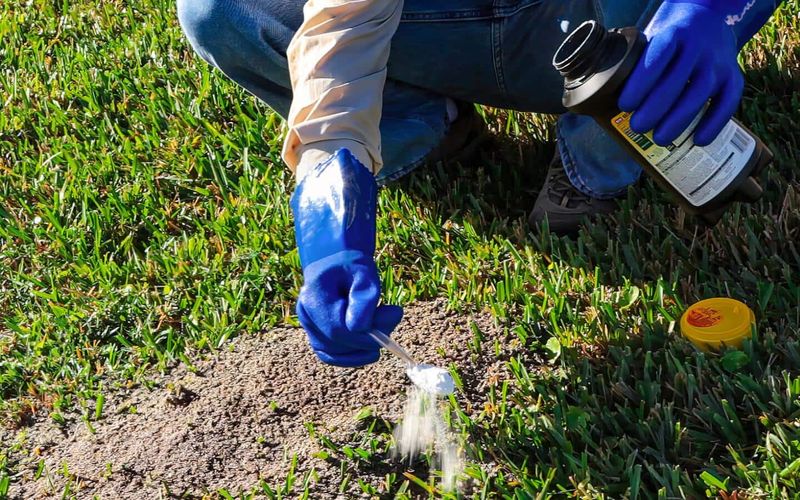
One of the most common mound treatment mistakes is not using enough liquid. People grab a spray bottle, squirt a little insecticide on the mound, and call it done. Unfortunately, that small amount of liquid barely soaks into the first inch of soil.
Mound drenches are one of the most effective individual treatments available, but they only work when used correctly. To reach the queen and the brood chambers deep underground, you need a large volume of properly mixed insecticide solution.
Most product labels call for one to two gallons of diluted liquid poured slowly and directly into the mound.
Pouring too quickly is also a problem. If you pour fast, the liquid runs off the sides of the mound without soaking straight down into the tunnels.
A slow, steady pour gives the insecticide time to move down through the soil and into the chambers where the colony actually lives.
Granular mound treatments work differently, but they have their own volume rules too. Most granular products require watering after application to activate the insecticide and carry it into the soil.
Skipping that watering step, or using too little water, leaves the product sitting on the surface where it does very little good.
Never guess on amounts or mix concentrations differently than the label states. Pesticide labels are legal documents, and following them exactly is both a safety requirement and a practical one.
Using the right amount of product in the right way is what separates a treatment that actually works from one that just wastes your time and money.
Hot-Water Treatments Fail Often Enough To Create New Mounds
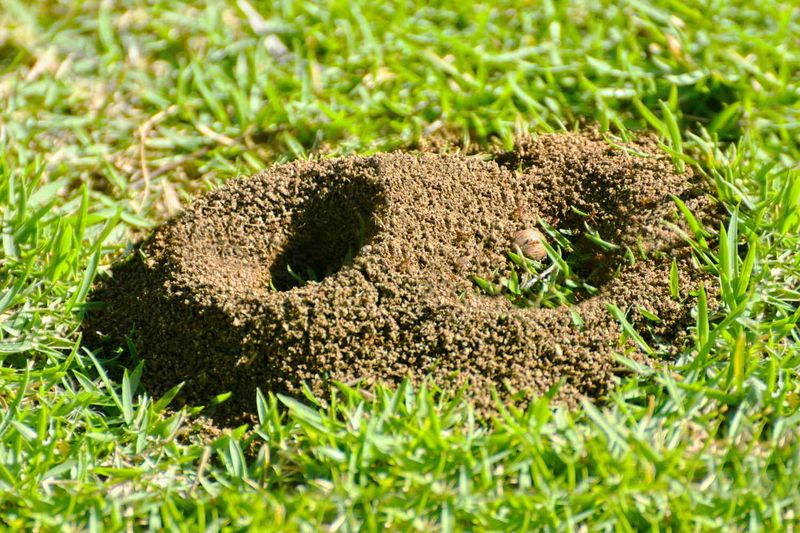
Pouring boiling water on a fire ant mound is one of the oldest home remedies in the book. It sounds like a simple, chemical-free solution, and plenty of people swear by it. The truth, though, is a lot less convincing than the reputation suggests.
Texas A&M AgriLife Extension has studied this method and reports that pouring two to three gallons of very hot or boiling water onto a mound only works about 60 percent of the time.
That means four out of every ten attempts will fail to finish the job. In those cases, surviving ants simply move and rebuild somewhere else in your yard.
When hot water does not fully reach the queen, the colony relocates rather than collapsing. Now instead of one mound in a corner of your yard, you may end up with a new one popping up in a flower bed, near a sidewalk, or close to a play area.
The problem does not go away; it just moves to a more inconvenient spot. Beyond the inconsistent results, there are real safety risks with this method. Boiling water can seriously burn your hands, feet, or legs if it splashes during the pour.
It also destroys the grass and plants around the mound, leaving dry patches in your lawn that take weeks to recover.
Because the failure rate is so high and the risks are real, hot water should never be treated as a reliable or guaranteed fix. Safer, more effective registered products are widely available at hardware stores across Texas and are worth using instead.
Treating Only Visible Mounds Misses The Yard-Wide Population
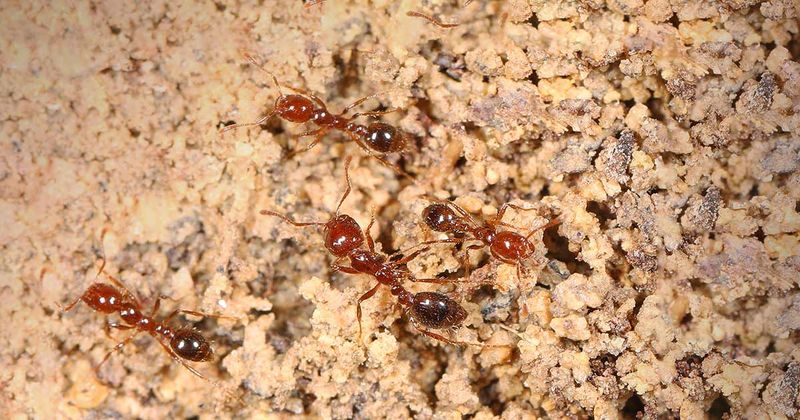
Spotting a mound and treating it feels productive. But focusing only on the mounds you can see is one of the biggest reasons fire ant problems keep coming back in Texas yards. The visible mounds are just part of the picture.
During hot, dry Texas summers, fire ants often move deeper underground to find cooler, more moist soil. When they do this, the surface mounds shrink or disappear entirely.
The colony is still very much alive and active; it is just harder to spot from above ground. Homeowners often assume the problem is under control when the ants are simply hiding.
New colonies can also move into your yard from neighboring properties. After a mating flight, newly paired queens land and start fresh colonies in new locations.
These young colonies build small, easy-to-miss mounds at first. By the time the mound is obvious, the colony is already well established underground.
When a yard has heavy fire ant pressure, chasing individual mounds one at a time becomes exhausting and ineffective. You treat one, another pops up, then another. It feels endless because it practically is when you are only reacting to what you can see.
Texas A&M generally recommends broadcast bait treatments for yards with many colonies. Broadcasting bait across the entire lawn targets the yard-wide population rather than just individual spots.
This approach is far more efficient and cost-effective than mound-by-mound treatment alone.
Thinking about your whole yard as one treatment area, rather than a collection of individual problems, is a smarter and more lasting way to manage fire ant pressure across the entire property.
The Two-Step Method Targets Queens Before Problem Mounds
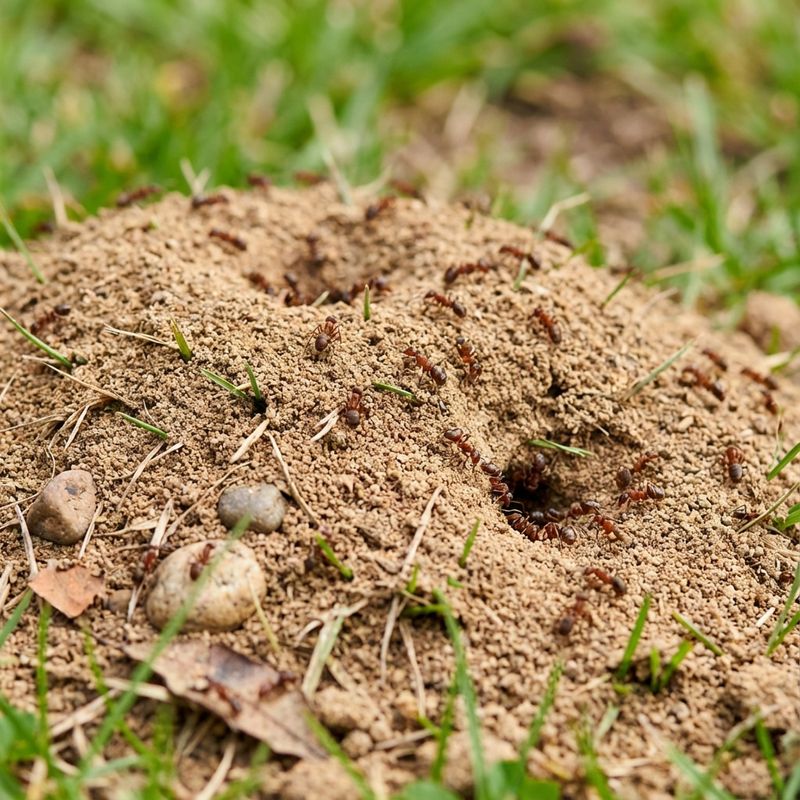
Texas A&M developed the Two-Step Method specifically because one-at-a-time mound treatments were not keeping up with fire ant pressure across large Texas properties.
This approach flips the usual strategy by targeting the entire yard first, then following up on stubborn spots.
Step one is applying a labeled broadcast fire ant bait across your entire lawn. Timing matters a lot here.
The ground needs to be dry, no rain should be expected for at least 24 hours, and workers need to be actively foraging. You can test this by placing a small cracker near a mound and checking if workers find it within about 15 minutes.
Workers pick up the bait granules and carry them back into the nest, thinking it is food. They share it with other workers, the brood, and eventually the queen.
Because the bait reaches the queen directly, it addresses the source of the colony rather than just the workers you can see above ground.
Slow-acting baits are intentionally designed to take days or even weeks to show full results. That slow timeline is actually a feature, not a flaw.
It gives workers enough time to spread the bait throughout the entire colony before any ants sense something is wrong. Rushing to disturb mounds after applying bait interrupts this process and reduces effectiveness.
Step two targets any remaining mounds that stay active in high-traffic or hazardous areas, like near a doorway, a garden, or a playground. Use a labeled individual mound treatment for these spots only.
Together, both steps cover the whole yard efficiently, reduce reinvasion, and keep fire ant populations manageable season after season.