Goldenrod Is Blooming Across Ohio And An Old Garden Tradition Says Frost May Be Near
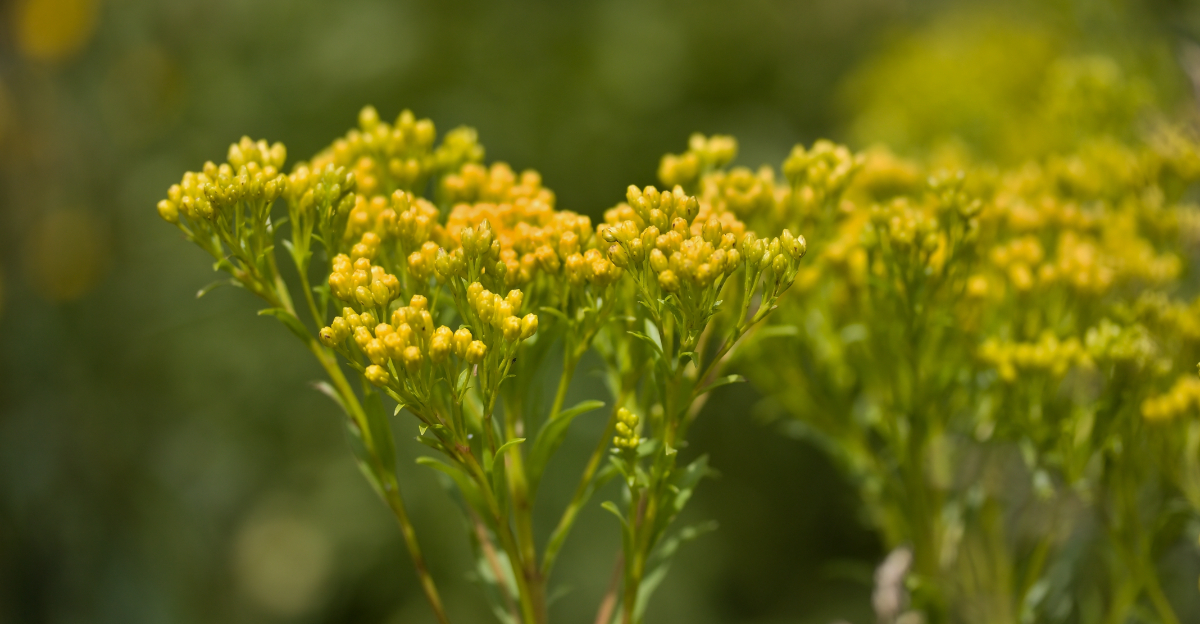
Goldenrod just lit up fields and roadsides across Ohio, and an old farmer’s tradition says that bloom carries a warning most people miss completely.
Generations of Ohio gardeners swore by watching this one wildflower as a natural calendar, long before anyone checked a forecast on a phone.
Once it hit peak bloom, something else always seemed to follow close behind. Modern meteorology has its own opinion on the matter, but the timing lines up often enough that the old rule stuck around for generations.
Plenty of gardeners still plan their entire fall routine around it. Your garden might already be running on borrowed time, and the countdown started the moment that first bloom opened along the roadside.
1. Goldenrod’s Golden Show Signals Summer Is Starting To Fade
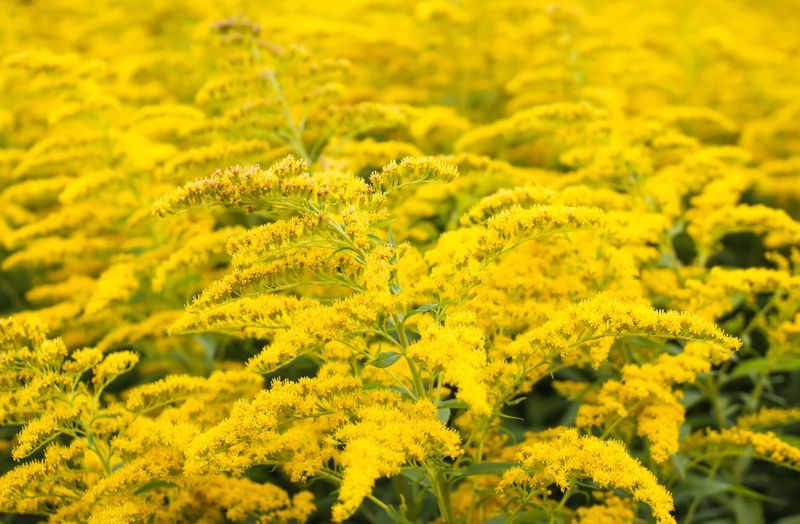
Late summer has a way of sneaking up on you. One week you are watering tomatoes in the heat, and the next you notice tall yellow plumes swaying along the roadside.
That bright burst of color is goldenrod (Solidago species), and its appearance is one of the most reliable signs that summer is winding down.
Goldenrod typically begins blooming in Ohio from late July through September, depending on the species and location. The timing lines up almost perfectly with the gradual shortening of daylight hours.
As days grow shorter, goldenrod responds by pushing out its signature golden flower clusters.
The blooms appear in arching, feathery sprays that catch sunlight beautifully. In open fields and along roadsides, large patches of goldenrod can seem to glow in the late afternoon light.
Few other native plants create such a striking seasonal display at this time of year.
Goldenrod does not just look impressive. Its blooming period fills a gap in the natural landscape when many spring and summer wildflowers have already faded.
Ecologically, this timing makes it one of the most important late-season plants in the region. Visually, it serves as nature’s own signal that cooler days are ahead and that the garden season is beginning its final, beautiful chapter.
2. Find Out Why Ohio’s Golden Fields Catch Attention Every Fall
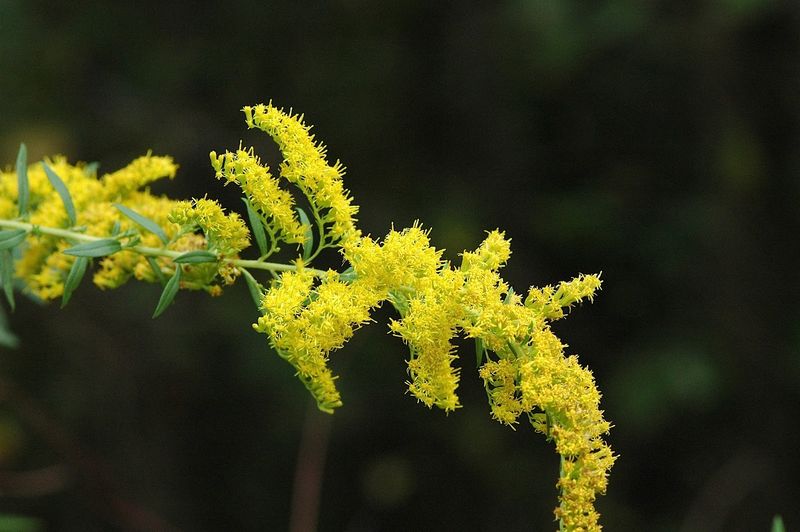
Drive almost anywhere in Ohio during September and you will see it. Golden fields stretching along highways, bright patches along fence lines, and tall yellow clusters filling empty lots and woodland edges.
Goldenrod has a way of making itself impossible to ignore.
Several goldenrod species grow across the state. Canada goldenrod (Solidago canadensis) is among the most common and can reach heights of three to five feet.
Stiff goldenrod (Solidago rigida) and gray goldenrod (Solidago nemoralis) are also frequently spotted. Each species has slightly different flower arrangements and preferred growing conditions, but all share that unmistakable golden color.
Goldenrod thrives in a wide range of habitats. You can find it in sunny meadows, along roadsides, at the edges of woodlands, and in open disturbed areas.
It spreads through both seeds and underground rhizomes, which helps it establish large, dense colonies over time.
Its ability to grow in average, even poor soil is part of what makes it so visible across the landscape. It does not need rich garden beds or careful tending.
Your Ohio Garden Changes Every Week. Your Plan Should Too.
Gardening in Ohio changes quickly throughout the season. Every Friday you’ll receive a simple weekly plan showing exactly what to plant, prune, fertilize, harvest, and protect so you never miss the right timing.
Goldenrod simply finds a sunny spot and fills it with color. That adaptability, combined with its height and vivid blooms, is exactly why our fields seem to turn gold every fall without any help from gardeners at all.
3. The Frost Prediction That Made Goldenrod A Garden Legend
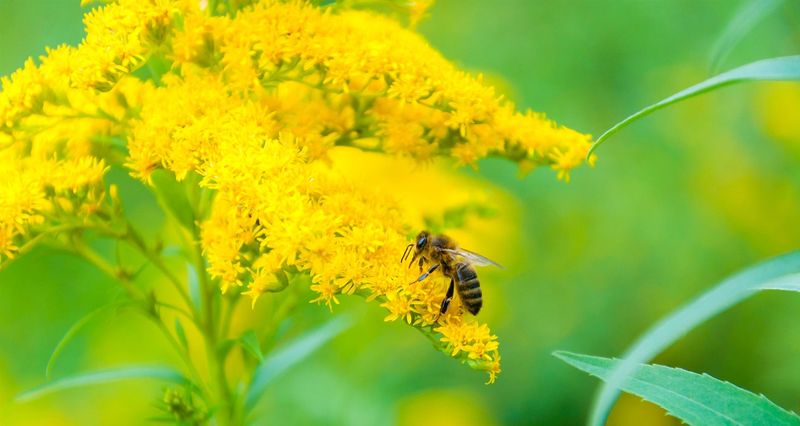
Old-time gardeners had a saying: when goldenrod blooms, count six weeks and watch for frost. This bit of seasonal wisdom was passed from neighbor to neighbor across rural communities for generations.
It became one of those garden traditions that people repeated without always knowing where it started.
The belief is not completely without logic. Goldenrod does bloom in late summer and early fall, and the first frost in much of Ohio typically arrives somewhere between late September and mid-October.
If goldenrod begins blooming in early August, six weeks later does land close to average first-frost dates in many parts of the state.
However, this is a correlation, not a scientific forecast. Goldenrod blooms in response to day length, not temperature.
Shorter days trigger blooming, and shorter days do come before cooler temperatures. But the exact timing of first frost varies widely from year to year and from one part of the state to another.
OSU Extension data shows that average first frost dates in Ohio range from late September in northern areas to mid-October in southern regions.
So goldenrod’s bloom time can serve as a rough seasonal reminder, but it should not replace an actual weather forecast.
Think of it as nature’s gentle nudge, a reminder to start thinking about tender plants and garden cleanup rather than a precise prediction of cold nights ahead.
4. Look Beyond The Myth And See Goldenrod’s Real Value
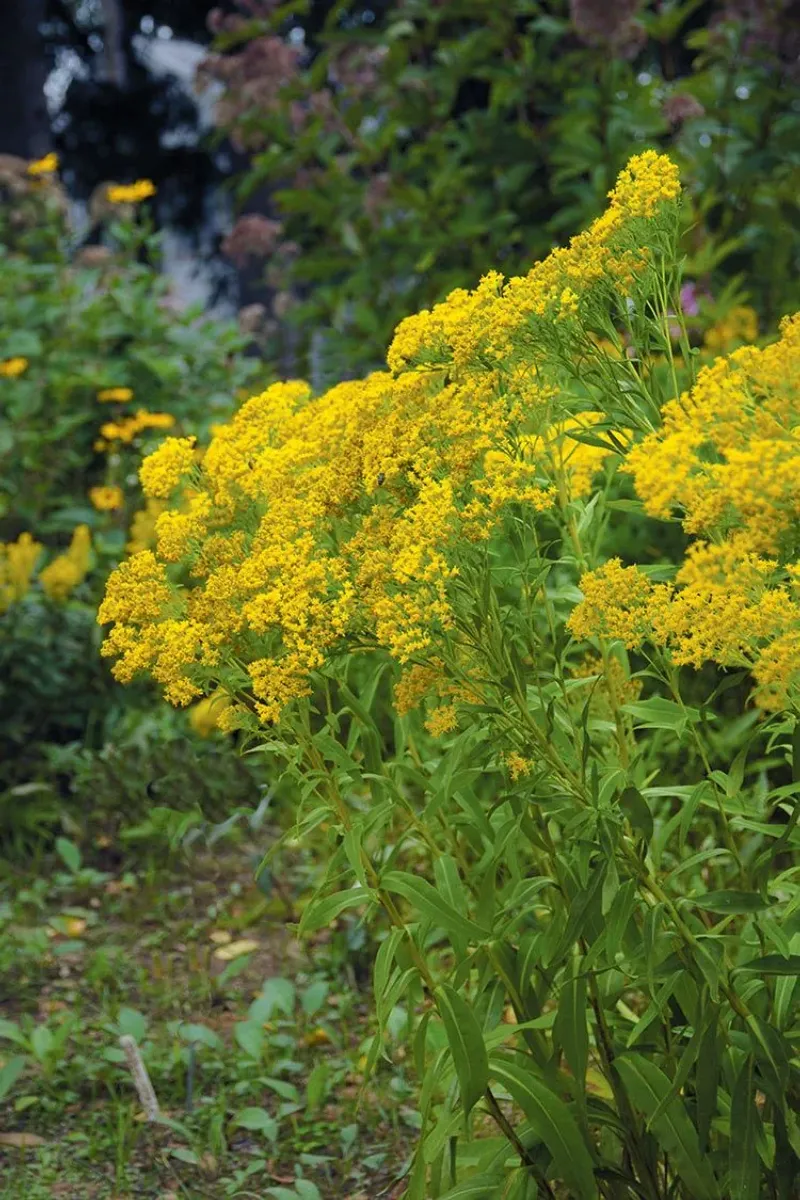
Somewhere along the way, goldenrod got a bad reputation. Many people see it as a weed, something to be pulled out before it takes over.
But gardeners and ecologists who look more closely find a plant with genuine and measurable value to the landscape.
Goldenrod is a true North American native. It evolved alongside the insects, birds, and other wildlife that share its habitat.
Research from native plant advocates and extension programs shows that goldenrod supports many insects, including specialist bees that rely on it for pollen.
Beyond insects, goldenrod provides seeds that small songbirds eat in fall and winter. Its dense stems offer nesting and overwintering habitat for native bees and beneficial insects.
In garden settings, it can stabilize soil on slopes and fill in areas where other plants struggle.
Goldenrod is also remarkably tough. It tolerates drought, poor soil, and neglect better than most ornamental plants.
Native goldenrod can reduce lawn maintenance while adding seasonal color to sunny borders or meadow gardens. Once established, it needs little fertilizer, water, or care.
Its real value is not just ecological. It is also practical, making it one of the most useful native plants available to gardeners today.
5. Meet The Native Plant Bringing Fall Color To Ohio Gardens
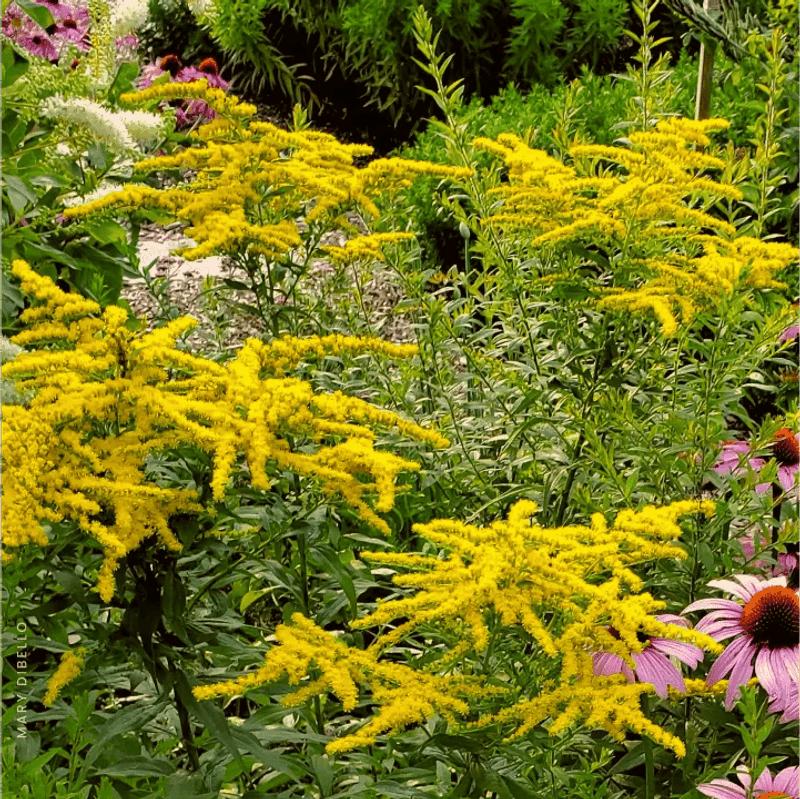
Not many plants can carry a garden through September and October with bold, reliable color. Goldenrod is one of the few that can, and it does it while barely asking anything from the gardener in return.
Planting goldenrod in a home garden is straightforward. It prefers full sun and well-drained soil, but it adapts to average conditions without complaint.
Compact goldenrod cultivars such as ‘Fireworks’ and ‘Golden Fleece’ work well in smaller gardens where taller wild species may be too large.
Goldenrod pairs beautifully with other fall-blooming natives. Purple coneflower, black-eyed Susan, and native asters all bloom around the same time and complement goldenrod’s yellow tones with contrasting purples and whites.
This kind of planting creates a late-season garden that looks intentional and full of life.
Maintenance needs are minimal. Cut plants back in late fall or early spring.
Division every few years keeps clumps healthy and prevents spreading in smaller garden spaces. Goldenrod grown in rich soil may spread more aggressively, so choosing a site with average or lean soil helps keep it manageable.
For gardeners who want color, wildlife value, and low maintenance all in one plant, goldenrod checks every box. It is a native plant that earns its place in any sunny garden bed, meadow planting, or naturalized area with almost no fuss at all.
6. Discover Why Goldenrod Gets Blamed For The Wrong Allergy
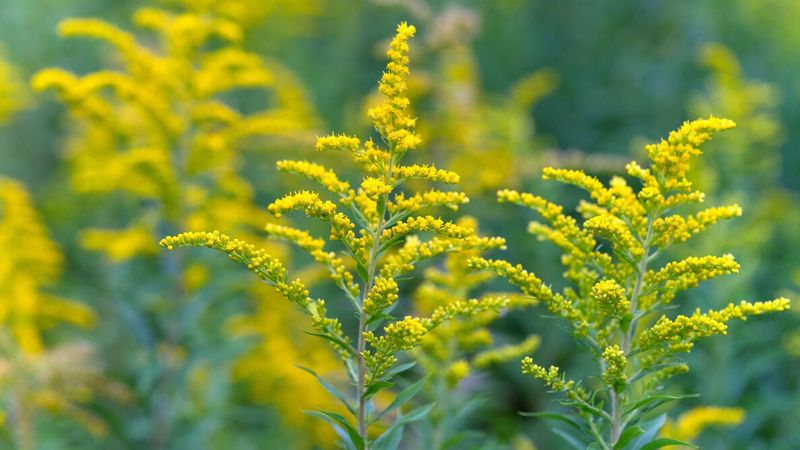
Every September, allergy sufferers reach for tissues and scan the yard for the culprit. More often than not, the bright yellow goldenrod gets the blame.
But in most cases, it is not the real problem.
Goldenrod produces pollen, but its pollen grains are large and sticky. They are designed to cling to the bodies of visiting insects, not float through the air.
Because goldenrod relies on insect pollination, its pollen rarely travels far from the plant. Most people walking past a goldenrod patch are not breathing in significant amounts of its pollen.
Ragweed (Ambrosia species) is a different story. Ragweed produces lightweight pollen that releases in enormous quantities and travels on the wind.
A single ragweed plant can release billions of pollen grains in one season. Ragweed blooms at roughly the same time as goldenrod, but its flowers are small and green, making it easy to overlook.
Because goldenrod is tall, bright, and impossible to miss, it gets noticed and blamed. Ragweed blends into the background while quietly triggering sneezing, itchy eyes, and congestion across the region.
That said, goldenrod pollen can still cause reactions in people who are highly sensitive or who handle the plant directly.
The point is not that goldenrod is completely harmless for everyone, but that ragweed is typically the larger airborne allergy trigger during fall in Ohio.
7. Turn Goldenrod Blooms Into A Pollinator Friendly Garden Feature
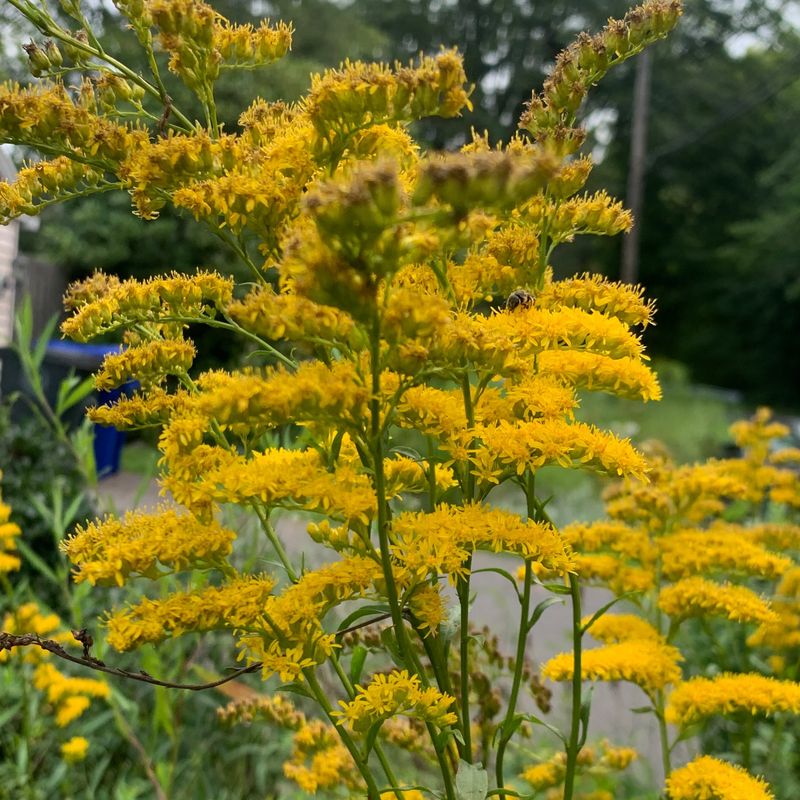
By the time goldenrod blooms, many spring and summer flowers are gone. For pollinators trying to store energy before cold weather arrives, that timing is critical.
Goldenrod steps in at exactly the right moment.
Honeybees, bumblebees, and native solitary bees all visit goldenrod heavily in late summer and fall. Bumblebee queens, in particular, rely on late-season nectar and pollen to build up the fat reserves they need to survive winter.
Goldenrod is one of the most important plants supporting this process.
Beyond bees, goldenrod attracts butterflies, beetles, wasps, and hoverflies. Monarch butterflies, which begin their southward migration through Ohio in September, are frequently seen nectaring on goldenrod blooms during their journey.
Providing goldenrod in your yard can help fuel that migration at a critical time.
Adding goldenrod to a pollinator garden is easy. Plant it alongside native asters, ironweed, and Joe-Pye weed to create a late-season nectar corridor.
Even a small patch of goldenrod in a sunny corner can make a meaningful difference for local pollinator populations.
Avoid cutting goldenrod back too early in fall. The hollow stems left standing through winter provide nesting sites for native bees.
Leaving garden cleanup until early spring, a practice encouraged by many native plant programs, gives these insects the shelter they need to complete their life cycles successfully.
8. Watch For These Seasonal Clues As Cooler Weather Approaches
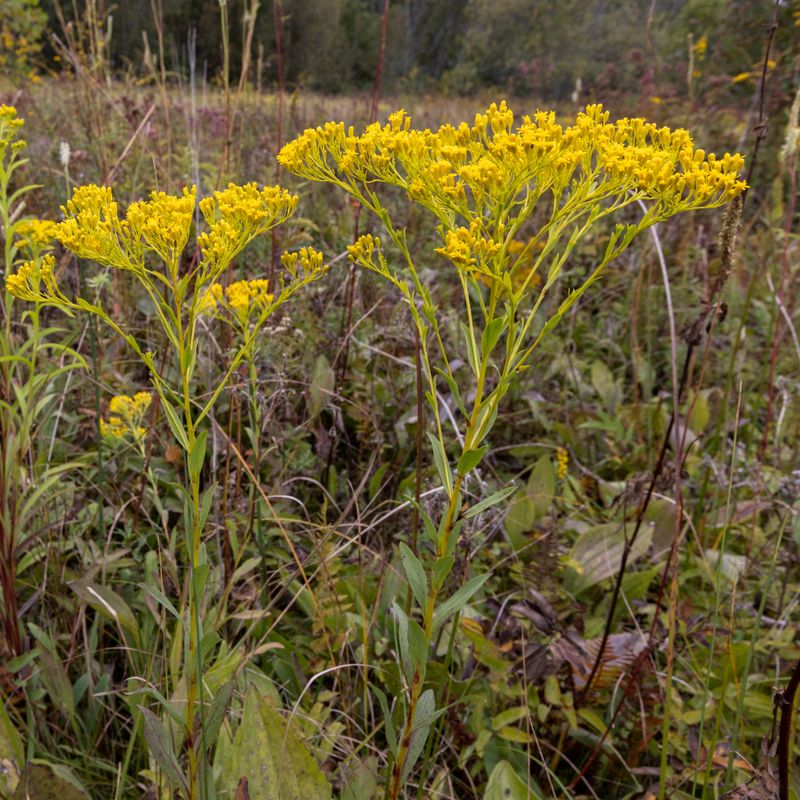
Goldenrod is just one piece of a larger seasonal story. Once you start watching for it, you begin to notice other changes happening at the same time, each one a quiet signal that the garden is shifting gears.
Days grow noticeably shorter in late August and September. Morning light arrives later, and evenings cool down faster.
Dew becomes heavier overnight, and that morning dampness on the grass is often the first physical sign that temperatures are dropping.
Gardeners who pay attention to dew patterns often start thinking about frost protection before the forecast even mentions it.
Tree leaves begin their transition during this same window. Maples, ashes, and sumacs start showing color at their tips and edges.
Migrating birds pass through in larger numbers. The garden starts to feel quieter, even as goldenrod and asters hold their color and buzz with insect activity.
For gardeners, these signals are a practical checklist. Tender perennials and container plants need to come indoors before night temperatures drop into the low 40s consistently.
Garden beds benefit from a light layer of compost applied in fall to improve soil over winter. Cool-season crops like kale, spinach, and lettuce can be planted now for a second harvest before hard freezes arrive.
Goldenrod does not predict frost precisely. However, combining its bloom with other seasonal signs gives gardeners a better idea of upcoming changes.