The One Thing You Must Do To Ohio Dahlias In July Or They’ll Stop Blooming
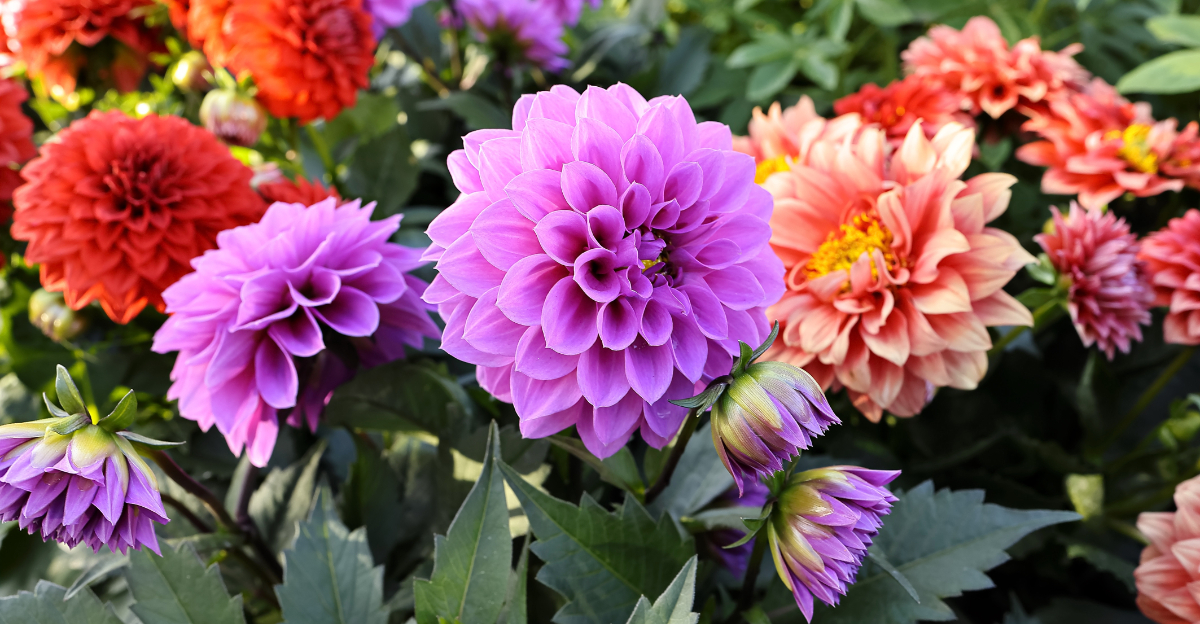
Ohio dahlias in July look like they are handling everything on their own. Full stems, strong growth, blooms coming in steadily.
That appearance is a little misleading. July is actually the month dahlias need the most from a gardener.
The task that matters most is also the one most people skip because nothing about the plant signals urgency. Miss it and the blooms slow down.
Not all at once, not dramatically, but steadily and noticeably through August in a way that feels confusing because the plant still looks healthy from the outside. Dahlias are not shy about what they need.
They show the results of good care and the consequences of missed care in equal measure, and July is where that ledger gets written for the rest of the season. One task this month keeps the blooms coming.
Skip it and August tells the story.
1. Remove Spent Dahlia Blooms Before Seed Heads Form
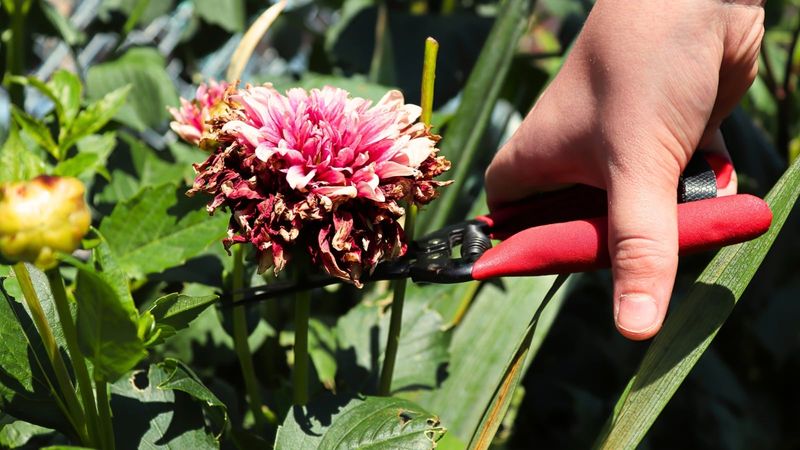
A flower that looked stunning three days ago can quietly start pulling energy away from the next round of buds. Once a dahlia bloom fades and the petals start dropping, the plant begins directing resources toward forming a seed head.
That seed-head formation is the plant doing exactly what nature designed it to do. But for gardeners who want more flowers, it works against the goal.
Removing spent blooms before seed heads develop is one of the most effective habits you can build in July. Check your plants every two to three days.
Look for blooms with drooping petals, papery edges, or a center that has turned dark and dry. Those are the ones to remove first.
Snip the spent stem back to a healthy leaf pair or a side branch rather than just pulling the petals off. Leaving a bare stub can invite rot or pests.
A clean cut with sharp pruners keeps the wound small and the plant tidy.
Even one or two neglected blooms going to seed can slow bud production noticeably over time. Staying consistent with spent-bloom removal during July keeps the plant focused on the job you actually want it doing.
2. Cut Fresh Flowers Often To Keep Buds Coming
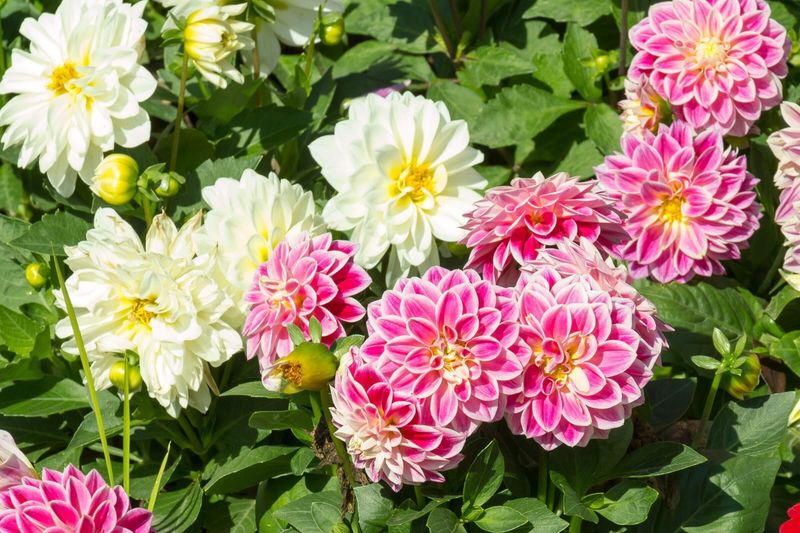
A heavy vase stem cut on a Tuesday morning can do more for your dahlia plant than you might expect. Cutting fresh flowers for the house is not just enjoyable.
It also works the same way as spent-bloom removal by telling the plant to keep producing new growth instead of slowing down.
Dahlias are widely valued as cut flowers because frequent harvesting actually encourages more blooming. The key is cutting correctly rather than just snipping right under the open flower.
Follow the stem down several inches to a point where you see a healthy set of leaves or a side shoot branching off.
Cut in the early morning when stems are firm and hydrated. Drop them straight into cool water and get them inside quickly.
Dahlias wilt fast in July heat if left sitting in the sun after cutting.
Aim to cut fresh blooms every few days rather than waiting for a large harvest all at once. Stripping the plant of every open bloom in one session can stress it during hot weather.
Your Ohio Garden Changes Every Week. Your Plan Should Too.
Gardening in Ohio changes quickly throughout the season. Every Friday you’ll receive a simple weekly plan showing exactly what to plant, prune, fertilize, harvest, and protect so you never miss the right timing.
A steady, measured approach keeps the plant producing without overwhelming it. Cutting gardens in this region often yield more blooms per plant simply because the flowers are harvested often and consistently.
3. Follow The Stem Down To A Strong Leaf Pair
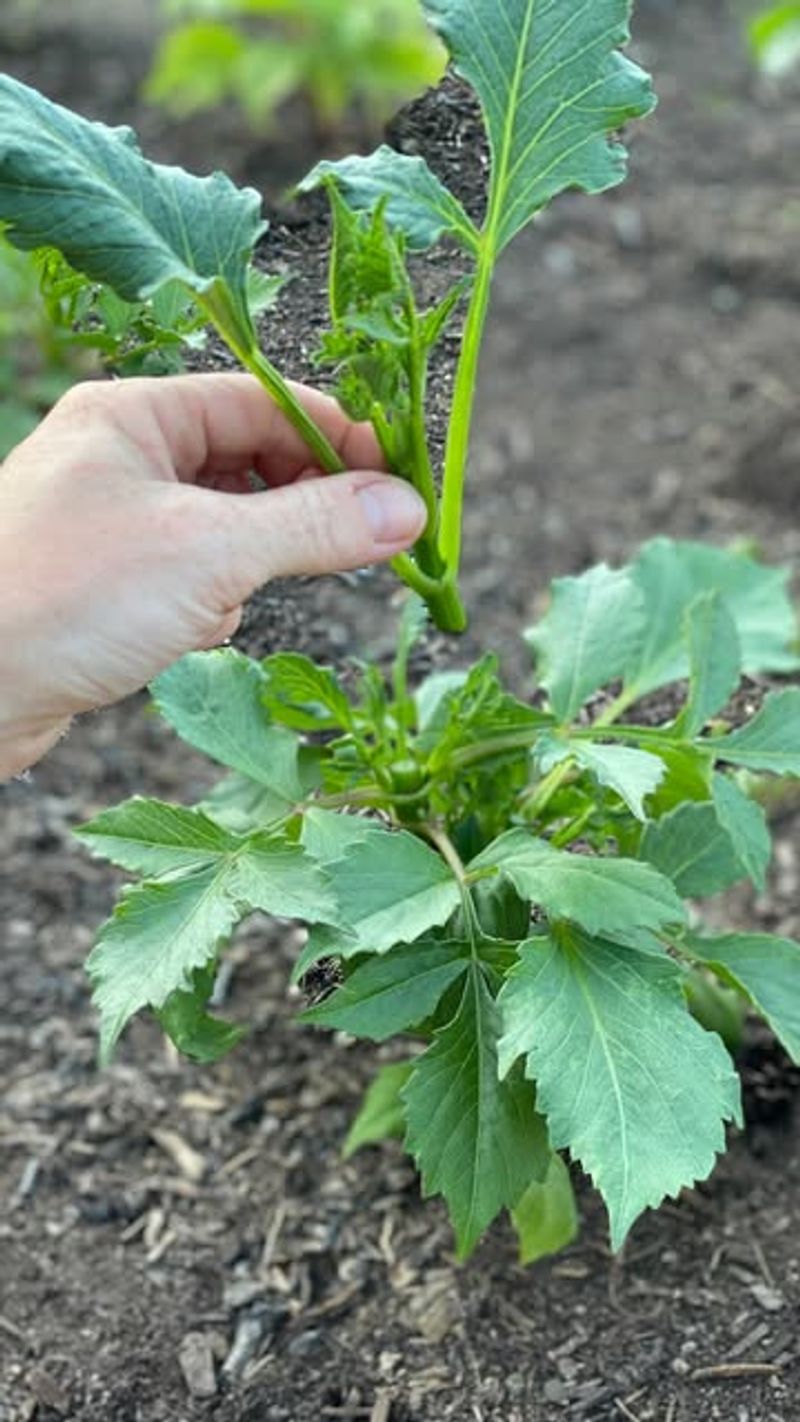
Snipping just under the bloom and leaving a long bare stub is one of the most common mistakes gardeners make when trimming or harvesting dahlias. That stub does not produce new growth.
It just sits there, sometimes rotting or attracting insects, while the actual budding energy stays locked further down the stem.
The right approach is to follow the stem down until you reach a strong set of leaves or a visible branching point. That junction is where new growth is most likely to push out after a cut.
Making your cut just above that spot gives the plant a clear signal and a healthy launch point for the next round of stems.
Use clean, sharp pruners for every cut. Dull blades crush the stem tissue instead of cutting cleanly, which slows healing and can introduce problems.
Wipe blades with rubbing alcohol between plants if you notice any signs of disease on your stems.
For beginners, this technique takes a few tries to feel natural. Look for a leaf pair that sits opposite each other on the stem and looks healthy and firm.
That is your target. Once you get the habit down, cuts take only seconds per stem and the results show up within a week or two as new buds push from that point.
4. Water Deeply After Heavy Cutting In July Heat
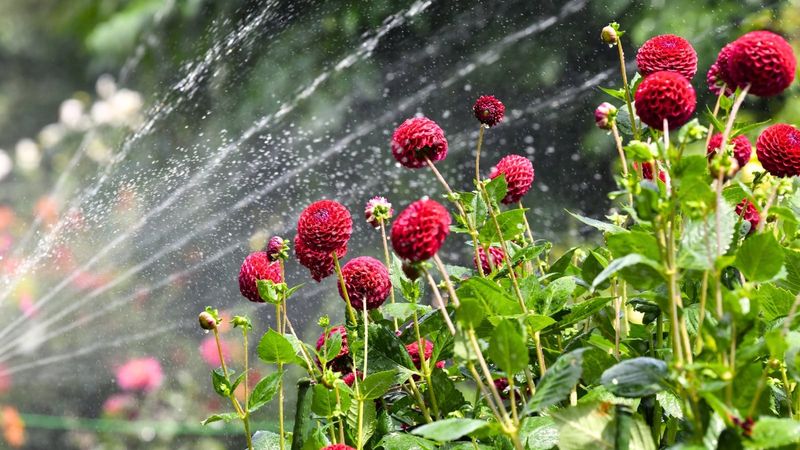
A dry July bed and a freshly cut dahlia plant are a stressful combination. After a round of cutting or trimming, the plant has open wounds and reduced foliage to manage water loss.
Add summer heat on top of that, and you have a situation where deep, steady watering becomes more important than usual.
Dahlias prefer consistent moisture but cannot tolerate soggy soil around their tubers. Waterlogged conditions lead to rot, especially during warm months when temperatures stay high overnight.
The goal is to water deeply enough to reach the root zone, then let the top inch or two of soil dry out before watering again.
Push a finger two inches into the soil near the base of the plant. If it feels dry at that depth, it is time to water.
If it still feels moist, wait another day or two. A deep soak once or twice a week is usually more effective than light daily watering in most summer conditions across this region.
Mulching around the base of the plant helps hold moisture and keeps soil temperatures more stable during heat spells. Apply two to three inches of straw, wood chips, or shredded leaves around the base.
Keep the mulch a few inches away from the stem itself to allow airflow and prevent stem rot.
5. Feed Lightly So Plants Keep Blooming Without Going Soft
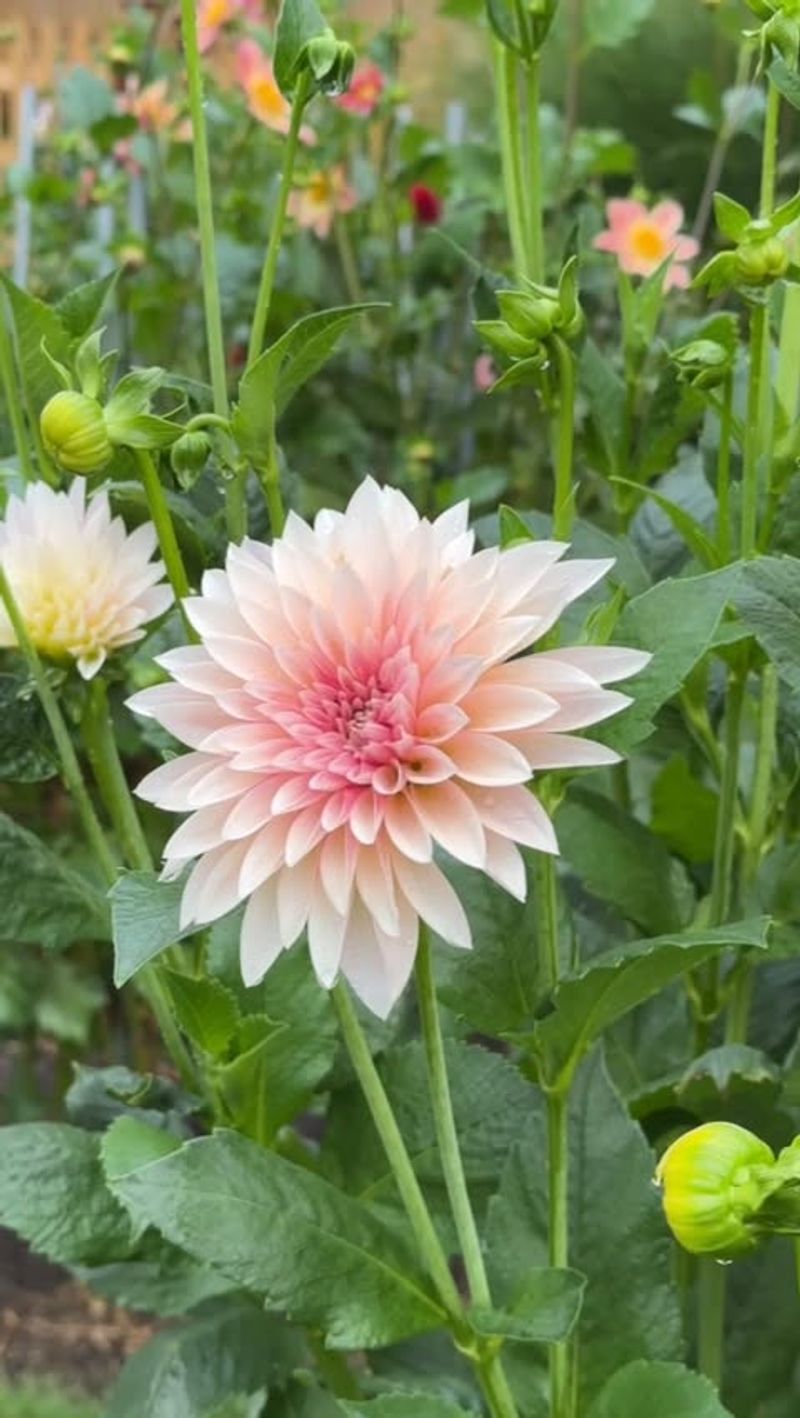
Feeding dahlias in July sounds straightforward, but getting the balance wrong can actually work against you. Too much nitrogen pushes the plant into producing lush, soft, leafy growth instead of sturdy stems and well-formed blooms.
Soft growth is also more attractive to pests and more vulnerable to flopping under summer storms.
By July, most dahlias planted in spring have already used up their starter fertilizer. A light feeding with a low-nitrogen, bloom-supporting formula can help keep things moving.
Look for products where the middle number, phosphorus, is higher than the first number, nitrogen. Follow the label directions carefully and do not assume that more product means more flowers.
Liquid fertilizers work quickly but need more frequent application. Granular slow-release products spread the feeding out over several weeks.
Either approach can work. The key is using a measured amount and not overloading the soil with nutrients all at once.
Avoid feeding during the hottest part of the day or when the soil is bone dry. Water the bed lightly before applying fertilizer and water again afterward to help the nutrients move into the root zone without burning the roots.
Healthy, well-fed dahlias hold their color longer and push new buds more steadily through late summer.
6. Stake Tall Stems Before Summer Storms Bend Them
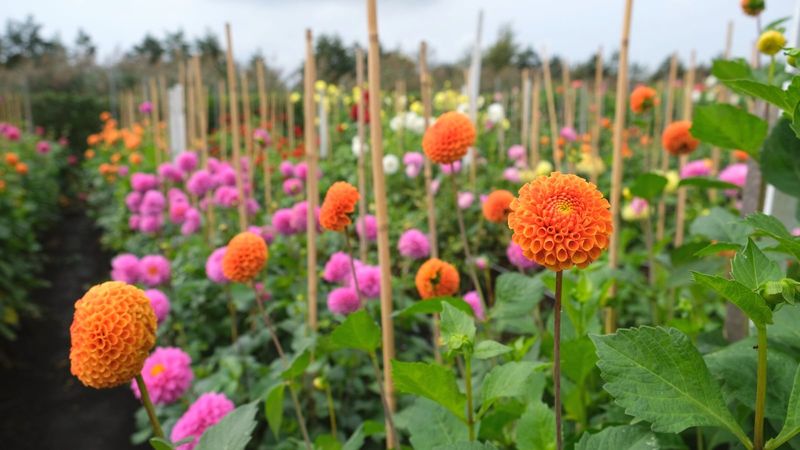
A bent flower stalk after a summer storm is one of the more frustrating sights in a cutting garden. Tall dahlia varieties can reach four to six feet, and the blooms themselves can get heavy enough to pull the whole stem sideways in a strong wind or heavy rain.
Once a stem snaps or bends at the base, that branch is usually finished for the season.
Staking before problems happen is far easier than trying to prop up a damaged plant after the fact. Drive a sturdy bamboo stake or metal garden stake into the ground near the base of the plant, being careful not to push it through the tuber.
Tie the main stem loosely to the stake using soft garden twine or stretchy plant ties.
Check stakes and ties in July as plants grow taller and heavier. A tie that was fine in June may cut into the stem by mid-July if the plant has thickened.
Adjust as needed and add additional ties higher up the stem as new growth pushes upward.
Cages work well for multi-stemmed plants where individual staking gets complicated. Position the cage early in the season so stems grow up through the support naturally.
Adjusting a cage around a fully grown dahlia in July is much harder than setting it up when the plant is still young and flexible.
7. Watch For Japanese Beetles Slugs And Earwigs
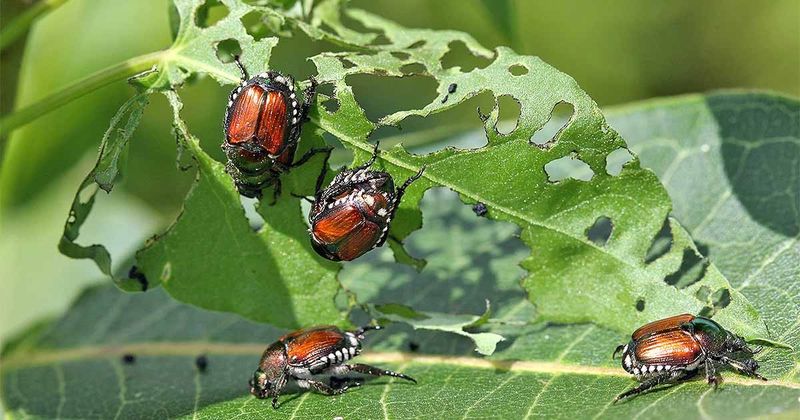
Beetle-chewed petals and ragged leaves showing up in July are a clear sign that pests have found your dahlias. Japanese beetles are one of the most common culprits in local summer gardens.
They feed on flower petals and leaf tissue, leaving behind irregular holes and a lacy appearance on damaged leaves. Adult beetles are active from late June through August, which puts July squarely in the middle of their peak feeding window.
Slugs tend to work at night and prefer to feed on soft new growth near the base of the plant. Look for slime trails on the soil and ragged damage near ground level.
Earwigs also feed at night and can chew through petals and young buds. Check under mulch and around the base of stems in the morning if you notice unexplained petal damage.
Identify the pest before reaching for any control product. Hand-picking Japanese beetles in the early morning, when they are sluggier and easier to catch, can reduce populations without any spraying.
Drop them into soapy water rather than crushing them on the plant.
For guidance on safe and effective control options, check the Ohio State University Extension and OSU Ohioline. They offer up-to-date recommendations specific to home gardens in this state.
Broad spraying without a confirmed pest identification can harm beneficial insects that help your garden.
8. Keep Cutting Through July For A Bigger Late-Summer Show
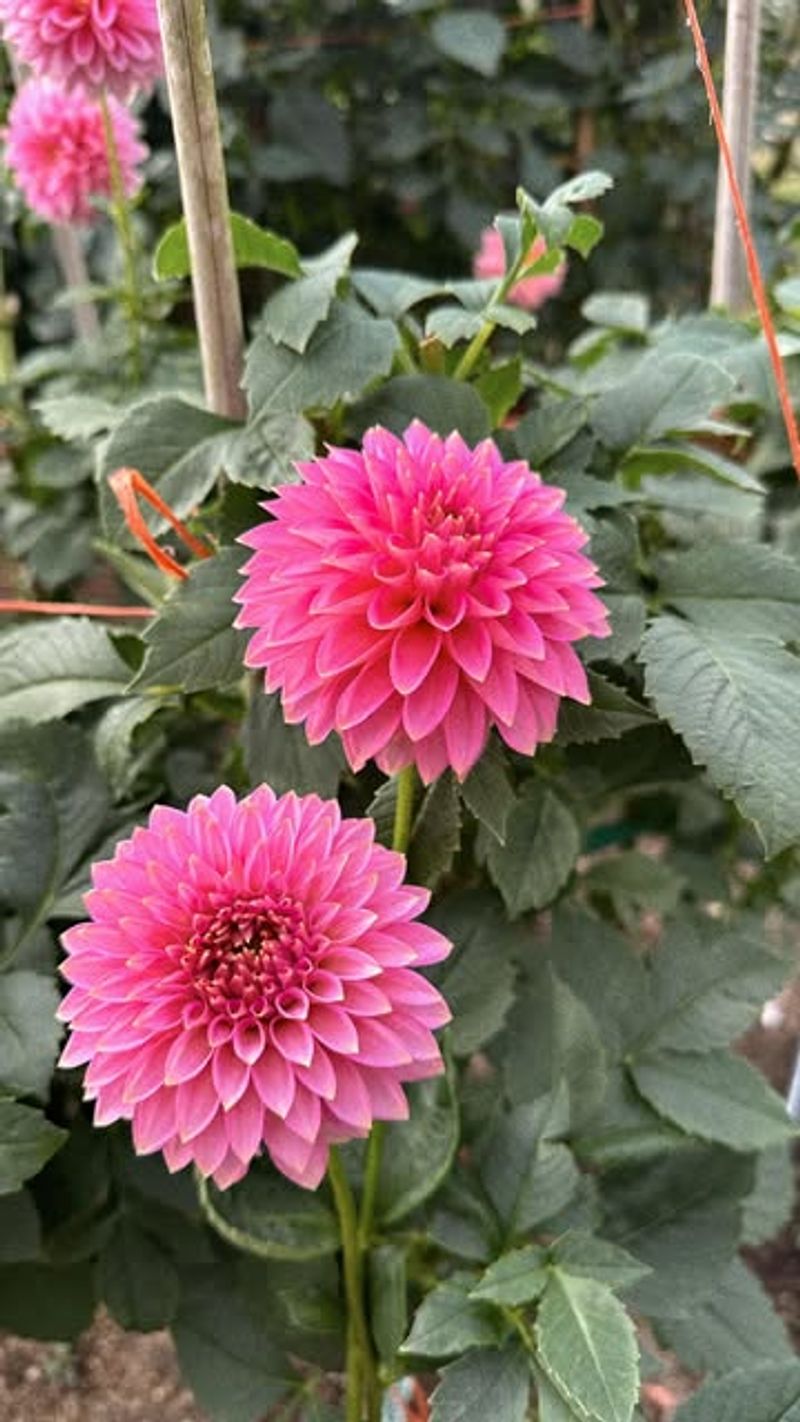
Steady cutting is the through-line that connects all the other July habits. Spent-bloom removal, fresh-flower harvesting, proper cutting technique, deep watering, and light feeding all work together to build toward one goal.
That goal is a late-summer flush of flowers that makes the whole season feel worth it.
Dahlias planted in spring in this region typically hit a strong second wave of blooms in August and September when July care has been consistent.
The plants that get regular attention during the hottest weeks are usually the ones putting on the best show when the weather cools slightly in late summer.
Keep a small pair of clean pruners nearby every time you walk through your garden. A quick pass every two to three days to remove faded blooms and cut a few fresh stems takes only minutes.
That small habit, repeated consistently, keeps the plant from ever settling fully into seed production mode.
Realistic expectations matter here. Not every plant performs the same, and weather, soil conditions, and variety all play a role.
But dahlias are responsive plants. They notice consistent care.
Giving them steady attention through July is the most reliable way to set up a rewarding late-summer bloom period in backyard beds and cutting gardens across this region.