What Coastal Georgia Satsuma Trees Need Before The First Fall Cold Snap
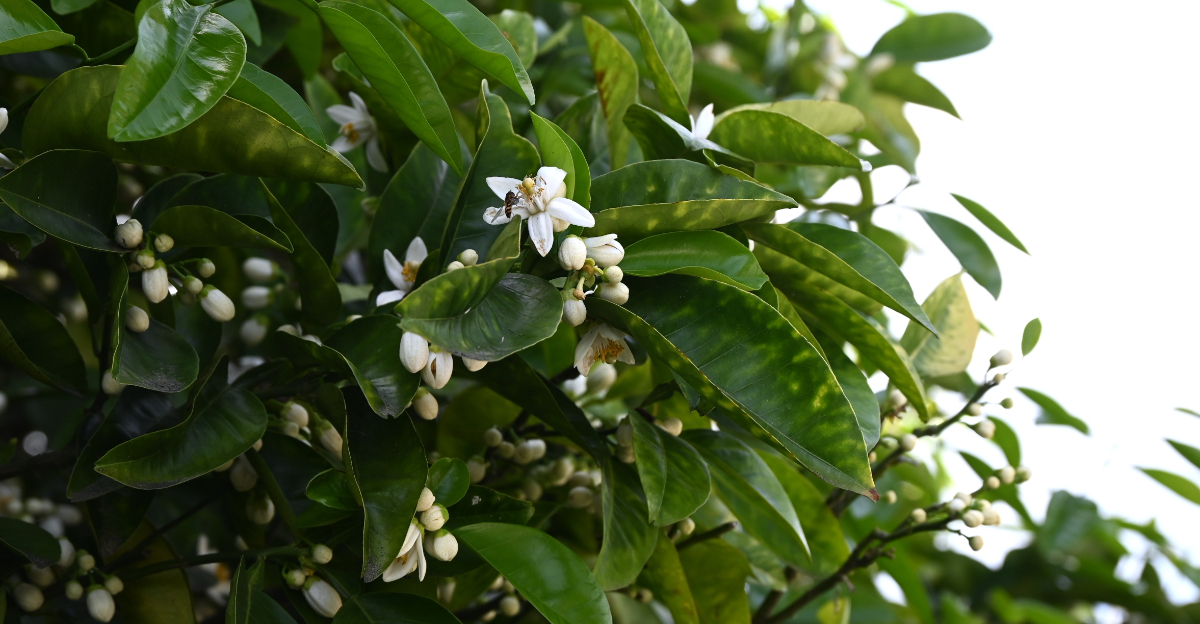
Satsuma trees can handle cooler weather better than many citrus varieties, but fall still deserves your attention. A little preparation can matter once temperatures begin dropping.
Along coastal Georgia, these trees often enjoy a long growing season before colder nights arrive. That extra warmth can make early fall feel deceptively comfortable.
Do not wait for a chilly forecast before checking how your tree is doing. Healthy growth going into cooler weather starts with the care it receives beforehand.
Your goal is not to force new growth or make major changes. Instead, focus on helping the tree enter the changing season in good condition.
A few timely decisions can influence how well your satsuma handles its first cold stretch.
Know what deserves attention now, so you are not scrambling when that colder forecast finally appears.
1. Prepare Satsumas Before Cold Weather Arrives
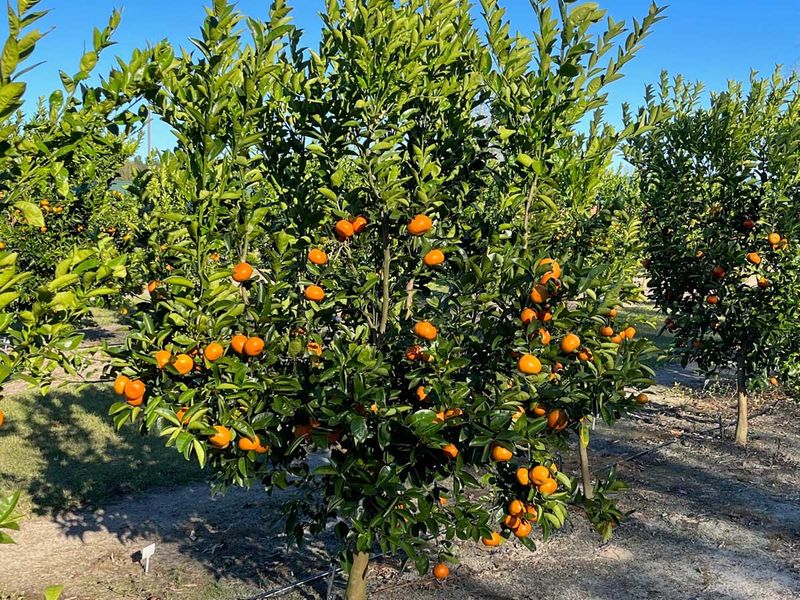
Fall prep is not optional for satsuma growers along the Georgia coast. Cold snaps can arrive without much warning, and an unprepared tree is far more vulnerable than one that has been properly tended.
Start by walking your tree and looking for any broken, crossing, or weak branches. Remove them carefully.
Pruning in late summer or very early fall gives wounds time to seal before temperatures drop.
Pull back any mulch that has piled up against the trunk. Mulch touching the bark can hold moisture and invite rot or fungal problems.
Keep a gap of a few inches around the base.
Clear away fallen leaves and old fruit from around the base of the tree. Decaying debris can harbor pests and disease, and you want a clean start heading into winter.
Check the overall shape of your tree. Satsumas with a balanced canopy handle wind and cold more evenly.
Lopsided growth can make some branches more exposed than others.
Take notes on what you see. Knowing the condition of your tree before cold arrives helps you respond faster if something goes wrong during a freeze.
A quick visual check costs nothing but pays off when temperatures fall unexpectedly along the coast.
2. Healthy Trees Handle Chilly Nights Better
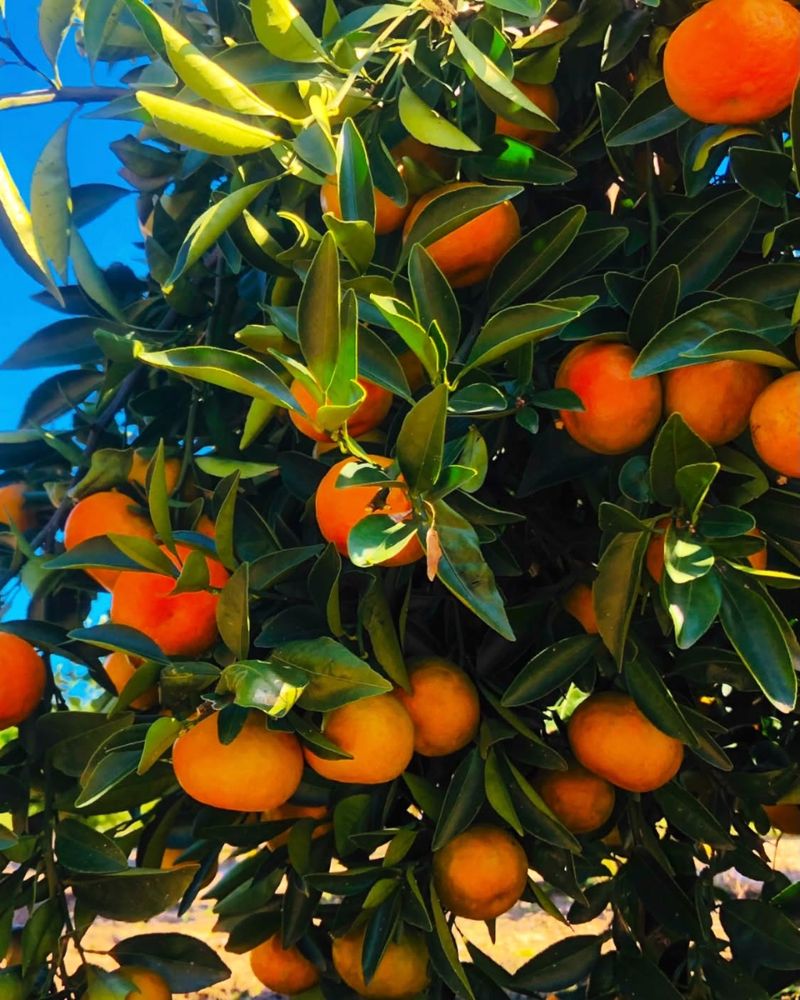
A satsuma tree in good health going into fall has a real advantage over one that has been struggling all season. Tree health is built over months, not days.
Leaf color tells you a lot. Deep green, glossy leaves usually signal a tree with enough nutrients and water.
Pale or yellowing leaves before fall can mean the tree is already under stress.
Pest pressure earlier in the season can weaken a tree significantly. Check under leaves for scale insects, citrus leafminer damage, or signs of spider mites.
Treating these issues in summer leaves the tree in better shape by fall.
Root health matters just as much as what you see above ground. Avoid compacting soil around the base of your satsuma.
Roots need oxygen, and compacted soil limits that.
A tree that has had steady, consistent care throughout spring and summer is naturally more resilient. Erratic care, like heavy watering followed by long dry spells, stresses the root system in ways that show up later.
Your Georgia Garden Changes Every Week. Your Plan Should Too.
Gardening in Georgia changes quickly throughout the season. Every Friday you’ll receive a simple weekly plan showing exactly what to plant, prune, fertilize, harvest, and protect so you never miss the right timing.
Soil nutrition plays a role too. A tree with balanced nutrient levels stores energy more efficiently heading into dormancy.
If your tree looked off all season, a soil test before next spring can help you correct the problem before cold weather becomes a factor again.
3. Skip Late Fertilizing Before Fall Cold
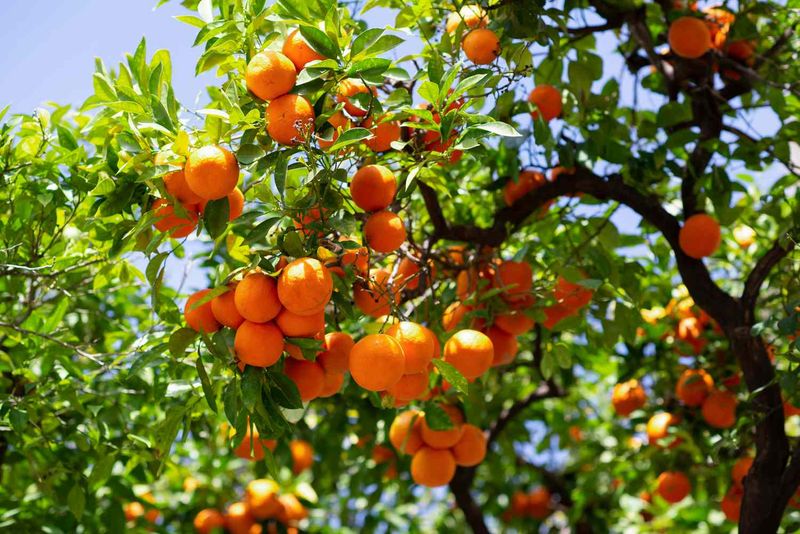
Fertilizing too late in the season is one of the most common mistakes satsuma growers make along the coast. Timing matters more than most people realize.
Nitrogen-rich fertilizer pushes new growth. New growth in fall is soft and tender, and it has almost no cold tolerance.
A hard frost hitting fresh green shoots can cause serious setback to a tree that was otherwise in fine shape.
Most experienced coastal growers stop fertilizing by late summer, typically around mid-August. That cutoff gives the tree time to harden off before temperatures begin to fall.
If you missed that window, skip it entirely. Applying fertilizer in September or October in Georgia can do more harm than good.
Patience here is the smarter call.
Potassium is a different story. Some growers apply a light potassium supplement in early fall because it can support cold hardiness in citrus.
Check with your local extension office before adding anything to confirm it makes sense for your specific soil and conditions.
Avoid quick-release fertilizers in fall under any circumstances. If you feel the need to feed, slow-release options are generally considered safer, though even those carry risk late in the season.
When in doubt, hold off and wait until late winter or early spring to resume your regular feeding schedule.
4. Avoid Letting Trees Become Drought Stressed
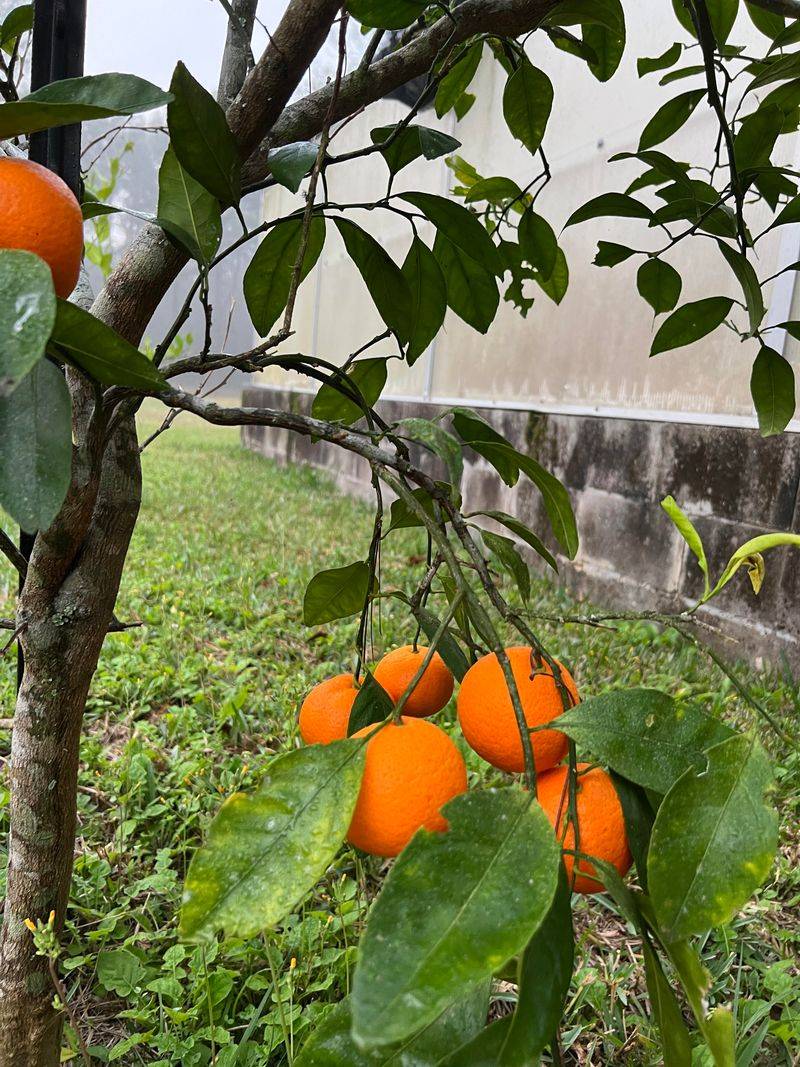
Drought stress heading into cold weather puts satsuma trees in a tough spot. A tree that is short on water going into a freeze tends to handle cold poorly.
Coastal Georgia can see dry stretches in late summer and early fall. Rainfall is not always reliable during this period, so you may need to water manually even when the air feels humid.
Check soil moisture at least a few inches below the surface. Surface soil dries out fast, but the root zone is what really counts.
Stick your finger or a probe into the soil near the drip line to get an honest read.
Water deeply and less frequently rather than giving the tree a little water every day. Deep watering encourages roots to grow down, which improves stability and drought tolerance over time.
Cut back watering gradually as fall progresses, but do not cut it off completely. Citrus trees are not fully dormant the way some fruit trees are.
They still need moisture, just less of it.
Before a predicted frost, give your satsuma a thorough watering if the soil is dry. Well-hydrated soil holds heat better than dry soil, which can offer a small but meaningful buffer during a cold night.
Avoid overwatering, though, since soggy roots have their own set of problems heading into winter.
5. Young Trees Need Extra Cold Protection
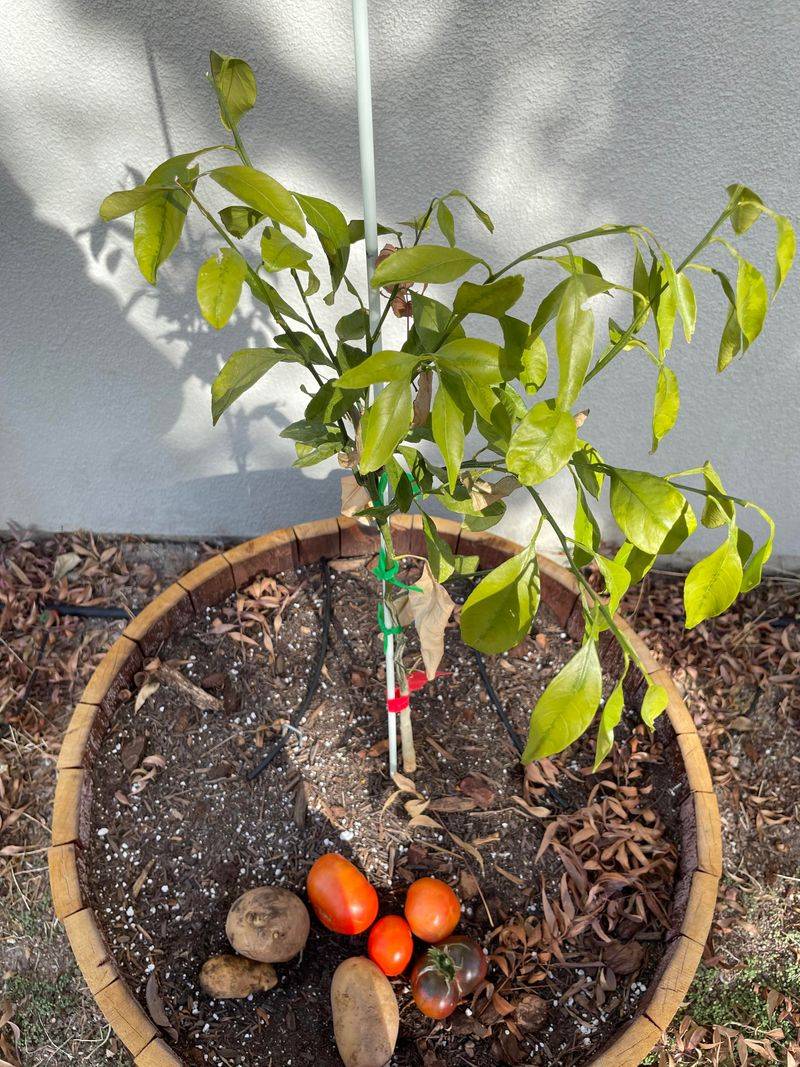
Young satsuma trees have not built up the same cold tolerance that older, established trees tend to have. Age and root depth make a real difference when temperatures drop.
A tree that has been in the ground for less than three years is generally more at risk during a cold snap. Its root system is still developing, and it has less stored energy to draw on during stress.
Container-grown satsumas are especially vulnerable. Pots lose heat quickly, and roots sitting above ground have no insulation from the soil.
Moving potted trees into a garage or shed before a frost is one of the easiest protective steps you can take.
For young trees planted in the ground, wrapping the trunk with tree wrap or burlap can help protect the bark. Focus especially on the graft union, which is usually visible as a slight thickening near the base of the trunk.
Pile a few inches of mulch around the base before cold arrives, but keep it away from direct contact with the trunk. Mulch slows heat loss from the soil and gives roots a bit of insulation.
Young trees in Georgia generally benefit from a few seasons of extra attention before they can handle cold with more confidence. Consistent protection during those early years makes a real difference in long-term tree health.
6. Cover Satsumas Properly Before Frost
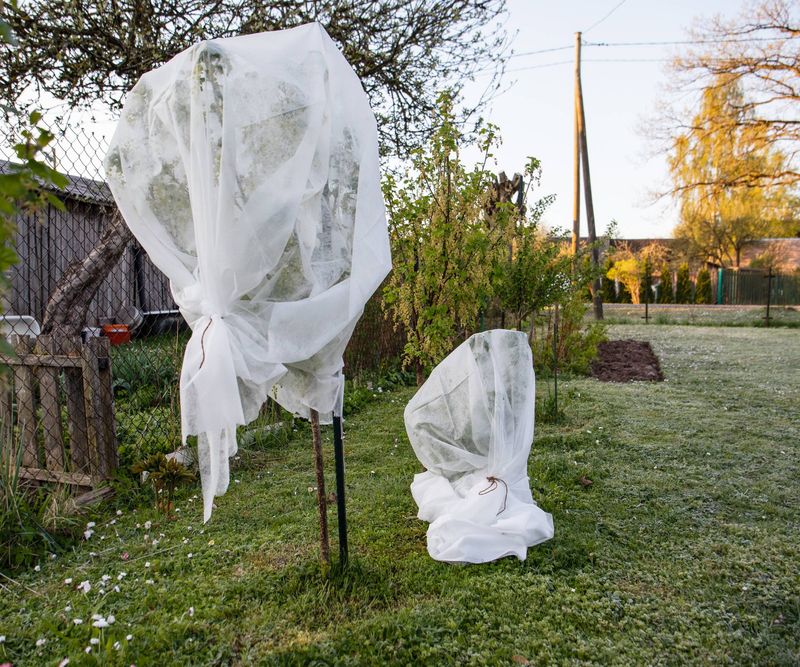
Covering your satsuma tree before a frost is one of the most effective things you can do to protect it. But how you cover it matters just as much as whether you cover it at all.
Frost cloth, also called floating row cover, is a solid choice for satsumas. It lets some air and moisture pass through while trapping heat near the tree.
Avoid using plastic sheeting directly on leaves, since plastic can trap moisture and cause damage when it contacts foliage.
Drape the cover all the way to the ground. Heat radiates up from the soil, and a cover that stops at the branches leaves that heat to escape.
Sealing the bottom edge with rocks or soil helps trap warmth more effectively.
Remove covers during the day when temperatures rise above freezing. Leaving them on in full sun can overheat the tree and cause its own problems.
Covering at night and uncovering in the morning takes only a few minutes but protects the tree well.
String lights, particularly older incandescent types, can add a small amount of warmth under a cover. LED lights produce very little heat, so they are less useful for this purpose.
Have your materials ready before a freeze is predicted. Scrambling to find frost cloth at the last minute is stressful.
Keep supplies stored nearby so covering is quick and easy when the forecast turns cold.
7. Watch The Forecast As Temperatures Drop
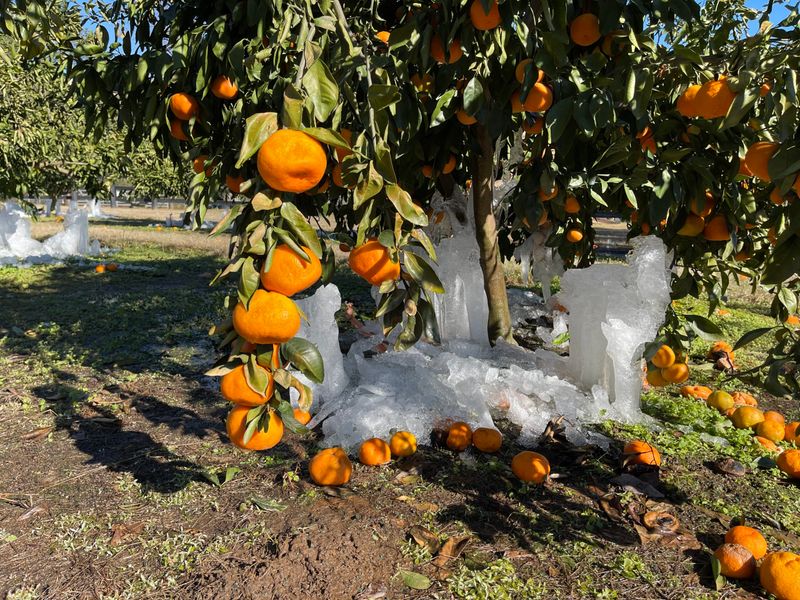
Keeping a close eye on the weather forecast in fall is genuinely one of the most useful habits a satsuma grower can develop. Cold snaps along the Georgia coast can arrive faster than expected.
Satsumas can generally tolerate temperatures down to around 26 to 28 degrees Fahrenheit for short periods, though that threshold varies by tree age, health, and how long the cold lasts. Longer freezes carry more risk than brief dips.
Set up weather alerts on your phone for your specific zip code. Coastal microclimates can vary quite a bit from the regional forecast.
A few miles inland might see lower temperatures than your yard, or the reverse could be true.
Pay attention to wind chill as well. Windy nights speed up heat loss from both the tree and the surrounding soil.
A calm night at 30 degrees may feel less damaging than a windy night at the same temperature.
Check the forecast several days out, not just the night before. Early warning gives you time to water, cover, and prepare without rushing.
Last-minute scrambling is avoidable with a little planning.
Local coastal Georgia weather stations and your county extension office are good resources during fall and winter. They often provide region-specific frost advisories that are more accurate than general national forecasts for your specific growing area.