Why Javelinas May Visit Arizona Yards More Often During Monsoon Season
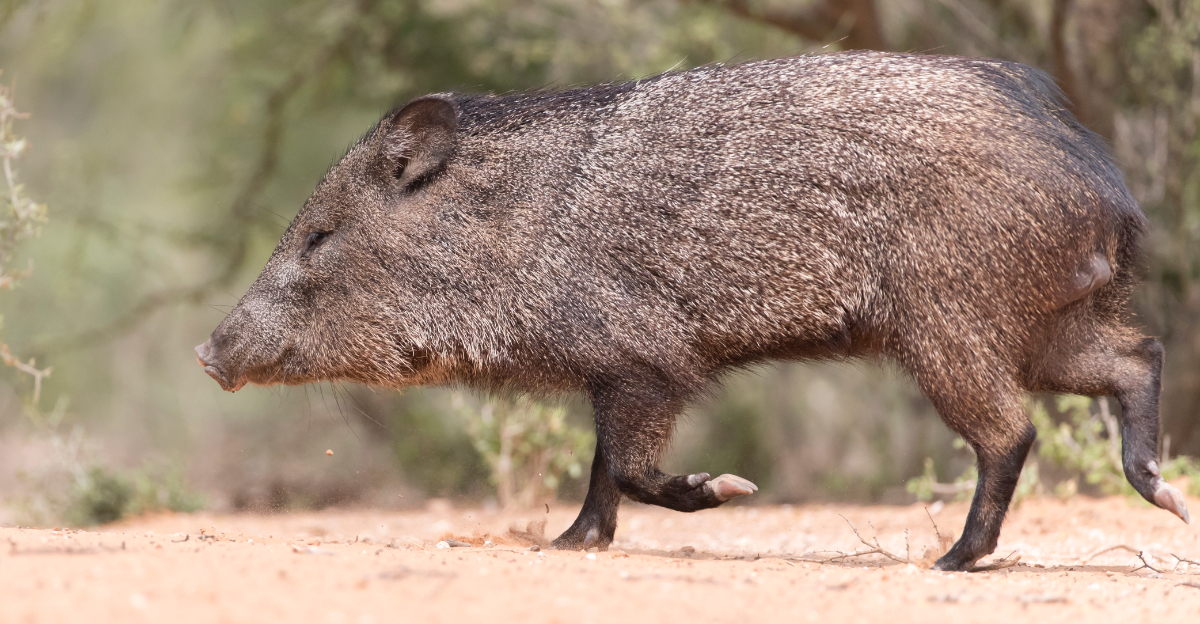
You may rarely notice javelinas near your yard, then monsoon season arrives and suddenly they seem much closer. That change is worth paying attention to.
These desert animals are constantly responding to what their surroundings offer. When summer storms transform familiar areas, their usual movements can shift along with them.
In Arizona, a yard that seemed uninteresting weeks earlier may suddenly deserve a second look. Something outside could be making your property more inviting than you realize.
Do not assume those repeated visits are simply unusual behavior. The timing can reveal plenty about why javelinas are wandering closer to homes.
Once you understand what changes during the rainy season, their appearance becomes easier to explain.
Take a closer look at what monsoon weather changes and why your yard may suddenly catch their attention.
1. Monsoon Rain Changes What Javelinas Can Find
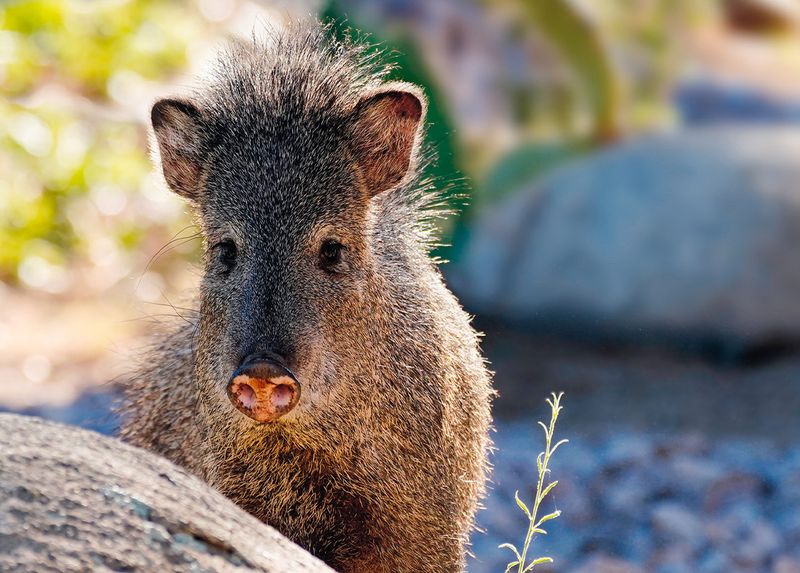
Rain rewires the desert fast. After a monsoon storm rolls through, the landscape that was dry and sparse just hours before suddenly offers javelinas a completely different set of options.
Prickly pear pads swell with moisture. Fallen cactus fruit softens and becomes easier to eat.
Insects emerge from the wet soil, giving javelinas an unexpected protein boost. All of this happens quickly, and javelinas move to take advantage of it.
Yards sitting near natural desert areas often end up right in the path of these foraging routes. A javelina does not see a fence line the way a human does.
It follows its nose toward food and moisture.
Monsoon storms can also wash seeds and plant debris into yards, creating small pockets of food that would not normally be there. Javelinas pick up on these changes fast.
Their sense of smell is sharp, and they can detect food sources from a surprising distance.
Knowing this helps explain why sightings spike during and right after rain events. It is not random.
Rain shifts what is available, and javelinas shift with it. Keeping an eye on what collects in your yard after storms can give you a clearer picture of what might be drawing them in.
2. Fresh Plant Growth Can Offer More Food
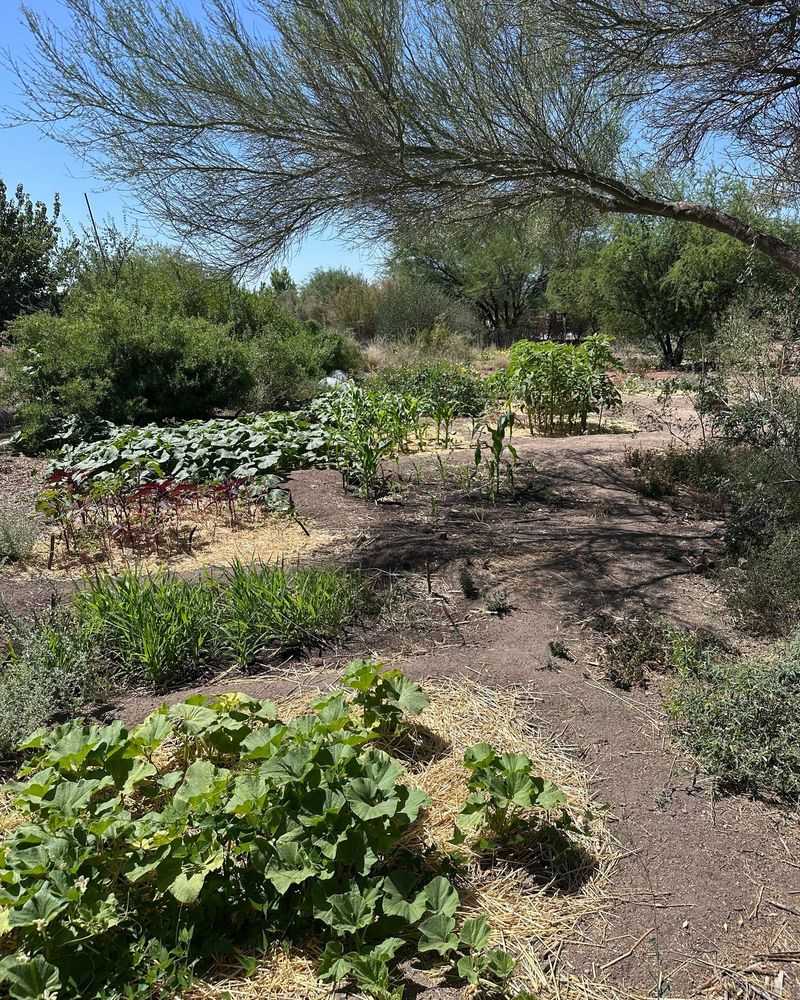
Monsoon season turns the desert green almost overnight. Plants that stayed dormant through the dry heat suddenly push out new shoots, leaves, and flowers once the rain arrives.
Javelinas are opportunistic eaters. Fresh, tender plant growth is much easier for them to chew and digest than dry, tough desert vegetation.
New growth also tends to have higher water content, which makes it even more appealing during warm months.
Yards with native plants, ornamental grasses, or vegetable gardens can become attractive foraging spots. Agave, lantana, and young palo verde shoots are among the plants javelinas may target.
Even decorative succulents can draw attention when softer food becomes available nearby.
Monsoon rains can trigger growth cycles in plants that homeowners did not expect. A yard that looked too dry to attract wildlife in June might look like a buffet by mid-July.
That shift in plant availability lines up almost directly with spikes in javelina activity near homes.
Your Arizona Garden Changes Every Week. Your Plan Should Too.
Gardening in Arizona changes quickly throughout the season. Every Friday you’ll receive a simple weekly plan showing exactly what to plant, prune, fertilize, harvest, and protect so you never miss the right timing.
Trimming back new growth close to your home and avoiding water-hungry ornamental plants near entry points can reduce some of the appeal.
It does not guarantee javelinas stay away, but it removes one of the main reasons they might stop and linger in your yard rather than passing through.
3. Moist Soil Gives Them A Place To Cool Off
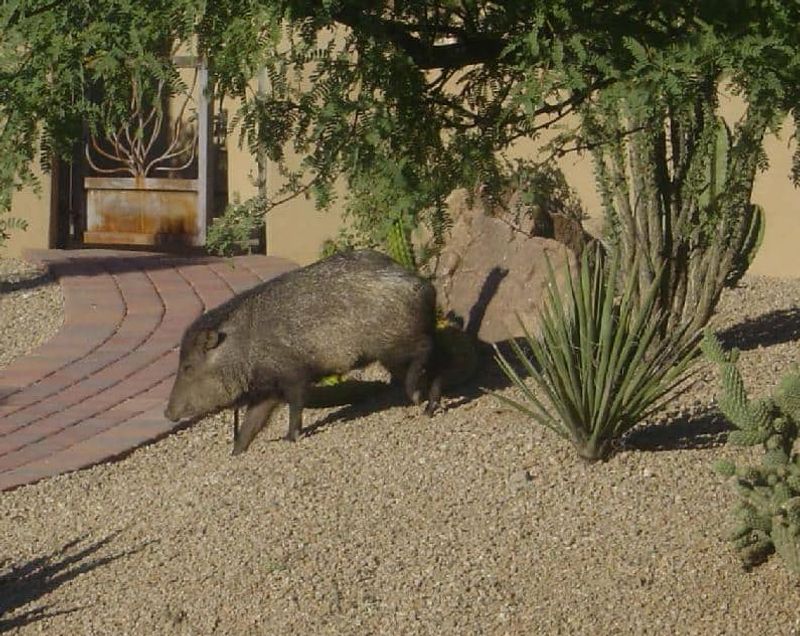
Heat in the desert does not disappear just because it rained. Monsoon storms bring moisture but temperatures stay high, and javelinas feel that heat just like anything else living outdoors.
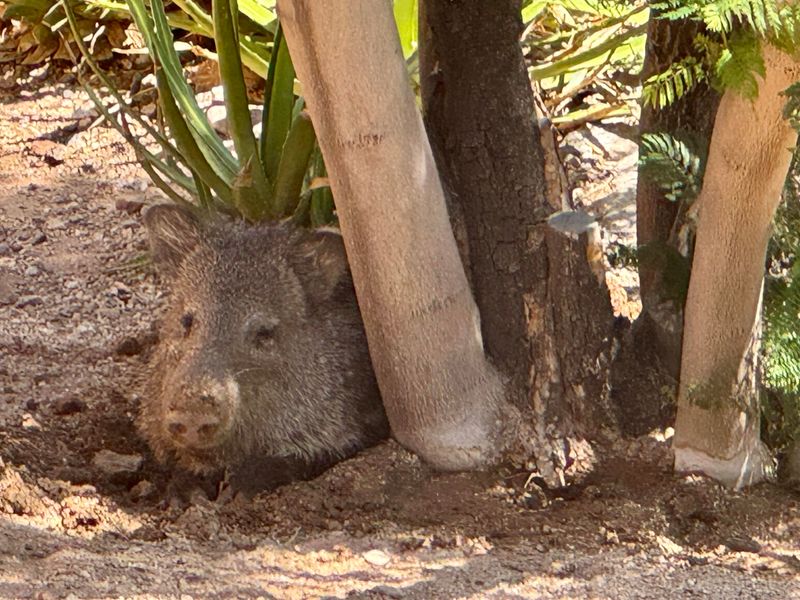
Moist soil holds cooler temperatures longer than dry, compacted ground. Javelinas are known to press themselves against cool surfaces and seek shaded, damp areas when they need to regulate their body temperature.
A patch of wet soil under a tree or along a shaded wall can become exactly the kind of spot they look for.
Yards with drip irrigation, garden beds, or low spots that collect rainwater can develop these cool, moist areas. From a javelina’s perspective, that is a comfortable resting spot.
They may not be looking for food at all. Sometimes the attraction is purely about comfort.
Groups of javelinas, called herds, often rest together in shaded spots during the hottest parts of the day. If your yard offers shade combined with moist ground, a herd might settle in for hours.
That can feel alarming if you are not expecting it.
Improving drainage in low-lying areas of your yard can help reduce standing moisture that makes those spots inviting.
Clearing dense ground cover near your home also removes potential resting cover, making your yard feel less like a safe retreat for a group looking to cool down.
4. Yards May Offer Easy Sources Of Water
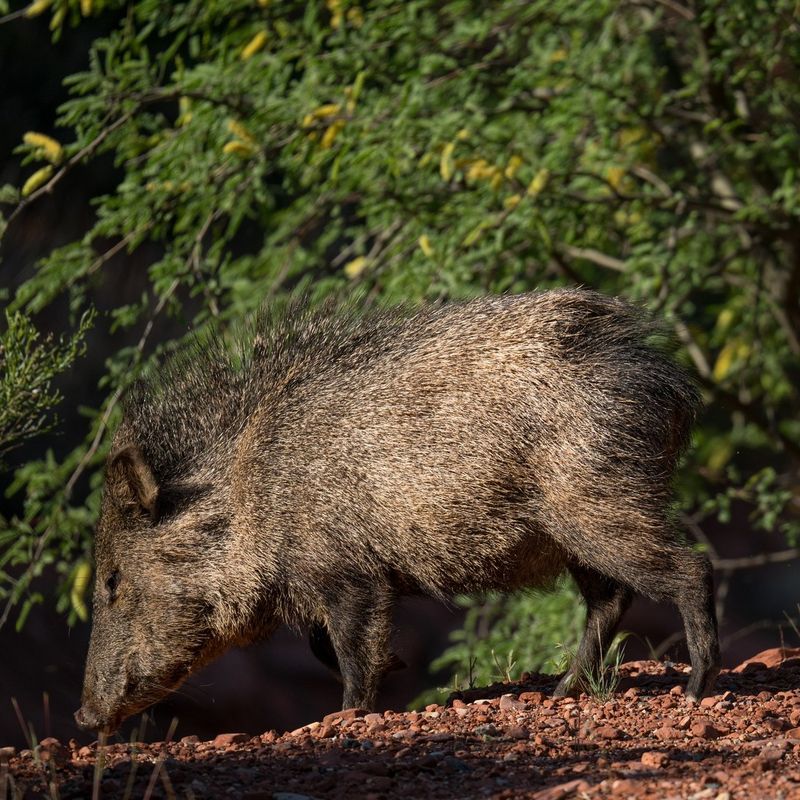
Standing water is not something the desert usually offers in large amounts. Monsoon season changes that, but it does not change it evenly across every neighborhood.
Natural water sources can be scattered and unpredictable after storms. Javelinas, like most desert animals, track down reliable water when they find it.
Yards with birdbaths, pet water bowls left outside, drip irrigation puddles, or low spots where rainwater collects can become water stops on a javelina’s regular route.
Even small amounts of water matter. A shallow dish or a puddle near a garden hose bib can be enough to attract repeated visits.
Once javelinas associate a yard with a reliable water source, they tend to return. That pattern can become consistent through the monsoon months.
Bringing in pet water bowls at night is one practical step. Birdbaths are harder to remove, but placing them on elevated stands can make access more difficult.
Fixing leaky hose connections and improving drainage in low areas of your yard can also reduce the appeal.
Javelinas need water regularly in hot weather, so the pull toward these sources is strong.
Reducing easy access does not mean they will stop coming through the area, but it can shorten the time they spend in your yard and lower the chance of repeat visits to the same spot.
5. Fallen Fruit And Nuts Can Attract Them
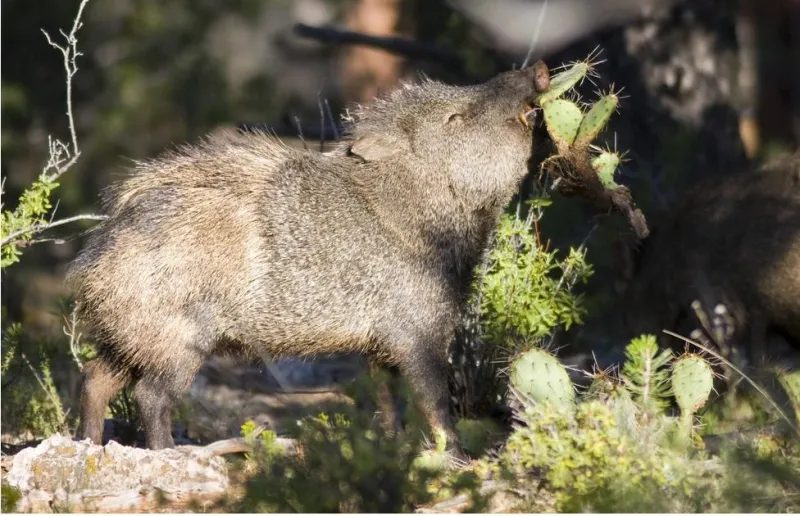
Fruit trees and nut-bearing plants go through some of their most productive cycles during and after monsoon season. Citrus, mesquite pods, prickly pear fruit, and even ornamental berry plants can drop significant amounts of food onto the ground.
Javelinas are drawn to fallen fruit with very little hesitation. The smell carries far, and the food is easy to eat without much effort.
A yard with a citrus tree dropping ripe fruit is practically advertising itself to any javelina in the area.
Mesquite pods are another big draw. Mesquite trees are common in desert neighborhoods, and their pods fall heavily during summer.
Javelinas eat them readily. If pods pile up on the ground near a fence line or along a wall, that spot can become a regular feeding location.
Picking up fallen fruit frequently is one of the most effective ways to reduce attraction. It does not have to be done perfectly, but clearing the ground every day or two during peak drop season can make a real difference.
Composting fallen fruit in a sealed bin rather than an open pile also helps.
Nut-producing plants like desert willow or ornamental shrubs with berries can have the same effect.
Knowing which plants in your yard produce drop fruit or pods, and staying on top of cleanup, puts you ahead of the problem before javelinas find the source.
6. Nearby Washes Can Bring Them Close To Homes
Washes are the desert’s natural drainage system. Dry most of the year, they fill quickly during monsoon storms and move large amounts of water through neighborhoods in a short time.
Javelinas use washes as travel corridors. The dense vegetation that grows along wash edges provides cover, and the lower ground offers shade and cooler air.
During monsoon season, active washes also bring fresh plant growth and sometimes scatter seeds and organic material that javelinas find appealing.
Homes that back up to or sit near a wash are in a natural javelina travel zone. During monsoon months, increased water flow through those washes can actually push javelinas closer to yard edges.
Animals that normally stay deeper in the desert may move along wash paths that bring them right into residential areas.
Fencing near a wash can help, but javelinas are capable of pushing through gaps in block walls or squeezing under gates. Checking for gaps along fence lines near wash-adjacent sections of your yard is worth doing before monsoon season peaks.
Vegetation management along your fence line near a wash also matters. Dense brush right against a fence gives javelinas cover and confidence to move in closer.
Keeping that zone trimmed and open reduces the feeling of shelter and may encourage them to stay further along the wash instead of cutting into your yard.
7. Removing Attractants Can Make Visits Less Likely
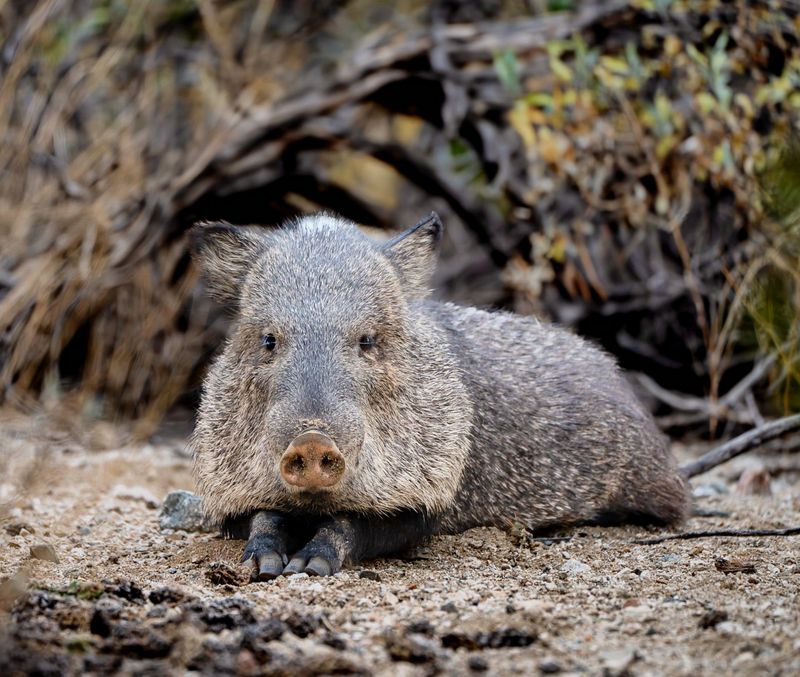
Javelinas are not aggressive by nature, but they are persistent when they find a yard that offers food, water, or shelter. Reducing what draws them in is the most practical approach most homeowners can take.
Start with the obvious sources. Pet food left outside overnight is a strong attractant.
Unsecured trash cans with food scraps can also pull javelinas in. Both are easy to address with simple habit changes, like bringing bowls inside after feeding and using cans with locking lids.
Fallen fruit cleanup is one of the highest-impact steps. Checking under fruit trees every day or two during peak monsoon months takes only a few minutes but removes one of the most reliable food sources javelinas seek out.
Compost piles should be contained in sealed bins, not open heaps.
Water sources deserve attention too. Low garden dishes, pet bowls, and leaky irrigation fittings all offer hydration that javelinas will return to.
Fixing drips and bringing in bowls at dusk can reduce repeat visits from animals that have learned your yard is a reliable water stop.
Motion-activated lights or sprinklers may discourage javelinas from lingering, though results vary by individual animal and herd. No single fix works perfectly in every situation.
A combination of small changes tends to be more effective than relying on one method alone during a busy monsoon season.