Should Ohio Gardeners Cut Back Herbs In August
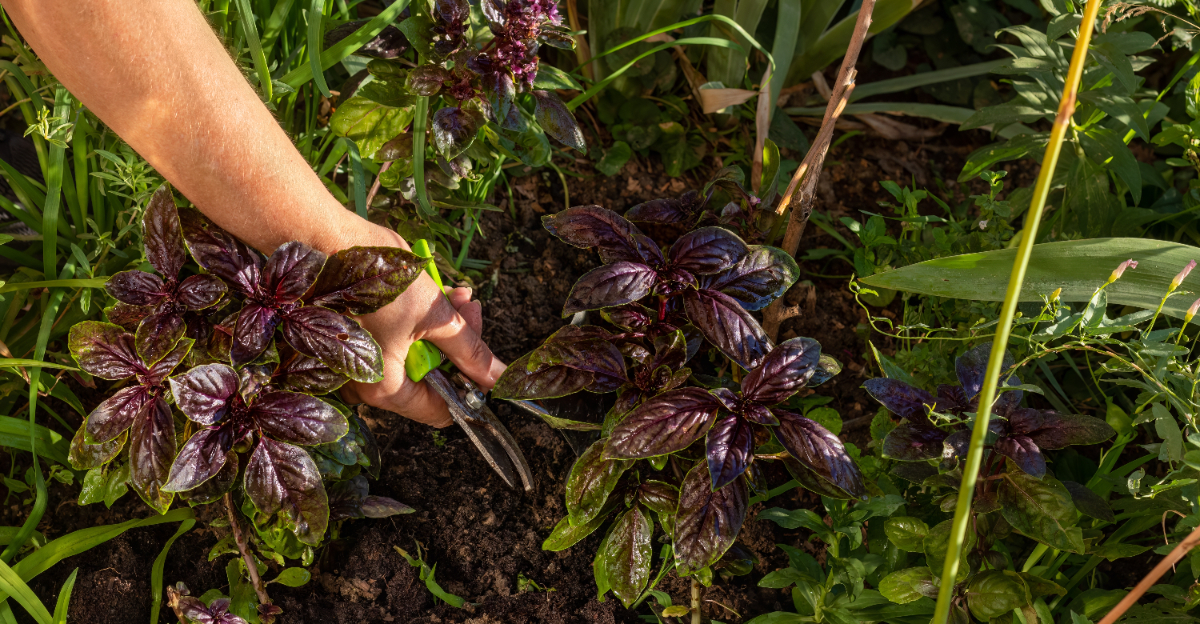
Your pruning shears are already out, but half of what’s growing in your Ohio herb bed will punish you for using them this month. August works completely differently than June.
A cut that helped your herbs explode with growth two months ago can stunt the exact same plant right now, right before its last real growth spurt before frost. Not every herb reacts the same way either.
Some practically demand a trim this month. Others sulk for weeks if touched at all.
Guess wrong and you’re stuck staring at a bare, woody plant for the rest of the season. The herbs that want the shears and the ones that need you to back off completely make all the difference for the rest of your bed.
1. Know Which Ohio Herbs Benefit From An August Trim
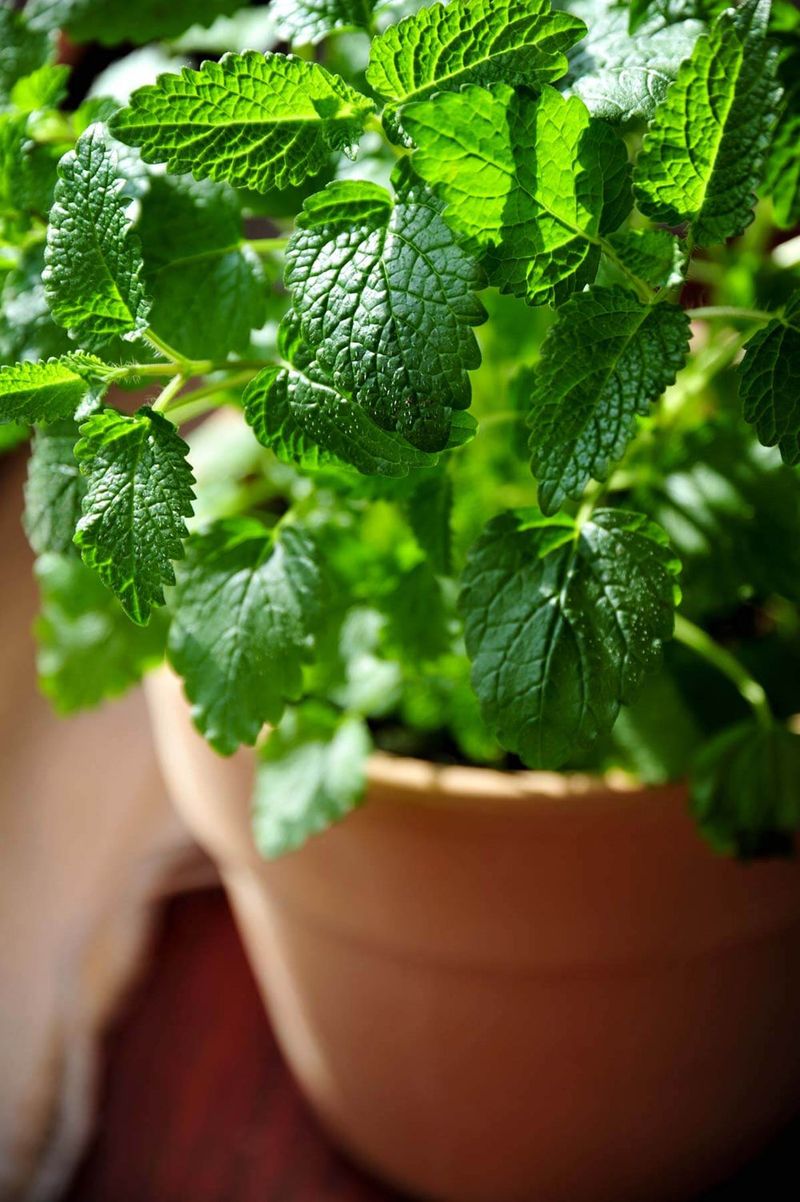
Not every herb in your garden needs the same treatment in August. Some herbs love a good trim right now, while others are better left alone until cooler weather arrives.
Knowing the difference saves you from accidentally setting a healthy plant back at the wrong time.
Annual herbs like basil and cilantro are top candidates for late summer trimming. Basil especially benefits from regular pinching in August to keep it from bolting.
Cilantro, on the other hand, tends to bolt quickly in summer heat, so trimming may only slow the process briefly.
Perennial herbs such as thyme, oregano, sage, and mint also respond well to a light trim in August. Removing old, woody growth encourages fresh new shoots before fall.
Rosemary can be lightly shaped, but heavy cutting late in the season is not recommended in Ohio because it needs time to recover before cold weather sets in.
Chives are another easy win. Cutting them back to about two inches after flowering helps them push out a fresh flush of tender leaves.
Lemon balm can be cut back hard in late summer without any issues. Knowing which herbs to trim and which to leave alone is the first step toward a productive late-season herb garden.
2. Give Basil The Pinching It Needs For Fuller Growth
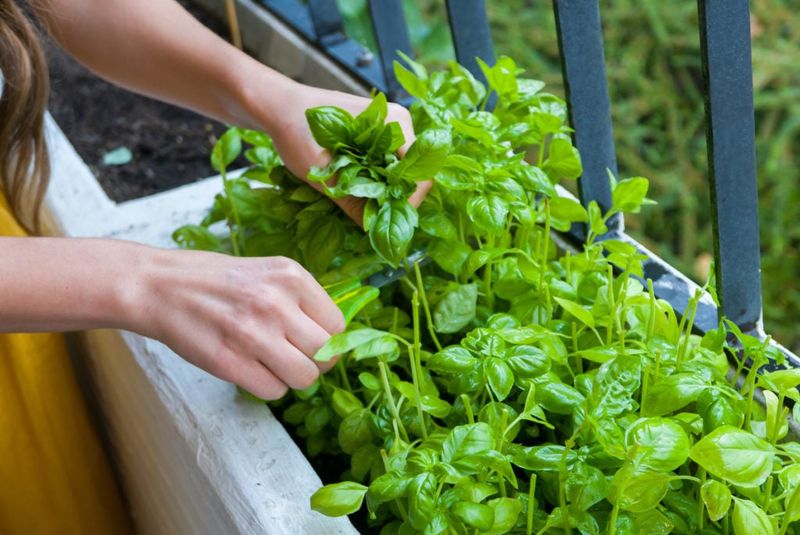
Basil is one of the most rewarding herbs you can grow, but it requires consistent attention in August to stay productive. Left on its own, basil will shift its energy from leaf production to flowering, which changes the flavor of the leaves significantly.
Pinching basil means removing the top two sets of leaves along with any flower buds forming at the growing tips. Do this every one to two weeks throughout August.
Each time you pinch, the plant responds by branching out and producing more leaves lower on the stem.
Once basil begins to flower, the leaves become slightly bitter and less aromatic. Removing flower spikes as soon as they appear keeps the plant in a vegetative state longer.
Even if a few flowers have already opened, cutting them off can slow the process and give you several more weeks of good harvests.
Use clean scissors or your fingernails to pinch just above a leaf node. This encourages two new stems to grow from that point, which gradually turns one stem into a bushy, multi-branched plant.
Your Ohio Garden Changes Every Week. Your Plan Should Too.
Gardening in Ohio changes quickly throughout the season. Every Friday you’ll receive a simple weekly plan showing exactly what to plant, prune, fertilize, harvest, and protect so you never miss the right timing.
A well-pinched basil plant by mid-August can look almost twice as full as one that has been left alone. Consistent pinching is the single most effective thing you can do to keep basil producing flavorful leaves through the end of summer.
3. Harvest Perennial Herbs Before Cooler Weather Arrives
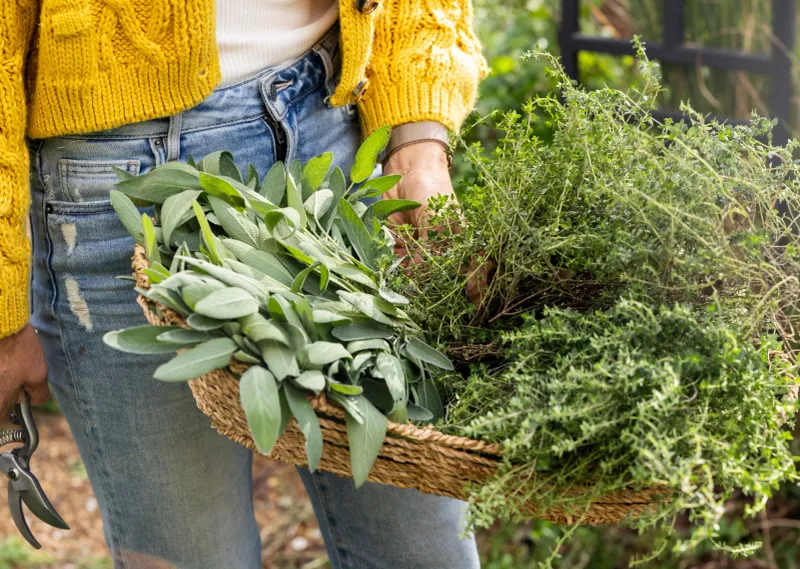
Perennial herbs like thyme, oregano, sage, and rosemary take a different approach than annuals. These plants will survive Ohio winters, but that does not mean they should be ignored in August.
Late summer is actually a smart window for a light harvest.
Thyme and oregano can be trimmed back by about one-third of their total growth in August. Cutting just above a set of healthy leaves encourages the plant to fill in with fresh, tender growth before temperatures drop.
Avoid cutting into the woody lower stems, which are slow to recover.
Sage benefits from a moderate trim in late summer. Removing older stems and any spent flower stalks keeps the plant tidy and promotes new leaf growth.
Fresh sage leaves that develop in late August and September often have excellent flavor because the cooler air concentrates the oils in the leaves.
Rosemary is more sensitive to aggressive cutting late in the season. A light shaping is fine, but removing more than a quarter of the plant in August can leave it stressed heading into fall.
Focus on harvesting individual sprigs as needed rather than doing a major cutback. Collecting and drying these perennial herbs now means you will have a well-stocked pantry long after the growing season has ended.
4. Trim Flowering Herbs To Preserve Their Flavor
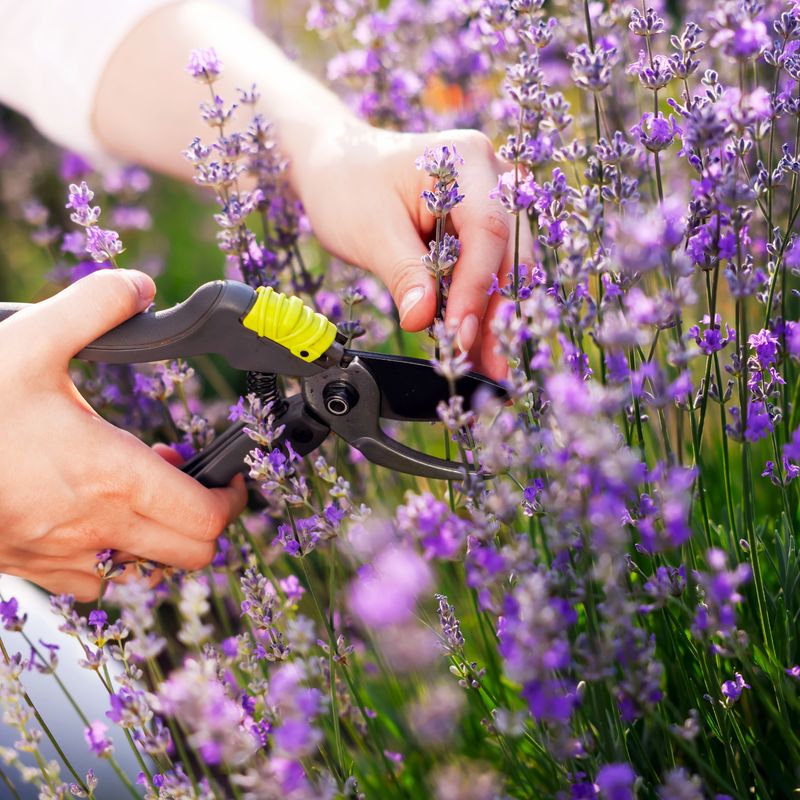
Flowers on herb plants are not always a welcome sight for cooks. When many culinary herbs begin to bloom, the plant redirects its energy away from producing flavorful leaves.
The result is often leaves that taste more bitter or less aromatic than you would like.
Oregano is a good example. Once it flowers, the leaves can become tougher and slightly more pungent.
Removing the flower stalks before they fully open keeps the plant producing tender leaves with the familiar flavor most cooks prefer. Cutting back flowering stems also encourages a second flush of fresh growth.
Mint is another herb that changes after flowering. The leaves can become more fibrous and less flavorful once the plant puts energy into seed production.
Cutting mint back by half after it flowers gives you a fresh set of aromatic leaves within a few weeks.
Lemon balm, chives, and marjoram follow similar patterns. Removing spent flowers or flower buds from these herbs helps maintain leaf quality and keeps the plants looking tidy.
Not every flowering herb needs to have its blooms removed. Dill and fennel, for example, produce edible flowers and seeds that many gardeners value.
Focus trimming efforts on the herbs where leaf flavor matters most to you and your kitchen.
5. Use The Right Cutting Technique For Healthier Plants
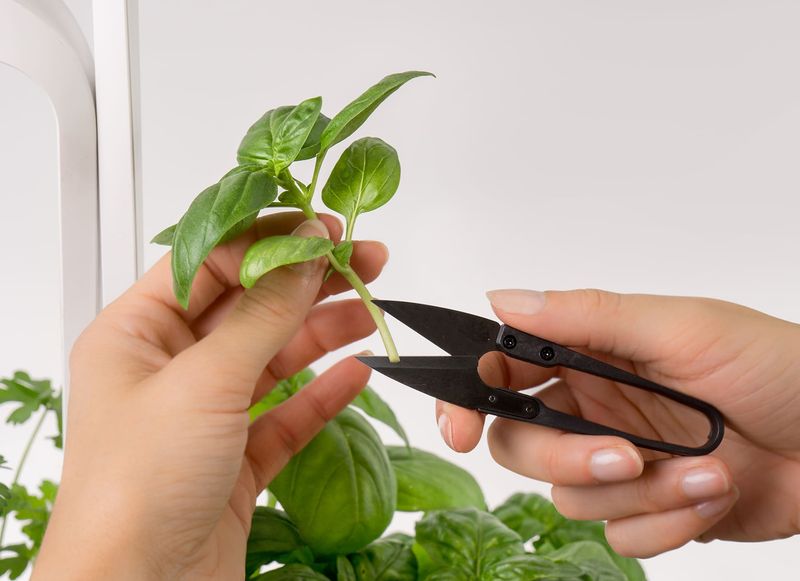
A bad cut can set an herb plant back just as much as cutting at the wrong time. Using the right technique protects the plant, reduces the risk of infection, and helps new growth emerge in the right places.
Always cut just above a leaf node, which is the point where a leaf or pair of leaves meets the stem. Cutting here signals the plant to push out two new shoots from that spot.
Cutting in the middle of a stem between nodes often leaves a stub that can dry out and become a point of entry for disease.
Sharp tools matter more than most gardeners realize. Dull scissors crush plant tissue instead of making a clean cut, which slows healing and stresses the plant.
Use sharp, clean pruning shears or herb scissors for any trimming you do in August. Wipe blades with rubbing alcohol between plants to avoid spreading any pathogens from one herb to another.
For soft-stemmed herbs like basil, mint, and lemon balm, scissors or even your fingernails work well for pinching. For woodier herbs like rosemary, thyme, and sage, a pair of small bypass pruners gives you the cleanest cut.
Taking a moment to use the right tool and cut in the right place makes a noticeable difference in how quickly your herbs bounce back and continue producing.
6. Avoid Overcutting Your Herbs During Late Summer
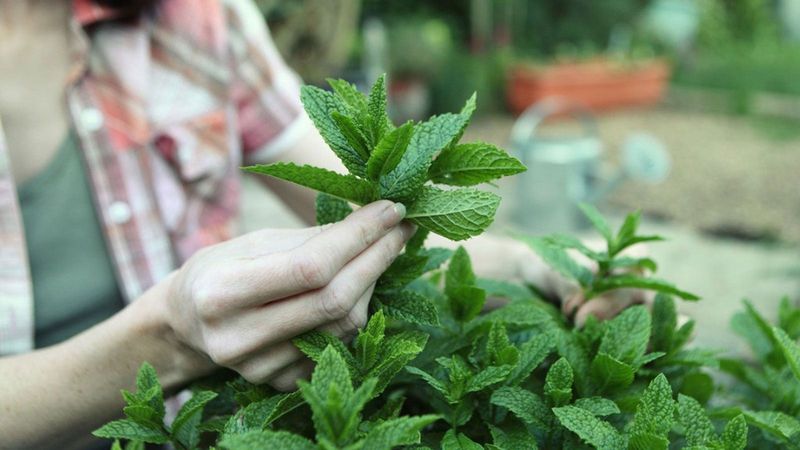
One of the most common mistakes gardeners make in August is getting too enthusiastic with the scissors. Trimming herbs feels productive, and it is easy to keep cutting without realizing how much has been removed.
Overcutting can seriously weaken a plant heading into fall.
A general rule used by many experienced herb gardeners is to never remove more than one-third of a plant at one time.
Cutting more than that forces the plant to use stored energy just to recover, leaving it with less strength to handle changing temperatures.
Perennial herbs are especially vulnerable to this in late summer because they need time to settle before cold nights arrive.
Annual herbs like basil can handle more aggressive trimming than perennials, but even they have limits. Cutting basil back to bare stems in August often results in slow regrowth that never quite catches up before the first frost.
Leave plenty of healthy leaves on the plant so it can continue feeding itself through photosynthesis.
Mint is one exception. It tolerates hard cutbacks better than most herbs and can be cut back by half or even more without much trouble.
For everything else, take a measured approach. Step back, assess the plant, and remove only what is needed.
Gradual, regular trimming throughout August is far more effective than one drastic cut that leaves the plant struggling.
7. Prepare Your Herb Garden For The Fall Season
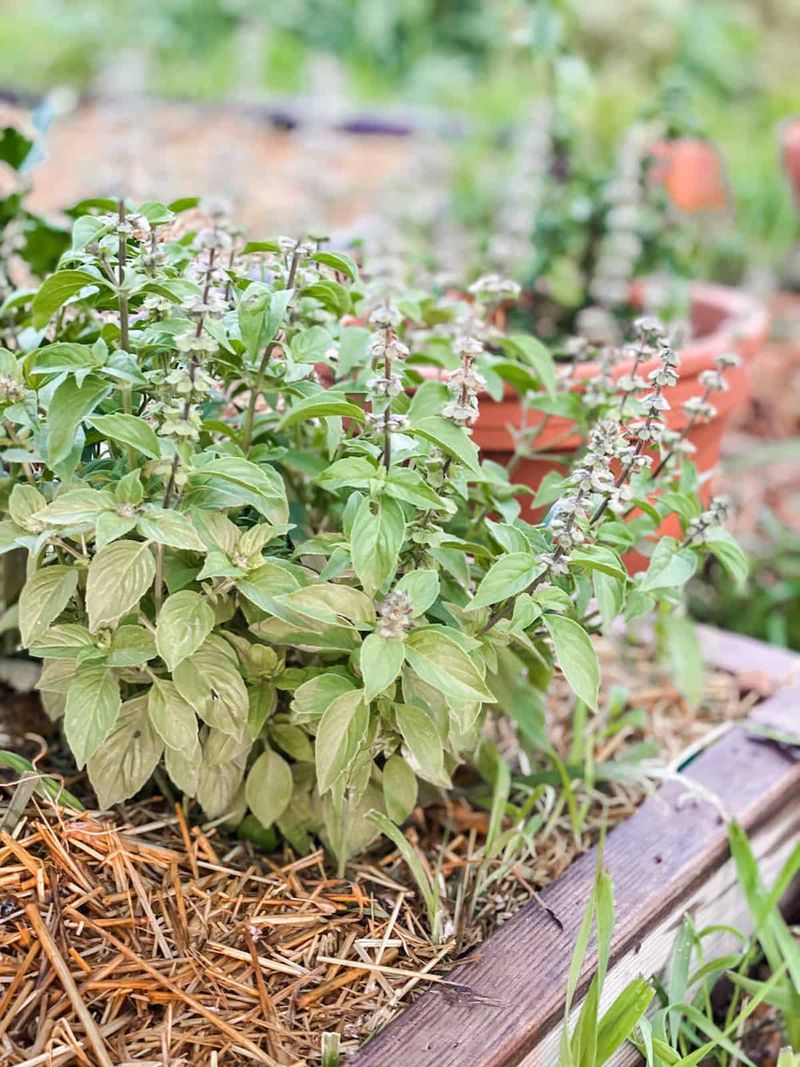
After trimming your herbs in August, the work does not stop there. A few simple follow-up steps can help your herb garden stay healthy as the season shifts toward fall.
Late summer care sets the stage for a smooth transition into cooler weather.
Watering consistently after a trim is important. Freshly cut plants are slightly stressed and need steady moisture to push out new growth.
In Ohio, August can bring dry spells, so check soil moisture every few days and water at the base of the plant rather than overhead to keep foliage dry.
Adding a thin layer of compost around the base of perennial herbs after trimming gives them a gentle nutrient boost heading into fall.
Avoid heavy fertilization with high-nitrogen products late in the season, since that encourages soft, leafy growth that is more vulnerable to cold snaps.
Take a close look at your herb garden after trimming and pull any weeds that have sneaked in over the summer. Weeds compete for water and nutrients, and clearing them out now gives your herbs more resources during their final weeks of active growth.
Also check for any signs of pests or disease on the cut stems and remaining leaves. Catching problems early in late summer gives you time to address them before the season ends and before perennial herbs go dormant for the winter.
8. Keep Fresh Herbs Growing Strong Into September
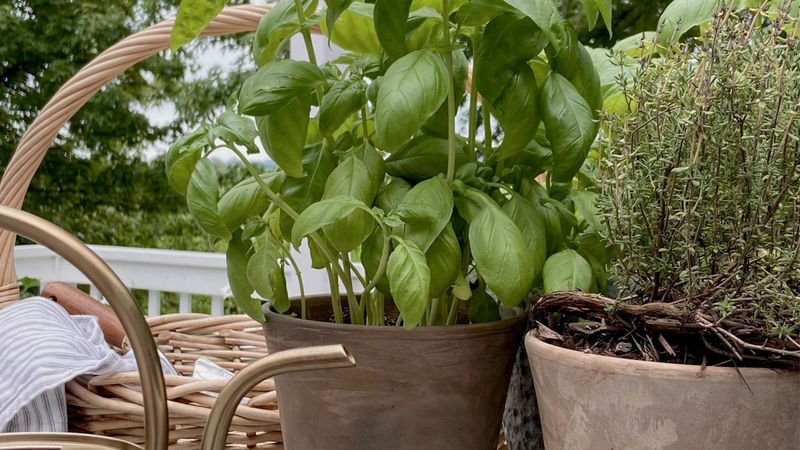
Many Ohio gardeners assume the herb season wraps up in August, but that is not quite right. With a little planning, you can keep harvesting fresh herbs well into September and sometimes even into early October depending on the year.
Consistent, light harvesting is one of the best ways to keep herbs productive late in the season. Rather than waiting and then taking a large amount at once, snip a little from each plant every few days.
Regular harvesting signals the plant to keep producing new growth instead of slowing down.
Basil is the most frost-sensitive herb in most gardens, so watch the weather forecast closely starting in mid-September. A single cold night below 50 degrees Fahrenheit can damage basil leaves, and a frost will end the plant quickly.
If a cold night is coming, harvest your basil generously the day before so none of it goes to waste.
Perennial herbs like thyme, sage, and oregano are much more tolerant of cool temperatures. They will continue producing usable leaves even as nights get chilly.
Keeping these plants lightly harvested through September encourages continued growth without pushing them to produce tender new shoots that might struggle in cold air.
A little attention in late summer pays off with a longer, more productive herb season that stretches well beyond what most gardeners expect.
9. Simple Ways To Store Your August Herb Harvest
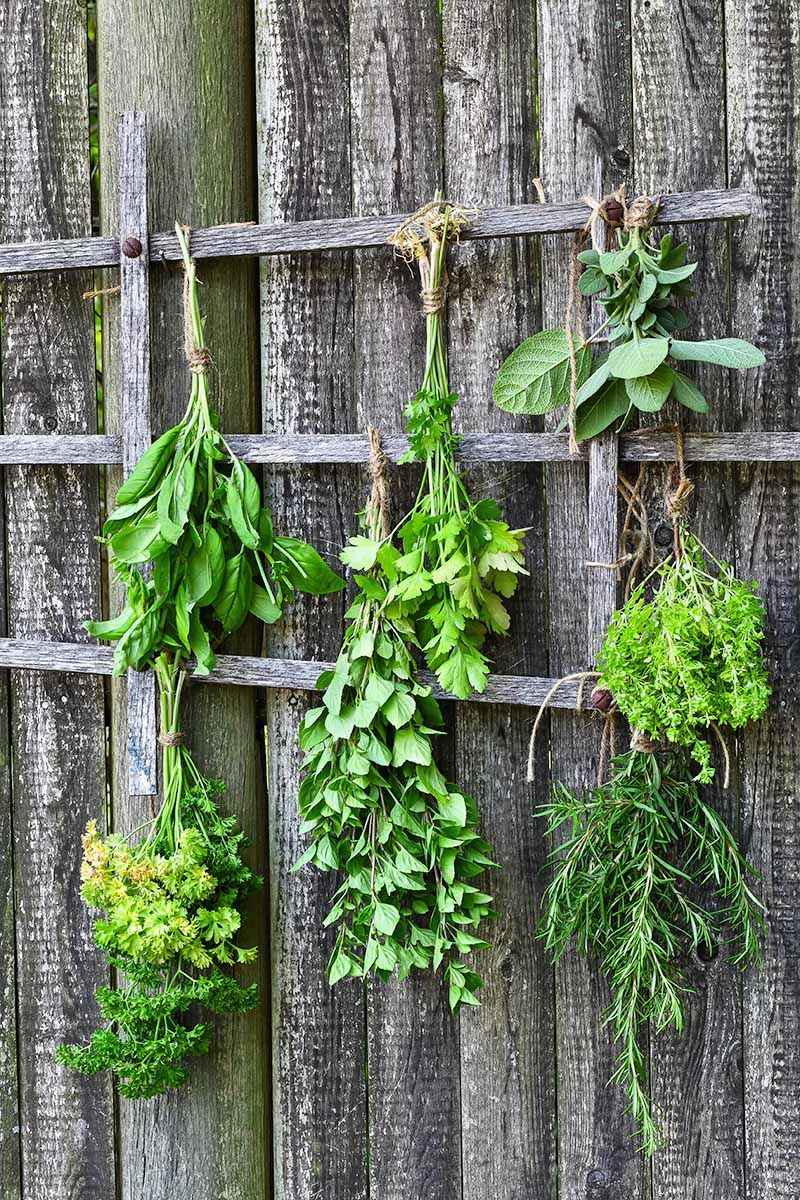
Trimming and harvesting herbs in August often means you end up with more fresh herbs than you can use right away. Having a simple storage plan means none of that effort goes to waste.
A few easy preservation methods keep your herbs flavorful for months.
Air drying is one of the oldest and easiest methods. Bundle five to ten stems together with a rubber band and hang them upside down in a warm, dry spot with good airflow.
A garage, shed, or spare room works well. Most Ohio herbs dry completely within one to two weeks.
Thyme, oregano, sage, and rosemary all dry beautifully this way.
Freezing works especially well for basil, mint, and chives. Chop the leaves finely, pack them into ice cube trays, cover with water or olive oil, and freeze.
Pop out a cube whenever you need fresh herb flavor in soups, sauces, or pasta dishes. This method preserves color and flavor better than drying for these particular herbs.
For short-term storage, fresh herb stems can stand in a glass of water on the counter for several days, much like cut flowers. Basil prefers room temperature rather than the refrigerator, which can cause the leaves to turn dark.
Chives, parsley, and cilantro keep well wrapped loosely in a damp paper towel inside the fridge. A little planning now means your August harvest carries you through fall and into winter cooking.