Fertilizer Tips for Potted Geraniums in Arizona
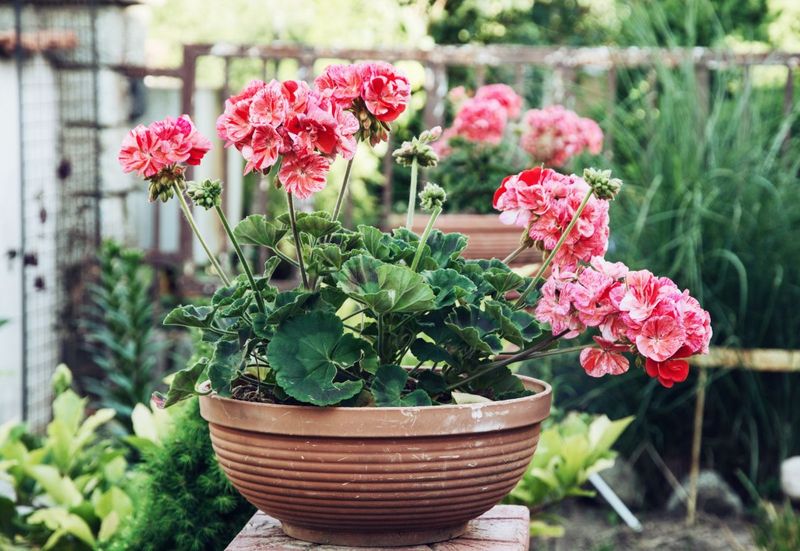
A geranium in a pot can look tired in an Arizona summer, and many people reach for plant food first. Feeding can help, but only when it matches what the plant and its potting mix actually need.
Heat, water, and salts in the pot all play a part too. Here is a calm, practical way to decide when to feed and when to wait.
These tips apply to common garden geraniums
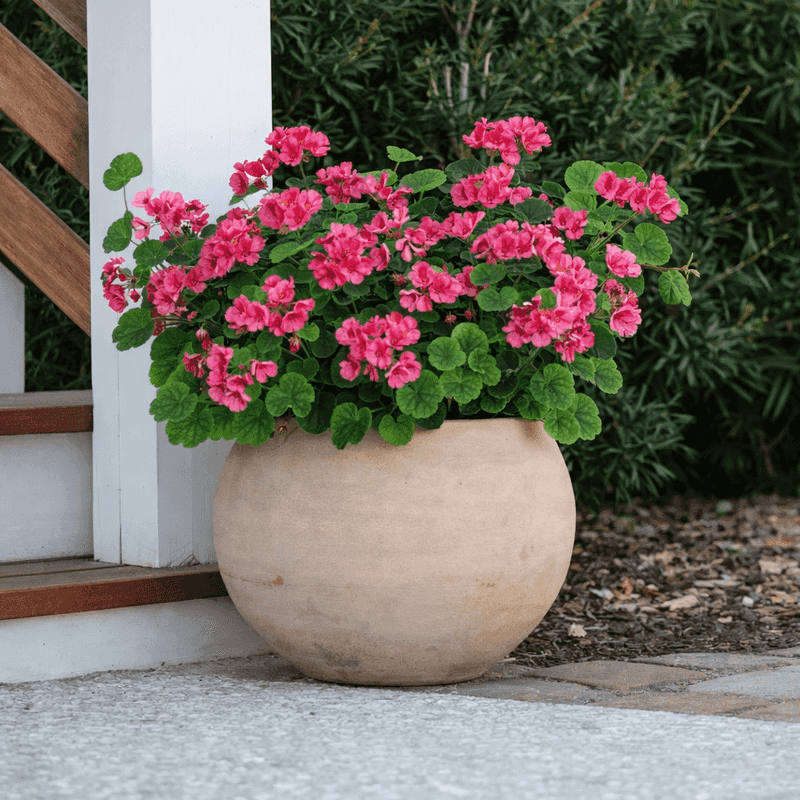
Most plants sold as geraniums at Arizona nurseries are really Pelargonium, with rounded, often scalloped leaves and bold clusters of flowers. True Geranium, sometimes called cranesbill, is a different group of plants with smaller, more delicate blooms.
The feeding advice here is written for the Pelargonium type, since that is what most people mean when they say geranium.
Gardeners often get tangled in the name, so it helps to check the plant tag. Extension guidance on geraniums points out this naming mix-up, and it matters because care advice can differ between the two groups.
The scope here is narrow on purpose. It covers fertilizer decisions for potted plants in the Arizona low desert, not every plant that happens to carry the geranium label.
Check the potting mix before adding fertilizer
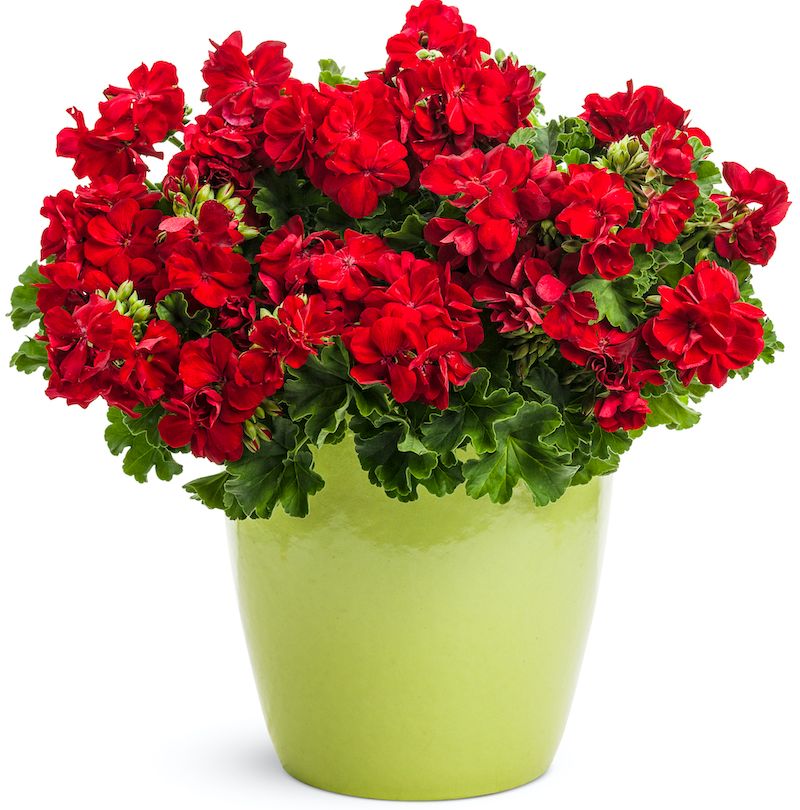
Every time you water a container, a little of the nutrition in the mix can wash out through the drainage holes. That is why potted plants often need feeding when garden beds do not.
Still, the answer is not automatically yes, since many bagged potting mixes arrive with fertilizer already blended in.
Flip the bag over and read the label before you reach for plant food. If the mix includes slow-release fertilizer and the plant was potted recently, extra feeding may add nothing helpful and could stress the roots.
When feeding does make sense,
Arizona container gardening guidance recommends a weak solution of a complete fertilizer that also contains micronutrients. Think of it as a light supplement rather than a big meal.Look at the plant too: steady new leaves in good color usually mean it is doing fine for now.
A bloom booster is not the default answer
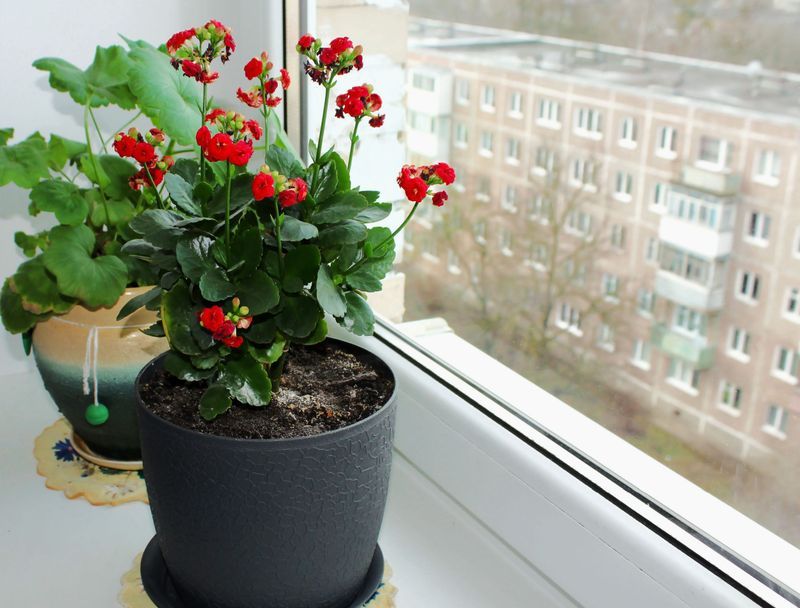
Bright labels promising more flowers are tempting, especially when a geranium has gone quiet. Yet a high-phosphorus product is not a proven fix.
Maryland guidance notes that research on container nursery plants does not support high-phosphorus starter fertilizers, and another source says a soil test is the way to find out whether flower plantings truly need more phosphorus.
That advice was not tested on geraniums in Arizona, so treat it as a reason for caution rather than a final ruling. The sensible takeaway is not to assume extra phosphorus will create extra blooms.
A restrained complete fertilizer is a calmer choice. If flowers are missing, look at heat, the plant’s stage of growth, and whether too much fertilizer has been added before buying anything labeled as a booster.
Feed modestly during active growth
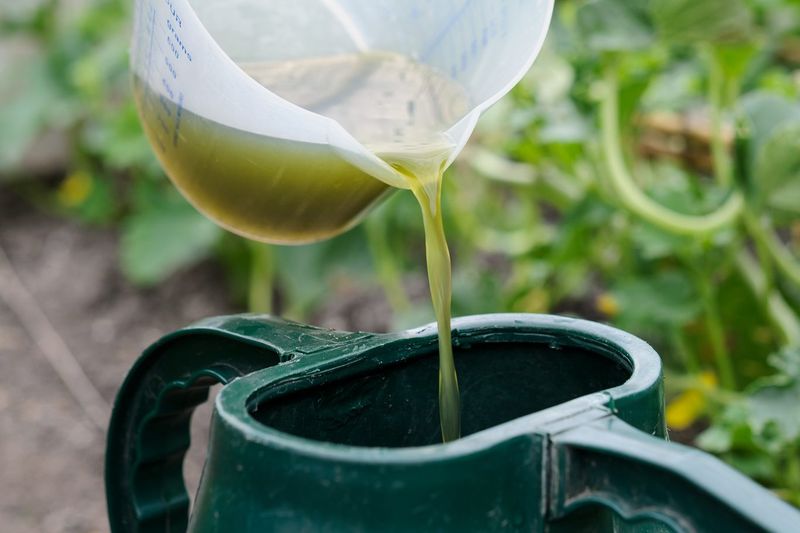
Geraniums do not ask for much. Extension advice suggests feeding while the plant is actively growing, and one source mentions half-strength water-soluble fertilizer as an example.
Your Arizona Garden Changes Every Week. Your Plan Should Too.
Gardening in Arizona changes quickly throughout the season. Every Friday you’ll receive a simple weekly plan showing exactly what to plant, prune, fertilize, harvest, and protect so you never miss the right timing.
It also warns that overfertilized plants may not bloom well, so more is not better.
Treat half strength as an example, not a rule for every pot. The product label comes first, since formulas differ.
Your own pot matters as well: fertilizer already in the mix, how often you water, and how fast the plant is growing all change how often feeding makes sense.
For timing, general container guidance mentions liquid feeding roughly every two weeks. That is a broad container figure, not a geranium schedule made for Arizona.
A plant that looks slow or stressed in summer heat may simply not be in a growth phase, so skip the feeding until it recovers.
Apply fertilizer to moist potting mix
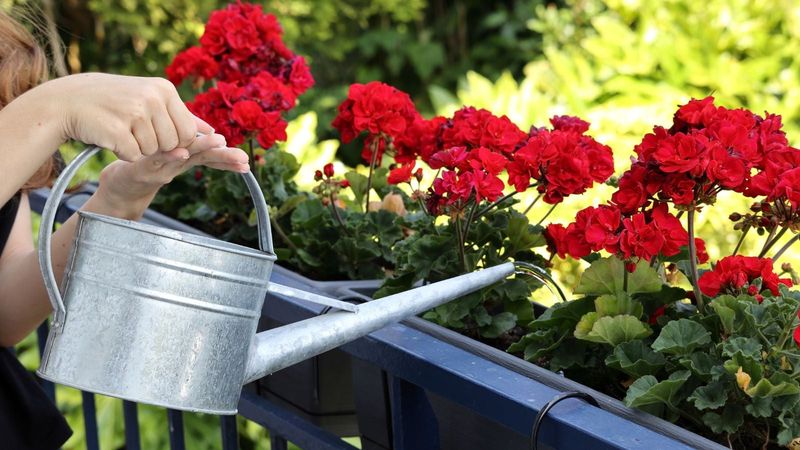
Timing in the day-to-day sense matters as much as the product. A wilted or bone-dry geranium is already struggling, and pouring concentrated fertilizer onto dry mix can burn tender roots.
Water first if the pot is dry, then feed once the mix is evenly damp.
Container fertilizing guidance recommends applying liquid feed to moist potting medium to lower the risk of plant damage. It is a simple habit that protects the plant.
Stick with the strength printed on the label. When a plant looks stressed, the urge is to mix a stronger batch to help it recover, but that backfires.
Stress usually points to heat, water, or root problems that more fertilizer cannot fix.
Summer heat can limit flowering regardless of fertilizer
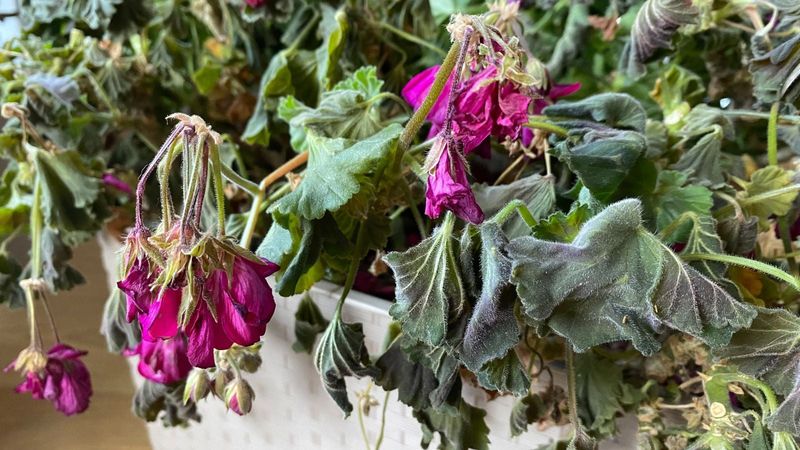
In the low desert, a pot sitting in full sun can bake. Arizona container guidance notes that roots and potting medium can get very hot, and it suggests shading the container itself while letting the leaves still receive appropriate light.
Heat also affects the plant directly. Greenhouse guidance reports reduced growth and development under sustained high temperatures, with differences between cultivars.
Other sources describe flowering pausing in hot weather.
No single temperature marks the cutoff, and responses vary by variety and conditions. Shade for the pot may help, but it cannot promise blooms in July, and neither can fertilizer.
If a geranium stalls in summer, fix the root-zone heat first and accept that a rest from flowering can be normal.
Leaf-edge browning may point to salt buildup
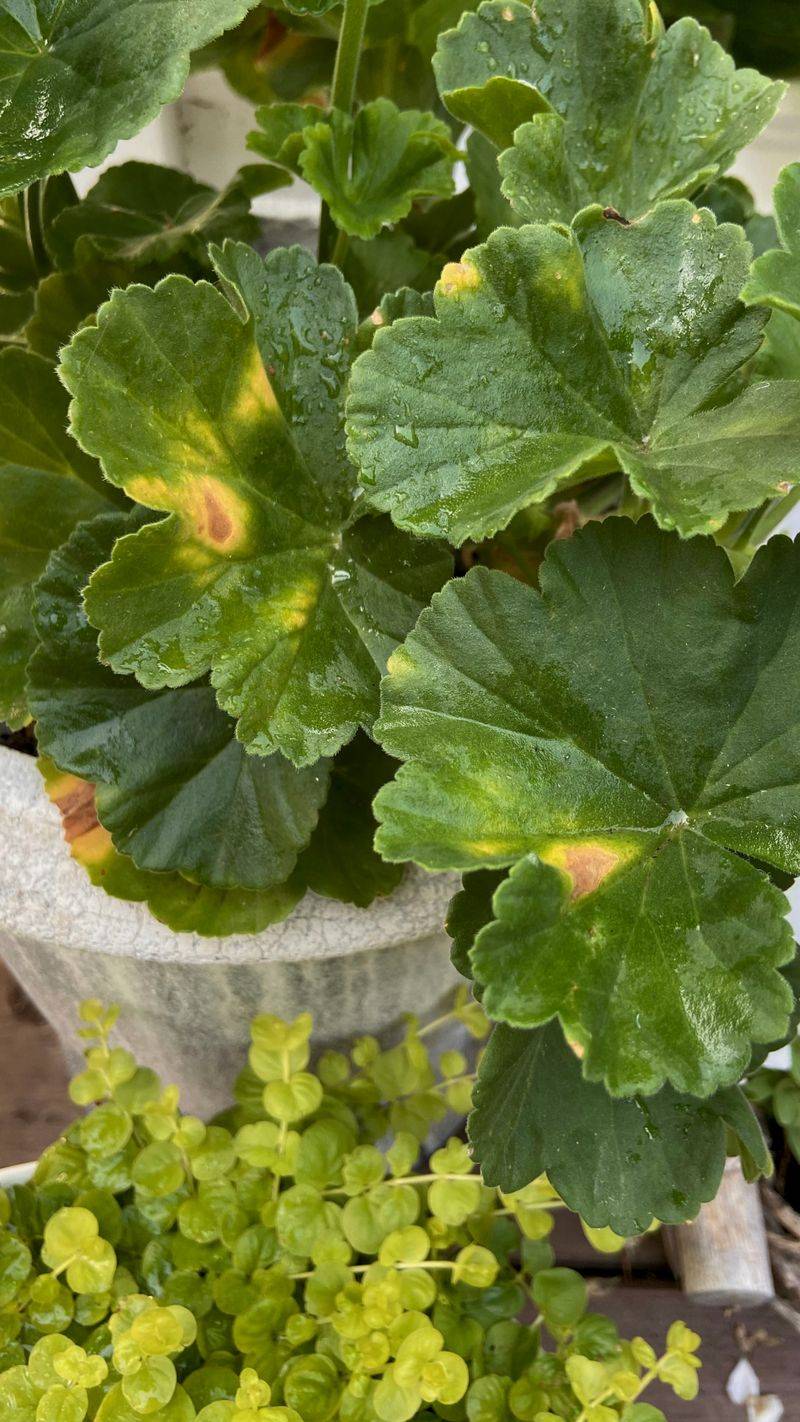
Salts creep into container soil from two directions. Arizona tap water carries dissolved minerals, and fertilizer adds more with each feeding.
Over time, they can collect in the pot because the plant takes up water and leaves the salts behind.
Browning at the leaf tips, or edges with a yellow border, can be a sign of salt injury. It is only a clue, not a firm diagnosis, since heat and uneven watering can cause similar damage.
Arizona Extension advises periodic leaching with ample water, but only when the pot drains freely. Slowly run plenty of water through the mix and let it drain out the bottom.
Avoid softened water, which adds salts of its own. If the pot drains poorly, fix that before trying to flush it.
Check conditions before increasing fertilizer
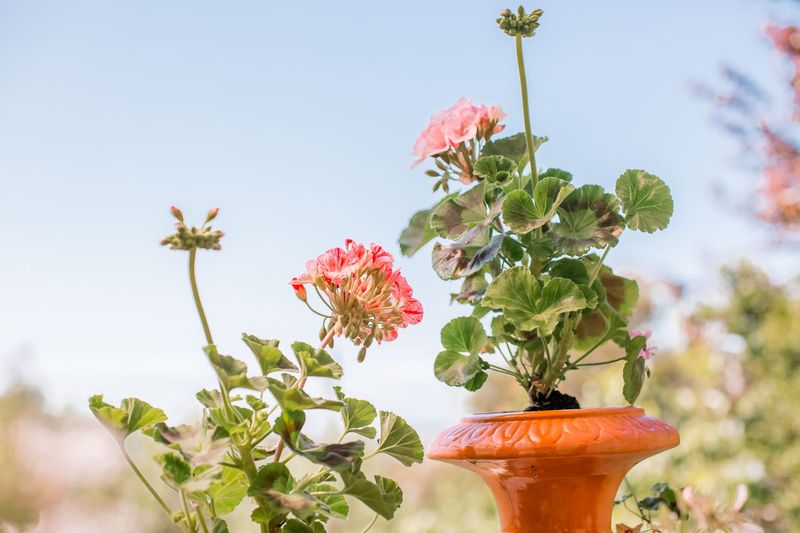
When a geranium looks off, run through a short list. Read the potting mix label to see whether fertilizer is already included.
Feed modestly only while the plant is growing, following the product label, then look at watering, possible salt buildup, and how hot the pot gets.
Following Arizona container advice and the point from geranium growing guidance that overfertilizing can reduce blooms, the answer is often to adjust the conditions rather than add more food.
A geranium in a baking pot is not hungry, it is hot.