The Soil Invader Turning Massachusetts Garden Beds Into Coffee Grounds
Your garden bed feels off this week, and you can’t explain why. Texture that felt firm now crumbles like grounds from a coffee pot.
Massachusetts gardeners keep noticing the same unsettling shift in their beds. Nothing about drought or overwatering caused this sudden change. Suddenly your healthy beds look strangely uniform, almost manufactured.
Anyone who gardens here should pay close attention right now. Beneath the surface, a hidden force is rewriting your soil’s structure. Roots struggle, drainage turns erratic, and plants quietly show stress.
Underneath, this shift disrupts nutrients plants require to thrive. This pattern is spreading fast through gardens across Massachusetts right now. Every bed touched by it looks and feels the same way.
You need to know what’s doing this before it reaches every corner of your garden.
An Invasive Worm Species Is Behind That Grainy Soil Shift
Your garden soil did not always look like that. One morning you kneel down, and the ground feels completely wrong.
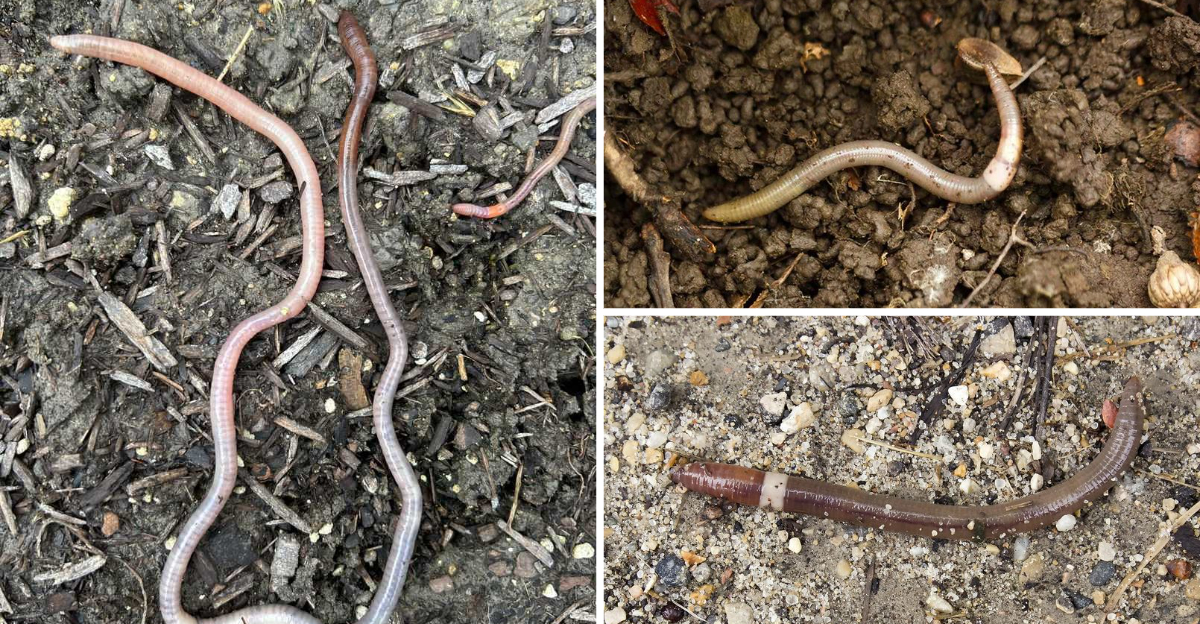
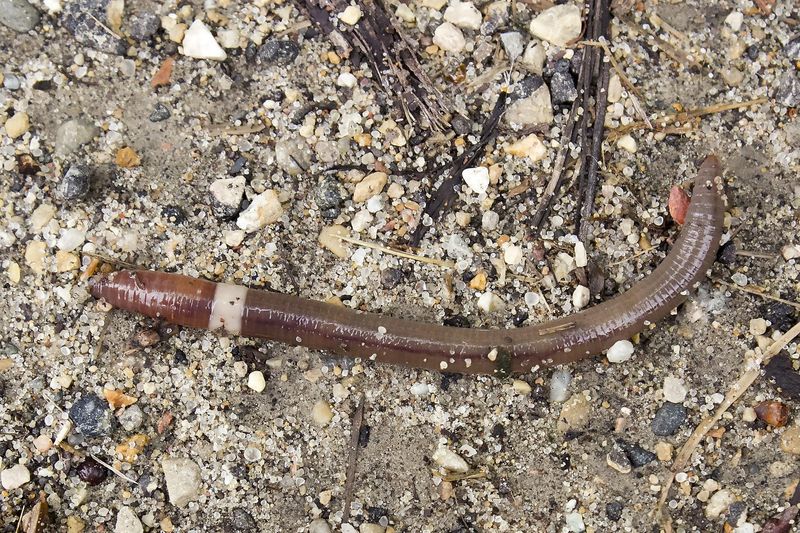
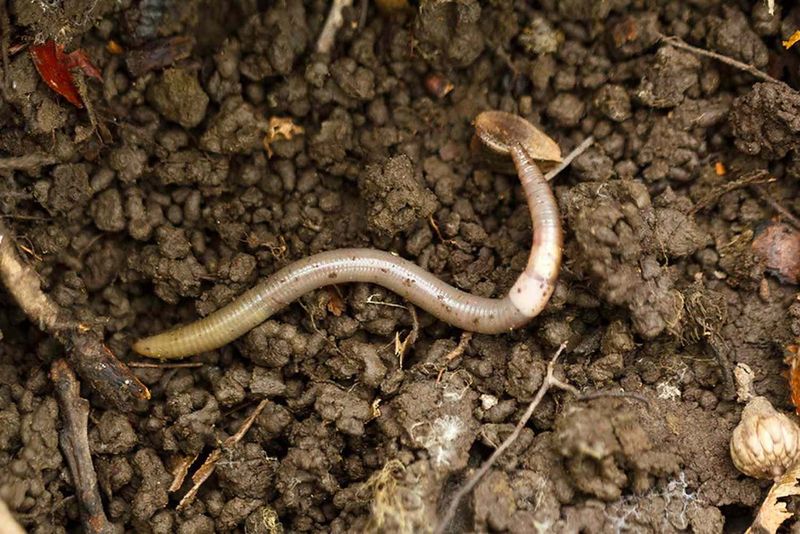
The culprit is a worm called Amynthas agrestis, better known as the jumping worm. This invasive species arrived in North America from East Asia decades ago.
Unlike the familiar earthworms most people welcome, jumping worms strip the soil of nutrients fast. They process organic matter at a shocking rate, leaving behind loose, grainy castings.
Those castings look almost exactly like coffee grounds. Gardeners across the region are spotting this texture and finally putting a name to the problem.
This grainy-soil culprit does not burrow deep like native worms. It stays near the surface, which makes its damage even more visible.
When you pick one up, it thrashes wildly and may even shed its tail to escape. That wild, snake-like movement is exactly how the species got its nickname.
Jumping worms hatch in spring from tiny cocoons that survived winter in the soil. By midsummer, they have already begun wrecking the structure of your garden beds.
Recognizing this worm early gives you a real advantage. The sooner you spot the signs, the sooner you can act.
This Texture Change Signals More Than Just Dry Dirt
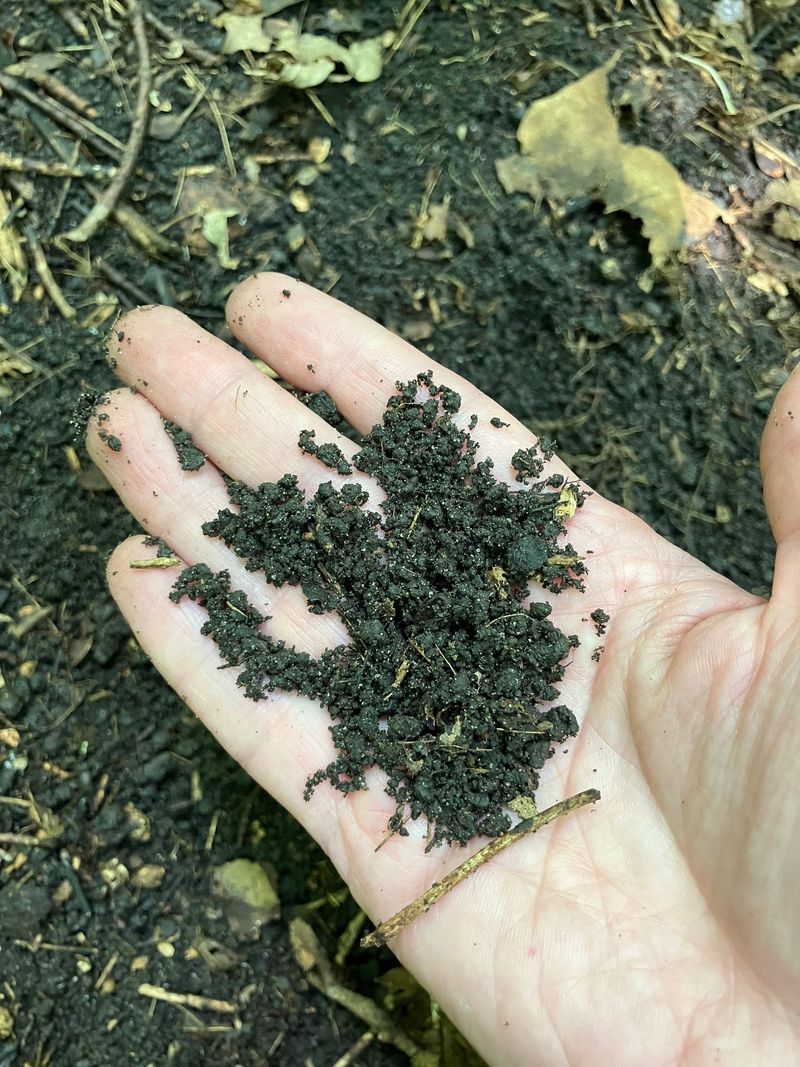
Grainy soil feels wrong the moment your fingers touch it. Most gardeners assume the problem is drought or poor watering habits.
However, dry soil still holds some structure when you press it together. Jumping worm castings fall apart instantly, like wet sand that refuses to clump.
That difference matters because soil structure is what holds moisture and nutrients near plant roots. When structure breaks down, water runs off instead of soaking in.
Plants start struggling even when you water regularly. Roots cannot anchor properly in loose, granular ground.
The coffee-ground texture is actually worm waste left behind after they eat through organic matter. Each worm produces a surprising amount of castings relative to its small size.
A heavy infestation can transform an entire garden bed in a single growing season. Gardeners often describe the shift as almost overnight.
Beyond the texture, the soil chemistry changes too. Jumping worm castings alter the pH and nutrient balance that plants depend on.
Your Massachusetts Garden Changes Every Week. Your Plan Should Too.
Gardening in Massachusetts changes quickly throughout the season. Every Friday you’ll receive a simple weekly plan showing exactly what to plant, prune, fertilize, harvest, and protect so you never miss the right timing.
Nitrogen levels drop, and beneficial fungi in the soil get disrupted. The whole underground ecosystem takes a hit from one small creature.
If your plants look stressed but your care routine has not changed, check the soil texture first. That grainy, coffee-ground feel is a signal worth taking seriously right away.
Jumping Worms Are Reshaping Soil Across Massachusetts Yards
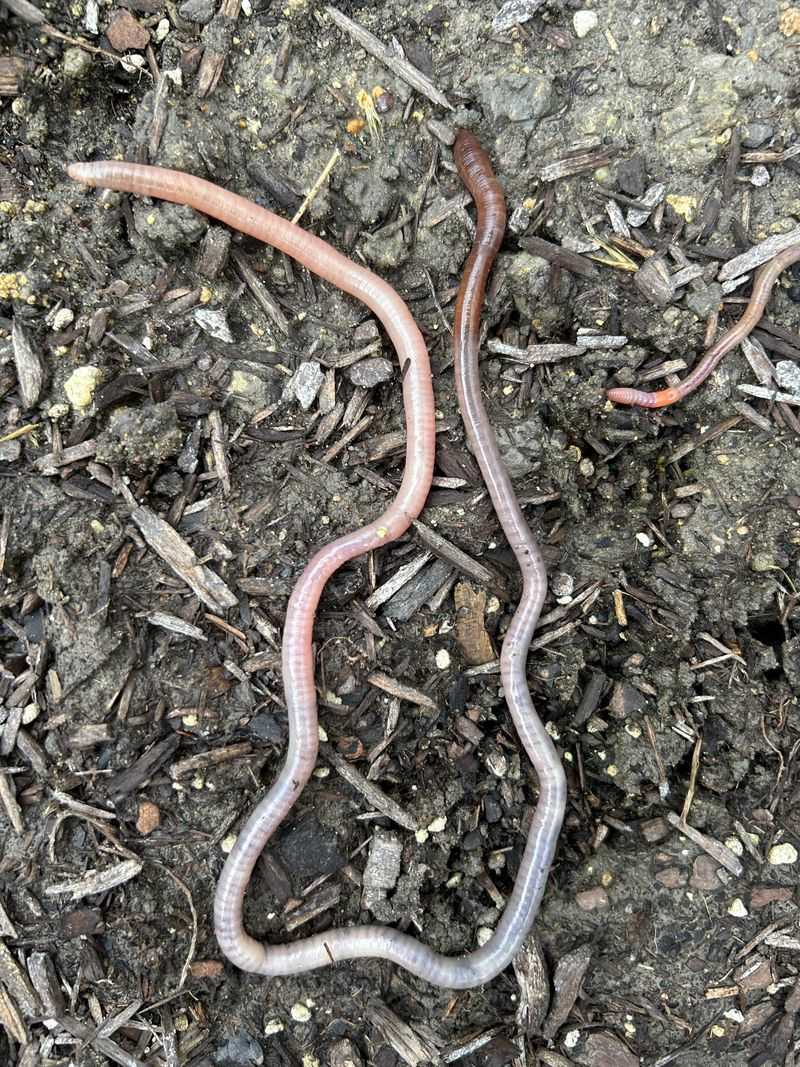
Backyard gardens from the Berkshires to the South Shore are seeing the same troubling pattern. This coffee-ground culprit is spreading fast across the state.
State environmental agencies have confirmed jumping worm sightings in multiple counties. Reports from homeowners, master gardeners, and park rangers keep climbing each year.
Wooded areas near neighborhoods are often the first places these worms appear. From there, they move into lawns, compost piles, and garden beds with ease.
What makes the spread so alarming is how quickly a population grows. A single worm can reproduce without a mate, which is unusual even among worm species.
By late summer, populations peak and adults fade away naturally. But the cocoons they leave behind survive winter and hatch the following spring.
Each new season brings a fresh wave of hungry worms ready to work through your topsoil. The cycle repeats, and each year the damage compounds.
Community gardens and shared green spaces face some of the highest risk. Tools and soil moved between plots can carry cocoons without anyone realizing it.
Awareness across the state is growing, but many homeowners still mistake the signs for other problems. Knowing that this is a statewide pattern helps explain why your neighbor’s yard might look the same.
The issue is not isolated to one zip code or one type of garden. It is a regional challenge that needs a community-wide response.
The Reason They Spread So Easily Between Properties
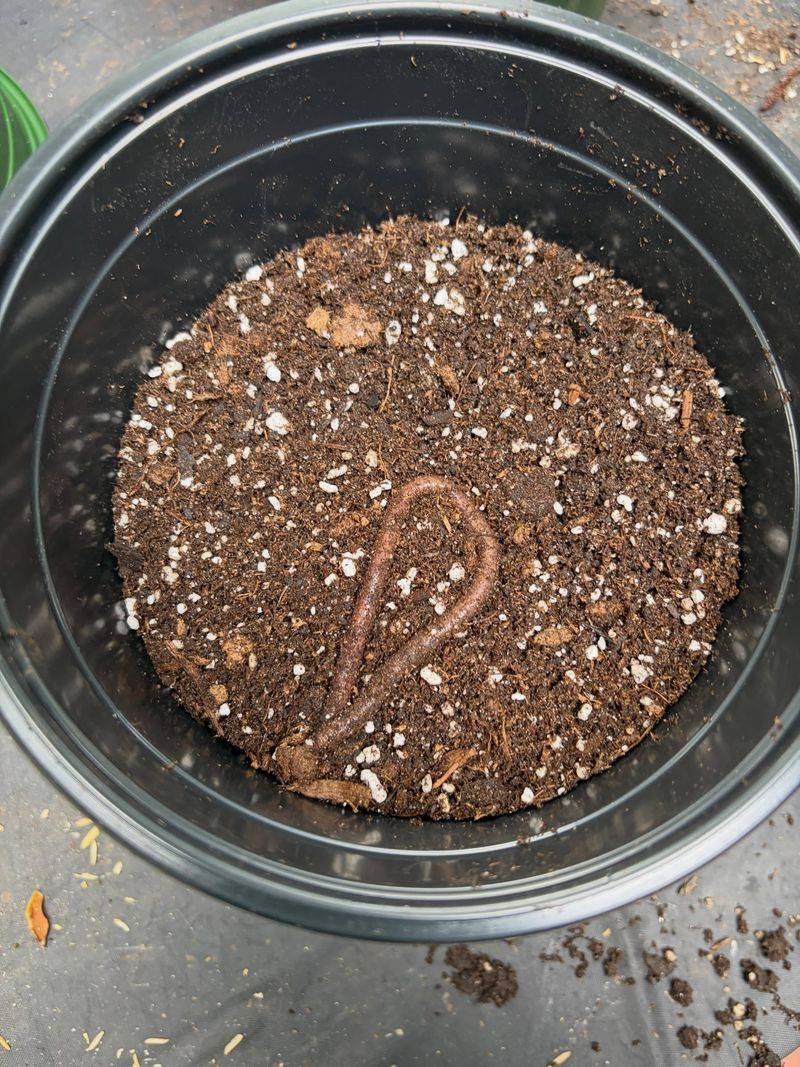
Jumping worms do not need much help getting from one yard to the next. Human activity does most of the work for them.
Sharing plants with neighbors is one of the most common ways cocoons travel between properties. A friendly plant swap can accidentally include worms nobody invited.
Cocoons are tiny, roughly the size of a mustard seed. They blend into soil so perfectly that even careful gardeners miss them.
Mulch is another major carrier. Commercially sold mulch or mulch shared between neighbors can contain cocoons without any visible sign.
Composting jumping worm-infested material also spreads the problem. If infected garden waste goes into a shared bin, the whole compost pile becomes a source.
Garden tools are surprisingly efficient vehicles for cocoon transport. A shovel used in one bed and then moved to another can carry enough cocoons to start a new colony.
Boots and shoes pick up soil too, especially after walking through infested wooded areas. Hikers returning from the trail have unknowingly tracked cocoons into home gardens.
The worms also move on their own, though more slowly. They tend to spread outward from dense populations toward fresh organic matter.
Understanding these pathways is not meant to cause panic. It is meant to help you make smarter choices about what enters and leaves your garden space.
Small habit changes can slow the spread significantly. Clean tools, inspect plant roots, and know where your mulch comes from.
Damage They Cause To Roots And Soil Structure
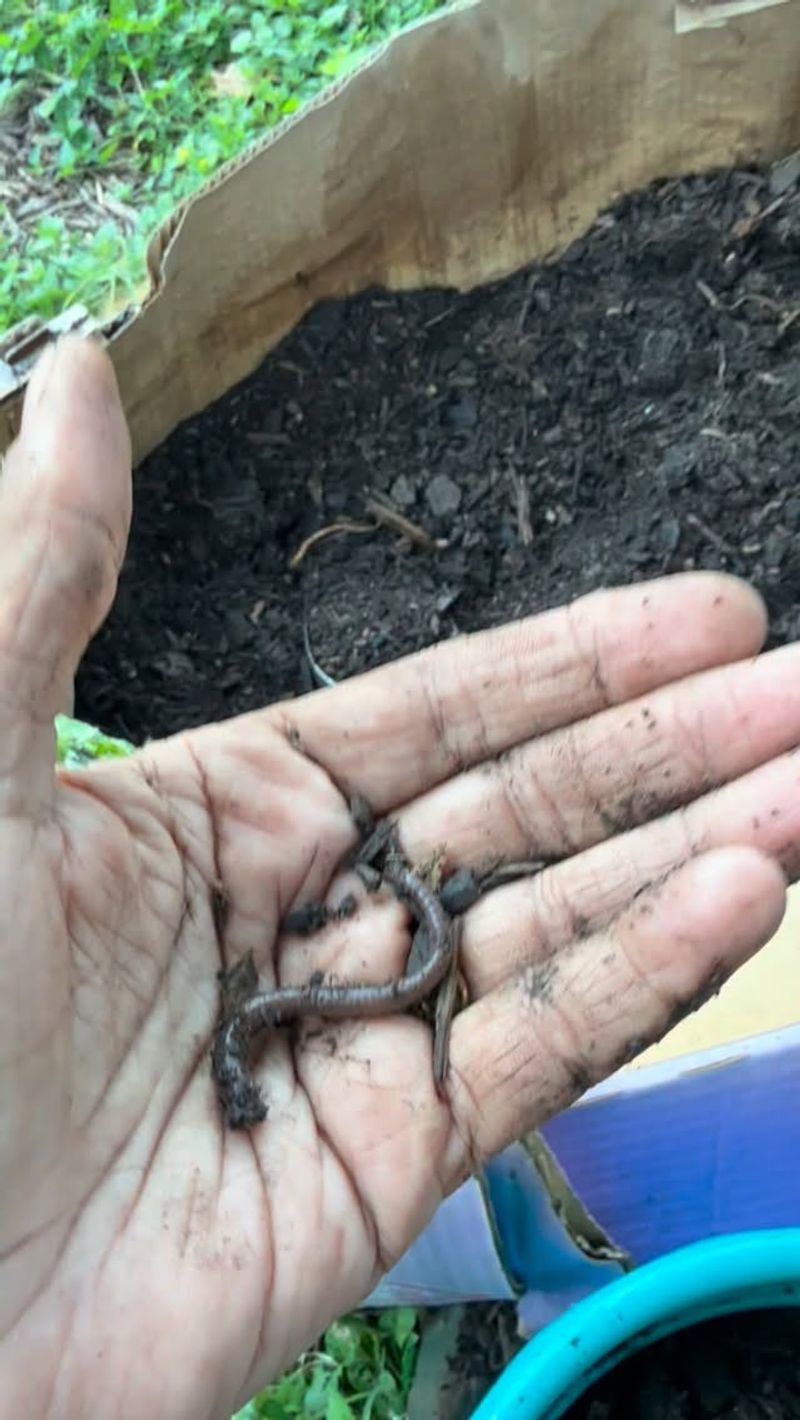
Healthy soil is a living system built over years. Jumping worms can dismantle that system in a single season.
The most immediate damage is to the topsoil layer, which is where most plant roots feed and anchor. Worms consume the organic material that gives topsoil its spongy, rich quality.
Once that layer breaks down into grainy castings, roots have less to grip. Shallow-rooted plants like annuals and vegetables are hit hardest.
Perennials and shrubs suffer too, especially younger plants that have not yet established deep roots. They may wilt, yellow, or fail to thrive even with regular care.
Soil that lacks structure also drains differently. Water moves through too fast in some spots and pools awkwardly in others.
That inconsistent moisture makes it harder to maintain healthy growing conditions. Gardeners often overcompensate by watering more, which rarely solves the underlying problem.
Mycorrhizal fungi, which help plants absorb nutrients, are also disrupted by jumping worm activity. These fungi form networks in the soil that worms physically break apart.
Without those fungal networks, plants absorb less phosphorus and other key nutrients. The result is slow growth and increased vulnerability to stress and disease.
Native ground cover plants in wooded areas face serious pressure too. When topsoil degrades, native seedlings cannot establish, and invasive plants often move in instead.
The chain reaction goes deep, affecting far more than just your flower beds. Healthy soil is the foundation, and protecting it matters.
Steps To Limit Their Spread In Garden Beds
You cannot eliminate jumping worms completely, but you can slow them down. Focused, consistent action makes a real difference over time.
Start by inspecting any new plants before bringing them into your garden. Shake off excess soil from roots and look closely for the telltale coffee-ground texture.
If you spot it, do not plant in that spot without addressing the issue first. Isolate new plants in containers until you are confident they are worm-free.
Solarization is one of the most effective low-chemical methods available. Cover infested soil with clear plastic during the hottest weeks of summer to raise ground temperatures.
Jumping worms and their cocoons cannot survive sustained heat above 104 degrees Fahrenheit. Even a few weeks of solarization can reduce populations noticeably.
Adding fresh compost after treatment helps rebuild the soil structure they damaged. Choose compost that was hot-processed, since high heat destroys cocoons during production.
Avoid moving soil, mulch, or plant material from infested areas to clean parts of your yard. Contain the problem zone as much as possible.
Some gardeners have had success using products containing saponins, like mustard seed powder mixed with water. This irritant flushes worms to the surface for removal by hand.
Report sightings to your local cooperative extension office or state invasive species program. Your data helps researchers track how far this invasive worm has spread.
Every small step adds up to meaningful protection for your garden.