Those Brown Streaks Spreading Across New York Lawns Showed Up Overnight For A Reason
Overnight, your lawn changed color in ragged, random patches. Brown streaks now cut across your grass that was green days ago.
Right now, this same pattern is showing up across yards throughout the state. Nothing about those streaks matches drought or a broken sprinkler.
Dogs are not responsible either, no matter what you assume. A pest is moving through your grass while you sleep. Groups of them travel across your lawn, feeding only after dark.
Damage spreads fast, stripping lawns bare within days. Most homeowners never notice until their grass is already ruined. New York yards like yours are especially exposed this time of year.
Every night without action gives this problem more ground on your lawn. Your lawn either fights back now or faces a slow collapse. Ignore this pattern and there will be nothing left to save.
Fall Armyworms Are Feeding On Your Grass Overnight
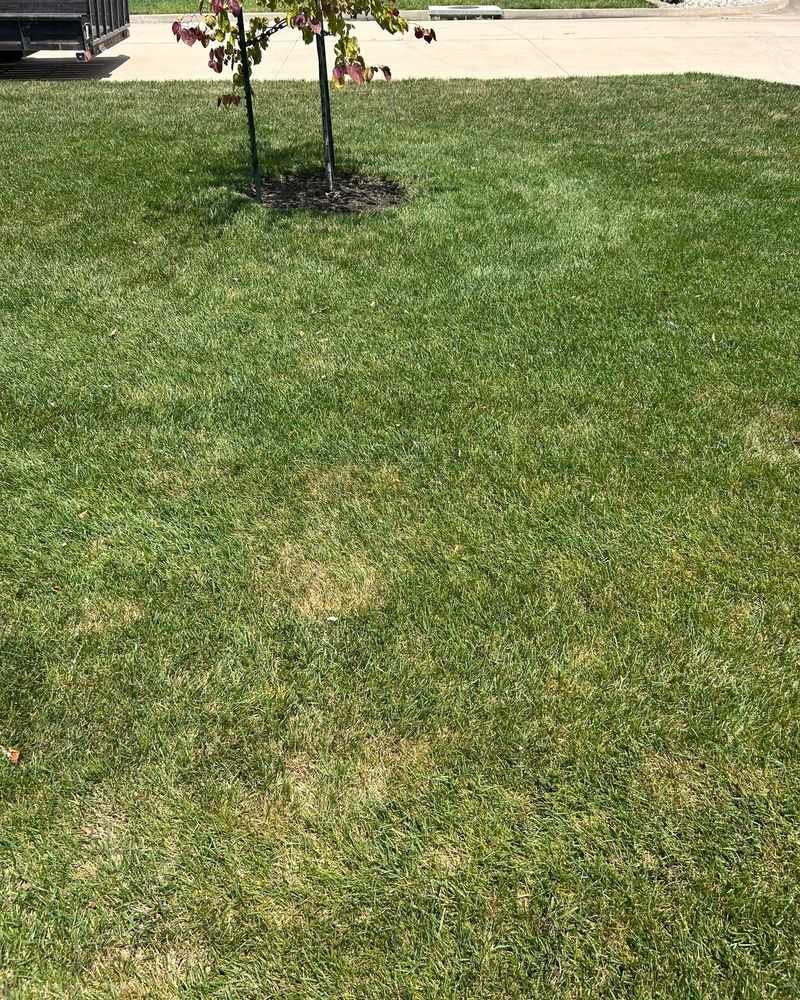
Your lawn looked fine at sunset. By sunrise, it looked like something had erased entire patches of grass in wide, sweeping strokes.
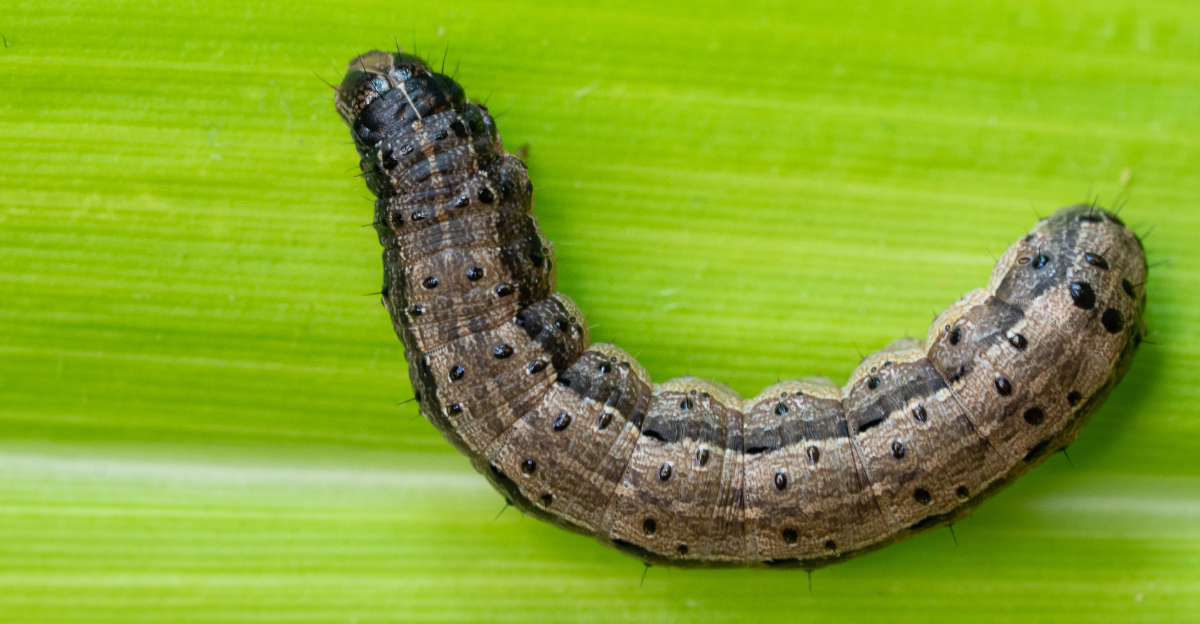
Fall armyworms are the culprits behind those brown streaks spreading across New York lawns. They are not worms at all but caterpillars, the larvae of a moth that migrates north each summer from warmer southern states.
Each caterpillar is about one to two inches long. They have a distinctive inverted Y-shape marking on their head and sport stripes running down their bodies in shades of green, brown, and black.
These insects feed almost entirely at night, which is why so many homeowners miss the early signs. During the day, they burrow into the thatch layer or hide near the soil surface, staying out of sight.
A single female moth can lay hundreds of eggs in her short lifetime. Those eggs hatch within days, releasing hungry larvae that immediately begin chewing grass blades down to the crown.
Bermuda grass, ryegrass, and fescue are their favorites, but they will eat nearly any turfgrass species when hungry enough. A large group can consume a sizable section of lawn in under 72 hours.
The damage looks like drought stress at first glance. Grass turns tan and papery, and pulling on the blades reveals they have been chewed off just above the soil line.
Once you know what you are dealing with, you can stop blaming the weather and start taking real action.
This Pattern Points To Something Other Than Drought
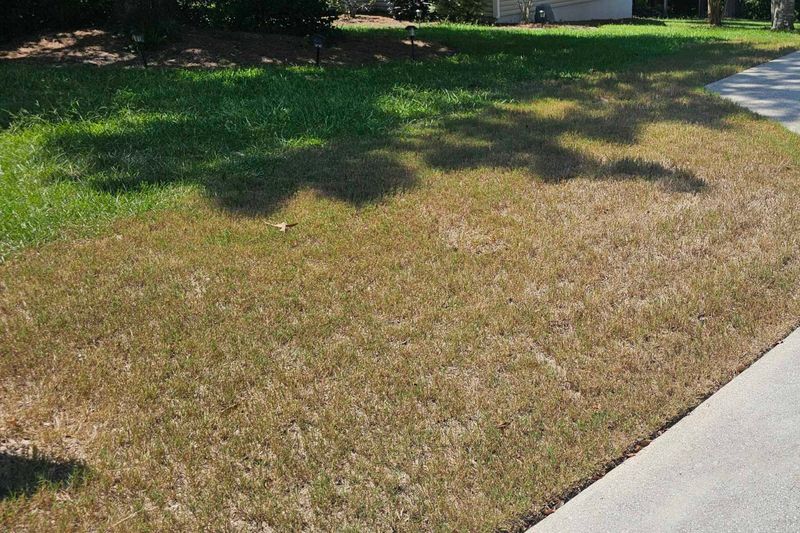
Drought damage spreads slowly and evenly across a lawn. It follows sun exposure patterns and tends to start at the edges of the yard near pavement or concrete.
Armyworm damage looks completely different. Brown streaks appear in ragged, irregular shapes that cut across the middle of a lawn without following any logical pattern related to sun or water access.
One of the biggest clues is the border between brown and green sections. Drought creates gradual fading, but armyworm damage has a sharp, almost clean edge where feeding stopped the night before.
Homeowners often notice that the brown patches seem to move slightly from one day to the next. That is because the feeding front shifts as the group exhausts one area and pushes into fresh grass.
Your New York Garden Changes Every Week. Your Plan Should Too.
Gardening in New York changes quickly throughout the season. Every Friday you’ll receive a simple weekly plan showing exactly what to plant, prune, fertilize, harvest, and protect so you never miss the right timing.
Another sign is the presence of birds. Starlings, robins, and other birds will flock to an infested lawn in large numbers. They are hunting the caterpillars hiding in the thatch below the surface.
Moles and skunks may also begin digging small holes across the lawn. They are after the same food source and their activity is actually a helpful indicator of a serious infestation beneath the surface.
A quick soap flush test can confirm what you are dealing with. Mix two tablespoons of dish soap in a gallon of water and pour it over a two-square-foot area. Within minutes, armyworms will surface to escape the irritant.
Knowing the difference between drought and pests puts you ahead of the problem before it grows any larger.
The Way These Pests Travel And Spread So Quickly
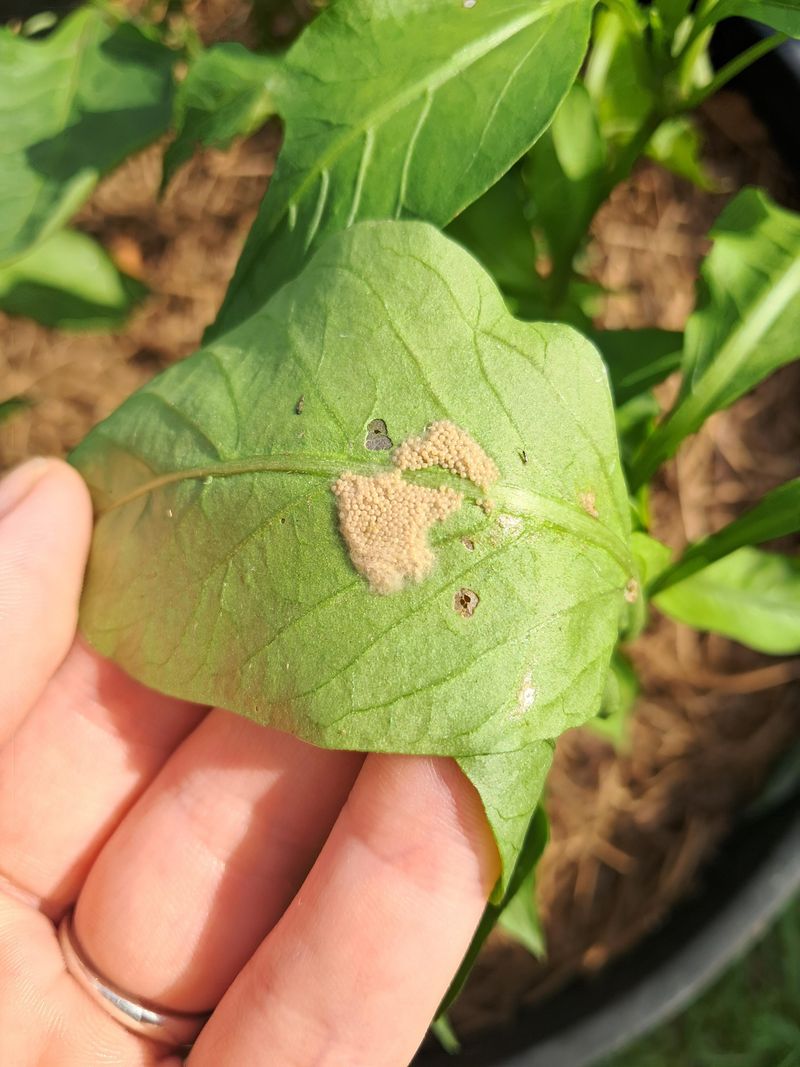
Adult armyworm moths do not walk from yard to yard. They fly hundreds of miles on warm air currents, carried north by late-summer storm systems from the Gulf Coast states.
Female moths land in a lawn, lay egg masses on grass blades or nearby surfaces, and then move on. The eggs are covered in a fuzzy, protective coating that makes them easy to miss during a casual inspection.
Hatching happens fast, sometimes within two to four days of laying depending on temperature. Warm nights in August and September create near-perfect conditions for rapid development across the Northeast.
Young larvae, called instars, stay close together in early stages. As they grow, they begin spreading outward in a wave, which is exactly how those brown streaks get their distinctive elongated shape.
Neighboring lawns are highly vulnerable once one yard is infested. The caterpillars can crawl across driveways, sidewalks, and garden beds to reach fresh feeding grounds within a single night.
Storm activity plays a big role in how bad a season gets. Hurricanes and tropical systems that push through the southeastern states in July and August can help carry larger populations of moths northward within days.
New York experienced exactly this kind of weather pattern in recent late summers, which explains why reports of those brown streaks spreading across lawns spiked so dramatically in such a short window of time.
Speed is their greatest weapon, and understanding it helps you respond before the wave reaches your property line.
Spotting An Infestation Before It Spreads Further
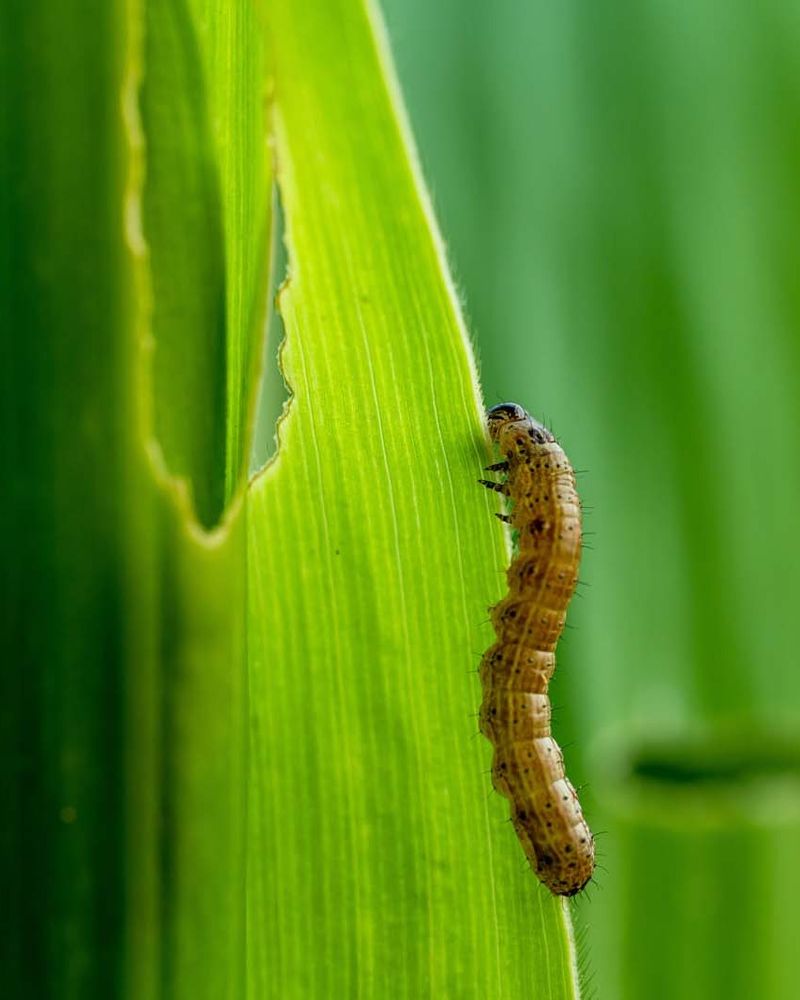
Catching armyworms early is the single most effective thing a homeowner can do. A small group of larvae is far easier to manage than a full-blown infestation covering half the yard.
Start by walking your lawn at dusk or just after dark with a flashlight. Armyworms are active at night and much easier to spot when they are out feeding on exposed grass blades.
During the day, check the thatch layer by pulling back sections of grass near the edge of damaged areas. Look for small, striped caterpillars curled up close to the soil surface.
The soap flush method mentioned earlier is one of the most reliable field tests available. Pour the soapy water mixture into the brown-green border zone, since that is where active feeding is happening.
Check your grass for ragged, chewed tips rather than clean cuts. Armyworms tear rather than slice, leaving a shredded appearance on individual blades that distinguishes their damage from mower or tool injuries.
Look for tiny, circular egg masses on grass blades, fence posts, or the undersides of leaves near the lawn. They look like small white or tan fuzzy clusters and signal that a new generation is about to hatch.
Monitoring the situation daily matters a great deal. A patch that covers a small section of lawn one day can expand dramatically within just a few days if feeding continues unchecked.
Catching the problem early keeps the recovery process simple and far less expensive for everyone involved.
Treatment Steps That Stop Them From Spreading Further
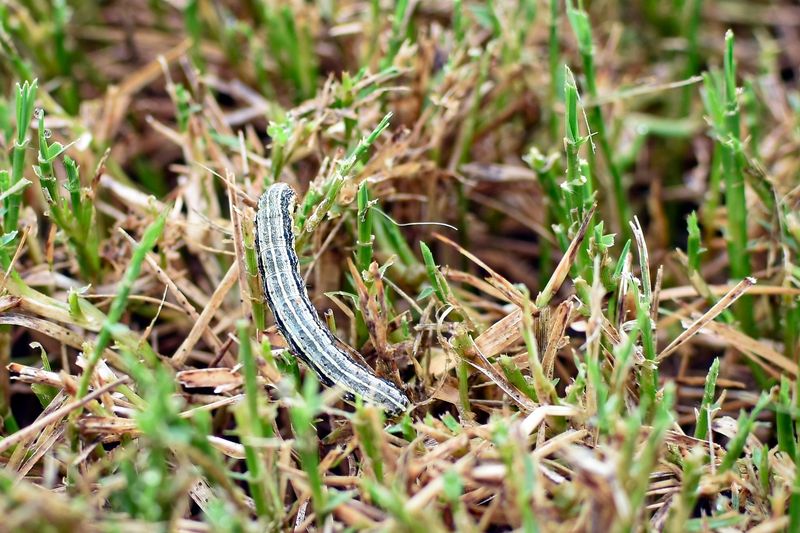
Acting fast is everything with armyworms. Waiting even two or three days after spotting damage can mean losing significantly more of your lawn to active feeding.
Spinosad-based insecticides are a popular choice among homeowners who prefer a lower-impact option. Spinosad is derived from naturally occurring soil bacteria and is approved for organic gardening, though it works best on young larvae.
Pyrethroid insecticides, such as bifenthrin or lambda-cyhalothrin, work quickly on larger caterpillars. Apply them in the late afternoon so the product is in place when feeding begins after sunset.
Granular formulations can be spread with a standard lawn spreader. Liquid sprays offer faster knockdown but require even coverage across the entire affected zone and its surrounding buffer area.
Treat a few feet beyond the visible damage line as well. The leading edge of the infestation extends past what your eyes can see, and skipping that buffer means the larvae simply continue feeding from there.
Avoid watering for at least 24 hours after applying a liquid treatment. Rain or irrigation can wash the product off the grass before it has time to absorb and work effectively against the feeding population.
Repeat applications may be necessary if egg masses are still present. New hatches can begin within days of the first treatment, so checking back after a week is a smart part of any control plan.
Treating those brown streaks spreading across your lawn promptly gives the grass its best shot at bouncing back strong.
Recovery Steps For Lawns Already Affected
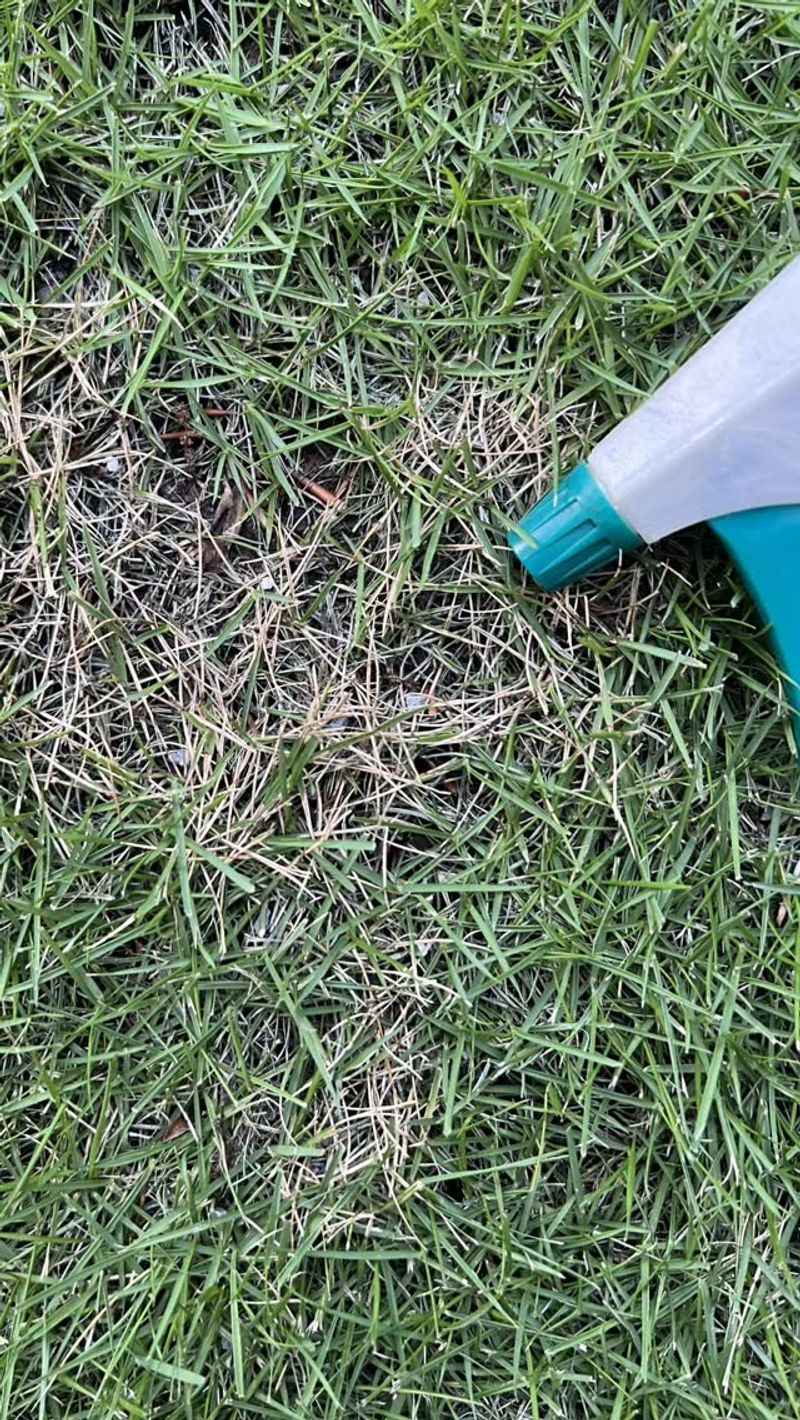
Seeing brown patches across your lawn feels discouraging, but what works in your favor is that healthy grass roots often survive armyworm attacks. The caterpillars chew the blades, not the root system below.
Start recovery by watering deeply and consistently. Grass that still has an intact root system will push up new growth within one to two weeks when given proper moisture and mild temperatures.
Apply a balanced fertilizer with nitrogen to support new blade growth. Choose a slow-release formula so the nutrients stay available over several weeks rather than washing away after one heavy rain.
Avoid mowing the damaged areas aggressively right after treatment. Keeping the mower deck higher than usual lets the recovering grass focus energy on growing new blades rather than healing cut tips.
Overseeding bare patches is often necessary when the damage was severe. Use a grass seed blend appropriate for your yard’s sun and shade conditions, and keep the seeded area moist until germination occurs.
Fall is actually a great time to overseed cool-season grasses like fescue and ryegrass. Cooler soil temperatures and more frequent rain in September and October create favorable conditions for fast, healthy establishment.
Topdressing with a thin layer of compost over seeded areas can improve germination rates noticeably. The compost holds moisture, moderates soil temperature, and adds nutrients all at once without smothering new seedlings.
This kind of damage does not have to be permanent when you follow a steady, patient recovery plan.