Common Mistakes North Carolina Gardeners Make When Planting Blueberries In Fall
Fall feels like a reasonable time to plant blueberries, and plenty of North Carolina gardeners jump in without a second thought about specific requirements.
But several avoidable mistakes trip up even experienced gardeners during this exact planting window, setting bushes up for struggles that don’t show up until much later.
These missteps often seem harmless at the time, which is exactly why they catch so many people off guard. Understanding what typically goes wrong now could save you years of wondering why your blueberry bushes never quite thrive the way they should.
Some of these mistakes trace back to assumptions that work fine for other plants but backfire specifically with blueberries.
Once you know what to avoid, fall planting becomes a much more reliable path toward a strong, productive bush. A little extra care now prevents a lot of frustration later.
1. Planting Bare Roots In The Wrong Region
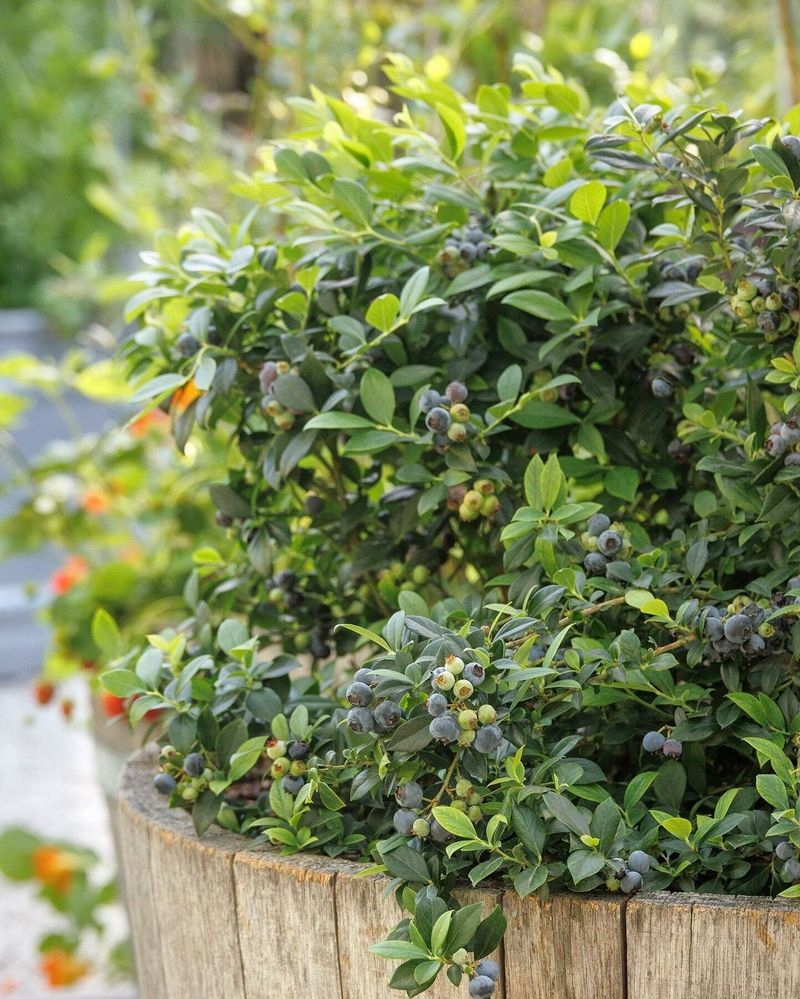
Timing trips up a lot of new blueberry growers, and it often starts with the type of plant you bring home. Potted blueberries are the safer pick for fall planting across most of North Carolina.
Their roots are already tucked into soil, so they handle the move with far less stress.
Bare root plants are a different story. They arrive with no soil around the roots, which leaves them exposed and fragy during the cooler months.
When you set them out in fall, the cold, wet ground can make it hard for those naked roots to settle in and grow.
Most experts suggest planting bare root blueberries in late winter instead, usually around February. By then the worst chill has passed, and the plant can wake up and push new roots just before spring arrives.
That timing gives bare root stock a much better shot. If you have your heart set on fall planting, go with container-grown bushes. They give you flexibility and a gentler start, since you can plant them without disturbing the roots much at all.
Before you buy, ask the nursery whether the plant is potted or bare root, and plan your calendar around it. A quick question saves you from a slow, struggling bush later.
Matching the plant type to the season is one of the easiest wins in the whole process. Get this step right, and everything else you do will build on a healthier, happier start.
2. Skipping The Soil Test
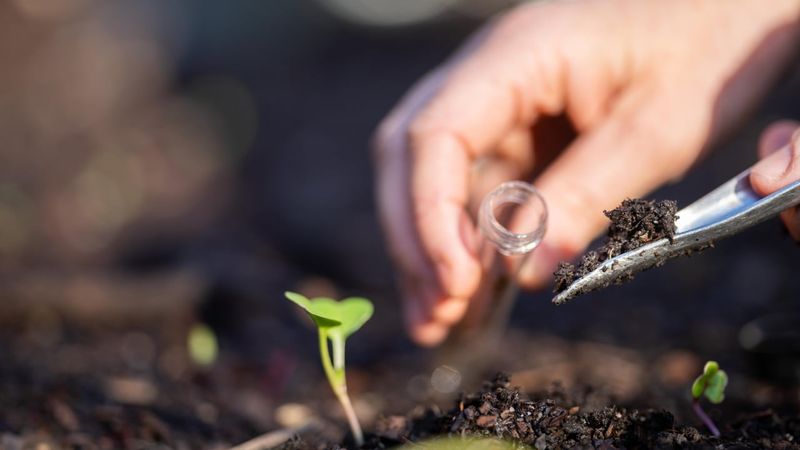
Blueberries are famous for being fussy about one thing above all: soil acidity. They thrive when the pH sits somewhere around 4.5 to 5.5, which is far more sour than most garden soil.
Skipping a soil test means you are basically guessing, and blueberries do not forgive guesswork.
When the soil is not acidic enough, the plant struggles to pull in iron and other nutrients it needs. The leaves turn yellow, growth stalls, and berries never really show up in the numbers you hoped for.
All that effort goes to waste over a problem you could have caught early.
A simple soil test clears up the mystery. You can grab an inexpensive kit at a garden center, or send a sample to the North Carolina Department of Agriculture, which offers testing to help local gardeners. The report tells you exactly where your pH stands.
Your North Carolina Garden Changes Every Week. Your Plan Should Too.
Gardening in North Carolina changes quickly throughout the season. Every Friday you’ll receive a simple weekly plan showing exactly what to plant, prune, fertilize, harvest, and protect so you never miss the right timing.
Once you know your number, you can adjust before planting rather than scrambling afterward. Adding elemental sulfur is a common way to lower pH, but it works slowly, so testing months ahead of planting gives you time to fix things.
Retesting every year or two keeps you on track, since soil naturally shifts over time. Rain, water, and old fertilizer can all nudge your pH in the wrong direction.
Think of a soil test as a quick health checkup for your future bushes. A few minutes and a small cost now can save you a whole season of frustration and disappointing harvests down the road.
3. Choosing A Soggy Spot
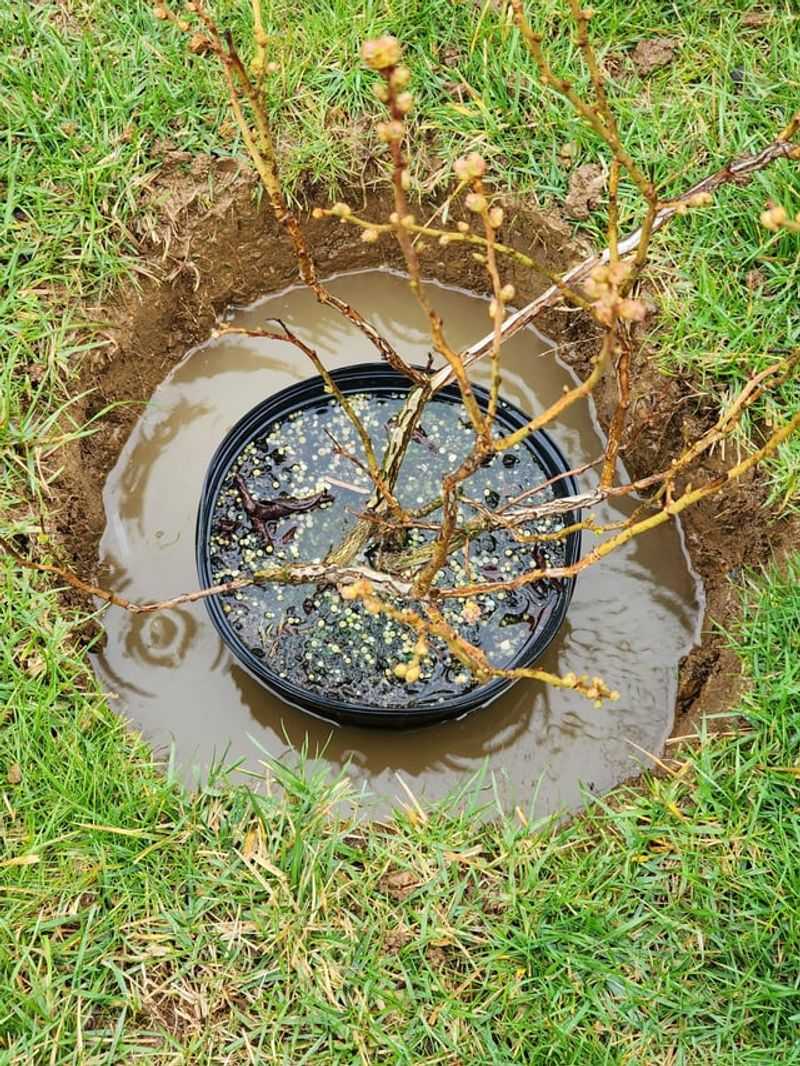
Water is a strange thing for blueberries. They love steady moisture, yet they cannot stand having their feet parked in a puddle.
Roots that sit in standing water for long stretches begin to rot, and a rotting root system spells trouble for the whole bush.
Many yards have low corners where rain collects after a storm. Those spots might look convenient, but they are risky homes for blueberries.
If you notice water pooling for hours after it rains, that area is waving a red flag. Good drainage is the goal. You want soil that stays damp but lets extra water slip away instead of hanging around.
A gentle slope or a naturally sandy loam works beautifully for this. If your only open space tends to stay wet, raised beds come to the rescue. Building up the planting area even eight to twelve inches lifts the roots above the soggy zone and keeps them breathing.
Mixing in pine bark also helps water move through. You can test a spot easily. Dig a hole about a foot deep, fill it with water, and watch how fast it drains. If it empties within a few hours, you are in good shape.
Picking the right location from the start saves you endless headaches. Blueberries reward a well-drained, sunny home with strong growth and generous fruit, so take a little time to scout your yard before you dig that first hole.
4. Picking The Wrong Blueberry
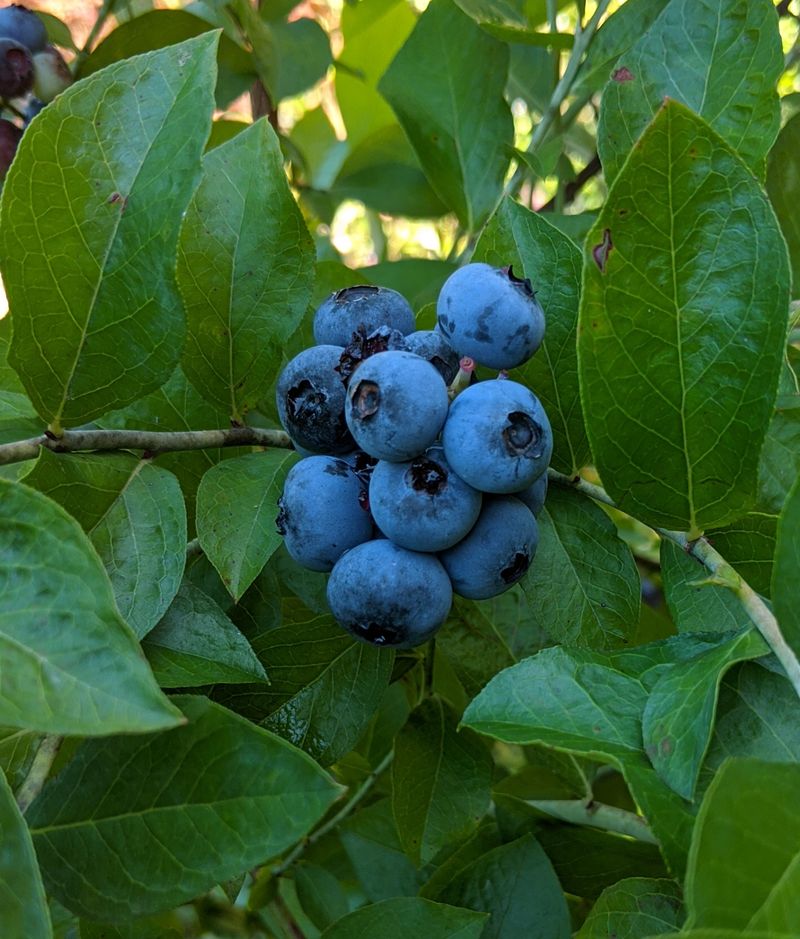
Not every blueberry belongs in every part of North Carolina, and choosing the wrong type is a mistake that shows up season after season. The state has warm lowlands and chilly mountains, and different berries suit each.
Rabbiteye blueberries are the champions of the Piedmont and Coastal Plain. They handle heat well, shrug off many pests, and grow into large, productive bushes.
For most gardeners in the central and eastern parts of the state, rabbiteye is the easygoing, reliable choice.
Up in the cooler mountain areas, the story changes. Rabbiteye types need long, warm summers to ripen fully, and the high country simply does not offer that. Highbush blueberries step in as the better fit there.
Highbush varieties handle cold winters and need more chill hours to fruit well, which the mountains provide naturally. Planting them where winters bite makes far more sense than forcing a heat-loving rabbiteye to tough it out.
Matching the plant to your elevation is really about giving it the climate it was built for. A bush grown in the wrong zone will limp along, produce little, and leave you wondering what went wrong.
Before buying, check which region you live in and ask your local extension office for cultivar suggestions. They know which varieties shine in your specific county.
Getting this choice right feels like matchmaking for your garden. When the berry fits the place, the plant relaxes into its surroundings and pays you back with buckets of fruit for many years to come.
5. Planting Just One Variety
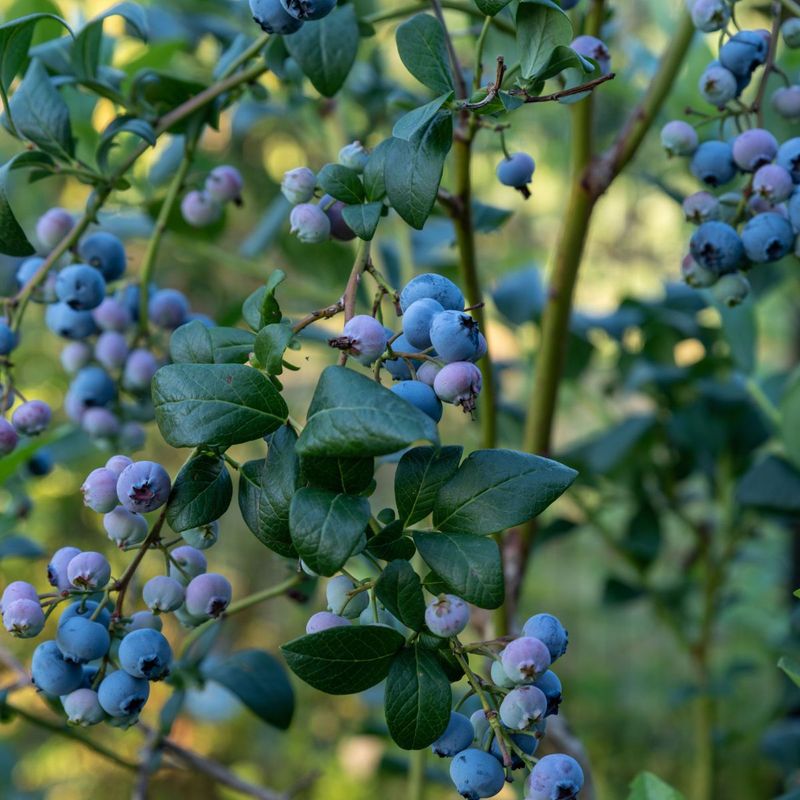
One lonely blueberry bush might survive just fine, but it will rarely give you the harvest you dream about. Many blueberries, especially rabbiteye types, need a partner to produce well. This is where a lot of first-timers get surprised.
The secret is cross-pollination. When two different but compatible varieties bloom at the same time, bees carry pollen between them, and that swap leads to bigger, more plentiful berries.
A single variety on its own often sets far less fruit. The trick is choosing cultivars that flower together. If one bush blooms early and another blooms late, their timing misses, and the bees cannot connect them.
Planting two mid-season varieties, for example, keeps their blossoms open at the same moment.
You do not need a whole orchard to pull this off. Just two or three matching varieties planted near each other create plenty of pollen traffic. Placing them within a short distance makes the bees’ job easy.
Fruit quality gets a boost too. Cross-pollinated berries often grow larger and sweeter, and they may ripen a little sooner. That is a nice bonus for simply adding a companion plant.
When you shop, ask which varieties pair well and share a bloom window. Nurseries and extension guides list these matches to make planning simple.
Giving your blueberries a compatible neighbor turns a modest bush into a fruit machine. It is one of the easiest ways to double your reward with barely any extra effort on your part.
6. Burying The Plant Too Deep
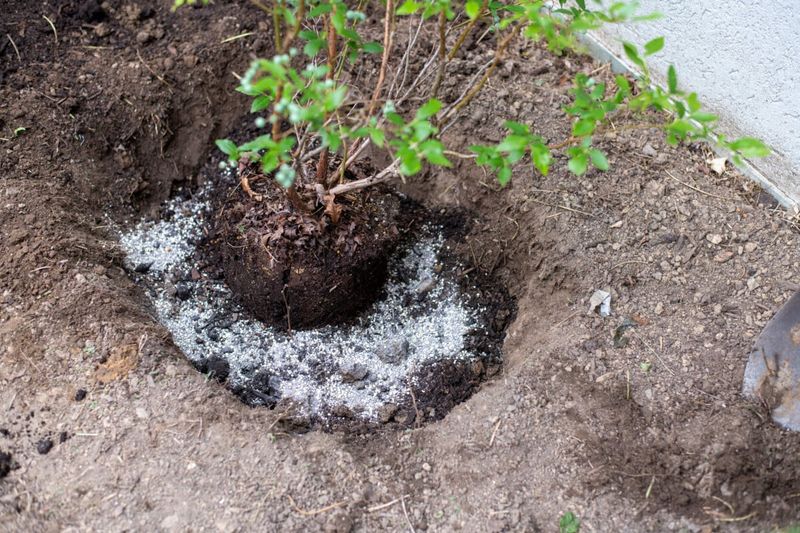
Depth might seem like a tiny detail, yet it can make or break a young blueberry. Planting too deep smothers the roots and buries part of the stem that was never meant to sit underground.
The plant then struggles to breathe and take up water. Blueberries have shallow, fibrous root systems that like to stay near the surface. The goal is to set the plant at about the same depth it grew in its nursery pot.
That original soil line is your best guide. When you slide the plant from its container, look for where the roots meet the stem. Keep that spot right at or just barely above your finished soil level. Aim to avoid piling extra dirt up around the trunk.
Raised beds add a little twist. Because the loose soil in a raised bed settles over time, planting slightly high helps, so the plant does not sink too low once everything settles down.
A small mound is safer than a deep pocket. Firm the soil gently around the root ball to remove big air gaps, but resist the urge to press it down hard. Blueberry roots like loose, airy ground they can spread through easily.
A layer of mulch on top helps hold moisture without burying the crown. Just keep the mulch pulled back an inch or two from the main stem.
Get the depth right, and your bush settles in comfortably, ready to root out and grow instead of gasping for air below the surface.
7. Stuffing Compost Into The Hole
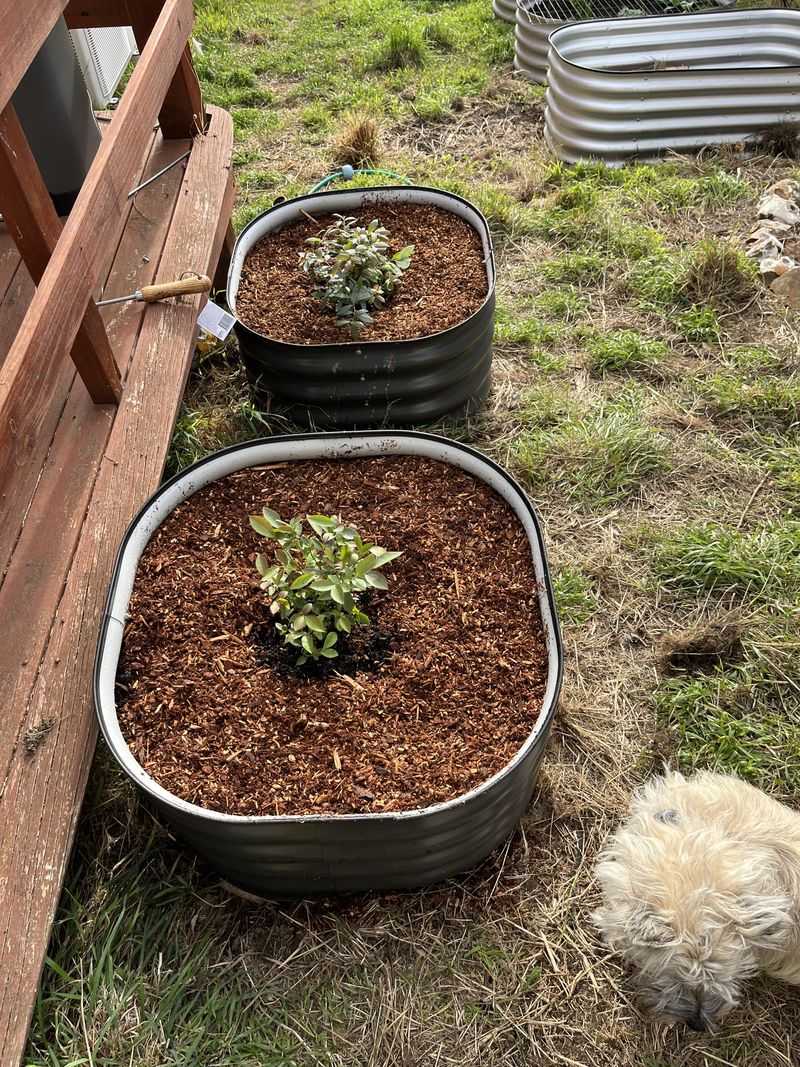
It feels helpful to dump a big scoop of rich compost right into the planting hole, but for blueberries that kindness can backfire. A pocket of pure compost or organic matter around the roots creates problems you cannot see at first.
Here is the issue. When you fill a hole with fluffy, rich material surrounded by plain garden soil, water behaves oddly.
It either pools in that spongy pocket or refuses to move between the two soil types, leaving roots either soggy or bone dry.
Those trapped roots also tend to circle inside the cozy pocket instead of reaching out. A plant that never stretches its roots into the wider bed stays weak and easy to topple.
The smarter move is to improve the whole planting area rather than one small hole. Mix pine bark, peat, or other amendments across a broad bed so the texture stays consistent everywhere the roots travel.
Pine bark is a favorite for blueberries because it holds moisture, drains well, and nudges the soil toward the acidity they love. Blending it into a wide zone gives roots a steady, welcoming path to follow.
If your native soil is really tough, widen the bed instead of digging deeper. A shallow, spread-out improved area beats a narrow, rich trap every time.
Think of it as building a comfortable neighborhood rather than a single fancy room. When the whole bed feels good, roots wander freely, and your blueberry grows sturdy and secure from its very first season.
8. Fertilizing Right Away
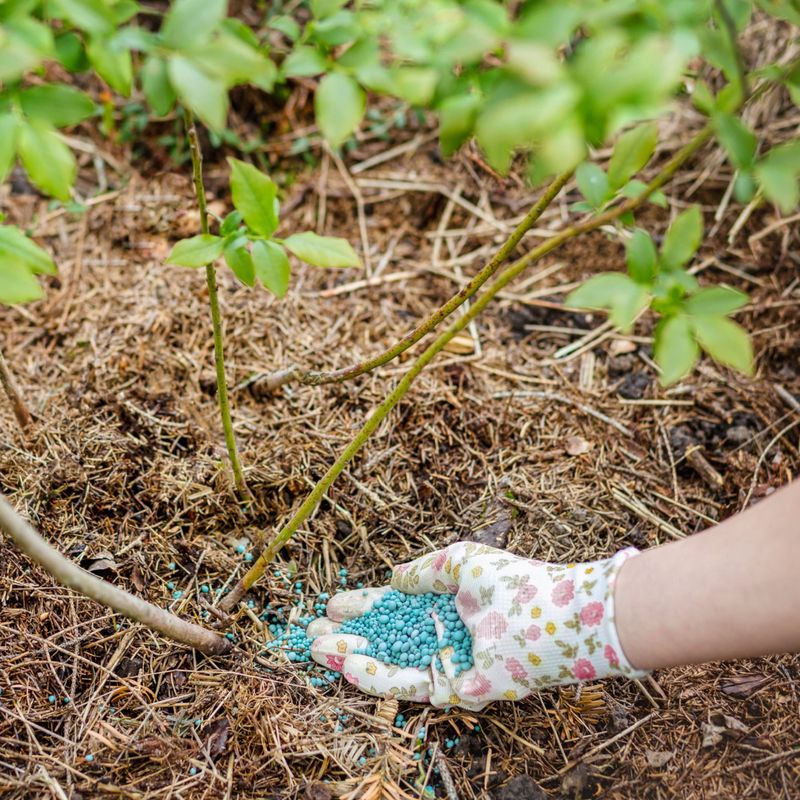
Excitement runs high after planting, and many gardeners want to feed their new blueberry immediately to give it a boost. Holding off is actually the wiser choice. Fresh roots are tender, and fertilizer applied too soon can burn them.
A newly planted bush needs time to settle before it can handle a meal. Its roots have to knit into the surrounding soil and start drinking water reliably first. Piling on nutrients before that happens stresses the plant instead of helping it.
For a fall planting, patience pays off. Let the bush rest through the cooler months and wake up in spring before you think about feeding. That first gentle round of nutrients lands much better once new growth appears.
Blueberries are also sensitive to certain fertilizers, so guessing can do harm. This is where your soil test comes back into play. The results show what your soil already has and what it might be missing.
Following those results keeps you from overloading the bed. Blueberries prefer light, steady feeding with the right kind of acid-friendly fertilizer rather than a heavy dose all at once.
When the time comes, spread the fertilizer around the plant instead of dumping it against the stem. Keeping it a few inches away protects the crown and the shallow roots.
Slowing down at the start builds a stronger future. A bush that eases in, roots out, and then gets fed on a smart schedule grows into a reliable producer that keeps giving berries year after year.