What It Really Means When Bark Dust Stops Holding Moisture In Oregon Beds
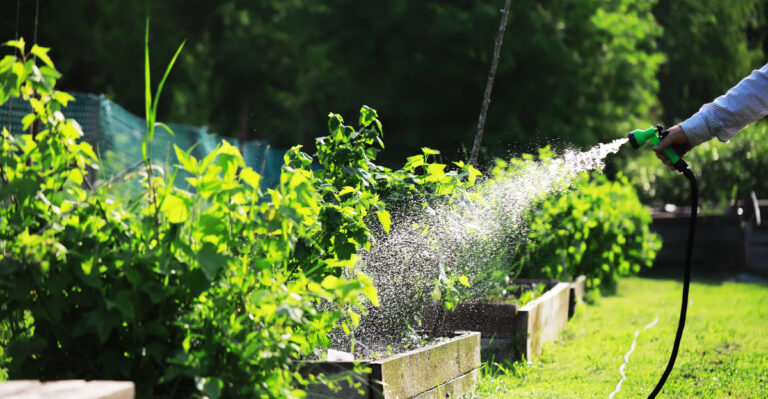
You water your garden beds and walk away feeling accomplished. Return an hour later, and the soil sits bone dry. Oregon gardeners run into this pattern more often than they realize.
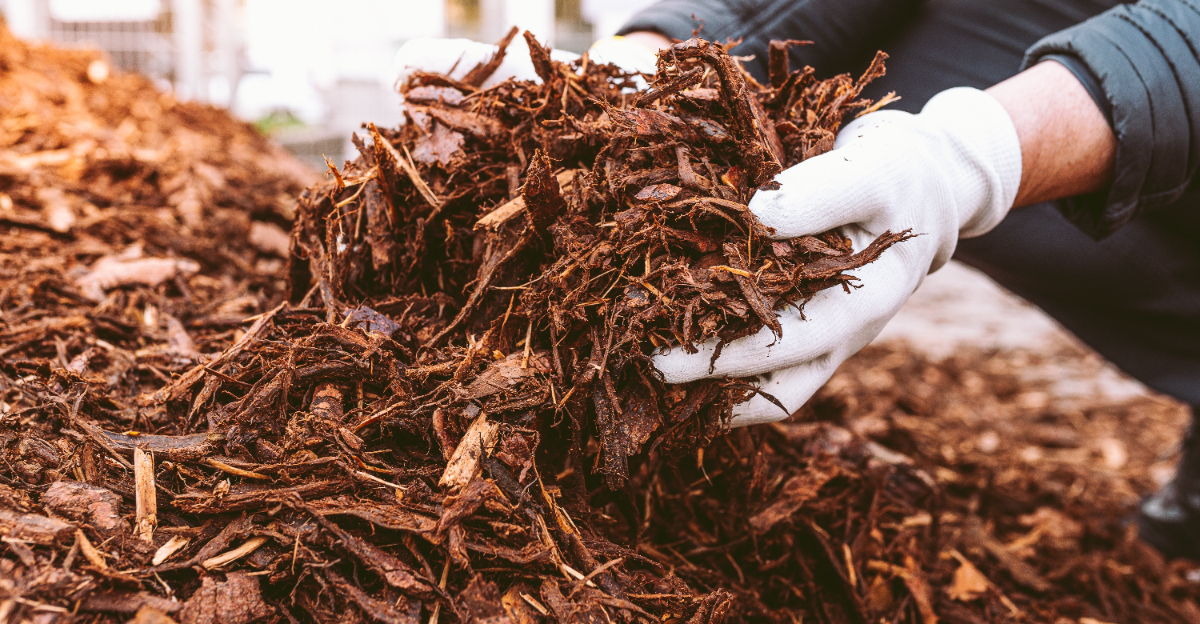
Bark dust looks harmless, yet it steals water fast. Fresh mulch absorbs moisture before your roots ever taste it. Older layers compact and shed water instead of holding it. Neither version protects your plants during a dry spell.
Roots suffer quietly while you assume rain or hoses helped. Nitrogen gets pulled from your soil as the bark breaks down. Summers across Oregon speed up that breakdown even faster.
Gardeners blame heat first, but mulch hides the real problem. Every dry patch tells a different story about what happened underneath. Small shifts in timing or depth change everything for your plants.
Broken Down Fibers Leave Roots With Nothing To Drink
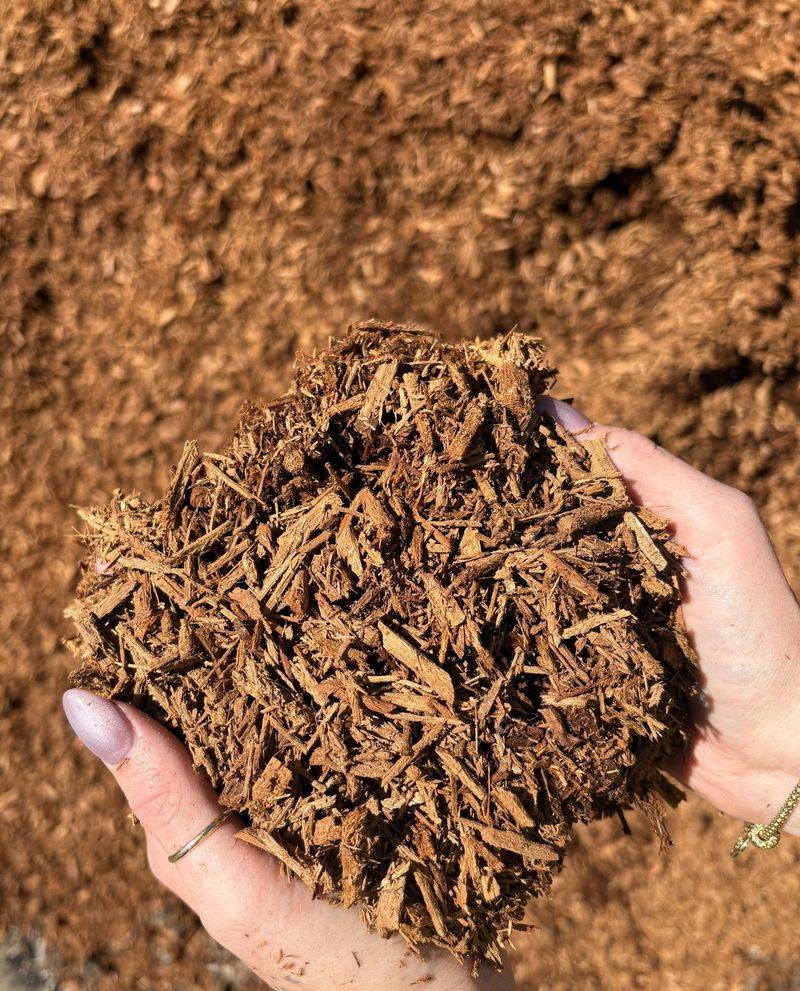
Fresh bark dust works like a sponge at first. It pulls in water and releases it slowly toward hungry roots below.
That sponge quality fades fast under sun and rain exposure. Wood fibers break down season after season until nothing holds together anymore.
Once the structure collapses, water has nothing left to cling to. It moves straight through the layer or runs off the surface instead.
Compressed mulch starts acting more like a lid than a filter. Moisture hits the top and disappears before roots ever get a taste.
Gardeners often blame their watering schedule first when plants start struggling. The real culprit is usually sitting quietly on top of the soil.
This shift happens gradually, which makes it easy to miss entirely. By the time beds look dry, the mulch has been failing for weeks.
Fiber breakdown speeds up during long stretches of Oregon summer heat. Warm, dry air pulls moisture out of both the mulch and the ground.
Watering more often will not fix a structural problem underneath. The fix has to start with the material itself, not the hose.
Microbial activity also plays a quiet role in breaking fibers down. Bacteria and fungi feed on organic material, weakening its structure over time.
Older mulch layers lose density as decomposition progresses beneath the surface. That hidden thinning often goes unnoticed until watering results stop improving anything.
Signs Your Bark Dust Has Broken Down
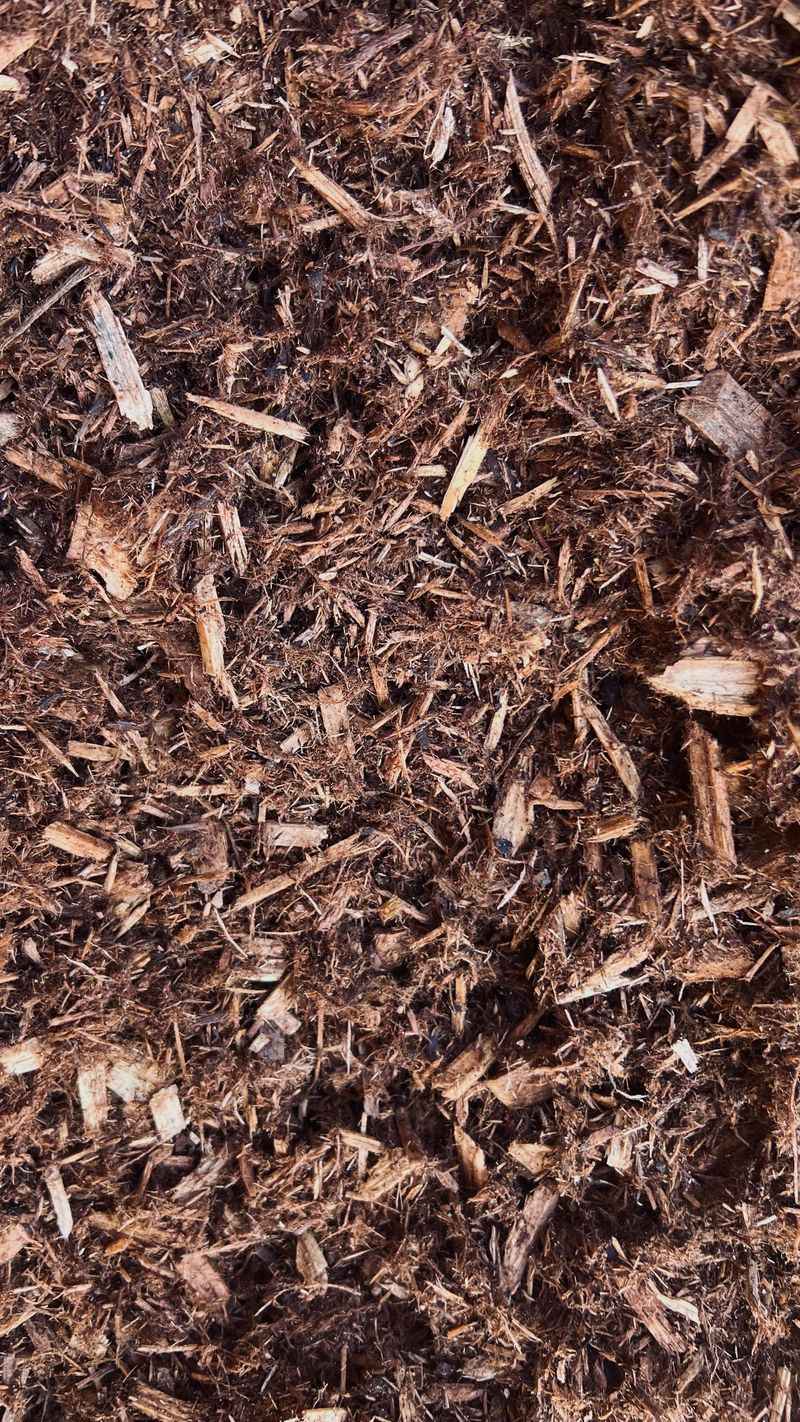
Old mulch sends clear signals long before plants start struggling visibly. Grayish color and a dusty texture are the biggest early warnings.
Thin, patchy coverage means the layer has lost most of its bulk. Water rolls off instead of soaking into the ground beneath it.
Crumbling bark dust has lost its internal fiber structure completely by then. Once that happens, its water-holding job is essentially finished for good.
A quick squeeze test reveals a lot about mulch condition instantly. Fresh material holds shape, while broken-down mulch falls apart in your hand.
Color shifts from rich brown to pale gray happen gradually over months. That fading is one of the clearest visual clues available to gardeners.
Compaction shows up as a hardened surface that resists a light rake. Healthy mulch stays loose and springs back after light pressure.
Your Oregon Garden Changes Every Week. Your Plan Should Too.
Gardening in Oregon changes quickly throughout the season. Every Friday you’ll receive a simple weekly plan showing exactly what to plant, prune, fertilize, harvest, and protect so you never miss the right timing.
Catching these signs early saves plants from unnecessary stress and setbacks. Waiting too long lets root damage build up without any warning.
Checking mulch condition every few weeks catches problems before they spread. A short inspection now prevents a much bigger fix later.
A musty smell rising from mulch often signals excess moisture trapped below. That trapped dampness can point to compaction rather than healthy retention.
Weeds pushing through easily suggest the protective layer has thinned considerably. A functioning mulch bed normally blocks most weed growth on its own.
Common Causes Behind Reduced Moisture Retention
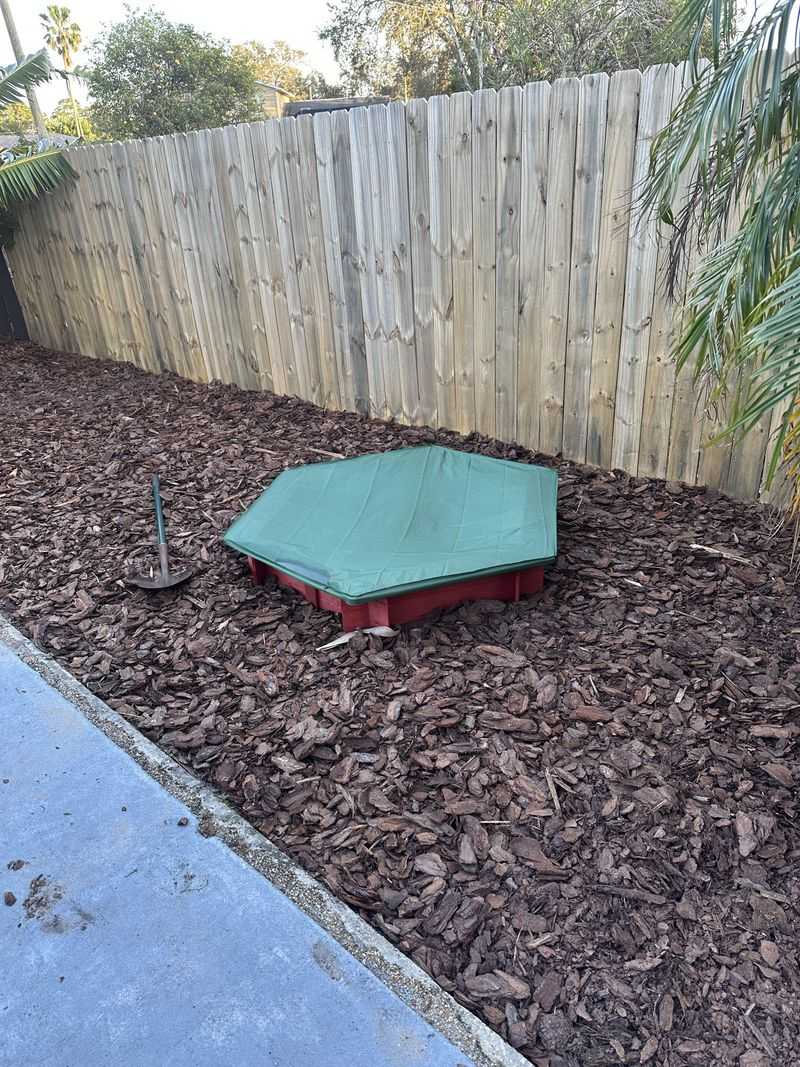
Heavy rain, intense heat, and foot traffic all wear mulch down steadily. Each factor attacks the material in its own distinct way.
Rain compacts bark dust over time, pressing fibers tightly together. Heat then bakes out whatever moisture-holding ability still remains in the layer.
Foot traffic crushes the small air pockets mulch depends on daily. Those pockets normally keep the layer fluffy, loose, and absorbent.
Beds near walkways or high-traffic yard areas break down noticeably faster. Redirecting foot traffic away from those spots extends mulch life considerably.
Wind also plays a quiet role by drying out exposed surface layers. Thin mulch loses moisture to air movement just as easily as heat.
Poor drainage underneath can trap water and speed up decomposition unexpectedly. Soggy conditions break down organic material faster than dry, stable ground.
Knowing these causes helps gardeners plan ahead for the next season. Small adjustments in bed care prevent most of this damage entirely.
Combining several of these factors accelerates breakdown far beyond any single cause. Oregon beds often face rain and heat in the same season.
Slope and drainage direction influence how evenly mulch wears across a bed. Beds on an incline often lose material and moisture unevenly over time.
Repeated freeze and thaw cycles during colder months also stress mulch fibers. That temperature swing weakens structure well before spring planting begins.
Impact On Root Health And Plant Stress
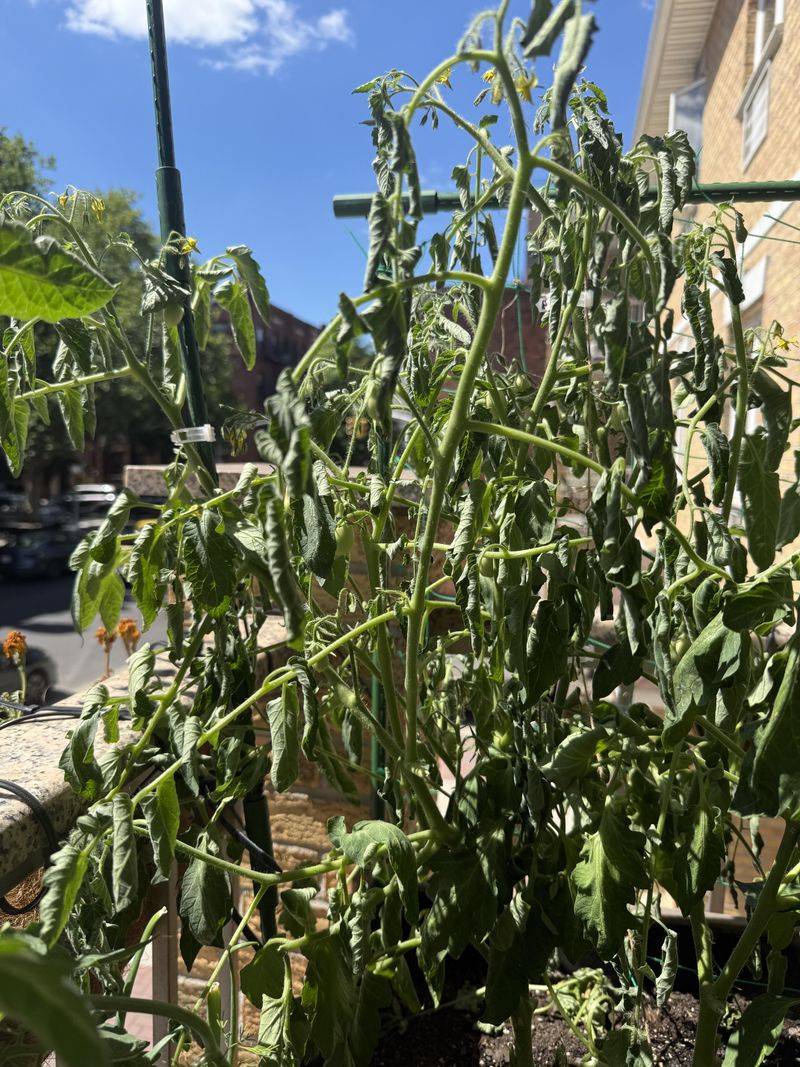
Roots that cannot find steady moisture become stressed within days. Wilting or yellowing leaves are usually the first visible clue above ground.
Dry surface soil pushes roots to grow shallow instead of deep. Shallow roots handle heat and dry spells far worse than deep ones.
This chain reaction starts underground long before anything shows on top. By the time leaves react, roots have already struggled for a while.
Stressed roots absorb nutrients less efficiently, even when fertilizer is applied regularly. Plants can look underfed even in soil that has plenty available.
Repeated moisture swings weaken root systems over time, not just once. Plants become more vulnerable to pests and disease during these stretches.
Consistent moisture supports steady growth instead of stop-and-start stress cycles. Even watering schedules cannot fix inconsistent moisture at the root zone.
Protecting root health means keeping mulch functional throughout the growing season. Healthy roots build the foundation for every strong, resilient garden bed.
Oregon’s shifting rainfall patterns make root stress more likely without proper mulch support. Consistent coverage matters more here than in steadier climates.
Young plants and new transplants feel moisture stress faster than established ones. Their smaller root systems have far less reserve to draw from.
Recovery from repeated stress takes longer than most gardeners expect at first. Prevention through steady mulch care beats correcting damage after it appears.
Refreshing Or Replacing Bark Dust Correctly
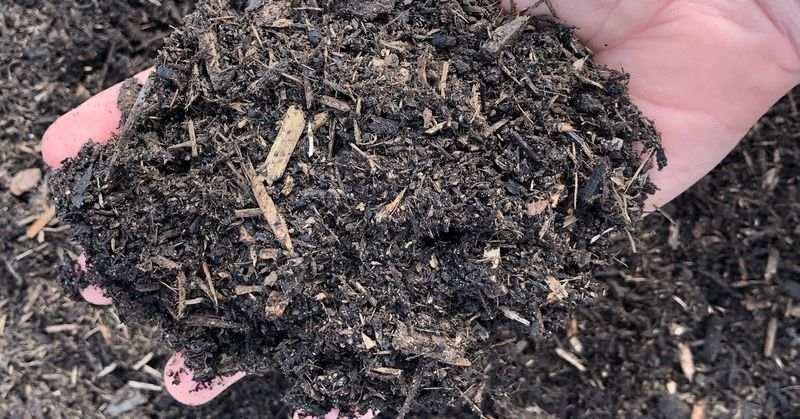
Piling fresh bark dust over an old, compacted layer rarely helps much. Loosening or removing the tired material first makes a real difference.
A depth of two to three inches works best for most garden beds. Thinner layers dry out fast, and thicker ones block water entirely.
Raking the old layer breaks up compaction and restores some airflow underneath. This step alone can improve moisture flow before new mulch even goes down.
Timing matters just as much as depth when refreshing a bed. Applying fresh mulch before a dry stretch locks in more available moisture.
Done properly, refreshing mulch restores its moisture-holding ability within days. Plants typically respond with visible improvement over the following couple of weeks.
Spreading mulch evenly prevents thin spots that dry out faster than surrounding areas. Consistency across the whole bed matters more than most gardeners realize.
Oregon gardens benefit especially from timing refreshes around seasonal rainfall shifts. Local weather patterns make this step more important than many expect.
Skipping this maintenance step lets the same moisture problems return within months. Regular refreshing keeps beds performing consistently through the entire season.
Watering thoroughly right after refreshing helps new mulch settle into place properly. That initial soak jumpstarts the moisture-holding process from the very first day.
Checking bed edges during a refresh prevents thin coverage from forming there. Edges tend to dry out fastest and deserve extra attention during application.
Choosing Mulch That Holds Moisture Longer
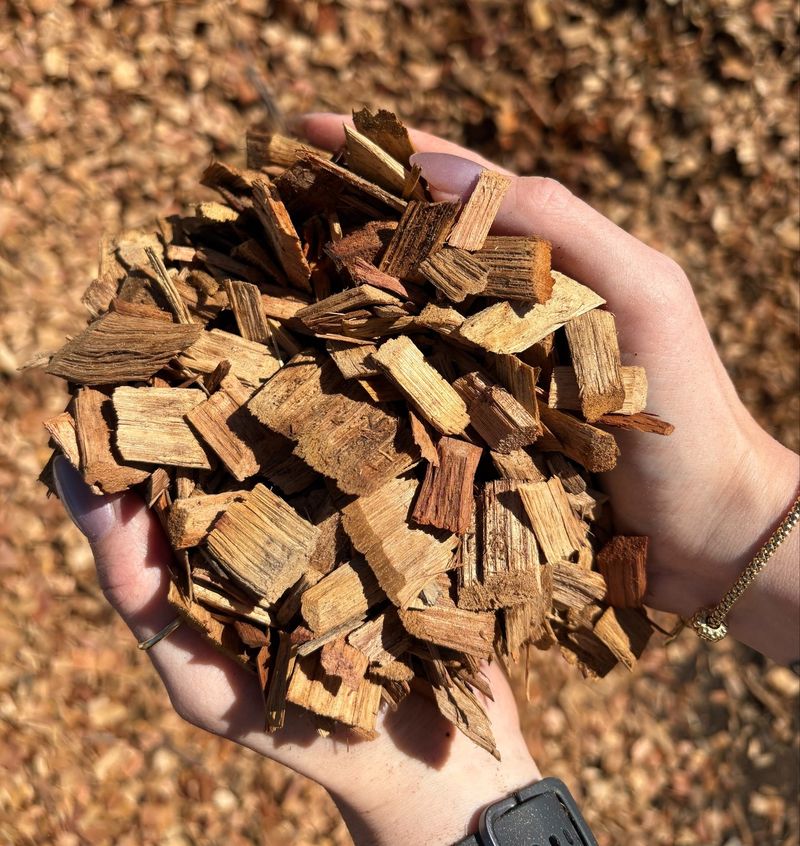
Mulch types vary widely in how well they hold water over time. Shredded bark and wood chips outperform fine bark dust in most conditions.
Compost-blended options add nutrients while keeping soil consistently damp for longer. Coarser textures also resist compaction better across an entire growing season.
Particle size affects performance more than most gardeners consider before buying. Larger pieces create more air pockets and break down more slowly.
Locally sourced mulch often matches Oregon soil and climate conditions better. Matching material to local conditions improves results without extra effort.
Picking the right material from the start saves work later in the season. Fewer refreshes and less frequent watering tend to follow naturally.
Blended mulches combining bark and compost often outperform single-material options significantly. That combination supports both moisture retention and gradual nutrient release.
Smarter mulch choices lead to steadier moisture levels and healthier plants overall. Oregon beds hold up noticeably better with the right blend in place.
Testing a small section before committing to a full bed reduces risk. This approach lets gardeners compare results before investing in larger quantities.
Reading bag labels for particle size and moisture ratings helps narrow choices quickly. Products marketed specifically for moisture retention often perform noticeably better in testing.
Asking a local nursery about regional favorites often points toward reliable, tested options. Products that work well in nearby gardens tend to perform consistently in yours too.