Why Your Hydrangea Has Tiny Blooms And What To Do About It
Blame lands everywhere except the exact culprit hiding deep in plain sight. Gardeners follow every rule with total precision, yet nothing changes. Yet those blooms shrink smaller every single year.
Pruning shears cause serious, lasting trouble when timing turns wrong. Soil chemistry quietly rewrites color, size, and structure without your permission. Shade creeps in slowly, quietly limiting the energy flowers truly need.
Fertilizer promises growth but often overwhelms the blooms you want. Long summers challenge hydrangeas that never adapted to strong, direct light. Roots struggle while leaves thrive, a strange, unfair trade nobody mentions.
Confidence fades when blooms refuse to cooperate season after season. Answers exist, hidden under years of outdated advice, guesswork, and myths.
Frustration builds until you finally demand real answers, not just excuses. Science offers clarity, but only if you finally know exactly where to look. You won’t stop until you know exactly what’s limiting your blooms.
1. Improper Pruning Cuts Flower Buds
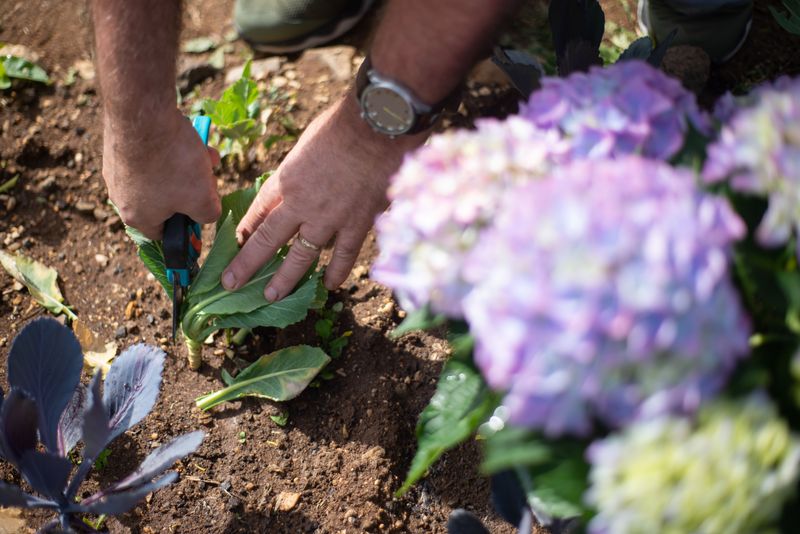
Grab the wrong pair of shears at the wrong time, and you can prevent an entire season of blooms. Pruning mistakes are one of the most common reasons hydrangeas fail to flower fully.
Many hydrangea varieties set their flower buds in late summer or fall for the following year. If you prune in early spring or late fall, you are cutting off next year’s flowers before they ever open.
Bigleaf and oakleaf hydrangeas are especially sensitive to pruning timing. These types bloom on old wood, meaning last year’s stems carry the buds for this year’s flowers.
Cutting those stems back in autumn or winter removes every bud you have. The plant survives, but produces no flowers that summer.
Panicle and smooth hydrangeas are more forgiving because they bloom on new wood. You can prune those in early spring without losing a single flower.
Knowing your hydrangea type before picking up the shears is essential. Check the plant tag or look up your variety online to confirm what kind you have.
A simple rule for old-wood bloomers: only prune right after the flowers fade in summer. That timing gives the plant time to set new buds before winter arrives.
One well-timed cut saves an entire season, and your hydrangea will reward you with a flush of full, gorgeous blooms.
2. Nitrogen-Heavy Fertilizer Favors Leaves
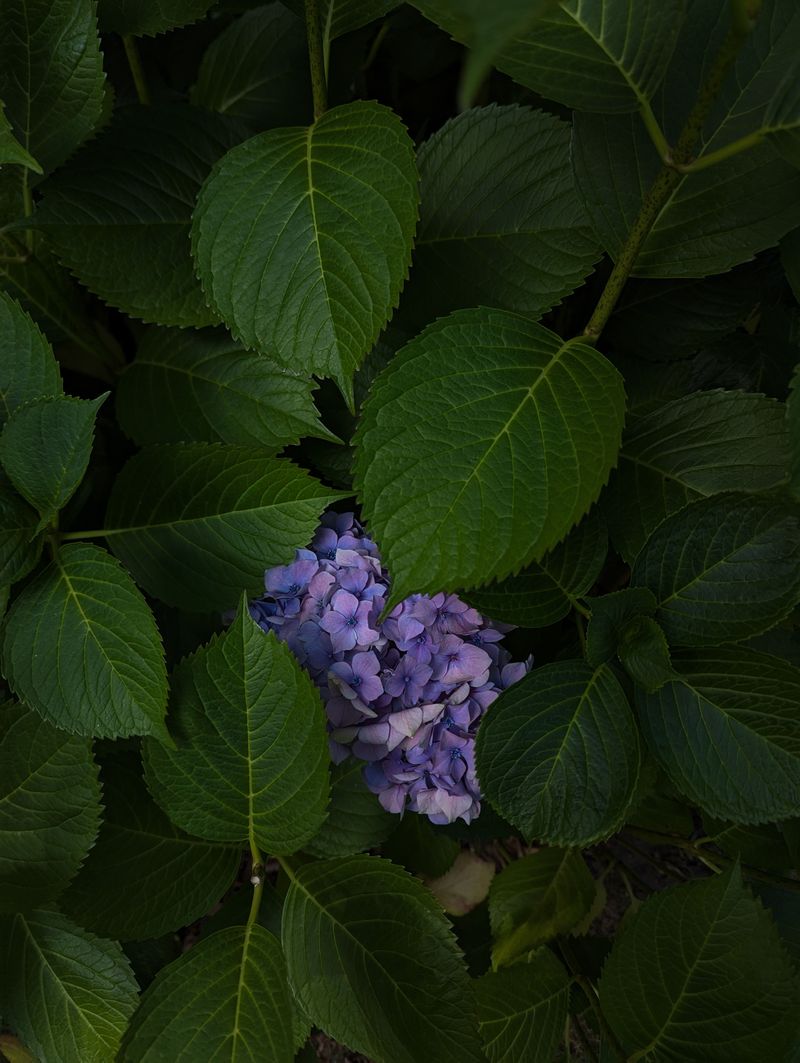
Your hydrangea looks absolutely lush and green, which feels like a win until you notice the blooms are the size of golf balls. Too much nitrogen is often the hidden reason behind leafy plants with disappointing flowers.
Nitrogen is the nutrient that pushes green, leafy growth. When plants get too much of it, they channel energy into producing foliage rather than flowers.
Many all-purpose lawn fertilizers are loaded with nitrogen. If those granules drift into your garden bed, your hydrangea soaks them up and responds by growing more leaves.
The same thing happens when you use a balanced fertilizer too often or too generously. More is not always better when it comes to feeding flowering shrubs.
Hydrangeas need a fertilizer that supports bloom production, not just leaf growth. Look for products with a higher middle number on the label, which represents phosphorus.
Phosphorus encourages root development and flower formation. A fertilizer with a high middle number, such as a bloom-booster formula, gives your plant what it needs to bloom beautifully.
Stop feeding your hydrangea after midsummer, too. Late feeding encourages soft new growth that cannot survive cold weather and delays the bloom cycle.
Feed smart, not often, and your plant will put its energy where you want it: into bigger, fuller blooms.
3. Excessive Shade Limits Blooming
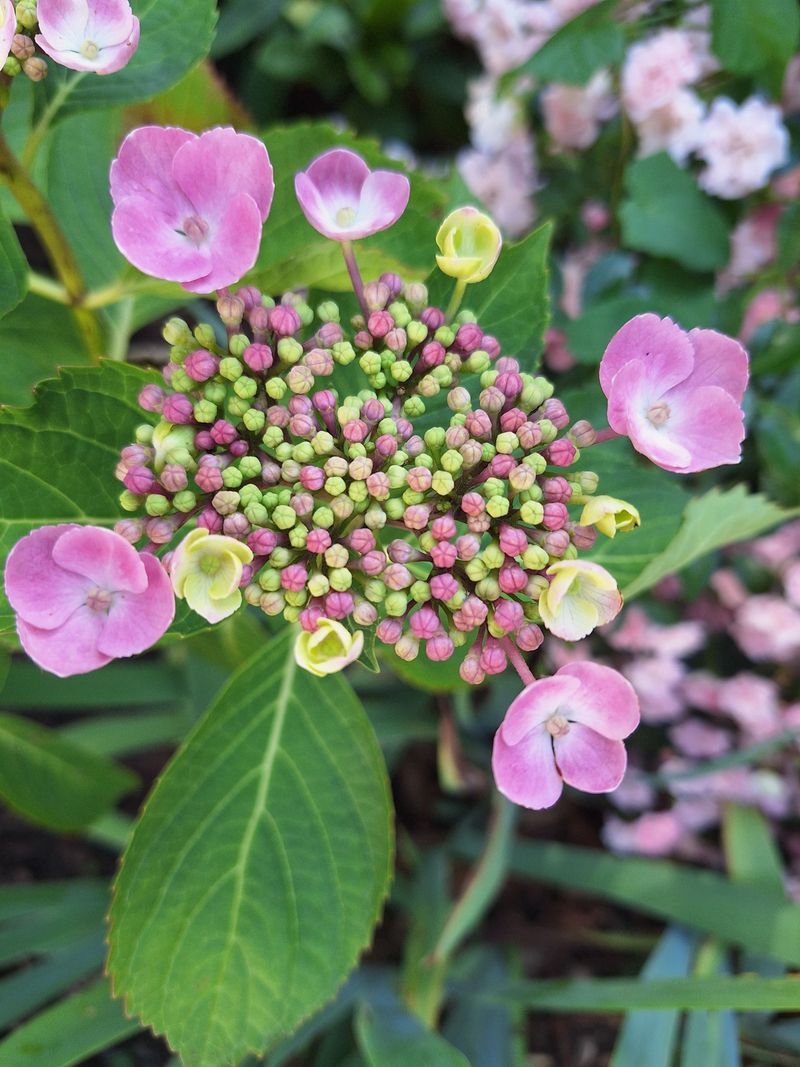
Picture your hydrangea sitting under a large oak tree, barely getting any sun. That is exactly the problem when shade takes over your garden beds.
Hydrangeas need sunlight to produce energy for flowering. Without enough light, the plant puts all its effort into growing leaves instead of making blooms.
Most hydrangeas grow best with at least four hours of morning sunlight each day, though exact needs vary by variety and climate. In hotter regions, avoid heavy afternoon sun, which can stress bigleaf varieties even when light levels seem ideal.
Afternoon shade is fine, but full shade all day will always shrink your blooms. If your plant sits under a dense tree canopy, it simply cannot bloom the way it should.
Check how much light your hydrangea gets on a sunny day. Watch it for a few hours and count the actual sunlight it receives.
If the answer is less than four hours, shade is your culprit. Trimming nearby branches can open up the canopy and let more light reach your plant.
Sometimes just removing a few lower limbs from a nearby tree makes a huge difference. You do not always need to move the plant to fix the problem.
Better light means better blooms, and that single change can transform your hydrangea from struggling to spectacular next season.
4. Drought Stress Weakens The Plant

Hydrangeas respond quickly to dry soil, more than to most other stressors. A thirsty hydrangea shows clear signs by drooping its leaves and producing smaller blooms.
Water is the engine behind flower production. When soil dries out, the plant shifts into survival mode and stops investing energy in large, showy clusters.
Hot summers hit hydrangeas especially hard. Even a few days without water during a heat wave can cause buds to shrivel before they fully open.
Sandy soils drain fast and dry out quickly, making the problem worse. If your garden has light, sandy soil, your hydrangea needs water more often than one planted in rich clay.
Mulching around the base of your plant is one of the easiest fixes you can make. A two-to-three inch layer of wood chips or shredded bark holds moisture in the soil longer.
Consistent watering matters more than occasional heavy soaking. Giving your plant a deep drink two or three times a week keeps roots hydrated without waterlogging them.
Early morning is the best time to water because it gives leaves time to dry before evening. Wet leaves overnight can invite fungal problems that further stress the plant.
A well-hydrated hydrangea bounces back quickly, and those blooms come back fuller, bolder, and far more impressive than a stressed plant could ever produce.
5. Old, Crowded Stems Shrink Blooms
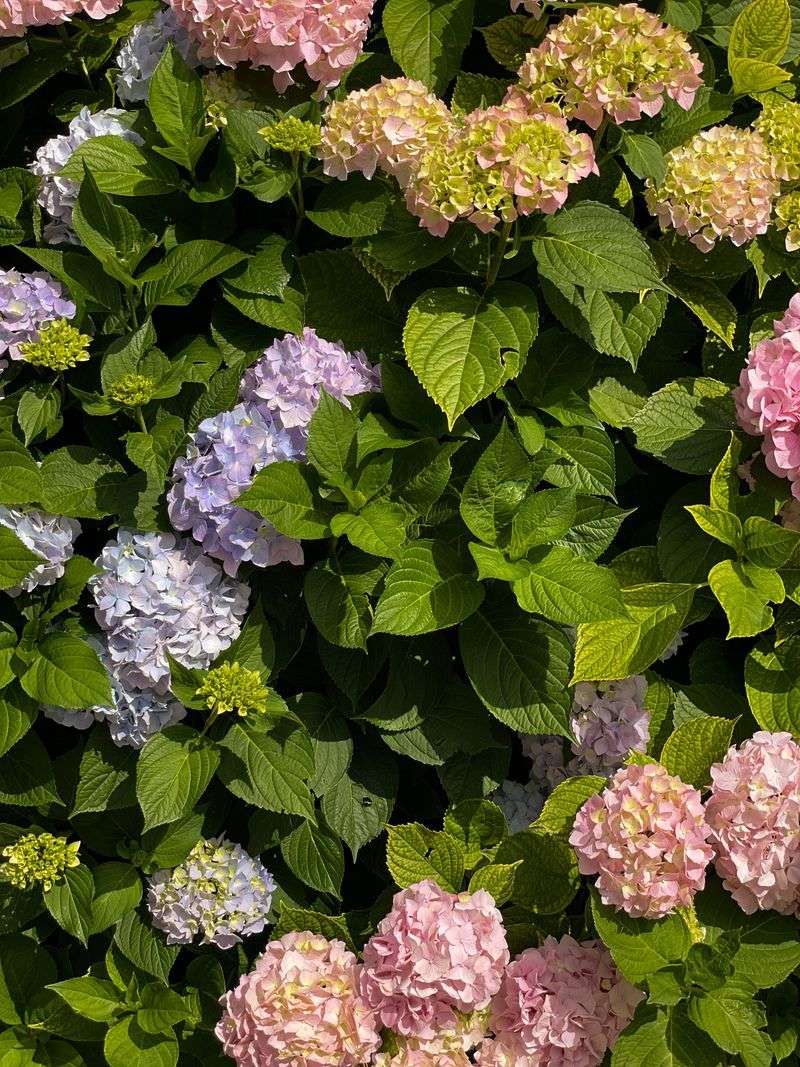
An old hydrangea with dozens of thick, woody stems might look impressive in a garden, but those crowded canes are reducing your bloom size. Age and overcrowding are common, often-overlooked causes of smaller blooms.
As hydrangeas age, older stems become less productive. They take up space and resources but produce smaller and smaller flower clusters each year.
When too many stems compete for water, nutrients, and sunlight, none of them gets enough of anything. The result is a bush full of tiny, underwhelming blooms instead of a few spectacular ones.
Renewal pruning is the solution, and it sounds scarier than it actually is. The idea is to remove the oldest, thickest stems at the base to make room for younger, more productive growth.
Every few years, cut back roughly one-third of the oldest, thickest canes to the ground as a general guideline. This opens up the interior of the plant and lets light reach the newer stems.
Fresh stems that develop after this kind of pruning tend to produce much larger flower heads. The plant redirects its energy to fewer, stronger canes instead of spreading it thin.
Wear gloves and use sharp loppers for clean cuts close to the ground. Ragged cuts can invite disease into the stems and set the plant back.
Giving your hydrangea a little more breathing room can completely change how it performs, turning a tired, crowded shrub into a standout garden centerpiece.
6. Relocate To Morning Sun
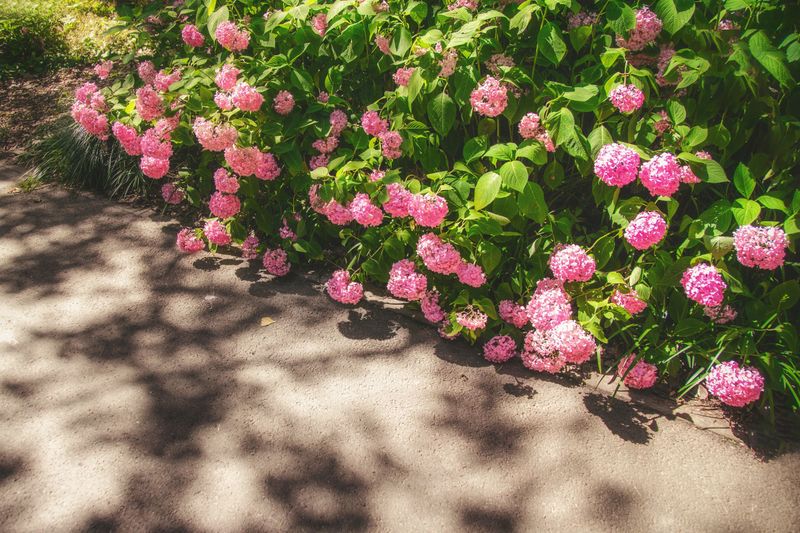
Sometimes the best thing you can do for a struggling hydrangea is give it a fresh start in a better spot. Relocation sounds like a big commitment, but it is often the most effective fix of all.
Morning sun is the sweet spot for most hydrangea varieties. It provides enough light to fuel strong bloom production without the harsh intensity of afternoon rays.
A spot on the east side of your home or garden is usually perfect. The plant gets bright light from sunrise until around noon, then enjoys cool, filtered shade for the rest of the day.
Avoid planting against a south or west-facing wall where reflected heat builds up during summer afternoons. That kind of intense heat stresses the plant and shrinks blooms even when water is plentiful.
The best time to move a hydrangea is in early fall or early spring. Cooler temperatures help the plant settle into its new location without the shock of summer heat.
Dig a wide, generous hole and bring as much of the root ball with you as possible. Replant at the same depth the hydrangea was growing before.
Water deeply right after transplanting and keep the soil consistently moist for the first few weeks. A layer of mulch helps lock in that moisture during the adjustment period.
One smart move to a sunnier spot can unlock the full blooming potential your hydrangea has been hiding all along.
7. Prune Only After Flowering
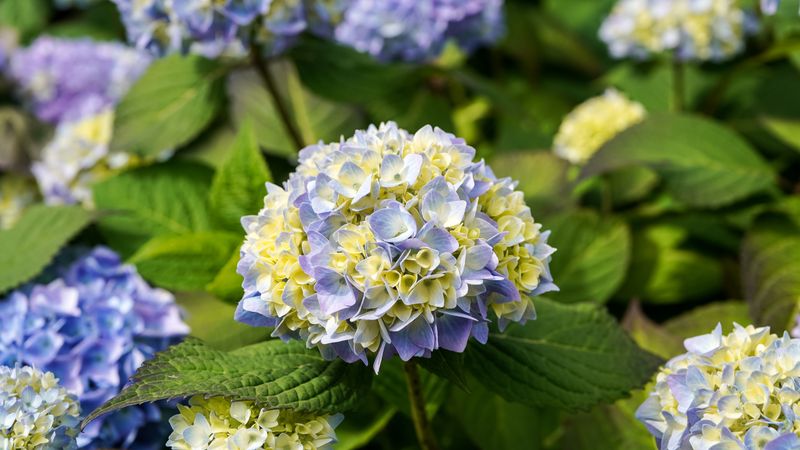
Timing your pruning correctly is one of the simplest and most powerful things you can do for a hydrangea. Get the timing wrong and you lose the blooms; get it right and the plant rewards you generously.
For varieties that bloom on old wood, the window for safe pruning opens right after the flowers fade. That usually falls somewhere in mid-to-late summer, depending on your climate.
Pruning during this window lets the plant spend the rest of the growing season setting new buds for next year. Those buds harden off before winter and emerge as flowers the following spring.
If you skip pruning entirely for a season, that is completely fine. Hydrangeas do not need to be cut back every year to stay healthy.
Only prune when a stem is lifeless, damaged, or crossing another branch awkwardly. Light, targeted cuts are always safer than aggressive cutbacks on old-wood bloomers.
For new-wood bloomers like smooth or panicle hydrangeas, early spring is the right time. Cut them back before new growth begins and they will bloom reliably on the fresh stems that follow.
Mark your calendar with the type of hydrangea you have and its ideal pruning window. A sticky note on the garden shed door is a surprisingly effective reminder.
Pruning at the right moment makes a noticeable difference, and your hydrangea will respond with fuller, more vibrant blooms.
8. Switch To Phosphorus-Rich Fertilizer
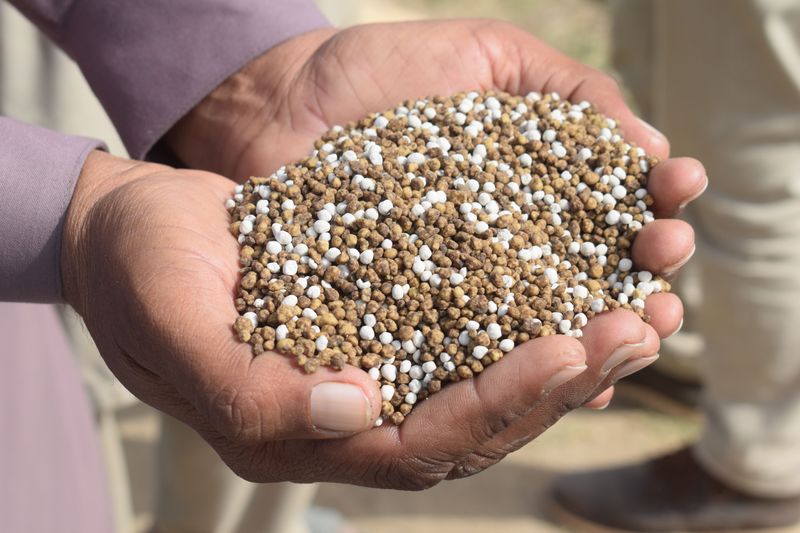
Not all fertilizers are created equal, and your hydrangea knows the difference immediately. Switching to a phosphorus-rich formula can significantly improve the size and quality of your blooms.
Phosphorus is the nutrient most directly linked to flower and root development. When your plant gets enough of it, energy flows toward bud formation instead of leafy growth.
Look for a fertilizer with a high middle number on the label. The three numbers represent nitrogen, phosphorus, and potassium, in that order.
A bloom-booster formula labeled for flowering shrubs, with a high middle number relative to the other two, is a solid choice. These products are widely available at garden centers and home improvement stores.
Apply fertilizer in early spring as new growth appears, then again after the first flush of blooms fades. Two applications per season are typically enough for most hydrangeas.
Avoid fertilizing after late summer because it encourages tender new growth that cold weather will damage. Late feeding can actually reduce next year’s bloom count.
Always water your plant before and after applying granular fertilizer. Dry soil can concentrate the nutrients too close to the roots and cause burning.
Follow the label directions carefully and resist the urge to use more than recommended. Feeding your hydrangea the right nutrients in the right amounts is one of the fastest paths to the big, bold blooms you have been chasing.
9. Water Deeply And Consistently
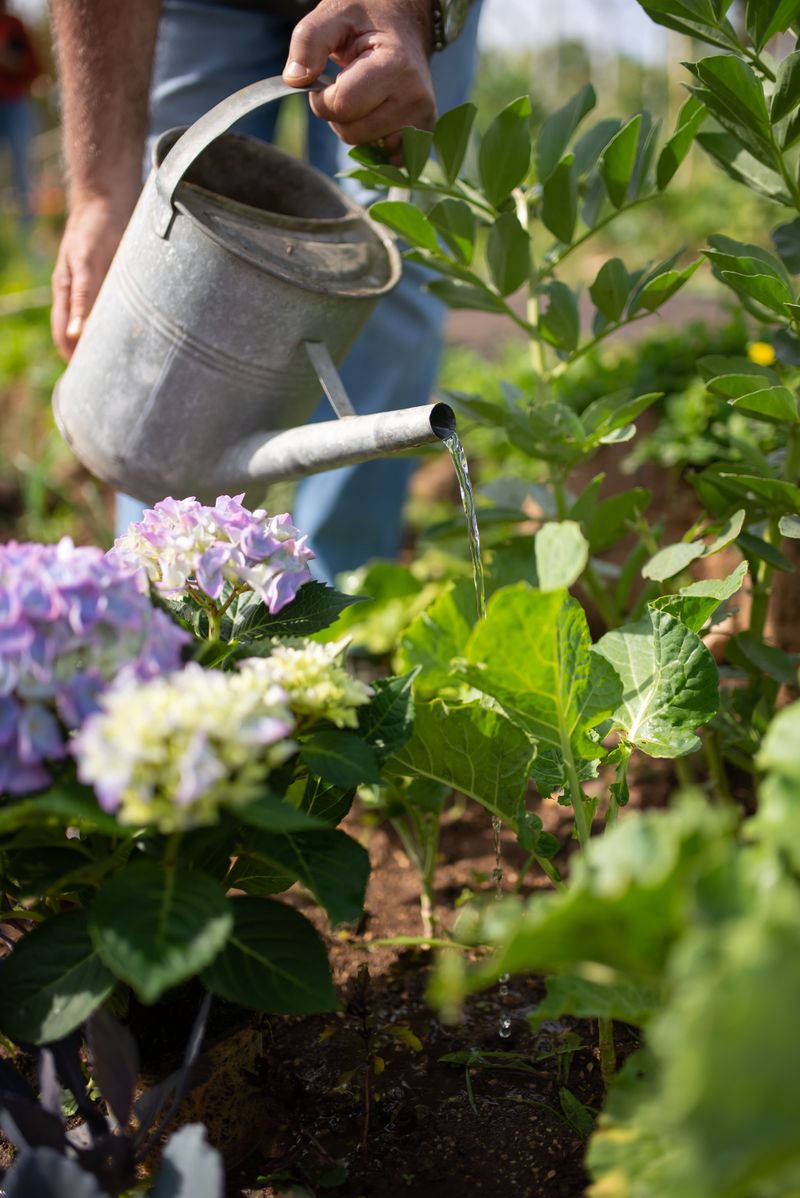
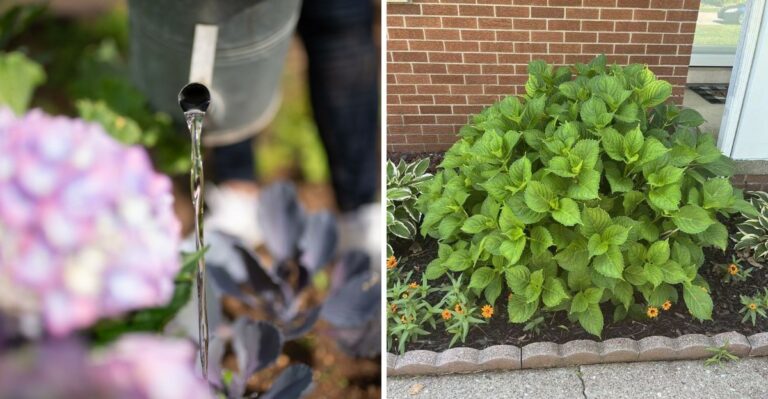
Hydrangeas need consistent moisture, and shallow watering is a common cause of smaller blooms. Giving your plant a deep, thorough drink on a regular schedule is one of the most impactful habits you can build.
Deep watering encourages roots to grow downward into cooler, moister soil. Shallow roots stay near the surface where they dry out quickly and stress the plant during heat waves.
Aim to water your hydrangea so that moisture reaches at least eight to ten inches into the soil. A slow, steady stream at the base works better than a quick splash from a hose.
A soaker hose or drip irrigation system makes this easy and efficient. These tools deliver water directly to the root zone without wetting the leaves, which reduces disease risk.
Check the soil moisture before watering by pushing your finger about two inches into the ground. If the soil feels dry at that depth, it is time to water.
During peak summer heat, your hydrangea may need water every other day in sandy or fast-draining soil, and less often in soil that retains moisture well.
Mulching around the base of the plant helps the soil hold moisture between watering sessions. A few inches of organic mulch can cut your watering frequency significantly.
Consistent, deep watering is the foundation of a thriving hydrangea, and fixing tiny blooms often starts right here with something as simple as better watering habits.