Why Compost Tea Is Getting Attention From Minnesota Homeowners
Some Minnesota homeowners are reconsidering synthetic lawn products this fall. Neighbors across town are swapping bottles for something brewed at home.
Compost tea has become a popular topic among some Minnesota gardeners. Fall gives you a narrow window to make this shift, and in much of Minnesota it closes once the ground freezes.
Minnesota soil, often dense, can benefit from added organic matter and microbial life. You may not need heavy treatments to care for your grass.
Many microscopic organisms are added to your yard with every application. Supporters say healthy soil biology can encourage stronger root growth, though research on compost tea itself is limited.
Some skeptics are curious about the results, though scientific evidence remains limited. Timing can matter, since fall is when cool-season lawns are actively growing roots. Read on to learn more about the possible benefits.
1. Compost Tea Builds Healthier Soil Naturally
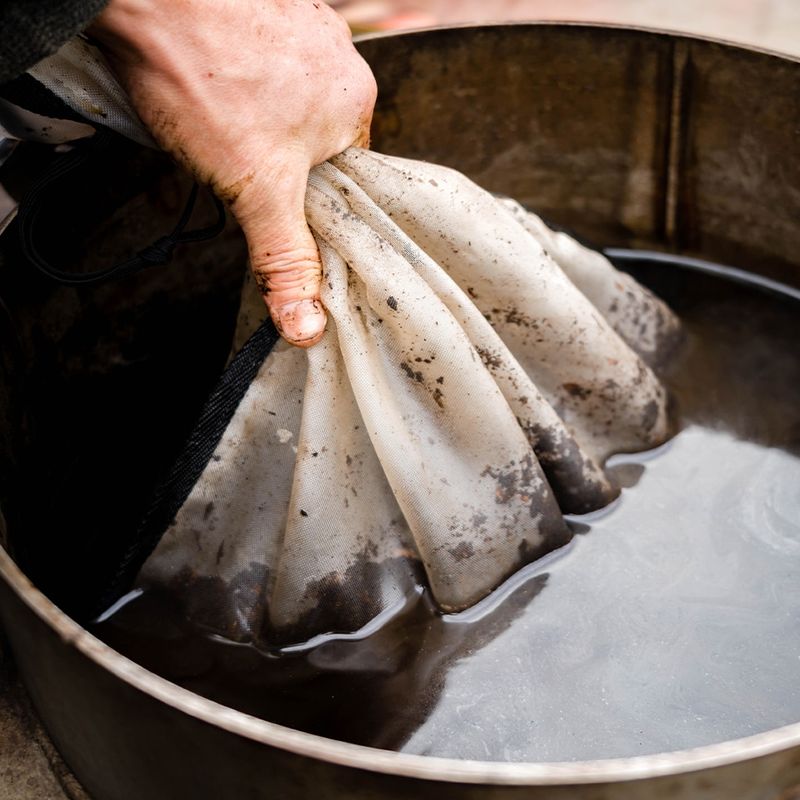
Compost tea works from the ground up, adding living organisms to your soil in a way synthetic products do not.
Healthy soil is not just dirt. It is a packed community of bacteria, fungi, and protozoa all working together to feed your plants.
When you brew compost tea and apply it to your lawn or garden beds, you are basically giving the soil a probiotic boost. Microbes in soil help break down organic matter and release nutrients plants can use.
Repeated additions of compost can improve soil structure and water retention. Better structure can also give roots more room to grow in lawns and garden beds.
Chemical fertilizers skip this whole process. They deliver nutrients directly without adding any organic matter or living microbes to the soil.
Compost tea feeds the soil system, not just the plant. Supporters say that difference can show up as lawns that stay green longer and garden beds that need less intervention.
Minnesota homeowners swapping chemicals for compost tea this fall are making a long-term investment. One application season does not transform everything overnight, but the cumulative effect can be noticeable over time.
Some gardeners report that soil that received compost tea in autumn wakes up faster in spring, though this is largely anecdotal. Results vary with soil, compost quality, and weather.
2. Local Compost Makes Brewing Tea Affordable
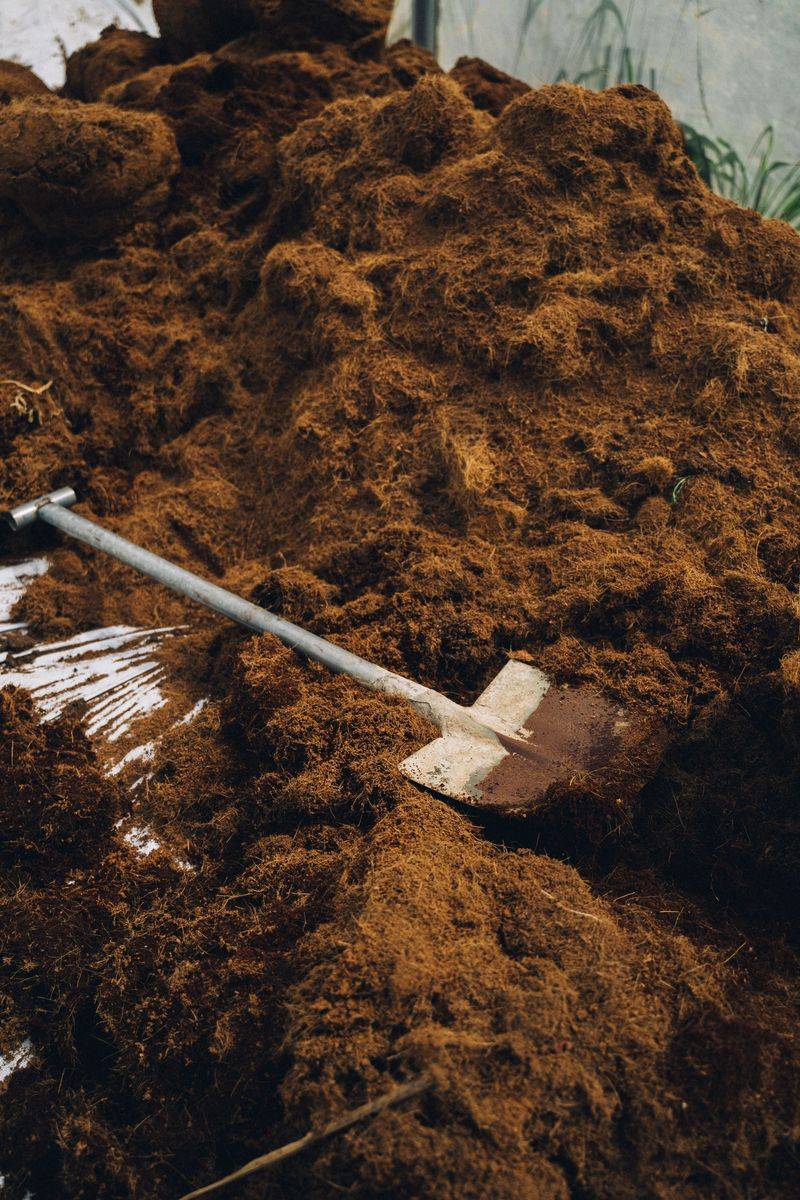
Brewing compost tea sounds fancy, but the actual cost is surprisingly low. Most homeowners can get started with basic equipment for a relatively low cost.
All you need is a five-gallon bucket, a basic aquarium air pump, some tubing, and finished compost. Many people already have most of these items sitting in a garage or shed.
The compost itself is the key ingredient, and sourcing it locally keeps costs minimal. Some Minnesota cities and counties offer free or low-cost finished compost at drop-off sites, so check local hours.
Community gardens and local farms often sell high-quality compost in small batches too. Buying local also keeps costs and travel distance low, and local suppliers may be able to tell you how their compost was made.
Compare that to the ongoing expense of chemical fertilizers, herbicides, and pesticides. Suburban homeowners often spend a significant amount each season on synthetic lawn products, with costs varying widely.
Depending on yard size and how it is applied, a single batch of compost tea can cover a good portion of a lawn using inexpensive materials.
The savings can add up over a full season. Families redirecting that budget toward other home improvements or garden projects may find the switch financially rewarding over time.
Compost tea gives homeowners more direct input over lawn care. Affordable and local, it is a low-cost option for Minnesota gardeners to try on a small area this fall.
3. Chemical Runoff Affects Nearby Lakes
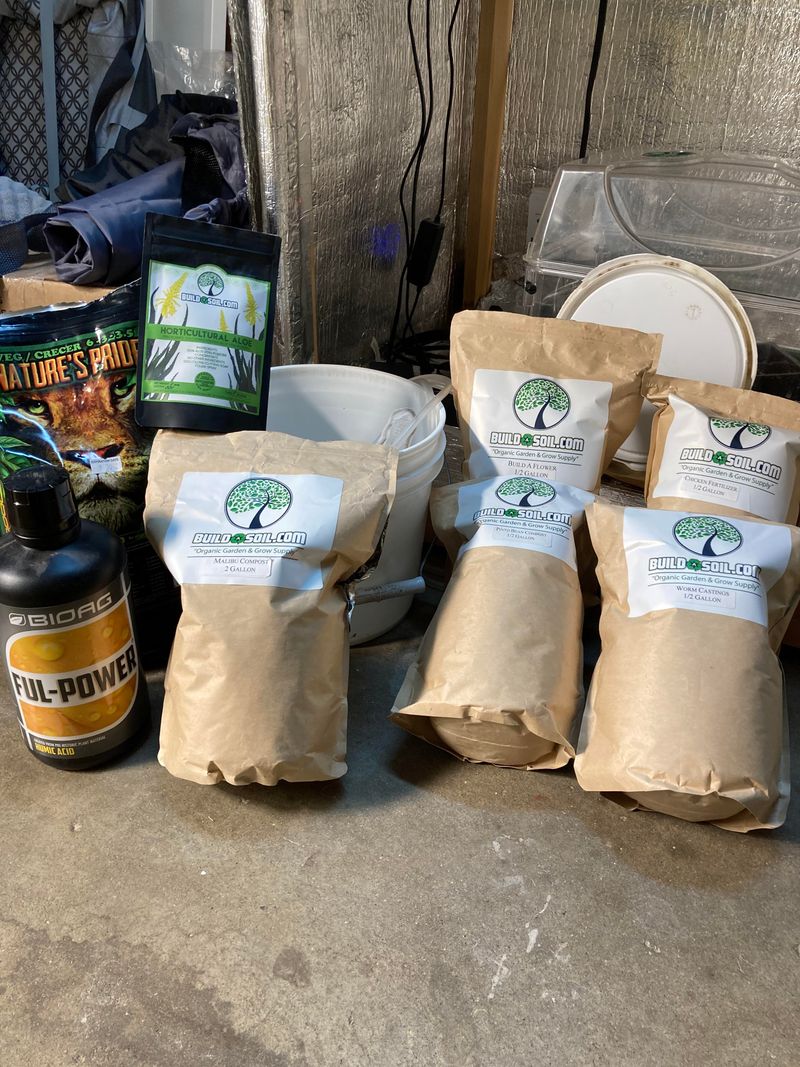
Picture a crisp November morning near one of Minnesota’s famous lakes. Now picture synthetic fertilizer washing off a lawn and flowing straight into that water.
That is not a scare tactic. Nutrient runoff is a documented water-quality problem for many lakes across Minnesota each year.
Nitrogen and phosphorus from lawn fertilizers are among the contributors. When rain carries them into waterways, algae blooms can increase and oxygen levels can drop.
Fish populations can be affected, and water quality may decline for swimmers. Property values near affected lakes can be negatively affected over time.
Compost tea works differently from synthetic fertilizer. It contains fewer concentrated nutrients than many synthetic fertilizers, but overapplying it can still add nutrients that wash into storm drains or streams.
Healthy soil biology plays a role in nutrient cycling, though research on compost tea’s specific effects on lawns is limited. Following label directions and avoiding application before heavy rain helps keep nutrients on your lawn.
Minnesota has over ten thousand lakes, and protecting them matters deeply to residents who live, fish, and recreate nearby. Applying lawn products carefully, and only when they are needed, is one of the more direct ways a homeowner can help.
Some state environmental agencies have identified lawn chemical runoff as a contributing factor to water quality concerns.
Applying lawn products carefully is not just a personal choice. It is a contribution to the broader health of a landscape people genuinely love.
4. Fall Timing Suits Compost Tea Well
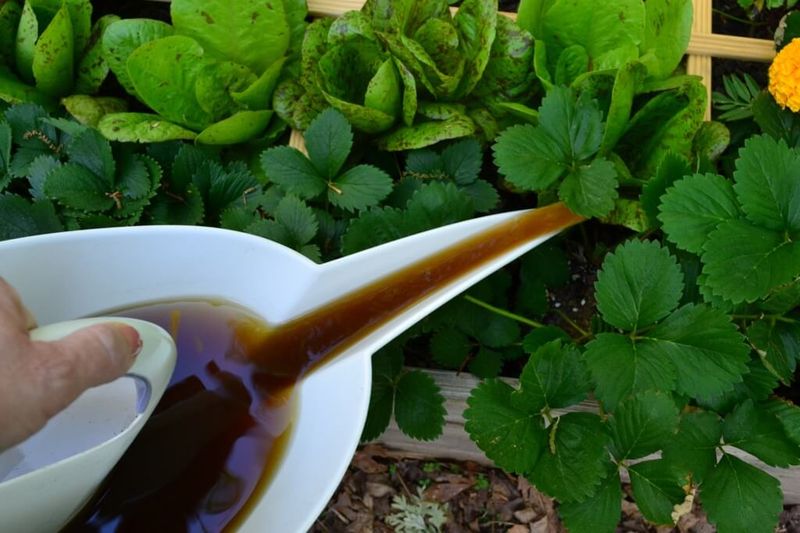
Autumn is not the time most gardeners think about feeding their soil. But that is a common misconception when it comes to compost tea.
Fall gives soil microbes a head start. When temperatures cool down but have not yet frozen, microbial activity slows but continues underground.
Applying compost tea in fall, before the ground freezes, adds organisms while the soil is still biologically active. Microbial activity slows in the cold, but it does not stop entirely.
Come spring, some gardeners say their soil is not starting from scratch. They credit a healthier microbial community, though research is limited.
Timing also matters for grass. Cool-season turf grasses common in Minnesota, like Kentucky bluegrass and fescue, actively grow their roots in fall.
Supporters say feeding that root growth with compost tea can help, though evidence is limited.
Fertilizer applied at the wrong time or rate in fall can push top growth when the lawn should be preparing for dormancy. That tender new grass can then be vulnerable to frost damage, which can set the lawn back.
Compost tea does not force fast top growth. Instead, supporters say it encourages root development quietly and steadily, which is what a Minnesota lawn needs before a long winter.
Minnesota homeowners swapping chemicals for compost tea this fall are working with nature’s schedule, not against it. That simple shift in thinking can lead to results that feel almost effortless by spring.
5. Homeowners Want Safer Options For Pets

Ask any dog owner about lawn chemicals, and you will get a very specific kind of worry. The image of a beloved pet rolling in freshly treated grass is enough to make anyone pause.
Many common lawn chemicals carry warning labels telling people and pets to stay off the grass for hours or even days after application. That is not exactly a relaxing situation for a household with energetic dogs or curious cats.
Compost tea contains no added synthetic fertilizers, though it should be brewed and handled properly to avoid contamination. Once it dries, the lawn is ready for use, though it is wise to wash hands after handling the tea.
Compost tea contains no added synthetic pesticides. The liquid is made from water and compost, though improperly made tea can carry harmful bacteria.
Some homeowners brew their tea using kitchen scraps and yard waste, making the whole process feel more transparent. Knowing exactly what went into the brew adds a layer of confidence.
For families with pets, choosing compost tea over chemical treatments is a popular choice in the organic gardening movement. Gentler lawn care makes everyone happier.
6. Cooler Weather Benefits From Gentler Inputs

Cold weather changes everything about how plants respond to inputs. What works in July can actually cause damage when temperatures start dropping toward freezing.
Fertilizer applied too late in fall can push rapid growth, and that is a problem. Fast new growth in late fall is fragile, and a hard frost can damage it.
Compost tea does not trigger that kind of aggressive response. Instead, it supports the slower, steadier biological processes that cool-season plants actually need.
Soil microbes remain active even as temperatures drop into the forties. Compost tea applied in fall, while the soil is still unfrozen, reaches them right where they live, encouraging quiet, consistent work beneath the surface.
Garden beds with perennials can benefit from fall compost tea applications. Soil microbes help break down mulch and leaf litter into nutrients that roots can use as the soil warms in spring.
Lawns treated with compost tea in fall may show earlier signs of green-up in spring, based on anecdotal observations. That early green may owe more to soil biology than a chemical push.
Gentler inputs also mean less stress on plants already preparing for dormancy. Pushing a plant to grow when it is trying to shut down can reduce its cold hardiness.
Working with the season instead of against it is the core wisdom behind compost tea. Minnesota’s fall climate is practically designed for this kind of thoughtful, biology-based care.
7. Synthetic Fertilizers Can Burn Roots Easily
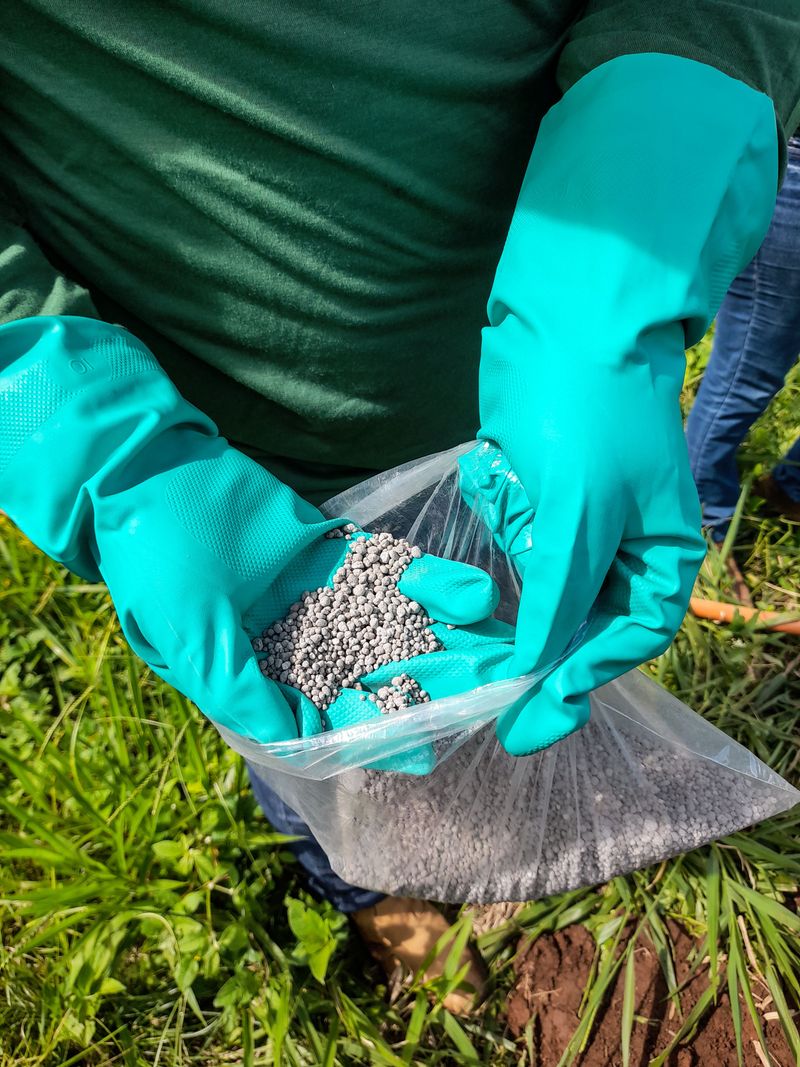
Every seasoned gardener has seen it at least once. A lawn goes from green to patchy yellow almost overnight, and one possible culprit is too much synthetic fertilizer.
Chemical fertilizers contain concentrated salts that draw moisture out of plant roots when applied too heavily. The result is fertilizer burn, a common and easily avoidable issue.
Getting the application rate exactly right requires careful measurement and ideal conditions. Too much rain after application, or a slightly heavy hand with the spreader, and the damage is done.
Compost tea carries a much lower risk of fertilizer burn, though it should still be brewed with finished compost and handled carefully. Because it is a diluted liquid rather than a concentrated salt-based fertilizer, it is much less likely to burn roots.
That forgiveness is a huge advantage for homeowners who are not professional landscapers. You do not need a degree in agronomy to try compost tea.
Root health is the foundation of any thriving lawn or garden. Burned roots take weeks to recover, setting plants back at the worst possible time, especially heading into a long Minnesota winter.
Supporters credit a soil system that stayed biologically active into late fall. Because it is gentle, it is a simple way to experiment on a small patch of lawn first.
For anyone who has ever damaged a lawn with granular fertilizer, compost tea feels like a reassuring alternative. Forgiving and less likely to burn roots, it is a gentle option to try.
8. Community Groups Promote Organic Practices
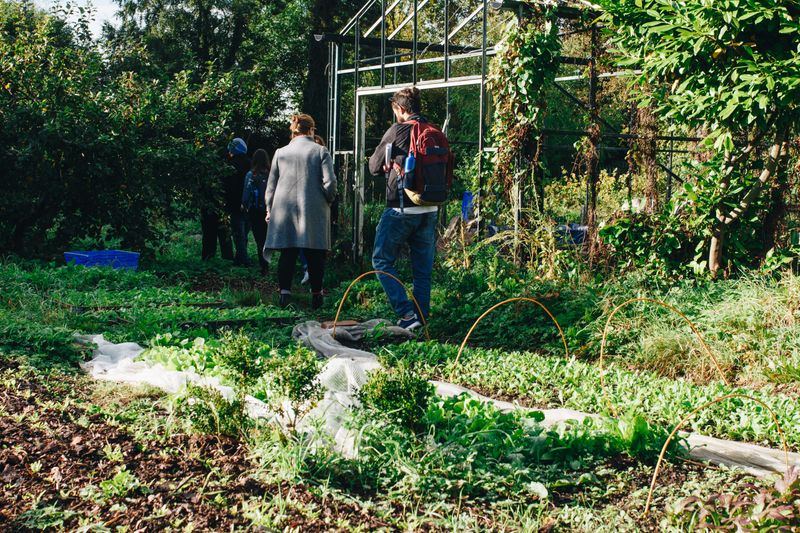
Something powerful happens when neighbors start talking about their lawns for reasons other than competition. In parts of Minnesota, some community groups are making organic gardening a shared mission.
Some local master gardener programs, watershed councils, and neighborhood associations offer workshops on organic lawn care, which may include compost tea. Check with your local extension office or watershed group to see what is offered near you.
Word spreads fast when one yard on the block starts looking noticeably healthier without chemical inputs. Curious neighbors ask questions, and conversations about compost tea naturally follow.
Some online neighborhood groups share brewing tips, local compost sources, and application schedules. What started as a niche interest has found an audience among some neighbors.
These programs lower the barrier for households that might otherwise stick with chemical products simply out of habit.
When an entire community shifts toward organic practices, the environmental benefits can add up. Fewer chemicals enter shared waterways, and neighborhood soils can improve collectively over time.
Minnesota homeowners swapping chemicals for compost tea this fall are not just making a personal choice. They are joining a growing community of people who believe a healthier yard starts with healthier soil, and that belief continues to spread.