How To Turn Fallen Leaves Into Free Garden Gold In Pennsylvania
A single mature shade tree can drop hundreds of pounds of leaves every autumn. Most of that bounty ends up stuffed into bags and hauled away to the curb.
I used to be one of those bag-filling gardeners. My back ached, my rake squeaked, and my flower beds stayed hungry all winter long.
Those crunchy piles hold carbon, minerals, and nutrients the tree pulled from deep in the soil all summer. Fungi and earthworms know exactly what to do with them, and they work for free. You only need to stop working against them.
Here in Pennsylvania, from the Poconos to the Pittsburgh suburbs, oaks and maples shower yards with this stuff every October and November.
So why are we paying for mulch and soil conditioner in spring? I suspect your yard is already sitting on a small fortune.
1. That Pile Of Raked Maple Leaves Is Worth More Than You Think
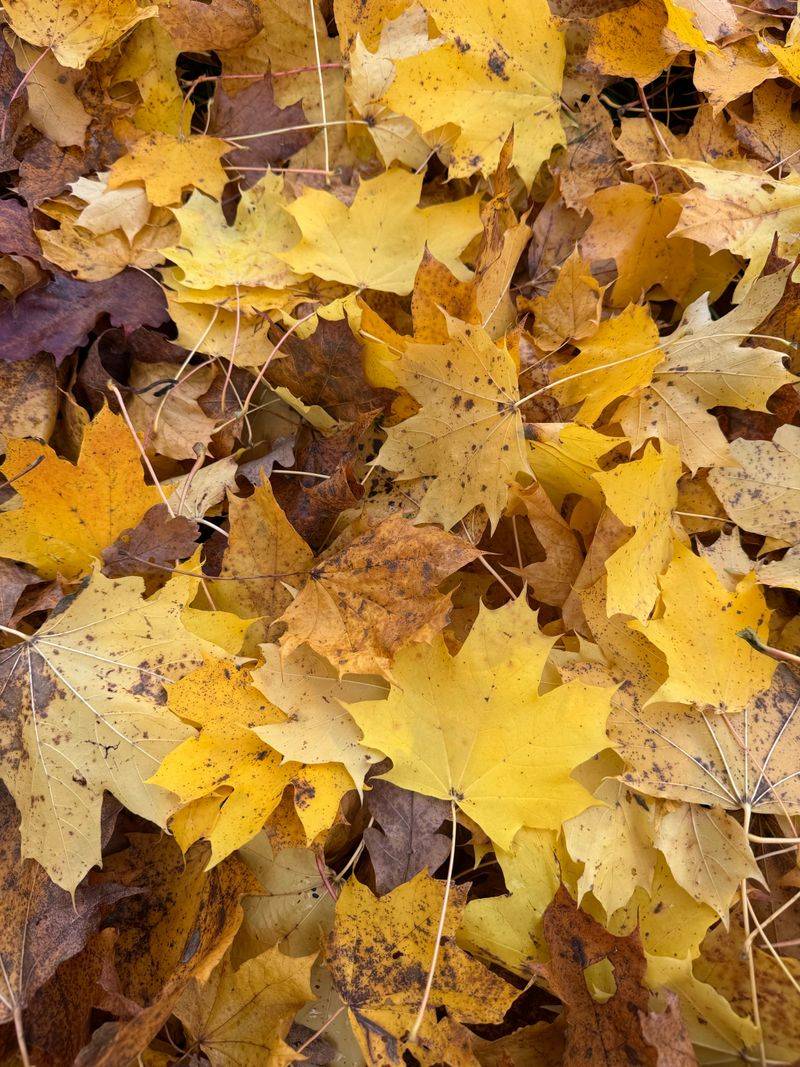
Trees are clever recyclers. All summer, roots pull up calcium, potassium, magnesium, and other minerals, and a good share of those nutrients ends up stored in the leaves.
When leaves fall and break down, those nutrients slowly return to the soil. Penn State Extension points out that leaves are a valuable source of organic matter, which is the stuff that makes garden soil dark, crumbly, and easy to dig.
Organic matter does a lot of quiet work. In heavy clay, which is common across much of the state, it helps loosen tight soil so water drains and roots can breathe. In sandy or rocky spots, it acts like a sponge and holds moisture longer.
Leaves are not a quick-acting fertilizer, though. They are low in nitrogen and release nutrients slowly, so think of them as a long-term soil builder rather than plant food for next week.
Earthworms, fungi, and bacteria do the heavy lifting. They chew, digest, and break leaves into finer pieces until they become part of the soil itself.
Once I understood that, my leaf pile stopped looking like a chore. It started looking like a free bag of soil conditioner that showed up on my lawn every fall.
2. Run The Lawn Mower Right Over Those Leaves On The Grass
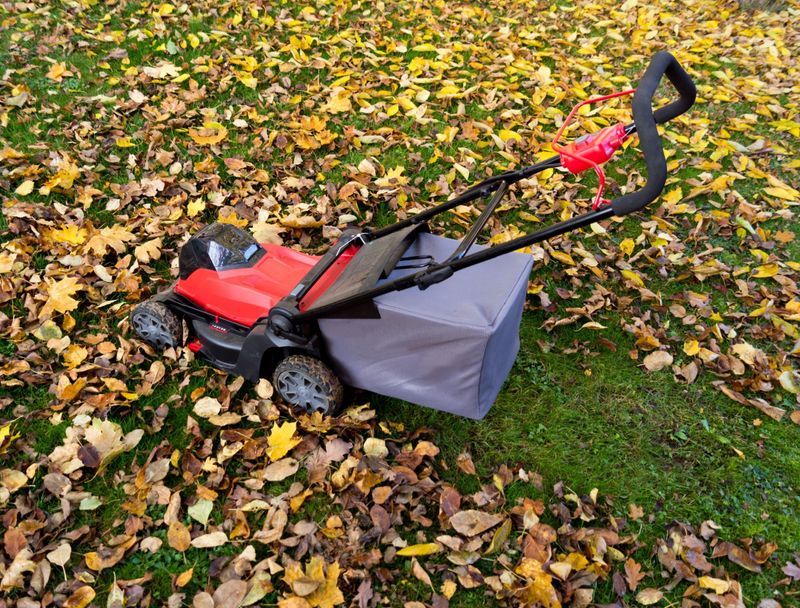
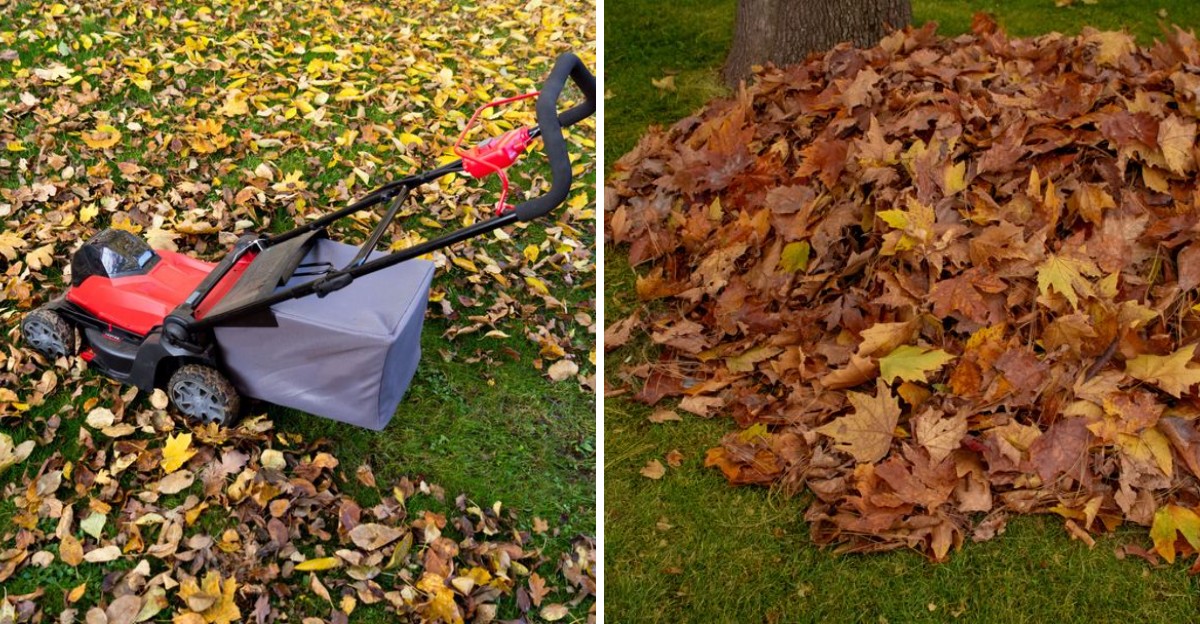
Sometimes the easiest trick is the best one. Instead of raking every leaf off the lawn, you can simply mow over them and let the tiny pieces settle into the grass.
Research from Michigan State University and other universities found that shredding leaves into the lawn does not harm turf. In many cases, the grass looked just as healthy or better the following spring.
The goal is small pieces, roughly the size of a dime. When you can see grass blades poking through the shredded bits after mowing, you have it about right.
Timing helps a lot. Mow when leaves are fairly dry and the layer is not too deep, so you may need to mow once a week during peak leaf drop in late October and November.
A mulching blade makes the job faster, but a regular mower works too. You might need to make two passes if the leaves are thick.
Thick, whole leaves left in a soggy mat can smother grass over winter, so do not let piles sit. Shredding keeps light and air moving to the turf, and your rake gets a well-earned break.
3. Shredded Leaf Mulch Tucks Your Perennial Beds In For Winter
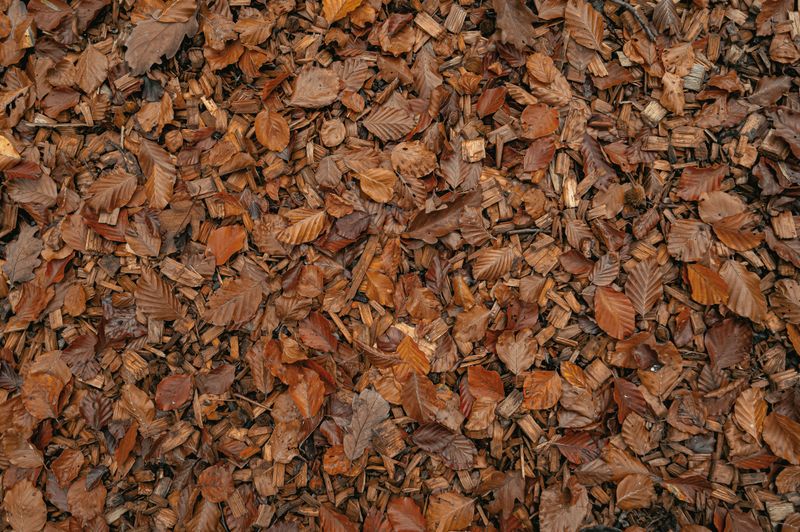
My favorite fall chore takes about twenty minutes. I mow a pile of leaves, scoop the shredded pieces into a wheelbarrow, and spread them over my flower beds like a warm brown blanket.
Shredded leaves make excellent mulch. A layer about 2 to 3 inches deep helps hold soil moisture, evens out temperature swings, and keeps many weed seeds from sprouting next spring.
Shredding matters more than most people realize. Whole leaves, especially big maple leaves, can mat together into a slick layer that sheds water and blocks air from reaching the soil.
Keep the mulch pulled back a few inches from shrub stems, tree trunks, and the crowns of perennials. Mulch piled against bark or stems holds moisture there and can invite rot or chewing rodents.
In colder areas such as the northern tier and higher elevations, a leaf layer also helps limit frost heaving. That freeze-and-thaw action can push shallow-rooted plants like heuchera right out of the ground.
Vegetable beds love this treatment too. By spring, the bottom of the layer has started softening into the soil, and you can tuck seeds and transplants right through it.
4. Leaf Mold Turns Plain Oak Leaves Into Dark Crumbly Treasure
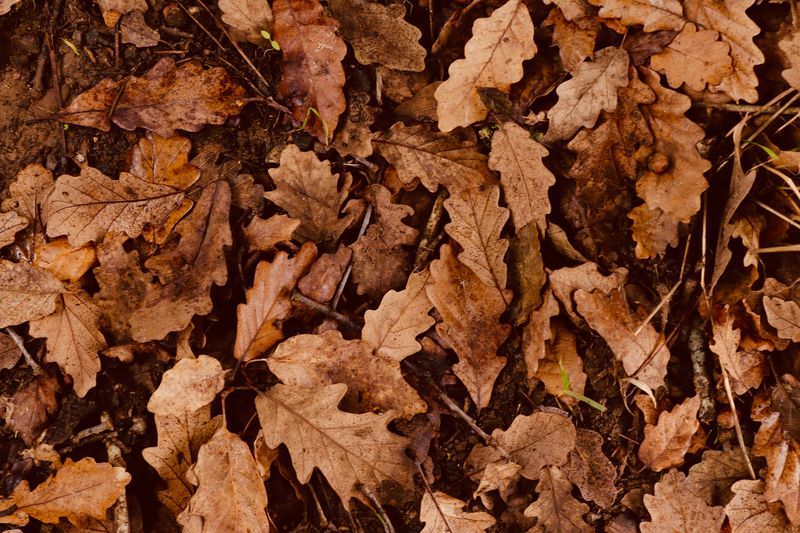
Gardeners in England have prized leaf mold for generations, and once you try it, you will see why. It is simply leaves that have rotted slowly, mostly with the help of fungi, into a soft, dark, earthy material.
Leaf mold is not packed with nutrients. Its real gift is structure, and it can hold several times its weight in water, which makes it wonderful for seed starting mixes, containers, and tired garden soil.
Making it could hardly be easier. Pile leaves inside a simple circle of wire fencing, about 3 to 4 feet wide, and wet them well as you go.
Shredding first speeds things up a lot. Whole leaves can take two years or more, while shredded leaves often turn into usable leaf mold in about a year.
No space for a bin? Fill large plastic bags with damp shredded leaves, poke a few holes in the sides, and tuck them behind the shed.
Oak leaves are tougher and slower to break down, but they still make lovely leaf mold. Check the pile now and then, and add water during dry spells so the fungi keep working.
5. Your Compost Bin Craves A Big Stash Of Brown Leaves
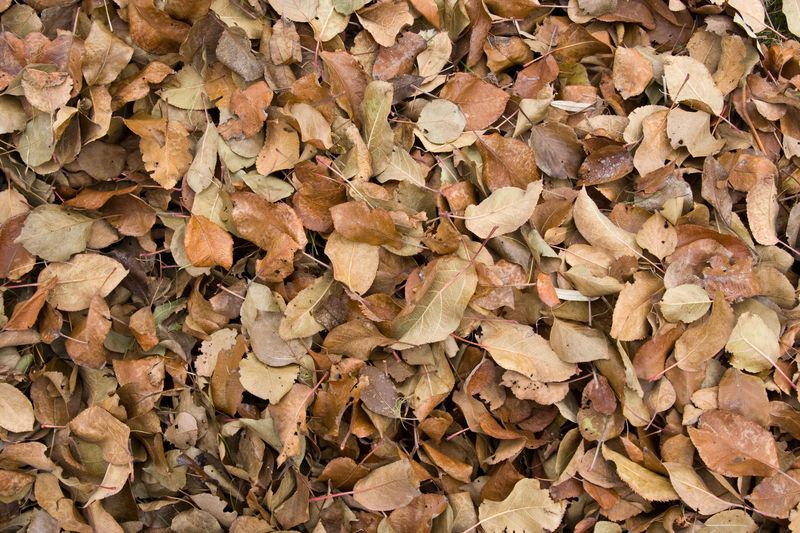
Compost piles work best with a balanced diet. They need carbon-rich browns and nitrogen-rich greens, and dry leaves are about the easiest browns you can find.
Greens include grass clippings, coffee grounds, and fruit and vegetable scraps. Penn State Extension suggests building the pile with alternating layers, and a common rule of thumb is roughly two or three parts browns for every one part greens by volume.
Here is a trick I learned the hard way. Save a few bags of dry leaves in the garage or beside the bin, because by next summer you will have plenty of greens and almost no browns.
Shredded leaves break down much faster than whole ones. More surface area means microbes can get to work quickly.
Moisture is the next piece of the puzzle. The pile should feel like a wrung-out sponge, damp but not dripping.
Turn the pile every week or two with a garden fork to add air. Skip meat, dairy, and oily foods, since they attract animals and cause odors.
A well-tended pile can turn into rich, finished compost within a few months. Your vegetable beds will thank you.
6. Black Walnut And Spotted Leaves Need A Little Extra Caution
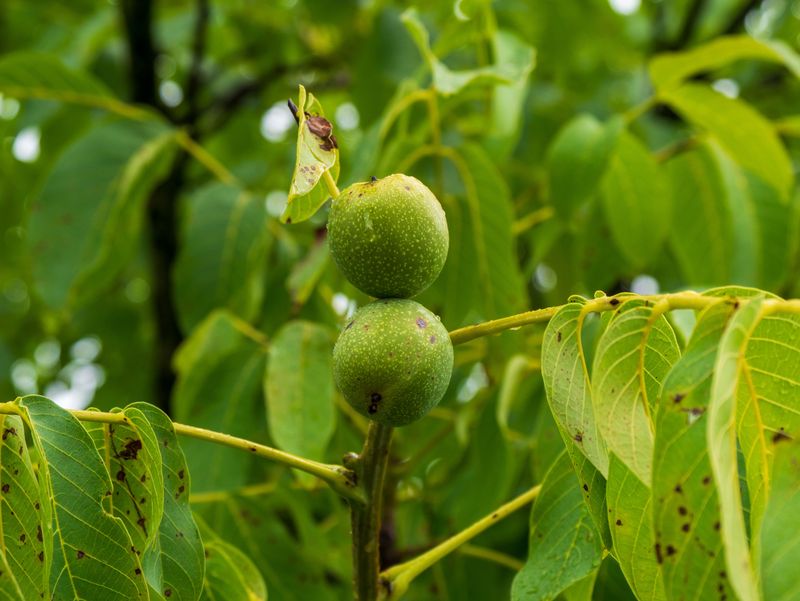
Not every leaf deserves a spot in the vegetable bed. A few kinds call for some care, and knowing them saves a lot of frustration.
Black walnut trees grow wild across Pennsylvania, and their leaves, roots, and nut husks contain a compound called juglone. Tomatoes, peppers, potatoes, and some other plants are sensitive to it.
Juglone breaks down with time and good composting. Many extension sources suggest composting walnut leaves for several months or more before using them around sensitive crops, or simply using them elsewhere.
Spotted leaves are another question. Maple tar spot, those black blotches on Norway maple leaves, looks alarming but is mostly cosmetic, though raking and removing those leaves can reduce next year’s spores.
For leaves from plants with more serious problems, such as diseased fruit trees or roses with black spot, it is safer to keep them out of mulch around the same plants. A hot compost pile can handle some disease, but home piles often stay too cool.
Leaves from roadsides or areas sprayed with chemicals also deserve a second thought. When in doubt, use your own clean yard leaves first.
7. Fireflies And Butterflies Spend Winter Hiding In Leaf Litter

That fuzzy woolly bear caterpillar you spot crossing the driveway in October is looking for a cozy bed. Very often, that bed is a layer of fallen leaves.
Many insects rely on leaf litter to get through winter. Firefly larvae, many moth caterpillars and cocoons, and several butterflies, including some swallowtails and fritillaries, spend the cold months tucked among leaves.
Bumblebee queens often burrow into loose soil under a leaf layer too. Spiders, beetles, and other helpful predators hide there as well, ready to hunt garden pests in spring.
Birds benefit next. Robins, towhees, and sparrows scratch through leaves looking for insects, especially in early spring when food is scarce.
You do not need to turn your yard into a forest floor. I like to leave whole leaves under shrubs, along fence lines, and in quiet back corners while keeping the lawn and walkways tidy.
The Xerces Society and many extension services encourage this kind of approach. It costs nothing, it saves you time, and your garden gains more allies when the weather warms up.
8. Stash Bags Of Fall Leaves Now For Next Spring’s Garden
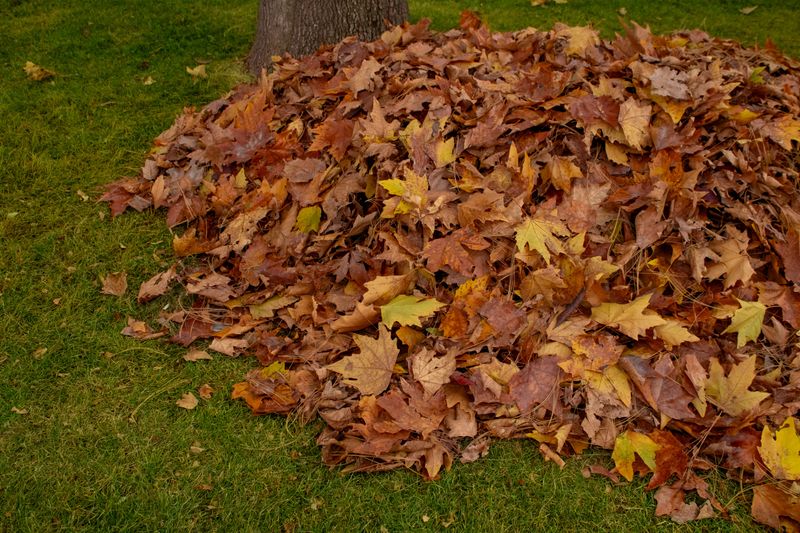
Late November has a funny way of tempting you to toss every last bag to the curb. Hold on to a few, because spring gardeners often wish they had more leaves.
Stored leaves come in handy all year. Use them to mulch new vegetable transplants in May, layer them into summer compost, or start a fresh leaf mold pile.
Leaf drop timing varies across the state. Western and northern counties often peak in mid to late October, while the southeast, around Philadelphia, may still be raking well into November.
Many municipalities collect leaves and turn them into compost or mulch. Some, like several townships in the Philadelphia and Pittsburgh areas, offer that material free to residents, so check with your local public works office.
If neighbors are bagging leaves, ask politely whether you can take them. Most folks are happy to share, and you save them a trip to the curb.
Start small this fall with one leaf pile and one mulched bed. By next spring, you will see darker soil, fewer weeds, and a garden that looks well fed, all from something that simply fell from the sky.