The Most Beneficial Texas Yard Snakes
Snakes in a Texas yard produce one of the most polarizing reactions in all of backyard wildlife encounters. For some people, any snake is a problem to be solved immediately.
For others, they’re fascinating and welcome visitors. But regardless of where you fall on that spectrum, the facts about what certain Texas yard snakes are actually doing for your property are worth knowing.
Some of these snakes are genuinely valuable. Not in a vague, ecological abstraction kind of way, but in a direct and measurable way that affects the pest pressure, rodent population, and overall health of your outdoor space.
The right snakes in a Texas yard are consuming rats, mice, and pest insects at a rate that no product or service can realistically replicate, and they’re doing it for free, on their own schedule, without any input from you.
Identifying which snakes fall into this category and understanding what they contribute is the first step toward a more informed and less reactive approach to snake encounters on your property.
Here are the most beneficial Texas yard snakes and exactly what each one is doing for you.
1. Western Ratsnake
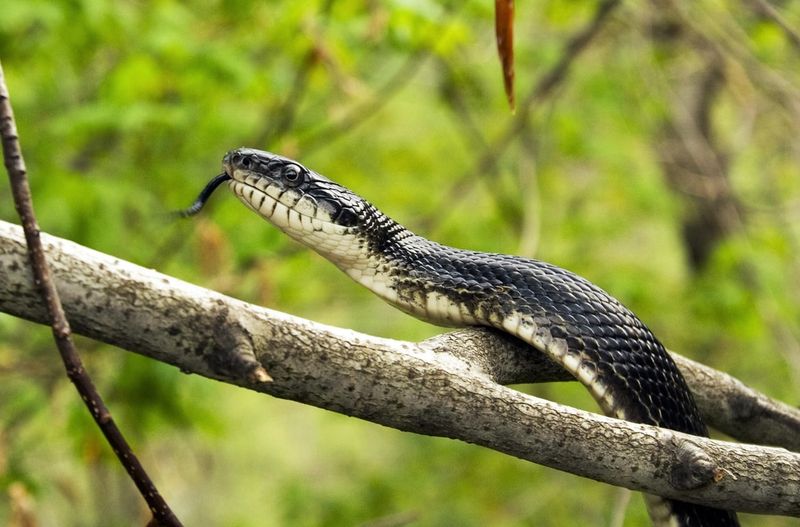
If there is one snake that earns its keep around Texas homes, it is the Western Ratsnake. This snake is a natural-born rodent hunter, and it takes that job seriously.
You might spot one climbing a tree, squeezing through a barn wall, or moving along a fence line in search of its next meal.
Western Ratsnakes eat mice, rats, voles, and other small mammals that can cause real damage to your home and garden. A single snake can remove a surprising number of rodents from your property over the course of a season.
That means less chewing on wires, less damage to stored food, and fewer holes in your yard.
These snakes are strong climbers and can reach spots that most other predators cannot. They are often found in attics, barns, and hollow trees where rodents like to nest. Rather than being alarmed, think of them as free pest control working around the clock.
Adult Western Ratsnakes can grow to be four to six feet long, which makes them look intimidating.
But they are not venomous, and they rarely bother people unless they feel cornered or threatened. If you leave them alone, they will leave you alone and keep working on those rodents.
One fun fact worth knowing is that Western Ratsnakes were once called Black Ratsnakes in many parts of Texas because of their dark coloring. Their scales often have a faint pattern that becomes more visible in bright light.
Keeping one around your property is genuinely one of the best forms of natural pest management available to Texas homeowners.
2. Bullsnake
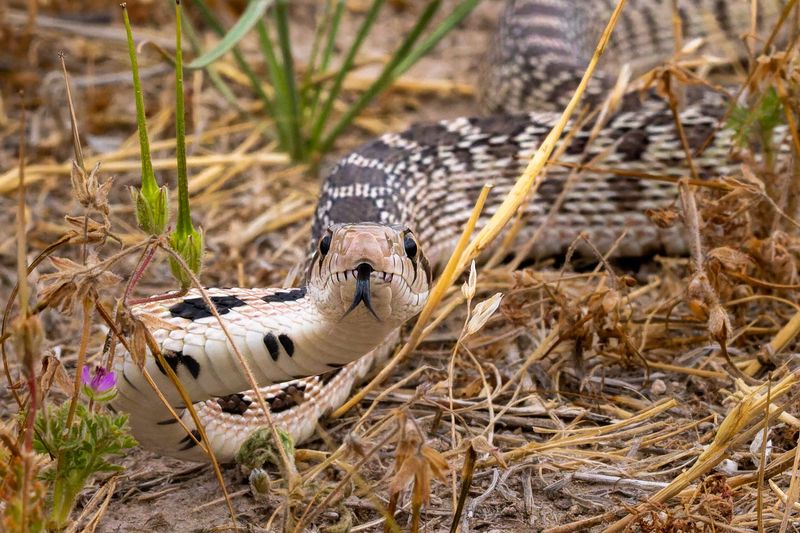
Loud, bold, and built like a tank, the Bullsnake is one of the most impressive snakes you can find on a Texas property. When it feels threatened, it puffs up, hisses loudly, and vibrates its tail in dry leaves to mimic the sound of a rattlesnake.
Your Texas Garden Changes Every Week. Your Plan Should Too.
Gardening in Texas changes quickly throughout the season. Every Friday you’ll receive a simple weekly plan showing exactly what to plant, prune, fertilize, harvest, and protect so you never miss the right timing.
That dramatic display fools a lot of people, but the Bullsnake is completely harmless to humans.
What it is not harmless to is the rodent population. Bullsnakes are heavy-duty hunters that go after mice, cotton rats, gophers, and other burrowing animals.
They are especially useful around larger yards, farms, and rural properties where rodent populations can get out of hand quickly. A Bullsnake will even follow rodents into their underground tunnels to catch them.
These snakes can grow to be six feet long or more, making them one of the largest non-venomous snakes in Texas. Their size alone makes them effective at taking on bigger prey that smaller snakes cannot handle.
Farmers have appreciated Bullsnakes for generations because of how well they protect grain storage and livestock areas.
Bullsnakes are active during the day, especially in the warmer months. You might see one moving slowly across open ground or basking in a sunny spot near a fence or rock pile.
They prefer open habitats like grasslands, prairies, and brushy fields, but suburban yards work just fine for them too.
If a Bullsnake shows up in your yard, consider yourself lucky. It is a sign that your property has a healthy ecosystem. Give it space and let it do what it does best.
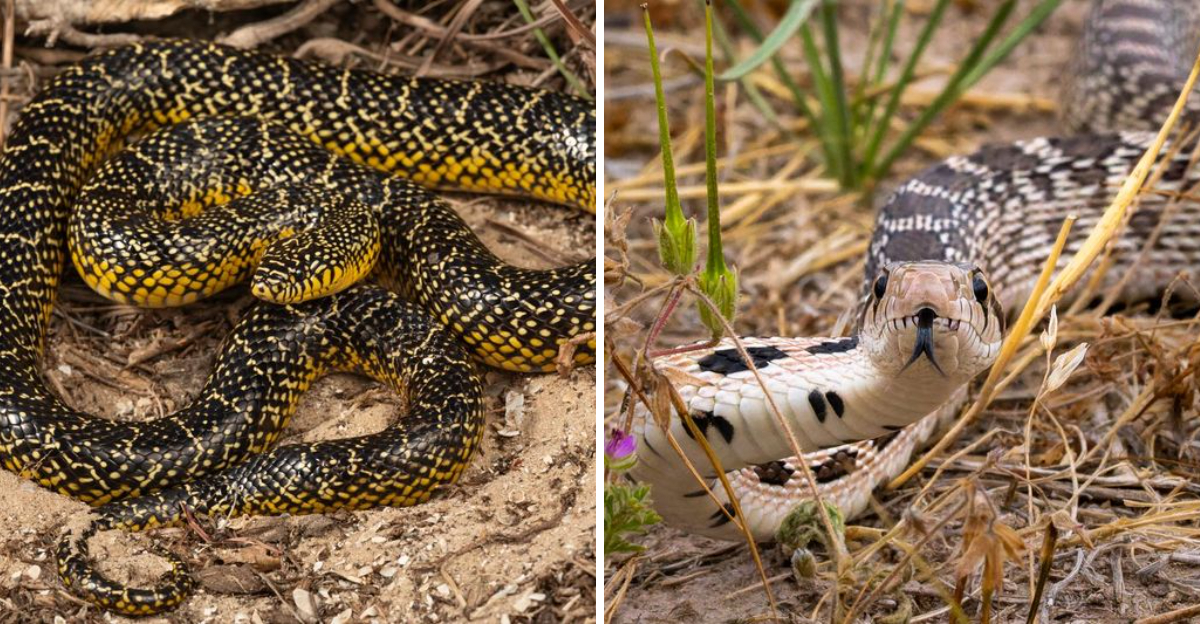
3. Speckled Kingsnake
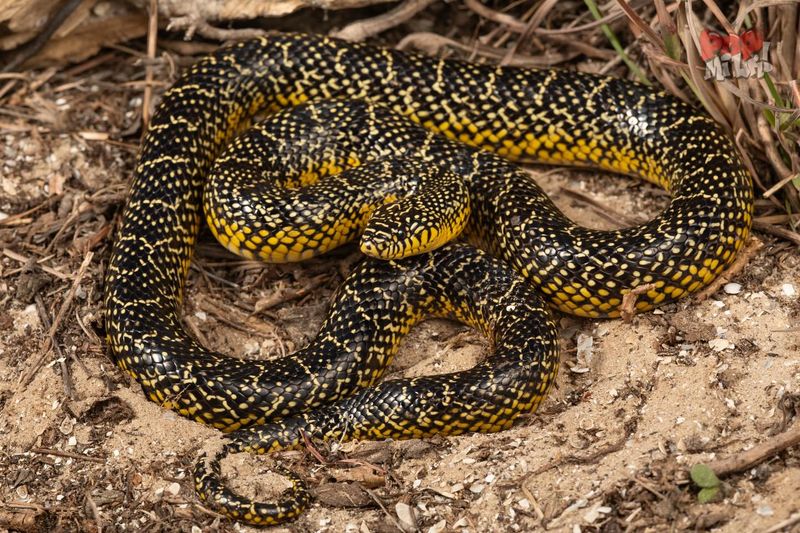
There is something almost legendary about the Speckled Kingsnake. It earned the “king” part of its name for a very real reason.
This snake does not just eat rodents and lizards. It also preys on other snakes, including venomous ones. That alone makes it one of the most valuable reptiles you can have near your home.
Speckled Kingsnakes are immune to the venom of pit vipers, which means they can safely take on copperheads and other venomous snakes without any risk to themselves.
Having one of these snakes patrolling your yard could actually reduce your chances of running into a dangerous snake in the future. That is a pretty remarkable benefit.
Beyond their snake-eating habits, Speckled Kingsnakes are solid rodent hunters too. They eat mice, rats, and lizards with the same confidence they bring to hunting other snakes.
They are active and curious, often moving through a wide range of habitats including wooded areas, rocky hillsides, and suburban neighborhoods.
Their appearance is striking. They have shiny black or dark brown scales covered in small yellow or white speckles that give them a salt-and-pepper look.
Adults typically reach three to four feet in length. They are muscular and move with a smooth, confident energy that is easy to recognize once you know what to look for.
Speckled Kingsnakes are not aggressive toward people. They may musk or bite if grabbed, but they settle down quickly in calm situations.
Spotting one in your yard is genuinely exciting. It means your local ecosystem has a top-tier predator keeping things in balance.
4. Rough Green Snake
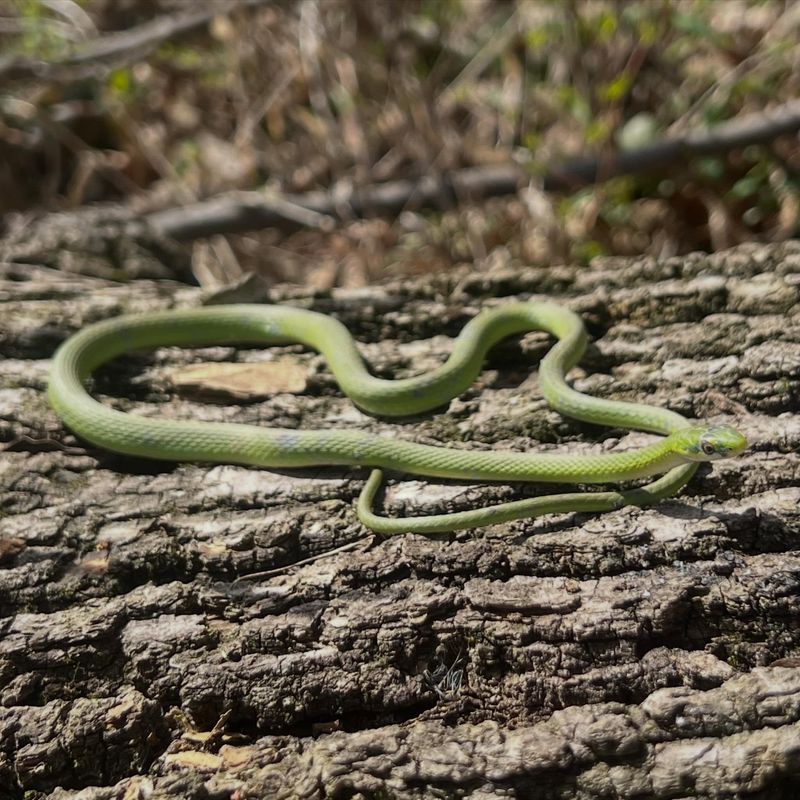
Bright green, pencil-thin, and almost impossibly graceful, the Rough Green Snake is one of the prettiest snakes in Texas. It spends most of its time in shrubs, vines, and low tree branches, moving so slowly and smoothly that it almost looks like a living vine.
Many people walk right past one without ever noticing it is there. Rough Green Snakes are insect specialists. They feed heavily on crickets, grasshoppers, caterpillars, and other soft-bodied insects that can damage garden plants.
If you have a vegetable garden or flower beds, a Rough Green Snake working nearby is quietly protecting your plants from the bugs that want to eat them.
One of the best things about this snake is that it is completely harmless to people. It has no venom, and it almost never bites even when handled.
Its entire focus is on hunting insects, and it does that job with impressive skill. Watching one hunt through a leafy shrub is genuinely fascinating if you take the time to observe it.
These snakes are not large. Most adults grow to between 20 and 32 inches long, which makes them one of the smaller snakes on this list.
Their bright green color helps them blend into vegetation so well that they are easy to miss. That natural camouflage protects them from birds and other predators.
Rough Green Snakes prefer moist, leafy environments near streams, ponds, or well-watered gardens. If your yard has thick shrubs or a water feature, you are creating perfect habitat for this charming little insect hunter. Consider it a welcome neighbor.
5. Texas Threadsnake
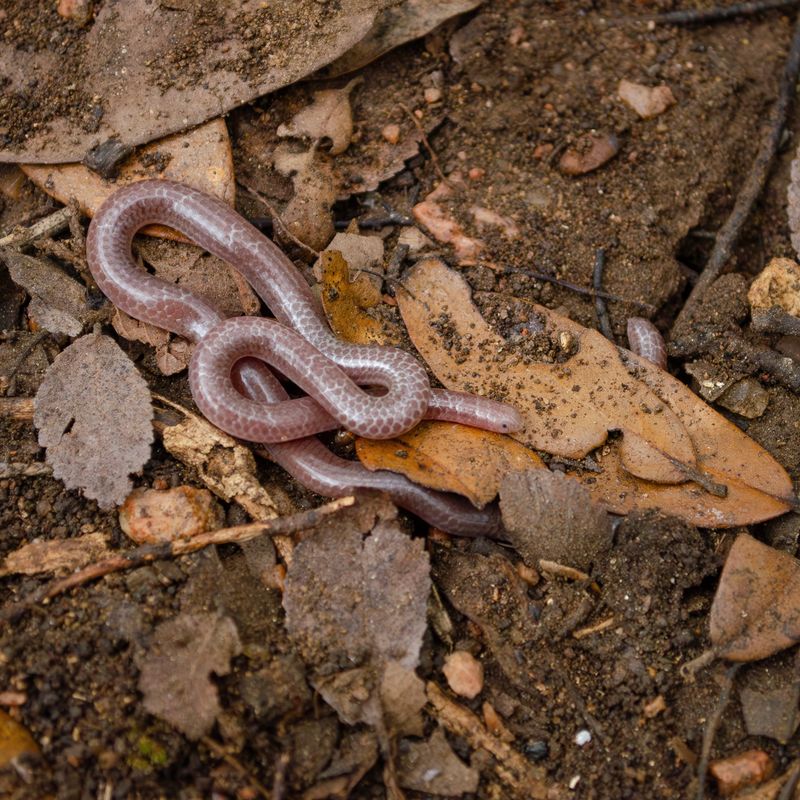
At first glance, the Texas Threadsnake looks more like a pink earthworm than an actual snake. It is tiny, slender, and spends almost all of its life underground.
Most people have never seen one, not because they are rare, but because they are so good at staying hidden beneath soil, rocks, logs, and leaf litter.
What makes this little snake so valuable is its diet. Texas Threadsnakes feed mainly on ants and termites, specifically the larvae and pupae found deep inside colonies.
Termites alone cause billions of dollars in property damage every year across the United States. Having a natural predator that targets termite colonies right in your yard is a remarkable benefit most homeowners never think about.
Texas Threadsnakes are completely blind and rely on chemical signals to find their prey. They follow the scent trails of ant and termite colonies directly to the source.
Once inside a colony, they can consume hundreds of larvae in a single feeding session. That kind of targeted hunting is hard to beat.
These snakes are also called western blind snakes or plains blind snakes in some parts of Texas. Adults rarely grow longer than 11 inches, and their smooth, shiny scales make them look almost polished.
They are not dangerous in any way and will not bite if you accidentally uncover one while gardening.
If you find a Texas Threadsnake under a rock or flowerpot, place it back carefully and let it go about its work. It is doing more for your yard than you might realize, one ant colony at a time.
6. Rough Earthsnake
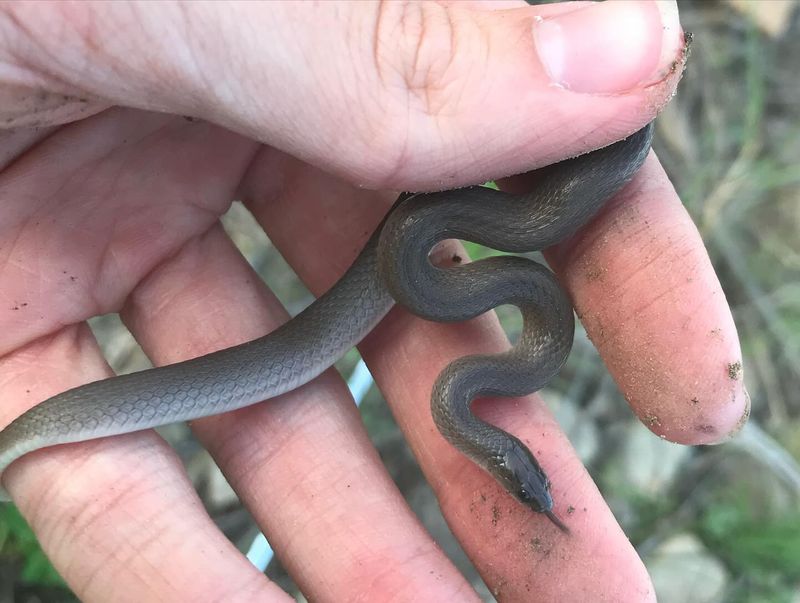
Quiet, small, and easy to overlook, the Rough Earthsnake is one of the most common snakes found in Texas gardens and flower beds. It spends most of its time under mulch, fallen leaves, flat rocks, and loose soil.
Gardeners often uncover one while digging or pulling weeds, and more often than not, they mistake it for a worm at first.
Rough Earthsnakes earn their place in the garden by eating slugs, snails, worms, and small soft-bodied arthropods. Slugs and snails are serious garden pests that can destroy seedlings overnight.
Having a Rough Earthsnake working through your flower beds means natural, chemical-free protection for your plants without you doing anything extra.
These snakes are small, usually between 7 and 13 inches long as adults. Their gray or reddish-brown coloring helps them blend into soil and leaf litter almost perfectly.
The rough texture of their scales, which gives them their name, also helps camouflage them among debris and bark.
Rough Earthsnakes are non-venomous and pose absolutely no threat to people or pets. They are shy by nature and will almost always try to escape rather than confront anything larger than themselves.
Even if you pick one up, it is unlikely to do much more than wiggle and try to get free. One charming detail about Rough Earthsnakes is that they give birth to live young instead of laying eggs. A female can produce a small litter of two to eight babies in late summer.
Finding a cluster of tiny Rough Earthsnakes in your garden means the population is thriving, and your soil is healthy and full of life.
7. Checkered Garter Snake
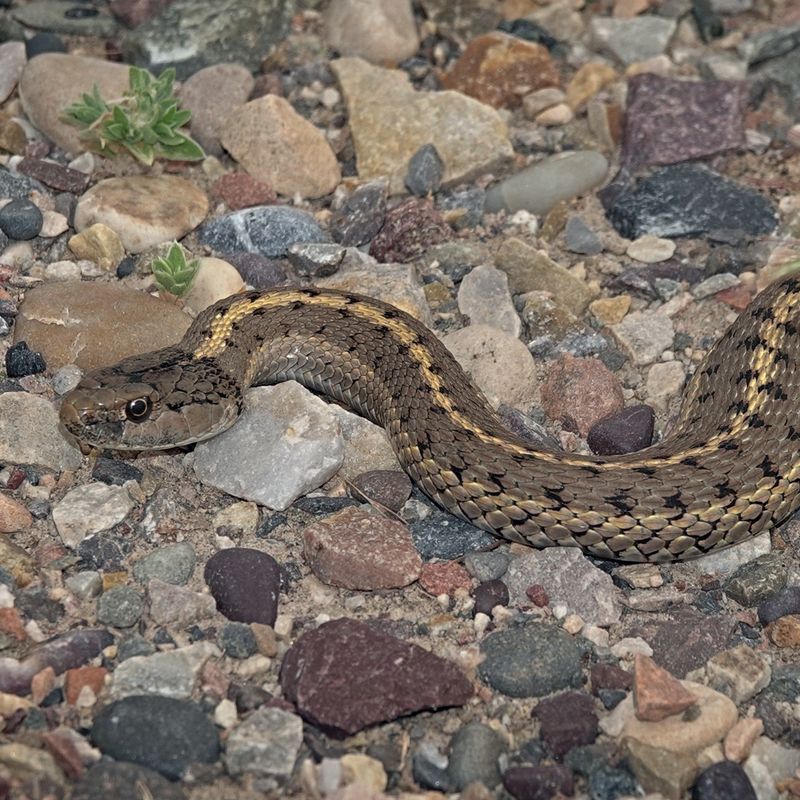
Few snakes are as comfortable around people as the Checkered Garter Snake. It shows up in suburban yards, neighborhood gardens, parks, and drainage ditches with an easygoing confidence that sets it apart from more secretive species.
Its bold black and yellow checkerboard pattern makes it one of the easiest Texas snakes to identify, even from a distance.
Checkered Garter Snakes help keep populations of small animals and invertebrates in balance. They eat frogs, toads, small fish, earthworms, and the occasional small rodent.
Because they hunt near water, you will often find them around garden ponds, birdbaths, drainage areas, and moist low spots in the yard. They are active hunters and move quickly through vegetation in search of prey.
These snakes are harmless to people. They do not have functional venom, and while they might release a musky smell if handled roughly, they are not aggressive.
Children who grow up in Texas often encounter Checkered Garter Snakes as their first up-close snake experience, which can spark a lifelong appreciation for reptiles.
Adult Checkered Garter Snakes typically reach 18 to 24 inches in length. They are slender and fast, which makes them good at chasing down quick prey like frogs and small fish near the water’s edge.
Their speed and agility also help them escape from predators like hawks and larger snakes. Checkered Garter Snakes are social compared to most other snake species. They sometimes gather in small groups near reliable food sources or warm basking spots.
Seeing one in your yard means you have a healthy, active ecosystem right outside your door, which is always a good sign for any Texas garden.