The California Groundcover Mistake That Creates More Cleanup Than Mulch
Groundcovers are supposed to make life easier. They fill bare soil, soften hard edges, and can give a California yard that finished, low-maintenance look everyone wants.
So it is especially annoying when the “easy” option somehow creates more work than the material it replaced.
At first, everything may look exactly as planned. The planting spreads, gaps disappear, and the bed feels fuller and more polished.
Then the cleanup starts creeping in, little by little, until you are spending more time tidying than expected. Excellent. Another garden shortcut with paperwork.
The frustrating part is that the choice can still look attractive while quietly adding extra maintenance behind the scenes. Nothing seems obviously wrong, which makes the pattern easy to miss for a while.
Once the mess becomes noticeable, the groundcover may already be well established and harder to rethink.
That is why the details of how these plants behave over time matter just as much as how good they look on planting day.
1. Fast-Spreading Groundcovers Can Escape Their Bed
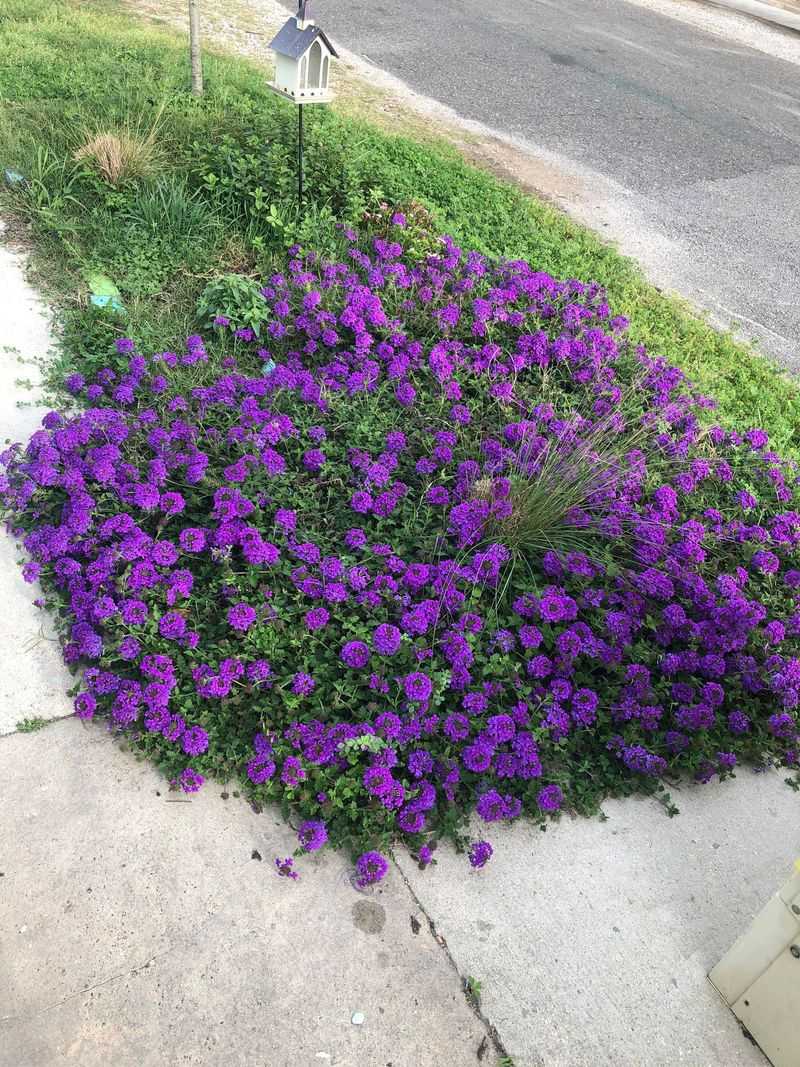
Some plants are natural travelers, and groundcover is often the biggest wanderer in the yard. Certain varieties can spread several feet in a single growing season.
What starts as a tidy patch near the fence can quietly creep outward in every direction without much warning.
Plants like creeping fig, ice plant, and star jasmine are popular choices in warm climates because they grow fast and fill space quickly. That speed is exactly what makes them tricky.
Once they move beyond the original bed, they root into new soil and become much harder to remove.
Mulch does not have this problem. You spread it, it stays there, and it breaks down slowly over time.
Groundcover keeps growing and does not stop at the edge of where you planted it. California gardeners do not realize how far a plant can travel in just one or two seasons.
Checking your groundcover beds every few weeks during the growing season makes a real difference. Look for new shoots poking into the lawn or crawling under edging.
Catching runners early saves a lot of effort later. A pair of garden shears and a few minutes of attention every couple of weeks can prevent a much bigger job from forming at the end of the season.
2. Runners Quickly Creep Into Paths And Borders

Runners are the long, low stems that certain groundcover plants send out horizontally across the soil. They move fast, and they are surprisingly good at finding gaps.
Cracks in pavement, spaces between stepping stones, and soft soil along borders are all easy targets.
Once a runner reaches a new spot and touches soil, it often roots itself right there. Now you have a new plant growing where you did not want one.
Pulling it out sounds simple, but if the roots have had a few weeks to settle in, it takes real effort to get the whole thing out cleanly.
Border plants and low perennials near groundcover beds are especially at risk. A runner can slip under a border plant and start growing up through it before you even see it coming.
Your California Garden Changes Every Week. Your Plan Should Too.
Gardening in California changes quickly throughout the season. Every Friday you’ll receive a simple weekly plan showing exactly what to plant, prune, fertilize, harvest, and protect so you never miss the right timing.
By the time you notice, the two plants are tangled together and separating them without disturbing the roots of your border plant takes patience.
Using solid edging materials like metal or thick plastic helps slow runners down. Raised edging that sits a few inches above the soil level creates a physical barrier that many groundcover plants cannot cross as easily.
Pairing edging with regular checks along your paths keeps the runners from gaining ground and turning a small oversight into a much larger cleanup project.
3. Once It Spreads, Trimming Becomes A Constant Chore
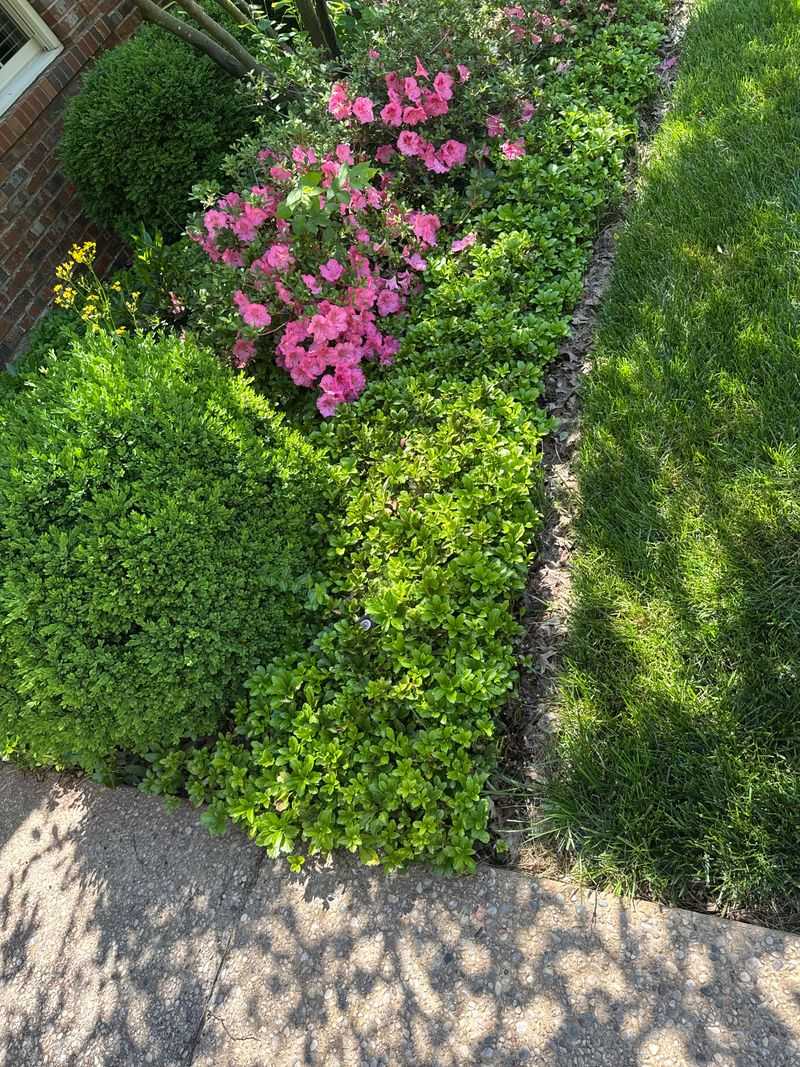
There is a big difference between a plant that needs occasional pruning and one that demands trimming every few weeks just to stay in its lane.
Fast-spreading groundcovers often fall into the second category, and many gardeners are caught off guard by how often they need to go back out with the shears.
During peak growing months, some groundcover varieties can add several inches of new growth in a week. That growth does not stop at the edge of the bed.
It keeps going over the edging, into the lawn, along the path, and sometimes up the side of a nearby shrub. Keeping up with it means committing to a regular trimming schedule.
Mulch requires almost no trimming at all. You top it off once or twice a year and that is usually enough.
The time savings with mulch become obvious once you have spent a few summers chasing groundcover back into its bed every month.
If you already have spreading groundcover in your yard, setting a reminder to check and trim every two to three weeks during spring and summer is a smart habit. Use sharp, clean shears to make neat cuts.
Leaving ragged edges encourages the plant to branch out in more directions. Staying consistent with trimming is the single most effective way to keep fast-growing groundcover from turning your yard into a weekend-long maintenance project.
4. Edges Need More Maintenance Than Gardeners Expect
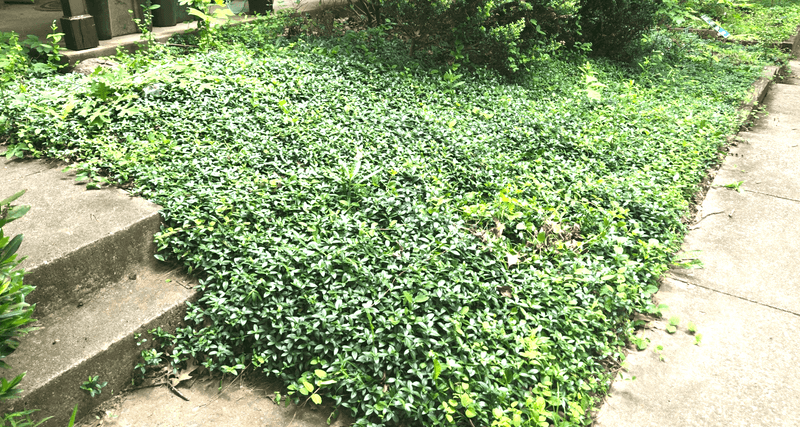
Ask any experienced California gardener what part of a groundcover bed takes the most time, and most will point straight to the edges.
Keeping a clean, defined edge between groundcover and the rest of the yard is harder than it looks, especially with aggressive spreaders.
Edging a mulch bed takes maybe ten to fifteen minutes a couple of times a year. Edging a groundcover bed with an active spreader can take the same amount of time every single month.
The plant keeps pushing outward, and each time it does, you have to cut it back, dig out the runners, and redefine the border.
Soft edges in particular, like where groundcover meets lawn or a gravel path, are the hardest to maintain. The plant does not see a boundary.
It just sees more soil to root into. Without a physical barrier, the edge will keep blurring over time no matter how often you trim it back.
Installing a deep edging material that goes at least four to six inches into the soil helps block underground runners from crossing over.
Above-ground edging alone is not always enough because some runners travel just below the soil surface and pop up on the other side.
Combining deep edging with regular visual checks gives you the best chance of keeping a clean, sharp edge without spending half your weekend on your knees re-doing work you already did last month.
5. Groundcover Can Smother Smaller Plants Nearby
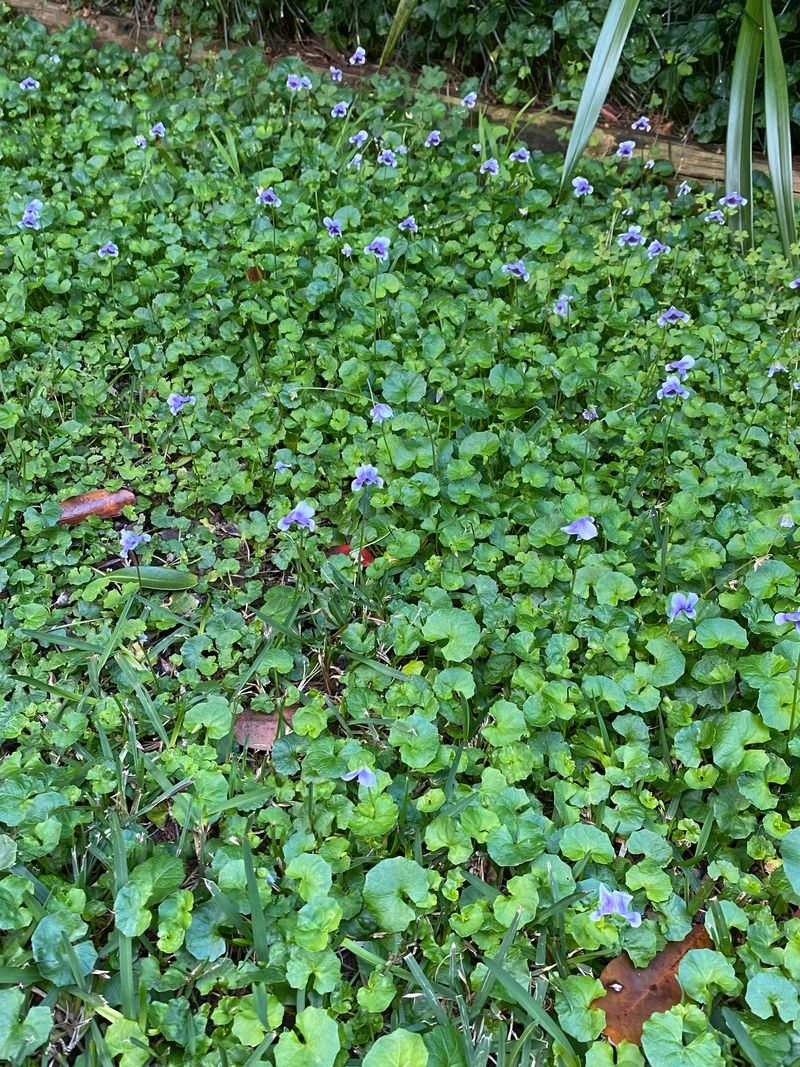
One of the sneakiest problems with fast-spreading groundcover is what it does to the plants growing nearby.
Smaller perennials, young shrubs, and low-growing flowers can get completely covered if the groundcover moves in around them. Once the light is blocked, those plants struggle to stay healthy.
It happens gradually, which is part of why so many gardeners miss it. The groundcover creeps a little closer each week.
Then it starts overlapping the edges of a nearby plant. Before long, the smaller plant is buried under a thick mat of leaves and stems, fighting for sunlight and air circulation.
Mulch does not compete with your other plants for space or light. It sits quietly around them and actually helps them retain moisture and stay healthy.
Groundcover, on the other hand, is always growing and always looking for more room to expand.
Giving your smaller plants a little extra space from the groundcover bed is a good preventive step.
A gap of twelve to eighteen inches between an aggressive groundcover and a smaller plant gives you time to catch and cut back any runners before they reach the plant.
Checking under the canopy of spreading groundcover every few weeks also helps. Runners can travel under the foliage where you cannot easily see them, so lifting the outer edges and looking underneath is worth the extra minute or two during each garden check.
6. It Can Tangle Around Irrigation And Landscape Edging
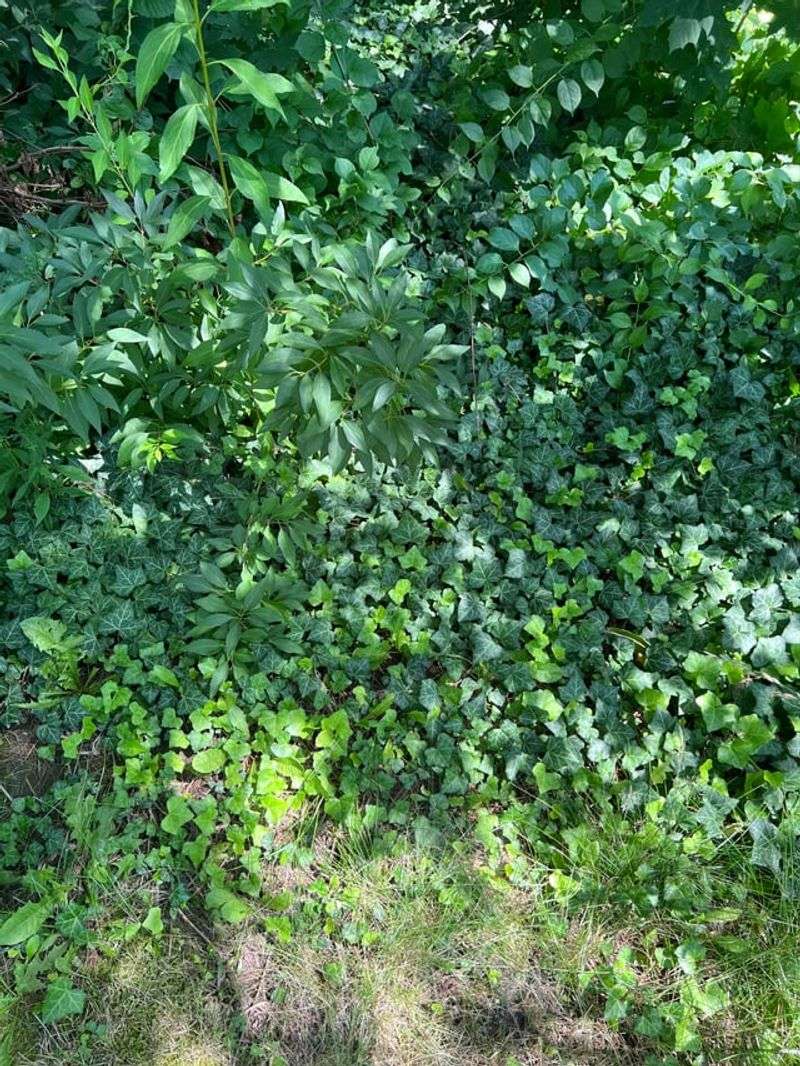
Drip irrigation systems are a great investment for any yard, but they become a headache fast when groundcover starts wrapping around the tubing.
Stems and runners do not care what is in their path. If there is something to grow around, they will grow around it.
Over time, groundcover stems can wrap tightly around drip lines, emitters, and connectors. When you need to adjust or repair the system, pulling out the tubing means pulling through layers of tangled plant material first.
Sometimes stems have rooted into the soil right next to the tubing, making it even harder to separate without tearing things apart.
Landscape edging faces the same problem. Runners creep under plastic or metal edging, and once they root on the other side, the edging itself can get lifted or shifted out of position.
What was meant to create a clean border ends up being pushed aside by the very plant it was supposed to contain.
Checking your irrigation lines during each garden inspection is a habit worth building. Look for stems starting to loop around tubing and remove them before they tighten.
Keeping a small pair of scissors in your garden kit makes quick work of a runner that has just started wrapping around a drip line.
Catching it early, before it roots and stiffens, means a few seconds of work instead of a frustrating untangling job later in the season.
7. Pulling Back Overgrowth Often Becomes A Seasonal Job
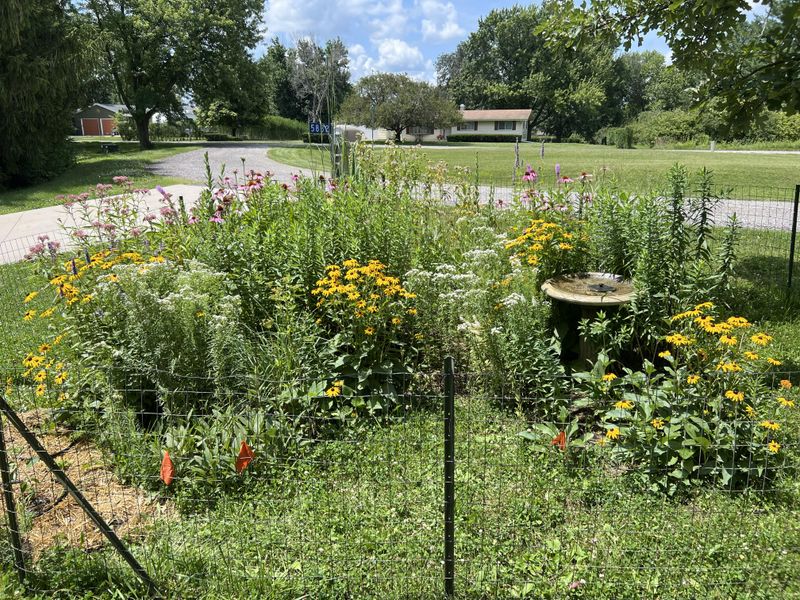
For many homeowners, the end of each growing season brings the same unwelcome surprise.
The groundcover that looked manageable in spring has grown into a thick, sprawling mass that has swallowed up parts of the yard that were never meant for it. Pulling it back becomes a job that takes hours, not minutes.
Unlike mulch, which you simply rake or top off, overgrown groundcover has to be physically cut back, pulled up, and often disposed of in yard waste bags. Depending on how far it has spread, this can mean filling several bags just from one bed.
The roots left behind also need attention, because leaving them in place means the plant will regrow from the same spots next season.
Some gardeners set aside time in both spring and fall specifically for groundcover management.
Spring clearing gets rid of withered or winter-damaged growth and sets clean edges before the new season starts.
Fall pulling keeps the plant from going into winter in an already-overgrown state, which just means more work come spring.
Having the right tools makes a real difference. A sharp hand pruner, a long-handled pruning saw for thicker stems, and a sturdy pair of gloves are the basics.
A garden fork helps loosen roots without breaking them off underground. Treating seasonal groundcover cleanup as a planned task rather than an unexpected chore makes it feel far less overwhelming when the time comes.
8. Small Beds Can Get Overwhelmed Surprisingly Fast
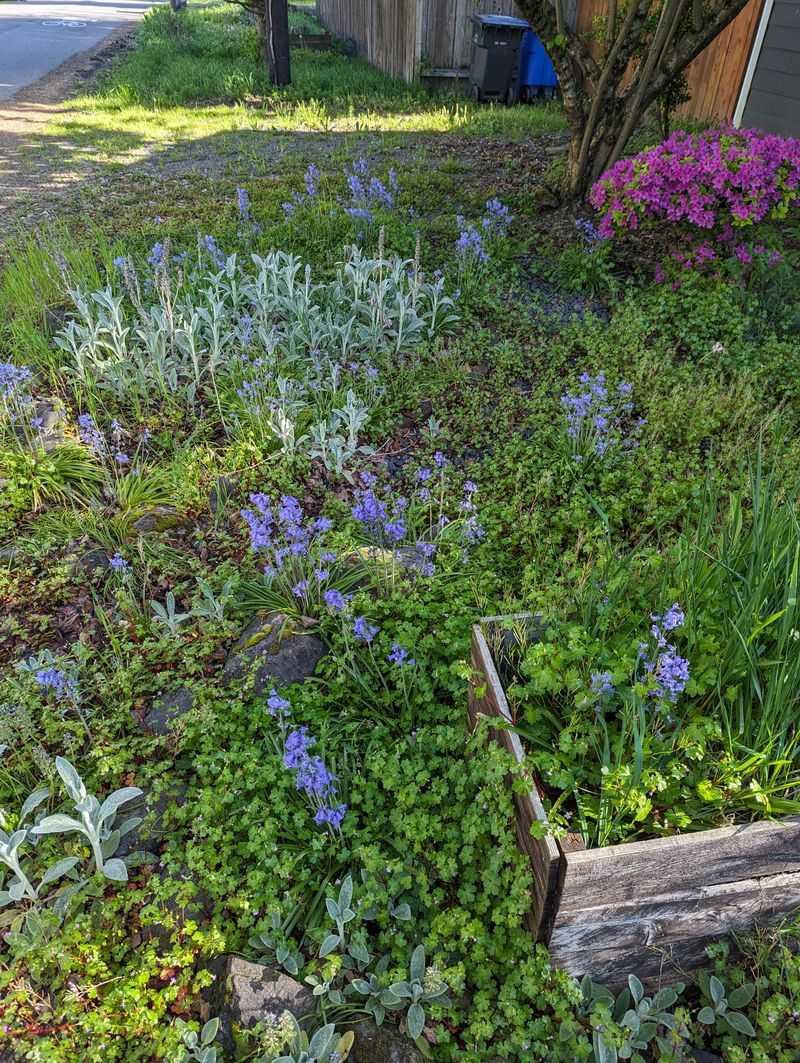
A small raised bed or a compact planting area might seem like the perfect place to tuck in a groundcover plant.
The thinking makes sense: fill the space, suppress weeds, and enjoy a tidy look without much effort.
But small beds are actually the first places to get overwhelmed when a fast spreader is involved.
When a vigorous groundcover runs out of room in a small bed, it does not stop growing. It climbs over the edges, roots into the lawn, and sometimes doubles back on itself to form a dense, layered mat that is hard to thin out without removing most of the plant.
A bed that looked neat six months ago can become a tangled mound that crowds out everything near it. Mulch in a small bed is easy to manage. You add a little, rake it smooth, and it stays put.
A spreading groundcover in a small bed requires constant editing to keep it from taking over the surrounding area.
For small spaces, choosing a less aggressive groundcover variety or a clumping plant that does not send out runners is a smarter approach. If you are set on a spreading type, plan to trim it back hard two or three times per growing season.
Keeping the plant slightly smaller than the bed gives it room to grow without immediately spilling over the edges and starting the whole cycle of spread and cleanup all over again.