Who Is Responsible For A Shared Retaining Wall Damaged By Tree Roots In Oregon?
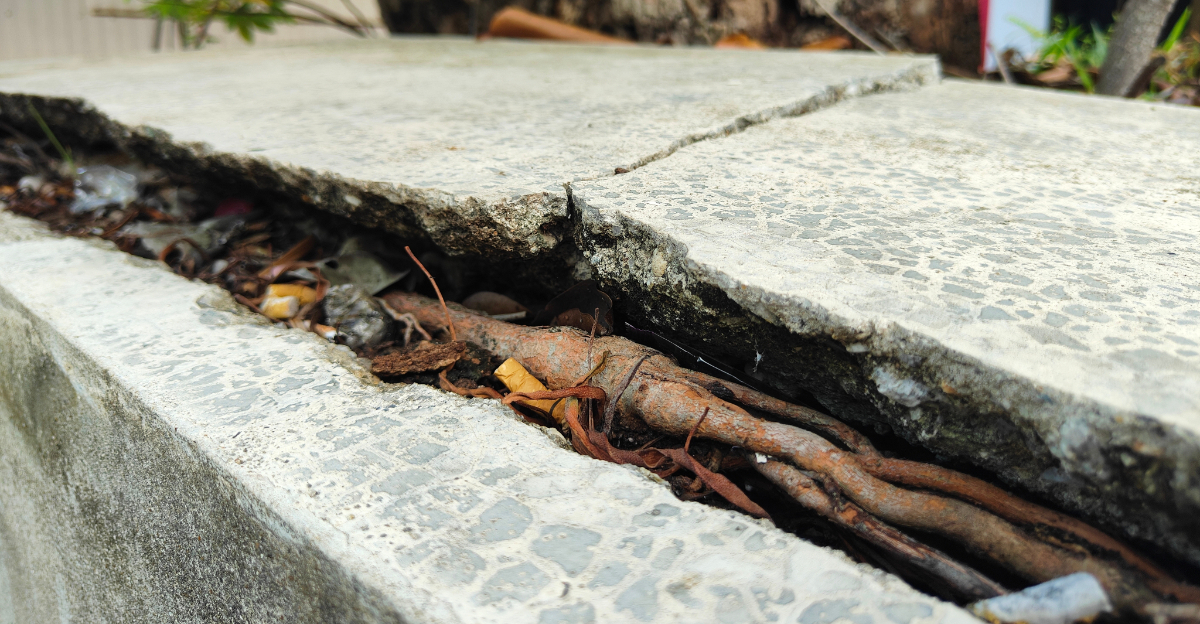
A retaining wall sitting between two Oregon properties can quietly mind its own business for years. Then cracks appear, sections begin leaning, and tree roots enter the conversation.
Suddenly, that ordinary boundary feature has become the center of a very expensive neighborly puzzle.
Shared structures already raise awkward questions about maintenance and repair costs. Add a tree growing on one side, roots spreading underground, and damage that may have developed slowly, and figuring out responsibility gets considerably less straightforward.
Even identifying what caused the damage can be complicated. Soil movement, drainage, age, construction, and nearby vegetation may all become part of the discussion, making it risky to jump to conclusions based on a visible root or cracked block.
Nobody wants a retaining-wall repair to turn into a feud over the fence. Clear rules on ownership, property lines, and damage can help homeowners know what to expect before repair bills arrive.
1. The Property Line Does Not Always Decide Who Pays
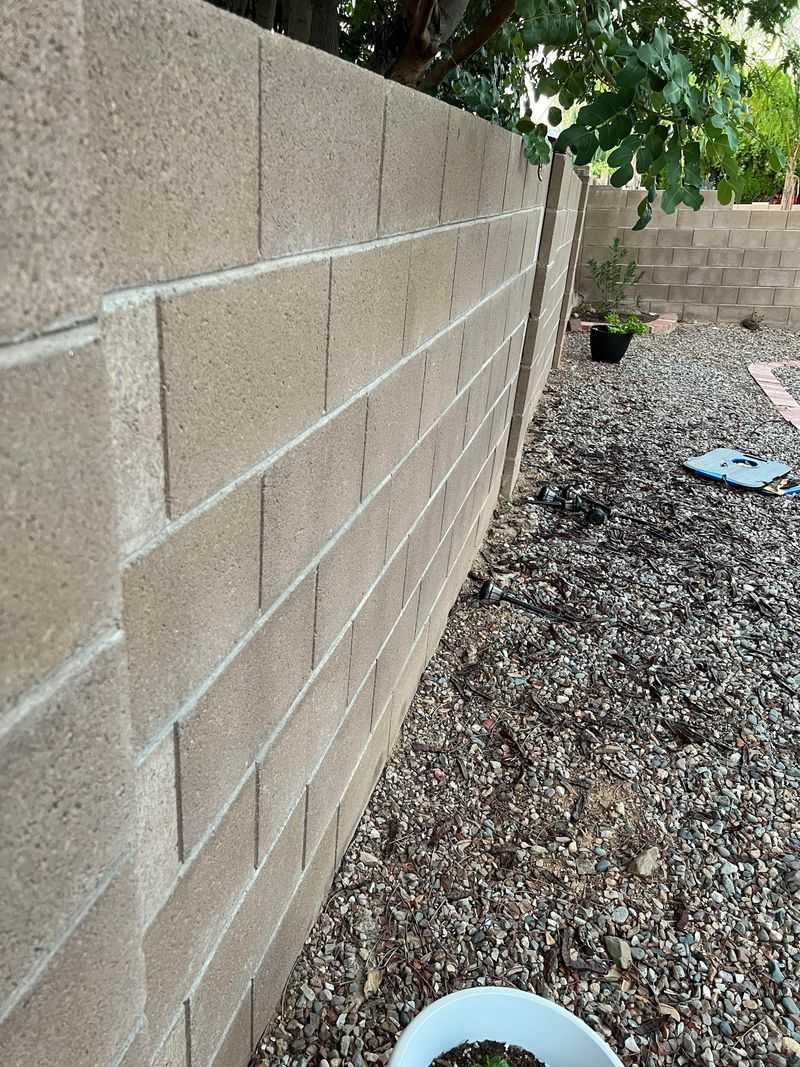
Many homeowners assume that whoever owns the land where the damage happened is automatically responsible.
That is not always how it works. Property lines are just one piece of a much bigger legal puzzle.
In many cases, responsibility depends on where the tree is rooted, how the wall was built, and whether there was any negligence involved.
A neighbor whose tree sits just inside their property line might still share some of the repair costs if their tree caused the damage. Courts look at multiple factors, not just the fence line.
Oregon courts have ruled in various ways depending on the facts of each case. Some decisions focus on who had prior knowledge of the root problem.
Others look at whether the wall owner took steps to prevent the damage. If you have been waiting for a clear-cut answer based on property lines alone, you may be disappointed. The law tends to look at the full picture.
That includes communication between neighbors, maintenance history, and any written agreements about the shared wall.
Talking to a local property attorney early on can help you understand exactly where you stand before spending money on repairs. Getting legal advice upfront is almost always cheaper than going to court later.
2. Who Owns The Wall Matters First
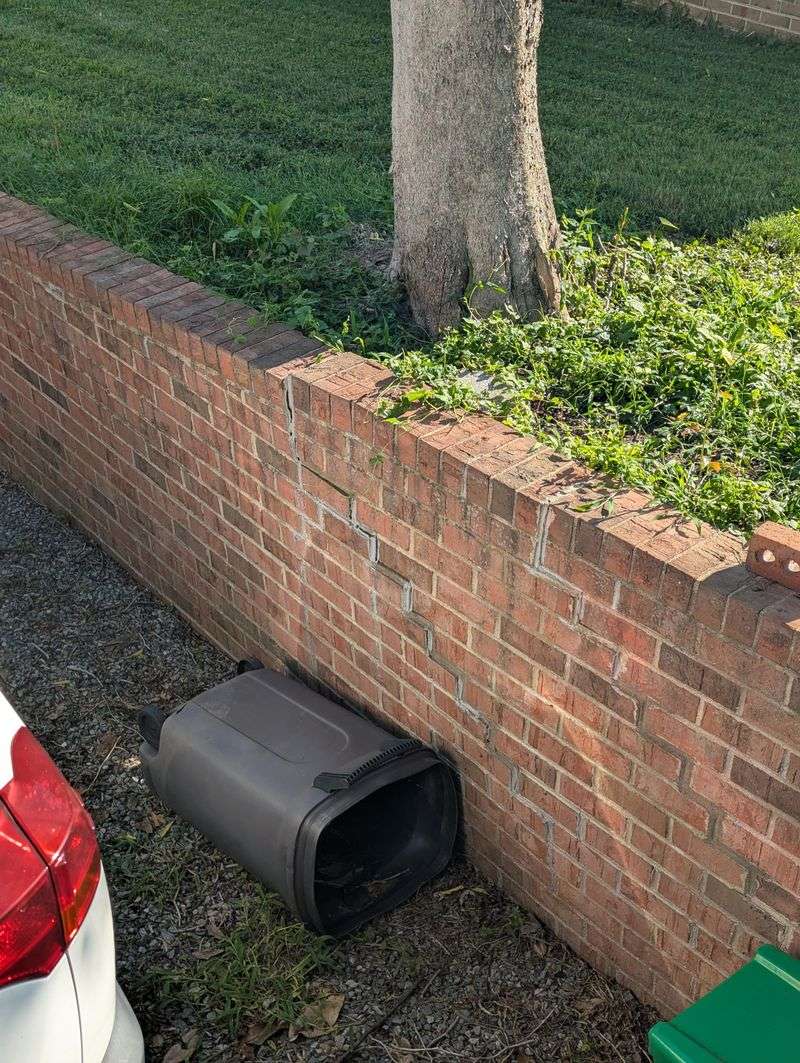
Before anything else, you need to figure out who actually owns the retaining wall. This sounds simple, but shared walls can be tricky.
Sometimes both neighbors use the wall, but only one of them legally owns it. Ownership of the wall is usually recorded in property deeds, easement agreements, or HOA documents. If your deed says the wall is on your property, you are likely the legal owner.
That usually means you are responsible for its upkeep, even if your neighbor’s tree caused the damage.
However, owning the wall does not always mean paying for everything. If a neighbor’s tree caused the damage through neglect, they may owe you compensation.
Oregon property law allows you to seek damages from a neighbor whose tree caused harm to your property, including structures like retaining walls.
Your Oregon Garden Changes Every Week. Your Plan Should Too.
Gardening in Oregon changes quickly throughout the season. Every Friday you’ll receive a simple weekly plan showing exactly what to plant, prune, fertilize, harvest, and protect so you never miss the right timing.
Start by pulling out your property deed and any related paperwork. Check if there is any mention of shared maintenance responsibilities.
Some deeds include specific language about who handles wall repairs. If you are unsure what the documents say, a real estate attorney can review them quickly.
Knowing who owns the wall gives you a solid starting point. Everything else, including who pays and how much, flows from that one key fact. Do not skip this step.
3. The Tree Owner May Be Responsible If Roots Caused The Damage
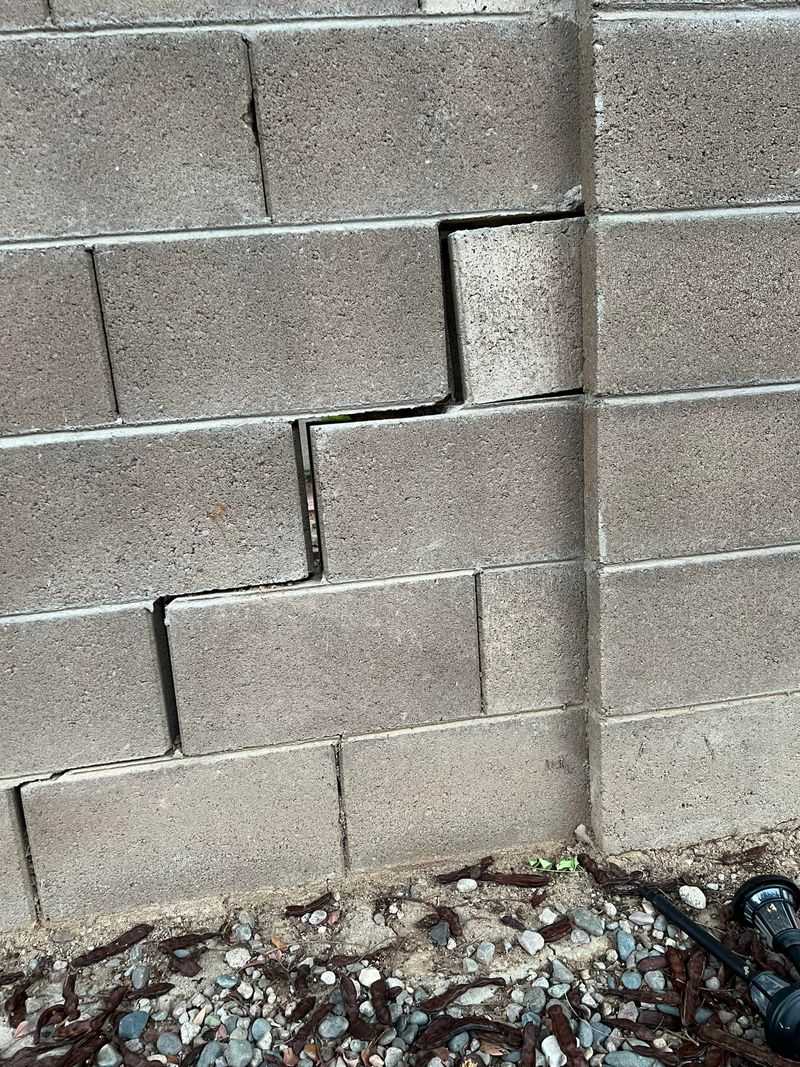
When a tree’s roots grow into and damage a neighboring structure, the tree owner can be held responsible.
This is especially true if they knew about the problem and did nothing to fix it. Ignoring a known risk is considered negligence under Oregon law.
Let’s say your neighbor has a large oak tree near the property line. You notice the roots creeping toward your shared wall and send them a written notice.
If they ignore your concern and the wall later cracks, they may be financially responsible for the repairs. The written notice is key because it proves they had knowledge of the risk.
Not every root damage case is so clear-cut. If neither neighbor knew the roots were a problem, shared responsibility may apply.
Courts look at what a reasonable person would have done in the same situation. That standard helps judges decide how much each party should pay.
Tree owners should take root damage warnings seriously. Trimming roots, installing root barriers, or even removing the tree may be necessary to prevent further harm.
These steps show good faith and can reduce legal liability. If you are the tree owner being blamed for wall damage, get an arborist involved early.
Their professional opinion can support your case, whether you are trying to negotiate with a neighbor or defend yourself in court.
4. A Shared Wall Can Mean Shared Repair Duties
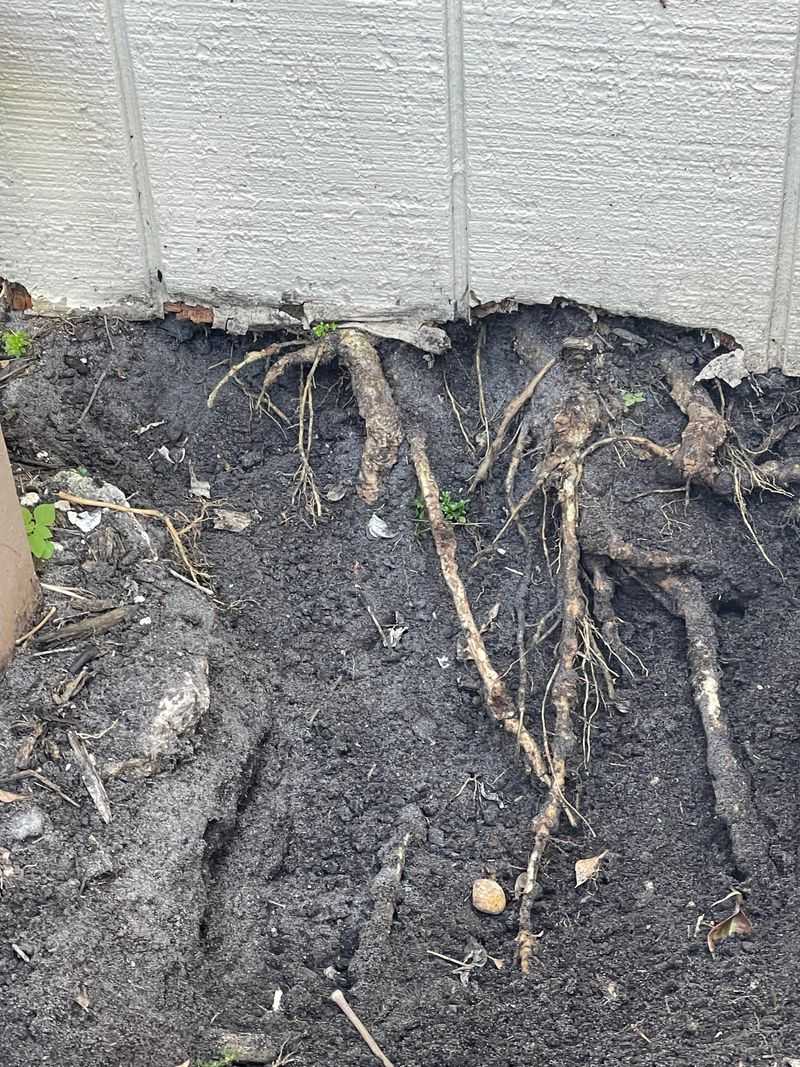
Sometimes a retaining wall sits right on the property line, making it a shared structure. When that happens, both neighbors may share the duty to maintain and repair it.
This is sometimes called a party wall, and it comes with its own set of rules. Shared walls are more common than people think. If both neighbors benefit from the wall, courts may decide that both should help pay for repairs.
This is true even if only one neighbor’s tree caused the damage. The reasoning is that both parties have a stake in keeping the wall standing.
Repair duties for a shared wall are sometimes outlined in written agreements. These can be part of a deed, a neighbor contract, or even an HOA rule.
If such an agreement exists, it usually spells out how costs are split and who handles repairs. Finding and reading that document can save a lot of arguing.
When no written agreement exists, neighbors must either work it out between themselves or let a court decide. Mediation is a great option here.
A neutral third party helps both sides reach a fair solution without the cost of a lawsuit. Many Oregon counties offer low-cost mediation services for neighbor disputes.
Going that route can resolve the issue faster and with far less stress than taking someone to court. Cooperation usually leads to the best outcome for everyone involved.
5. Old Wall Failure Can Complicate A Root Damage Claim
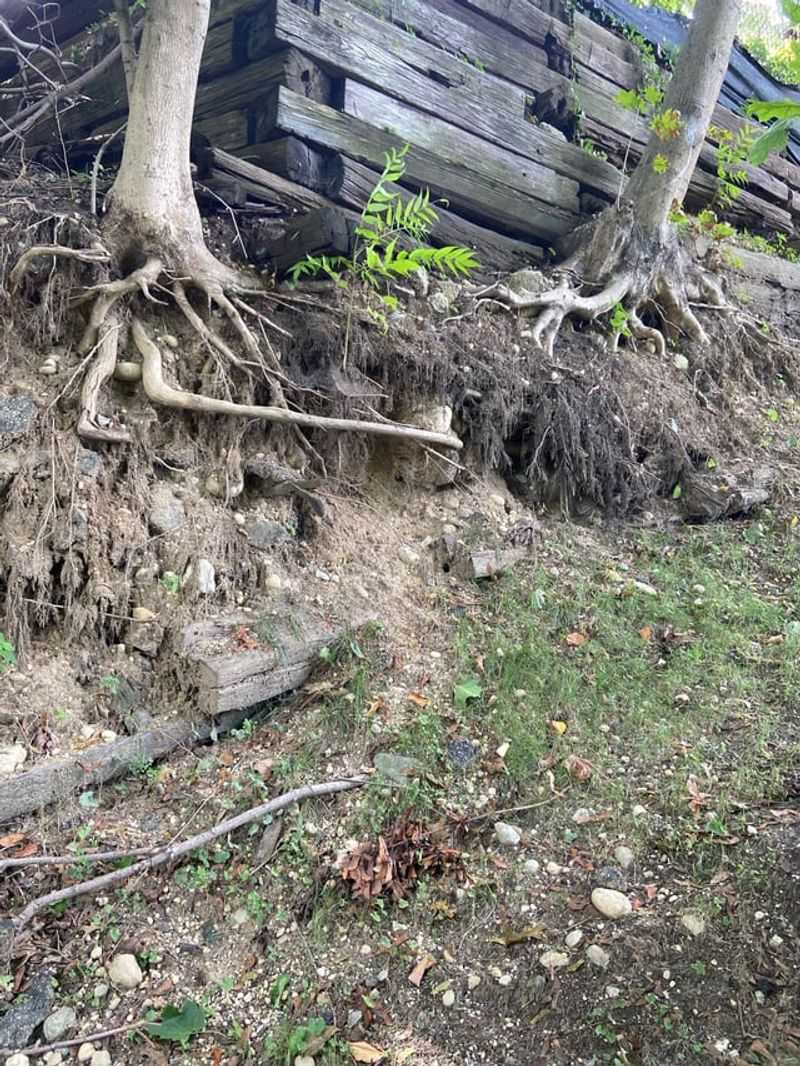
Here is something many homeowners do not consider: if a retaining wall was already in poor condition, proving that tree roots caused the damage becomes much harder. Age and neglect can weaken a wall long before any roots show up.
Insurance companies and courts both look at the condition of the wall before the damage occurred. If the wall was already cracking, leaning, or poorly maintained, any claim against a tree owner becomes less convincing.
The argument shifts from “your tree broke my wall” to “your wall was already falling apart.”
This is why regular maintenance matters so much. Keeping a wall in good shape creates a clear record that it was sound before the roots arrived.
Photos taken over the years are incredibly helpful in these situations. They show the wall’s condition at different points in time and make it easier to prove when the damage actually started.
If you are dealing with an old wall and recent root damage, do not assume you have no case. An engineer or arborist can assess the wall and give a professional opinion on what caused the failure.
Their report may show that while the wall had some age, the roots were the primary cause of the new damage.
That kind of expert testimony can make a real difference in a legal dispute or insurance claim.
6. Photos And Arborist Reports Can Help Show What Happened
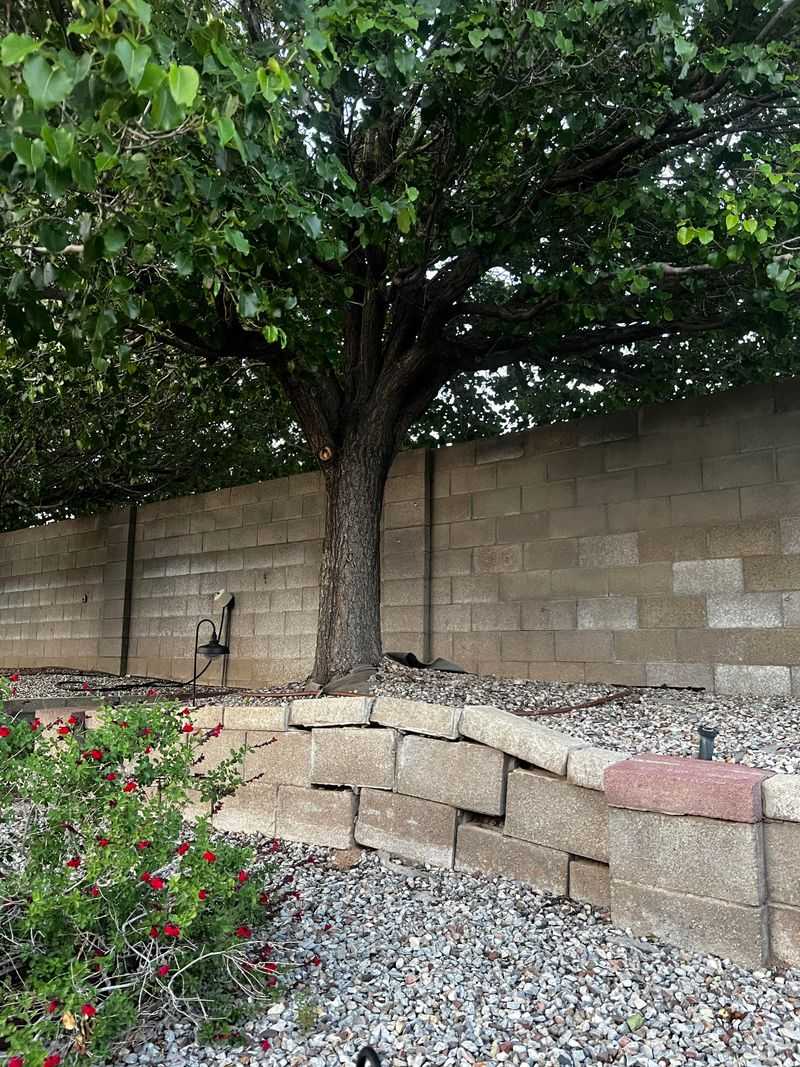
Evidence matters a lot in property disputes. When tree roots damage a shared retaining wall, having solid proof of what happened can be the difference between winning and losing a legal claim.
Photos and professional reports are your best tools. Start documenting the damage as soon as you notice it. Take clear, dated photos from multiple angles.
Capture the roots, the cracks, and the overall condition of the wall. If you have older photos of the wall in good condition, hold onto those too. They help establish a timeline and show that the damage is new.
An arborist is a certified tree expert who can examine the roots and determine their origin. They can write a professional report stating whether the roots came from a specific tree and how they contributed to the wall damage.
This report carries real weight in court or during insurance negotiations. Pair the arborist report with an engineer’s assessment of the wall itself. The engineer can confirm that the roots were the primary cause of structural failure.
Together, these two reports create a strong, evidence-based case. Many homeowners skip this step because it costs money upfront.
But spending a few hundred dollars on expert reports can save thousands in a legal battle. Good documentation protects you, helps resolve disputes faster, and makes it harder for the other party to deny responsibility.
7. Cutting Roots Without Care Can Create A Second Problem
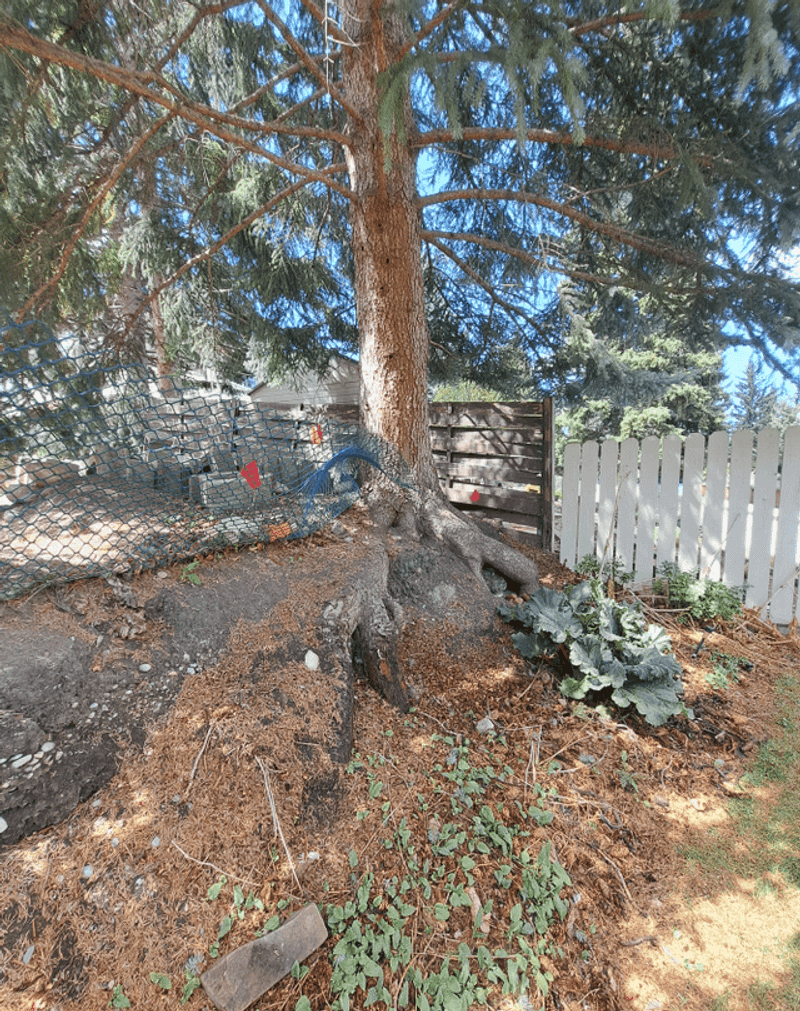
Once you discover that tree roots are damaging your wall, the first instinct is often to cut them out. That seems logical.
But cutting roots without thinking it through can cause a whole new set of problems, including making you liable for damages.
Cutting large roots can weaken a tree’s stability. If the tree falls after you cut the roots, you could be held responsible for any damage it causes, even if the tree belonged to your neighbor.
Courts have sided with tree owners in cases where aggressive root cutting led to a tree falling on a home or fence.
There is also the issue of tree health. Cutting too many roots can stress or seriously harm a tree, which may create a dispute with your neighbor about property damage.
Even if the tree is causing you problems, you do not have the automatic right to harm it recklessly.
The safer approach is to hire a certified arborist before cutting anything. An arborist can recommend which roots can be safely removed and how to do it without destabilizing the tree.
They may also suggest installing a root barrier to redirect future growth. Taking a careful, professional approach protects you legally and keeps the situation from getting worse.
When dealing with root damage near a shared wall, slow and steady really does win the race. Rushing the fix often leads to bigger headaches later on.
8. Property Records May Show Who Is Responsible For The Wall
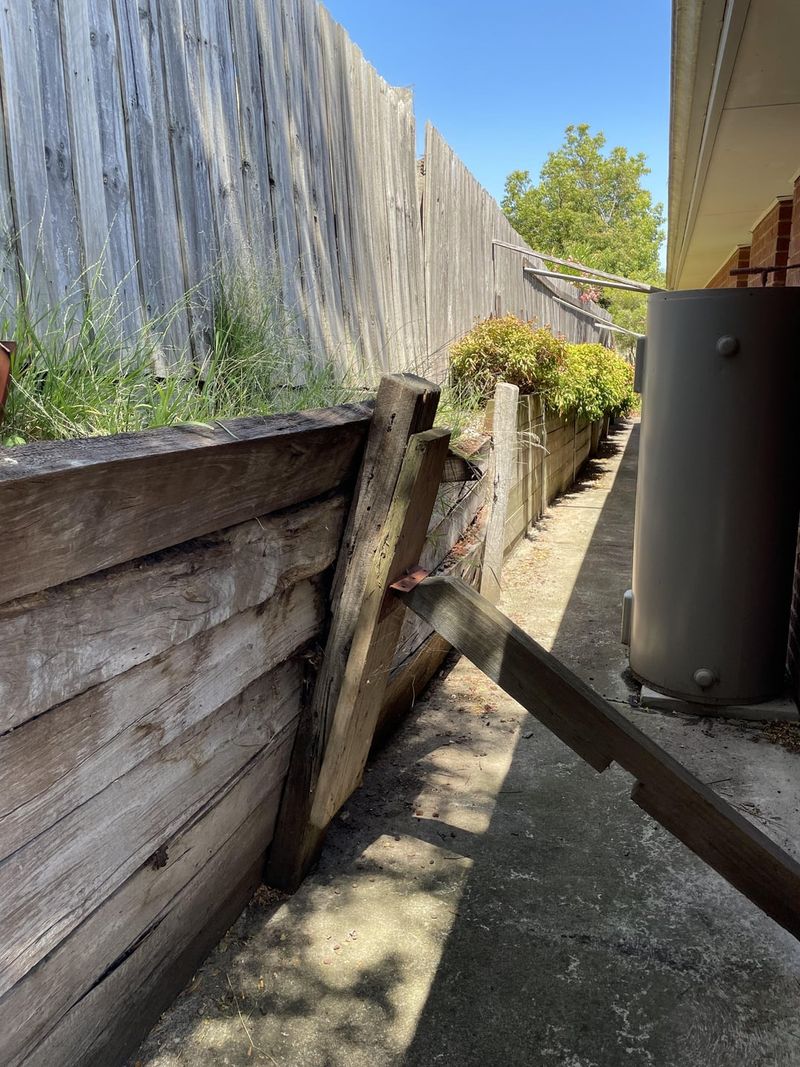
Before going back and forth with a neighbor, check the property records. These official documents often hold the clearest answers about who owns the wall and who is responsible for maintaining it.
Many disputes get resolved quickly once both parties actually read the paperwork. Property deeds sometimes include notes about shared structures, easements, or maintenance agreements.
An easement, for example, might give one neighbor the right to use a wall while placing the repair duty on the other.
These details are legally binding, so they carry a lot of weight in any dispute. County records offices in Oregon keep copies of deeds, plat maps, and survey records. You can often access these online or in person.
A plat map shows exactly where property lines fall and whether the wall sits on one property or straddles the boundary. That information is critical when figuring out ownership.
If you find a maintenance agreement in the records, read every word carefully. Some agreements include specific language about what happens when damage is caused by a third party, like a tree.
Others are more general and require interpretation. A real estate attorney can help you understand what the documents actually mean.
Spending a little time on research before making accusations can save both neighbors a lot of trouble. The answers you need are often sitting right there in public records, waiting to be found.